
Review · HOI AN
From Hoi An: Cooking Class at Organic Farm
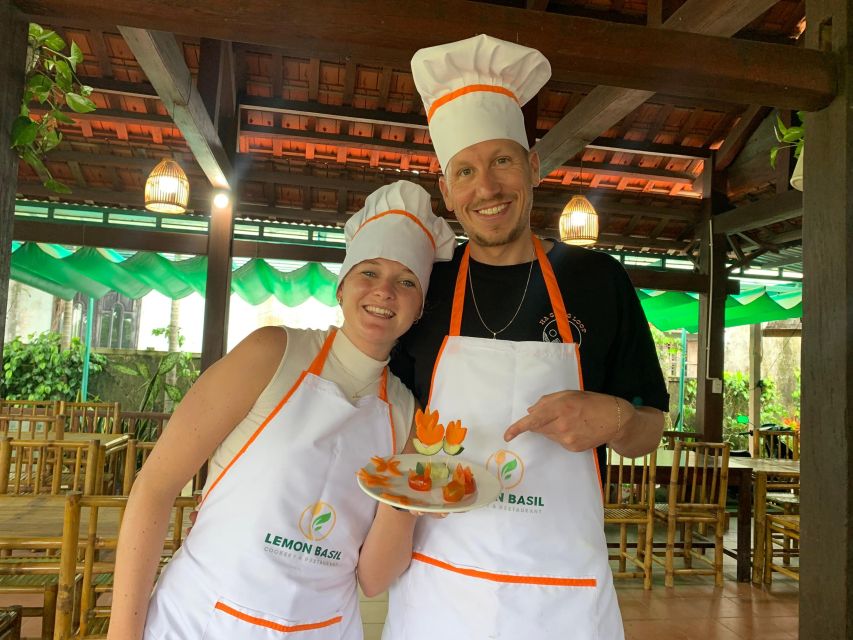
The best part of this three-hour class is that it begins in the garden, not at the chopping board. At Lemon Basil Cookery in Tra Que vegetable village, you see the herbs and greens before they become spring rolls, papaya salad, clay-pot fish, and bánh xèo. Min’s playful teaching style keeps the work relaxed, even if your pancake flipping needs help.
I like the farm connection, and I like the generous four-dish menu. You also cook and eat with a small group, rather than watching a chef work from a distance. The main drawback is simple: transport is not included, so you must arrange your own way to the restaurant and allow time to arrive 5 to 10 minutes early.
Key points at a glance
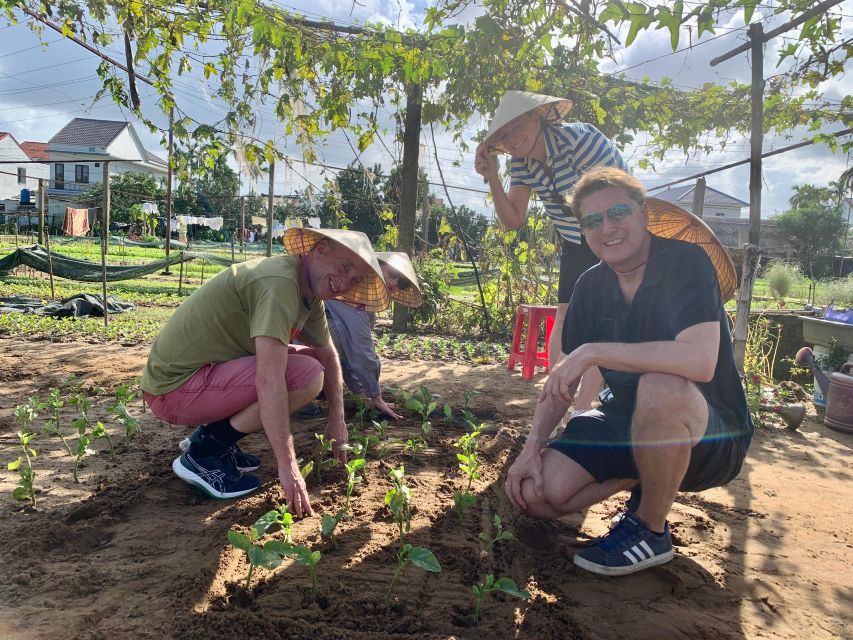
- Farm first, kitchen second: Tour the organic garden, taste herbs, water crops, and sometimes help plant greens.
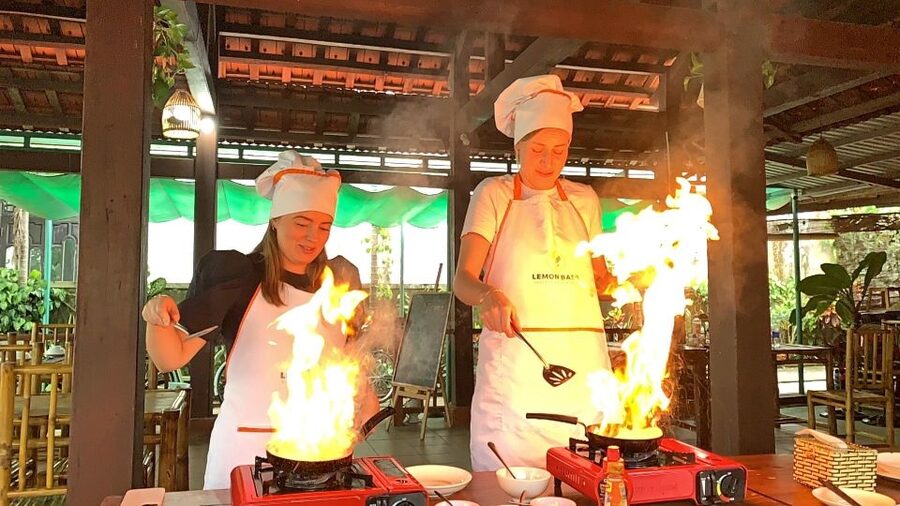
- Four complete dishes: Prepare Tra Que spring rolls, green papaya salad, fish in a clay pot, and Vietnamese crispy pancakes.
- A warm family setting: The class takes place at Lemon Basil Cookery and Restaurant, where the farm and kitchen feel closely connected.
- Small groups of up to 10: You get hands-on time instead of simply watching a demonstration.
- Friendly English instruction: Min and the kitchen team explain techniques clearly, with plenty of humor.
- Good dietary flexibility: Allergies, intolerances, and requests such as avoiding pork can be discussed ahead of time.
Why the Tra Que setting matters
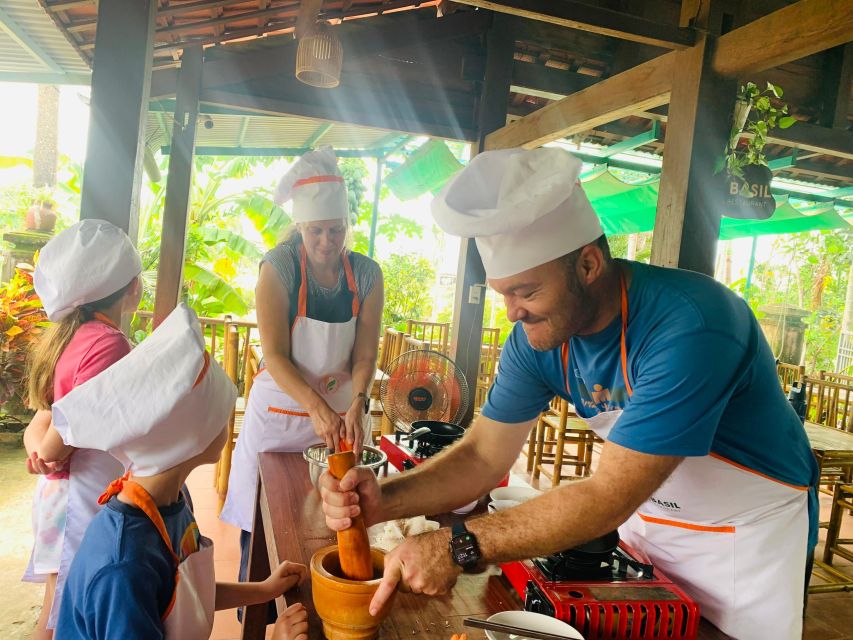
Tra Que is one of Hoi An’s best-known vegetable-growing areas, and this class puts the food in its proper setting. You are not simply handed a basket of ingredients in a city kitchen. You first see the garden where local herbs and vegetables are grown, then use that connection at the stove.
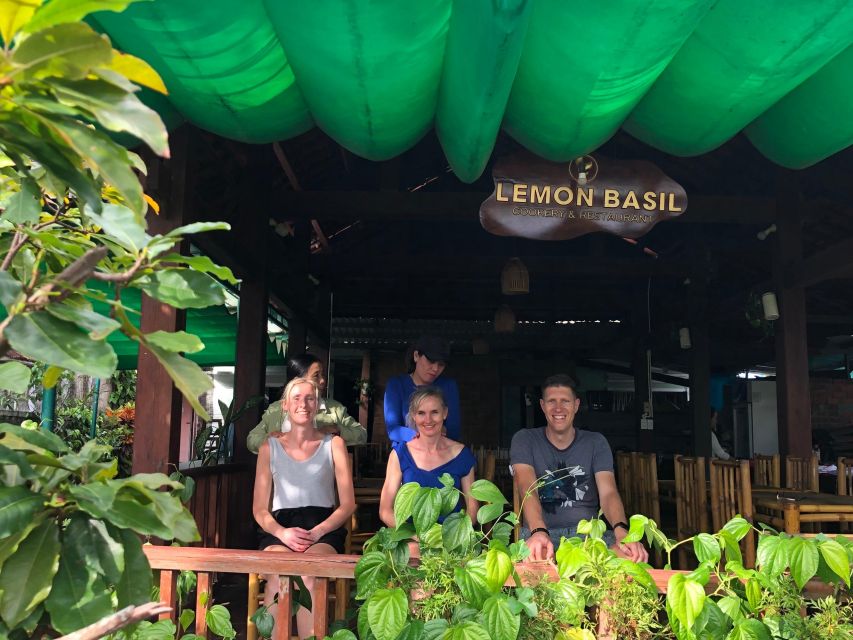
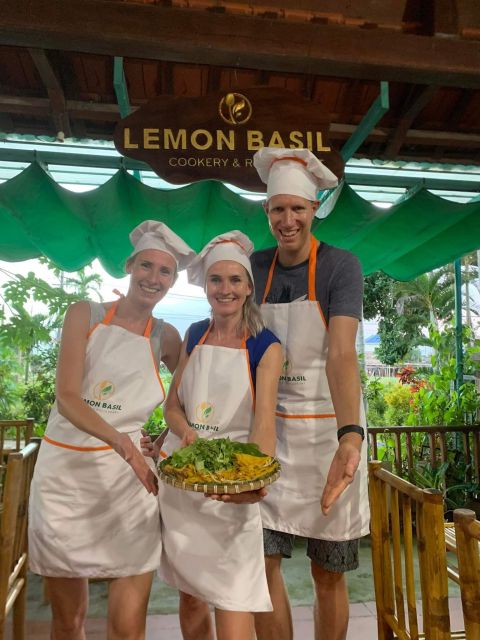
The meeting point is Lemon Basil Cookery and Restaurant, in the heart of Tra Que vegetable village. Look for the Lemon Basil sign and the restaurant’s welcoming entrance. The setting is useful for more than the class itself. Afterward, you can continue exploring the village or use the area as part of a bicycle outing, though the activity does not provide transport.
The farm visit is active rather than decorative. You may learn how the soil is prepared, help plant spinach or other greens, water crops, and examine the herbs used in Vietnamese cooking. Some participants have also tasted the garden produce before cooking. That small step changes how you think about the finished dishes.
I especially like this beginning because it gives you context without turning the class into a lecture. Vietnamese cooking depends on fresh herbs, crisp vegetables, salty fish sauce, sour elements, and controlled heat. Seeing the ingredients growing nearby makes those choices easier to understand.
More Farm Cooking Classes in Hoi An
- Cocolocal Farm Cooking Class with market tour and basket boat
★ 5.0 · 231 reviews - Full Experience Tour: Cooking Class & Basket Boat at Eco-Village
★ 5.0 · 187 reviews - Hoi An: Tra Que Herb Village Cooking Class
★ 4.5 · 102 reviews
Meet the family behind the kitchen
The class has a family-run feel. Min is a key host, and her aunt and uncle may also be part of the welcome and farm tour. The family atmosphere is one of the strongest reasons to choose this class over a larger cooking school.
Min’s teaching style is friendly and funny. She gives clear instructions, but the mood stays loose. That matters when you are trying to shape spring rolls, cut vegetables neatly, or flip a bánh xèo without breaking it. You can expect jokes, encouragement, and practical help rather than a formal chef’s demonstration from across the room.
The names Jessica and Minh also appear among the hosts associated with different sessions. The exact person leading your class may vary, but the format remains English-language instruction with hands-on cooking and time in the garden.
Do not expect a polished television-style production. This is a working family cookery connected to a real farm. That means the experience feels personal, though the pace and presentation may be less uniform than at a large commercial school.
From garden herbs to Tra Que spring rolls
The first cooking task centers on Tra Que spring rolls. Before you begin, the farm tour helps you recognize the herbs and greens that give Vietnamese food its fresh character.
You will work with the ingredients provided for the class and follow the chef’s instructions as you assemble the rolls. The useful skill here is balance. Vietnamese spring rolls are not just about filling and wrapping. Texture, herbs, dipping sauce, and careful shaping all matter.
The class has been described at different times as preparing fresh or crispy spring rolls. The exact style may depend on the session, but the dish is part of the fixed four-course menu. If you have never made them, this is a good first task because you can learn the basic flavors before moving to more technical cooking.
This is also where dietary needs should be raised. The class can adapt to requests, and avoiding pork has been accommodated. Still, you should tell the cookery about allergies or intolerances in advance rather than waiting until the ingredients are on the table.
Green papaya salad and the art of balance
Green papaya salad looks simple, but it teaches one of the most useful ideas in Vietnamese cooking: no single flavor should take over. You work toward a mix of fresh, sour, sweet, salty, and spicy notes.
The class focuses on the process, not just the final plate. You learn how the ingredients are prepared and how the dressing brings them together. The chef can also explain how the salad is eaten, which is helpful if this is your first close look at Vietnamese home-style food.
This dish gives you an easy way to compare your own preferences with the standard recipe. You may like more sourness or less heat. The small-group format makes it possible to ask questions and see how other people handle the same ingredients.
The portioning is generous across the whole class. Several dishes are prepared and eaten during the session, so plan on arriving hungry but not expecting a light snack. The meal is substantial enough that some people may not want dinner afterward.
More Farm Cooking Classes in Vietnam
- Hoi An Local Market and Vegetable Village Cooking Class
★ 5.0 · 93 reviews - Hoi An countryside biking – Basket Boat – Vegetable village – Local home Cooking
★ 5.0 · 37 reviews - Hoi An : Vegetarian Cooking Class W Optional Coconut Village
★ 4.9 · 28 reviews - Cooking Class in Tra Que Organic Vegetable Village
★ 5.0 · 6 reviews
Fish in a clay pot brings the heat
The clay-pot fish is the most substantial dish on the menu. It also shows a different side of Vietnamese cooking, with a savory sauce and slow, concentrated flavor.
You prepare the fish with guidance from the kitchen team, then eat it as part of the shared meal. Fish type can vary, but reviews of the class describe basa fillet in some sessions. Do not count on a specific fish unless the cookery confirms it before you arrive.
This part of the class suits you if you want more than assembly work. You are involved with an actual cooked main course, and the chef can help you judge seasoning and timing. The clay pot also makes a useful souvenir of the technique, since you can adapt the idea later with ingredients available at home.
If you do not eat fish, ask about alternatives before booking or as soon as possible after booking. The supplied information confirms flexibility for dietary needs, but it does not promise a particular replacement dish.
Bánh xèo is the fun test
Vietnamese crispy pancakes, or bánh xèo, are the most playful part of the class. The batter must be spread thin, the fillings added at the right time, and the pancake handled carefully so it stays crisp.
This is where you may discover that cooking on holiday is easier than recreating the dish at home. Flipping and shaping take practice. That is not a problem. The instructor helps, and the point is to learn the method rather than produce a perfect restaurant plate on your first attempt.
The pancake is also a good communal dish. You can compare techniques with the other participants, laugh at the occasional misshapen result, and then eat it while it is fresh. The relaxed atmosphere is useful here. You do not need prior cooking experience, and the class is suitable for beginners.
Shared dining turns the lesson into a meal
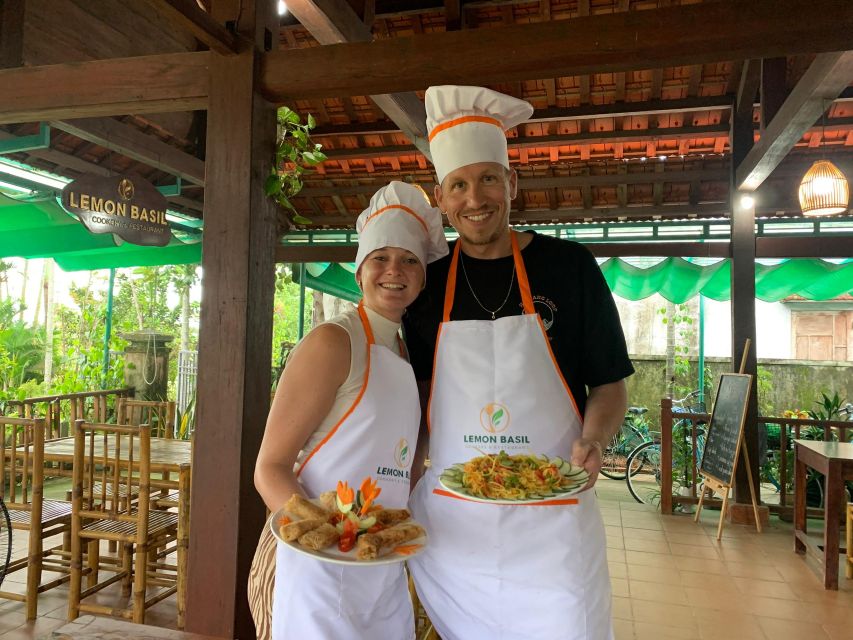
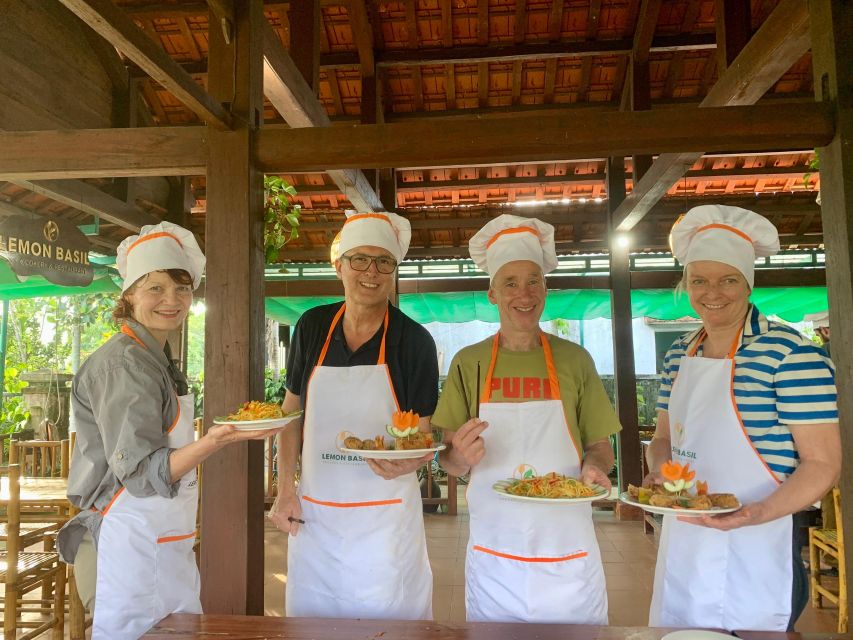
After cooking, everyone sits down to eat the food prepared during the class. The meal includes the four dishes, and the communal arrangement keeps the social side of the activity going.
This is not a rushed tasting. You have worked with the ingredients, so each dish feels connected to the effort behind it. You can ask about serving customs, flavor combinations, and how the recipes fit into daily Vietnamese meals.
The meal may also include fresh fruit. Mango, pink jackfruit, and lychees have been served in some sessions, though fruit is not listed as a guaranteed part of the menu. Additional food and drinks beyond the stated inclusions are not covered, so bring money if you want extras.
The shared table suits solo participants and couples alike. You can meet other people without committing to a large social tour. The maximum group size is 10, and groups of six have been hosted, giving the kitchen enough room for real participation.
What the $27 price really buys
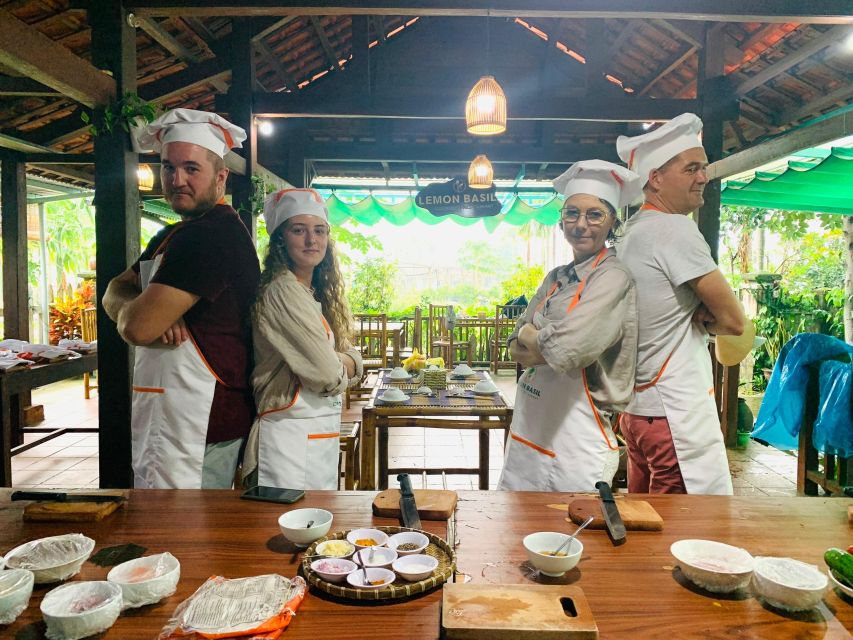
At $27 per person, this is good value if you want both a meal and a practical activity. You receive a farm tour, ingredients for four dishes, English instruction, cooking time, communal dining, and a completion certificate.
The value is strongest when you would otherwise pay separately for lunch and a cultural activity. You are not only eating four Vietnamese dishes. You are learning how the ingredients are grown, how the recipes are assembled, and how the flavors fit together.
The price does not cover transport, insurance, personal spending, or extra drinks and food. That matters because Tra Que is outside Hoi An’s central old-town streets. You must get to Lemon Basil independently, so include the cost and time of your own ride or bicycle in your planning.
A certificate is included at the end. It is a pleasant memento rather than the main reason to book, but it gives the class a clear finish and makes a fun keepsake for children or first-time cooks.
Who will enjoy this class most
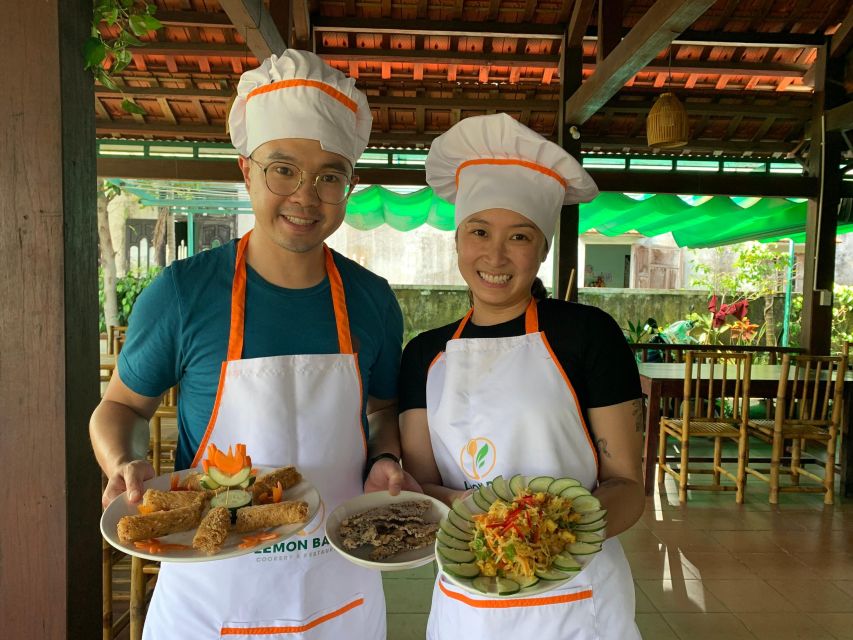
I would choose this class if you want a relaxed introduction to Vietnamese food with a real sense of place. It suits couples, families, solo participants, and small groups of friends.
It is especially useful for you if:
- You want to cook rather than watch.
- You like meeting a local family in a working setting.
- You are curious about herbs and vegetable farming.
- You want a filling meal built into the activity.
- You have little or no previous cooking experience.
- You need to discuss dietary restrictions ahead of time.
The class may be less suitable if you want an advanced culinary course, a tightly timed professional lesson, or hotel pickup. The focus is on enjoyment, local food, and useful basic techniques, not chef certification.
Children are not specifically addressed in the supplied details, so families should confirm age suitability before booking. The activity is suitable for all cooking skill levels, but the class size and exact kitchen arrangements may affect how much space each person has.
Practical advice before you go
Arrive 5 to 10 minutes before the start time. The stated duration is about three hours, with some sessions lasting up to three and a half hours. Check the available start time when booking and plan your route to Tra Que carefully.
Wear something comfortable for cooking and farm work. Specific clothing rules are not given, so I would avoid anything you would dislike getting splashed or stained. Bring water if you prefer your own, since extra drinks are not included.
Tell Lemon Basil about allergies, intolerances, or dietary preferences in advance. The kitchen has handled requests such as no pork, but advance notice gives the cooks time to prepare properly.
The class is conducted in English. That makes the demonstrations accessible to English speakers, and the small group gives you a chance to ask for a repeat if a technique is unclear.
Booking is flexible: you can reserve now and pay later, and cancellation is free up to 24 hours before the activity for a full refund. Those terms are useful if your Hoi An schedule is still moving around.
Should you book Lemon Basil Cookery?
Book it if you want a three-hour food activity that feels connected to the local setting. The farm visit, family welcome, four-dish meal, and hands-on instruction make the $27 price easy to justify.
I would be particularly keen to book with Min if you enjoy a humorous teacher and a relaxed class. The strongest feature is not one fancy recipe. It is the full chain from garden to plate, with time to plant, taste, cook, eat, and ask questions.
Skip it if you need pickup, dislike group dining, or want a highly technical chef’s course. Otherwise, arrange your own transport to Tra Que, mention dietary needs early, and arrive ready to get your hands busy.
FAQ
How long does the Lemon Basil cooking class last?
The activity lasts about three hours, with some information giving an estimated range of three to three and a half hours.
Where does the cooking class meet?
Meet at Lemon Basil Cookery and Restaurant in Tra Que vegetable village. Look for the Lemon Basil signage in the heart of the village.
Is transportation included?
No. You must make your own way to and from the restaurant.
Which dishes will I prepare?
The class includes Tra Que spring rolls, green papaya salad, fish in a clay pot, and Vietnamese crispy pancakes, known as bánh xèo.
Can the class accommodate dietary restrictions?
You should inform the cookery of allergies, intolerances, or dietary requests in advance. Requests such as avoiding pork have been accommodated.
Is prior cooking experience required?
No. The class is suitable for all skill levels and includes English-speaking instruction from the chefs.
More Hands-On Workshops in Hoi An
- Cooking Class Hoi An:Local Market, Basket Boat, Fishing & Cooking
★ 5.0 · 3,660 reviews - Hoi An Cooking Class(Market,BasketBoat Crabfishing&Cooking Class)
★ 5.0 · 3,386 reviews - From Hoi An: Market Tour, Basket Boat Ride and Cooking Class
★ 4.8 · 2,208 reviews - Hoi An: Basket Boat with Lantern-Making & Cooking Class Tour
★ 4.9 · 1,444 reviews
Just added around Hoi An
- Hoi An: Basket Boat -Cooking Class & My Son Sanctuary Tour★ 5.0 · 3 reviews
- Hoi An: Market tour – Cam Thanh Cooking Class & Basket Boat★ 4.7 · 3 reviews
- Cooking Class in Tra Que Organic Vegetable Village★ 5.0 · 6 reviews
- COOKING CLASS & BASKET BOAT★ 4.5 · 4 reviews
- Hoi An: Cooking Class, Local Market & Basket Boat Experience★ 5.0 · 5 reviews
- Cooking Class at Green Bamboo★ 5.0 · 7 reviews
- Buffalo Riding, Basket Boat and Cooking Class: Hoian/Da Nang★ 4.9 · 6 reviews
- Hoi An/Da Nang: Vegetarian Cooking Class & Basket Boat Ride★ 4.8 · 90 reviews
Farm & Countryside Cooking Classes, compared.
Half-Day Thai Cooking Class at Organic Farm in Chiang Mai
Read our review →
Cooking Class and Lunch at a Tuscan Farmhouse with Local Market Tour from Florence
Read our review →
Chiang Mai: Authentic Cooking Class with Market & Farm Visit
Read our review →
Ubud: Balinese Cooking Class at an Organic Farm
Read our review →
Ubud: Authentic Cooking Class in a Local Village
Read our review →
Chiang Mai: Cooking Class with Organic Farm at Mama Noi
Read our review →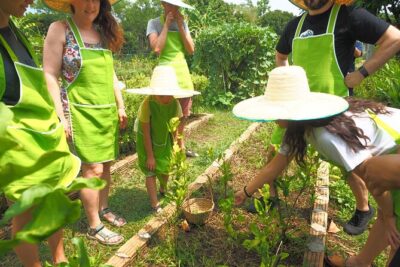
Hands-On Cooking Class & Farmhouse Tour on the Amalfi Coast
Read our review →Browse the lists this tour appears in