
Review · PARIS
Paris Baking Insider Experience near Notre-Dame
A bakery kitchen is the real star here. In about two hours, you work with bread and pastry dough, shape baguettes, roll croissants, and taste what comes from the ovens. It is a good way to see the working side of French baking rather than simply buying a finished loaf at the counter.
I like the small maximum of eight people, which gives you a fair chance to handle the dough. I also like the mix of bread, pastry, and history, from flour and yeast to the famous financier cake. The main drawback is that this is more of a guided bakery experience than a full baking course, and some dough may already be prepared.
Key points to know before booking
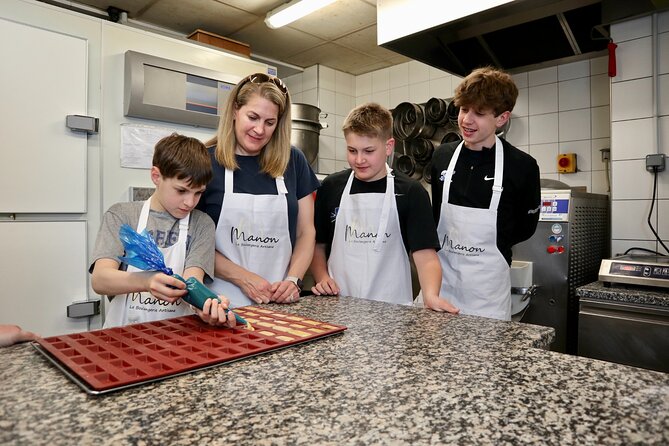
- You work with several French staples: Baguettes, croissants, bread dough, and small cakes such as financiers or madeleines may all feature.
- The group is limited to eight people: That keeps the kitchen more manageable, though one account found the space crowded.
- Guides make a big difference: David, Valentina, Pierre, Clara, Martin, Salome, Paula, and Yeju have all led sessions, with strong praise for their patience and humor.
- You learn useful baking basics: Expect discussion of flour, yeast, sourdough, gluten, dough types, shaping, and lamination.
- You may leave with plenty to eat: Several sessions included bread, cakes, or pastries to take home, so bring an extra bag.
- Plan for stairs and standing: The bakery is up 15 steps on the second floor, with no elevator, and the activity requires extended time on your feet.
What happens inside the Paris bakery
The session begins at 25 Rue de Bretagne in the 75003 district, and it ends at the same place. The address puts you in a useful part of Paris for a bakery stop, though the experience itself stays focused on the kitchen rather than sightseeing around Notre-Dame.
Once inside, your guide introduces the bakery and explains what you are about to make. The exact order can vary, but the central themes remain the same: French bread, croissant dough, small cakes, and the working methods behind them.
You may see dough being prepared, shaped, or moved through the bakery. The point is not just to copy a few motions. You also learn why one baguette differs from another, how flour affects the dough, and why yeast and sourdough produce different results.
The guides help keep the session moving. David is often praised for including children and making the process easy to follow. Valentina has been especially good at keeping both adults and children involved, while Pierre has been described as warm and funny. Clara received praise for helping an experienced home baker learn something new.
The experience is offered in English. Since the group is capped at eight, you should have a better chance of taking part than in a large demonstration class. Still, the kitchen is a working space, not a roomy cooking studio. One account found the session crowded, so do not expect every person to have a large work surface.
More Baking Classes in France
- Paris Croissant Small-Group Baking Class with a Chef
★ 5.0 · 910 reviews - Paris: French Croissant Baking Class with a Chef
★ 4.9 · 712 reviews - Paris: Baking Insider Experience
★ 4.7 · 397 reviews
Baguette shaping, flour, yeast, and sourdough
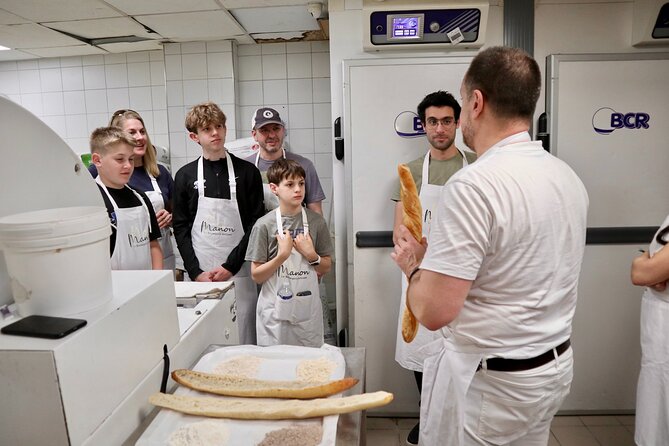
Bread is the heart of the activity. You learn that a baguette is not defined only by its long, thin shape. Flour, fermentation, handling, and baking all affect the finished loaf.
The session covers different flour types and the role of gluten. That matters because the choice of flour changes the dough’s strength and texture. You also hear about yeast and sourdough, two methods that bring different flavors and fermentation patterns to bread.
Baguette shaping is one of the most useful practical parts. You can watch several shaping methods and then try the motions yourself. This gives you a better sense of how bakers create an even loaf without flattening all the air from the dough.
Do keep your expectations in check. The available details indicate that some dough can be prepared before you arrive. One session included mixing batter for small cakes and rolling croissants made from dough that had already been cut. That setup lets you cover more items in two hours, but it is not the same as starting a loaf from flour, water, yeast, and salt.
You also should not count on receiving exact recipes or professional production formulas. One participant found the lesson basic and noted that measurements and detailed baking tips were limited. If your main goal is to return home and reproduce a precise baguette or croissant, a longer technical class may suit you better.
Croissant dough and the art of lamination
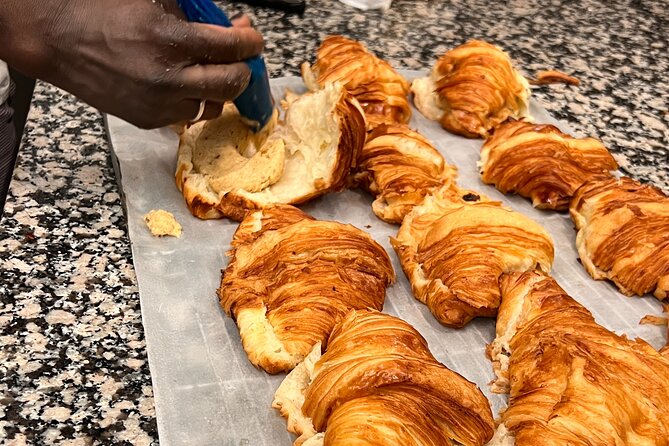
Croissants offer a chance to learn about laminated dough, the process of layering butter and dough to create a flaky pastry. You hear how the dough is folded and rolled, and you get to practice some of the handling.
In several sessions, the hands-on step involved rolling prepared croissant dough. That is still useful. You can feel how delicate the dough is and see how shape affects the final pastry. But it is a short introduction, not a full lesson in making croissant dough from scratch.
This difference matters when you compare the price with a formal pastry course. At $108.89 per person, you are paying for access to a working bakery, instruction, tasting, and a small-group setting. You are not simply paying for a recipe sheet and ingredients.
For many people, that is a fair trade. You get a behind-the-scenes look at a French bakery and a guided introduction to several techniques in one sitting. If you want to master lamination, however, look for a class built around one pastry and lasting several hours.
Financiers, madeleines, and the tasting table
The sweet side of the session can include financiers, madeleines, or other small cakes. A financier is a small almond cake, often made with browned butter, and it gives the class a useful contrast to bread and croissant dough.
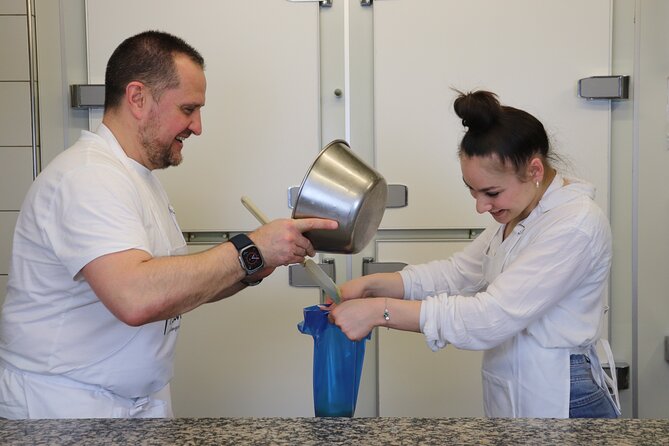
The activity may have you mix batter, pour it into molds, and bake it. This part can be more hands-on than the bread because the group can take part in combining ingredients. It also gives you something sweet to taste while you learn how French bakers balance texture and flavor.
The tasting is not an afterthought. You use the finished items to compare what you have made and to understand how ingredients affect the result. Sessions have included three baked items, along with an extra treat from the pastry shop. Some families left with enough bread and cakes for dinner or the next day.
Bring an extra bag. That is practical advice, not decoration. Several accounts describe leaving with a large amount of bread and pastry. You may taste some items during the session and carry the rest away.
More Baking Classes in Paris
- Paris Macarons Small-Group Baking Class with a Chef
★ 5.0 · 316 reviews - Paris: Macaron Baking Class for Families and Kids
★ 4.7 · 270 reviews - Paris: Macaron Baking Class in Central Paris
★ 5.0 · 208 reviews - Paris: Croissant Baking Class with a Chef
★ 5.0 · 201 reviews
A working bakery, not a staged cooking studio
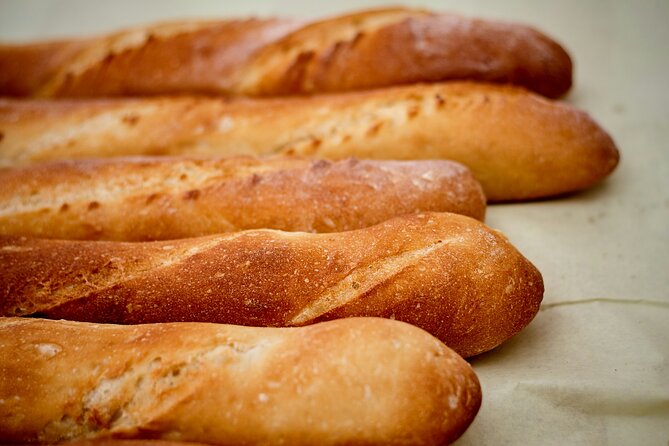
The best part of the activity is also what makes it uneven. You enter a real bakery kitchen, where bread is made as part of daily work. That can feel far more genuine than a polished demonstration room.
Some sessions have been described as clean, organized, and immaculate. One family was pleased with the care taken around a serious nut allergy. Another person raised concerns about cleanliness and the way food was handled during one visit, including contact with phones and bakery surfaces. Because the experience takes place in a working bakery, standards may feel less uniform than in a purpose-built school.
The guide also acts as a bridge between you and the bakery staff. Most accounts describe a welcoming group atmosphere, but one person felt uncomfortable after seeing tension between staff and the instructor. The operator said that concern was addressed with its partner.
That mixed picture is worth keeping in mind. You are choosing this activity for access to a real bakery, with all the movement and practical mess that can bring. You may see flour on the floor, feel heat near the ovens, and work around staff who are completing their normal tasks.
Wear clothes and shoes that can handle flour. The bakery can be warm near the ovens, and you will be standing for much of the two hours. Hand washing is part of the process, especially when working with food.
Why the guide matters so much
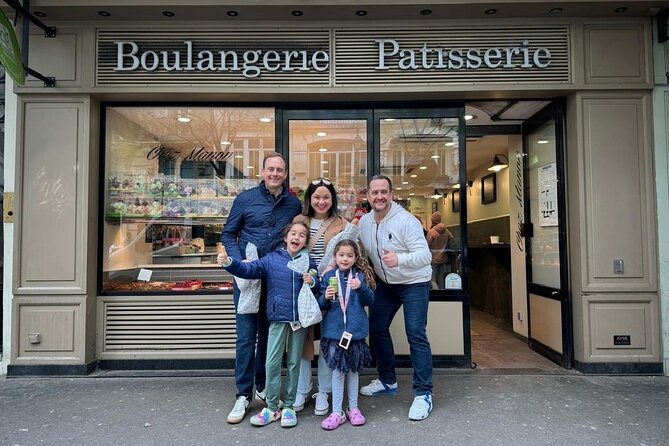
The guide shapes the day. A good guide makes a small kitchen feel welcoming, gives everyone a turn, and explains unfamiliar terms without making the lesson feel like school.
David has been praised for engaging children aged 10 and 14, explaining each step, and including everyone in the baking. Valentina has been singled out for patience and good humor with children and adults. Salome has been described as kind, patient, and effective at making a solo participant feel included.
Yeju has been praised for keeping the group on time while making sure everyone had a chance to participate. Martin has been noted for explaining the baking process and including the full group. Paula, Clara, and Pierre have also received warm comments for guiding guests through the work.
Guide assignments can change, so you should not book on the assumption that one specific person will lead your date. These names show the sort of teaching style the activity can offer, but they are not a guarantee.
The strongest sessions appear to work well for mixed groups. Adults can ask about technique, while children can roll dough, shape bread, and help with simple mixing. The activity is also suitable for a solo visitor because the small group and guided tasks give you an easy way to take part.
Is $108.89 a fair price?
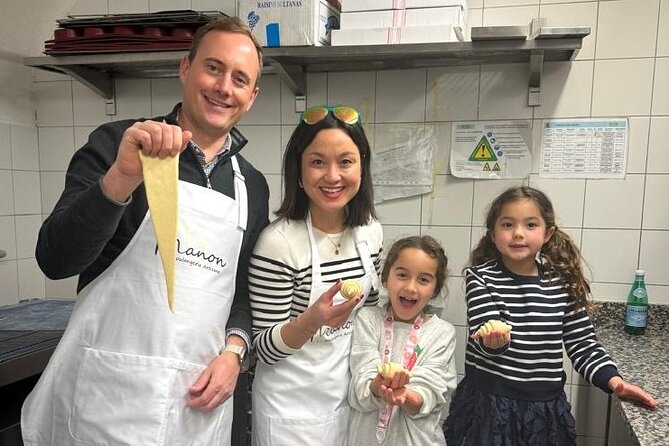
The price is high for a two-hour activity, especially if you expect a complete baking course. You may not receive recipes, exact ingredient measurements, or enough dough work to repeat every item at home.
The value improves if you care about the setting. You are paying for a small group, an English-speaking guide, access to a French bakery kitchen, practical demonstrations, tastings, and baked goods to carry away. You also get a short lesson in French bakery culture that covers more than one product.
At 97 percent recommended and a 4.8 rating from 206 ratings, the experience has a strong overall record. Still, the lower scores point to the main risks: a crowded feeling, limited hands-on preparation, inconsistent expectations, and concerns about the bakery environment during one session.
I would compare it with the cost of other Paris food activities, but I would also ask what you want to learn. For an enjoyable family activity and a look behind the counter, the price can make sense. For serious bread training, spend the money on a longer class focused on one recipe.
Families, children, and solo visitors
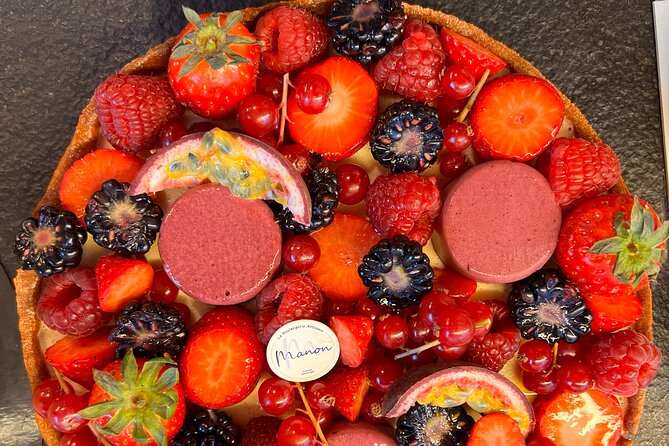
Children are welcome when accompanied by an adult. Children under five can join free, but they cannot take part in the hands-on baking because of safety concerns.
The activity has worked well for families with children around five to fourteen. Younger children may enjoy rolling dough and simple tasks, while older children can follow the explanations about bread and pastry. Keep in mind that everyone must stand for an extended period, and the stairs may be tiring for some children.
A solo visitor can also fit in comfortably. The eight-person limit makes it easier to join conversations and take part in each stage. You do not need to arrive with a group of friends to feel included.
Service animals are allowed, and the bakery is near public transportation. The meeting point is not an elevator-accessible venue, however. You must climb 15 steps to reach the second floor.
Booking details that matter
You receive confirmation when booking, and the activity is offered with a mobile ticket. It lasts about two hours and ends where it begins.
Free cancellation is available up to 24 hours before the start time for a full refund. Changes or cancellations made within 24 hours are not accepted for a refund, and the cut-off uses Paris local time.
The experience is usually reserved well ahead, with an average booking point of 39 days in advance. That does not guarantee a date will sell out, but it is sensible to reserve early if your Paris schedule is tight.
Should you book the Paris Baking Insider Experience?
Book it if you want a friendly, hands-on introduction to French baking inside a real bakery. It suits families, solo visitors, and anyone who likes food experiences with a little history and plenty of tasting. The small group, English instruction, and chance to take bread home are real advantages.
Skip it if you want a formal pastry-school lesson with exact recipes, full ingredient preparation, and detailed technique from start to finish. You should also think twice if stairs, heat, standing, or a busy working kitchen would make the session uncomfortable.
For most visitors, I would treat this as a bakery visit with practical participation, not as professional training. Go with that expectation, bring a spare bag, and you are likely to get a memorable taste of how French bread and pastry are made.
FAQ
How long does the Paris Baking Insider Experience last?
The activity lasts approximately two hours and ends back at the meeting point.
Where does the experience begin?
It begins at 25 Rue de Bretagne, 75003 Paris, France.
How many people can join the session?
The maximum group size is eight travelers.
Is the experience offered in English?
Yes. The experience is offered in English and includes an expert guide.
Can children participate?
Children can join when accompanied by an adult. Children under five can attend free, but they cannot take part in the hands-on baking because of safety concerns.
Is the bakery accessible by elevator?
No. You must climb 15 steps to reach the bakery on the second floor, and the activity requires extended standing.
Just added around Paris
- Market Visit and Cooking Class with a Parisian Chef★ 4.4 · 51 reviews
- Paris: Full-Day Cooking Class, Market Tour and Lunch★ 4.9 · 113 reviews
- Paris: 2.5-Hour French Pastry Cooking Class★ 4.9 · 71 reviews
- Croissant Baking Class, Mastering the Art with a Pastry Chef★ 5.0 · 116 reviews
- Paris Desserts and Pastries Small Group Cooking Class with a Chef★ 4.5 · 49 reviews
- Paris Cooking Class: Chocolate Éclairs and Cream Puffs★ 5.0 · 87 reviews
- Paris: Croissant Baking Class with a Chef★ 5.0 · 201 reviews
- Paris: Macaron Baking Class in Central Paris★ 5.0 · 208 reviews
Baking & Bread Classes, compared.
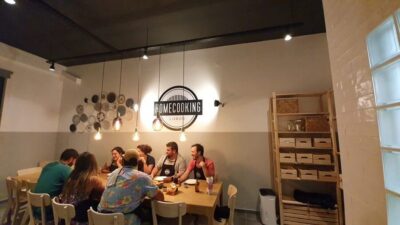

Group Tour: Garni, Symphony of Stones, Geghard, Lavash Baking
Read our review →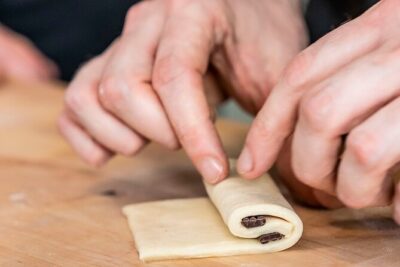
Paris Croissant Small-Group Baking Class with a Chef
Read our review →
Garni & Geghard Small-Group Day Trip with Lavash Baking
Read our review →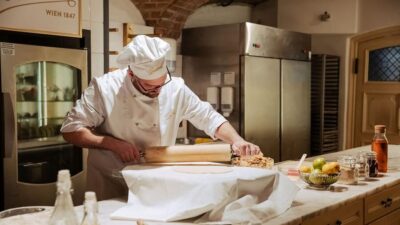
Vienna: Gerstner KuK Hofzuckerbäcker Baking Show & Tasting
Read our review →
Yerevan: Garni, Geghard, Symphony of Stones & Lavash Baking
Read our review →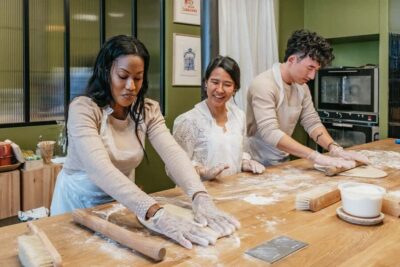
Paris: French Croissant Baking Class with a Chef
Read our review →
Laugarvatn Fontana: Geothermal Bread-Baking Experience
Read our review →Browse the lists this tour appears in