
Review · PARIS
Paris French Macarons Small Group Baking Class with a Chef
Making macarons in a Parisian apartment kitchen gives this three-hour class a personal feel that a large pastry-school session cannot match. You work with a French chef, use ordinary home-kitchen equipment, and learn why these almond meringue sandwiches succeed or fail.
I like the small maximum of eight people, which gives you a better chance to ask questions and handle the piping and filling. I also like the take-home box and recipe, since the real value is being able to try the techniques again at home. The main drawback is the price, $218.90 per person, and the class can include waiting while shells rest, bake, and cool.
Key points at a glance
- A private apartment setting: Meet your chef in a central Paris home rather than a formal culinary school.
- Hands-on macaron work: Depending on the chef and group, you may mix, fold, pipe, fill, and assemble the cookies yourself.
- Two chosen flavors: The group makes two macaron flavors together, with some sessions producing more varieties.
- A class capped at eight: The small format supports questions and personal guidance.
- Home-kitchen methods: You learn with tools and equipment you can generally use again at home.
- A practical souvenir: Take away a box of macarons and a recipe, although you should confirm that the recipe is provided before leaving.
Meeting the chef in a Paris apartment
The class begins at 3 p.m. in central Paris. You make your own way to the meeting point, which is near public transportation, and the activity ends there after roughly three hours. Hotel pickup and drop-off are not included.
Your teacher may be Chef Marthe or Chef Frédéric. Both are described as warm, patient instructors who make room for children and first-time bakers, while still offering useful advice to experienced cooks. That mix matters. Macarons look simple, but the texture depends on small decisions that are hard to spot in a printed recipe.
The apartment setting is part of the appeal. You are not just watching a pastry demonstration behind a counter. You are welcomed into a personal kitchen, with an apron, utensils, ingredients, and equipment ready for use. Some sessions have been held in bright, comfortable kitchens with a view, while others have felt more like an informal lesson at a long worktable.
The address and entry instructions deserve your attention. One participant missed the first hour after an important email went to a junk folder. Check your confirmation carefully, save the address, and allow extra time to find the building. This is especially important in Paris, where an apartment entrance can be easy to miss.
More Baking Classes in France
- Paris Croissant Small-Group Baking Class with a Chef
★ 5.0 · 910 reviews - Paris: French Croissant Baking Class with a Chef
★ 4.9 · 712 reviews - Paris: Baking Insider Experience
★ 4.7 · 397 reviews
Why French macarons need more than a recipe
A macaron is made from two delicate meringue shells joined by a filling. Almond powder gives the shells their distinct taste, while whipped egg whites and sugar create the light structure. The method is less forgiving than making a basic cookie.
The class uses a recipe associated with Pierre Hermé, one of France’s best-known pastry chefs. You also learn about the pastry’s place in Parisian food culture. Ladurée helped make macarons famous, and has produced them since 1930. That background is brief but useful: it explains why this small cookie became such a familiar symbol of French pastry.
The most valuable instruction comes from the practical corrections. How much should you fold the batter? When is it smooth enough? How do you pipe even rounds? What can cause cracks, hollow shells, or a weak filling? Chef Marthe is praised for sharing the small tricks that do not always appear in a recipe, while Chef Frédéric is described as clear, patient, and good at answering questions.
That is where the class can earn its high price. You could buy macarons in Paris for far less than the class fee, and a video can show the broad steps. A chef can point out the feel and consistency of the mixture as you work. If you care about baking, that correction is more useful than a box from a shop.
The first stage: measuring, mixing, and folding
Ingredients are usually measured before the group begins. This keeps the session moving and lets you spend more time learning rather than weighing every item. It also means that the class is not a full pastry-production workshop from start to finish.
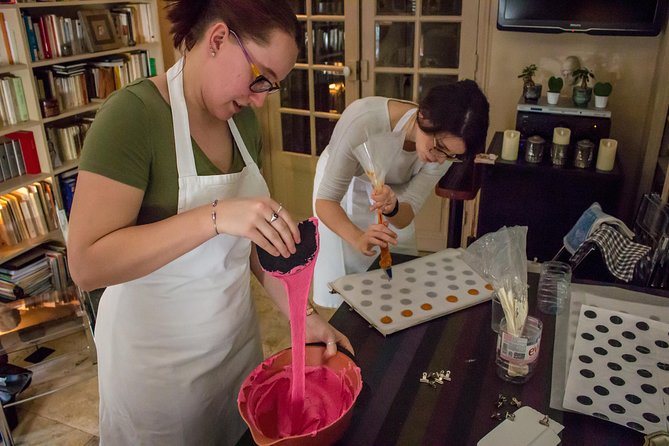
You may help combine ingredients and fold the meringue mixture. The folding stage is one of the key moments. Too little mixing can leave the batter stiff and uneven. Too much can make it runny, leaving the shells flat and difficult to pipe.
Here, the amount of hands-on work may vary. Some groups have mixed and folded much of the batter, while the chef has handled the most delicate meringue work to protect the final result. If you are expecting every person to make a separate batch from scratch, this is not that kind of class.
For children, this arrangement can work well. Chef Frédéric has included young bakers in mixing, piping, and assembling while keeping the trickiest steps under control. Families with children around eight to thirteen have found the format manageable, particularly when the children already enjoy baking.
Piping shells and choosing flavors
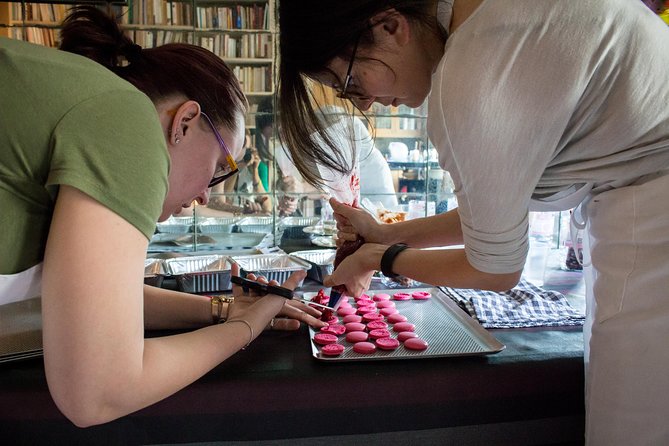
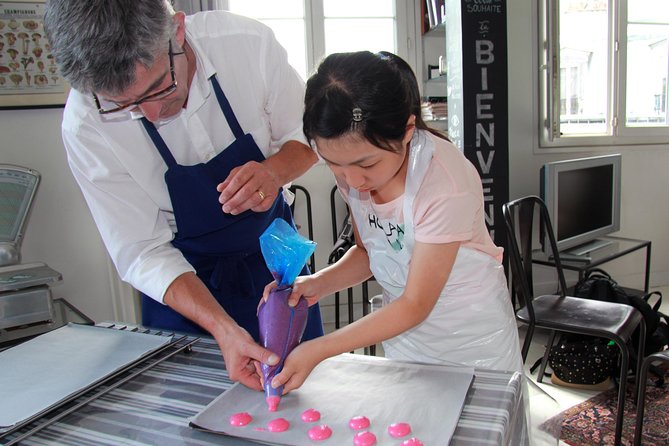
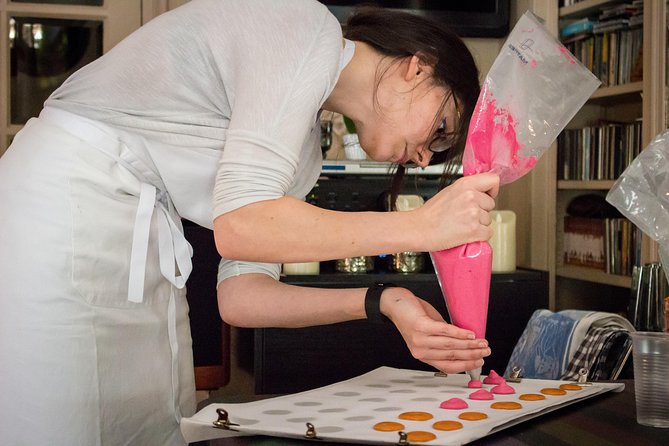
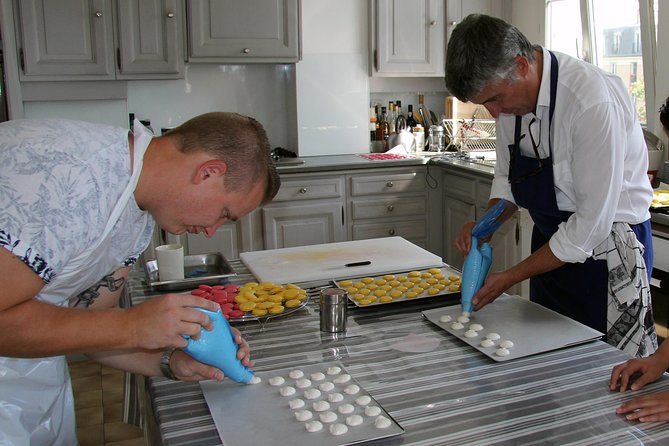
Once the batter is ready, you pipe small rounds onto baking sheets. This is where you begin to see the difference between a neat macaron and a lopsided one. Even pressure, steady movement, and a little patience help create shells that match when they are paired.
The group chooses two flavors to make together. Caramel and raspberry have been used, and other sessions have produced several varieties. The exact flavors are not fixed in the information provided, so do not book expecting a particular menu unless the provider confirms it.
Piping is one of the more enjoyable parts for families and couples because everyone can take a turn. It also gives you an honest sense of the skill involved. A professional can make a tray look effortless, but consistent shells require control.
After piping, the shells need to rest before baking. This pause is part of the process, not wasted time, but it does affect the rhythm of the class. Some people enjoy asking questions and chatting with the chef. Others may find the waiting slow, especially if they expected three hours of nonstop activity.
More Baking Classes in Paris
- Paris Macarons Small-Group Baking Class with a Chef
★ 5.0 · 316 reviews - Paris: Macaron Baking Class for Families and Kids
★ 4.7 · 270 reviews - Paris: Macaron Baking Class in Central Paris
★ 5.0 · 208 reviews - Paris Baking Insider Experience near Notre-Dame
★ 5.0 · 206 reviews
Baking, cooling, and filling the macarons
The shells are baked, then left to cool before you add the filling. These pauses explain why the class is paced rather than rushed. You need cooled shells before assembling them, and a warm shell can affect the texture of the filling.
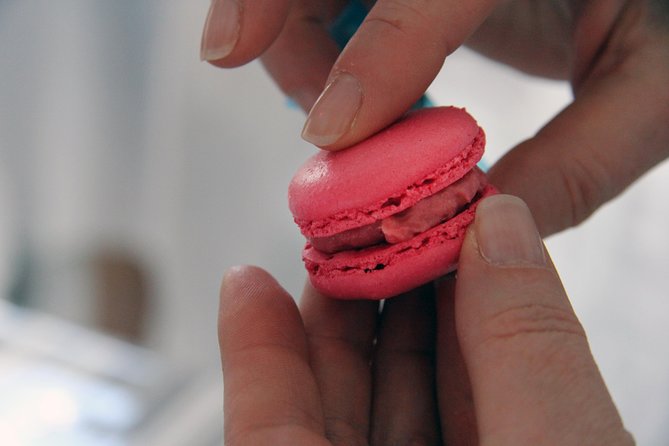
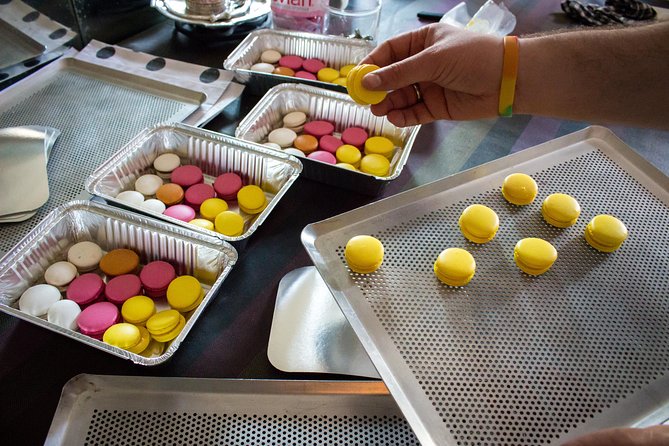
The chef guides you through pairing shells by size and adding the filling. This final stage is hands-on in many sessions, and it turns a tray of separate pieces into recognizable macarons. You may work in a small production line, piping filling, matching tops and bottoms, and checking that each one looks presentable.
The results are not guaranteed to look exactly like a pastry-shop display. That is part of the charm, and it also makes the class more honest. You leave with edible results, useful techniques, and a better idea of where precision matters.
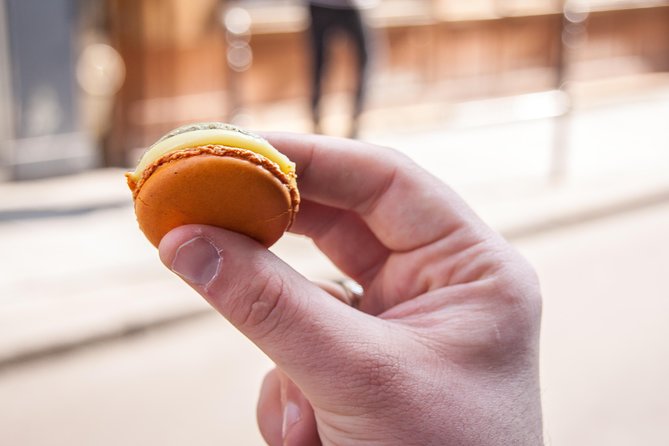
The quantity can be generous. Families have taken home multiple boxes, and some couples have left with plenty of macarons for the rest of their Paris stay. The exact amount depends on the batch and the chef, but the included box is more than a token taste.
What the $218.90 price really covers
At $218.90 per person, this is a costly food activity. You are not paying simply for ingredients and cookies. The fee covers a professional French chef, a three-hour lesson, a small group of no more than eight, use of equipment and an apron, and the macarons you take away.
Still, the value depends on your interests. If you mainly want to eat macarons, spend the money at a respected pastry shop and try several flavors. If you want a personal activity, enjoy learning techniques, and plan to bake again, the class makes more sense.
I would also count the setting as part of the value. A private apartment feels more personal than a large commercial kitchen, and meeting a local chef gives the afternoon a human side. The class can also provide a welcome break from walking and museum visits, especially for families.
The class has earned a 4.8 rating from 130 reviews, with 95 percent recommending it. Those figures suggest a strong overall experience, but they do not erase the two practical concerns: hands-on participation varies, and the recipe follow-up has not always been reliable.
The recipe question matters
The advertised package includes a copy of the recipe to share or keep. Several sessions have included recipes by email, including instructions for four varieties in one particularly well-organized class. That is important because the recipe is a large part of what lets you repeat the experience at home.
There has also been a serious complaint from someone who did not receive the promised instructions after two months of requests. Since the recipe is part of the stated inclusion, ask the chef before leaving how you will receive it. If it is supposed to arrive by email, confirm the address and check your spam folder.
This is a simple step, but it protects the practical value of the class. Write down any key measurements or technique notes during the session if the chef permits it. You should not assume that an emailed recipe will arrive immediately.
Families, couples, and non-bakers
This class suits couples looking for an activity beyond sightseeing. One person in a pair can be an enthusiastic baker while the other starts out doubtful. The group format keeps the afternoon social, and you do not need to be an expert to take part.
Families can also do well here, especially with children who enjoy cooking. The chefs have included young participants and adjusted tasks by age. Children may help mix, pipe, fill, and assemble, while the chef handles the most sensitive meringue work.
It is less suitable if you want a strict professional training session. You will learn useful methods, but the class is designed as a friendly experience, not a pastry qualification. It is also not ideal for anyone with an almond allergy. Macarons contain almond powder, and the class cannot be adapted for that allergy.
Tell the provider about other food or animal allergies before arrival. The supplied information specifically asks you to advise them of allergies, but almond allergy is the clear exception that prevents participation.
Timing, communication, and cancellation
Plan for about three hours, starting at 3 p.m. The class ends back at its meeting point, so you can arrange dinner afterward, but allow some flexibility if the session runs a little long while the macarons cool or are packed.
Confirmation normally arrives at booking. If you book within two days of the class, confirmation may take up to 48 hours and remains subject to availability. Minimum numbers apply, and the class can be canceled after confirmation if there are too few participants or a booking creates an over-capacity problem. In that case, you are offered an alternative or a full refund.
You can cancel for a full refund up to 24 hours before the local start time. Cancellations or changes made inside that window are not refunded or accepted. Since the class is held at a private apartment and has limited spaces, double-check your plans before the final day.
Should you book this macaron class?
I would book it if you want a personal Paris food activity and hope to recreate the macarons at home. The strongest reasons are the small group, the access to a French chef, the chance to practice piping and filling, and the box of handmade sweets you take away.
I would skip it if your main goal is simply tasting the best macarons in Paris, or if you expect every step to be fully hands-on for every participant. The class can include waiting, and the chef may take over the most delicate stages to protect the result.
For families, couples, and baking fans, this is a pleasant change from sightseeing, with enough technique to make the price feel justified. Confirm the meeting instructions, ask about the recipe before you leave, and remember that almond powder is essential. Do that, and the class gives you both a Paris memory and something practical to try in your own kitchen.
FAQ
How long does the macaron class last?
The class lasts approximately three hours and begins at 3 p.m. It ends back at the meeting point.
Where does the class take place?
The class takes place in a private apartment in central Paris. It is near public transportation, and you must make your own way there.
Who teaches the class?
The professional French chef may be Chef Marthe or Chef Frédéric. The assigned chef can vary.
How many people can attend?
The maximum group size is eight people. Minimum numbers also apply, so the class can be canceled if too few people book.
Are macarons provided to take home?
Yes. You receive a box of homemade macarons after the class. You also receive a recipe, although it may be sent by email depending on the session.
Can someone with an almond allergy join?
No. Macarons contain almond powder, and this class cannot be adapted for people with almond allergies.
More Hands-On Workshops in Paris
- Paris Cooking Class and Lunch with Wine plus Market Visit Option
★ 5.0 · 1,024 reviews - Paris Cooking Class: Learn How to Make Macarons
★ 5.0 · 634 reviews - Paris: French Macaron Culinary Class with a Chef
★ 4.9 · 591 reviews - Paris Evening Cooking Class French Dinner and Market Visit Option
★ 5.0 · 430 reviews
Just added around Paris
- Private French Home Cooking Class in Paris with Local Chef Ioana★ 5.0 · 3 reviews
- Hands-On Cooking Class in the Heart of Les Batignolles, Paris★ 5.0 · 90 reviews
- Private Market Tour and Classic French Cooking Class in Paris★ 5.0 · 7 reviews
- French Cooking Class & Château Tour near Paris with Caroline★ 5.0 · 5 reviews
- Paris Small Group French Christmas Cooking Class★ 5.0 · 4 reviews
- French Baking Class in a Local Montmartre Bakery★ 5.0 · 116 reviews
- Macaron Baking Class – near Eiffel Tower★ 5.0 · 10 reviews
- Croissants Baking Class near Eiffel Tower★ 4.5 · 6 reviews
Baking & Bread Classes, compared.
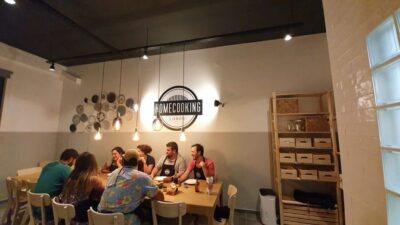

Group Tour: Garni, Symphony of Stones, Geghard, Lavash Baking
Read our review →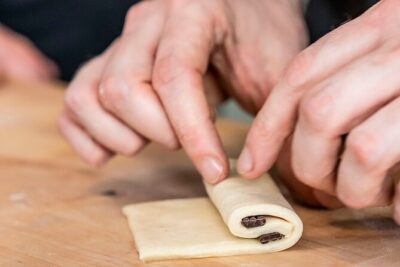
Paris Croissant Small-Group Baking Class with a Chef
Read our review →
Garni & Geghard Small-Group Day Trip with Lavash Baking
Read our review →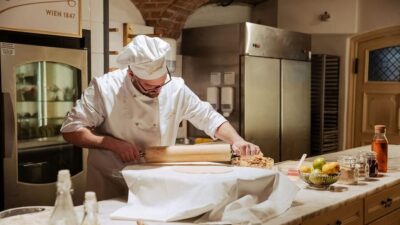
Vienna: Gerstner KuK Hofzuckerbäcker Baking Show & Tasting
Read our review →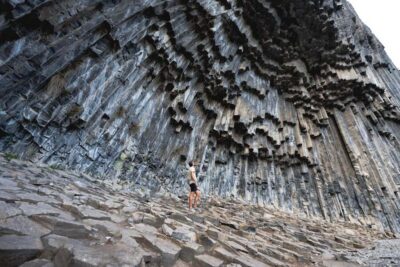
Yerevan: Garni, Geghard, Symphony of Stones & Lavash Baking
Read our review →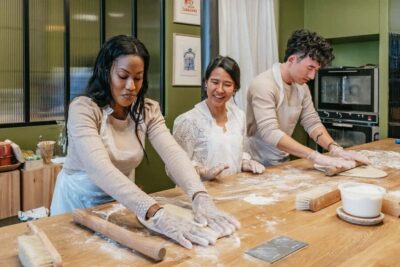
Paris: French Croissant Baking Class with a Chef
Read our review →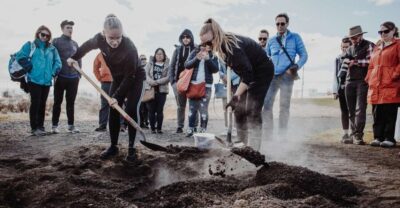
Laugarvatn Fontana: Geothermal Bread-Baking Experience
Read our review →Browse the lists this tour appears in