Review · COOKING CLASSES
Chef Samuel’s Private Malaysian Cooking Class with Wet Market Tour
Penang’s best food lesson may begin before the stove is turned on. Chef Samuel takes you through Ayer Itam Market, where you shop for ingredients, study unfamiliar produce, and stop at a local kopitiam for traditionally roasted coffee and breakfast. Then you return to a private cooking studio and prepare the Malaysian dishes you chose in advance.
I like the custom menu, since you are not locked into a standard class. I also like the personal scale: this is a private booking with one-to-one instruction from a hotel chef with 15 years of experience in Malaysian regional cooking. The main drawback is the price, $116.46 per person, and the strict non-refundable policy. You also need to arrange your own ride home unless you join Samuel for a drop-off toward George Town.
Key points to know before booking
- Ayer Itam Market comes first: Start early with a walk through Penang’s second-oldest and busiest market, followed by coffee and breakfast in a local kopitiam.
- You choose the dishes: Samuel sends a broad menu covering Nyonya, Malay, Chinese, Indian, and street food dishes, then helps you settle on what to cook.
- Private instruction: Only your group takes part, so the pace and menu can fit your interests and cooking level.
- Chef Samuel brings serious experience: He is a hotel chef with 15 years in Malaysian regional cuisine and has hosted three Michelin chefs.
- The meal is part of the lesson: You prepare and eat your own food, with a refreshing nutmeg drink served alongside it.
- Plan your return ride: Pickup is offered at the start, but the activity ends at the meeting point, and return transport is not fully arranged.
Start with Penang’s Ayer Itam Market
The experience begins with pickup in George Town, followed by an early visit to Ayer Itam Market. This is not a polished food hall built for sightseeing. It is an old working market, with narrow walkways, heavy morning traffic, fresh ingredients, and the daily shopping rhythm of Penang residents.
That setting matters. Malaysian food makes more sense when you see the ingredients before they are chopped and cooked. You may encounter unfamiliar herbs, spices, seafood, poultry, and produce, and Samuel can explain what they are used for and why one regional dish calls for a different ingredient from another.
The market is described as Penang’s second-oldest and busiest. Expect movement and tight spaces rather than a calm stroll. If you prefer an orderly, air-conditioned class, this opening may feel hectic. If you want a practical look at how ingredients reach a Malaysian kitchen, it gives the cooking lesson a useful foundation.
Samuel handles the shopping with you, selecting fresh seafood and chicken for dishes chosen by the group. That makes the market visit more than a photo stop. You see how a professional cook thinks about freshness, ingredients, and the menu before any pan goes on the heat.
More Market Tour Cooking Classes in the world:
- Hanoi Cooking Class: Culture, Local Market & Meaning CSR Impact
★ 5.0 · 5,147 reviews - 5 Traditional Dishes Hanoi Cooking Class with Market Trip
★ 5.0 · 4,890 reviews - Cooking Class and Lunch at a Tuscan Farmhouse with Local Market Tour from Florence
★ 5.0 · 4,831 reviews
Coffee and breakfast in a real kopitiam
A stop at a local kopitiam adds a small but valuable piece of Penang life. You sip traditionally roasted coffee and have a Malaysian breakfast in a place described as one where tourists are rarely seen.
The breakfast is not the main event, but it helps you understand the food culture beyond the dishes you cook. A kopitiam is part café, part breakfast counter, and part neighborhood routine. The experience gives you a chance to watch the morning food trade at close range instead of treating the market as a backdrop.
Keep in mind that this is an early start. The schedule is built around the market’s morning activity, so it may not suit you if you want a slow hotel breakfast. It is also worth leaving room in your appetite. You will later eat the dishes prepared during the class, and the market breakfast is an extra part of a food-heavy day.
Choose a menu from several Malaysian traditions
Before the class, Samuel contacts you with a broad list of dishes. You can select recipes from Nyonya, Chinese, Malay, Indian, and Malaysian street-food traditions. You then discuss the final choices with him, without being limited to a preset menu.
This is the strongest reason to choose the class over a standard group cooking lesson. You might focus on dishes you have already tasted in Penang, or choose food that rarely appears on restaurant menus outside Malaysia. One group selected less common dishes and felt that choice made the lesson more worthwhile.
The custom menu also works well for mixed groups. A first-time cook can choose familiar techniques, while a serious home cook can ask about more involved recipes. The experience is also presented as suitable for food enthusiasts and professional chefs, including Michelin-level cooks, though your own results will depend on the menu and your prior skills.
You should decide what interests you before the day begins. Samuel helps finalize the selection, but the choice is yours. Think about whether you want to learn a noodle dish, a curry, a rice preparation, a seafood recipe, or street food. The more specific you are about your goals, the more useful the private format becomes.
Learn why Malaysian dishes taste different
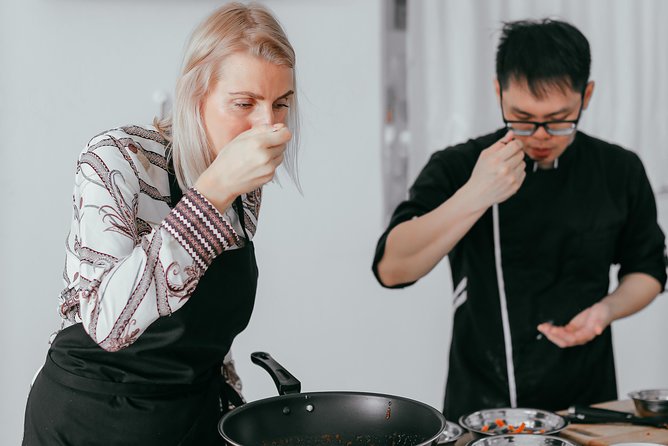
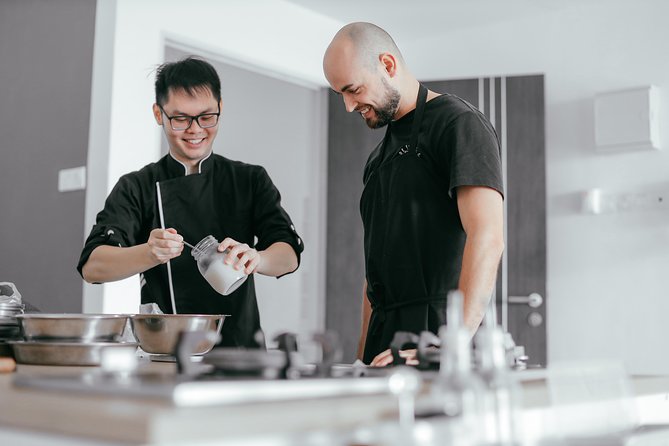
At the cooking studio, Samuel explains the ideas behind Malaysian regional food before and during the preparation. That context is important. Malaysian cooking is not one single style, and a Nyonya dish, a Malay recipe, a Chinese-influenced preparation, and Indian-influenced food can use different spice combinations and methods.
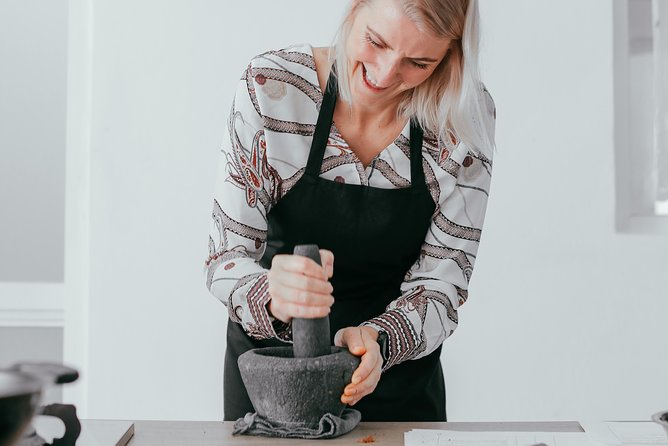
The lesson focuses on the reasons behind the ingredients, not only the order in which to add them. You learn about spices, foundations, and regional differences, then apply that information to your chosen dishes. For a home cook, this is more useful than copying a recipe without knowing what each component does.
Samuel’s background helps here. He is described as a professional hotel chef with 15 years of experience in Malaysian regional cuisine. He has also hosted three Michelin chefs and has received recognition for Char Koay Teow and Laksa at the Malaysia Culinary World Cup 2023, where he earned silver awards in both categories.
Those credentials do not guarantee that every dish will suit your taste, but they do indicate a serious cooking focus. The lesson is not simply a demonstration where you watch a chef work. You take part, ask questions, and cook at a pace suited to your group.
More Shopping Trips in the world:
- Chiang Mai: Cooking Class, Market & Thai Herbs Garden Tour
★ 4.9 · 4,824 reviews - Chiang Mai: Authentic Cooking Class with Market & Farm Visit
★ 4.9 · 4,546 reviews - Barcelona: Paella Cooking Experience & Boqueria Market Tour
★ 4.8 · 3,661 reviews - Cooking Class Hoi An:Local Market, Basket Boat, Fishing & Cooking
★ 5.0 · 3,660 reviews
A private studio changes the pace
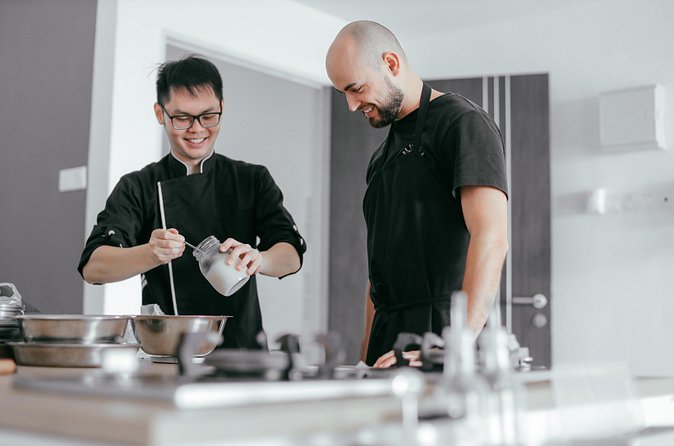
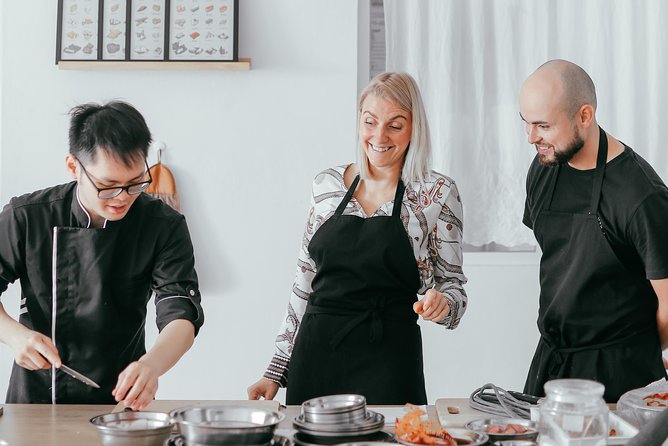
This is a private activity, so only your own group participates. That is a meaningful advantage for couples, families, or friends with different levels of kitchen experience.
In a large class, you often follow a fixed schedule and watch from the edge of the room. Here, Samuel can spend time on your questions and adjust the level of detail. A beginner can ask about basic preparation without holding up a room full of people. A confident cook can ask about spice balance, regional variations, or technique.
The setting is described as a quaint cooking studio and, in some accounts, Samuel’s home. The information does not provide a detailed layout, so you should not expect a restaurant-grade cooking school with a large teaching kitchen. The benefit is the private setting and direct attention, not a polished show kitchen.
This personal format is especially useful if you have dietary preferences or strong food interests, but the available information does not state a specific dietary policy. Discuss any restrictions with Samuel before finalizing the menu rather than assuming substitutions will be available.
Eat what you prepare, with nutmeg on the side
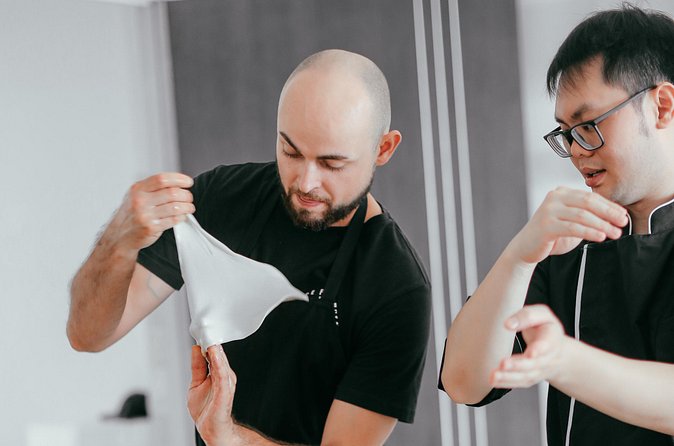
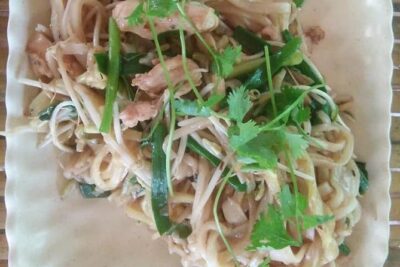
After the cooking, you sit down to eat the meal your group has made. A refreshing nutmeg drink is served with it, adding another familiar Penang flavor to the experience.
Eating your own food gives the class a clear finish. You can judge the balance of the spices, see how the texture turned out, and ask Samuel what you might change when recreating the dish at home. It also keeps the activity social. You are not simply carrying a recipe away in your phone. You have tasted the result and worked through the steps yourself.
The reviews describe the completed dishes as delicious, but you should keep expectations sensible. Cooking classes vary with the menu, your pace, and your previous experience. The strongest value is the combination of instruction, ingredient shopping, and a shared meal, rather than a promise of restaurant-level results from every participant.
If you are already planning several food stops in Penang, this is a substantial meal and a long food experience. That is a plus for dedicated eaters, but less appealing if you want a short, light activity.
Is $116.46 per person good value?
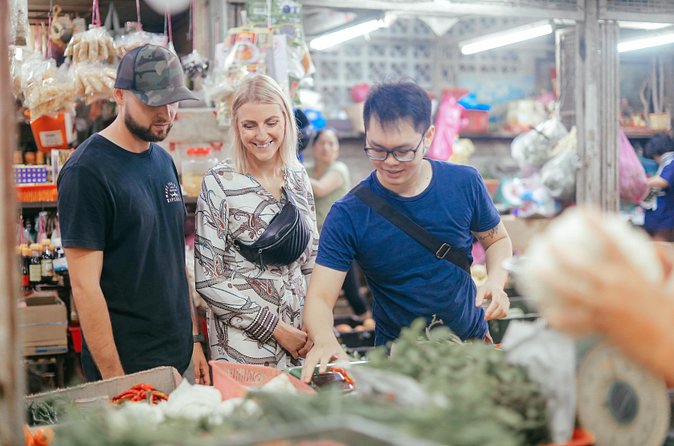
At $116.46 per person, this is not the cheapest cooking class in Penang. The price makes more sense when you count what is included in the five-hour format: pickup is offered, the market visit is part of the day, you receive private instruction, you choose the dishes, and you eat the finished food.
The private nature is the main value. A standard class may cost less, but it may also use a fixed menu and divide the chef’s attention among many people. Here, the fee buys flexibility and direct contact with Samuel.
The market visit also adds something you would not get from a studio-only lesson. You see where the ingredients come from, share a local breakfast, and learn how Samuel selects food for the class. For someone already planning to visit Ayer Itam Market, the activity combines two outings into one organized morning.
The value is weaker if you only want to learn one simple recipe. It is also less attractive if you dislike early starts, crowded markets, or making decisions about a menu. The experience suits people who want food context and personal instruction, not just a quick hands-on demonstration.
Pickup, timing, and the ride back
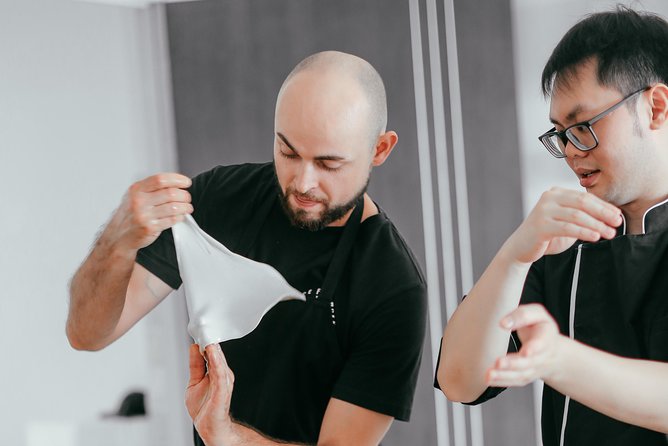
The activity lasts about five hours and begins in George Town, with pickup offered for the market visit. The early start is part of the design, since Ayer Itam is visited during its active morning period.
At the end, you can arrange your own transport home. Samuel may also allow you to tag along for a drop-off on his way back to George Town. Treat that as a possible courtesy rather than a guaranteed private transfer, and confirm the plan before booking.
The activity is listed as ending back at the meeting point, so check the pickup and return details carefully. Mobile tickets are provided, and the location is near public transportation, but the tour information does not specify exact pickup times or a full return transport service.
The cancellation rule deserves attention. The booking is non-refundable and cannot be changed for any reason. Do not reserve it until you are sure about your date and schedule.
Who will enjoy this cooking class most?
I would recommend it most to food-focused visitors who want to understand Penang through ingredients and cooking. It is a good fit for:
- Home cooks who want to recreate Malaysian food after returning home
- Couples or families who prefer private instruction
- People who want to choose dishes instead of following a fixed menu
- Visitors interested in Nyonya, Malay, Chinese, Indian, or street-food traditions
- Serious food enthusiasts who want time with a professional chef
- Anyone who enjoys markets as much as formal cooking lessons
It may not suit you if you want a short activity, a fixed itinerary, or a quiet breakfast. The market is active and narrow, the day is food-heavy, and the price is higher than a basic group class.
You should also think about your group’s interests before confirming. The private format works best when everyone agrees on the kind of food they want to prepare. Samuel can guide the final selection, but you will get more from the lesson if you arrive with a clear idea of what you want to learn.
Should you book Chef Samuel’s class?
Book this experience if you want a full food morning that connects market shopping, local breakfast, regional cooking, and a private meal. The strongest features are Samuel’s personal instruction, the freedom to choose dishes, and the chance to see ingredients in their working market setting.
Skip it if you are mainly looking for the lowest price or a quick recipe lesson. At $116.46 per person, it earns its cost through the five-hour length and private attention. For a serious food lover, that is a fair trade. For a casual sightseer, it may be more cooking time and expense than you need.
FAQ
Where does the cooking experience take place?
The activity starts in George Town, Penang, with a visit to Ayer Itam Market. The cooking portion takes place at Chef Samuel’s private cooking studio.
How long does the experience last?
The experience lasts approximately five hours.
Is pickup available?
Yes. Pickup is offered for the market visit. At the end, you arrange your own transport or may tag along with Samuel for a drop-off on his way back to George Town.
Can I choose the dishes I will cook?
Yes. Samuel provides a broad selection of dishes from Nyonya, Chinese, Malay, Indian, and street-food traditions. You choose the dishes, then discuss the final menu with him.
Is this a private activity?
Yes. Only your own group participates, with one-to-one attention from Chef Samuel.
Can I cancel or change my booking?
No. The experience is non-refundable and cannot be changed for any reason after booking.
More Hands-On Workshops in the world
- Half-Day Thai Cooking Class at Organic Farm in Chiang Mai
★ 5.0 · 19,087 reviews - Florence: Pasta Cooking Class with Unlimited Wine
★ 4.9 · 10,285 reviews - 3 in 1 Cooking Class near Navona: Fettuccine, Ravioli & Tiramisu
★ 5.0 · 7,376 reviews - Florence: Pasta & Tiramisu Cooking Class with Unlimited Wine
★ 4.9 · 6,708 reviews
Just added around the world
- Cooking class in Umbria in any location AT YOUR PRIVATE VILLA★ 4.5 · 13 reviews
- Malay Culinary Journey Cooking Class for the Adventurous Foodie★ 5.0 · 11 reviews
- Thai Cooking Class in Pattaya★ 5.0 · 26 reviews
- Penang Cooking Class:Dive into Malaysian Cuisine with PenangChiak★ 5.0 · 149 reviews
- Small Group Market tour and Cooking class in Parma★ 4.5 · 10 reviews
- Cooking Class Sunset Dinner and Tour in Paros Farm★ 5.0 · 5 reviews
- Paros: Cooking Class with Greek Meal & Wine★ 5.0 · 116 reviews
- Private Cooking Class in Wonderful Villa With Lunch or Dinner (Parma)★ 5.0 · 8 reviews
Cooking Classes with a Market Tour, compared.
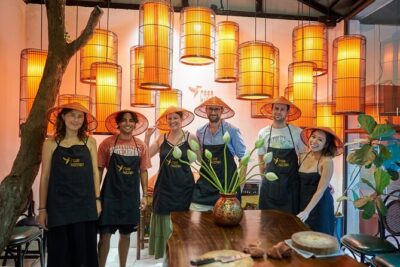
Hanoi Cooking Class: Culture, Local Market & Meaning CSR Impact
Read our review →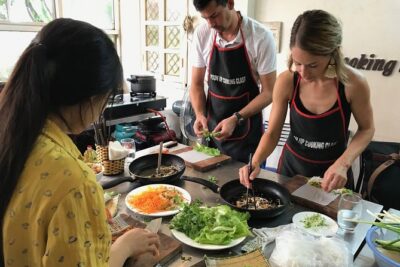
5 Traditional Dishes Hanoi Cooking Class with Market Trip
Read our review →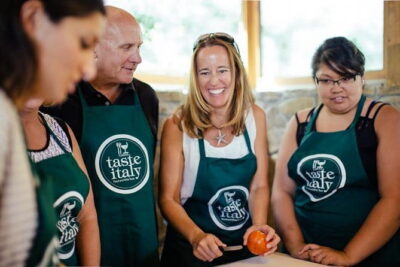
Cooking Class and Lunch at a Tuscan Farmhouse with Local Market Tour from Florence
Read our review →
Chiang Mai: Cooking Class, Market & Thai Herbs Garden Tour
Read our review →
Chiang Mai: Authentic Cooking Class with Market & Farm Visit
Read our review →
Barcelona: Paella Cooking Experience & Boqueria Market Tour
Read our review →
Cooking Class Hoi An:Local Market, Basket Boat, Fishing & Cooking
Read our review →