
Review · INDIA
Rishikesh: Sattvic Cooking Class : Cook & Dine With Miss Anju
Rishikesh’s best food lesson may be the one that gets you away from restaurant tables and into Miss Anju’s kitchen. You’ll prepare a selection of Indian dishes, learn why sattvic cooking avoids onion and garlic, and finish with a homemade lunch rooted in the Vaishnavite tradition.
I like the hands-on format, since you cook, take notes, and pick up practical tips rather than simply watching a demonstration. I also like the personal setting at Om Homestay, where Miss Anju connects food with Ayurveda, spirituality, and everyday Indian life.
The main consideration is transport. Hotel pickup is not included, so you must reach Om Homestay in Upper Tapovan on your own. At about three hours, this is a focused cooking session, not a full-day food tour.
Key points
- Cook with Miss Anju: Prepare traditional Indian dishes in a private session at Om Homestay.
- Choose from several dish groups: Options include dal, paneer or vegetable curry, chapati or paratha, rice, and dessert.
- Sattvic cooking: Every dish is made without onion or garlic, following the stated dietary tradition.
- Learn about spices: A guided spice session explains common Indian spices and their traditional health benefits.
- Eat what you make: Lunch is included, giving you time to enjoy the finished food at the homestay.
- Plan your own arrival: The activity begins and ends at Om Homestay in Upper Tapovan, with no hotel transfer.
A home kitchen in Upper Tapovan
The experience starts at Om Homestay on Balaknath Mandir Road in Upper Tapovan, Rishikesh. This is also where the activity ends, so you will not need to arrange a second meeting point after lunch.
I like the setting because it places the food lesson in a homestay rather than a formal cooking school. The address is near public transportation, but hotel pickup and drop-off are not included. Give yourself enough time to reach Upper Tapovan, especially if you are unfamiliar with Rishikesh’s roads.
This is a private activity. That means only your own group participates, which should make it easier to ask questions, choose dishes, and work at a comfortable pace. The listing also notes group discounts, so the $45 per-person price may make more sense for couples, families, or a small group booking together.
The format is simple and appealing: arrive at the homestay, meet Miss Anju, choose from the available menu categories, cook together, and sit down for lunch. The entire session lasts about three hours.
More Hands-On Workshops in India:
- Pink City Cooking Class
★ 5.0 · 452 reviews - Five Course Cooking Class & Meal
★ 5.0 · 250 reviews - Veg and Non veg : Private Cooking Class in Delhi home (7 meal)
★ 5.0 · 226 reviews
Why sattvic cooking changes the lesson
Sattvic food is more than a list of ingredients. In this experience, cooking is presented as a way to support clarity, balance, and nourishment of both body and mind. Miss Anju’s approach comes from the Vaishnavite tradition, so you are learning about food within a spiritual and cultural setting.
The most obvious practical rule is that the dishes are prepared without onion or garlic. If you follow a sattvic diet, this is a useful chance to learn recipes that fit your eating habits. If you do not, the restriction gives you a good lesson in how Indian cooks build flavor through spices, dairy, lentils, vegetables, herbs, and careful preparation.
I would not book this expecting fiery restaurant-style food or a generic curry lesson. The focus is wholesome home cooking and the meaning behind the ingredients. That makes the class especially useful if you want to understand why Indian meals can be deeply flavored without relying on the same ingredients used in many restaurant kitchens.
The cooking also gives you a practical way to think about Ayurveda. You will hear about the traditional health value of spices and ingredients, though this should be treated as cultural and culinary instruction rather than medical advice.
Choosing your dal, curry, bread, and rice
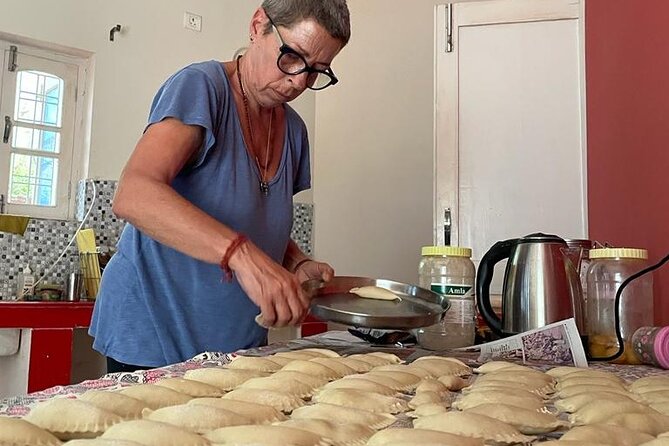
The menu is arranged by category, allowing you to shape the meal around the dishes that interest you most. The available options include several dals, several paneer or vegetable curries, breads, rice dishes, and an Indian dessert.
For dal, you can choose from chana masala, yellow fried dal, chana dal, or rajma dal. These offer different textures and flavors. Chana dal gives you a chance to work with split chickpeas, while rajma dal uses kidney beans for a heavier, more filling dish. Yellow fried dal is a simpler choice if you want to focus on seasoning and tempering.
The curry choices include shahi paneer, paneer butter masala, mutter paneer, palak paneer, and a seasonal vegetable dish. Paneer makes the menu familiar to many first-time visitors, but the choices still show how one main ingredient can produce several very different meals.
Shahi paneer and paneer butter masala are creamy, full-bodied options. Mutter paneer pairs paneer with peas, while palak paneer brings spinach into the dish. The seasonal vegetable option may be the best choice if you want to see how an everyday Indian household cooks with what is available.
For bread, you can learn chapati, aloo paratha, or plain paratha. Chapati is the straightforward flatbread choice. Aloo paratha adds a potato filling, while plain paratha gives you practice with a richer layered bread.
Rice options are jeera rice and basic rice. Jeera rice adds cumin for a fragrant finish, while basic rice keeps the focus on texture and the dishes served alongside it. The menu also includes an Indian dessert, although the specific dessert is not stated in the details provided.
The exact combination is something to clarify when you book or arrive. The wording describes a selection from these categories rather than promising every listed dish in one session. One reported meal included three dishes and dessert, so you should expect a manageable cooking session rather than a kitchen marathon.
Cooking, taking notes, and eating lunch
The strongest part of the activity is the chance to take part in the work. You are not only watching Miss Anju prepare a meal. You can help make the dishes, ask questions, and write down the methods so you can try them later.
That matters because Indian home cooking often depends on timing and judgment as much as on a written recipe. You may learn when to add spices, how to build flavor without onion or garlic, and how to adjust a dish while it cooks. The precise techniques covered will depend on your menu, but the class is designed to include tips and tricks along with the cooking itself.
I especially like the idea of taking notes during the session. A restaurant meal gives you a taste, but a cooking class gives you a way to repeat the experience at home. Ask about quantities, substitutions, cooking times, and the order in which ingredients are added. Those are the details most likely to help once you are back in your own kitchen.
After preparing the food, you eat lunch at the homestay. This completes the lesson in a natural way. You see the ingredients at the beginning, take part in the preparation, and then taste the finished meal while the instructions are still fresh.
The social side is also part of the appeal. The available feedback describes Miss Anju as a warm host and highlights the enjoyment of cooking, learning, and eating together. The experience has a perfect rating from 29 reviews and a 100 percent recommendation rate, with particular praise for the homemade meal, hands-on participation, and friendly welcome.
Those ratings are encouraging, but I would still keep your expectations realistic. This is a home-based class, not a professional chef school. Its value comes from personal contact and cultural context, not from polished equipment or a restaurant-style presentation.
A few more cooking classes around India worth a look
- Indian Cooking Class in an Authentic Local Home – Learn 6 Dishes
★ 5.0 · 195 reviews - Private Guided Cooking Workshop Experience in Jodhphur
★ 5.0 · 158 reviews - Authentic Indian Cooking Classes at Palolem Beach Road Goa
★ 5.0 · 132 reviews - Jaipur Market Tour & Vegetarian Rajasthani Home Cooking Class
★ 5.0 · 113 reviews
The Indian spice session
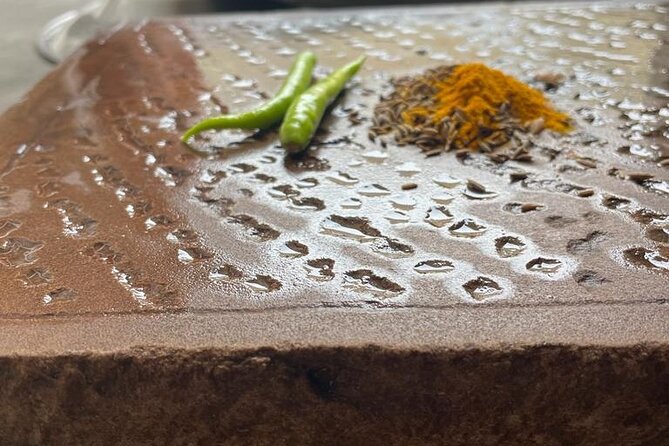
The bonus spice session gives the cooking a useful second layer. You will be introduced to essential spices used in everyday Indian cooking and hear about their traditional health benefits.
For someone new to Indian food, this can be one of the most useful parts of the visit. A spice list on a menu tells you very little. Handling and discussing the ingredients can help you understand why dishes taste different even when they use familiar vegetables, lentils, or paneer.
The session may also help you shop and cook after returning home. If you know which spices are used regularly and what role they play, an Indian grocery visit becomes less intimidating. You can ask Miss Anju which spices are essential, which are optional, and how they are used in the dishes you prepare.
Keep in mind that the provided details do not name every spice or describe a precise spice demonstration. I would think of this as a guided introduction rather than an advanced spice course.
A spiritual setting without a temple itinerary
The experience is connected to the Vaishnavite tradition, and that gives the meal a spiritual frame. Food is presented as something that can nourish the body and support inner calm, not simply as fuel or entertainment.
The activity is not described as a temple tour or a religious ceremony. Its spiritual element comes through Miss Anju’s explanation of the cooking tradition and the way the meal is prepared. The title of one review refers to cooking, praying, and eating, but the formal details do not promise a specific prayer session, so I would not assume a set ritual.
That balance may suit you if you want cultural insight without booking a religious tour. You can learn how a household food tradition connects to values, purity, and hospitality while still spending most of your time cooking.
It may be less suitable if you want a broad survey of all Indian cuisines. Sattvic and Vaishnavite cooking represent one particular approach. That focused subject is a strength for some people, but it naturally leaves out dishes and ingredients outside this tradition.
Is $45 a fair price?
At $45 per person, the value depends on what you want from a food activity. You are paying for a private, approximately three-hour session, lunch, instruction, menu choice, and the chance to cook rather than just eat.
For a small group, the private format can make the price reasonable. You are not sharing the lesson with a large class, and group discounts are listed as an available feature. The included lunch also means the price covers both the lesson and the meal that follows.
I would compare this with the cost of a standard restaurant meal in Rishikesh, but not only on the amount of food. The main value is access to Miss Anju’s home cooking, her explanation of sattvic food, and the recipes and techniques you can take with you.
The price does not include hotel transfers. That is the main extra cost to consider, along with the time and effort needed to reach Upper Tapovan. Since the experience begins and ends at the homestay, it is easiest to pair with other plans in or near Tapovan rather than treating it as a quick stop from a distant part of town.
Who will enjoy this cooking class most?
I would recommend this activity to you if you enjoy small-scale cultural experiences, home cooking, and learning by doing. It is a particularly good match for vegetarians, people interested in Ayurvedic food traditions, and anyone curious about cooking without onion or garlic.
It also suits families, since children can participate when accompanied by an adult. The private format may be more comfortable for a family than a large group class, though the listing does not specify a minimum age or child-specific menu.
This is also a good choice for visitors spending several days in Rishikesh. You can use the class as a break from sightseeing and gain something practical from it. The menu is familiar enough for beginners, but the sattvic approach gives experienced home cooks a different way to think about seasoning.
I would hesitate to recommend it if you want a fast, polished demonstration, a market visit, or a long list of dishes. The class lasts about three hours and centers on cooking and lunch at one location. You will not get hotel transportation or a wider tour of Rishikesh’s food scene.
The activity operates in all weather, so dress for the conditions on the day. You also need to carry a current valid passport, and confirmation is provided at booking.
Booking and cancellation details
This experience is often booked about nine days ahead, so I would reserve before your preferred date if your Rishikesh schedule is tight. Confirmation is provided at the time of booking, and mobile tickets are supported.
Free cancellation is available if you cancel at least 24 hours before the local start time. Cancellations or changes made inside that 24-hour window are not accepted for a refund.
Should you book Miss Anju’s cooking class?
Book it if you want to cook a real home-style meal, learn about sattvic and Vaishnavite food traditions, and share lunch in a private homestay setting. The combination of hands-on cooking, spice instruction, and a meal made by your own group gives the $45 price solid value for food-focused visitors.
Think twice if you need hotel pickup, want a broad tour of Indian cuisine, or prefer a restaurant-style demonstration. For everyone else, this is a thoughtful three-hour way to connect food with daily life in Rishikesh, especially if you choose your menu in advance and arrive ready to take notes.
FAQ
Where does the cooking class take place?
The class takes place at Om Homestay on Balaknath Mandir Road in Upper Tapovan, Tapovan, Rishikesh, Uttarakhand 249192, India.
How long does the experience last?
The cooking class and meal last approximately three hours.
Is hotel pickup included?
No. Hotel pickup and drop-off are not included. You must make your own way to Om Homestay.
Is this a private activity?
Yes. Only your own group participates in the activity.
What food can I learn to cook?
Menu options include chana masala, yellow fried dal, chana dal, rajma dal, several paneer curries, seasonal vegetables, chapati, aloo paratha, plain paratha, jeera rice, basic rice, and an Indian dessert.
Are the dishes suitable for a sattvic diet?
The dishes are prepared without onion or garlic, making them suitable for those following a sattvic diet.
Is lunch included?
Yes. Lunch is included, and you eat the food prepared during the session.
Can children participate?
Yes, but children must be accompanied by an adult.
What happens if I need to cancel?
You can cancel for a full refund up to 24 hours before the experience start time. Cancellations or changes made less than 24 hours before the start time are not accepted for a refund.
Just added around India
- Indian Cooking Class in Pondicherry★ 5.0 · 67 reviews
- Vegetarian : Private Cooking Class in Delhi home ( Learn 7 meal)★ 5.0 · 58 reviews
- e-Cook (Virtual Cook Class)★ 5.0 · 55 reviews
- Kailash Colony Market Tour & Amritsari Cooking Class in New Delhi★ 5.0 · 3 reviews
- Delhi Food Walk and Cooking Class With A Chef★ 5.0 · 11 reviews
- Online: Indian Food Cooking Class★ 5.0 · 9 reviews
- Indian Cooking Class With Chef (Half Day)★ 5.0 · 6 reviews
- Food Tour With Cooking Class in Local Village from Delhi★ 4.5 · 18 reviews
Cooking Classes, compared.
Half-Day Thai Cooking Class at Organic Farm in Chiang Mai
Read our review →
Florence: Pasta Cooking Class with Unlimited Wine
Read our review →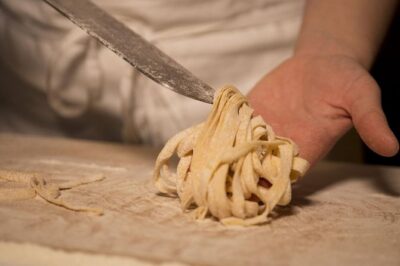
3 in 1 Cooking Class near Navona: Fettuccine, Ravioli & Tiramisu
Read our review →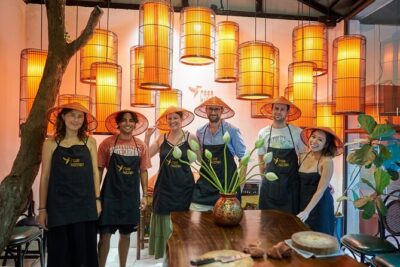
Hanoi Cooking Class: Culture, Local Market & Meaning CSR Impact
Read our review →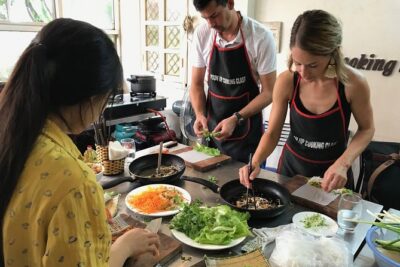
5 Traditional Dishes Hanoi Cooking Class with Market Trip
Read our review →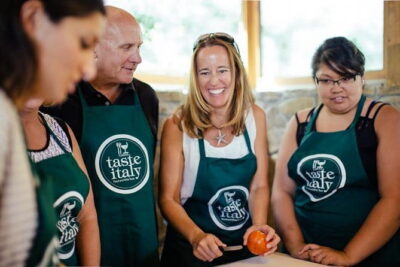
Cooking Class and Lunch at a Tuscan Farmhouse with Local Market Tour from Florence
Read our review →
Chiang Mai: Cooking Class, Market & Thai Herbs Garden Tour
Read our review →Browse the lists this tour appears in