
Review · ROME
Hands – on Pasta Making and Gelato Class
Rome’s best food memories often begin with flour on your hands. In this small-group class, you make fresh pasta from scratch, prepare a Roman sauce, and finish with homemade gelato. I especially like the hands-on format and the chance to sit down with wine and eat what you made. Recipes sent afterward are another smart touch.
The main drawback is the fixed 1 p.m. start and the roughly two-and-a-half-hour commitment. A group of up to 15 people can also feel less personal than a private lesson, though the class is designed for individual guidance.
Key points before you book
- You make the pasta dough yourself, rather than simply watching a chef demonstrate.
- Roman sauces may include Carbonara, Cacio e Pepe, or Amatriciana, depending on the class.
- Gelato is part of the lesson, so this covers both a savory meal and a classic Italian dessert.
- Prosecco, Roman antipasti, wine, and the meal are included, adding value beyond the cooking instruction.
- The central meeting point is near the Pantheon and Piazza Navona, handy for fitting the class into a sightseeing day.
- The maximum group size is 15, with recipes sent afterward so you can try the dishes at home.
What the Rome cooking class is really like
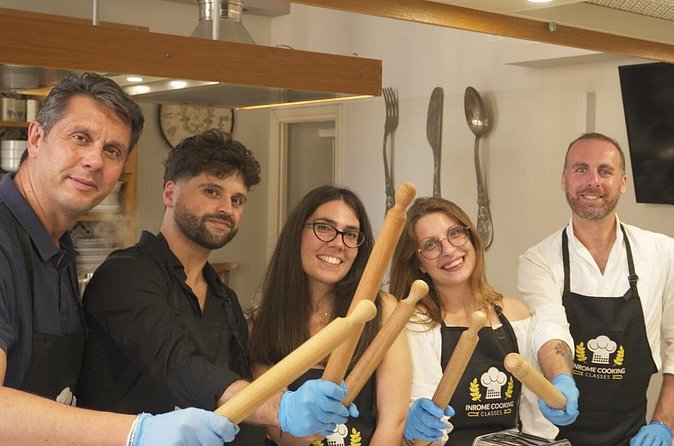
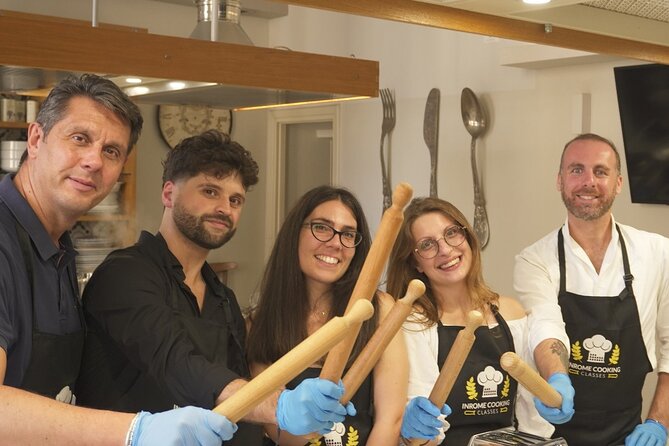
This is not a demonstration where you sit behind a counter and take notes. You take part in the work, from mixing pasta dough to preparing sauce and gelato. A local chef leads the steps, explains the food, and helps you correct small mistakes before they become big ones.
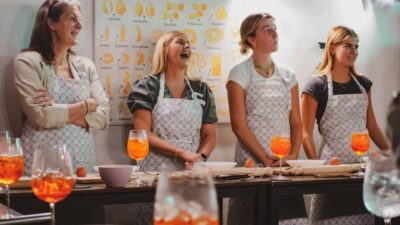
The experience begins at a cooking school on Corso del Rinascimento, 65, in central Rome. You should arrive ready for a social afternoon rather than a quick meal. The welcome includes a glass of Prosecco and Roman antipasti, which gives the group time to settle in before the cooking starts.
That opening matters. Cooking classes work best when people have a chance to meet, and the food gives you something to talk about right away. It also means you are not starting the pasta lesson hungry.
Classes at the school have been led by chefs including Max, Francesco, Davide, and Daniele. The teaching style appears to be warm and informal, with room for questions and jokes. Max has been praised for keeping the class engaging, while Davide and Daniele have guided guests through both market shopping and cooking in other sessions.
The exact chef for your class may vary, so I would not book this expecting one particular instructor. The useful point is that the school has several experienced teachers, and the strongest feedback centers on clear guidance, humor, and a relaxed pace.
More Dessert Classes in Rome
- 3 in 1 Cooking Class near Navona: Fettuccine, Ravioli & Tiramisu
★ 5.0 · 7,376 reviews - Rome: Pasta Making Class with Wine, Limoncello, and Dessert
★ 4.9 · 3,177 reviews - Rome: 3-in-1 Fettuccine, Ravioli, and Tiramisu Cooking Class
★ 4.9 · 2,704 reviews
Making pasta from flour to plate
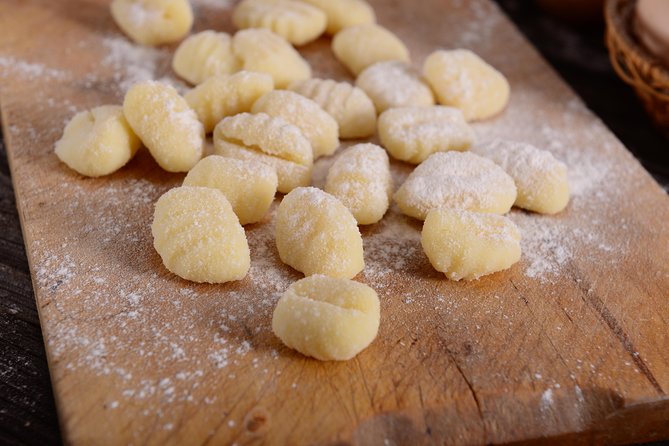
The central lesson is fresh pasta dough. You learn how to make it from scratch instead of relying on dried pasta from a packet. That simple distinction gives the class its value: you leave with a method you can use at home, not just a pleasant meal in Rome.
Making pasta is tactile and forgiving. You can feel when the dough is too dry, too wet, or ready to work. A chef can show you the signs much faster than a recipe can explain them, which is why a class is useful for first-time cooks.
The pasta is paired with a traditional Roman sauce. The advertised choices include Carbonara, Cacio e Pepe, and Amatriciana. Each one teaches something different:
- Carbonara depends on careful handling of eggs, cheese, and heat.
- Cacio e Pepe looks simple but requires the right balance of cheese, pepper, and pasta water.
- Amatriciana brings tomato and savory depth to the plate.
You may not prepare all three in one session. The class description presents them as traditional sauce options, so the recipe used will depend on the day and the chef. That is worth keeping in mind if you have your heart set on one particular Roman dish.
The best part of this section is that you eat the result soon after making it. You are not cooking for an abstract exercise. The pasta becomes your lunch or early dinner, served with wine in a shared setting.
Gelato gives the class a sweet finish
Many pasta lessons end when the main course reaches the table. This one adds gelato, making the afternoon feel more complete. You prepare your own artisanal gelato in classic Italian flavors, then enjoy it after the pasta course.
Gelato also changes the rhythm of the class. The pasta work is hands-on and savory, while the dessert gives you a lighter final task. For couples and families, this mix keeps the experience from feeling like a technical workshop.
The class description does not list the exact gelato flavors, so you should not expect a guaranteed choice. What is clear is that gelato is prepared as part of the lesson, not merely served from a tub.
You also receive the recipes after class. That is one of the most practical benefits here. Gelato can be harder to recreate than pasta, but having the written instructions gives you a fair chance to repeat both parts of the meal once you are home.
A meal with Prosecco, antipasti, and wine
Food classes can look expensive when the price includes only instruction and a small taste. Here, the experience begins with Prosecco and Roman antipasti, then ends with a proper meal made by the group. Fine red or white wine is served with the finished food.
That makes the $117.95 price easier to judge. You are paying for a 2-hour-30-minute activity, a chef-led lesson, ingredients, drinks, and a sit-down meal in central Rome. It is not the cheapest way to eat pasta, but it is more than a restaurant lunch because you are also learning a skill and taking home the recipes.
Portions appear generous. In another class at the same school, two people made enough parmigiana for six and panna cotta for four. That was a different menu, so you should not assume the same quantities here, but it suggests the kitchen is not built around tiny samples.
The meal is also a chance to slow down. Rome rewards a busy schedule, but you do not need another rushed stop between sights. This class gives you a long afternoon pause with food, conversation, and a table shared with other people who came for the same reason.
More Pasta Making Classes in Rome
- Rome Cooking Class: Make Pasta and 3 Spritz Cocktails
★ 5.0 · 2,937 reviews - Rome: Fettuccine Pasta Cooking Class in Rome’s City Center
★ 4.8 · 2,414 reviews - Fettuccine & Tiramisù: Cooking Class with Wine & Limoncello
★ 4.9 · 2,103 reviews - Pasta Cooking Class Near the Colosseum with 3 Spritz Cocktails
★ 5.0 · 1,686 reviews
The central Rome setting near two major sights
The meeting point is at Corso del Rinascimento, 65, 00186 Rome. The location is central, with the Pantheon and Piazza Navona listed as nearby points connected with the experience.
The Pantheon is one of Rome’s most memorable ancient buildings. Its vast dome and open oculus make it worth seeing even if you have only a short time in the city. Piazza Navona, with its long oval shape and fountains, is another natural stop for a walk before or after cooking.
The practical advantage is easy to see: you can pair the class with central Rome sightseeing instead of spending time crossing the city. The 1 p.m. start leaves the morning open for the Pantheon area, a market visit, or a slower breakfast.
Do not treat the cooking class as a full guided tour of these sights. The supplied details do not promise an in-depth walking tour or museum admission. Think of the Pantheon and Piazza Navona as useful geographic anchors around a food activity.
After the class, you return to the meeting point. That makes planning simple, though it also means you need to arrange your own next stop. You could continue walking through central Rome, return to your hotel, or make dinner the only remaining plan.
Group size, pace, and the feel of the kitchen
The maximum group size is 15 people. That is small enough for a social class, but it is not the same as a private lesson. Your experience will depend partly on how many people attend and how the work is shared.
The school has more than one kitchen area. Some groups use a larger room, while smaller classes may work in a more intimate space. The facilities have been described as clean, orderly, bright, and comfortable even during a hot July visit.
That detail matters in Rome. A cooking class can become tiring if the room is cramped or overheated. The school’s air conditioning was strong enough to keep one summer class comfortable, though conditions can vary by room and day.
The tone is relaxed rather than rushed. Daniele, for example, has been praised for allowing time to learn without letting the session lose its shape. That is the right balance for a first cooking class. You want enough structure to finish the meal, but enough breathing room to ask why a step matters.
Families should note that this is a real cooking activity, not just a children’s entertainment session. Younger participants may enjoy the pasta and gelato, but adults will need to decide if the pace and kitchen work suit their group.
Who will get the most from this afternoon
I would choose this for couples who want more than another restaurant meal. Making pasta together gives you a shared task, and the wine and sit-down meal keep the afternoon easy and social.
It also suits friends. The class has enough structure to prevent awkward gaps, while the food creates natural conversation. Groups can cook, compare results, and share a meal without needing to plan every detail.
Families may like the combination of pasta and gelato, especially if children enjoy mixing, shaping, and tasting. The group size and cooking-school format mean this is not a private family kitchen, so parents should be comfortable with a shared class.
Food lovers will get the most obvious benefit. You learn dishes closely tied to Rome, including Carbonara, Cacio e Pepe, and Amatriciana, rather than a generic international menu. If you want to understand how Roman food comes together, this is more useful than a standard tasting tour.
I would be less likely to choose it if you have only a few hours in Rome and want to see as many monuments as possible. The class uses a substantial block of the afternoon. I would also skip it if you want a private chef or a highly advanced lesson, since the format is social and limited to a maximum of 15 people rather than built around one-to-one instruction.
Timing, booking, and cancellation details
The class begins at 1 p.m. and lasts about two hours and 30 minutes. Since the start time is fixed, check your day’s plans carefully before booking. Allow extra time to reach Corso del Rinascimento, 65, and do not place a timed attraction immediately afterward.
A mobile ticket is accepted, which keeps the arrival process simple. Confirmation is sent within 48 hours of booking, subject to availability. The experience requires a minimum number of participants, so a cancellation by the operator is possible if that minimum is not met. In that case, you are offered another date or experience, or a full refund.
You can cancel for a full refund up to 24 hours before the local start time. Changes or cancellations made inside that 24-hour window are not accepted for a refund.
Is the $117.95 price fair?
At $117.95 per person, this belongs in the mid-to-high range for a Rome food activity. The value depends on how much you want from the afternoon.
If you count only the food, you can find a cheaper pasta meal in Rome. But the price also includes instruction, ingredients, Prosecco, antipasti, wine, gelato, and the meal you prepare. You also receive recipes and spend time in a central cooking school with a chef.
I think the price is fair for someone who would otherwise book a cooking class and a separate lunch. It is less compelling for a budget-minded visitor who mainly wants to eat Roman pasta. The small-group setting and the chance to cook from scratch are the reasons to pay the premium.
The strongest value comes when you use the class as both a meal and a cultural activity. You learn why these dishes matter, practice the basic methods, and get a relaxed table experience afterward.
Should you book this pasta and gelato class?
Book it if you want a social, practical food experience in central Rome. The combination of fresh pasta, a Roman sauce, gelato, wine, and recipes gives you more substance than a quick tasting.
I would especially recommend it for couples, friends, and families who enjoy doing something together. Choose it with realistic expectations: the group may include up to 15 people, the exact chef and menu may vary, and the Pantheon and Piazza Navona are nearby reference points rather than a full sightseeing tour.
Skip it if your schedule is packed or you want a private, advanced cooking lesson. For most food-focused visitors, though, the 1 p.m. slot is a pleasant way to trade a rushed lunch for a meal you helped create.
FAQ
Where does the pasta and gelato class begin?
The class begins at Corso del Rinascimento, 65, 00186 Roma RM, Italy.
What time does the class start?
The scheduled start time is 1 p.m.
How long does the experience last?
The class lasts approximately two hours and 30 minutes.
What food do you prepare?
You make fresh pasta dough from scratch, prepare a traditional sauce such as Carbonara, Cacio e Pepe, or Amatriciana, and make artisanal gelato.
Is food and drink included?
Yes. The experience includes Prosecco, Roman antipasti, the meal you prepare, and fine red or white wine.
Do I receive the recipes afterward?
Yes. Recipes are sent after the class so you can recreate the dishes at home.
How many people can join the class?
The activity has a maximum of 15 participants.
Can I cancel for a refund?
Yes. You can cancel at least 24 hours before the local start time for a full refund. Cancellations or changes made less than 24 hours before the start time are not refunded or accepted.
More Hands-On Workshops in Rome
- Rome: Pasta & Tiramisu Cooking Class near the Spanish Steps
★ 4.8 · 1,395 reviews - Rome Tipsy Cooking Class: Make Pasta and Mix 3 Spritz Cocktails
★ 5.0 · 1,357 reviews - Cooking Class in the Heart of Rome: Pizza and Tiramisu Making
★ 5.0 · 1,330 reviews - Rome Cooking Class: Make Pasta, Dine & Drink Wine With Local Chef
★ 5.0 · 1,263 reviews
Just added around Rome
- Rome Trastevere: Tiramisù & Gelato Class with Savoiardo Baking★ 5.0 · 14 reviews
- Authentic Pasta and Tiramisù cooking class at spanish steps★ 4.5 · 14 reviews
- Rome: Pasta Cooking Class, Dinner & Wine in Authentic Restaurant★ 5.0 · 38 reviews
- Rome For Kids: Small Group Pizza Making Class★ 4.5 · 49 reviews
- Rome Cooking Class★ 5.0 · 4 reviews
- Rome: Private Cooking Class with Market Shopping Tour★ 5.0 · 3 reviews
- Devour Rome Wine & Pizza Making Class in Trastevere Neighborhood★ 5.0 · 75 reviews
- Roma Foodie Experience: Cooking Class★ 5.0 · 16 reviews
Pasta Making Classes, compared.
Florence: Pasta Cooking Class with Unlimited Wine
Read our review →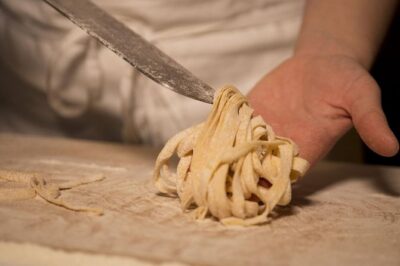
3 in 1 Cooking Class near Navona: Fettuccine, Ravioli & Tiramisu
Read our review →
Rome: Pasta Making Class with Wine, Limoncello, and Dessert
Read our review →
Rome Cooking Class: Make Pasta and 3 Spritz Cocktails
Read our review →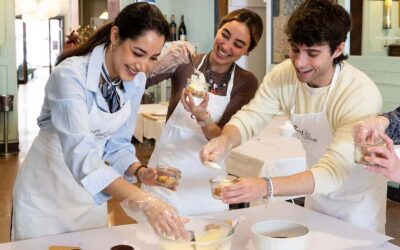
Rome: 3-in-1 Fettuccine, Ravioli, and Tiramisu Cooking Class
Read our review →
Rome: Fettuccine Pasta Cooking Class in Rome’s City Center
Read our review →Browse the lists this tour appears in