
Review · ROME
Home Cooking in Testaccio: Cacio e Pepe, Amatriciana, Carbonara
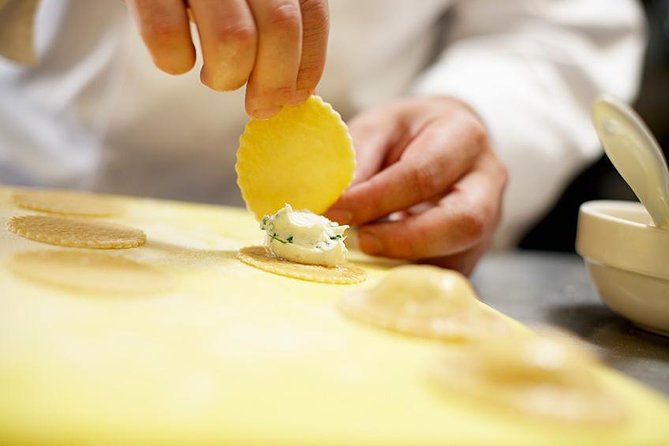
The best part of this Rome cooking class is the setting: you work in the home kitchen of Andrea and Milvia in Testaccio, not in a large teaching studio. You learn the dough, shape the pasta by hand, use a traditional machine, and then eat the results at the same table.
I like the small maximum of six people, which gives Andrea and Milvia time to correct your technique and answer questions. I also like the clear focus on three Roman classics, plus unlimited local wine, dessert, coffee, and recipes to take home. The main consideration is that this is a home experience, so anyone with a serious dog or cat allergy should choose another class.
Key points
- Three Roman sauces: Prepare cacio e pepe, amatriciana, and carbonara in one class.
- Pasta from scratch: Learn flour and egg ratios, gluten, protein, rolling, cutting, and shaping.
- Two pasta styles: Make fettuccine by hand and use a traditional machine for tonnarelli.
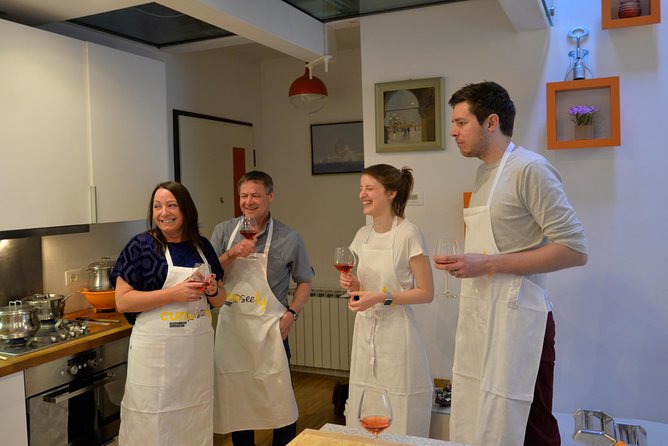
- Small-group setting: The class accepts no more than six people, with a minimum of two per booking.
- Long shared meal: Sit down for three pasta courses, unlimited wine, homemade dessert, and coffee.
- Useful take-home material: Recipes are sent as a PDF, and Andrea has also emailed class photos to participants.
Why This Testaccio Class Feels Different
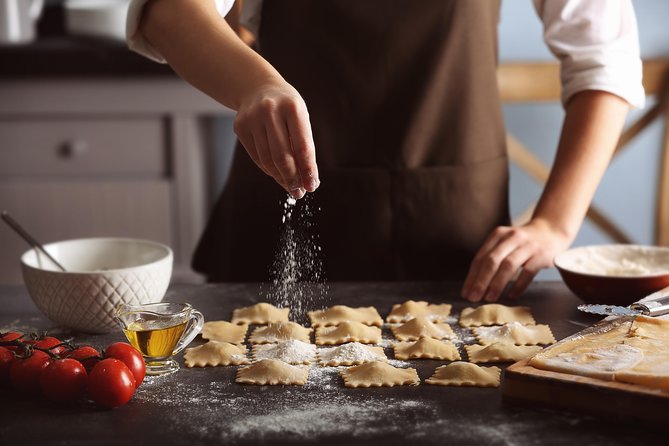
Rome has no shortage of cooking classes. Many take place in professional kitchens designed for groups, with several workstations and a polished flow. This one is more personal. You meet Andrea and Milvia at their home on Via Galvani, in Testaccio, and the class feels closer to being welcomed into an Italian household than attending a standard food lesson.
That difference matters. You are not only watching a chef demonstrate a recipe. You are handling the dough, making decisions about texture, cutting pasta, and seeing how three famous sauces come together. The pace also leaves room for conversation about Roman food and daily life.
The group limit is six people. That is small enough for direct help, even if your dough is too dry, your sauce needs more water, or your pasta strips come out in several different widths. A small class also makes the final meal more social. You sit around a table rather than simply collecting a plate at the end.
The activity lasts about three hours. It is listed in English, and the minimum booking is two people. If you are traveling alone, you will need to check availability under the booking rules, since the experience requires at least two people per reservation.
More Home Cooking Classes in Italy
- Testaccio: Home Cooking Cacio e Pepe, Amatriciana, Carbonara
★ 4.9 · 57 reviews - Rome : Cooking Class in a Real Roman Home in Trastevere
★ 5.0 · 47 reviews - Cesarine: Home Cooking Class & Meal with a Local in Rome
★ 5.0 · 29 reviews
Starting with Dough, Flour, Eggs, and Gluten
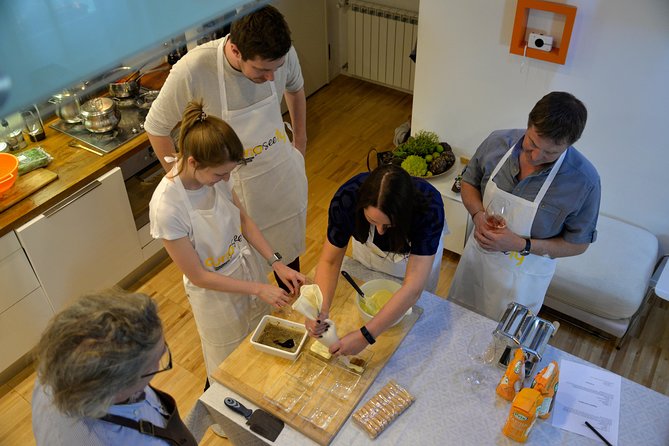
The class begins with fresh pasta dough. This is where the lesson earns its keep. Andrea and Milvia explain their preferred flour-to-egg ratio and discuss how flour, protein, and gluten affect the finished pasta.
Those points may sound technical, but they are useful when you return home. Fresh pasta can fail in simple ways: dough may be sticky, too stiff, or difficult to roll. Learning why that happens is more helpful than copying a recipe without knowing what to look for.
You work the dough rather than simply watching. The hands-on format is suitable for a first pasta class, but it also has value if you already cook. One experienced home cook specifically appreciated learning new tips and techniques despite having made pasta before.
Expect flour on your hands and a little mess. That is part of the point. Keep your phone away while you work, and let the hosts take photographs if that is offered during your session. Andrea has taken pictures during classes and emailed them along with recipes, which is a thoughtful record of the day.
Rolling and Cutting Fettuccine by Hand
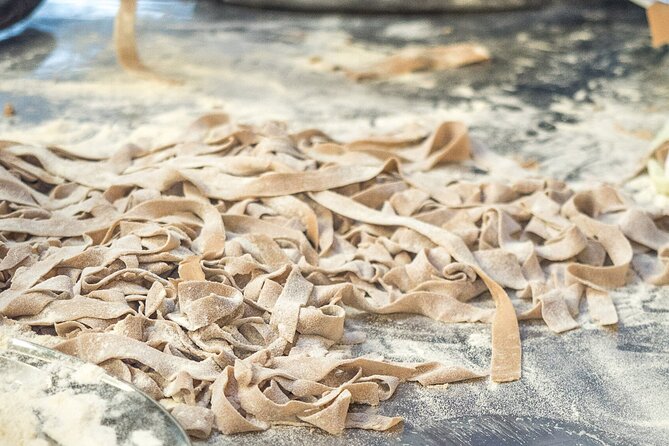
Once the dough is ready, you learn to roll and cut it. Fettuccine is one of the main pasta styles, and hand-cutting gives you a direct feel for thickness and width.
This is more than a decorative step. Pasta size affects cooking time and the way sauce clings to each strand. You may not produce perfectly identical pieces on your first attempt, but you will understand the process far better than you would by buying a packet of fresh pasta.
The class also gives you practice with different cuts and shapes. That makes it useful for families and mixed-skill groups. Beginners can follow the basic process, while confident cooks can pay attention to small details in shaping and handling.
The setting helps here. In a large group, you might wait for an instructor to reach your station. With no more than six people, you get more direct attention. Andrea and Milvia are able to explain the steps, watch your technique, and offer practical corrections without rushing everyone through the same motion.
Using a Traditional Machine for Tonnarelli
After the hand-cut fettuccine, you use a traditional pasta machine to make tonnarelli. This gives you a second texture and shape, and it shows how the same dough can become a different Roman pasta.
Tonnarelli is especially useful for the sauces in this class because its thicker strands hold up well with rich, cheese-based preparations. The machine also gives you a break from hand-cutting while keeping the lesson hands-on.
You do not need to arrive with pasta-making skills. The class is designed to teach the process from the beginning. At the same time, the machine work and the attention to thickness offer enough detail for people who already make pasta at home.
I like this combination of old and practical methods. You get the satisfaction of cutting pasta by hand, then learn how a machine can make the work more consistent. That balance is more useful than presenting pasta as either a purely rustic craft or a fully mechanical task.
More Home Cooking Classes in Rome:
- Typical Dining & Cooking Demo at Local’s Home in Rome
★ 4.5 · 13 reviews - Cooking & eating with Locals in their home kitchen in Rome
★ 5.0 · 10 reviews - Private Home Cooking Class with Andrea and Arianna in Rome
★ 5.0 · 5 reviews - Cesarine: Market Tour & Cooking Class at Local’s Home in Rome
★ 5.0 · 5 reviews
Three Roman Sauces, Three Different Lessons
The class focuses on cacio e pepe, amatriciana, and carbonara. These are simple-looking dishes with very little room to hide mistakes. That makes them excellent teaching recipes.
Cacio e pepe
Cacio e pepe depends on cheese, pepper, and pasta water. The challenge is creating a smooth sauce instead of a clumpy one. You learn how the pasta water helps bring the ingredients together and how timing affects the result.
This is a valuable dish to learn because it uses few ingredients. You cannot rely on a long list of additions to rescue it. The lesson forces you to pay attention to heat, liquid, and texture.
Amatriciana
Amatriciana brings tomato into the lineup and offers a different balance of savory, sharp, and rich flavors. It contrasts nicely with cacio e pepe, which is creamier in character despite containing no cream.
The class uses traditional Roman approaches, and the sauce is prepared as part of the broader pasta lesson rather than treated as an afterthought. You get to see how a tomato-based sauce behaves differently from a cheese-based one.
Carbonara
Carbonara is often the dish people most want to learn, and it can be the trickiest of the three. Eggs, cheese, pasta, and the cooking liquid must come together without turning into scrambled eggs.
The class lets you work through that process with guidance. One participant especially singled out the carbonara as a highlight, while others valued the practical tips that made the recipes easier to recreate at home.
The vegetarian option is worth noting. A group asked for vegetarian versions of the dishes and was accommodated. Still, you should tell the hosts about dietary needs when booking rather than waiting until the class begins.
A Three-Course Meal at the Home Table
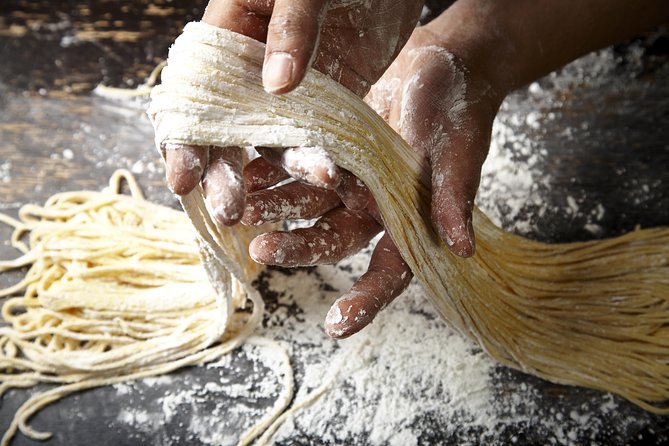
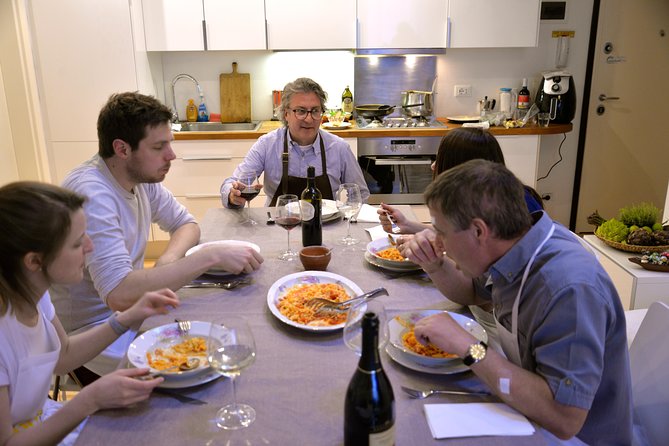
The cooking leads to a full meal, not just a taste of one dish. You eat three fresh pasta courses, including cacio e pepe, amatriciana, and carbonara, followed by dessert and coffee.
Wine is included without a stated limit, and local selections are served during the meal. This changes the rhythm of the class. After standing, mixing, rolling, and cutting, you sit down and enjoy what you made rather than rushing off to your next Rome sight.
The meal is also where the social side becomes most apparent. You have time to talk with Andrea and Milvia, ask follow-up questions, and hear stories beyond the recipes. Several class accounts describe the hosts as warm and welcoming, and the home setting is a major part of the appeal.
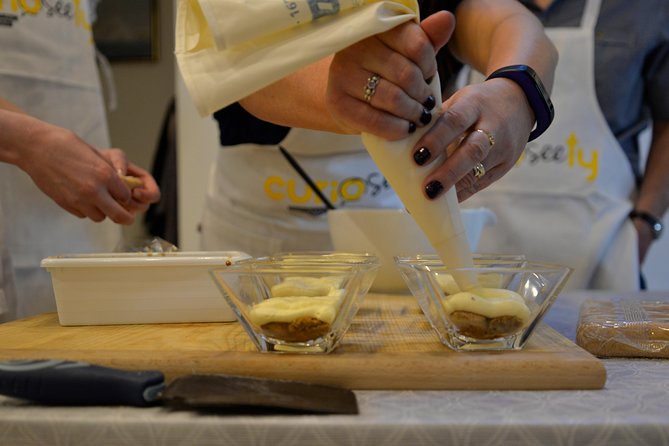
The dessert varies in the details shared by participants. Homemade dessert is included, and one session featured an upside-down tiramisu. Fried zucchini and fried sardines were also served during one meal, though these should not be treated as guaranteed parts of every menu.
Come hungry. Three pasta courses, wine, dessert, and coffee make this a substantial midday or evening activity. A midday booking may suit you if you want time to walk afterward and settle the meal before dinner.
What Testaccio Adds to the Day
Testaccio is a fitting neighborhood for a Roman food class. The meeting point is Via Galvani, 4, 00153 Rome, and the activity both starts and ends there. Hotel pickup and drop-off are not included, so you arrange your own way to the address.
The neighborhood setting gives the class a local frame without adding a separate sightseeing itinerary. You are not spending the afternoon moving between tourist attractions. Instead, you spend several hours in one Roman district, learning a food tradition in a private home.
That focus will suit you if food and conversation are high on your list. It may not suit you if you want a class paired with a guided market visit, a walking tour, or a formal tour of Testaccio. The listed itinerary has one stop, Testaccio, and the cooking takes place at the hosts’ home.
Public transportation is nearby, which makes the meeting point practical. Still, allow enough time to find Via Galvani and arrive ready to start. Since the home is the central setting, read the meeting instructions carefully and do not assume a hotel transfer is provided.
Price, Group Size, and What You Receive
The price is $95.54 per person. That is not the cheapest way to eat pasta in Rome, but the comparison is not simply between this class and a restaurant meal.
Your fee covers about three hours of instruction, fresh pasta preparation, three pasta dishes, dessert, coffee, unlimited wine, and a recipe PDF. You also receive direct help in a group capped at six people. If you value learning techniques you can use at home, the price is easier to justify than if you only want lunch.
The meal alone would not explain the cost. The value comes from the combination of instruction and shared dining. You make the food, learn why the methods work, and then eat all three sauces in one sitting.
The class is also a better fit for people who enjoy a slow meal and conversation. If you are trying to pack as many Rome sights as possible into one day, three hours is a real commitment. If you want a break from churches, museums, and crowded streets, the time feels well spent.
The 4.9 rating from 91 posted ratings and the 97 percent recommendation figure point to consistently strong satisfaction. Even so, the experience is personal rather than standardized. Much of its appeal depends on enjoying a home setting, shared conversation, and a relaxed cooking pace.
Who Should Book This Cooking Class?
I would recommend this class most strongly to:
- Couples and families who want a shared activity rather than another restaurant meal
- First-time pasta makers who want hands-on instruction
- Confident home cooks looking for Roman techniques and sauce details
- Small groups who prefer a personal home setting
- Food-focused visitors who want carbonara, cacio e pepe, and amatriciana in one sitting
- Anyone who values recipes and practical skills they can use after Rome
It is also suitable for mixed groups. One person can be new to pasta while another already cooks regularly. The class covers basic dough work, but experienced cooks can focus on texture, timing, and sauce technique.
You should think twice if you have a serious allergy to dogs or cats. Service animals are allowed, but the experience is not recommended for people with serious allergies to either animal. Specific dietary requirements should be shared when you book.
The format may also be less suitable for very young children who cannot take part in a three-hour cooking and meal session. The supplied details do not give a minimum age, so families should confirm directly before booking.
Practical Details Before You Go
Confirmation is provided at booking, and the class is offered in English. The meeting point is Via Galvani, 4, in Testaccio. You make your own way there because hotel pickup and drop-off are not included.
The activity ends back at the meeting point. Plan your next stop with that in mind, especially if you have a timed museum entry or train connection.
Bookings require at least two people, and the group maximum is six. The experience is often reserved well ahead, with an average booking time of 39 days in advance. That does not guarantee that every date fills early, but it is a good reason to reserve before your Rome schedule is fixed.
Free cancellation is available up to 24 hours before the start time for a full refund. Changes or cancellations inside that 24-hour window are not accepted or refunded. The cut-off uses local Rome time, so check the exact start time before making changes.
Should You Book It?
Book this class if you want to learn Roman pasta in a real home, eat what you make, and spend time with Andrea and Milvia rather than move through a large commercial kitchen. The strongest reasons to choose it are the six-person limit, the three classic sauces, the generous meal, and the practical recipes you can repeat at home.
Skip it if you need hotel transfers, dislike home-based activities, have serious dog or cat allergies, or want a short demonstration with only a small tasting. For everyone else, this is a well-focused way to replace one restaurant meal with a skill, a story, and a very filling afternoon or evening in Testaccio.
FAQ
Where does the cooking class take place?
The class takes place at a local chef’s home in Rome’s Testaccio neighborhood. The meeting point is Via Galvani, 4, 00153 Rome, Italy.
How long does the experience last?
The cooking class and meal last approximately three hours.
What language is the class offered in?
The experience is offered in English.
How many people can join the class?
The group has a maximum of six people. A minimum of two people per booking is required.
What pasta dishes will I make?
You will make three fresh pasta courses: cacio e pepe, amatriciana, and carbonara. The class includes fettuccine and tonnarelli preparation.
Is wine included?
Yes. Unlimited wine is included, along with dessert and coffee.
Are recipes included?
Yes. A PDF of the recipes is included.
Are dietary requirements accepted?
You should advise the hosts of specific dietary requirements when booking. A vegetarian request was accommodated during one class.
Can I cancel for a full refund?
Yes. You can cancel at least 24 hours before the experience start time for a full refund. Cancellations or changes made less than 24 hours before the start time are not accepted or refunded.
Just added around Rome
- Rome Trastevere: Tiramisù & Gelato Class with Savoiardo Baking★ 5.0 · 14 reviews
- Authentic Pasta and Tiramisù cooking class at spanish steps★ 4.5 · 14 reviews
- Rome: Pasta Cooking Class, Dinner & Wine in Authentic Restaurant★ 5.0 · 38 reviews
- Rome For Kids: Small Group Pizza Making Class★ 4.5 · 49 reviews
- Rome: Private Cooking Class with Market Shopping Tour★ 5.0 · 3 reviews
- Devour Rome Wine & Pizza Making Class in Trastevere Neighborhood★ 5.0 · 75 reviews
- Rome Cooking Class★ 5.0 · 4 reviews
- Roma Foodie Experience: Cooking Class★ 5.0 · 16 reviews
Home Cooking Classes, compared.
Khmer Cooking Class at a Local’s Home in Krong Siem Reap
Read our review →
Local Home Korean Cooking Class & Market Adventure in Seoul
Read our review →
Marrakech: Moroccan Cooking Class with a Local Family
Read our review →
Mexican Cooking from Scratch in a Local Home in Tulum
Read our review →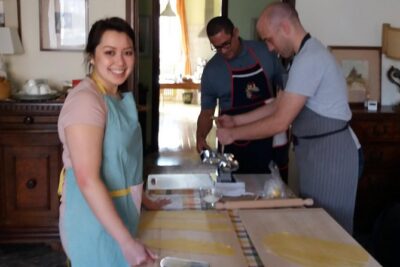
Pastamama, Home Cooking Classes at Grace’s Home
Read our review →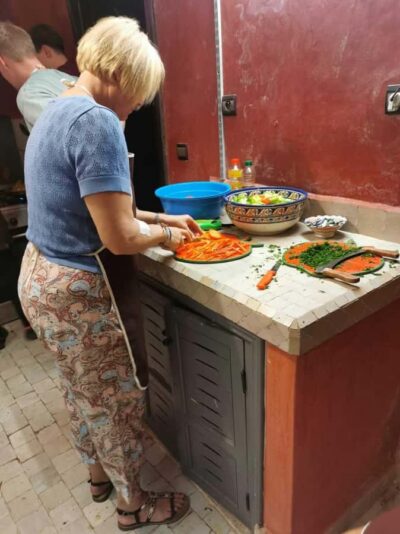
Marrakech: Moroccan Cuisine Cooking Class in Local Home
Read our review →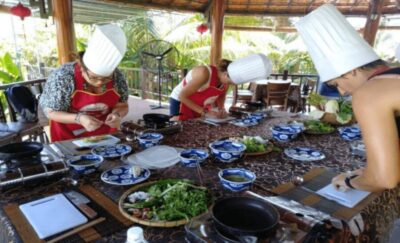
Hoi An: Traditional Cooking Class & meal with Local Family
Read our review →
Browse the lists this tour appears in