
Review · SAN SEBASTIAN
Authentic Basque Cooking Class in San Sebastian Old Town
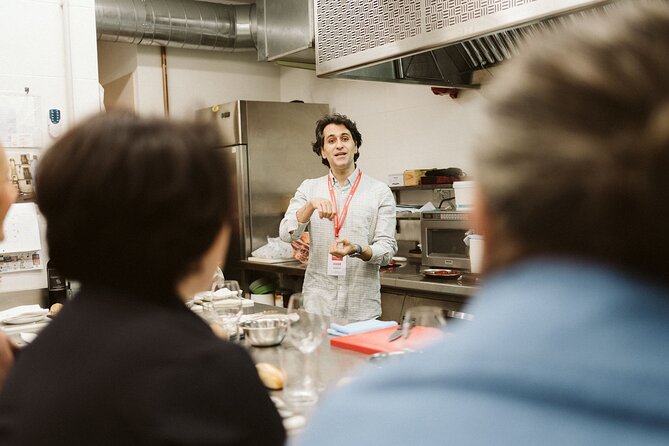
San Sebastián’s best food lesson happens around a kitchen table, not in a lecture hall. In this small-group class in Parte Vieja, a local host and professional chef guide you through five Basque staples, from salty Gilda pintxos to creamy cod pil pil and burnt cheesecake.
I like the full meal with cider and wine included, and I like the cultural stories attached to each dish. Guides such as Gorka, Mikel, Carlos, Natalia, and Begoña have been praised for making the evening relaxed, funny, and easy to follow.
The main caution is simple: this is not a chef-training course. You help chop, stir, assemble, and plate, but the chef handles much of the cooking. At $167.74 per person, the value depends on how much you want the food, drinks, instruction, and social setting together.
Key points at a glance
- Five Basque dishes in one sitting: Make Gilda pintxos, Spanish tortilla, cod pil pil, stuffed piquillo peppers, and Basque cheesecake.
- A proper dinner is included: You eat what the group prepares, with Basque cider and two glasses of wine.
- Small groups matter: The maximum is 10 people, so you can usually ask questions and take a turn at the work station.
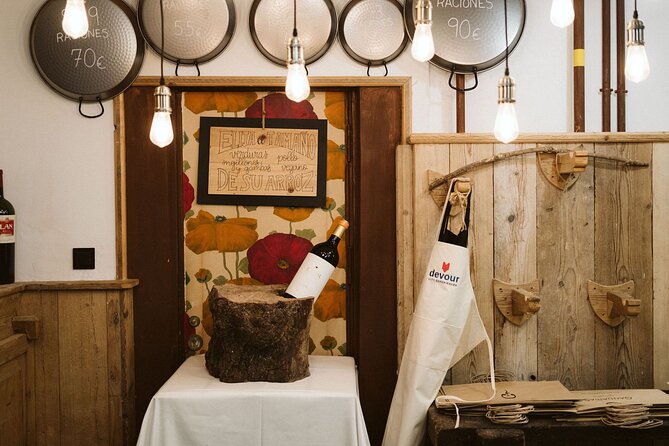
- The setting is part of the appeal: The class takes place in a historic, family-run restaurant in San Sebastián’s pedestrian Old Town.
- Expect guided participation: You will cook along, but the chef demonstrates and completes many of the more technical steps.
- Useful take-home extras: You receive recipes and an apron, giving the class value after your holiday ends.
What this San Sebastián cooking class actually offers
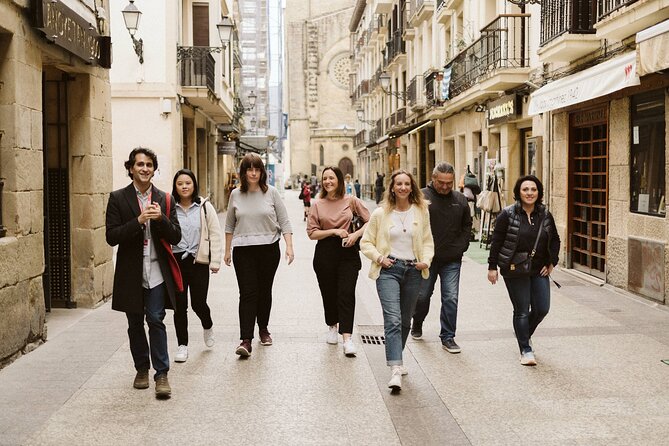
This is a food-and-culture evening built around a professional kitchen. You meet at De Valle Lersundi Plazatxoa 1 at 6:00 pm, then walk into the pedestrian center of Parte Vieja. The activity ends where it begins.
The class lasts about two and a half hours, although it is presented in some descriptions as a concise three-hour experience. I would plan for roughly the stated two and a half hours, with a little flexibility for the pace of the group.
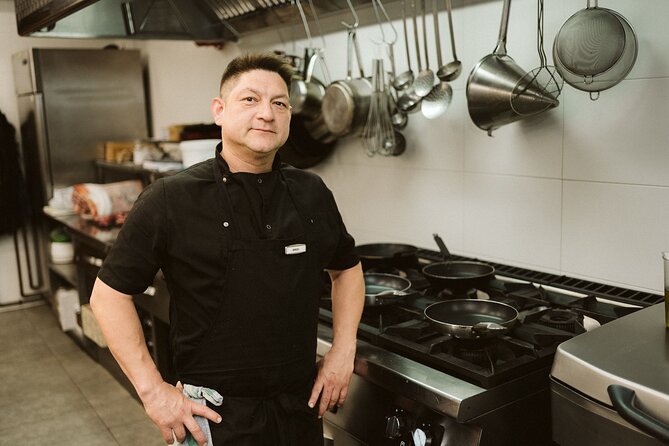
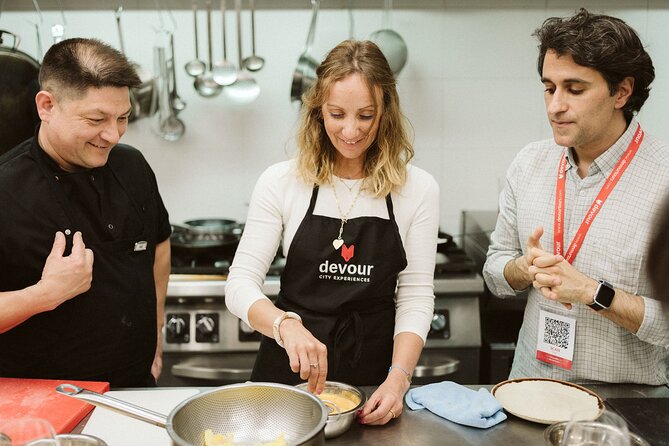
You are paired with two hosts: a local guide who explains the dishes and their place in Basque life, and a chef who leads the preparation. That division works well. The guide keeps the evening moving and supplies the regional context, while the chef focuses on technique, timing, and presentation.
The group limit of 10 is important. A larger class could turn this into a demonstration where you stand at the back and watch. With 10 or fewer, you have a better chance to handle ingredients, ask about methods, and get a clear view of the cooking.
More Hands-On Workshops in Spain:
- Barcelona Paella Cooking Class with Market Visit, Tapas & Sangria
★ 5.0 · 2,531 reviews - Spanish Cooking Class Paella Tapas and Sangria in Madrid
★ 5.0 · 1,340 reviews - Paella Cooking Class, Wine Tasting & Central Market in Valencia
★ 5.0 · 1,150 reviews
Starting with Gilda pintxos in Parte Vieja
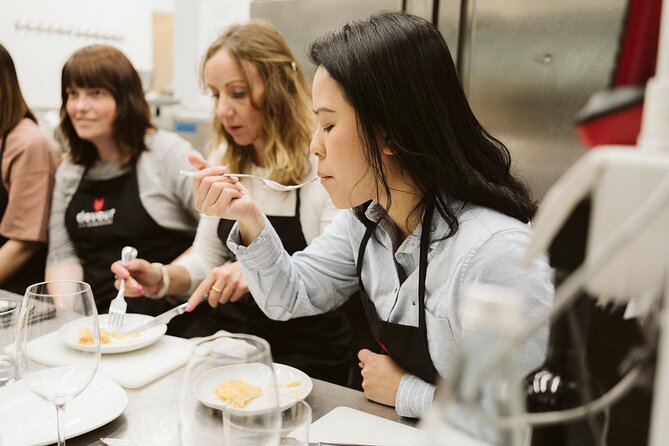
The first dish is the Gilda, a small pintxo made with familiar Basque bar ingredients. You build your own, which is a good warm-up because it gets your hands involved right away without demanding difficult cooking skills.
Gildas are more than a snack. They fit San Sebastián’s habit of eating in small portions while standing at a bar, moving from one place to the next, and choosing a few bites with a drink. Making one in a kitchen setting gives you a quick introduction to the city’s food culture.
This part of the class is likely to feel more hands-on than the later stages. You assemble rather than simply watch, and the local host can explain how pintxos differ from larger portions served at the table.
The Old Town location adds useful context. The meeting point sits in a pedestrian area, so you cannot be dropped directly at the door by a taxi. You need to arrive on foot. The tradeoff is that you are already in the part of San Sebastián where food, narrow lanes, bars, and restaurants shape the evening.
Spanish tortilla: simple ingredients, useful technique
Next comes the Spanish potato omelet, or tortilla. The ingredients are humble, but getting the texture right takes judgment. This is one of the recipes most likely to be useful when you return home because it depends on basic ingredients and a few repeatable steps rather than specialist equipment.
The class presents the tortilla as a Basque kitchen classic, though it is also common throughout Spain. That makes it a good example of how Spanish food crosses regional lines while still taking on local character.
Expect to take turns chopping, stirring, or helping with the preparation. The chef will likely do the more delicate work, such as managing the pan or showing how to turn the omelet. That shared approach keeps things safe and orderly, but it also explains why this is not a fully hands-on course.
If your main goal is to learn a large number of cooking techniques, the tortilla alone will not justify the price. If you want to understand how a local dish is prepared, eat it soon afterward, and leave with the recipe, it earns its place on the menu.
Cod pil pil and the lesson in sauce
Cod in pil pil sauce is the most technically interesting dish on the published menu. The sauce is associated with the interaction of cod, oil, and movement rather than a long list of seasonings. The chef’s demonstration is especially useful here because the texture and emulsion can be hard to judge from a recipe alone.
This is one of the moments when I would pay close attention instead of worrying about getting every task. Watch how the chef handles the fish and brings the sauce together. One participant specifically came away with a new technique for making an authentic Spanish sauce, which suggests this part can provide more than a basic fish demonstration.
The menu describes cod pil pil, but individual sessions have sometimes included simply fried cod or another fish preparation. If this particular dish matters to you, confirm the current menu when booking or contact the provider before the class.
The fish course also shows the class’s strength and limitation. You learn about a dish tied to northern Spanish cooking, but you may not personally perform every step. The chef’s skill is part of what you are paying for.
A few more cooking classes around Spain worth a look
- Barcelona: Paella Cooking Experience & Boqueria Market Tour
★ 4.8 · 3,661 reviews - Barcelona Interactive Spanish Cooking Experience
★ 4.5 · 2,155 reviews - Paella Cooking Class in Madrid with Bottomless Wine Pairing
★ 5.0 · 985 reviews - Seville: Spanish Cooking Class with Dinner
★ 4.9 · 900 reviews
Piquillo peppers and the main meal
Stuffed red piquillo peppers bring color and a different kind of preparation to the table. You work with a prepared pepper that needs filling and careful handling, rather than starting with a complicated base of sauces and stocks.
The dish is useful for home cooks because it can be recreated without turning your kitchen into a restaurant. The recipe handout gives you a reference after the class, and the chef can explain the choices that are difficult to capture in a short recipe.
Some accounts of the experience refer to steak or txuleta served with piquillo peppers rather than stuffed peppers. The supplied menu specifically lists stuffed red piquillo peppers, while other sessions have included steak. That suggests the precise menu can change. I would treat the five-course outline as the guide, not an absolute guarantee that every group receives identical plates.
The meal is substantial. This is not a tasting where you need to find dinner afterward. You eat the dishes prepared during the class, including dessert, and the portions are intended to form a full meal.
Basque cheesecake finishes the evening
Basque cheesecake is the crowd-pleaser and the dish many people most want to reproduce at home. Its dark, almost burnt top and soft center make it different from a neat, chilled cheesecake with a biscuit base.
The class includes the preparation and the story behind the dessert. The chef may do much of the mixing and baking work because timing and oven control are involved, but you still see how the mixture is assembled and what the finished texture should look like.
One practical note: the dessert has generated some confusion in past sessions, including disagreement over the exact recipe and the use of cream cheese. That is worth keeping in perspective. The class is teaching a version of Basque cheesecake, not settling every argument about its origins or ingredients.
You receive recipes afterward, which is particularly valuable here. A cheesecake recipe benefits from written measurements and timing more than a dish you can assemble by eye. If the digital recipe link does not arrive, contact the provider directly, since recipe delivery has occasionally required follow-up.
Cider, wine, and the social side of dinner
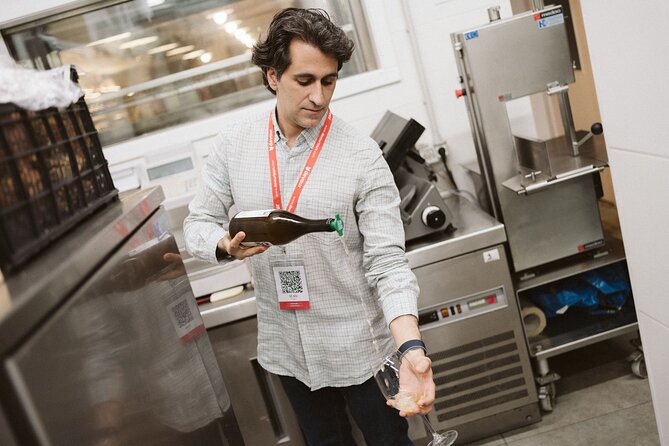
The drink pairings are a meaningful part of the price. The class includes Basque cider and two glasses of wine, matched with the food as the meal progresses. You are not paying separately for drinks at the end, and the pairings help explain how local beverages fit with salty pintxos, fish, peppers, and dessert.
The social format works best if you enjoy meeting people. Groups can include couples and solo participants from different countries, and the shared work gives everyone an easy subject to talk about. I would expect a friendly evening, but not a private lesson unless your booking happens to be the only reservation.
Non-alcoholic options are available, and the class can accommodate pescatarians, gluten-free diets that are not celiac, and pregnant participants. It is not recommended for vegetarians, vegans, or people requiring kosher food. State your needs before attending rather than assuming the menu can be changed on the spot.
The experience is conducted in English. Guides including Gorka, Mikel, Carlos, Natalia, Angel, and Begoña have been praised for warmth, humor, and clear explanations. The individual chef matters a great deal here, so expect the tone and amount of participation to vary somewhat from one session to another.
How hands-on is the cooking?
This is the question I would ask before paying. The honest answer is: moderately hands-on, not fully hands-on.
You may chop, stir, assemble, help plate, and take turns with different jobs. The chef demonstrates the work, directs the group, and completes tasks that require close timing or professional control. Some people find this ideal because they can learn without pressure. Others feel they paid to cook and instead watched too much.
The class description uses the language of cooking along with the chef, and that is fair. It does not promise that each person prepares every dish independently. If you want a private lesson where you make each course from start to finish, this is not the right format.
I would recommend taking notes mentally, asking questions, and watching the sauces and heat management closely. The recipes are useful, but the chef’s explanations of texture, timing, and technique may be the most valuable part.
Is $167.74 a fair price?
At $167.74 per person, this is an expensive cooking class by casual dinner standards. You can eat pintxos in San Sebastián for far less, and you will not personally perform every stage of the meal.
The price makes more sense when you count the complete package: a professional chef, a local host, private kitchen access in a family-run restaurant, five dishes, a full dinner, cider, wine, recipes, and an apron. You are also paying for a small class rather than a crowded demonstration.
Value depends on your priorities. I would consider it worthwhile if you want a structured evening, prefer an English-speaking guide, enjoy local drinks, and like meeting people while learning a few recipes. I would hesitate if you mainly want advanced technique, a large amount of individual cooking, or a low-cost meal.
The apron is a useful souvenir, though one past participant expected a more substantial keepsake. The recipes are the real long-term benefit. They let you repeat the tortilla, peppers, cod, or cheesecake at home instead of leaving the experience behind in San Sebastián.
Practical details before you go
The class begins at 6:00 pm and ends back at the meeting point. Since the Old Town is pedestrian-only, allow enough time to walk there and find De Valle Lersundi Plazatxoa 1.
You can leave belongings in a closed space during the class, but the activity is done standing up. This matters if you have difficulty standing for two and a half hours. You should also be comfortable walking at a moderate pace.
The class is not suitable for children. It is designed for adults who want a full evening meal and can take part in a kitchen setting.
Confirmation arrives when you book. Free cancellation is available until 24 hours before the start time. Inside that window, cancellations and changes are not accepted for a refund.
Who should book this experience?
I would choose this class if you are visiting San Sebastián for the food and want more than a restaurant table. It suits couples, solo participants, and small groups who enjoy a relaxed social evening.
It is also a good choice for a non-cook. The recipes are approachable, and you can learn without needing professional skills. People who do not usually cook can still enjoy the meal, the drinks, and the stories.
I would skip it if you are vegetarian, vegan, or kosher, since the advertised menu does not suit those diets. I would also look elsewhere if you want to prepare every dish yourself or expect a rigorous professional cooking course.
Should you book the Basque cooking class?
Book it if you want a friendly introduction to Basque food, a full dinner, and a small class led by a chef and local host. The setting, drinks, recipes, and chance to learn dishes such as pil pil and Basque cheesecake give the evening real substance.
Go in with accurate expectations. You are joining a guided group cooking experience, not renting a kitchen for private practice. At this price, the strongest value comes from the combination of food, instruction, local context, and company. If that sounds like your kind of San Sebastián evening, it is a solid choice.
FAQ
Where does the cooking class meet?
You meet at De Valle Lersundi Plazatxoa 1, 20003 Donostia / San Sebastián, Gipuzkoa, Spain.
What time does the class start?
The class starts at 6:00 pm.
How long does the experience last?
The stated duration is about two hours and 30 minutes.
What dishes do you prepare?
The published menu includes build-your-own Gilda pintxos, Spanish potato omelet, cod in pil pil sauce, stuffed red piquillo peppers, and Basque cheesecake.
Are drinks included?
Yes. The experience includes Basque cider and two glasses of wine, along with the meal prepared during the class.
Is this a full dinner?
Yes. The class includes enough food for a full meal, including dessert and drink pairings.
How large is the group?
The maximum group size is 10 people.
Is the class conducted in English?
Yes. The class is offered in English.
Can dietary requirements be accommodated?
The class can adapt for pescatarians, gluten-free diets that are not celiac, non-alcoholic options, and pregnant participants. It is not recommended for vegetarian, vegan, or kosher diets.
Is the class accessible by car or taxi?
The activity takes place in the pedestrian Old Town, which is accessible only on foot. A closed space is available for belongings, and the cooking portion takes place standing up.
Are recipes provided afterward?
Yes. You receive recipes to take home, along with an apron.
Can children attend?
No. The activity is not suitable for children.
What is the cancellation policy?
You can cancel up to 24 hours before the start time for a full refund. Cancellations or changes made less than 24 hours before the experience are not accepted.
Just added around Spain
- A Coruña: Local Market Shopping and Cooking Workshop★ 5.0 · 16 reviews
- San Sebastian: Authentic Basque Cooking Class★ 4.9 · 102 reviews
- Basque Cooking Experience: Market Tour & Hands-On Class English★ 5.0 · 144 reviews
- Local Cooking Class in San Sebastian★ 5.0 · 44 reviews
- Sevilla: Rooftop Paella Cooking Class & 30-minute expert Q&A★ 5.0 · 198 reviews
- Paella Cooking Class in Malaga★ 5.0 · 209 reviews
- Madrid: 10 Tapas 2.5-Hour Cooking Class★ 4.7 · 222 reviews
- La Boqueria Market and Paella Cooking Class in Barcelona★ 5.0 · 229 reviews
Cooking Classes, compared.
Half-Day Thai Cooking Class at Organic Farm in Chiang Mai
Read our review →
Florence: Pasta Cooking Class with Unlimited Wine
Read our review →
3 in 1 Cooking Class near Navona: Fettuccine, Ravioli & Tiramisu
Read our review →
Hanoi Cooking Class: Culture, Local Market & Meaning CSR Impact
Read our review →
5 Traditional Dishes Hanoi Cooking Class with Market Trip
Read our review →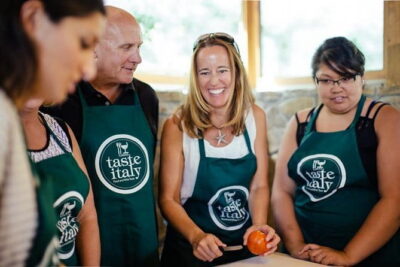
Cooking Class and Lunch at a Tuscan Farmhouse with Local Market Tour from Florence
Read our review →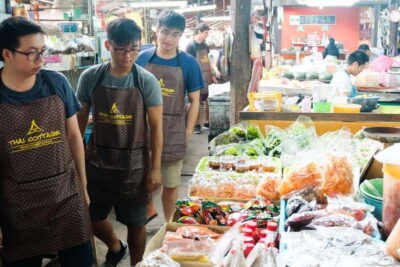
Chiang Mai: Cooking Class, Market & Thai Herbs Garden Tour
Read our review →Browse the lists this tour appears in