
Review · SAN SEBASTIAN
Basque cuisine cooking class
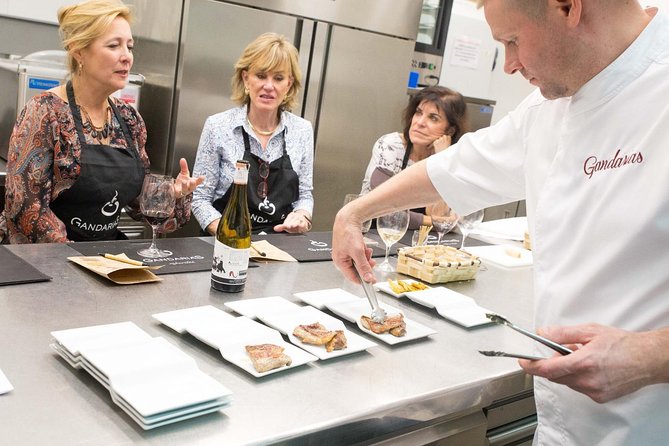
San Sebastian is one of Europe’s great food towns, but eating pintxos only tells half the story. This 2-hour-45-minute cooking session takes you into a working kitchen in the Old Town, where you help prepare seven Basque dishes before sitting down to eat them.
I like that the price includes a full dinner and drinks, not just a cooking lesson. I also like the mix of practical home-cooking skills and local specialties, from tortilla de patata to bacalao al pil pil and Basque cheesecake. The main consideration is that this may feel more like a chef-led demonstration than a hands-on class, especially if you want to cook every dish yourself.
Key points to know before booking
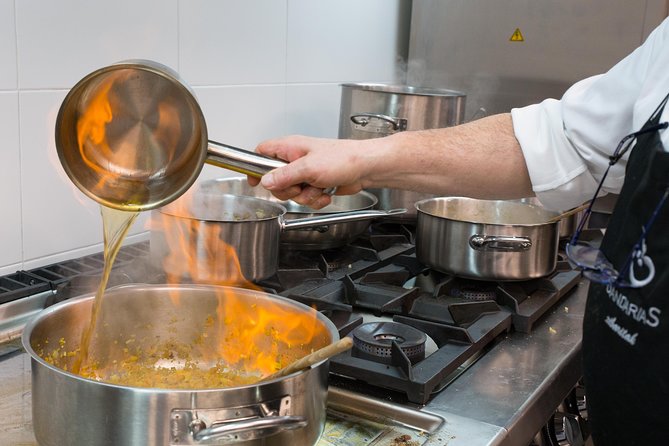
- Seven Basque dishes in one evening: Learn recipes that can be prepared again at home, including pintxos, tortilla de patata, bacalao al pil pil, T-bone steak, and Basque cheesecake.
- A complete dinner is included: You eat the food prepared during the class, with enough variety for a full evening meal.
- Local drinks are part of the lesson: Taste red wine, txakoli, and cider rather than paying extra for drinks afterward.
- Chef Nick leads the kitchen session: His teaching style is described as funny, considerate, and open to different cooking abilities.
- Small enough to stay manageable: The maximum group size is 15 people, with at least two required for a booking.
- Plan ahead for this popular evening: It is booked an average of 43 days in advance, and the 5:45 pm start fits neatly into a day of sightseeing.
Why a cooking class fits San Sebastian so well
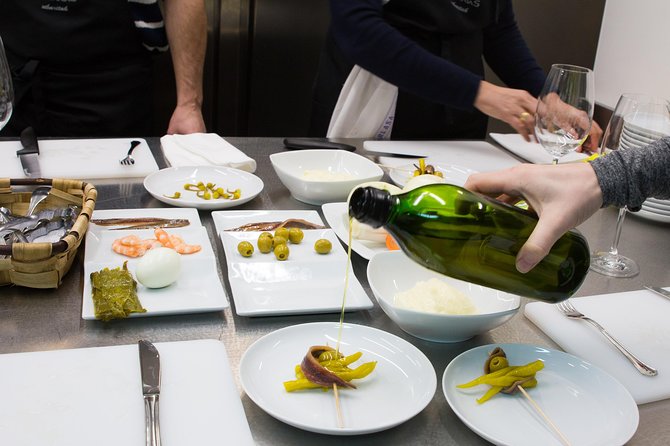
San Sebastian is a city where food is not an occasional treat. It is part of the daily rhythm. Pintxos bars fill the Old Town, markets supply the raw materials, and local dishes often rely on a few well-handled ingredients rather than complicated machinery or fancy presentation.
That makes this class useful for more than one dinner. You get a close look at the methods behind dishes you may already have tasted around town. The point is not simply to watch a chef produce something delicious. It is to learn enough technique to repeat parts of the meal at home.
I especially like the range of food covered in a single session. Tortilla de patata gives you a Spanish kitchen staple. Bacalao al pil pil introduces a classic Basque preparation of salted cod. Txuleta, presented here as a T-bone steak, brings in the hearty side of local cooking. Basque cheesecake finishes the meal with a dessert that has become one of San Sebastian’s signature foods.
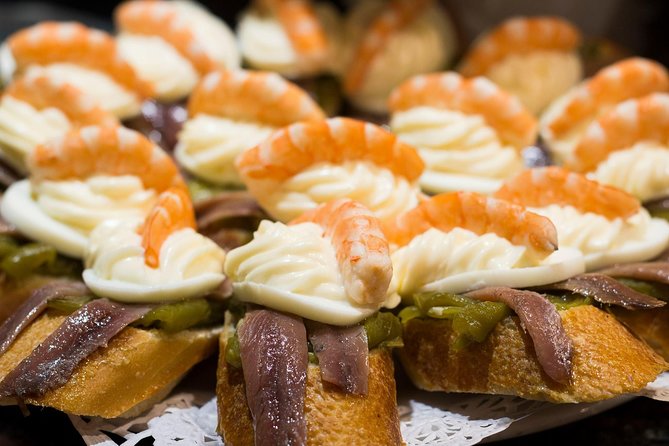
The class also includes pintxos, those small, carefully arranged bites that make the city’s bar scene so enjoyable. You are not limited to one recipe or one style of cooking. Instead, you get a broad introduction to the food culture you are seeing throughout San Sebastian.
More Hands-On Workshops in Spain:
- Barcelona Paella Cooking Class with Market Visit, Tapas & Sangria
★ 5.0 · 2,531 reviews - Spanish Cooking Class Paella Tapas and Sangria in Madrid
★ 5.0 · 1,340 reviews - Paella Cooking Class, Wine Tasting & Central Market in Valencia
★ 5.0 · 1,150 reviews
Meeting in the Old Town at 5:45 pm
The experience begins at the Donostia Information and Tourism Office at Alameda del Boulevard 8. The meeting point is near public transportation, which helps if you are staying outside the Old Town or arriving from another part of the city.
The start time is 5:45 pm. That is a practical hour for a food class. You have the day free for the beach, museums, viewpoints, or a stroll around the city, then head to the kitchen in time for the evening meal.
From the tourism office, the class takes you to a secret kitchen in the heart of the Old Town. The phrase secret kitchen is part of the experience description, but you should think of it as a working restaurant kitchen rather than a grand culinary school. One useful detail from the available feedback is that the kitchen operates inside a local restaurant. That gives the class a more everyday setting and connects the food lesson to the places where San Sebastian cooks actually work.
The activity ends back at the meeting point. That makes the return simple, though you should allow a little extra time afterward if you have a late reservation elsewhere. The class lasts about 2 hours and 45 minutes, so it is best treated as your evening meal rather than an appetizer before another dinner.
What you actually cook during the session
The class covers seven separate Basque dishes. The complete list is not provided, but the named dishes give you a good sense of the menu and its variety.
Tortilla de patata
The session begins with tortilla de patata, one of Spain’s most familiar dishes. It sounds simple, but getting the texture right takes attention. You can expect the chef to focus on the small choices that turn potatoes and eggs into a soft, satisfying tortilla rather than a dry omelet.
This is one of the most useful recipes to take home. The ingredients are easy to find, and the dish works as a snack, lunch, or shared plate. It also connects directly to the pintxos culture you will see in San Sebastian bars.
A few more cooking classes around Spain worth a look
- Barcelona: Paella Cooking Experience & Boqueria Market Tour
★ 4.8 · 3,661 reviews - Barcelona Interactive Spanish Cooking Experience
★ 4.5 · 2,155 reviews - Paella Cooking Class in Madrid with Bottomless Wine Pairing
★ 5.0 · 985 reviews - Seville: Spanish Cooking Class with Dinner
★ 4.9 · 900 reviews
Bacalao al pil pil
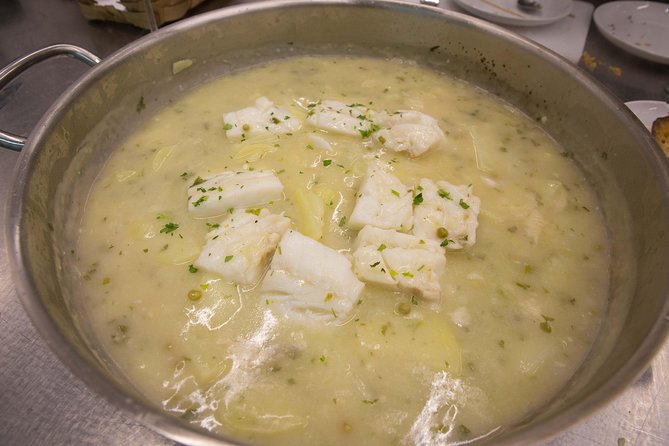
Bacalao al pil pil is a traditional Basque cod dish and one of the more technique-focused parts of the menu. The preparation depends on handling the fish and sauce with care, so this is where professional instruction can offer real value.
You may not master every detail in one short class, but you will see how a chef approaches the dish and what to watch for when trying it later. I like that the menu includes something with a distinct local identity rather than relying only on familiar international recipes.
T-bone steak and txuleta
The listed menu includes T-bone steak, while the class description refers to txuleta. In the Basque Country, txuleta is associated with a substantial grilled steak, so this part of the meal gives you a look at the region’s love of good beef and straightforward cooking.
The appeal here is less about a complicated recipe and more about technique. A professional cook can show you how to handle a large cut, how to think about doneness, and how to serve it as part of a shared meal. If you prefer delicate seafood and vegetables, this is the most substantial dish on the menu and may feel heavy alongside the rest of the meal.
Basque cheesecake
Basque cheesecake is a fitting end to the class. Its browned surface and soft center have made it famous well beyond San Sebastian, but preparing it in the city where it became such a popular specialty gives the dessert more meaning.
It is also a good home recipe because the finished cake looks impressive without requiring elaborate decoration. The class lets you see the process before tasting the result, then gives you a chance to judge the texture and flavor for yourself.
Pintxos and the remaining dishes
The seven-dish format includes pintxos alongside the named starter, mains, and dessert. Since the full list is not specified, I would not book this expecting a fixed menu beyond the dishes clearly identified. The useful promise is variety: small bites, cod, steak, dessert, and local drinks in one sitting.
That variety makes the class stronger than a lesson centered on a single dish. It also means the pace may be quick. You are covering seven preparations in less than three hours, and the chef may need to demonstrate some steps rather than have every person perform them.
A class that may be more demonstration than hands-on cooking
This is the main point to understand before booking. The experience is described as a cooking class, but one detailed account characterizes it more accurately as a cooking demonstration. Chef Nick prepares seven dishes while explaining the methods, and the group tastes each one.
That is not necessarily a weakness. I often prefer a clear demonstration when the class covers several dishes. You see a professional handle the tricky parts without spending half the evening waiting for one person to finish chopping or stirring. You also get more recipes in a short period.
Still, if you want to knead, flip, grill, and plate every course yourself, this may not meet your ideal. The format is better for someone who wants practical instruction, a close look at local food, and a relaxed dinner. It suits beginners because no advanced cooking skills are required, and people at all culinary levels are welcome.
The teaching style matters here. Chef Nick is described as experienced, funny, and considerate of different needs. Those qualities are especially helpful in a group setting, where some people may cook often and others may be starting from scratch.
Eating the meal with wine, txakoli, and cider
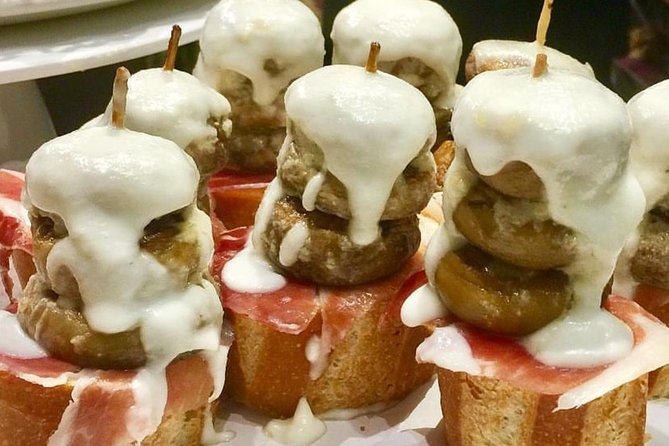
After the cooking portion, you sit down to taste the food. The meal includes pintxos and the prepared Basque dishes, so you are not leaving with only a few samples. The menu is designed to serve as a full dinner.
The drinks are part of the evening, too. You can taste red wine, txakoli, and cider. Txakoli is the local dry sparkling white wine, and trying it with Basque food gives you a better sense of how the region’s drinks fit the cuisine. Cider offers a second local option, while red wine makes sense with the steak.
Because beverages and alcoholic drinks are included, you do not need to keep calculating the cost of each pour. That makes the evening easier and helps the $156.53 price feel more understandable. You are paying for instruction, food, a full meal, and drinks, not simply access to a kitchen.
If you do not drink alcohol, the supplied details do not specify nonalcoholic alternatives. I would confirm that point before booking if it matters to you.
Is $156.53 a fair price?
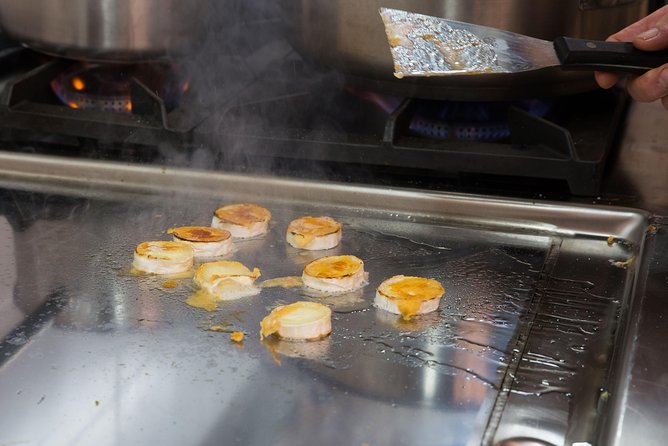
At $156.53 per person, this is not a bargain class. The scheduled time works out to roughly $57 per hour, but that figure does not tell the full story because the fee also covers dinner, pintxos, wine tasting, txakoli, cider, and the cooking instruction.
I consider the price reasonable for someone who wants one organized food experience in San Sebastian. A standard dinner with several courses and drinks can add up quickly in this city, especially if you want to try both local wine and cider. The class also gives you recipes and techniques you can use after the trip.
The value is weaker if you are mainly looking for a cheap meal. You can eat pintxos for less, and you will not necessarily spend the whole class actively cooking. The best reason to pay this price is the combination of food, teaching, and context.
The small maximum group of 15 helps. It is not a private lesson, but it is limited enough for the chef to keep the session organized. The minimum booking requirement is two people. If only one person books, the operator must confirm that the class can run.
Who will enjoy this most
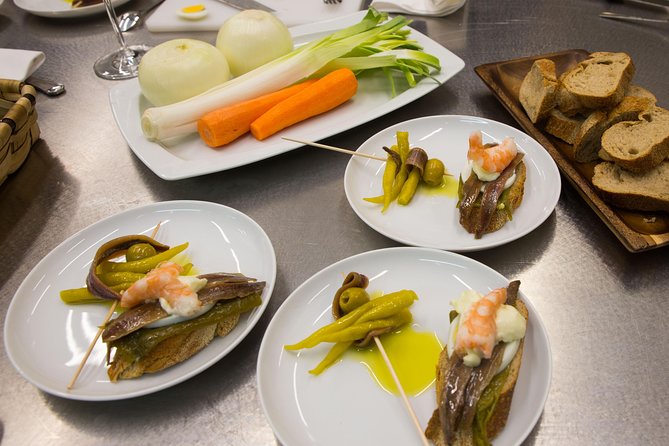
I would recommend this class to you if you like food but do not want a formal culinary course. It works particularly well for:
- First-time visitors to San Sebastian: You get a guided introduction to several local specialties in one evening.
- Beginner cooks: The class welcomes all skill levels and focuses on recipes you can try at home.
- Couples and small groups: The two-person minimum and shared dinner format make it a natural evening activity.
- Food-focused families: The mix of dishes gives different tastes something to enjoy, though the alcohol component may make it less suited to children.
- Cooks who prefer watching technique: The demonstration style lets you see a professional prepare seven dishes without a long, slow workshop.
I would hesitate if your main goal is intensive hands-on practice. The class may offer participation, but the strongest evidence points to a chef-led demonstration with tasting rather than seven separate cooking stations.
It is also less suitable for someone who wants a very short activity. Nearly three hours is a sizable block of an evening, though the fact that dinner is included means you do not lose that time to a separate restaurant booking.
Practical details that affect your decision
The class is offered in English, which keeps the instruction accessible to English-speaking visitors. You receive a mobile ticket, and confirmation is provided when you book.
The activity is offered in the evening and ends at the original meeting point. Since the experience begins at the tourism office and takes place in the Old Town, check your route before setting out, especially if you are coming from outside central San Sebastian.
This experience is often booked well in advance, with an average of 43 days. I would not wait until the last moment if the 5:45 pm session is important to your plans. The maximum group size is 15, but availability may be tighter on popular dates.
Cancellation is free up to 24 hours before the start time. If you cancel less than 24 hours ahead, the payment is not refunded, and late changes are not accepted. That gives you some flexibility, but you still need to make a firm decision the day before.
Should you book this Basque cooking class?
Book it if you want to understand San Sebastian through its food, enjoy a full dinner with local drinks, and pick up techniques you can use at home. The strongest parts are the broad menu, the included meal, the txakoli tasting, and Chef Nick’s reported balance of humor and care.
Skip it if you want a fully hands-on workshop or if your main priority is keeping dinner costs low. At $156.53, the value depends on using the whole package: instruction, seven dishes, tasting, wine, txakoli, cider, and the Old Town setting.
For most food-focused visitors, I think the class earns its place in a San Sebastian schedule. Just book ahead, arrive ready for a demonstration-led format, and treat the cooking session as both a lesson and your evening meal.
FAQ
How much does the Basque cuisine cooking class cost?
The price is $156.53 per person. Beverages, alcoholic drinks, the cooking class, food tasting, wine tasting, pintxos, and dinner are included.
How long does the cooking class last?
The experience lasts approximately 2 hours and 45 minutes.
What time does the activity begin?
The class starts at 5:45 pm.
Where does the experience begin?
You meet at the Donostia Information and Tourism Office at Alameda del Boulevard 8, 20003 Donostia-San Sebastián, Guipúzcoa, Spain.
What language is the class offered in?
The experience is offered in English.
How many people can join the class?
The maximum group size is 15 people. A minimum of two people is required per booking. A solo booking needs confirmation from the tour operator.
Can I cancel for a full refund?
Yes. You can cancel at least 24 hours before the local start time for a full refund. Cancellations or changes made less than 24 hours before the start are not accepted for a refund.
Just added around Spain
- Michelin Star Secrets Cooking Class in San Sebastian★ 5.0 · 9 reviews
- Pintxos cooking class from the classics to modern pintxos★ 5.0 · 5 reviews
- Private Cooking Class★ 5.0 · 11 reviews
- Spanish Cooking Class Palma meals+drinks 7 dishes Full meals★ 5.0 · 122 reviews
- Traditional recipes cooking experience★ 5.0 · 33 reviews
- Spanish Cooking Class Palma meals+drinks 7 dishes Full meals★ 5.0 · 58 reviews
- Paella Cooking Class with English Guide in Malaga★ 5.0 · 149 reviews
- Paella Day Cooking Class Savor the Tradition★ 5.0 · 25 reviews
Cooking Classes, compared.
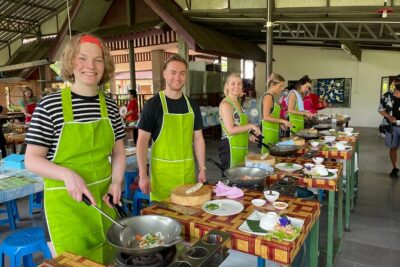
Half-Day Thai Cooking Class at Organic Farm in Chiang Mai
Read our review →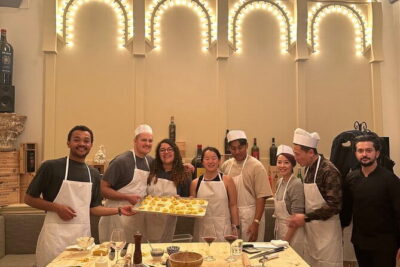
Florence: Pasta Cooking Class with Unlimited Wine
Read our review →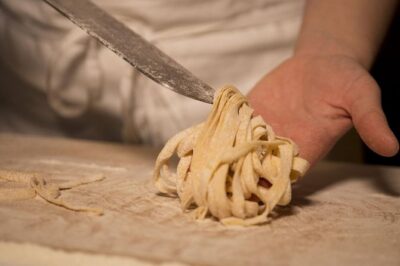
3 in 1 Cooking Class near Navona: Fettuccine, Ravioli & Tiramisu
Read our review →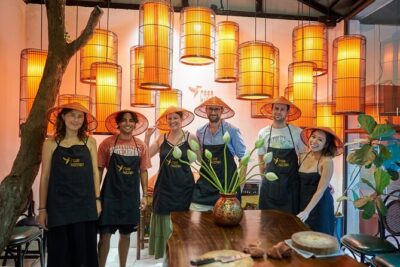
Hanoi Cooking Class: Culture, Local Market & Meaning CSR Impact
Read our review →
5 Traditional Dishes Hanoi Cooking Class with Market Trip
Read our review →
Cooking Class and Lunch at a Tuscan Farmhouse with Local Market Tour from Florence
Read our review →
Chiang Mai: Cooking Class, Market & Thai Herbs Garden Tour
Read our review →Browse the lists this tour appears in