
Review · GREECE
Dining In Rethymno: An Evening Of Cretan Cooking
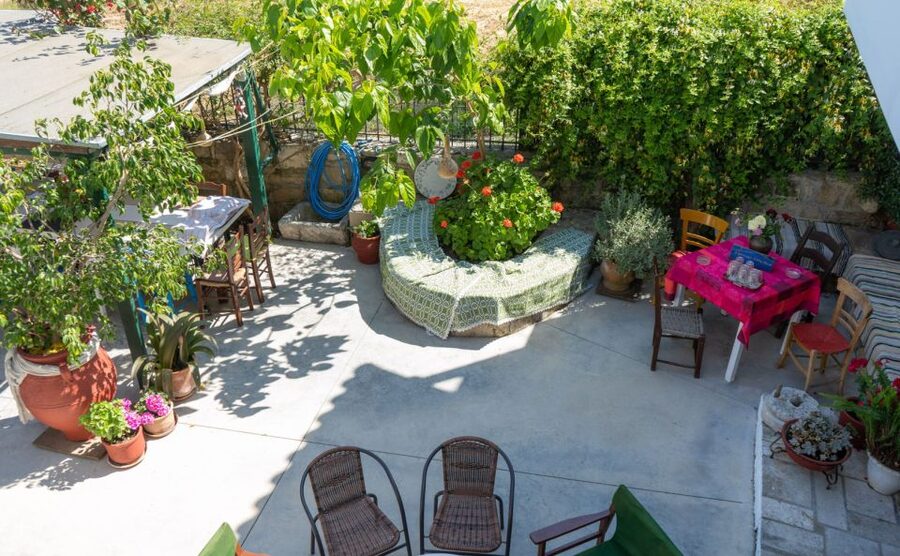
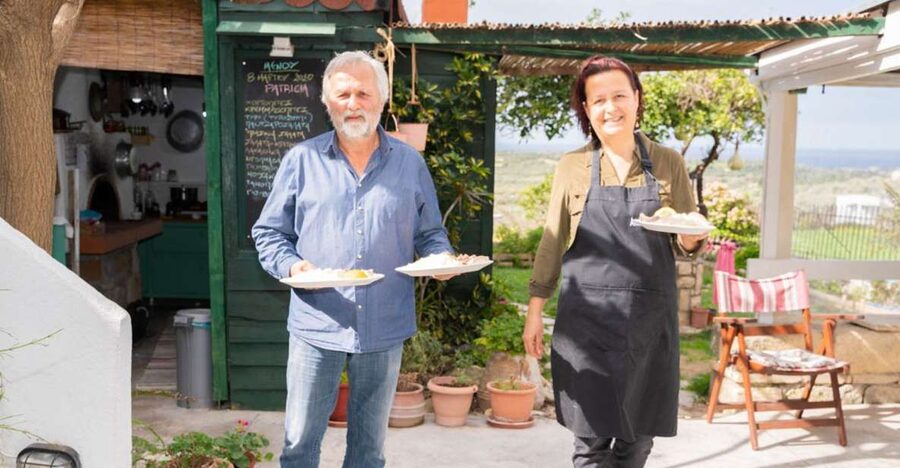
The best part of this Cretan cooking evening is that it takes place at Androniki’s home, not in a polished cooking studio. You work with vegetables and herbs from the garden, cook outside in a wood oven, and sit down to a generous meal with the people who made it possible. It feels close to everyday Cretan life, which is exactly what many visitors hope to find.
I like the homegrown produce and the relaxed, small-group setup. I also like that Androniki and her husband make the evening social, not just instructional. You cook, eat, drink wine, taste homemade raki, and meet up to nine other people. The main consideration is transport: Loutra is 11 kilometers from Rethymno, and the village has no street names, so you need to plan the final arrival carefully.
Key points to know before you book
- Cook at a local home in Loutra: The setting is Androniki’s own house, about 11 kilometers from Rethymno.
- Use garden ingredients: Vegetables and herbs come from the hosts’ garden when available, with homemade olive oil and other ingredients.
- Work with a wood oven: The outdoor cooking area gives the evening a real Cretan feel and adds a touch of rustic theater.
- Learn several traditional dishes: The menu can include wild herb pies, onion kalitsounia, Sfakian pies, dakos, salad, stuffed vegetables, and moussaka.
- Eat and drink what you prepare: Wine, other beverages, dessert, cheese, tzatziki, and homemade raki are included.
- Expect a small group: The experience is limited to 10 people and is conducted in Greek and English.
From Rethymno to a Cretan kitchen in Loutra
Loutra is a small village 11 kilometers from Rethymno. That distance is manageable by car or taxi, and you can also take a bus from Rethymno, but this is not the sort of outing where you should simply type a street address into your phone and hope for the best.
The village has no street names. The hosts identify their home on Google Maps as Andronikis Cretan House, and the full address is supplied with your booking voucher. I would save the map location before leaving Rethymno and allow extra time for the approach.
That minor transport wrinkle is part of the tradeoff. You are not meeting at a restaurant in the center of town. You are going to a real village home, which gives the evening much of its appeal but requires a little more planning.
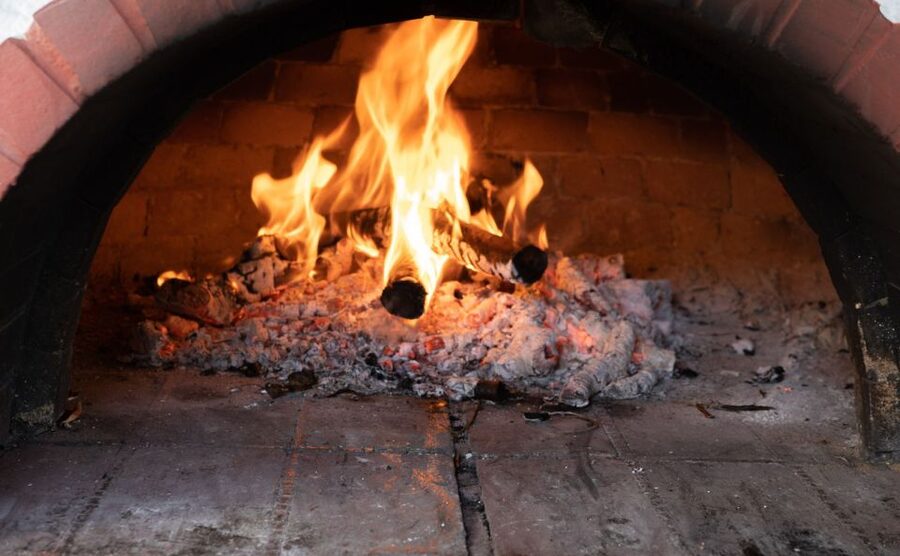
The cooking begins in an outdoor area. The wood oven is central to the experience, both as a practical cooking tool and as a reminder that Cretan food is built around simple methods and good ingredients. You are not being shown a complicated restaurant menu. You are learning dishes that make sense in a household kitchen.
More Dinner Experiences in Greece:
- Greek Cooking Class in Athens Including Rooftop Dinner with Acropolis View
★ 5.0 · 826 reviews - Greek Small-Group Athens Cooking Class & Dinner
★ 5.0 · 574 reviews - Athens: Greek Cooking Class & Dinner on a Rooftop
★ 5.0 · 383 reviews
Meeting Androniki and her husband
Androniki leads the cooking, while her husband helps keep the evening moving. The pair are described as organized, welcoming, and patient, which matters in a group activity where people arrive with different cooking skills.
You are not expected to be a trained cook. One useful feature is that the class is hands-on but still approachable. Ingredients are prepared for you to work with, and the cooking tasks are divided so you can take part without needing to manage an entire meal alone.
The group can include up to 10 people. That is small enough for personal help and conversation, though the exact feel will depend on the mix of people who book that night. The experience has worked particularly well for couples and small groups, with the shared meal giving everyone an easy reason to talk.
English and Greek are the stated languages. If you want to ask about a particular recipe, technique, or ingredient, English communication is available. Still, this is a social evening rather than a formal culinary school, so expect practical demonstrations and shared work more than a technical lecture.
What you actually cook
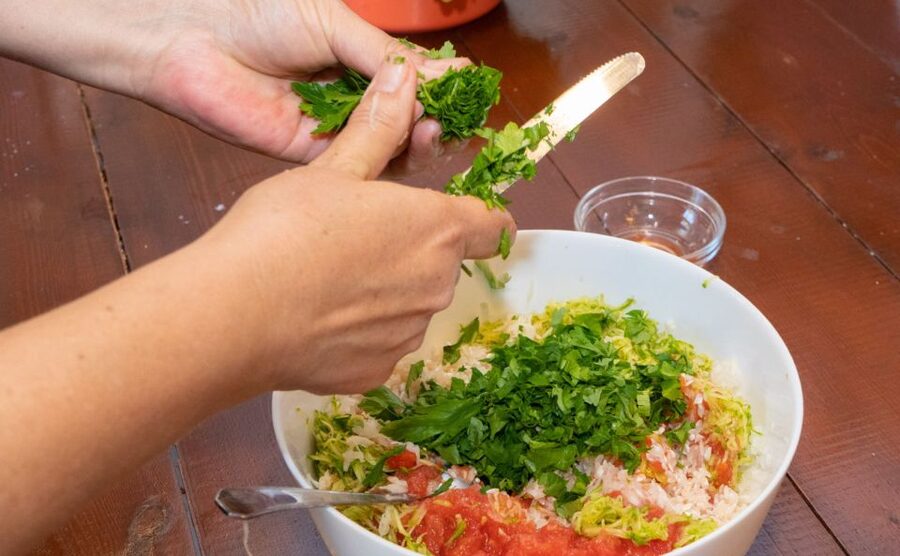
The menu is built around classic Cretan dishes and may include several courses. You might begin with small plates and pies, then move toward larger dishes before finishing with sweets and drinks.
Chortopities are pies filled with wild greens and herbs. They show off one of the simplest strengths of Cretan cooking: fresh plants, pastry, olive oil, and careful seasoning can make a dish that feels both humble and special.
Kremidokalitsouna are onion-filled pastries or small pies. They are a good class dish because you can help prepare, shape, and cook them without needing advanced skills. They also show that Cretan food is not limited to the better-known Greek restaurant staples.
You may also work with Sfakianes pites, thin Cretan pies associated with Sfakia. Other dishes listed for the meal include dakos, village salad, stuffed vegetables, and moussaka. Dakos is especially tied to Crete: the familiar combination of barley rusk, tomato, cheese, and olive oil makes a simple but satisfying start to a meal.
The exact balance between cooking and tasting can vary. There is plenty of food, and the hosts may already have prepared dishes for you to sample alongside the items you help make. That is a plus for anyone who wants to taste a broad range of Cretan food in one evening, but it also means this is not a strict, dish-by-dish professional course.
I would think of it as a practical introduction to home cooking. You learn recipes, techniques, and ingredients, but the bigger lesson is how a Cretan meal is assembled: several plates, plenty of olive oil, fresh vegetables, cheese, herbs, bread or pastry, and time around the table.
The garden, wood oven, and homemade ingredients
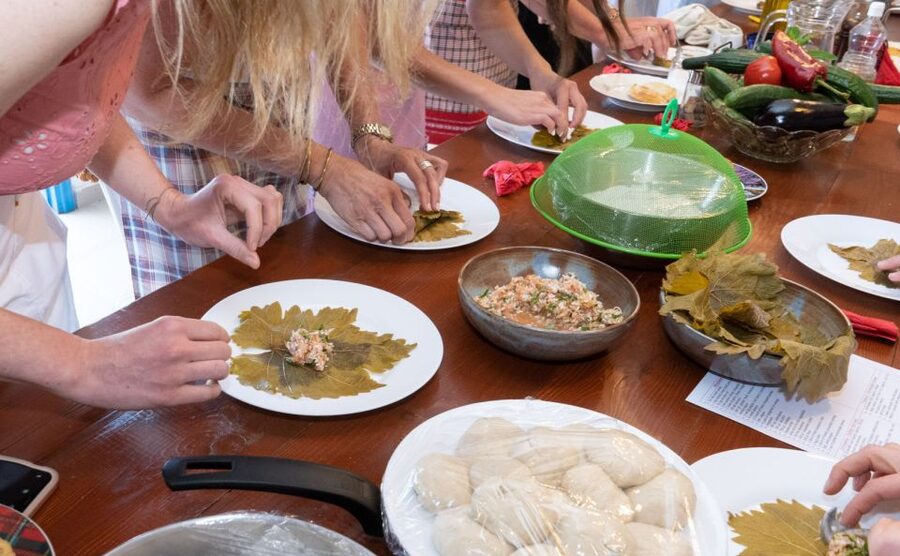
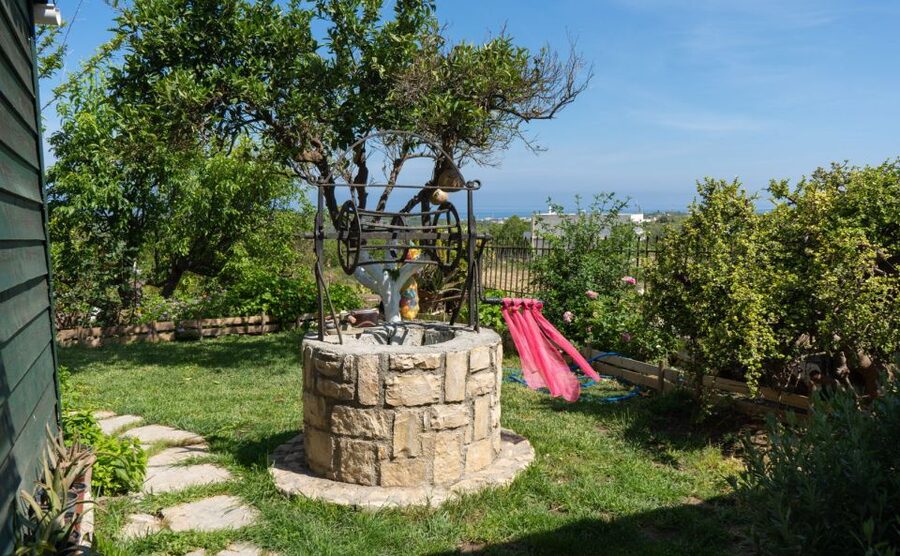
The garden adds more than a nice backdrop. You can see where some of the vegetables and herbs used in the food come from, and one person who took part in the experience was able to take home herbs after a garden visit. That small detail gives the evening a personal touch that a restaurant meal cannot match.
The hosts use homegrown vegetables and homemade olive oil. The information provided does not promise that every ingredient comes from the property, so you should not expect a fully self-sufficient farm meal. Still, the connection between garden, kitchen, and table is clear.
The outdoor wood oven is another major feature. Cooking with wood changes the atmosphere and helps you understand why the setting matters. You hear the fire, watch the food being handled close to the heat, and see how a traditional cooking method fits into a modern home meal.
There is also a practical limit. Outdoor cooking depends on the conditions of the evening, and the experience is not designed like a climate-controlled classroom. If you are sensitive to heat, smoke, or a rustic setting, bring a little patience and dress comfortably.
More Dining Experiences in Greece:
- Athens: Greek Cuisine Cooking Class and 3-Course Dinner
★ 4.8 · 270 reviews - Traditional Greek cooking class and lunch or dinner with an Acropolis view
★ 5.0 · 250 reviews - Thessaloniki: Cooking & Dining Experience with Greek Family
★ 4.9 · 85 reviews - Pasta Making & Wine Tasting with Dinner in Frascati from Rome
★ 5.0 · 1,326 reviews
A long Cretan table, not a quick tasting
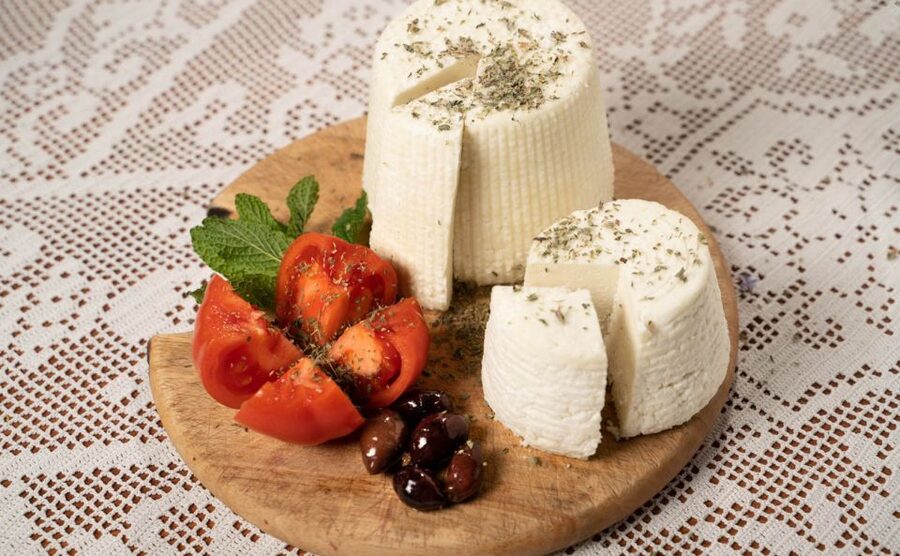
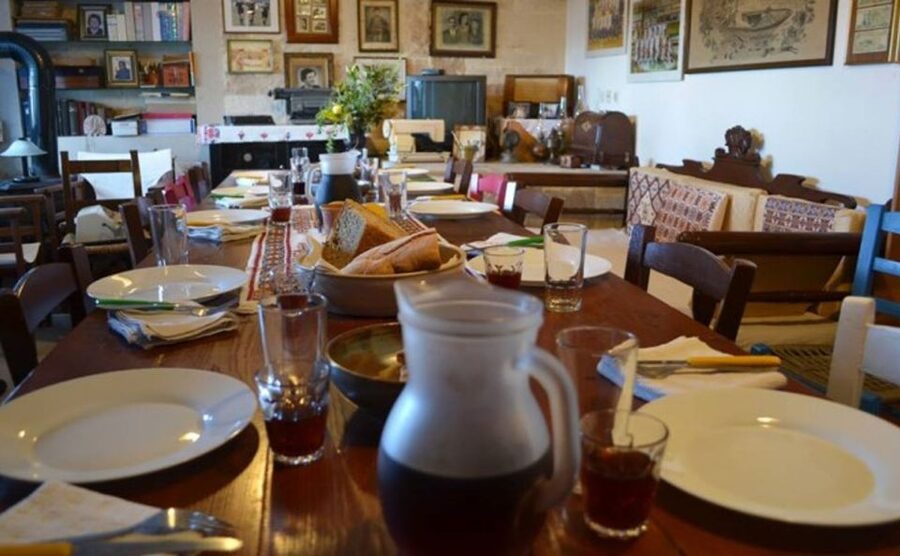
After the cooking, you sit down to eat what has been prepared. Drinks and beverages are included, with Greek wine served during the meal and homemade raki offered as part of the Cretan welcome.
Raki is a strong local spirit, so pace yourself. It is commonly served as a gesture of hospitality, and here it is made by the hosts. You do not need to treat it like a challenge. A small taste is enough to understand its place in the evening.
The meal can include tzatziki, cheese, salad, pastries, stuffed vegetables, moussaka, and dessert in addition to the dishes you help prepare. This is not a light cooking demonstration followed by a few bites. You should arrive hungry.
The dining style is communal. You share food and conversation with the hosts and the rest of the group. That social side is one of the strongest reasons to choose this experience. If you want a quiet, private dinner for two, a restaurant will suit you better. If you like sitting down with new people after working together, this format makes sense.
Why the home setting matters
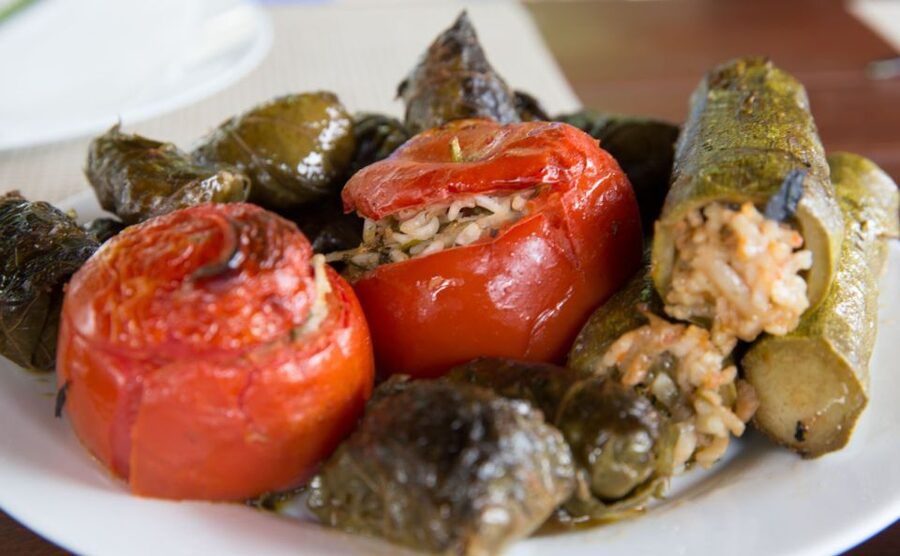
Rethymno has plenty of restaurants, but a restaurant can only show you the finished product. At Androniki’s home, you see the stages before the plate arrives. You handle ingredients, watch the wood oven, hear the hosts explain their food, and then eat in the same place where the cooking happened.
That connection makes the recipes easier to remember. You may forget the exact measurements, but you are more likely to remember the scent of herbs, the feel of pastry, the taste of garden tomatoes, or the moment the first pies come out of the oven.
The hosts’ hospitality is not a minor extra. Androniki’s husband supports the cooking, and the evening is shaped as a shared event. The strongest praise for this experience centers on the warmth of both hosts, the freshness of the food, and the sense of being welcomed into Cretan culture rather than simply shown a recipe.
That can also mean the evening feels less formal than a professional class. If you want printed recipes, advanced knife skills, or a tightly timed lesson, confirm what materials are provided before booking. The available information promises traditional recipes and improved cooking skills, but not a formal certificate or advanced curriculum.
Is $114 a fair price?
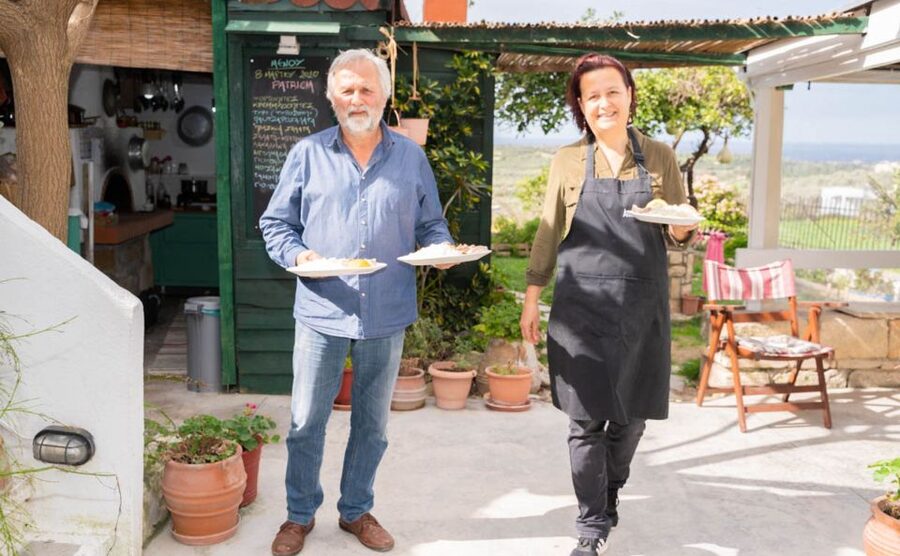
At $114 per person, this is more expensive than simply ordering a Cretan dinner in Rethymno. The price makes more sense when you count the full evening: four hours, instruction, hands-on cooking, a broad meal, wine and other drinks, homemade raki, and time with the hosts in their home.
You are paying for a small group, not just food. You also receive an experience tied to a garden, a wood oven, and family hospitality. For someone who wants a cultural activity with dinner included, the value is solid.
It is less compelling if your only goal is to eat traditional dishes as cheaply as possible. You can find a restaurant meal for less, and you may not care about preparing the food yourself. The value rises sharply if you enjoy cooking, want an evening away from the main tourist streets, or are looking for a memorable activity in addition to sightseeing.
The high rating, 4.9 from 12 reviews, fits the experience’s strongest points: warm hosts, fresh ingredients, tasty food, and a well-run evening. I would still treat the rating as a guide rather than a guarantee. The social atmosphere depends partly on the other people in your group, and the outdoor village setting will not suit everyone.
Who will enjoy this evening most?
I would recommend it to couples, families with older children, solo visitors who enjoy meeting people, and anyone curious about Cretan food beyond the standard menu of Greek restaurant favorites.
It is especially good for you if:
- You enjoy hands-on activities rather than watching a demonstration.
- You like long meals with several shared dishes.
- You want to visit a local home outside Rethymno.
- You are comfortable trying homemade raki and regional food.
- You value conversation and hospitality as much as sightseeing.
- You want an introduction to Cretan cooking without needing advanced skills.
You may want to skip it if you have severe food restrictions that cannot be managed in a shared home kitchen. Dietary needs and allergies must be communicated in advance. Also think twice if you dislike group meals, outdoor cooking, or arranging transport outside the town center.
Practical advice for a smoother evening
Tell the hosts about allergies, intolerances, or special dietary needs when you book. Do not wait until you arrive, since the meal includes several prepared dishes and shared ingredients.
Wear comfortable clothes suitable for an outdoor cooking area. You will be handling food and spending time near a wood oven, so this is not the night for delicate clothing or shoes you do not want exposed to dust.
Save the Google Maps location for Andronikis Cretan House. Because Loutra has no street names, the map pin matters more than a conventional address. If you take a taxi, make sure the driver has the exact location.
Allow four hours for the activity itself. Add time for the journey from Rethymno and do not schedule an important event immediately afterward. The meal is part of the experience, and rushing away would undercut the evening’s main pleasure.
Free cancellation is available up to 24 hours before the activity for a full refund, and you can reserve now and pay later. Starting times vary, so check availability when choosing your date.
Should you book this Cretan cooking class?
Book it if you want more than a restaurant meal. Androniki and her husband offer a personal evening built around garden produce, traditional recipes, a wood oven, wine, and homemade raki. The food matters, but the setting and hospitality are what make the experience memorable.
I would not choose it for a formal, advanced cooking course or a private dinner with no group interaction. For an authentic-feeling evening near Rethymno, though, it is a strong choice. Plan your transport, share your dietary needs early, arrive hungry, and give yourself enough time to enjoy the table after the cooking is finished.
FAQ
Where does the cooking class take place?
It takes place at Androniki’s home in Loutra, a village 11 kilometers from Rethymno.
How can I reach the hosts’ home?
You can travel by car, taxi, or bus from Rethymno. The village has no street names, so use the Google Maps location identified as Andronikis Cretan House. The full address is provided on the booking voucher.
How long does the experience last?
The cooking class and meal last four hours. Starting times vary, so check availability for your chosen date.
What language is the class conducted in?
The hosts speak Greek and English.
What food might I prepare?
Possible dishes include kremidokalitsouna, chortopities, Sfakianes pites, dakos, village salad, stuffed vegetables, and moussaka. The menu can include other Cretan dishes, desserts, cheese, and tzatziki.
Are drinks included?
Yes. Drinks and beverages are included, including Greek wine and homemade raki.
Can I share food restrictions or allergies?
Yes. You need to tell the hosts about allergies, special diets, or other food restrictions in advance.
How many people can join?
The activity is limited to 10 participants, making it a small-group experience.
More Evening Classes in Greece
- Cooking Class & Greek Night Experience
★ 5.0 · 3 reviews - Chiang Mai: Evening Cooking Class and Local Market Visit
★ 4.9 · 648 reviews - Paris Evening Cooking Class French Dinner and Market Visit Option
★ 5.0 · 430 reviews - Evening Cooking Class in Organic Farm with Local Market Tour
★ 5.0 · 394 reviews
Just added around Greece
- Crete: Cooking classes. Based on Cretan cuisine★ 5.0 · 3 reviews
- Crete: Sightseeing Day Trip with Cooking Lesson and Lunch★ 4.8 · 77 reviews
- Corfu: Greek Cooking Class & Olive Oil Tasting★ 5.0 · 178 reviews
- Cooking Lesson in Heraclion by Baxes★ 5.0 · 14 reviews
- Chania Area: Cooking Class at a Farm in Stylos Village★ 5.0 · 15 reviews
- Athens: Cooking Class, Market Visit & Lunch at Local Tavern★ 4.9 · 27 reviews
- Cooking Class & Greek Night Experience★ 5.0 · 3 reviews
- Cook like a Greek in a cooking Class in the heart of Athens★ 5.0 · 12 reviews
Cooking Classes, compared.
Half-Day Thai Cooking Class at Organic Farm in Chiang Mai
Read our review →
Florence: Pasta Cooking Class with Unlimited Wine
Read our review →
3 in 1 Cooking Class near Navona: Fettuccine, Ravioli & Tiramisu
Read our review →
Hanoi Cooking Class: Culture, Local Market & Meaning CSR Impact
Read our review →
5 Traditional Dishes Hanoi Cooking Class with Market Trip
Read our review →
Cooking Class and Lunch at a Tuscan Farmhouse with Local Market Tour from Florence
Read our review →
Chiang Mai: Cooking Class, Market & Thai Herbs Garden Tour
Read our review →Browse the lists this tour appears in