
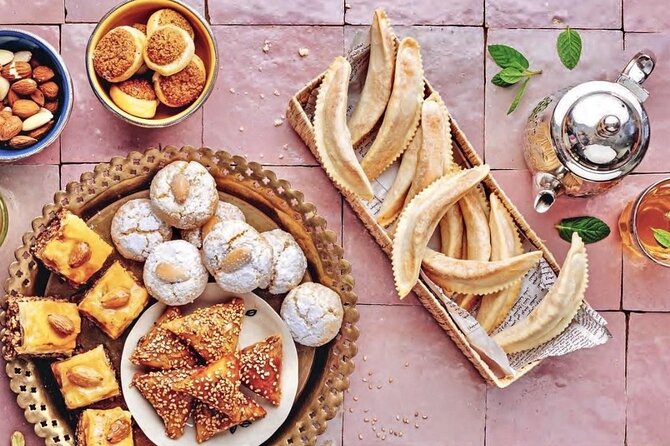
Review · TANGIER
cooking class with local family from Tangier
Tangier’s best food lesson may begin not in a restaurant, but in a family kitchen. With Anwar, Latifa, and their relatives, you can shop for ingredients in a local souk, prepare Moroccan dishes, and sit down to eat in their home. The family setting gives this class a personal feel that a standard demonstration cannot match.
I especially like the chance to shape the meal around your tastes, including vegetarian requests, and the practical lessons on Moroccan tea and homemade couscous. The three-to-four-hour length gives you enough time to cook, eat, and talk without turning the experience into an all-day commitment.
One point to consider: the exact menu is not fixed in the information provided, so you should confirm what you will prepare when booking. The class is easy and private for your group, but much of its appeal comes from conversation and shared time, not from a formal cooking-school setup.
Key points to know before booking
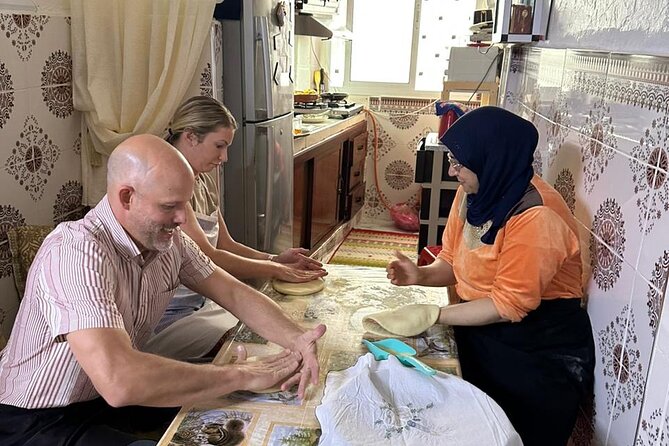
- Cook in a local family home: Anwar and Latifa welcome you into their household rather than teaching in a commercial studio.
- Shop before you cook: Some sessions include a walk through a lively souk to choose ingredients with your hosts.
- Menus can be adapted: Vegetarian cooking and personal food preferences can be taken into account.
- Learn more than tagine: Sessions may include couscous, Moroccan breakfast dishes, pastries, tea, and several kinds of tagine.
- Expect a generous meal: You prepare the food, then eat it together at home.
- Private and easy: Only your group participates, pickup is offered, and most people can take part.
A Moroccan cooking class built around family life
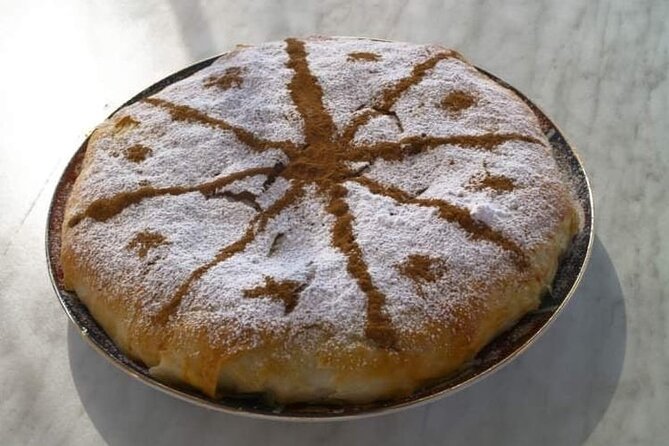
The most appealing feature here is the setting. You are not simply watching a chef prepare food while standing behind a counter. You are welcomed into the home of a Tangier family and shown how Moroccan food fits into everyday life.
Anwar is the main host named in the experience, and Latifa also helps with the cooking sessions. The family’s role matters because the class includes more than recipes. You can ask about ingredients, meal customs, shopping, and household cooking methods as you work.
The mood sounds warm and informal. Past sessions have included breakfast in the home, gifts at the end, and even a birthday cake for one participant. Those touches are not guaranteed, but they show the personal approach that shapes the experience.
This is a good choice if you want contact with local life and are happy with a class that feels more like being invited into someone’s kitchen than attending a polished culinary school. If you want exact measurements, printed recipes, and professional equipment, you may find the format less predictable.
More Home Cooking Classes in Morocco
- Marrakech: Moroccan Cooking Class with a Local Family
★ 4.9 · 668 reviews - Marrakech: Moroccan Cuisine Cooking Class in Local Home
★ 4.8 · 508 reviews - Fez: Souk Tour and Traditional Home Cooking Class
★ 4.9 · 186 reviews
Starting in Tangier’s market
The class may begin with grocery shopping in a local souk. This is one of the most useful parts because it connects the finished dish to the ingredients on the counter.
With Anwar or Latifa, you can look at the foods used in Moroccan homes and see how a meal takes shape before the cooking starts. The market visit also gives you a chance to ask about unfamiliar produce, spices, and cooking choices. It is a practical way to learn rather than simply hearing a list of ingredients.
The market portion is especially helpful if you are new to Moroccan food. Tagine is familiar to many visitors, but Moroccan cooking includes many variations. The choice of vegetables, meat, seasoning, and cooking time changes the result. A market visit lets you see that local food is not one fixed recipe.
Keep in mind that the supplied details do not set out a firm route or list a particular market by name. The shopping visit appears to be part of some sessions, so confirm whether it is included in your booking. If it is, allow yourself to enjoy the wandering rather than treating it as a rushed errand.
Cooking tagine in a real home kitchen

Tagine is likely to be one of the main lessons. Some participants have prepared several types, which makes the class more useful than a one-dish demonstration. You can see how a basic method changes with different ingredients and preferences.
The appeal of cooking tagine at home is that you learn the rhythm of the dish. The food cooks slowly, allowing time for conversation and questions. You are not just handed a plate in a restaurant and told what it contains. You take part in preparing it, then taste the result at the same table.
The menu can be adjusted to personal tastes. Vegetarian cooking has been accommodated, and the hosts have also tailored meals to individual preferences. Still, tell the provider about dietary needs before the class. The available information confirms vegetarian flexibility, but it does not give a full list of allergy or religious-diet procedures.
Several people have described the food as the best Moroccan meal of their trip. That is subjective, of course, but it points to a real advantage: a home-cooked meal can show a side of Moroccan food that restaurant service may miss. You also leave with methods you can try again at home.
Couscous, breakfast, pastries, and Moroccan tea
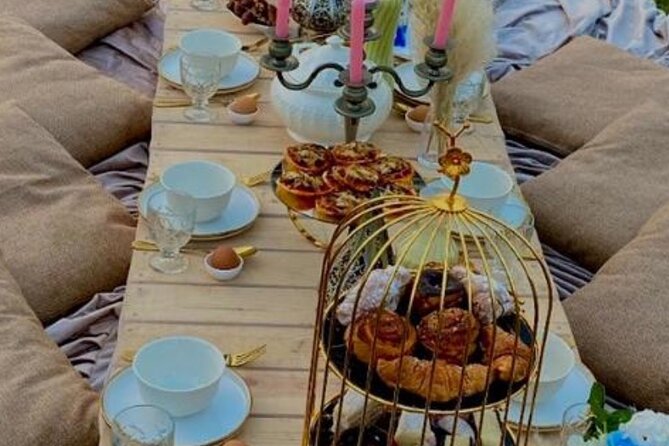
The experience is not limited to tagine. You may prepare couscous, pastries, or traditional breakfast dishes, depending on the session and your choices.
The couscous lesson sounds particularly worthwhile. Homemade couscous is not simply a matter of opening a box and steaming the grains once. The class can show you how couscous is made in Moroccan homes and explain the small techniques that affect its texture. That sort of practical detail is easy to miss on a restaurant meal.
Traditional breakfast may also be part of the visit. Some sessions have included breakfast in the family home before or alongside the cooking. This gives you a broader sense of Moroccan eating habits, rather than focusing only on the dishes most often served to visitors.
Moroccan tea is another useful lesson. You can learn how it is prepared and served, then drink it with the meal. Tea is not just a beverage here. It is part of hospitality and social time, so making it with the family helps connect the cooking to the wider culture.
Pastries may be included as well, though the information does not identify specific types. If pastry is important to you, ask what is planned when you book. The same advice applies to couscous and breakfast, since the exact menu can vary.
Same place, a different menu:
- Marrakech: Moroccan Cooking Class with Pickup
★ 4.6 · 1,862 reviews - Marrakech: Traditional Moroccan Cooking Class & Market Visit
★ 4.8 · 1,861 reviews - Marrakesh: Moroccan Dishes Cooking Class with a Local Chef
★ 5.0 · 1,615 reviews - Moroccan Cooking Class & Marrakech Market Visit with Chef Khmisa
★ 5.0 · 1,504 reviews
Eating together at the family table
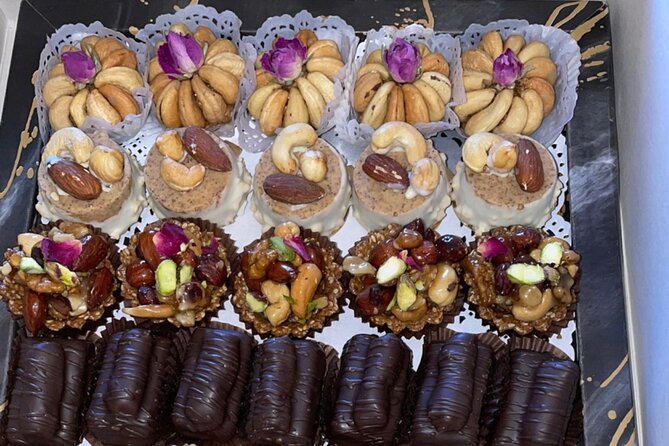
The final meal is more than a reward for finishing the work. It is the point where the cooking, shopping, and conversation come together.
You eat what you helped prepare in the same home where the class took place. That makes the experience feel complete. The food does not appear as a separate restaurant course, and the hosts remain part of the meal rather than disappearing once the cooking ends.
The amount of food can be generous. Several descriptions refer to a hearty meal, and one session included more food than expected. Come hungry, but do not assume every menu will be identical. The quantity and dishes will depend on your group and the choices made that day.
The family atmosphere is the strongest part of the experience. Participants have been welcomed warmly and made to feel at home. Anwar is described as friendly and considerate, while the teaching style is informal, clear, and hands-on. You should expect plenty of personal interaction.
That personal approach can be a benefit or a limitation. Some people want exactly this sort of cultural exchange. Others prefer a quiet, structured lesson with minimal conversation. If you are shy about entering a private home, think about whether this setting matches your travel style before paying.
What the $76.66 price gets you
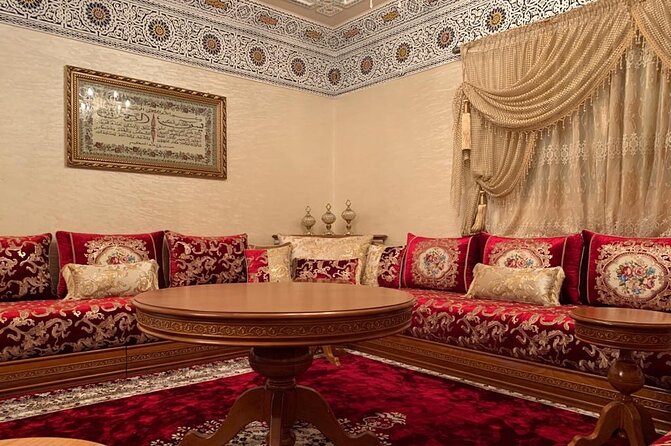
At $76.66 per person, this is not the cheapest way to eat in Tangier. You can certainly find an inexpensive Moroccan meal for much less. The value comes from combining food, instruction, market time, and personal contact in one three-to-four-hour visit.
You are paying for more than ingredients. The price may cover the host’s time, the cooking lesson, the meal, and the use of a private home. A market visit, tea preparation, and cultural conversation add value if they are part of your session.
I would judge the price fairly for someone who wants both a meal and an activity. It is less attractive if you mainly want dinner. The experience makes the most sense early in your Tangier stay, because you can use the cooking tips and food knowledge during the rest of your visit.
It also offers good value for a small group that wants a shared activity. Since the booking is listed as private, only your group should participate. At the same time, some past participants describe joining other people, so confirm the group arrangement before booking if privacy matters to you.
The class is booked, on average, 26 days ahead. That does not guarantee it will sell out, but it is a useful sign that you should reserve before arriving, especially if your Tangier dates are fixed.
Timing, pickup, and practical details
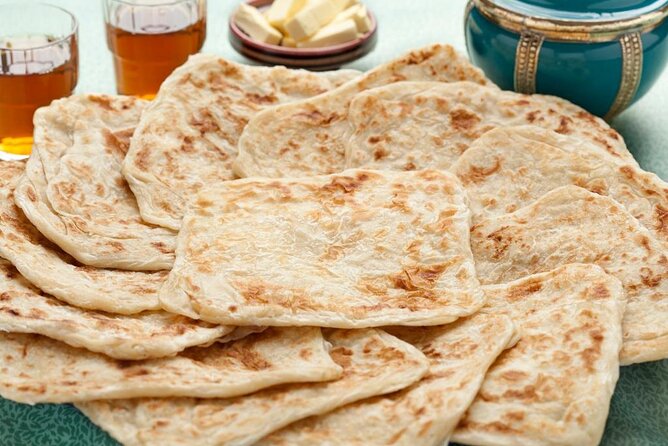
Plan on roughly three to four hours. That is enough time for a market stop, preparation, conversation, and the meal, but the pace may change depending on the menu and how much time you spend shopping.
Pickup is offered, which can simplify the start of the experience. The exact pickup terms are not provided, so confirm the meeting point and whether pickup reaches your accommodation. Tangier’s streets can be confusing, and the hosts have helped participants with directions in the past.
A mobile ticket is accepted. Confirmation is received at booking, and the activity is described as easy. Most people can participate, and service animals are allowed. The experience is also near public transportation.
The class is not presented as a physically demanding activity. Still, you may spend time walking through a market and standing in a kitchen. Wear comfortable clothes and shoes, and avoid anything you would not want exposed to food or cooking splashes.
Free cancellation is available if you cancel at least 24 hours before the local start time. Inside that 24-hour window, the amount paid is not refunded, and changes are not accepted. Keep that deadline in mind if your ferry, flight, or Tangier plans are uncertain.
Who will enjoy this Tangier experience most

I would recommend this class to anyone who wants food to open a door into local life. It suits couples, families, friends, and small groups who enjoy working together and talking with hosts.
It is also a strong choice for vegetarians, since the meal can be adapted. Tell the provider ahead of time so the menu can be planned properly.
You will get the most from it if you are curious about everyday Moroccan cooking. The best parts are the small details: how couscous is made at home, how tea is prepared, how ingredients are chosen, and how a family meal is served.
This may not be right for someone who wants a formal professional course. The class takes place in a local home, so the kitchen setup, teaching pace, and menu may be less standardized. That is part of its charm, but it also means you should arrive ready for a flexible experience.
Should you book the class?
Yes, if you want a personal food experience rather than another restaurant meal. The combination of a family home, market shopping, hands-on cooking, Moroccan tea, and a shared meal gives you a useful view of Tangier’s food culture.
Before booking, ask which dishes are planned, whether the souk visit is included, how pickup works, and whether the session will be private for your group. Those details will help you decide if the $76.66 price fits your plans.
I would book it near the start of a Tangier stay, especially if you enjoy cooking. You can take the lessons home with you, and you may look at every tagine and bowl of couscous differently afterward.
FAQ
How long does the Tangier cooking class last?
The experience lasts approximately three to four hours.
Where does the cooking class take place?
The class takes place in Tangier and includes cooking in the home of a local family.
Who hosts the cooking class?
Anwar hosts the experience, with Latifa and other family members involved in some sessions.
Is the menu suitable for vegetarians?
Yes. Vegetarian meals can be taken into account, and the menu can be adapted to personal preferences.
Does the experience include a market visit?
Some sessions include grocery shopping in a local souk before cooking. Confirm this detail when booking because the exact itinerary can vary.
Is the activity private?
The experience is listed as a private activity, meaning only your group should participate.
What is the cancellation policy?
You can receive a full refund if you cancel at least 24 hours before the local start time. Cancellations or changes made within 24 hours are not accepted for a refund.
More Hands-On Workshops in Morocco
- Half-Day Cooking Class with Local Chef Laila in Marrakech
★ 5.0 · 952 reviews - Marrakech: Moroccan Cooking Workshop at La Maison Arabe
★ 5.0 · 446 reviews - Marrakesh cooking class with chef Hassan – Local dishes
★ 5.0 · 425 reviews - Marrakech: Tajine Cooking Class in a Traditional Riad
★ 4.8 · 424 reviews
Just added around Morocco
- Tangier Food Cooking Class and Private City Tour★ 5.0 · 73 reviews
- Moroccan 3 in 1 Cooking Experience★ 5.0 · 53 reviews
- Tangier Private Cooking Class With a Local Family★ 4.5 · 49 reviews
- Fez: Souk Tour and Traditional Home Cooking Class★ 4.9 · 186 reviews
- Cooking Class – Moroccan cuisine★ 5.0 · 124 reviews
- Authentic Moroccan Cooking Class in a Farm in Marrakech★ 5.0 · 64 reviews
- Moroccan Cooking Class: Farm-to-Table Tagine★ 5.0 · 50 reviews
- Organic Moroccan Cooking Class At Secret Berber Garden CT★ 5.0 · 147 reviews
Home Cooking Classes, compared.
Khmer Cooking Class at a Local’s Home in Krong Siem Reap
Read our review →
Local Home Korean Cooking Class & Market Adventure in Seoul
Read our review →
Marrakech: Moroccan Cooking Class with a Local Family
Read our review →
Mexican Cooking from Scratch in a Local Home in Tulum
Read our review →
Pastamama, Home Cooking Classes at Grace’s Home
Read our review →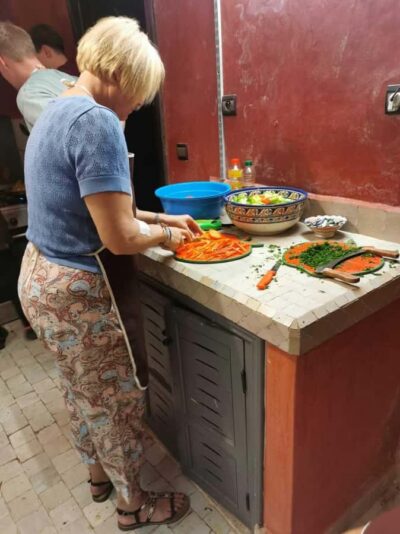
Marrakech: Moroccan Cuisine Cooking Class in Local Home
Read our review →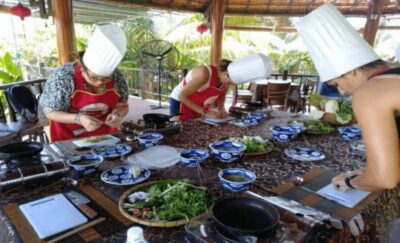
Hoi An: Traditional Cooking Class & meal with Local Family
Read our review →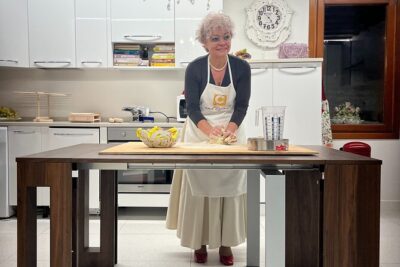
Browse the lists this tour appears in