
Review · ITALIAN
Florence: Highlights Cooking Class with Italian Pastas
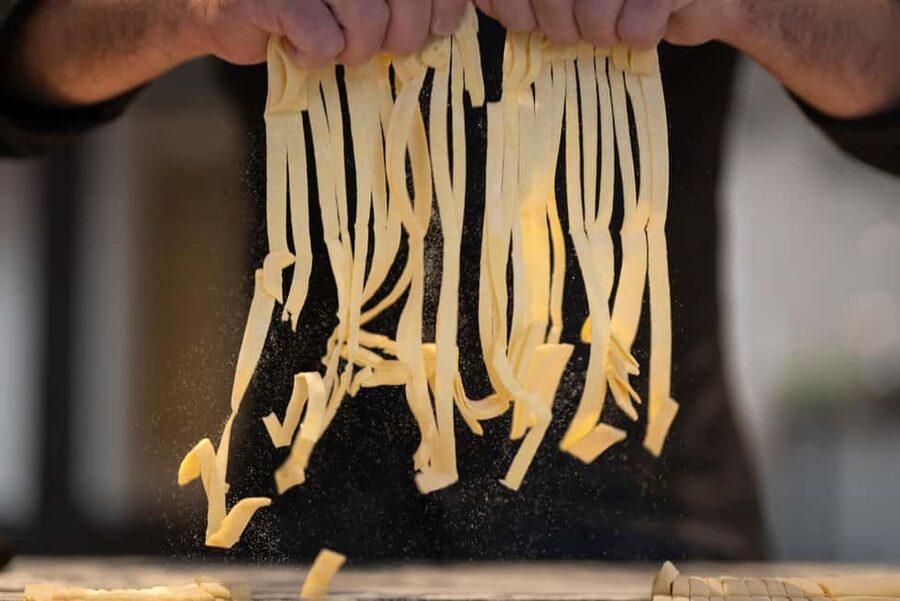
The best part of this Florence cooking class is that you actually cook. You make pasta by hand, shape ravioli, work with gnocchi, prepare sauces, and sit down to eat what you made. I especially like the hands-on format and the use of fresh, local ingredients. The class is built around doing, not watching.
I also like the historic dining room, where you finish with your meal and selected red or white wine. Francesco has earned special praise for his calm, friendly help, though chef availability can change. The main drawback is practical: people with celiac disease or gluten intolerance cannot take part, and there is no option to take leftover food home.
Key things to know before you book
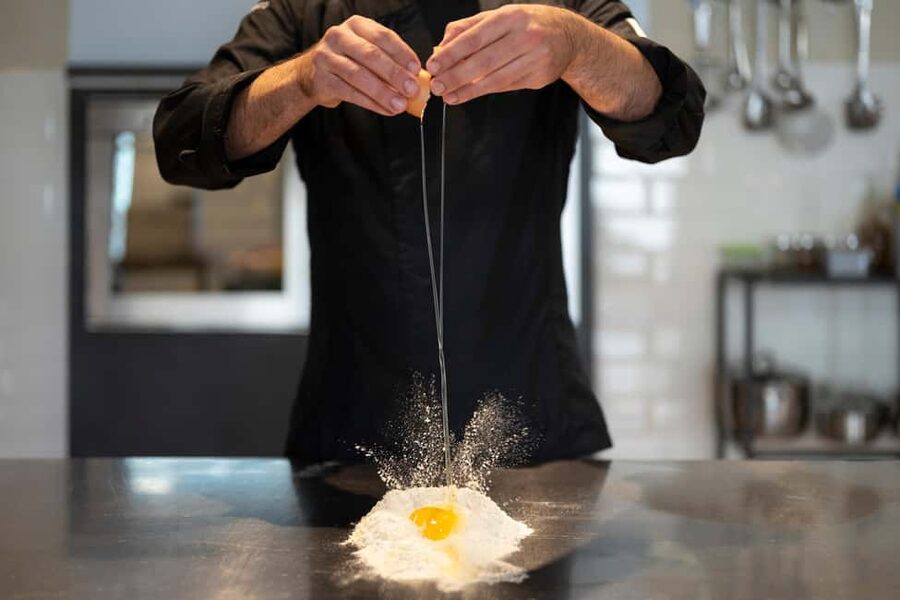
- You make several dishes yourself: Pasta may include ravioli, fettuccine, gnocchi, sauces, ragù, and panna cotta.
- The class is in central Florence: Public transport connections are convenient, but hotel transfers are not included.
- The class lasts three hours: The morning session begins at 10:45 a.m. on Tuesdays, Thursdays, and Saturdays.
- Your meal comes with wine: You taste your finished dishes with selected red or white wine and natural water.
- The setting has character: Dining takes place in a large room dating from the 1700s.
- Food restrictions matter: A vegetarian option is available, but people with gluten intolerance or celiac disease cannot participate.
What this Florence pasta class is really like
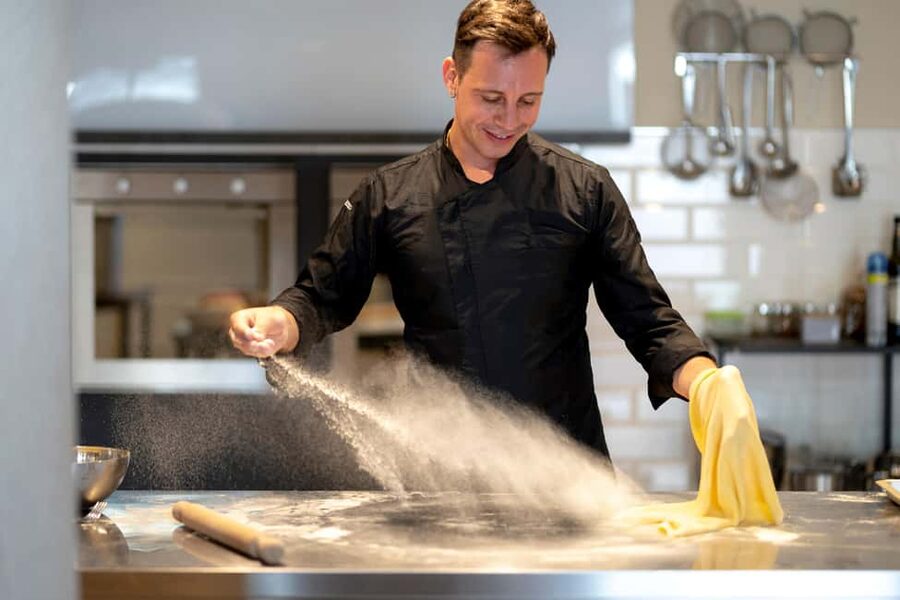
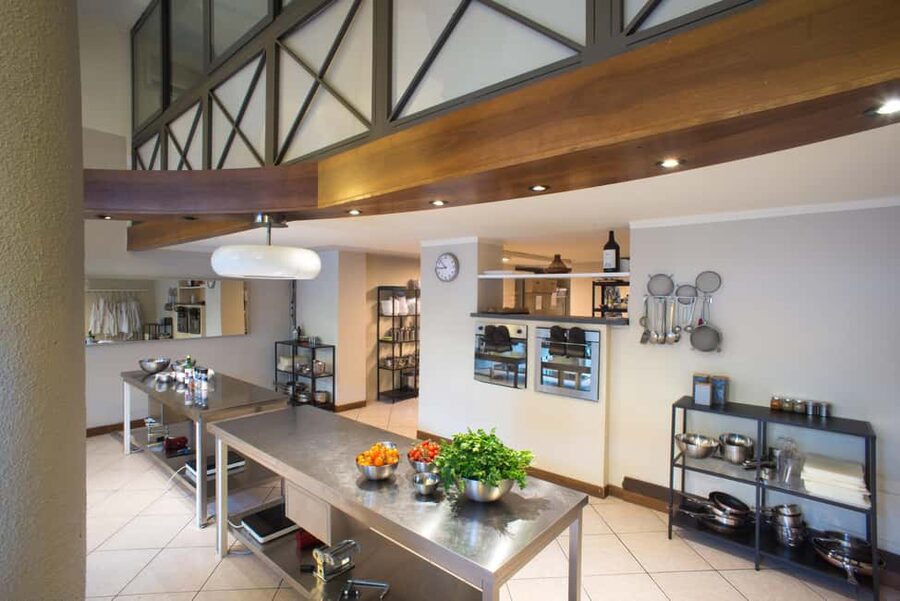
This is a practical Italian cooking lesson for people who want more than a quick demonstration. You work with flour and eggs, follow the chefs through each stage, and help produce a full meal. The cooking takes place in a large, fully equipped kitchen, with staff present throughout the class.
The exact menu depends on the session. The morning class is listed with ravioli, fettuccine, gnocchi, Tuscan ragù, seasonal vegetable sauces, and panna cotta. The afternoon class includes different pasta preparations and extra sauces that you can make later with dried pasta at home.
That menu gives you a good range of Italian cooking skills. Ravioli teaches filling and shaping. Fettuccine gives you the feel of fresh rolled pasta. Gnocchi has a different texture and technique. Sauces show you how the same basic pasta can become several distinct meals.
I like this mix because it avoids turning the lesson into one long exercise in making a single noodle. You get several textures and methods, then eat the results while they are fresh.
More Italian Cooking Classes in Florence:
- Cooking Class and Lunch at a Tuscan Farmhouse with Local Market Tour from Florence
★ 5.0 · 4,831 reviews - Tuscan Cooking Class and Dinner in Florence
★ 4.5 · 732 reviews - Florence: Cooking Class at a Tuscan Farm & Local Market Tour
★ 4.9 · 354 reviews
From flour and eggs to a proper Italian meal
The class begins with the basics: Italian flour, eggs, and the group working together. You should expect to get involved quickly. This is not a seat-and-watch presentation where the chef does all the work while you take photographs.
The chefs guide you through the preparation, and professional staff remain available during the class. That matters if you have never made pasta before. Fresh dough can feel simple, but the texture changes quickly depending on how it is mixed and worked.
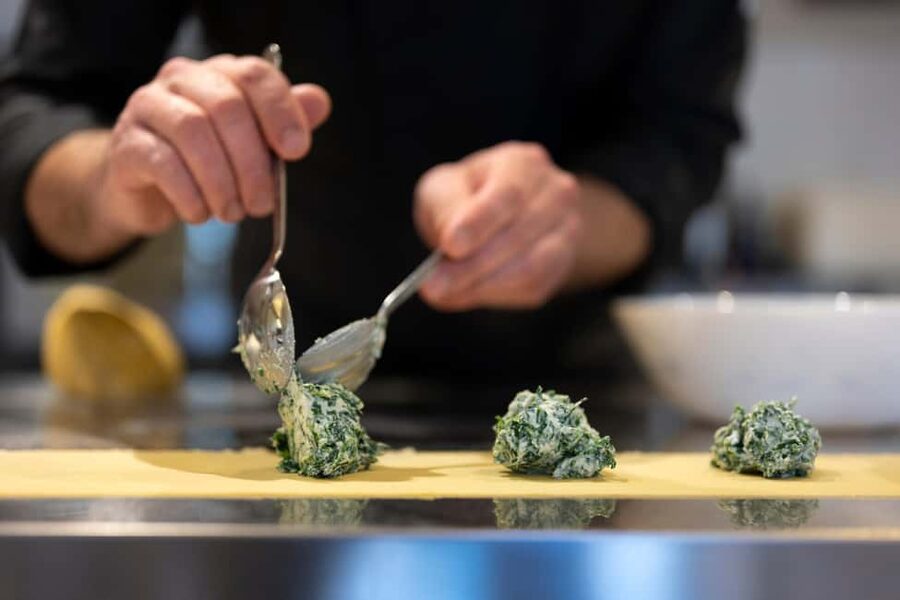
Ravioli is one of the more rewarding parts of the menu. You prepare the pasta, add the filling, and shape the pieces before cooking them. The class information gives ricotta and spinach as one possible ravioli combination, a classic pairing that lets the pasta itself remain important.
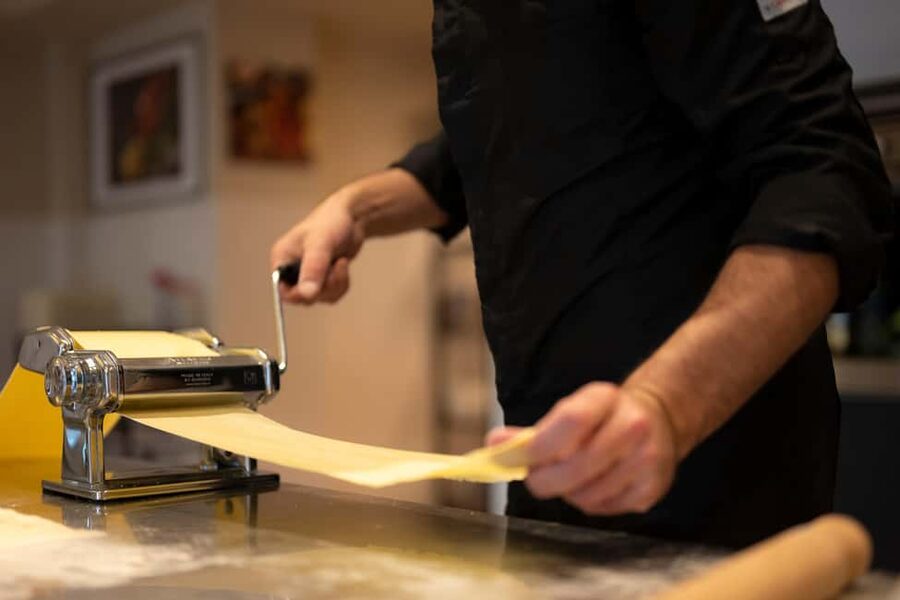
Fettuccine provides a second lesson in handling dough. You learn how fresh pasta differs from dried pasta, both in texture and in cooking time. The finished noodles may be paired with tomato sauce or another sauce prepared during the class.
Gnocchi brings a different sort of challenge. These soft dumplings need a light touch. One of the reported menus pairs them with Bolognese sauce, giving you a hearty dish after the more delicate pasta work.
The recipes are not only for the classroom. At the end, you receive a recipe booklet in your own language. That makes the experience more useful than a meal that ends when you leave the table. You can try the dishes again with family or friends, though your home kitchen may not have the same equipment or working space.
Sauces that make the class useful at home
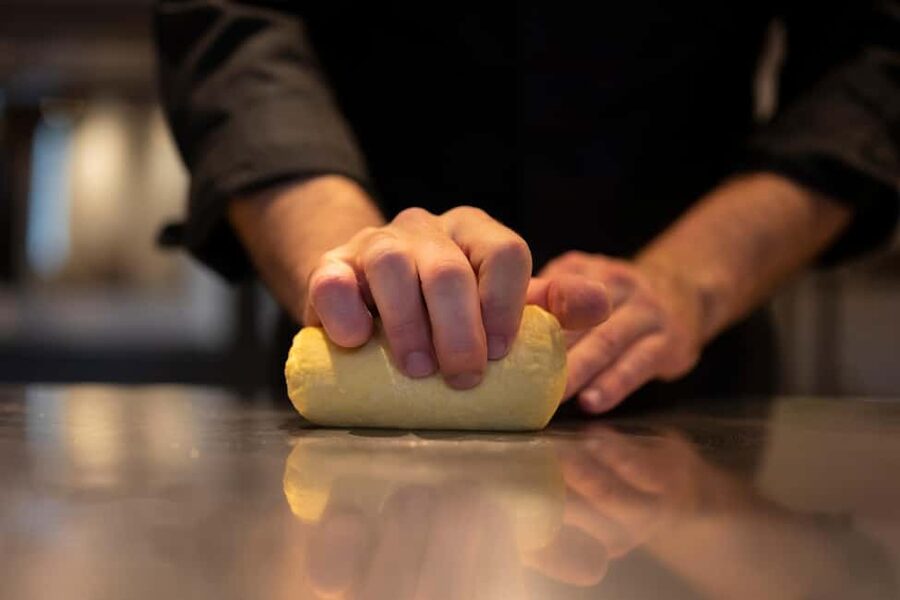
A strong cooking class should give you something you can use later, and the sauce portion helps here. Along with Tuscan ragù and seasonal vegetable sauces, the afternoon session offers several sauces suitable for dried pasta.
This is a smart addition. Fresh pasta is fun to make, but most people cook dried pasta more often at home. Learning a sauce that works with ordinary pantry pasta may prove more useful than mastering an elaborate shape you only make once.
The ingredients are described as high quality, local, and zero-kilometer products. That does not mean every dish will suit every palate, but it does point to the class’s food-first approach. Seasonal vegetables also mean the menu can change, which is worth keeping in mind if you are booking for one particular recipe.
Vegetarians can request an appropriate option. If you have a serious gluten allergy, however, this is not the right class. The kitchen handles flour, and the activity excludes people with celiac disease or gluten intolerance because of possible contamination.
Panna cotta and wine finish the three-hour session
Dessert is not treated as an afterthought. Traditional panna cotta is included in the morning menu, giving you one more Italian preparation to learn before sitting down to eat.
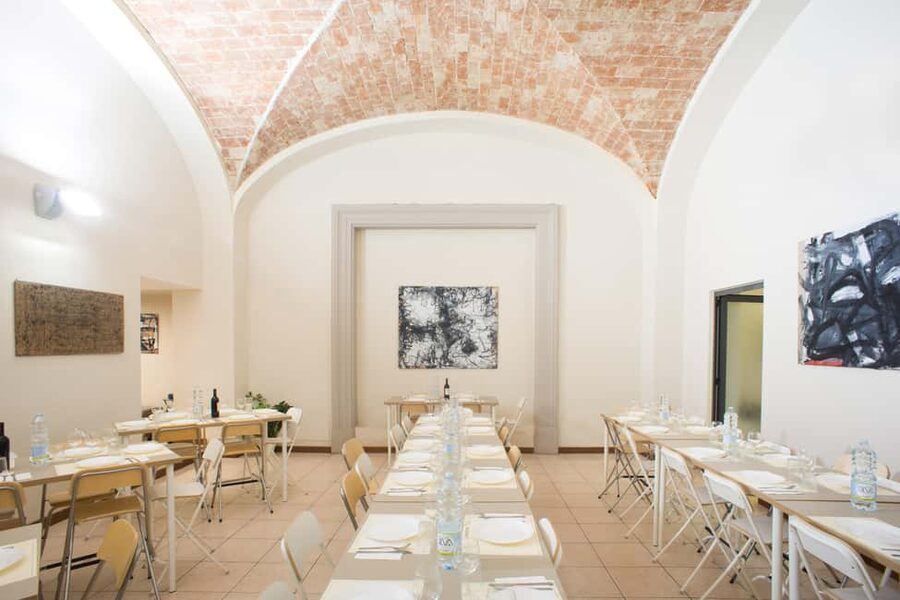
After the cooking, you move to a large dining room dating from the 1700s. You eat while seated, with natural water and a choice of selected red and white wine included. The dining room adds a pleasant change of pace after the kitchen work, and the meal gives you time to enjoy the food rather than rushing straight back into central Florence.
The food is plentiful. One participant found the quantity more than expected and wished there had been an option to take the finished dishes home. You should plan on eating everything at the venue. Extra Parmesan is not guaranteed, so do not count on customizing each plate with more cheese.
That small limitation is worth knowing because cooking classes can produce more food than you expect. Come hungry, but do not assume you can pack the pasta into a container for later.
More Hands-On Workshops in Florence:
- Florence: Pasta Cooking Class with Unlimited Wine
★ 4.9 · 10,285 reviews - Florence: Pasta & Tiramisu Cooking Class with Unlimited Wine
★ 4.9 · 6,708 reviews - Florence: Pasta Cooking Class with Unlimited Wine
★ 5.0 · 6,413 reviews - Pastamania – Florence Pasta Making Class
★ 5.0 · 3,050 reviews
Chefactory’s central Florence location
The academy is in the centre of Florence and is well connected by public transport. You do not need to arrange a special transfer from your hotel, and hotel pickup and drop-off are not included.
Look for red house numbers at the meeting point and a large orange C on the main window with the brand name. This detail is useful in Florence, where buildings often have two numbering systems and entrances can be easy to miss.
Arrive 10 minutes early. That gives you time to find the correct doorway, settle in, and avoid arriving after the group has started working with the ingredients. Wear comfortable clothing suitable for cooking. You do not need formal clothes for the dining portion.
The space includes fully equipped kitchens and a large dining room. The setting is designed for group work, so you should expect a shared activity rather than a private lesson focused only on your party.
Morning or afternoon: which session should you choose?
The morning pasta class is held on Tuesdays, Thursdays, and Saturdays at 10:45 a.m. It lasts three hours. The listed morning price is €68 per person, while the afternoon class costs €72 per person. The general price information is also shown as $72, so check the current booking currency and session price when you reserve.
The morning menu is the clearest choice if you want the broad classic lineup: ravioli, fettuccine, gnocchi, ragù, vegetable sauces, and panna cotta. It also gives you the chance to start your sightseeing day with a substantial meal already taken care of.
The afternoon class costs a little more but may offer a wider selection of sauces, including recipes designed for dried pasta. That can be the better value if your main goal is to bring practical everyday cooking ideas home.
Class languages include Italian and English. Spanish and German may be available depending on chef availability, but those languages are not guaranteed every time. If language support is important to you, check before paying rather than assuming it will be provided.
The instructor roster can change. Francesco received a specific mention for making the experience comfortable and well organized, but you should not book on the assumption that one named chef will lead every session.
Is €68 to €72 good value?
For three hours, a hands-on meal, wine, a recipe booklet, professional instruction, and access to a fully equipped kitchen, the price is reasonable for central Florence. You are paying for an activity and lunch or dinner at the same time, not just a tasting.
The value improves if you plan to use the recipes later. The booklet, sauce techniques, and pasta methods give the class a life beyond the afternoon in Florence. It is also a good way to turn a meal into a shared activity for a couple, family, or small group.
The value is less clear if you dislike group cooking or mainly want to eat Italian food without doing the work. You may find the three hours long if your ideal holiday meal is a quick trattoria stop. The food is included, but you do not take leftovers away, and extra Parmesan is not assured.
The cost does not include transport. Since the location is central and connected by public transport, this should not add much for most people already staying in Florence, but you need to make your own way there.
Who will enjoy this most?
I would choose this class for couples, families, friends, and food-focused visitors who like to work with their hands. It also suits a group activity well. A class shared with students was described as cooperative and engaging, which fits the format.
It is a particularly good choice if you want to learn several dishes in one sitting. The menu gives you fresh pasta, filled pasta, gnocchi, sauces, and dessert rather than focusing narrowly on one recipe.
You should think twice if you have limited mobility. The activity is not suitable for wheelchair users or electric wheelchairs. The available information does not describe seating arrangements for people who need to avoid standing, so ask the provider before booking if that is important for you.
People with gluten intolerance or celiac disease should not attend because of likely flour contamination. A vegetarian option is available, but other dietary requirements are not specified. Ask ahead if you need anything beyond the vegetarian choice.
The small details that can make the day better
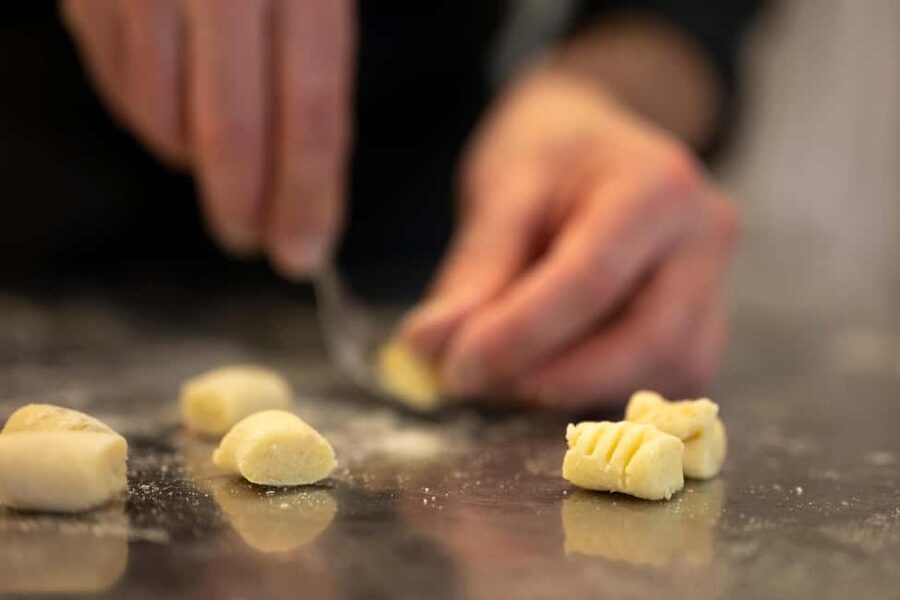
Bring an appetite, but wear practical clothes. Flour, eggs, and sauces are part of the work, so cooking-friendly clothing makes more sense than something delicate or dressy.
Arrive early enough to find the orange C sign and red house numbers. Florence is easy to walk around, but a few extra minutes can prevent a rushed start.
If you want Spanish or German instruction, confirm availability in advance. English and Italian are spoken, while Spanish and German depend on the chefs working that day.
Keep your expectations clear about the food. You will prepare and eat the dishes at the academy, but there is no stated takeaway option. If you want to bring pasta back to your accommodation, this class is not designed for that.
The cancellation terms are helpful for flexible plans: you can cancel up to 24 hours before the activity for a full refund. You can also reserve and pay later, keeping your plans open while you decide how to arrange your Florence days.
Should you book this Florence cooking class?
Book it if you want a genuine working kitchen experience, not a chef’s demonstration. The strongest reasons are the hands-on format, the variety of pasta and sauces, the seated meal with wine, and the recipe booklet you can use later.
I would especially recommend it to first-time pasta makers and couples who want an activity with a meal built in. The class also makes sense on a day when you want a break from museums and churches without leaving central Florence.
Skip it if you cannot eat gluten, need wheelchair access, or strongly prefer a private class. Also skip it if you expect to take the food home. For everyone else, €68 to €72 buys three useful, tasty hours and a better understanding of why fresh pasta remains such a central part of Italian home cooking.
FAQ
How long does the cooking class last?
The class lasts three hours.
Where does the activity take place?
It takes place at Chefactory Cooking Academy in central Florence, Tuscany, with good public transport connections.
What time does the morning class begin?
The morning class begins at 10:45 a.m.
On which days is the morning class held?
The morning class is held on Tuesdays, Thursdays, and Saturdays.
How much does the class cost?
The morning class costs €68 per person. The afternoon class costs €72 per person. The general activity information also lists a price of $72, so check the amount shown for your selected session when booking.
Which languages are available?
Italian and English are available. Spanish and German may be offered depending on chef availability, but these languages are not guaranteed.
Is the class hands-on?
Yes. The basic group classes are hands-on rather than demonstration-only. You prepare the pasta and other dishes yourself with guidance from the chefs.
What food might I prepare?
The menu may include ravioli, fettuccine, gnocchi, Tuscan ragù, seasonal vegetable sauces, sauces for dried pasta, and traditional panna cotta.
Is a vegetarian option available?
Yes, a vegetarian option is available.
Can people with gluten intolerance or celiac disease participate?
No. The class is not suitable for people with gluten intolerance or celiac disease because of possible contamination.
Is hotel pickup included?
No. Hotel pickup and drop-off are not included, so you must make your own way to the central Florence meeting point.
What should I wear?
Wear comfortable clothing suitable for cooking, and arrive 10 minutes early.
Is wine included?
Yes. The tasting includes selected red and white wine, along with natural water.
Can I take the food home afterward?
No takeaway option is specified. You eat the dishes at the academy in the dining room.
Can I cancel for a refund?
You can cancel up to 24 hours in advance for a full refund. Reserve-now, pay-later booking is also available.
Just added around Florence
- From Livorno: Authentic italian Pasta Cooking Class★ 5.0 · 3 reviews
- Florence Cooking Class: Ravioli & Pasta & Wine + Gift Apron★ 5.0 · 5 reviews
- Florence: Small Group Cooking Class at a Local’s Home★ 5.0 · 10 reviews
- Florence: Pizza and Gelato Family-Friendly Cooking Class★ 4.9 · 49 reviews
- Florence: Pizza-Making and Gelato Experience★ 4.8 · 16 reviews
- Florence: Private Pizza Making Class with Wine Tasting★ 4.3 · 22 reviews
- Florence: Market and Cooking Class at a Local’s Home★ 5.0 · 9 reviews
- Florence: Pasta and Tiramisu Cooking Class with Local Host★ 5.0 · 46 reviews
Italian Cooking Classes, compared.
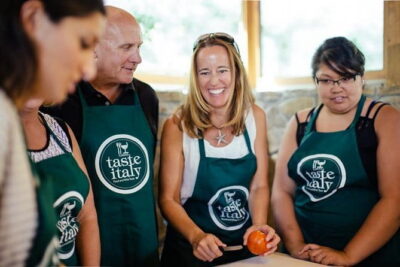
Cooking Class and Lunch at a Tuscan Farmhouse with Local Market Tour from Florence
Read our review →
Naples: Neapolitan Pizza and Tiramisù Making Class
Read our review →
Rome Pasta Making Class with Italian Sauces and Wine Included
Read our review →
Milan: Italian Cooking Class with Food and Wine
Read our review →
Florence: Cooking Class at a Tuscan Farm & Local Market Tour
Read our review →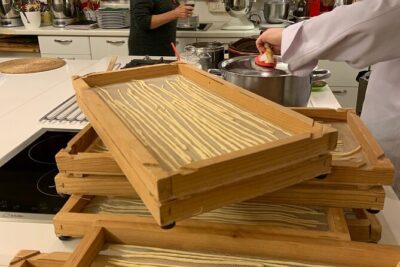
Browse the lists this tour appears in