
Review · FLORENCE
Florence: Small Group Cooking Class at a Local’s Home
The best part of this Florence cooking class is the setting: you cook in a local home, not a restaurant kitchen built for tourists. A Cesarina guides you through three family recipes, then you sit at the table and eat what you made with local wine. Some hosts, such as Lucrezia, Carlo, or Christina, add personal stories about farming, vineyards, and life in Tuscany.
I like the hands-on format, since you get your own workstation, utensils, and ingredients instead of watching a chef do all the work. I also like the shared meal afterward, which turns a cooking lesson into a relaxed chance to talk with an Italian family and other participants.
The main point to consider is the price: at $202.78 per person, this costs more than a standard group cooking class. The value depends on how much you care about the private-home setting, personal conversation, wine, and the chance to learn recipes you can repeat at home.
Key points to know before booking
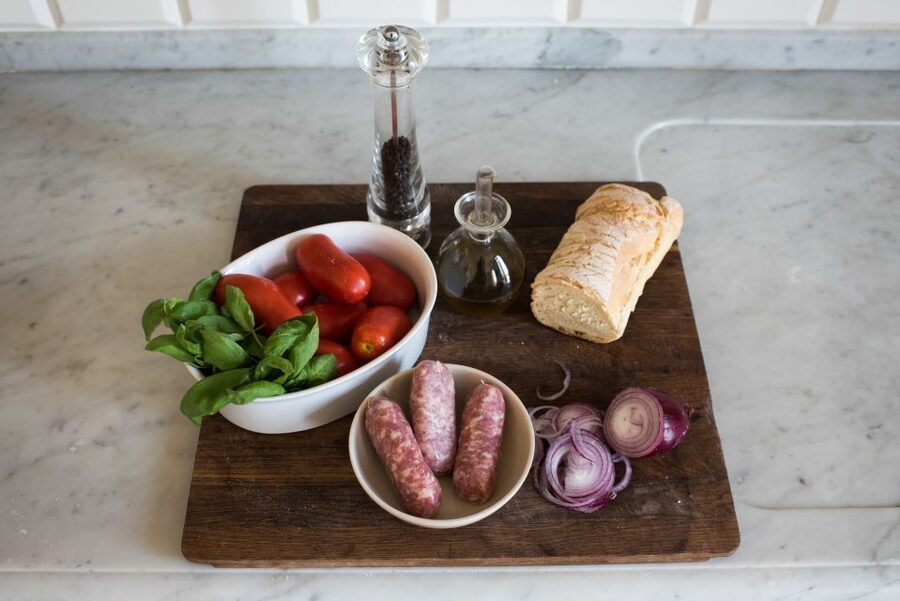
- Three family recipes: Prepare an appetizer, main course, and dessert, with dishes varying by host and season.
- A real home setting: The class takes place in a local family home, with the exact address sent after you book.
- Up to 10 people: The small group keeps the class more personal, though you will still share the kitchen and table.
- Wine comes with the meal: Water, local red and white wines, and coffee are included.
- Hosts make the difference: Past sessions have included Carlo, Lucrezia, and Christina, with food and conversation shaped by each family.
- Allow three hours: Most classes begin around 10 AM or 5 PM, but the time can be adjusted if arranged in advance.
Cooking in a Florentine home instead of a restaurant
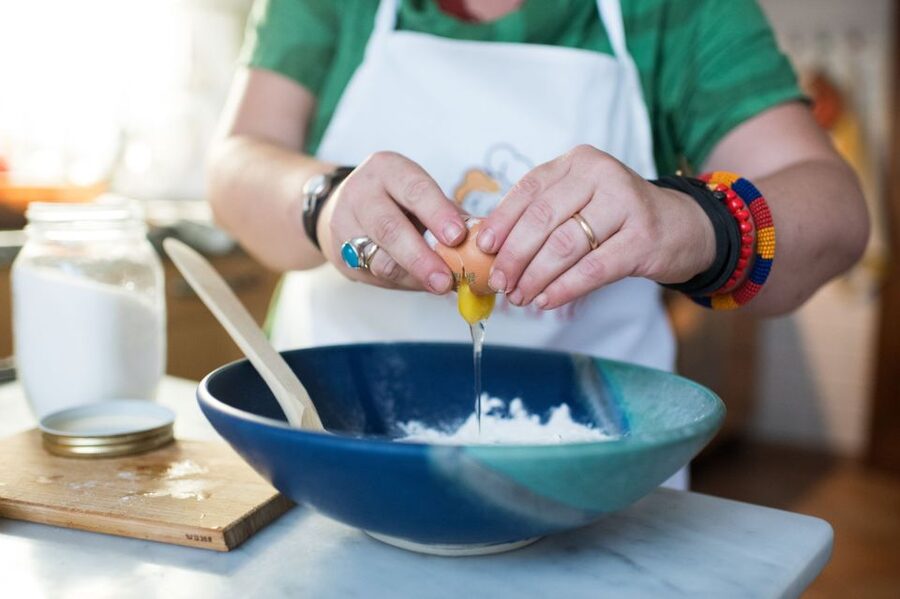
This experience gives you a look at Italian food where it matters most, in the family kitchen. You are not simply shown how pasta is made, then sent away with a certificate. You work through the recipes yourself, with a local cook explaining the small techniques that rarely appear in a standard cookbook.
The host, known through the Cesarine network, leads the session in English or Italian. You receive a workstation with cooking tools and ingredients, so the lesson is practical from the first step. The exact menu is not fixed in the information provided, and that is worth noting. Your dishes depend on the host and the local recipes chosen for your class.
That variety is part of the appeal. One session included handmade pasta, a chicken dish, and panna cotta. Another featured fried sage leaves, ravioli with an olive oil dressing, and tiramisu. You might prepare a very traditional Tuscan meal, but you should not book expecting one guaranteed menu.
This is a good fit if you want to understand how dishes come together. You may learn how a family handles pasta dough, balances a simple sauce, or builds a dessert without relying on a restaurant kitchen full of specialist equipment. You also get the chance to ask questions as you work, which is far more useful than trying to copy a fast demonstration.
More Hands-On Workshops in Florence:
- Florence: Pasta Cooking Class with Unlimited Wine
★ 4.9 · 10,285 reviews - Florence: Pasta & Tiramisu Cooking Class with Unlimited Wine
★ 4.9 · 6,708 reviews - Florence: Pasta Cooking Class with Unlimited Wine
★ 5.0 · 6,413 reviews
Three recipes, three chances to get your hands dirty
The class centers on three local recipes. In practice, that usually means a first course or appetizer, a main dish, and dessert, though the exact combination can change. You prepare each dish under the host’s direction, then eat the complete meal afterward.
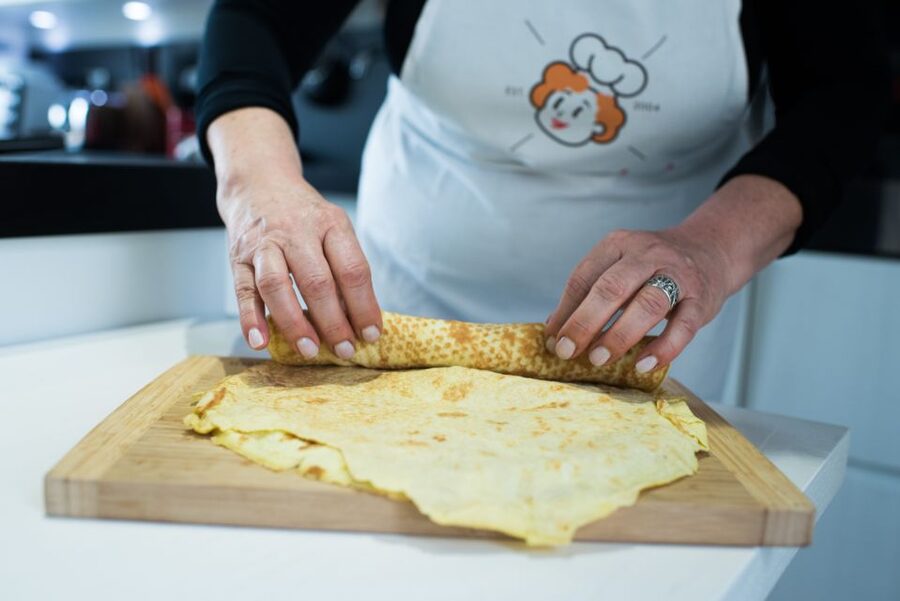
The pasta course is likely to be the most hands-on part when it appears on your menu. Handmade pasta takes time and attention, and the value of learning it is not just the meal in front of you. Once you understand the basic method, you can practice it at home with simple tools.
An appetizer such as fried sage leaves shows another side of Italian cooking. It is a small dish, but it reflects the Italian habit of making a meal from a few good ingredients rather than an enormous shopping list. Simple recipes can be less forgiving, so the host’s advice about texture, timing, and seasoning matters.
Dessert may be panna cotta or tiramisu. These are familiar names, but a family version can show you how Italians approach the balance between richness and restraint. You are not only collecting a recipe. You are learning what the host considers the right finish to a meal.
Do not expect a professional cooking-school syllabus with exact measurements and formal grading. This is a social lesson led by a home cook. The pace may be relaxed, and the teaching style will vary. That is ideal for some people and less suitable for anyone who wants a tightly timed culinary course.
The hosts are part of the meal
The cooking is only half the reason to book. The people in the home shape the experience, and the supplied examples show how different hosts can add their own character.
Carlo hosted a session with fried sage leaves, ravioli dressed with olive oil, and tiramisu. His role went beyond giving instructions. He welcomed the group, stayed attentive, and made time for conversation while the food came together.
Another class involved Lucrezia and Christina at a villa with a vineyard. Lucrezia came from a family of olive growers, while Christina had family ties to wine production. That gave the meal a useful connection to agriculture. You could learn not only how to cook, but also how olive oil and wine fit into daily Tuscan food culture.
That same session included dinner on a covered veranda and opera singing. These details are not guaranteed for every booking, so treat them as examples rather than promised features. Still, they show the range of the experience. One class may feel like a lively kitchen lesson, while another may stretch into a long Tuscan evening with stories, music, and views of a working property.
You should also expect to share the table with other participants. The group limit is 10, which is small enough for conversation but not the same as a private class for just you and your traveling companions. If you enjoy meeting people over a meal, this is a strength. If you prefer a quiet, private cooking lesson, ask the organizer about group arrangements before booking.
Why the shared meal matters
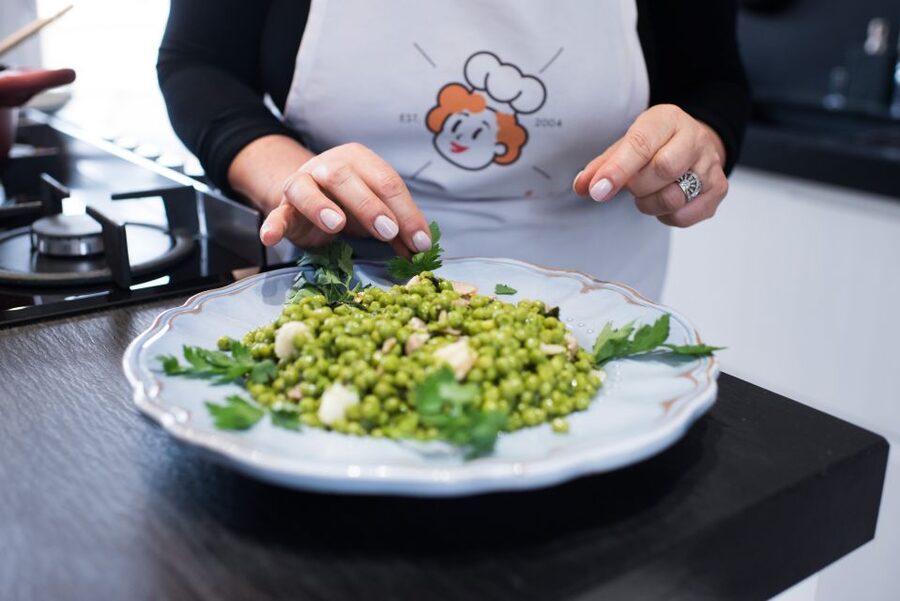
Many cooking classes finish once the food is plated. Here, the prepared dishes become the meal. You sit down with the host and the other participants, with water, local wines, and coffee included.
That final table time gives the class a natural rhythm. You cook, taste, talk, and then relax. It also lets you judge the recipes properly. A sauce or dessert makes more sense when you eat it as part of a full meal rather than as a sample at a workbench.
The social side can be just as valuable as the cooking. You can ask about local customs, family food traditions, and life in Florence or Tuscany. The home setting makes those questions feel natural. You are sharing food with the people who prepared it, not simply listening to a guide recite facts.
Wine is included, with local red and white choices. This is a useful part of the value, especially since the drinks accompany the meal rather than being an unrelated add-on. Coffee is included too. If you do not drink alcohol, the included water and coffee still give you options, and you should confirm any special drink needs with the organizer.
A few more cooking classes around Florence worth a look
- Cooking Class and Lunch at a Tuscan Farmhouse with Local Market Tour from Florence
★ 5.0 · 4,831 reviews - Florence: Cooking Class Pasta & Tiramisu Making Unlimited Wine
★ 5.0 · 2,234 reviews - Florence Cooking Class The Art of Making Gelato & Authentic Pizza
★ 5.0 · 2,053 reviews - Small Group Cooking Class & Market Food Tour in Florence
★ 5.0 · 1,574 reviews
Timing, location, and the small details
The class lasts three hours, though the usual start times are flexible. Sessions commonly begin at 10 AM or 5 PM, and the organizer may adjust the schedule if you make the request in advance. A morning class suits you if you want to keep your afternoon open. An evening class can work well as a dinner plan, especially if you enjoy a slower meal with wine.
The meeting address is not published in advance. After booking, the local partner sends the host’s full address and instructions for reaching the meeting point. This protects the family’s privacy, but it means you cannot judge the exact location before reserving.
Plan your day around the class rather than treating it as a quick stop between major sights. The address may be in a residential setting, and you need enough time to reach the meeting point without rushing. Since no transportation service is included in the details provided, confirm the meeting instructions carefully once they arrive.
At least two people are required for the activity to operate. If you are traveling alone, you should check availability before building your schedule around it. The class can take up to 10 participants, so the actual group size may be smaller but is not guaranteed to be private.
Dietary requirements can be accommodated, but you must confirm them directly with the organizer after booking. Do this early. A request made at the last minute may be harder to handle when the menu depends on family recipes and fresh ingredients.
Is $202.78 a fair price?
The cost is high for a three-hour cooking lesson, so the right comparison is not simply another pasta class. You are paying for instruction, ingredients, a full tasting of three recipes, water, wine, coffee, local taxes, and the home setting. You are also paying for the social part, including time at the table with the host.
The value is strongest if you want an experience that combines food and personal contact. A restaurant meal alone may cost less, but it will not teach you how to make the dishes or introduce you to the family behind them. A cheaper cooking lesson may teach pasta well, but it may not include the same home setting or extended meal.
The price is harder to justify if you mainly want a technical cooking course. You may prefer a professional school with a fixed menu, formal instruction, and a more predictable schedule. This class is about food and people together, and its quality depends partly on the host you are matched with.
The wine and meal help make the price easier to understand. So does the small group cap. Still, I would book this because you want the setting and conversation, not because it is the cheapest way to learn ravioli.
Who will enjoy this most
I would recommend this class to you if you enjoy meals that take time and leave room for conversation. Couples, families, and small friend groups should find the format easy to share. Solo participants can also enjoy it, provided they are comfortable joining a small group and the minimum of two participants is met.
It is especially useful for food-minded people who want recipes they can repeat at home. The host can show you practical methods and explain why a family prepares a dish in a certain way. You leave with cooking skills rather than another souvenir that sits in a drawer.
The class also suits anyone who wants a more personal side of Tuscany. The examples involving olive growers, vineyard families, and opera singing show how a meal can connect food with family work and local culture.
I would be more cautious if you need a very fixed menu, exact start time, or guaranteed private instruction. The menu varies, the address comes later, and the schedule can be flexible. Those are not flaws, but they require a little trust and planning.
What to arrange before you go
After booking, watch for the message with the home address and meeting instructions. Since the location is withheld for privacy, this information is essential to your day’s planning.
Tell the organizer about dietary requirements as soon as possible. The activity can cater to different needs, but the request must be confirmed directly after booking.
If you need a particular time, ask in advance. Classes usually run around 10 AM or 5 PM, but the schedule can be flexible when arranged with the organizer. Also check that the class has the required minimum of two participants before relying on it for a specific day.
The activity offers free cancellation up to 24 hours before the start for a full refund, and you can reserve now and pay later. Those terms help if your Florence plans are still shifting, but they do not remove the need to confirm the address, menu needs, and timing.
Should you book this Florence cooking class?
Book it if you want more than a cooking demonstration. The strongest reason to go is the combination of hands-on recipes, a local home, and a shared meal with the host. The chance to hear about olive growing, vineyards, family traditions, or even opera can make the evening far more personal than a standard class.
At $202.78, this is a special-occasion activity rather than a budget lesson. I would choose it for the human connection and the meal at the end, especially if you like learning through conversation. Skip it if you want a guaranteed menu, a private class, or the lowest possible price.
For the right person, the practical souvenir is the best one: you return home able to make something you cooked in Tuscany, and you remember the people who taught you.
FAQ
How long does the cooking class last?
The activity lasts three hours.
Where does the class take place?
The class is held in a local family’s home in the Florence and Tuscany area. The full address and meeting instructions are provided after booking to protect the host’s privacy.
What recipes will I prepare?
You will prepare three authentic local recipes. The exact dishes can vary by host. Examples include handmade pasta, chicken, panna cotta, fried sage leaves, ravioli with olive oil dressing, and tiramisu.
Are drinks included?
Yes. Water, local red and white wines, and coffee are included.
What languages does the instructor speak?
The instructor speaks English and Italian.
Can dietary requirements be accommodated?
Different dietary requirements can be catered for, but you need to confirm your needs directly with the service organizer after booking.
Just added around Florence
- From Livorno: Authentic italian Pasta Cooking Class★ 5.0 · 3 reviews
- Florence Cooking Class: Ravioli & Pasta & Wine + Gift Apron★ 5.0 · 5 reviews
- Florence: Pizza-Making and Gelato Experience★ 4.8 · 16 reviews
- Florence: Private Pizza Making Class with Wine Tasting★ 4.3 · 22 reviews
- Florence: Pizza and Gelato Family-Friendly Cooking Class★ 4.9 · 49 reviews
- Florence: Pizza and Gelato Cooking Class★ 5.0 · 27 reviews
- Florence: Market and Cooking Class at a Local’s Home★ 5.0 · 9 reviews
- Florence: Pasta and Tiramisu Cooking Class with Local Host★ 5.0 · 46 reviews
Cooking Classes, compared.
Half-Day Thai Cooking Class at Organic Farm in Chiang Mai
Read our review →
Florence: Pasta Cooking Class with Unlimited Wine
Read our review →
3 in 1 Cooking Class near Navona: Fettuccine, Ravioli & Tiramisu
Read our review →
Hanoi Cooking Class: Culture, Local Market & Meaning CSR Impact
Read our review →
5 Traditional Dishes Hanoi Cooking Class with Market Trip
Read our review →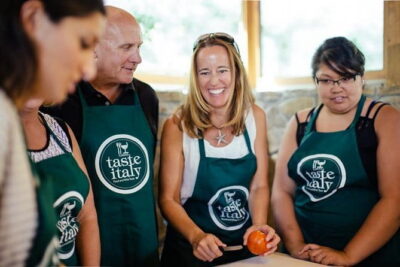
Cooking Class and Lunch at a Tuscan Farmhouse with Local Market Tour from Florence
Read our review →
Chiang Mai: Cooking Class, Market & Thai Herbs Garden Tour
Read our review →Browse the lists this tour appears in