
Review · SEOUL
From Forest to Table: A Hansik Cooking Journey in Seoul
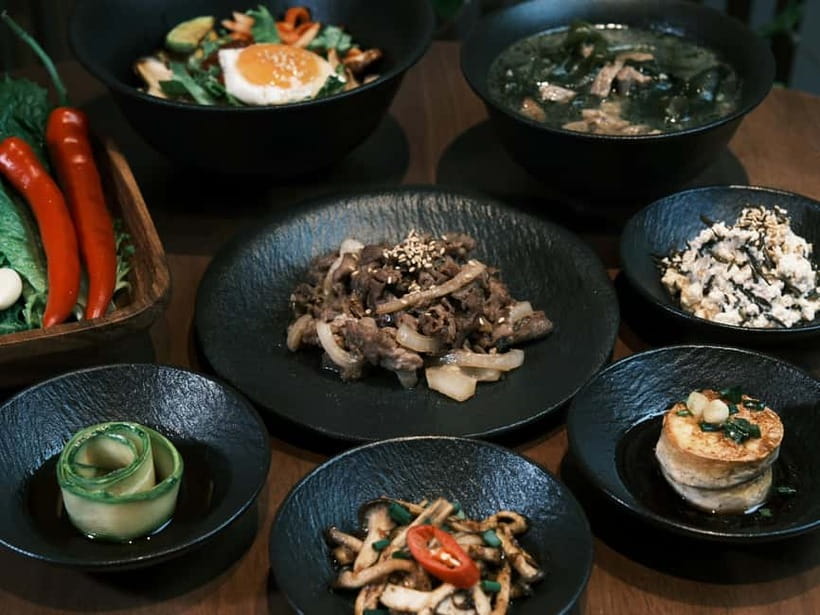
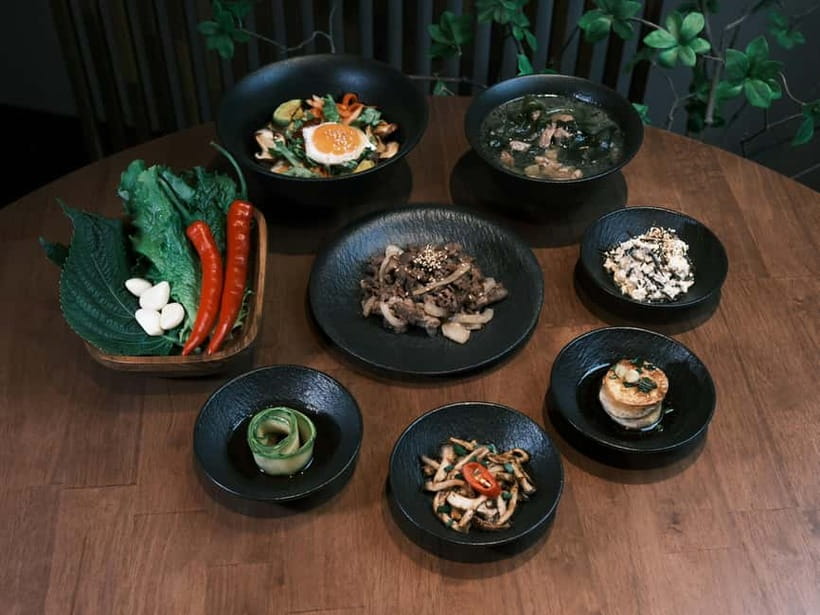
The best part of this Seoul cooking class is the scale of the meal. You do not make one token dish and call it lunch. You prepare four side dishes, soup, a main course, and bibimbap, then sit down to eat it all with grilled pork belly prepared by Woody. It feels closer to learning the rhythm of a Korean home meal than attending a quick tourist demonstration.
I like the personal menu choice, since you select your own soup and main instead of eating the same plate as everyone else. I also like the setting: a quiet, carefully designed Hanok-inspired studio with tea, soft music, and room for only eight people.
The one catch is the food focus. This is not suitable for vegans, vegetarians, or people with food allergies, and the meal is substantial. Come hungry, and wear comfortable clothes that can handle a little cooking.
Key points at a glance
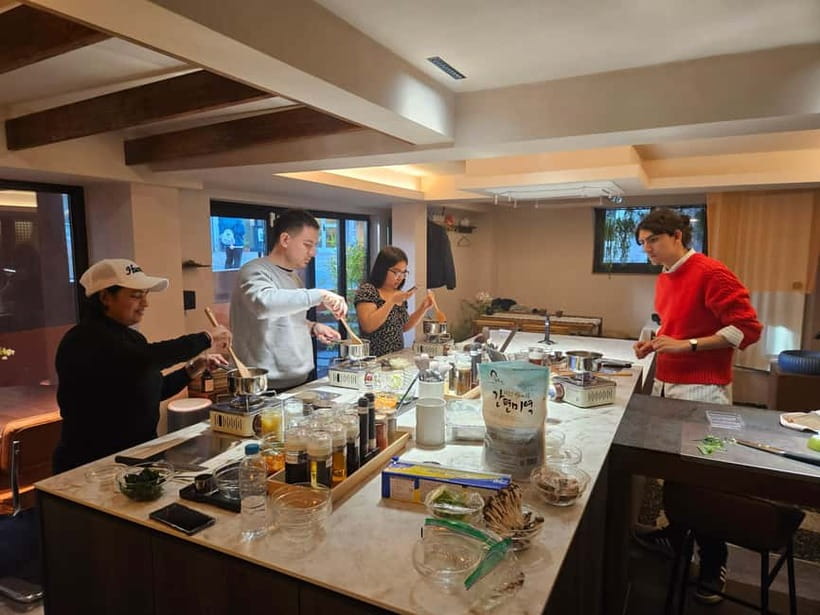
- A full Korean meal from scratch: Prepare four banchan, bibimbap, soup, and a main dish with step-by-step help.
- Your own soup and main: Choose the dishes that interest you, with options that have included bulgogi, dakgalbi, and other Korean favorites.
- Woody’s calm teaching style: The class is led in English by a host who learned Korean cooking from his mother and shares practical food tips.
- A small, peaceful studio: SOOP TABLE limits the class to eight people and uses a warm Hanok-inspired design.
- More than a cooking lesson: Woody grills samgyeopsal for the table, serves ssam vegetables, and finishes the meal with dessert.
- Useful take-home material: You receive a digital recipe photo and a small souvenir gift after the class.
A Korean meal, not just a single recipe
Many cooking classes ask you to prepare one dish, eat it, and leave. SOOP TABLE takes a different route. Over 210 minutes, you build a table filled with the small plates and accompaniments that make Korean dining feel generous and varied.
You will work on four side dishes, one soup or stew, and a main dish of your choice. You will also make bibimbap and learn how to arrange it attractively, rather than simply mixing ingredients in a bowl. That matters because Korean food is as much about balance and presentation as it is about flavor.
The meal gives you a useful introduction to the Korean habit of eating several things at once. A bite of rice may be followed by a spoonful of soup, a piece of seasoned vegetable, or a wrap of pork and fresh leaves. You are not just memorizing a recipe. You are seeing how the parts of a Korean meal work together.
The menu can include familiar dishes such as bulgogi and dakgalbi, along with different soups and side dishes. The exact choices available depend on the class setup, but the important point is that each person selects a main and soup. For a mixed group, this is a real advantage. You can choose something you already know, or pick a dish that gives you a new taste of Korean home cooking.
A few more cooking classes around the world worth a look
- Half-Day Thai Cooking Class at Organic Farm in Chiang Mai
★ 5.0 · 19,087 reviews - Florence: Pasta Cooking Class with Unlimited Wine
★ 4.9 · 10,285 reviews - 3 in 1 Cooking Class near Navona: Fettuccine, Ravioli & Tiramisu
★ 5.0 · 7,376 reviews
Starting with tea at SOOP TABLE
The class begins with traditional Korean tea and a short conversation about Korean food culture. This is a gentle way to settle in before the knives, pans, and ingredients appear.
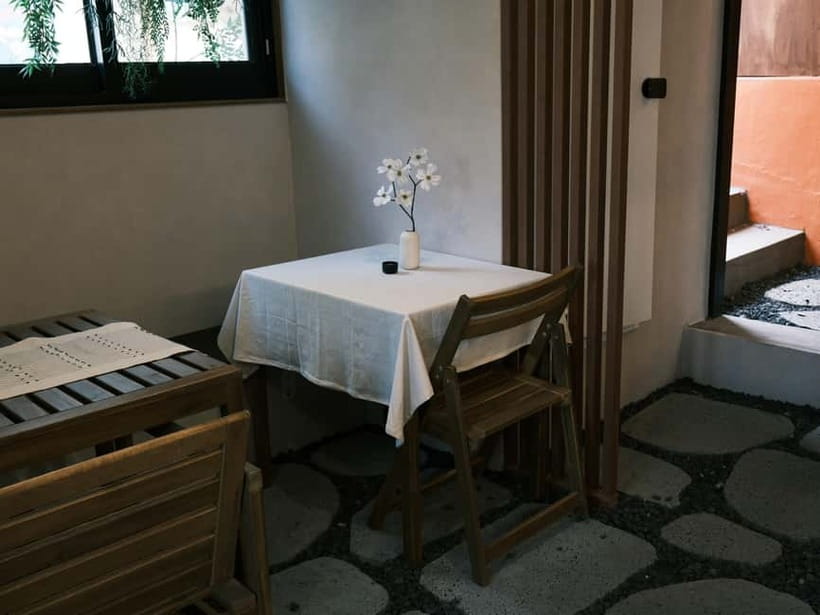
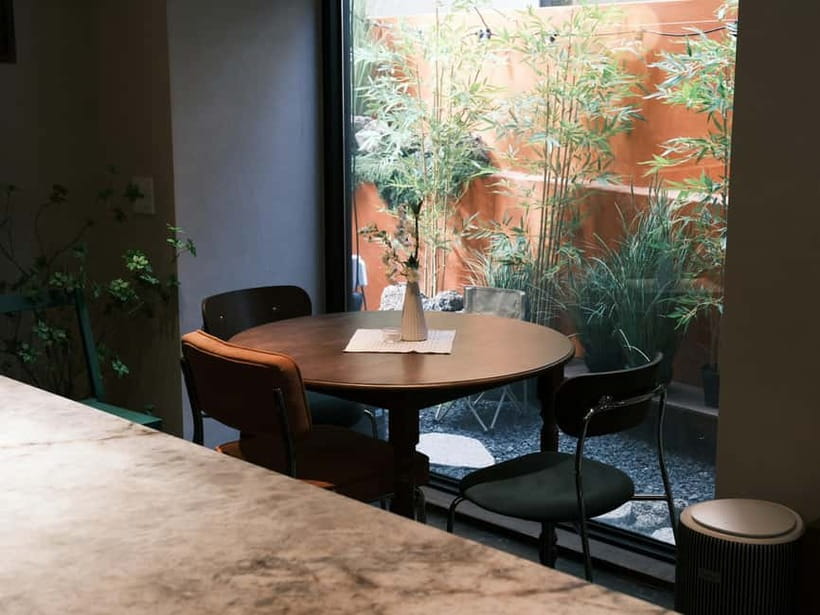
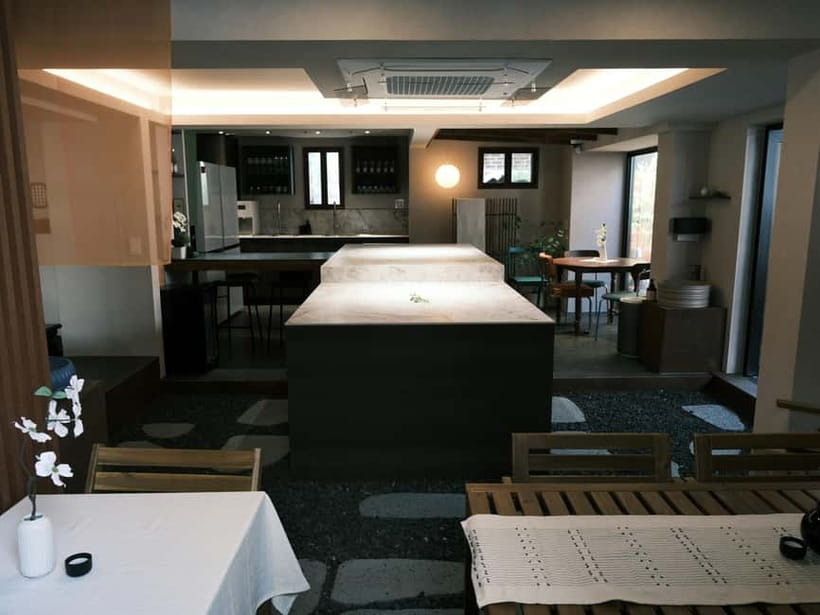
SOOP TABLE is designed as a warm, Hanok-inspired studio rather than a large commercial kitchen. The space has been set up by Woody, and the atmosphere is calm, clean, and deliberately home-like. Soft background music and an orderly work area help keep the three-and-a-half-hour session relaxed.
That setting is useful for more than photographs. Cooking can feel hurried when a class has too many people or when equipment is packed tightly together. With a maximum of eight participants, Woody has room to watch how you are working and help when you need it. You should still expect a shared class rather than private instruction, but the small size gives it a more personal feel.
The traditional design also helps frame the food. You are not cooking in a generic teaching room with a Korean theme pasted on afterward. The space is meant to feel like a place where food, conversation, and hospitality belong together.
Woody’s teaching style and background
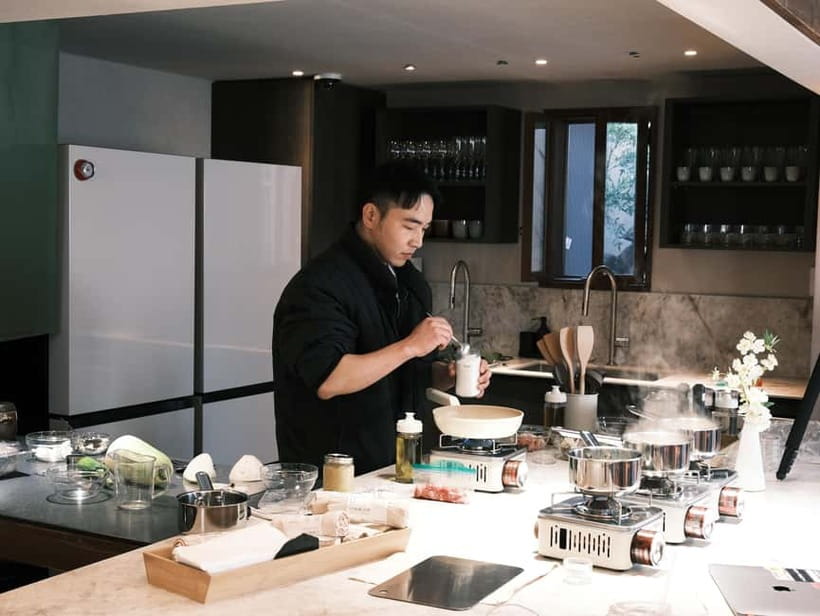
Woody leads the class in English and Korean. His approach is patient and clear, making the session workable for first-time cooks as well as people with more kitchen experience.
His connection to Korean food began with his mother, a respected Korean food artisan. He later traveled across all six continents, exploring food and culture, before returning to Seoul to host this experience. That background shows up in the way he talks about ingredients and cooking customs, not just in the recipes themselves.
I would particularly value the class if you like asking questions. Woody is willing to explain the role of key ingredients, share local food suggestions, and talk about Korean culinary habits. He has also helped participants order cooking tools they wanted to take home, though those items are not part of the class price.
The pace is another plus. You might be paired with people who cook often, while you are still figuring out your knife technique. The instruction is designed for beginners, and the atmosphere is meant to stay calm if someone needs more time. You will not need previous cooking experience.
Making the side dishes and bibimbap
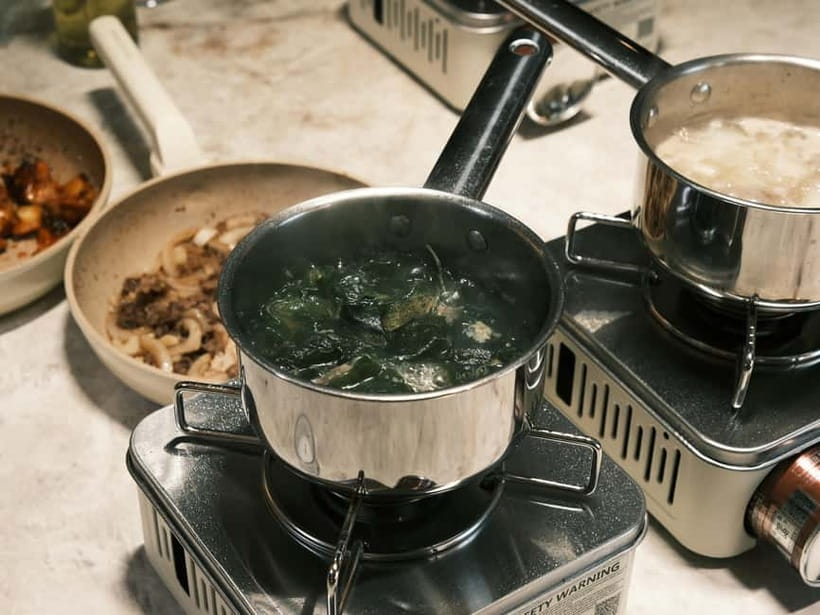
The side dishes are where you begin to understand the variety of Korean food. Four banchan may sound like a small part of the meal, but they teach you how Korean cooks use seasoning, texture, and vegetables to create contrast across the table.
You will use fresh local ingredients and follow time-tested techniques under guidance. Since the ingredients are prepared and supplied for the class, you can focus on learning the method rather than spending the first hour shopping and measuring every item.
Bibimbap adds a visual element. You prepare the ingredients and arrange them in a bowl before combining them. The finished dish should look orderly and colorful before you stir it together. This is a good place to slow down and pay attention to presentation, since the arrangement is part of the pleasure.
The class also gives you the satisfaction of making the food you later eat. That sounds simple, but it changes the meal. You remember how the ingredients were handled, which steps needed care, and how the flavors came together. The digital recipe is sent as a photo afterward, giving you a practical reference for trying the dishes at home.
Same place, a different menu:
- Florence: Pasta & Tiramisu Cooking Class with Unlimited Wine
★ 4.9 · 6,708 reviews - Florence: Pasta Cooking Class with Unlimited Wine
★ 5.0 · 6,413 reviews - Hanoi Cooking Class: Culture, Local Market & Meaning CSR Impact
★ 5.0 · 5,147 reviews - 5 Traditional Dishes Hanoi Cooking Class with Market Trip
★ 5.0 · 4,890 reviews
Choosing your soup and main dish
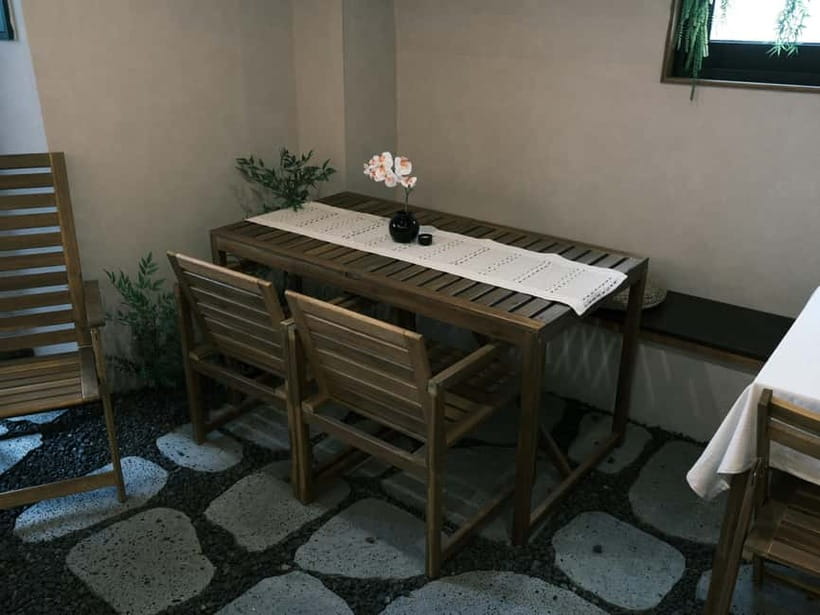
The menu choice is one of the strongest reasons to book this class instead of a fixed-menu lesson. Each person chooses a main dish and a soup or stew, with three options noted for these categories in the class details.
That flexibility works well for families or friends with different interests. One person might choose bulgogi, while another tries dakgalbi or a different Korean specialty. You will still prepare and taste the other dishes at the table, so your choice does not cut you off from the wider meal.
It also lets you set your own comfort level. If this is your first encounter with Korean cooking, you can select something familiar. If you have already eaten plenty of bibimbap in Seoul, you can use the main-course choice to try something less known.
The tradeoff is that a choice-based class can require more coordination than a single-recipe lesson. Woody has planned the class around that format, but you will need to listen carefully as the group moves through different dishes. The reward is a meal with more variety and a stronger sense of personal choice.
Samgyeopsal, ssam, and the shared table
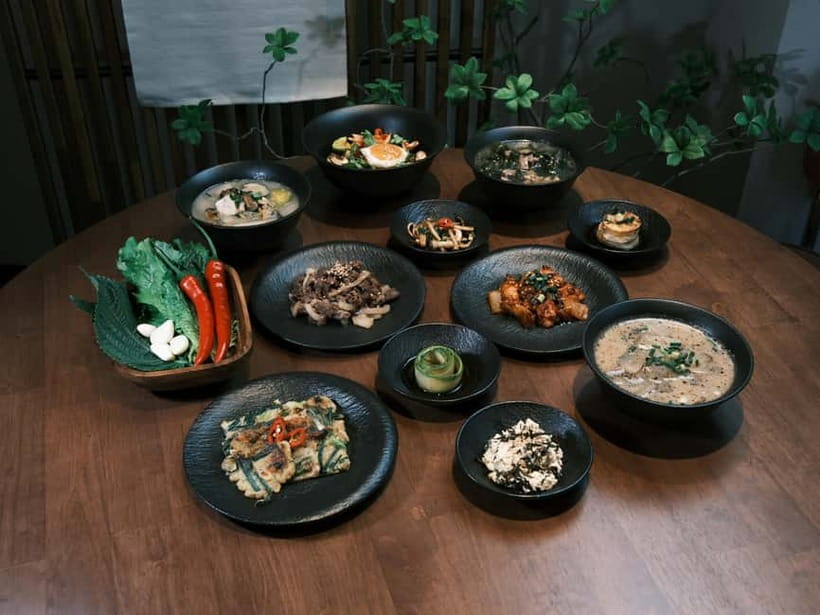
Woody personally grills samgyeopsal, or Korean pork belly, and serves it with fresh seasonal vegetables for ssam wraps. This part is not simply another recipe for you to prepare. It is a chance to sit back while the host handles one of the table’s main treats.
You wrap the pork in lettuce with the accompanying vegetables and enjoy it alongside the food you cooked. Ssam shows how Korean dining turns a rich ingredient into a fresh, hands-on bite. The vegetables add crunch and contrast, while the shared format keeps the meal social.
This is also where the class feels most like a hosted meal rather than a work session. You have spent much of the experience chopping, mixing, and following instructions. Now the cooking slows down, Woody serves the pork, and you can concentrate on eating and talking.
One glass of traditional Korean distilled liquor is included for adults. Extra alcoholic drinks cost more, and filtered water is provided during the meal. If you do not drink, the class still includes plenty of food and conversation, but you should not expect a large range of included beverages.
Dessert and the final conversation
The meal ends with a simple Korean dessert. The exact dessert can vary, and one class included hotteok, a warm Korean sweet pancake. That example gives you an idea of the kind of finish possible, but you should not book expecting one specific dessert every time.
The final stage is unhurried. You sit together, enjoy the meal, and hear more about Woody’s path from learning Korean food at home to creating the studio. The conversation is part of the value, especially if you want more than a recipe card and a quick photo.
You also receive a small souvenir gift. It is a modest extra, but it adds a thoughtful closing touch. The recipe photo is more useful in the long run, since it gives you a way to recreate the food after returning home.
What the $89 price really includes
At $89 per person, this is not the cheapest way to eat lunch in Seoul. You could buy a filling Korean meal for far less. The value comes from the combination of instruction, ingredients, a substantial shared meal, the intimate setting, and the extra dishes prepared during the session.
You are paying for 210 minutes of guided time, not just food on a plate. The price includes tea, cooking tools, an apron, all ingredients, your chosen main and soup, four side dishes, bibimbap, dessert, grilled samgyeopsal, one glass of traditional liquor for adults, water, a recipe photo, and a souvenir.
That is a lot of food and teaching for the cost. I would consider it good value if you enjoy cooking or want one memorable food activity during a Seoul visit. It is less useful if you mainly want a fast meal, dislike group instruction, or have no interest in recreating Korean dishes at home.
The small class size strengthens the value. Eight participants is still enough for conversation, but it is small enough for Woody to offer individual help. The clean, well-equipped studio also means you are not giving up comfort for the sake of a lower price.
Who should book this class
I would recommend it most strongly to food-focused visitors, curious first-time cooks, and families with older children. Children under 10 cannot join, but the experience has worked well for teenagers, including a 14-year-old who enjoyed both the cooking and the food.
It also suits couples, friends, and solo visitors who like meeting people around a table. The meal is shared, and the host’s conversation is an important part of the experience. If you prefer a quiet activity with structure, rather than a loud market tour or a crowded group excursion, the studio should fit well.
You should think twice if you are vegan, vegetarian, or managing food allergies. Those groups are specifically excluded, and the menu includes pork and other ingredients that make this a poor fit for strict dietary needs.
Comfortable clothes are the only listed item to bring. Transportation is not included, so you need to make your own way to SOOP TABLE, the meeting point. The class is available in English and Korean, but translation into other languages is not provided.
For booking flexibility, you can reserve now and pay later, and cancellation is free up to 24 hours in advance. Check the available start times before arranging the rest of your day, since the full session lasts three and a half hours.
Should you book From Forest to Table?
Book it if you want to understand Korean food through preparation, not just eating. The full menu, personal choice of soup and main, calm instruction, and shared samgyeopsal meal give you a broad taste of Korean home dining in one sitting.
I would choose this over a shorter class if you have room in your Seoul schedule and care about taking the recipes home. The $89 cost is fair for the amount of food and teaching, especially in a small group.
Skip it if you need a vegan or allergy-safe menu, want a quick activity, or prefer a fixed sightseeing schedule. For everyone else, SOOP TABLE offers a warm, practical introduction to Korean cooking, with enough food to count as a major meal and enough guidance to make the experience useful after you leave Seoul.
FAQ
How long does the Korean cooking class last?
The experience lasts 210 minutes, or three and a half hours. This includes the welcome tea, cooking, shared meal, dessert, and conversation.
What dishes will I prepare?
You will prepare four side dishes, bibimbap, one soup or stew, and one main dish of your choice. The class also includes grilled samgyeopsal prepared by Woody and a simple Korean dessert.
Can I choose my own main dish and soup?
Yes. Each person selects their own main dish and soup or stew from the available choices. Three options for each category have been noted for the class.
Is the class suitable for beginners?
Yes. The instruction is guided in English, and no previous cooking experience is needed. Woody provides step-by-step help and uses a patient teaching style.
Is this activity suitable for vegetarians, vegans, or people with food allergies?
No. The experience is not suitable for vegans, vegetarians, or people with food allergies.
What is included in the $89 price?
The price includes traditional Korean tea, the guided cooking class, ingredients, an apron, cooking tools, the shared meal, grilled samgyeopsal with ssam vegetables, one glass of traditional distilled liquor for adults, dessert, filtered water, a digital recipe photo, and a small souvenir gift.
Just added around the world
- Montreal: Cooking Class & Lunch with Michelin-Trained Chef★ 4.4 · 32 reviews
- Mojo Workshop Cooking Class in Ancient Canarian Village★ 4.9 · 127 reviews
- MoMo or Dal Bhat Cooking Class at Aama Kitchen in Pokhara★ 4.9 · 28 reviews
- Modena: Home Cooking Class Tagliatelle and Ragu and Tiramisu★ 5.0 · 23 reviews
- Mirissa: Cooking Class with Beer and Meal★ 3.3 · 4 reviews
- Moires: Cooking Class and Olive Oil Tasting at a Family Farm★ 5.0 · 93 reviews
- Milan: Private Cooking Class at a Local’s Home★ 5.0 · 9 reviews
- Rome Pizza & Gelato Cooking Class★ 4.6 · 49 reviews
Cooking Classes, compared.
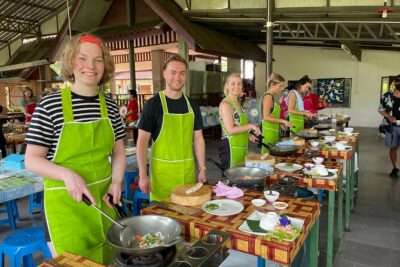
Half-Day Thai Cooking Class at Organic Farm in Chiang Mai
Read our review →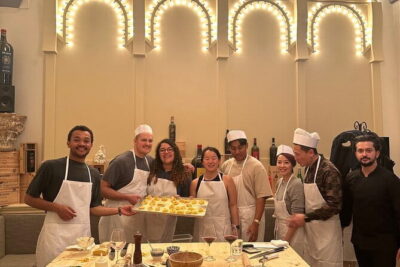
Florence: Pasta Cooking Class with Unlimited Wine
Read our review →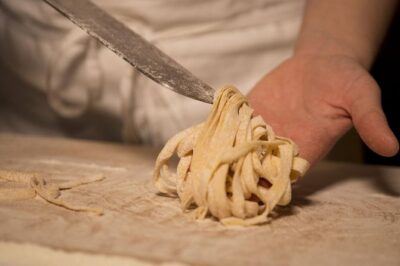
3 in 1 Cooking Class near Navona: Fettuccine, Ravioli & Tiramisu
Read our review →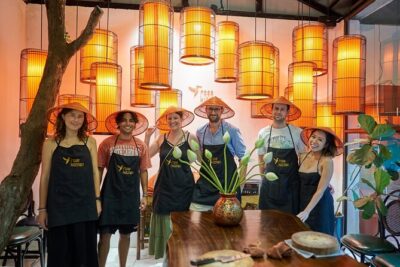
Hanoi Cooking Class: Culture, Local Market & Meaning CSR Impact
Read our review →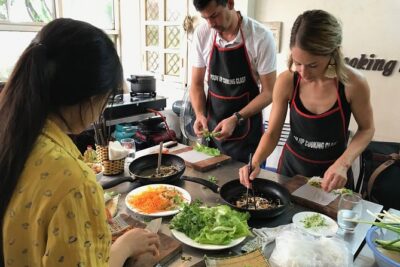
5 Traditional Dishes Hanoi Cooking Class with Market Trip
Read our review →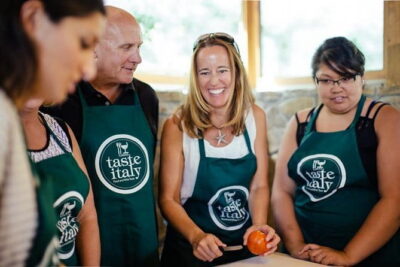
Cooking Class and Lunch at a Tuscan Farmhouse with Local Market Tour from Florence
Read our review →
Chiang Mai: Cooking Class, Market & Thai Herbs Garden Tour
Read our review →Browse the lists this tour appears in