
Review · SRI LANKA
Hands-On Cooking Class in Anuradhapura: Cook Like a Local
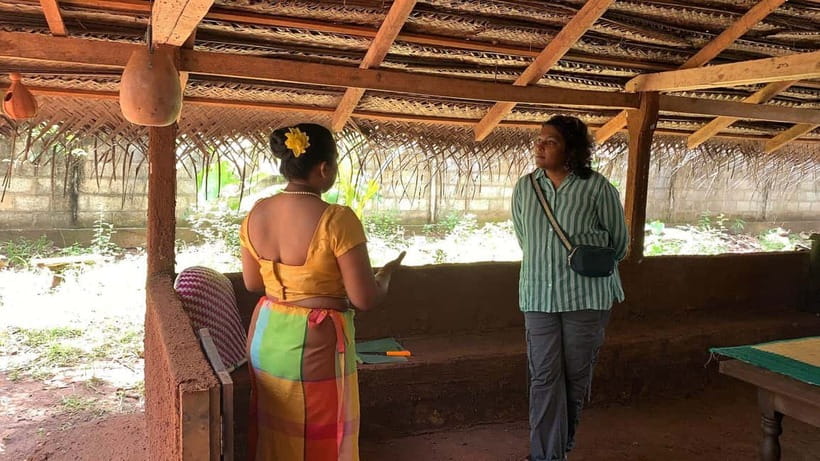
An old-style kitchen, a wood fire, a stone spice grinder, and a table full of Sri Lankan dishes: that is the heart of this cooking class near Anuradhapura. You work in a clay house under a coconut-leaf shelter, using tools and methods tied to village cooking in the old Rajarata region. I like the hands-on work, especially grinding spices on a miris gala and scraping coconut with a hiramanaya. I also like the menu, which goes beyond the usual curry lesson with ambarella, banana blossom, lake fish, and kathurumurunga greens.
The main consideration is the setting. This is a rustic outdoor-style kitchen, not a polished studio. That is the point, but heat, smoke, and mosquitoes can be part of the deal. Bring mosquito repellent, wear clothes suited to cooking, and expect a real village kitchen rather than an air-conditioned classroom.
Key points at a glance
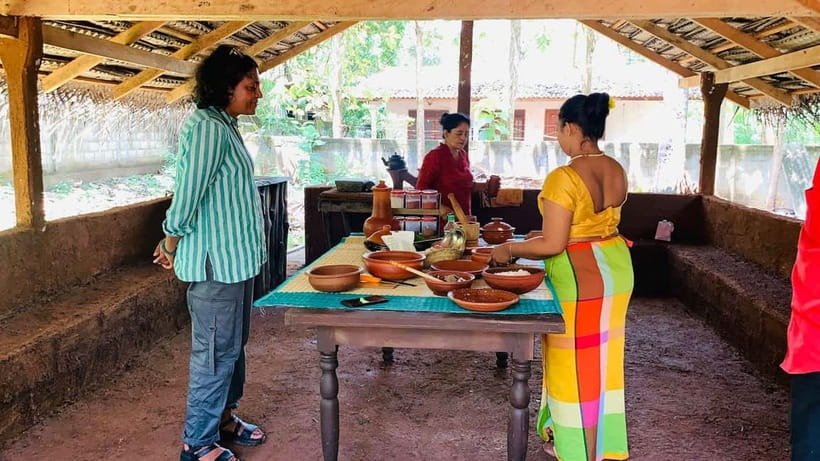
- Cook in a clay house: The class takes place under a traditional coconut-leaf roof in a peaceful village setting.
- Use old kitchen tools: Grind spices with a miris gala and scrape coconut with a hiramanaya.
- Pick a coconut: You get to take part in the process from tree to table.
- Prepare a full local meal: The menu includes rice, lake fish curry, ambarella, banana blossom, pumpkin curry, greens, and coconut sambal.
- Eat what you make: The three-hour session ends with curd, treacle, and ripe fruit.
- Keep plans flexible: The private, English-language class costs $40 per person, with cancellation up to 24 hours before the activity and reserve-now, pay-later booking.
Why this class feels different from a standard cooking lesson
Many cooking classes begin with a tidy row of ingredients and a modern stove. This one begins closer to the source. You handle the tools, the fire, the coconut, and the spices before the meal reaches the table.
That matters in Sri Lanka, where cooking is closely tied to texture and aroma. Fresh coconut is not simply poured from a carton. Spices are not just measured from a jar. The way an ingredient is crushed, scraped, heated, or mixed changes the final dish.
You also get a small lesson in daily life. The class connects food with the old Rajarata area around Anuradhapura, once the center of a major Sri Lankan kingdom. The experience does not replace a visit to the ancient city, but it gives you a practical view of the rural traditions that continue alongside those monuments.
I especially like that the session is private. You can ask questions, take your time with unfamiliar tools, and focus on the dishes that interest you most. The class is offered in English, and the instruction covers the background of the food as well as the preparation.
More Hands-On Workshops in Sri Lanka:
- Ella: Traditional Sri Lankan Cooking Class
★ 4.9 · 788 reviews - Organic cooking class sigiriya (kumara & family)
★ 5.0 · 650 reviews - Sri Lanka Cooking Class with Granny
★ 5.0 · 587 reviews
Arriving at the clay kitchen near Anuradhapura
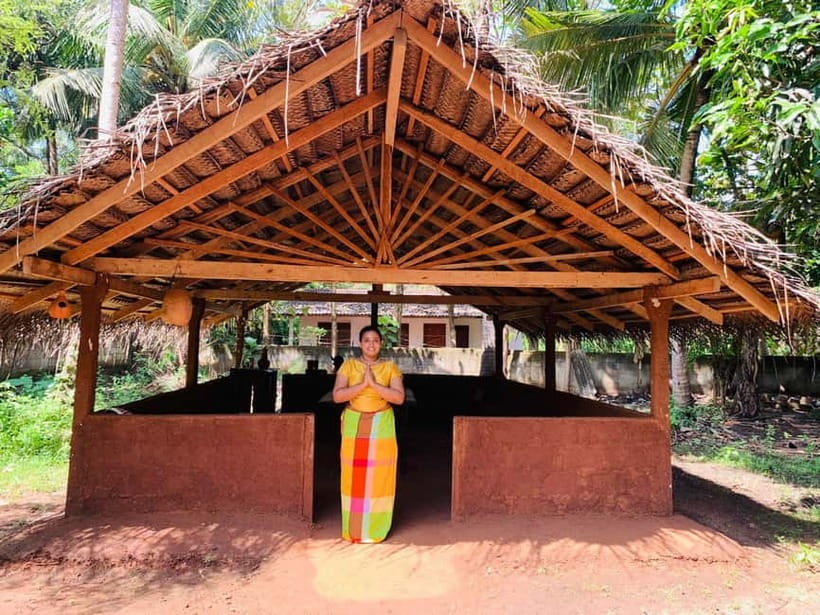
The meeting point is GK Immersions, described on Google Maps as GK Immersions, Best things to do provider in Anuradhapura. All cooking takes place at a clay house kitchen shaded by a traditional coconut-leaf shelter.
The setting gives the class its character. Clay walls, a natural roof, and a wood-fired stove create a clear contrast with a restaurant kitchen. You are not watching a demonstration from several steps away. You are working in the same kind of space where many household meals have traditionally been prepared.
The provider includes a refreshing local drink when you arrive. That is a useful start, especially if you are coming in warm weather and plan to spend time near a fire. The class lasts three hours, so allow enough time to settle in before the cooking begins.
The shelter is attractive and practical, but it will not offer the same comfort as an indoor cooking school. Smoke and heat are possible. A mosquito repellent is a smart addition, particularly because the activity takes place close to nature. Covered shoulders and comfortable shoes are sensible choices, though the supplied information does not specify a dress code.
Picking a coconut and preparing the basic ingredients
One of the most unusual parts of the class is the chance to pick your own coconut. It is a small activity, but it gives you a better sense of how much work can sit behind a familiar ingredient.
Coconut appears in several forms in the meal. You use it in sambal, in the vegetable dishes, and with the sweet curd and treacle course at the end. Seeing the ingredient at the start of the process makes the finished dishes more meaningful.
The class also uses fresh ingredients picked from the garden. The exact garden produce can vary, so you should think of this as a seasonal village kitchen rather than a fixed restaurant kitchen. The appeal is the direct connection between the ingredient and the plate.
This part should suit families and curious cooks, though the activity may be less appealing if you want to sit down quickly and eat. The class is built around the preparation, not just the final meal.
Grinding spices on the miris gala
The miris gala is a traditional stone grinder used to crush spices. You get to work the ingredients yourself and notice the aroma as the mixture changes under the stone.
This is one of the strongest parts of the experience because it turns a familiar curry into something you can understand with your hands and nose. Packaged curry powder gives you a flavor. Grinding spices shows you how that flavor is built.
The instructor explains which spices and vegetables to use, along with the background of the cooking methods. The class is not only about copying a recipe. You learn why these ingredients belong together and how the old tools were used.
A stone grinder takes more effort than a food processor. That is a feature for some people and a drawback for others. If you enjoy craft and tradition, it adds substance. If you dislike repetitive kitchen work, this portion may feel slow.
A few more cooking classes around Sri Lanka worth a look
- Kandy Village Cooking Class
★ 5.0 · 536 reviews - Sea waves sri lankan cooking class
★ 5.0 · 467 reviews - Ella: Sri Lankan Cooking Class with Neranji at Homestay
★ 5.0 · 276 reviews - Ella : Cooking class with amazing Spice Garden Tour
★ 5.0 · 239 reviews
Scraping coconut with a hiramanaya
The hiramanaya is a traditional coconut scraper. It is a simple tool, but it requires a little coordination and gives you a practical look at an everyday Sri Lankan kitchen skill.
You will likely notice the difference between freshly scraped coconut and ready-made coconut products. Fresh coconut provides texture for the sambal and helps give the vegetable dishes their body. It also connects several parts of the menu.
This is a good activity for people who want more than a recipe card. You are learning a technique used in local homes, not just a decorative step added for tourists. The class presents the process in a friendly, workable way, with instructions on how to handle the tool.
The scraper is another reason to wear practical clothing. You will be standing or working close to kitchen equipment, and the class includes several separate preparation tasks. The supplied information does not give a detailed accessibility plan, but the activity is listed as wheelchair accessible. If you need specific arrangements, confirm them when booking.
Cooking over a wood-fired stove
After the ingredients are ready, you cook over a traditional firewood stove. Coconut shells are also used as firewood, and the dishes are prepared in clay pots.
The fire changes the feel of the lesson. You must pay attention to heat, timing, and the order in which ingredients go into the pot. The smoky aroma also becomes part of the food, particularly in the curries and rice.
A wood-fired stove is less predictable than an electric hob. Heat control may take practice, and the kitchen can feel warm. That is worth knowing before you book, especially during a hot period in North Central Province.
For me, the value is in seeing how a meal is assembled without modern shortcuts. You do not simply mix ingredients and wait. You take part in a chain of small tasks: grinding, scraping, stirring, heating, and tasting.
The Sri Lankan menu you will prepare
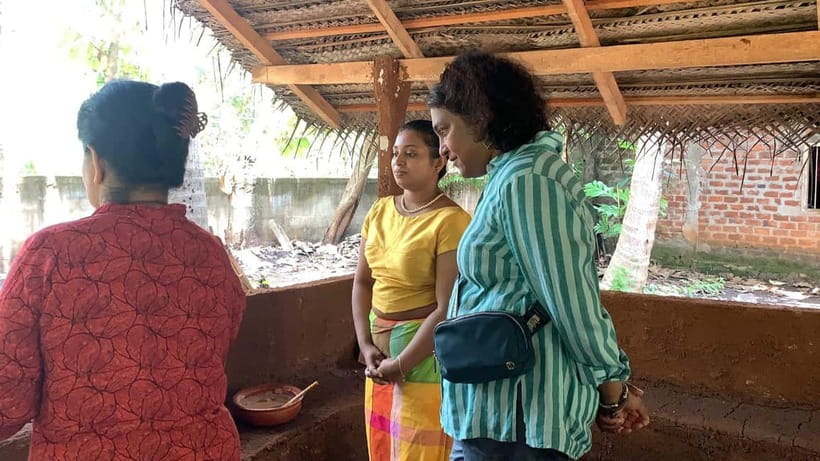
The class includes a substantial menu, so this is not a lesson focused on one curry. You prepare a range of flavors and textures that show how a Sri Lankan meal works as a group.
Rice
Rice forms the base of the meal. The class may prepare yellow rice or white rice, with the supplied menu listing rice as a core dish.
White rice is soft and neutral, giving the curries room to shine. Yellow rice brings color and seasoning. Either way, the lesson helps you see why rice is not just a side dish in Sri Lanka. It is the foundation around which the rest of the meal is arranged.
Ambarella curry
Ambarella is a local tropical fruit often cooked as a savory dish. Its tangy character gives the meal a sharp contrast to creamy pumpkin curry and coconut-based sides.
If you have only eaten familiar fruit in sweet dishes, ambarella is a useful introduction to Sri Lankan cooking. It shows how local produce can move between the fruit bowl and the curry pot.
Banana blossom mallum
Banana blossom is the flower of the banana plant. Here, it becomes an earthy dish with texture, seasoning, and coconut.
This is a good example of making use of the whole plant. The result is not likely to resemble a standard vegetable curry, which makes it one of the more distinctive parts of the menu. If you are cautious about unfamiliar foods, this is still an approachable way to try banana blossom because it arrives as part of a larger meal.
Lake fish curry
The fish curry uses locally caught lake fish, spices, and coconut milk. It brings a taste of the waterways around the Rajarata area to the table.
The menu does not specify the exact fish or the particular lake, so you should not expect a fixed species every time. What you can expect is a curry built around local fish and a creamy, spiced sauce.
This dish gives the meal a useful balance. Rice and vegetables make up much of the spread, while the fish provides a richer main curry.
Kathurumurunga mallum
Kathurumurunga is a local leafy green mixed with coconut and spices to make mallum. The dish is lighter than a coconut milk curry and adds a fresh, leafy element to the plate.
It is an important part of the meal because Sri Lankan cooking is not only about rich sauces. Greens, sambal, fruit, fish, and rice all share the table. The class gives you a chance to see how these smaller dishes work together.
Coconut sambal
Coconut sambal combines freshly grated coconut with red chili, lime, and onion. It is simple to prepare but strong in flavor.
You can use it to add heat and brightness to the rice and curries. It is also one of the dishes where the coconut scraping activity pays off immediately. The texture is fresh, and the lime helps cut through heavier foods.
Pumpkin curry
Pumpkin curry brings a gentle sweetness and creamy texture to the meal. It is a comforting counterpoint to the fiery sambal and tangy ambarella.
This is likely to be one of the more familiar dishes for cautious eaters, but it still shows how Sri Lankan spices shape a vegetable curry. You get the sweetness of the pumpkin without losing the savory character of the meal.
Finishing with curd, treacle, and ripe fruit
The meal ends with fresh curd and treacle, along with ripe papaya or another ripe fruit listed as part of the sweet finish.
Curd and treacle is a classic combination of cool, tangy dairy and dark sweetness. It provides a calm finish after the spices and chili. Ripe fruit keeps the final course simple and tied to the local produce used throughout the experience.
By the end, you have not just eaten one dish. You have worked through a full meal with rice, fish, several vegetable preparations, sambal, and dessert. That makes the class especially useful if you want to understand how a Sri Lankan table is put together.
What the $40 price gives you
At $40 per person, this class is priced above a basic cooking demonstration but gives you more than a short recipe lesson. The three-hour length, private format, local drink, full meal, traditional tools, and hands-on preparation all add to the value.
The price makes the most sense if you take part in the activities rather than treat the session as lunch. You are paying for access to a village kitchen, instruction in English, the ingredients, and the chance to prepare several dishes from start to finish.
A private class can also be good value for couples, families, or small groups who want room to ask questions. The cost may feel less appealing if you are mainly interested in eating Sri Lankan food or watching a chef cook. In that case, a restaurant meal will be cheaper and faster.
The meal itself is a useful bonus, but the real value is the practical knowledge. Afterward, you should have a clearer idea of how coconut, spices, greens, fruit, fish, and rice fit together in local cooking.
Who will enjoy this three-hour class most
I would recommend this for food-focused visitors, families, and anyone looking for a cultural activity beyond the ancient city. It also suits people who enjoy learning by doing and do not mind a little smoke, heat, or manual work.
It is a good fit if you want:
- A private experience rather than a large group
- An English-language instructor
- Traditional tools instead of a modern demonstration kitchen
- A full local meal with several unusual ingredients
- A link between Anuradhapura’s old Rajarata traditions and village cooking
- A flexible booking option with reserve now and pay later
It may not suit you if you want a polished indoor venue, a short class, or a strictly controlled menu. The rustic setting is central to the experience, so comfort and convenience come second to local methods.
The activity is listed as wheelchair accessible, which is useful information for planning. Since the kitchen is described as a clay house with an outdoor-style shelter, ask GK Immersions about the exact setup if you need details about surfaces, stove access, or seating.
Booking and practical details
The class is in Anuradhapura in Sri Lanka’s North Central Province. It lasts three hours, but starting times depend on availability.
You can cancel up to 24 hours in advance for a full refund. The reserve-now, pay-later option lets you hold a place without paying immediately, which helps if your Anuradhapura schedule may change.
Use Google Maps to search for GK Immersions, Best things to do provider in Anuradhapura. Since the activity takes place at the clay house kitchen, check the meeting instructions before setting out.
Bring mosquito repellent. You may also want water, sun protection, and a camera, though keep your phone clear of smoke, food, and cooking surfaces. The class includes a meal, but no separate transport service is listed, so confirm how you will reach the meeting point.
Should you book this cooking class?
Book it if you want to understand Sri Lankan food through your hands, not just your appetite. The stone grinder, coconut scraper, wood fire, clay pots, and unusual local ingredients give the class a strong sense of place.
The biggest strengths are the private format, the patient practical instruction, and the menu. The class has earned a perfect five-star rating from five verified bookings, with particular praise for clear guidance on spices and vegetables, the presentation of traditional tools, and the tasty meal at the end.
Just go prepared for a working kitchen. You may deal with smoke, heat, and mosquitoes, and the three hours include real preparation rather than a quick cooking show. For a food lover visiting Anuradhapura, that tradeoff is worthwhile. For someone seeking maximum comfort, a restaurant meal may be the better choice.
FAQ
Where does the cooking class take place?
The class takes place at a clay house kitchen shaded by a traditional coconut-leaf shelter near Anuradhapura. Search Google Maps for GK Immersions, Best things to do provider in Anuradhapura.
How long does the experience last?
The cooking class lasts three hours. Starting times depend on availability.
How much does the class cost?
The price is $40 per person.
Is the class private?
Yes. The activity is offered as a private group experience.
What language is used during the class?
The instructor teaches in English.
What food will I prepare?
The menu includes rice, lake fish curry, ambarella curry, kathurumurunga mallum, coconut sambal, pumpkin curry, banana blossom mallum, and a sweet finish of curd, treacle, and ripe fruit.
Are traditional cooking tools included?
Yes. You can grind spices on a miris gala, scrape coconut with a hiramanaya, and cook over a traditional wood-fired stove. You can also pick a coconut from the tree.
Can I cancel or pay later?
You can cancel up to 24 hours in advance for a full refund. Reserve-now, pay-later booking is available, so you do not need to pay at the time of booking.
Just added around Sri Lanka
- Kandy Cooking Class with Granny★ 4.9 · 95 reviews
- Galle: Sri Lankan Cuisine Cooking Experience★ 5.0 · 5 reviews
- Galle: Traditional Sri Lankan Cooking Class★ 5.0 · 21 reviews
- Udawalawe: Farm to Table Cooking & Authe: Village Experience★ 4.7 · 4 reviews
- Ella: Sri Lankan Authentic Cooking expirience★ 5.0 · 59 reviews
- Ella Cook With Sadamali★ 5.0 · 70 reviews
- Ella Sri Lanka : Mom’s Kitchen Cooking class★ 5.0 · 113 reviews
- Cooking with Arun & Tamil Family★ 5.0 · 14 reviews
Cooking Classes, compared.
Half-Day Thai Cooking Class at Organic Farm in Chiang Mai
Read our review →
Florence: Pasta Cooking Class with Unlimited Wine
Read our review →
3 in 1 Cooking Class near Navona: Fettuccine, Ravioli & Tiramisu
Read our review →
Hanoi Cooking Class: Culture, Local Market & Meaning CSR Impact
Read our review →
5 Traditional Dishes Hanoi Cooking Class with Market Trip
Read our review →
Cooking Class and Lunch at a Tuscan Farmhouse with Local Market Tour from Florence
Read our review →
Chiang Mai: Cooking Class, Market & Thai Herbs Garden Tour
Read our review →Browse the lists this tour appears in