
Review · SPAIN
Bilbao: Immersive Basque Cooking Class
Basque food is at its best when it feels generous, social, and tied to the local market. This class puts you to work on familiar regional favorites, from gildas and Marmitako to steak and Basque toast, then lets you sit down and eat the whole spread with Rioja and Txakoli. Mikel, the Basque chef, also explains the tricks behind each dish instead of treating the meal as a string of recipes.
I like the full meal included, since you will not need to find dinner after three and a half hours of cooking and eating. I also like the relaxed wine-bar setting at Gastronomía Bilbao, with cheese and charcuterie available at the start and recipes to take home. The main point to consider is that the amount of hands-on cooking may vary. Most of the class involves participation, but one past session included less active cooking than expected.
Key points at a glance
- Four to five Basque dishes: Prepare two or three starters, a main course, and dessert.
- Mikel leads the class: Your bilingual Basque chef explains ingredients, local customs, and practical cooking methods.
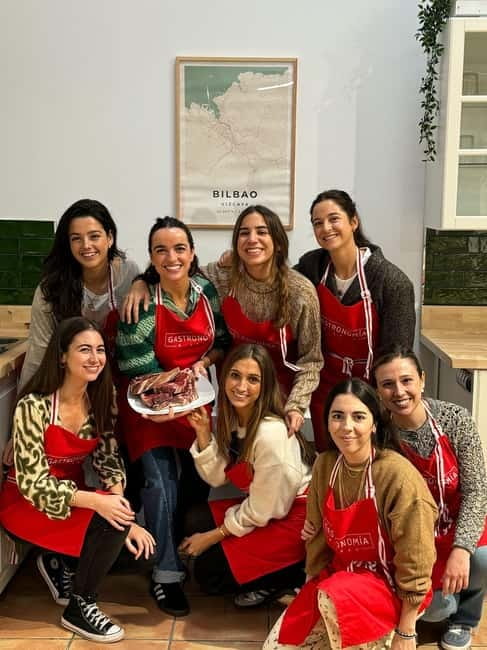
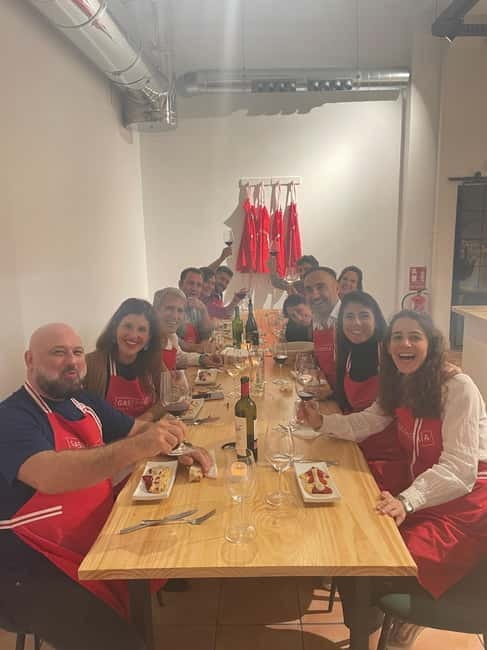
- A proper sit-down meal: Eat your work in a private dining room with your group.
- Rioja and Txakoli included: Local red and white wines are served during the class, along with non-alcoholic drinks.
- Recipes and an apron provided: You leave with useful material for trying the dishes at home.
- Central Bilbao meeting point: Check in beside the gourmet shop at Gastronomía Bilbao.
Why this cooking class works in Bilbao
Bilbao can be a city of quick pintxos stops. You walk into a bar, point at a plate, and move on to the next one. This class slows the process down and shows you what sits behind those small plates: the sofrito, the stock, the seasoning, and the local products.
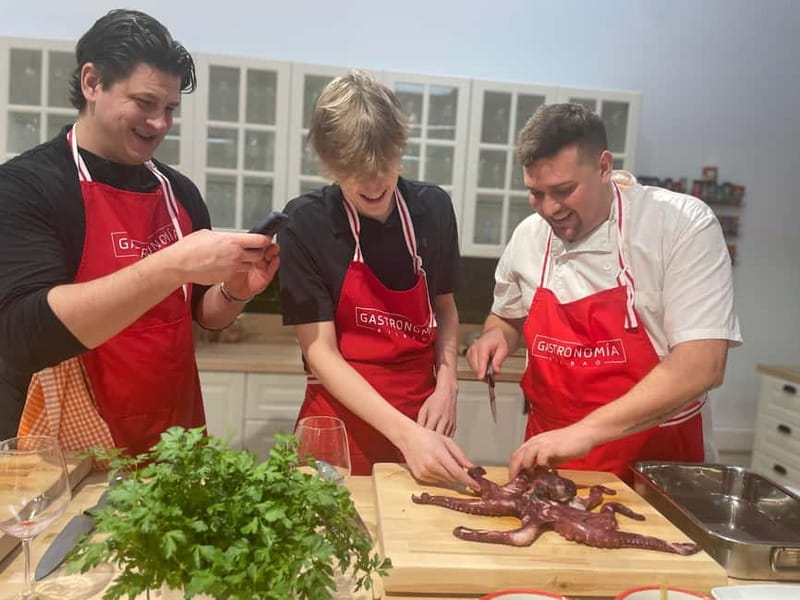
The focus is not on fancy restaurant technique. It is on the food people associate with the Basque Country. You may prepare a gilda, the small skewer of olive, anchovy, and pickled pepper; Marmitako, a hearty tuna and potato stew; chorizo cooked in cider; a T-bone steak; sweet red peppers in the Etxebarri style; a green salad; and Basque toast for dessert.
That menu is subject to what is available at the market. This is a good thing for a food class, since Basque cooking depends on seasonal ingredients, but it means you should not treat every listed dish as guaranteed. The class promises the same structure, two or three starters, one main, and dessert, while the exact plates can change.
More Hands-On Workshops in Spain:
- Barcelona Paella Cooking Class with Market Visit, Tapas & Sangria
★ 5.0 · 2,531 reviews - Spanish Cooking Class Paella Tapas and Sangria in Madrid
★ 5.0 · 1,340 reviews - Paella Cooking Class, Wine Tasting & Central Market in Valencia
★ 5.0 · 1,150 reviews
Meeting at Gastronomía Bilbao
You meet beside the gourmet shop at Gastronomía Bilbao, a convenient downtown location. Someone will be waiting there to check you in, so you do not need to search for a restaurant kitchen or wander through a large market looking for a guide.
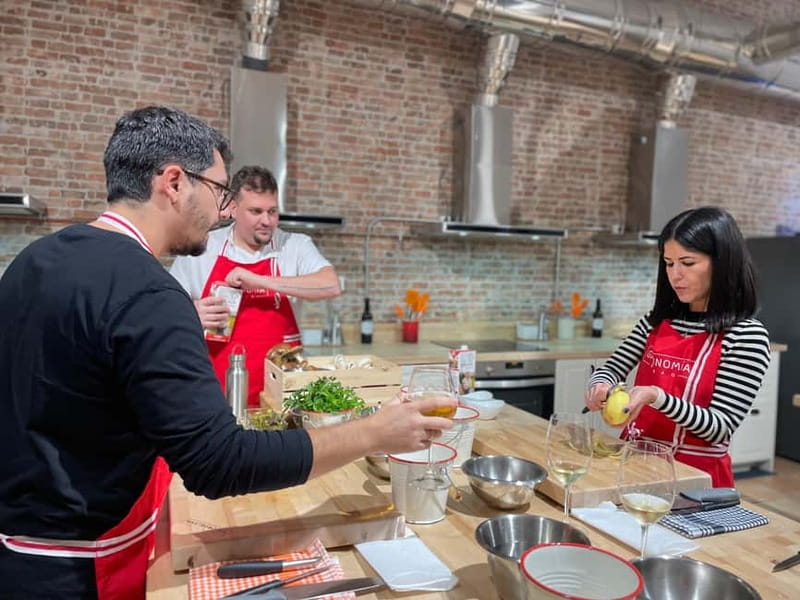
Gastronomía Bilbao also functions as a wine bar and gourmet shop. That setting matters. You are not cooking in an anonymous classroom with a row of identical workstations. The place connects the food, the wines, and the local products in one setting.
The experience lasts about three and a half hours, though one class finished closer to four hours. That extra time can be useful if the pace is relaxed, but you should avoid scheduling a tight museum visit or evening reservation immediately afterward. This is a food event, not a class designed to rush you out the door.
Starting with cheese, charcuterie, and local wine
The food begins before the cooking does. A plate of cheeses and charcuterie is offered as a complement, giving you something to eat while the class gets underway. Local wine is available throughout, with Txakoli and Rioja as the main choices.
Txakoli is the lively white wine associated with the Basque Country. Rioja, from the wider northern Spanish wine region, gives you a fuller red option that suits meat and heavier dishes. Having both on hand helps you see how the meal changes from fresh starters to stew or steak.
Non-alcoholic drinks are included as well. That is useful for anyone who does not drink, though the food and wine pairing is clearly part of the experience. If you are traveling with children or anyone avoiding alcohol, confirm the arrangements when booking, since the supplied details do not specify a minimum age or child policy.
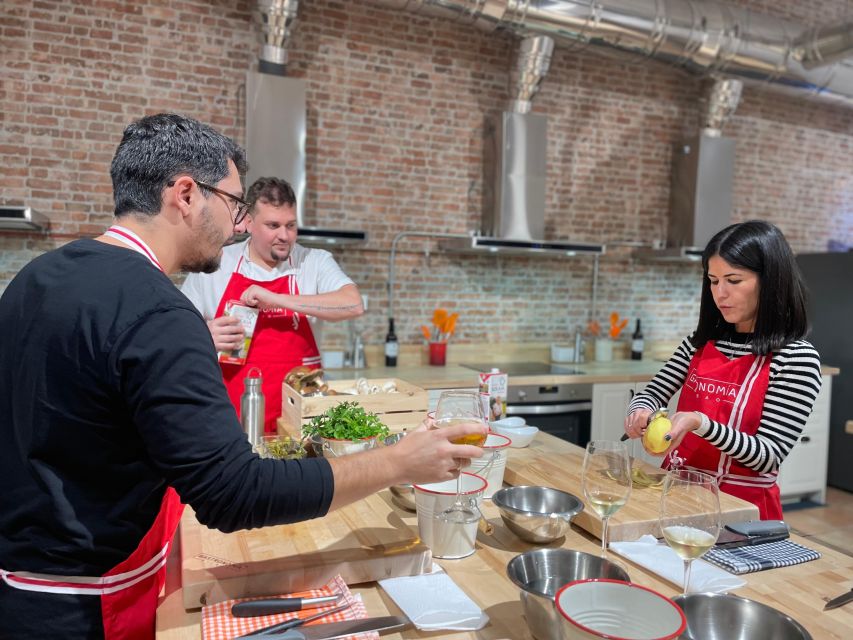
The pace sounds intentionally social. You chop, listen, taste, drink, and talk with the other people in the class. One session had seven participants, which is small enough for conversation, but no fixed group size is provided. Expect the atmosphere to depend partly on the day’s booking.
Cooking the Basque menu, one plate at a time
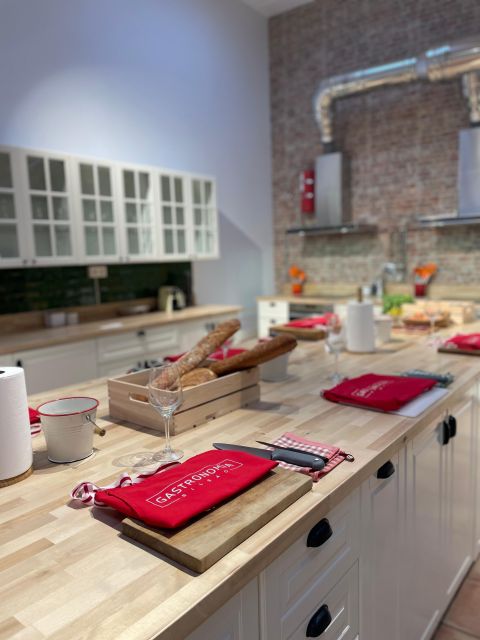
The class is described as fully hands-on, and you should expect to take part in basic preparation and cooking rather than simply watch a demonstration. You may chop vegetables, help build the base of a soup or rice dish, and work through the steps of several recipes.
The teaching also includes the story behind each dish and ingredient. That is one of the most useful parts for a visitor. A recipe becomes easier to remember when you understand why it belongs to the region and how local cooks use it.
A few more cooking classes around Spain worth a look
- Barcelona: Paella Cooking Experience & Boqueria Market Tour
★ 4.8 · 3,661 reviews - Barcelona Interactive Spanish Cooking Experience
★ 4.5 · 2,155 reviews - Paella Cooking Class in Madrid with Bottomless Wine Pairing
★ 5.0 · 985 reviews - Seville: Spanish Cooking Class with Dinner
★ 4.9 · 900 reviews
Gildas and other starters
A gilda is a classic Basque pintxo, small but full of flavor. It usually brings together salty, sharp, and briny tastes in a single bite. Preparing one gives you an early introduction to the balance that makes Basque bar food so appealing.
The class may include two or three starters in total. Sweet red peppers, green salad, and small plates built around local products are possible parts of the menu, depending on what is available. These first dishes are less about complicated technique and more about handling good ingredients with care.
That makes the class suitable for a wide range of cooking abilities. You do not need restaurant experience to follow along, and the instruction is in English. At the same time, confident home cooks should not expect a highly technical masterclass. The emphasis is on regional food, practical tips, and a relaxed meal.
Marmitako and the flavors of the coast
Marmitako is a Basque stew made with bonito, the tuna of northern Spain. It combines fish with potatoes and a cooked base, producing the sort of filling dish that makes sense after a day near the coast or in the hills.
This is where the explanation of sofrito and soup bases becomes useful. You learn how a few carefully cooked ingredients form the backbone of a dish. The cooking is not just about following a list of steps. It shows you how Basque food builds flavor without needing a long list of exotic ingredients.
The exact version may change with market supply. If bonito is not available, the class description does not promise a specific substitute, so ask ahead if this particular dish matters to you.
Chorizo in cider and the main course
Chorizo cooked in cider brings together two strong northern Spanish flavors. The dish is straightforward, but it captures the region’s fondness for food that is hearty, direct, and good with a glass of wine.
The main course may be a traditional T-bone steak, though the menu can vary. One past class included ribeye, while another featured fish stew and steak. You will get a substantial centerpiece rather than a token tasting portion.
This is also one reason the class can feel like good value despite its $165 price. You are not paying only for a short demonstration. You are buying instruction, ingredients, wine, a complete meal, and time around a table. Still, the value depends on your priorities. If you want a tightly structured technical lesson with each person cooking every component from start to finish, the format may feel less exacting.
Basque toast for dessert
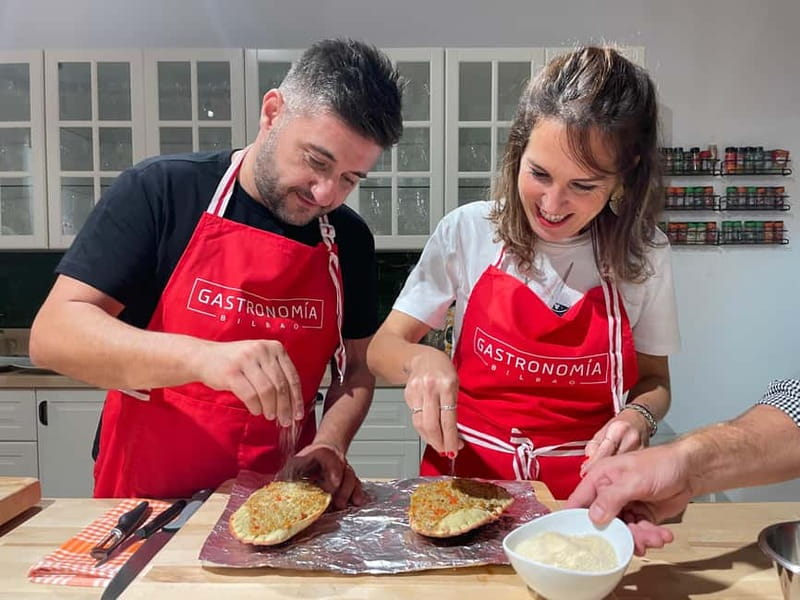
Dessert is Basque toast, described in one class as a bread-pudding-style dish. It gives the menu a simple, homestyle finish rather than a highly decorated pastry course.
Making dessert as part of the class is a smart touch. You leave with a meal that has a beginning, middle, and end, and the recipes cover more than savory food. The dessert may be one of the easier dishes, but it completes the sense that you have cooked a full Basque meal.
How hands-on is the class?
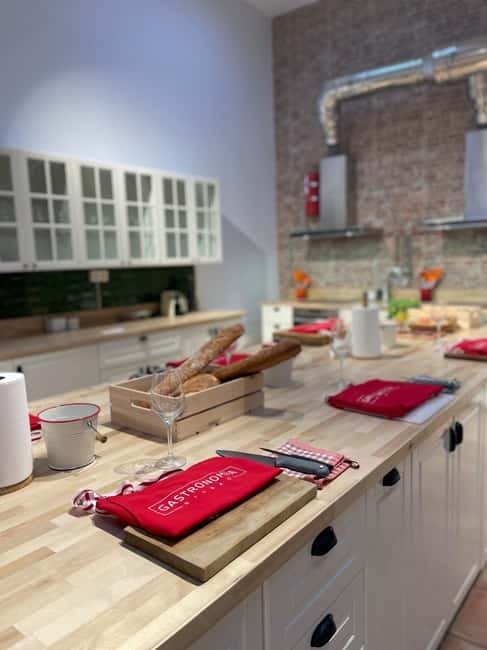
This is the most important practical question. The class is advertised as 100 percent hands-on, and several sessions included chopping, preparing a soup base, cooking rice, and making dishes from pintxos to fish stew and steak.
Still, the experience may not mean that every person cooks every step. In a shared kitchen, some jobs are naturally divided among the group. One session was described as having limited participant cooking, while other sessions felt active and personal.
I would book this for social, guided participation, not for a private chef lesson where you control each pan. If you want to learn the logic of Basque cooking, taste many dishes, and contribute without spending the full afternoon working alone at a stove, it fits well.
The class also seems easygoing rather than formal. Mikel is described as friendly and attentive, with a warm way of talking about Basque food and culture. That can make the experience more enjoyable for beginners, though people seeking a quiet, serious cooking school may find the wine and conversation a little loose.
Eating everything you prepare
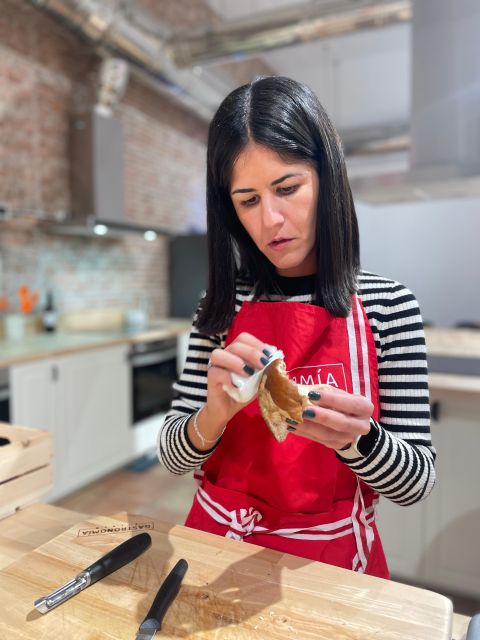
After the cooking, you sit down in a private dining room with your group and eat the meal. This is a major strength. Some cooking classes end with a small tasting, leaving you hungry and looking for a second dinner. Here, the stated plan is a full meal.
You can expect the cheese and charcuterie to supplement the dishes, not replace them. With starters, a main, dessert, and wine, plan for a long, filling sitting. The meal also gives you time to compare the results with the other participants and ask follow-up questions while the cooking is still fresh in your mind.
The social side is part of the price. You are paying for a shared table as much as for a set of recipes. If you are traveling alone, this can be a pleasant way to meet people without committing to a bar crawl. If you prefer to keep to yourself, the group format may feel less appealing.
What the $165 price really buys
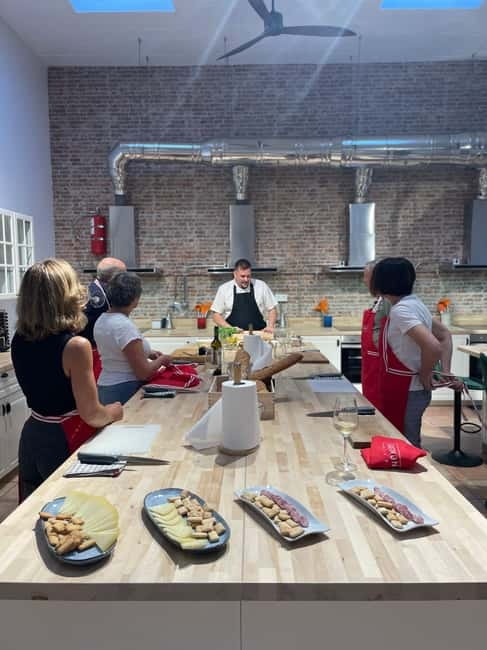
At $165 per person, this is not a budget meal. Bilbao offers cheaper ways to eat very well, especially if you spend an evening ordering pintxos and a glass of wine at several bars.
The comparison changes when you count what is included:
- A 3.5-hour cooking class
- A bilingual English-speaking chef
- Cooking equipment and an apron
- Four or five dishes
- A full meal eaten after the class
- Cheese and charcuterie
- Rioja and Txakoli
- Non-alcoholic drinks
- Recipes to take home
I see the price as fair for someone who values instruction and a long, hosted meal. It is also stronger value than a short demonstration followed by a few bites. The price is harder to justify if you mainly want to eat and do not care about cooking, or if you expect every participant to prepare a separate full dish.
The experience provider also offers a food tour and may provide a combined price for both activities. If you want both, ask about the package before booking separately.
Food restrictions and planning notes
Tell the provider about food intolerances in advance. The menu includes fish, meat, dairy, wine, bread, and pickled ingredients, so advance notice is important. The available details do not promise specific substitutions or describe a vegetarian menu.
The class is conducted in English, and the instructor is described as bilingual and Basque. Recipes are included, which helps if you want to recreate a dish later rather than rely on memory.
Free cancellation is available up to 24 hours before the experience for a full refund. You can also reserve now and pay later, which helps if your Bilbao plans are still shifting. Check the starting time and current menu when booking, since availability and market ingredients can change.
Who should book this experience?
I would choose this class if you want more than a meal but less than a professional cooking course. It suits couples, friends, solo visitors who enjoy meeting people, and food-focused families who are comfortable with a three-and-a-half-hour sitting.
It is especially useful near the start of a Bilbao stay. You learn the names and flavors of several Basque dishes, then recognize them more easily when you encounter them in pintxos bars and restaurants.
I would be more cautious if you have strict dietary needs, dislike group activities, or want to spend most of the class cooking independently. The exact hands-on time can vary, and the menu can change with the market.
Should you book the Basque cooking class?
Book it if you want Basque food, local wine, and conversation in one outing. Mikel’s personal connection to the region, the broad menu, and the complete sit-down meal make this more substantial than a quick recipe lesson.
Skip it if your main goal is the lowest-cost way to eat in Bilbao, or if you need a precise, advanced cooking workshop. For everyone else, the $165 price is reasonable for a hosted afternoon that teaches you what you are eating and leaves you with recipes, a full stomach, and a better feel for Basque food culture.
FAQ
Where does the cooking class meet?
Meet beside the gourmet shop at Gastronomía Bilbao in downtown Bilbao. Someone will be there to check you in for the experience.
How long does the class last?
The stated duration is 3.5 hours. One class lasted about four hours, so avoid booking another activity too tightly afterward.
Is the class taught in English?
Yes. The instructor is a bilingual Basque chef, and English is the listed language for the activity.
What dishes will I cook?
The class includes two or three starters, one main course, and dessert. Possible dishes include gildas, Marmitako with bonito, chorizo cooked in cider, T-bone steak, sweet red peppers, green salad, and Basque toast. The menu can change based on market availability.
Is wine included?
Yes. Local red and white wines are included, including Rioja and Txakoli. Non-alcoholic drinks are also included.
Do I eat the food prepared during the class?
Yes. The meal you prepare is served afterward in a private dining room with your group. Cheese and charcuterie are offered as an additional part of the meal.
What happens if I have a food intolerance?
Tell the provider about any food intolerances in advance. The available information does not specify which substitutions can be provided, so ask before booking if you need a modified menu.
Just added around Spain
- Basque Pintxos and Tapas Cooking Class in Bilbao★ 5.0 · 73 reviews
- Paella and Burnt Basque Cheesecake Cooking Class (in Bilbao)★ 5.0 · 46 reviews
- Small-group Immersive Basque Cooking Class in Bilbao with Open Bar★ 5.0 · 65 reviews
- Pintxos and Tapas Cooking Class in Bilbao★ 5.0 · 38 reviews
- Private Barcelona Market Tour & Paella Cooking Class with Josh★ 5.0 · 4 reviews
- Rooftop Paella Seafood Cooking Class Experience in Barcelona★ 5.0 · 59 reviews
- Private Authentic Paella Cooking Class in Barcelona with Josh★ 5.0 · 3 reviews
- Premium Paella & Tapas Feast: Unlimited Wine & Rambla Views★ 5.0 · 13 reviews
Cooking Classes, compared.
Half-Day Thai Cooking Class at Organic Farm in Chiang Mai
Read our review →
Florence: Pasta Cooking Class with Unlimited Wine
Read our review →
3 in 1 Cooking Class near Navona: Fettuccine, Ravioli & Tiramisu
Read our review →
Hanoi Cooking Class: Culture, Local Market & Meaning CSR Impact
Read our review →
5 Traditional Dishes Hanoi Cooking Class with Market Trip
Read our review →
Cooking Class and Lunch at a Tuscan Farmhouse with Local Market Tour from Florence
Read our review →
Chiang Mai: Cooking Class, Market & Thai Herbs Garden Tour
Read our review →Browse the lists this tour appears in