
Review · BUDAPEST
Budapest: Cooking School – Hungarian Menu & Local Market
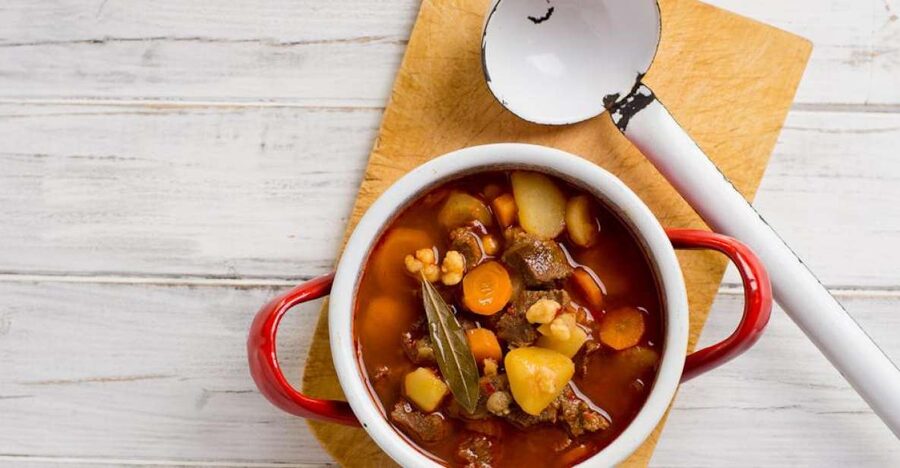
Hungarian cooking is built around a few strong flavors used well: paprika, sour cream, onions, fruit, and slow-cooked meat. This four-hour Chefparade experience lets you meet those ingredients at a local market, then turn them into lunch with an English-speaking chef. The sample menu includes creamy potato soup, chicken paprikash, and sour cherry pie.
I especially like the market tasting and the fact that you do the cooking yourself rather than simply watching a chef work. I also like the small group size, limited to 10, which gives you room to ask about ingredients, home cooking, and Hungarian food customs. The main consideration is the price, $170 per person. That is a serious lunch budget, so it makes the most sense if the cooking lesson and market visit matter as much to you as the meal.
Key points
- Start with Budapest’s Central Market Hall: Meet in front of the market at the Burger King and begin with a guided look at Hungarian ingredients and food traditions.
- Taste before you cook: Snacks include kolbász and körözött, with a small market breakfast so you are not cooking on an empty stomach.
- Cook a full Hungarian menu: A typical class may include creamy potato soup, chicken paprikash, and sour cherry pie.
- Work beside a local chef: Guides such as Sylvie, Vesna, and Aggie have led classes, with the emphasis on questions, shared work, and practical techniques.
- A compact, social class: The group is capped at 10, followed by a relaxed lunch at the cooking school.
- Take the lesson home: Recipes are included, along with unlimited soft drinks, coffee, and tea, a glass of wine, and the listed tastings.
From Central Market Hall to the cooking school
The morning begins at the Central Market Hall, one of Budapest’s easiest places to see Hungarian food in everyday form. Your meeting point is in front of the Burger King by the market. The operator provides a transfer from the market to the Chefparade cooking school, so you do not need to work out the connection between the two parts of the experience.
The market visit is not just a quick photo stop. Your chef introduces common Hungarian ingredients and explains how they fit into local cooking. This is useful because many Hungarian dishes rely on familiar foods handled in a particular way. Paprika powder, for instance, is not simply a red garnish. It is a central seasoning, and the timing and handling of it matter.
You also get a small platter of Hungarian appetizers. Kolbász, a seasoned sausage, and körözött, a paprika-seasoned cheese spread, are among the foods listed for tasting. Think of this part as a light breakfast and an introduction to the flavors you will meet later in the kitchen.
The market segment adds context that a cooking class alone might miss. You can connect the finished dishes to the raw ingredients and see that Hungarian food is not only about paprika-heavy stews. The visit is also a good chance to ask how people use particular products at home, how dishes vary, and what is worth seeking out after the class.
One practical point deserves attention. The stated meeting point is the Central Market Hall at Fővám tér, but one participant initially found a different metro stop and market reference in the directions. The problem was sorted out quickly, but I would confirm the exact meeting place before setting off, especially if you are using the metro.
More Market Tour Cooking Classes in Budapest:
- Budapest Cooking Class & Market Tour with Local Guide & Wines
★ 5.0 · 553 reviews - Budapest: Small-Group Cooking Class & Market Tour with Local
★ 5.0 · 138 reviews - Hungarian Cooking and optional Local Market Tour
★ 4.5 · 98 reviews
A small group makes the kitchen work
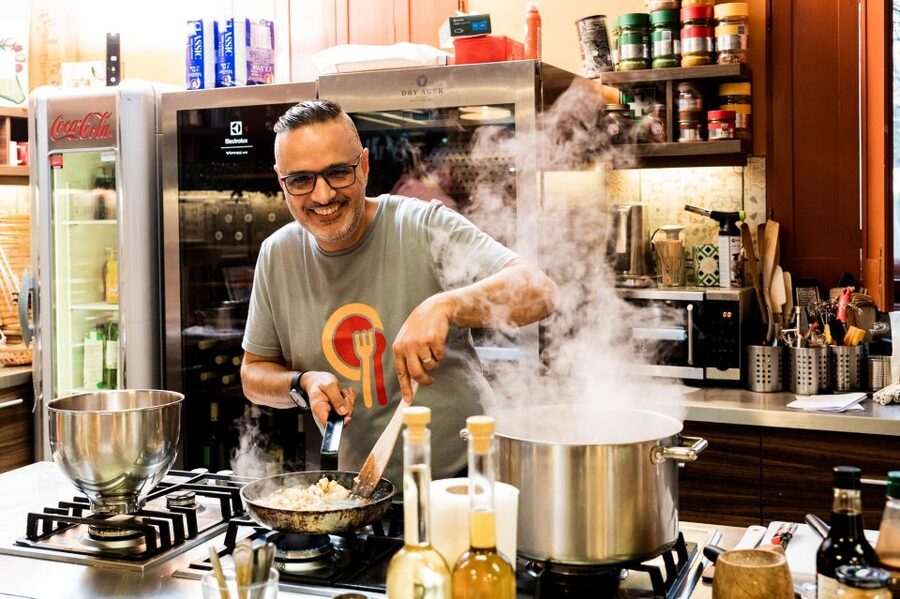
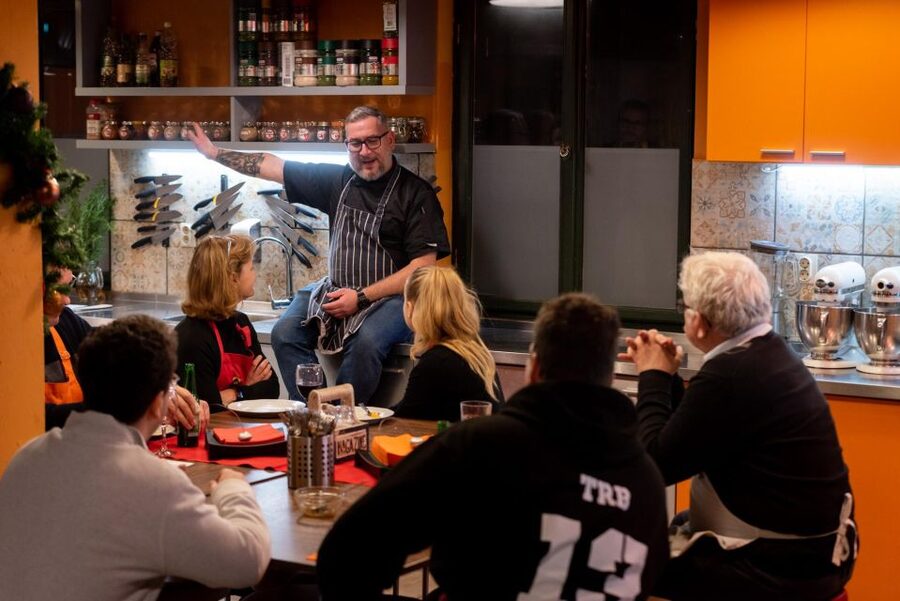
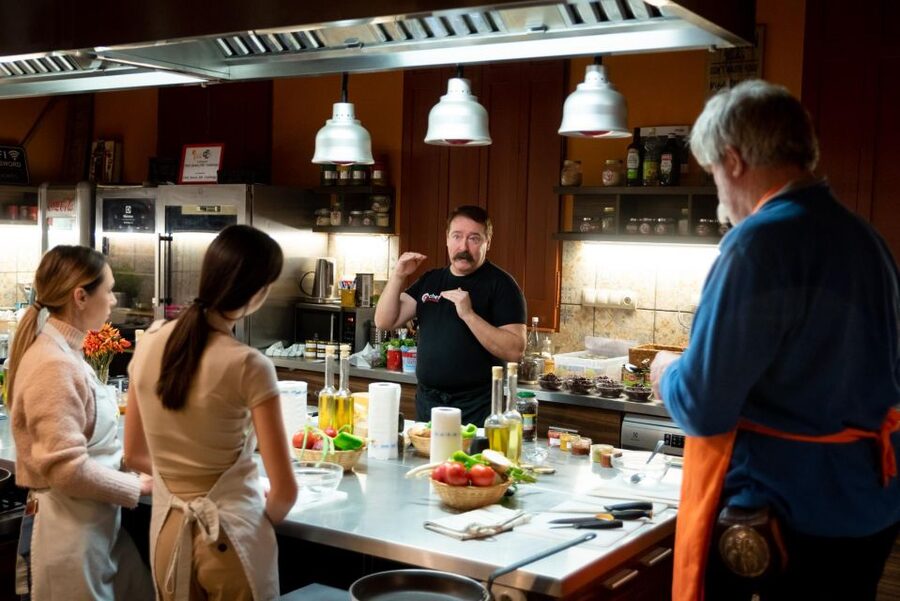
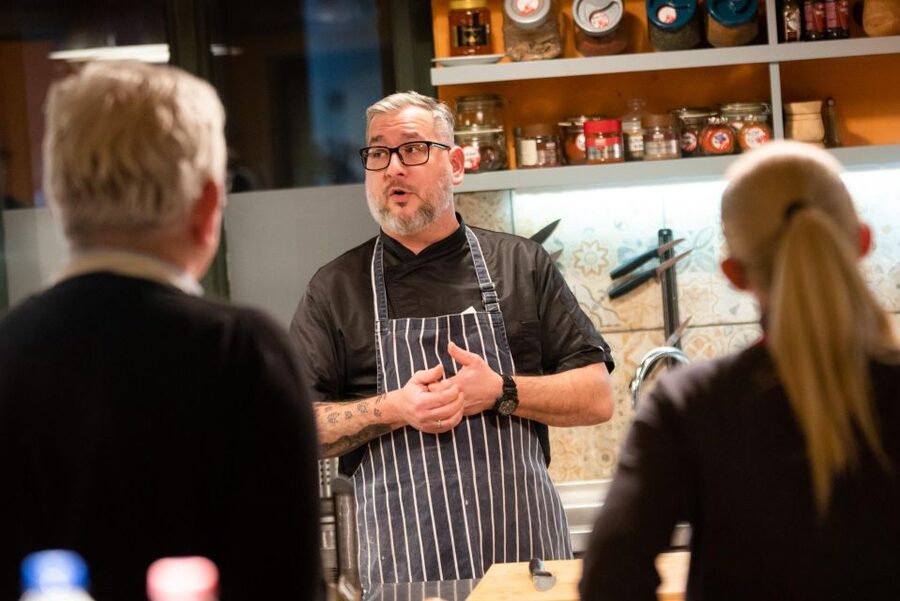
At Chefparade, the setting is a contemporary cooking studio with proper equipment and aprons supplied. The class is limited to 10 people, a useful size for a hands-on lesson. You are not lost at the back of a large demonstration room, and you have a reasonable chance to speak directly with the chef.
The tone is practical. You work alongside the instructor, prepare the food, and ask questions as you go. That matters more than a long lecture. If you want to know how much paprika to use, when to add sour cream, or how to manage several dishes at once, you can ask at the moment the technique comes up.
The chefs named in past sessions include Sylvie, Vesna, and Aggie. Vesna led a class that prepared creamy potato soup, chicken paprikash, and sour cherry pie. Aggie was praised for keeping the class friendly, organized, and unhurried. Your chef may be different, but the format is designed around direct participation rather than a fixed cooking show.
You should expect shared kitchen work rather than a private lesson. That means you will be cooking with other people, dividing tasks, and eating together afterward. For many people, that social setup is part of the appeal. If you prefer to work alone or need every minute of instruction devoted only to you, a private class would be a better match, but this experience is specifically built as a small-group activity.
The Hungarian menu, one course at a time
The exact menu can vary, but the sample dishes give you a clear idea of the food. The first course, creamy potato soup, shows how a simple vegetable can become a satisfying Hungarian starter through seasoning and texture. It is the kind of dish that works well for a home cook because the ingredients are accessible and the lesson focuses on method.
Chicken paprikash is the main course and the clearest expression of the class theme. Chicken, paprika, and sour cream come together in a dish that is familiar across Hungary and widely loved beyond it. Cooking it with a local chef helps you understand the balance between savory sauce, gentle heat, and creaminess. You are not just given a plate in a restaurant. You learn the steps well enough to try it again at home.
Dessert brings sour cherry pie, or meggyes pite. The tart fruit gives the meal a different finish from the heavy chocolate or cream desserts found in many cooking classes. It also shows the Hungarian fondness for fruit in baked sweets.
The value here is in the complete meal. You are not practicing one isolated recipe and then leaving hungry. You prepare three courses and sit down to eat them together. The class therefore works as both a lesson and a substantial midday meal.
Palinka, Unicum, and the pace of the morning
The experience includes a fruity Palinka on arrival and Unicum before lunch. These are small but meaningful parts of the introduction to Hungarian drinking culture. Palinka is a fruit brandy, while Unicum is a well-known Hungarian herbal spirit. The tasting gives you a local reference point before the meal begins.
You should treat these samples as part of the food experience, not as a separate drinking tour. The listed inclusions also cover unlimited soft drinks, coffee, and tea, plus a glass of wine with lunch. That is helpful if you want to taste the local spirits but prefer to keep the rest of the morning moderate.
The schedule lasts four hours and runs in the morning, ending with lunch. That timing works well on a Budapest sightseeing day. You get a substantial meal early enough to leave the afternoon open, though you should avoid booking another fixed activity too close to the stated finish. Cooking, eating, and the market transfer all take time, and the group is not meant to be rushed.
More Shopping Trips in Budapest:
- Easy Cooking Class Budapest – with Market Walk (local wine & pálinka included)
★ 5.0 · 62 reviews - Budapest Market Tour & Home Cooking Class with local Chef & Guide
★ 5.0 · 23 reviews - Hanoi Cooking Class: Culture, Local Market & Meaning CSR Impact
★ 5.0 · 5,147 reviews - 5 Traditional Dishes Hanoi Cooking Class with Market Trip
★ 5.0 · 4,890 reviews
What the $170 price includes
At $170 per person, this is not a cheap way to get lunch in Budapest. You can eat a good Hungarian meal for much less. The price has to be judged against the full package: a guided market visit, appetizer tasting, transfer to the school, hands-on instruction, a three-course lunch, drinks, an apron, and recipes to take home.
I would consider the cost reasonable for someone who actively wants a cooking lesson and values a small group. The recipes extend the benefit beyond the four-hour session. Chicken paprikash or sour cherry pie can become a useful souvenir because you can make the dishes for family and friends after returning home.
The price is harder to justify if you mainly want to sample Hungarian food. In that case, a market visit and restaurant meal will cost less and give you more freedom. This experience earns its price through participation, guidance, and the chance to ask questions while the food is being made.
The included food and drink also reduce the number of extra costs during the morning. You receive market appetizers, lunch, soft drinks, coffee, tea, a wine glass, and the arrival and pre-lunch spirit tastings. Still, I would book it for the cooking, not simply because drinks are included.
Why the market matters to the lesson
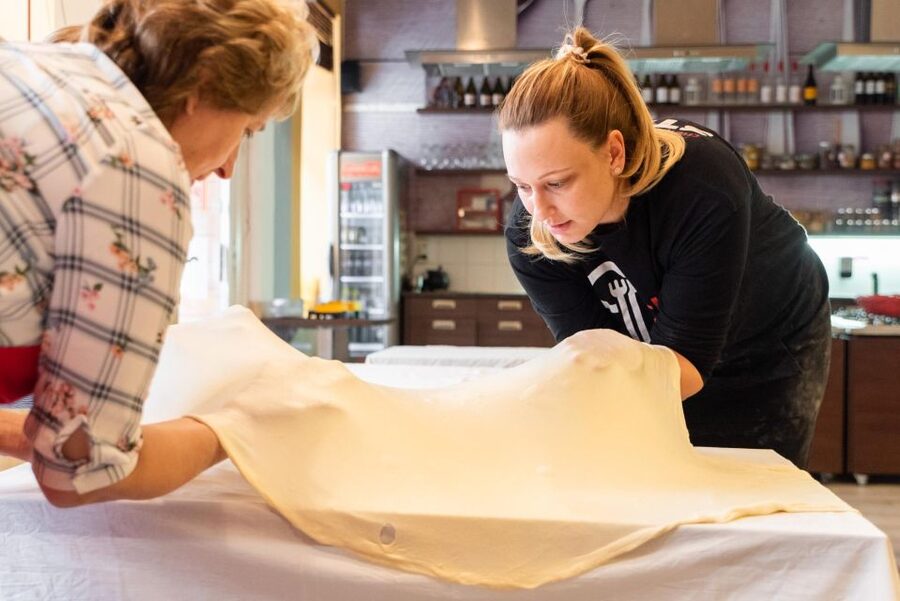
A good cooking class should help you understand how a dish belongs to a place. The market visit does that job. You begin by seeing and tasting ingredients in their local setting, then use related flavors in the kitchen.
This can be especially useful if Hungarian food is new to you. You may already know goulash or paprika, but the class gives you a wider view through sausage, cheese spread, sour cream, fruit, and market produce. The chef can also answer practical questions about how people eat these foods and how to adapt the dishes at home.
The market is not presented as a long historical tour. Its value is direct and culinary. You are there to get your bearings with Hungarian ingredients, sample a few foods, and understand what you will soon be cooking.
Dietary needs and practical planning
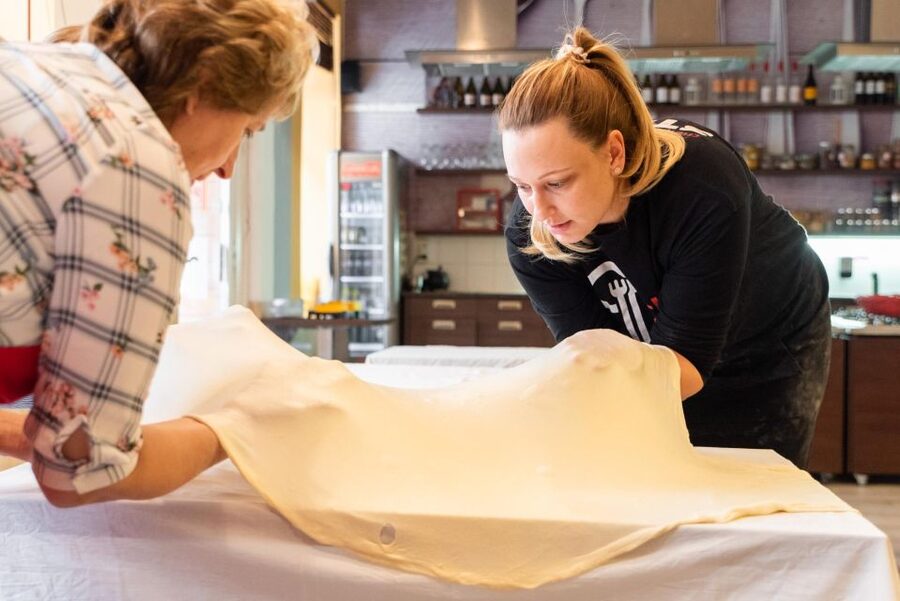
If you have dietary needs or restrictions, contact Chefparade before booking or as early as possible. The operator says it can work with you to create a menu that suits your diet. Do not assume that a change can be made at the last minute, especially when the menu includes dairy, meat, pastry, and alcohol.
The class is conducted in English. You should be comfortable following spoken instructions and asking questions in English, since that is how the chef explains the recipes and techniques.
The official meeting point is in front of the Central Market Hall at the Burger King. Because one past participant encountered unclear directions involving Lehel tér and Fővám tér, check the current meeting details carefully. Arrive with enough time to identify the group before the market visit begins.
Cancellation is flexible up to 24 hours before the activity for a full refund. You can also reserve now and pay later, which helps if your Budapest schedule is still changing.
Who will enjoy this Chefparade class
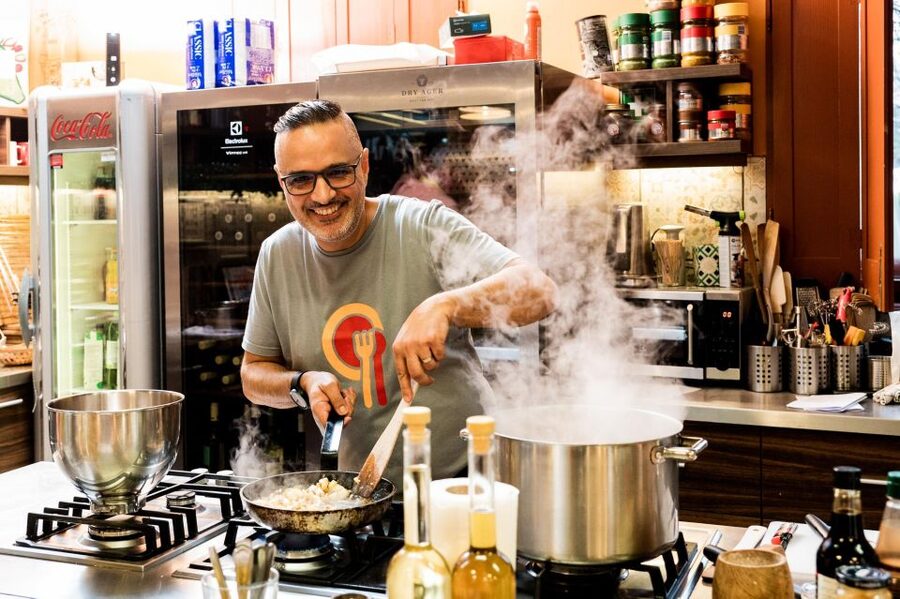
I would recommend this experience to you if you enjoy learning by doing. It suits couples, solo visitors who like meeting people, and families with older children who can take part in kitchen tasks. The small group is friendly by design, and the shared lunch gives the morning a natural finish.
It is also a strong choice if you want one Budapest activity that combines food, local shopping, and conversation. You leave with recipes rather than only photographs, and the meal gives you an immediate reward for the work.
The class may not suit you if you dislike group cooking, have a very limited budget, or want a quiet meal without instruction. It is also not the right pick if you are looking only for a market tour. The market visit is an important opening, but the bulk of the experience takes place in the cooking school.
Past classes have included birthday celebrations and relaxed conversation over lunch. That tells you something about the atmosphere: this is meant to be social, not formal. Still, the exact mood depends on the group and the chef on your date.
Should you book the Hungarian cooking class?
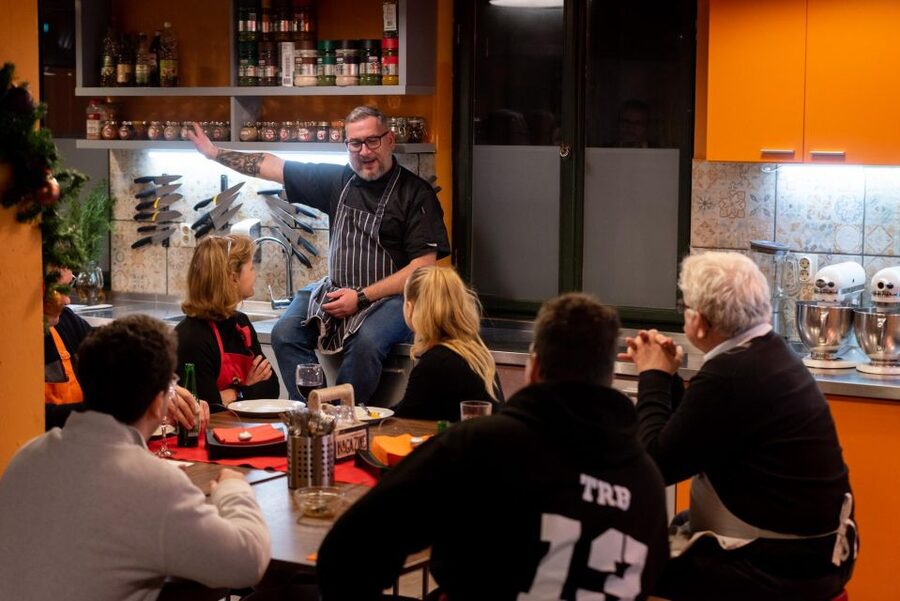
Book it if you want Hungarian food to become part of your own kitchen, not just part of your Budapest sightseeing. The strongest reasons are the market tasting, the hands-on preparation, the three-course meal, and the chance to work with an English-speaking local chef in a group of no more than 10.
At $170, it is a splurge. I would choose it over another standard meal if you value instruction and a memorable morning more than saving money. Confirm the meeting point, share any dietary needs in advance, and leave room in your schedule for the full four hours.
If that sounds like your kind of souvenir, Chefparade’s Hungarian menu class is a worthwhile centerpiece for a Budapest food day.
FAQ
Where does the cooking class meet?
Meet in front of Budapest’s Central Market Hall at the Burger King.
How long does the experience last?
The activity lasts four hours and runs in the morning, ending with a three-course Hungarian lunch.
What language is the class conducted in?
The instructor teaches in English.
How many people are in the group?
The group is limited to 10 participants.
What food is included before the cooking class?
The market visit includes Hungarian appetizers such as kolbász and körözött, described as a small breakfast or tasting platter.
What drinks are included?
You receive a fruity Palinka on arrival, Unicum before lunch, unlimited soft drinks, coffee and tea, and a glass of wine with lunch.
Can dietary restrictions be accommodated?
Yes. Contact the tour operator about your dietary needs or restrictions so a suitable menu can be arranged.
Just added around Budapest
- Walk and Cook Budapest★ 5.0 · 6 reviews
- Hungarian Home Cooking Class with Chef Marti★ 5.0 · 30 reviews
- Budapest Market Tour & Home Cooking Class with local Chef & Guide★ 5.0 · 23 reviews
- Hungarian Cooking Class with Nelli – ONLINE over Zoom★ 5.0 · 16 reviews
- Authentic Jewish Cooking Class by a Professional chef★ 5.0 · 8 reviews
- Easy Cooking Class Budapest – with Market Walk (local wine & pálinka included)★ 5.0 · 62 reviews
- Hungarian Premium Cooking Class with 4-course meal★ 5.0 · 15 reviews
- Chefparade Cooking School_ Hungarian menu★ 4.7 · 22 reviews
Cooking Classes with a Market Tour, compared.
Hanoi Cooking Class: Culture, Local Market & Meaning CSR Impact
Read our review →
5 Traditional Dishes Hanoi Cooking Class with Market Trip
Read our review →
Cooking Class and Lunch at a Tuscan Farmhouse with Local Market Tour from Florence
Read our review →
Chiang Mai: Cooking Class, Market & Thai Herbs Garden Tour
Read our review →
Chiang Mai: Authentic Cooking Class with Market & Farm Visit
Read our review →
Barcelona: Paella Cooking Experience & Boqueria Market Tour
Read our review →
Cooking Class Hoi An:Local Market, Basket Boat, Fishing & Cooking
Read our review →
Hoi An Cooking Class(Market,BasketBoat Crabfishing&Cooking Class)
Read our review →Browse the lists this tour appears in