

Review · CHIANG MAI
Chiang Mai: Morning Cooking Class with Market Visit
The best part of this Chiang Mai cooking class happens before you reach the stove. You visit a real local market, smell the herbs and spices, then pick fresh ingredients in an organic garden. I especially like the market-to-table flow and the chance to choose your own dishes rather than follow a fixed menu.
I also like that instructor New gets repeated praise for clear English, patience, and useful cooking tips. The recipe PDF gives the class a life after your holiday. The main point to watch is transport: pickup covers many central areas, but not every hotel, and the driver waits only five minutes.
Key points
- A local market comes first: See Thai ingredients in their everyday setting before cooking with them.
- Pick herbs at an organic garden: Learn how vegetables grow and gather some for your dishes.
- Choose your own menu: Select from several starters, mains, soups, curries, and desserts.
- Cook six dishes: The lesson covers more than one famous Thai recipe, so you get a broad introduction.
- Eat in air-conditioned comfort: Cook in an indoor kitchen, then sit down with your finished food.
- Recipes go home with you: The PDF cookbook helps you repeat the dishes after Chiang Mai.
From Chiang Mai hotel to local market

The experience lasts about five hours and begins with hotel pickup between 8:30 and 9:00 in the morning. You should wait in the lobby 5 to 10 minutes before your scheduled time. Because several pickup points may be combined, the vehicle can run late, but the driver will not wait more than five minutes after the agreed time.
Pickup is offered in Chiang Mai’s old city, Santitham, and along Huay Keaw Road from Kad Suan Kaew toward Maya Shopping Mall. Some parts of Nimmanhaemin Road, Sirimongkrajan Road, Wat Ket Road, Chang Phueak, Chang Khlan, and Chang Moi are also covered.
That list matters. Chiang Mai hotels can look close on a map yet sit outside a practical pickup route. Confirm your address before booking. If your hotel is not included, you can arrange your own ride to the cooking studio or market. You can also go directly to the studio if you prefer to skip the transfer.
The market visit is listed as depending on interest, so clarify this when you book if it is important to you. I would make every effort to include it. It is where the class gains much of its local character, and it gives you a useful introduction to ingredients that can seem mysterious when they are already chopped and measured.
More Market Tour Cooking Classes in Chiang Mai
- Chiang Mai: Cooking Class, Market & Thai Herbs Garden Tour
★ 4.9 · 4,824 reviews - Chiang Mai: Authentic Cooking Class with Market & Farm Visit
★ 4.9 · 4,546 reviews - Chiang Mai: Cooking Class with Market and Pickup
★ 4.9 · 1,365 reviews
Reading Thai ingredients at the morning market

At the market, you can expect to see the fresh foods used in Thai home cooking and restaurant kitchens. The point is not simply shopping. Your guide helps explain the ingredients, their uses, and the differences between familiar Thai dishes.
This is especially useful if you do not know galangal from ginger, or Thai holy basil from the sweet basil used in many Western kitchens. The class also addresses practical substitutions, which is one reason the recipes are useful back home. You may not find every Thai ingredient in your local shop, but you can learn what each one contributes and what might replace it.
The market is described as a genuinely local stop, with few foreign visitors. That makes it more valuable than a staged food demonstration, though you should expect a working market rather than a polished sightseeing attraction. It may be busy, crowded, or full of unfamiliar smells. Come ready to look closely and ask questions.
You also receive water, tea, and coffee during the activity. Since the class advises you to arrive with an empty stomach, a light breakfast is best if you need something before pickup.
Picking herbs in an organic garden
After the market, you visit an organic garden and learn how Thai vegetables and herbs are grown. You can pick some ingredients yourself and use them later in the cooking lesson.
This short farm stop adds context that a standard kitchen class often misses. Thai cooking depends on fresh aromatics, and seeing them growing helps explain why they are used generously. You gain a clearer sense of the path from garden to wok, rather than treating herbs as anonymous items in a recipe list.
The garden is also a good part of the class for families. A four-year-old was welcomed into the activity and allowed to cook alongside the adults, according to the supplied experience details. That does not mean every child will manage the full five hours easily, but it shows that young children are not automatically excluded.
The activity is wheelchair and stroller accessible, and infant seats are available. Still, outdoor conditions and the market setting can be less predictable than the indoor kitchen, so contact the provider if you have specific mobility needs.
Choosing six dishes instead of watching a fixed menu

At the cooking studio, an English-speaking instructor explains basic Thai cooking skills and guides you through the dishes. The menu lets you make choices, which is a major advantage if you already know you want Pad Thai, or if you avoid meat, seafood, gluten, or particular ingredients.
For a starter, you can choose one of these:
- Som Tam, green papaya salad
- Por Pia Thod, fried spring rolls
- Larb Kai, chicken salad
- Yam Woon Sen, glass noodle salad
These choices cover several styles of Thai food. Som Tam is fresh and sharp, spring rolls give you a hands-on folding task, Larb Kai introduces seasoned minced chicken, and glass noodle salad offers a lighter texture. If you have never cooked Thai food before, the instructor’s explanation of balance matters here: sweet, sour, salty, spicy, and fragrant ingredients need to work together.
For the main course, you can prepare Pad Thai, Pad See Ew, chicken with cashew nuts, or minced chicken with holy basil. Pad Thai is the obvious choice for many first-time visitors, but Pad See Ew offers a different noodle style and sauce. Chicken with cashew nuts is a gentler option, while holy basil chicken gives you a more strongly seasoned Thai favorite.
The soup selection includes Tom Yum Kung with prawns, Tom Kha Kai with chicken and coconut milk, Tom Kha Je as a vegan coconut soup, or Tom Zap Kai, a hot and sour chicken soup. This is a useful chance to compare two sides of Thai cooking: sharp and spicy broth, or the softer, creamy taste of coconut milk.
You also choose a curry. Options include green, red, yellow, massaman, and Panang curry. The lesson includes curry paste, so you are not simply opening a jar and adding it to a pot. You learn how the paste fits into the dish and how Thai curries differ in color, spice, and flavor.
The experience describes a total of six dishes, including a dessert. The exact combination depends on your choices and the class plan, so check the final menu with the instructor if you want a particular number of recipes.
More Market Tour Cooking Classes in Thailand
- Chiang Mai: Evening Cooking Class and Local Market Visit
★ 4.9 · 648 reviews - Evening Cooking Class in Organic Farm with Local Market Tour
★ 5.0 · 394 reviews - Cooking Morning Class Chiang Mai Visit Organic Garden and Market
★ 5.0 · 211 reviews - Half-Day Cooking Class with Market Tour
★ 5.0 · 163 reviews
Cooking in an air-conditioned studio

The cooking takes place in an indoor kitchen with air conditioning and a dining room. This is a practical detail in Chiang Mai, especially during the warmer part of the year. You can focus on chopping, mixing, pounding, and stir-frying without spending the whole lesson in heat.
All ingredients and equipment are included. The instructor demonstrates the techniques, then you prepare the food yourself. That balance suits both beginners and people who already cook. You are not left alone with a printed recipe, but you also do more than watch someone else make lunch.
The teaching style is one of the strongest parts of the experience. New is praised for speaking clear English, explaining each stage carefully, and offering tips about ingredients available in other countries. That helps you avoid a common problem with cooking classes: learning a dish that is delicious in Thailand but impossible to repeat at home.
The lesson also accommodates vegan, vegetarian, Halal, and gluten-free diets, as well as allergies. You should state your needs when booking and repeat them to the instructor before cooking. The menu includes a vegan coconut soup, but other substitutions need to be confirmed rather than assumed.
Eating what you cooked

After the cooking, you sit down and eat the dishes you made. This is more satisfying than receiving a prepared meal because you understand the work behind it. You can see which step created the texture of the noodles, the heat of the curry, or the sour note in the soup.
Dessert comes after the main dishes. You can make mango sticky rice with ice cream or fried banana. Mango sticky rice is the more recognizable Thai choice, with sweet fruit, coconut-flavored rice, and a cool finish. Fried banana is simpler and more snack-like.
The class encourages you to arrive hungry, and for good reason. Six dishes can be a lot of food, particularly if you choose several rich dishes such as curry, coconut soup, and Pad Thai. If you are part of a couple or family, sharing tastes can help you sample more without feeling uncomfortably full.
The recipe PDF is useful after your holiday

The PDF recipe book is one of the better practical benefits. A cooking class can be a pleasant morning that disappears once you leave Chiang Mai. Recipes let you repeat the dishes, adjust the spice, and test which ingredients are available at home.
I would save the PDF before leaving Thailand and note the dishes you chose. The class offers many combinations, so your personal menu may not include every dish listed. The recipe book gives you a wider reference, but your notes can remind you which curry paste, soup, or starter you actually prepared.
The supplied feedback gives particular credit to the cookbook and to the instructor’s advice about substitutions. That is valuable for home cooks in places where Thai basil, galangal, or kaffir lime leaves may be difficult to find.
Is $41 a fair price?

At $41 per person, the price is reasonable for a five-hour activity that includes hotel transport in covered areas, the market and garden visits, instruction, ingredients, equipment, drinks, a full meal, and the recipe PDF. You are paying for several linked experiences rather than a short demonstration.
There is one extra cost to notice. A visitor adult fee of 500 baht per person and a visitor child fee of 350 baht per person are listed as not included. Ask how this charge applies to your booking so the final cost does not surprise you.
The value is strongest if you want to cook several dishes and eat a substantial meal. It is less compelling if you only want a quick Pad Thai lesson or have little interest in markets and ingredient explanations. In that case, a shorter class might suit you better, but this experience gives you a wider set of skills and recipes.
Free cancellation is available up to 24 hours before the activity for a full refund, and you can reserve now and pay later. Those terms help if your Chiang Mai plans are still changing.
Who should book this Chiang Mai cooking class?

I would recommend it to first-time visitors who want food to be part of their understanding of Thailand, not just something served at a restaurant. You get market context, a garden visit, hands-on preparation, and a meal in one morning.
It also suits couples, families, and small groups with different tastes because the menu offers several choices. Vegetarians, vegans, Halal diners, and people avoiding gluten or certain allergens can request adjustments, though advance notice is important.
Experienced cooks can enjoy it too, especially if you choose less familiar dishes such as curry paste, Tom Kha Je, or Yam Woon Sen. Beginners should feel comfortable because the instructor walks through each stage and the class has been described as suitable for cooks at different levels.
The main people I would caution are those staying outside the listed pickup areas or those who dislike early starts, markets, or a long food-focused morning. You can travel to the studio yourself, but you must arrive on time to avoid missing the market portion.
Should you book it?

Book this class if you want more than a souvenir meal. The local market, organic garden, clear English instruction from New and the team, broad menu choices, and take-home recipes make it a strong value at $41, provided the extra visitor fee is clear.
I would confirm three things before paying: your hotel is inside the pickup area, the market visit is included on your date, and your dietary needs have been recorded. If those details are settled, this is a friendly, practical way to spend a Chiang Mai morning and bring Thai cooking skills home with you.
FAQ
How long does the Chiang Mai cooking class last?
The activity lasts five hours, including hotel pickup, the market and garden visits, cooking, eating, and return transportation.
What time is hotel pickup?
Pickup takes place between 8:30 and 9:00 AM. You should wait in your hotel lobby 5 to 10 minutes before the scheduled pickup time.
Which Chiang Mai areas have hotel pickup?
Pickup is offered in the old city, Santitham, and along Huay Keaw Road from Kad Suan Kaew to Maya Shopping Mall. Some areas of Nimmanhaemin Road, Sirimongkrajan Road, Wat Ket Road, Chang Phueak, Chang Khlan, and Chang Moi are also covered.
Can I go directly to the cooking studio?
Yes. You can go directly to the cooking studio if you do not want hotel transportation. If your accommodation is outside the pickup area, the provider can give you the studio or market address.
What dishes can I choose to cook?
Starter choices include Som Tam, spring rolls, Larb Kai, and glass noodle salad. Main choices include Pad Thai, Pad See Ew, chicken with cashew nuts, and minced chicken with holy basil. You can also choose a soup, curry, and dessert.
Are vegetarian, vegan, Halal, and gluten-free options available?
Yes. The activity is available for vegetarian, vegan, Halal, and gluten-free participants, as well as people with allergies. Tell the provider about your needs in advance.
Is the activity suitable for wheelchair users and children?
The activity is wheelchair and stroller accessible, and infant seats are available. Children aged 6 to 12 have a listed visitor fee of 350 baht per person.
What is included in the price?
The price includes hotel pickup and drop-off where available, the market tour, instruction, ingredients, cooking equipment, water, tea, coffee, and PDF recipe books. A visitor adult fee of 500 baht per person and visitor child fee of 350 baht per person are listed separately.
More Hands-On Workshops in Chiang Mai
- Half-Day Thai Cooking Class at Organic Farm in Chiang Mai
★ 5.0 · 19,087 reviews - Thai and Akha Cooking Class in Chiang Mai
★ 5.0 · 4,358 reviews - Chiang Mai: Cooking Class with Organic Farm at Mama Noi
★ 4.9 · 1,151 reviews - Cooking Class with Organic Farm in Chiang Mai at Mama Noi
★ 5.0 · 502 reviews
More Shopping Trips in Chiang Mai
- Chiang Mai: Traditional Thai Cooking Class with Market Tour
★ 4.8 · 137 reviews - Chiang Mai: Traditional Thai-Akha Cooking Class& Market Tour
★ 5.0 · 25 reviews - Chiang Mai: Half Day Evening Cooking Class with Market Tour
★ 4.9 · 19 reviews - Chiang Mai: Half Day Morning Cooking Class with Market Tour
★ 4.9 · 10 reviews
Just added around Chiang Mai
- Chiang Mai: Local Northern Thai Cooking Class at Grandma’s★ 5.0 · 33 reviews
- Chiang Mai: Half Day Morning Cooking Class with Market Tour★ 4.9 · 10 reviews
- Half-Day Thai Cooking Class on a Local Farm Near Chiang Mai★ 4.9 · 32 reviews
- Half-Day Cooking Class with Market Tour★ 5.0 · 163 reviews
- Chiang Mai: Half Day Cooking Class at Organic Farm★ 4.8 · 96 reviews
- Full Day Thai Cooking Class in Organic Farm and Market★ 5.0 · 3 reviews
- Chiang Mai: Traditional Thai Cooking Class with Market Tour★ 4.8 · 137 reviews
- Chiang Mai: Traditional Thai-Akha Cooking Class& Market Tour★ 5.0 · 25 reviews
Cooking Classes with a Market Tour, compared.
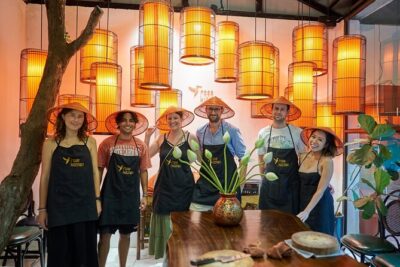
Hanoi Cooking Class: Culture, Local Market & Meaning CSR Impact
Read our review →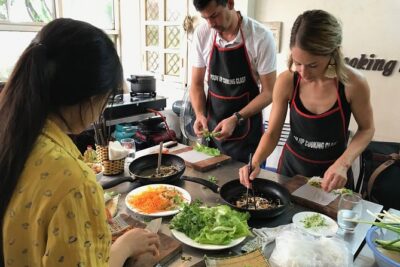
5 Traditional Dishes Hanoi Cooking Class with Market Trip
Read our review →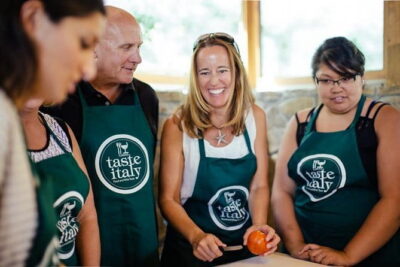
Cooking Class and Lunch at a Tuscan Farmhouse with Local Market Tour from Florence
Read our review →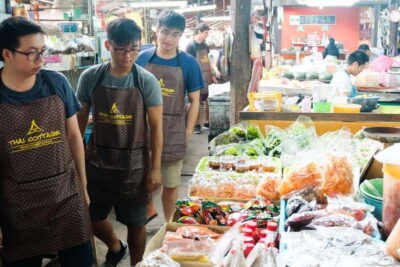
Chiang Mai: Cooking Class, Market & Thai Herbs Garden Tour
Read our review →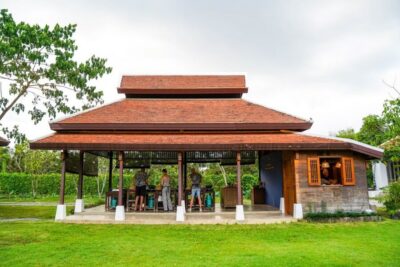
Chiang Mai: Authentic Cooking Class with Market & Farm Visit
Read our review →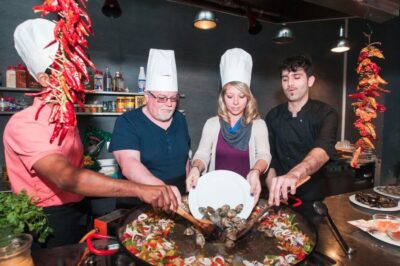
Barcelona: Paella Cooking Experience & Boqueria Market Tour
Read our review →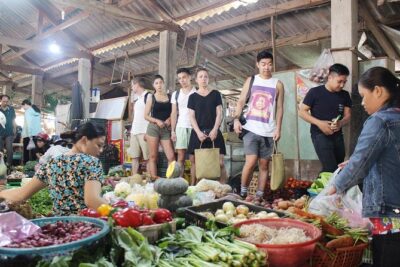
Cooking Class Hoi An:Local Market, Basket Boat, Fishing & Cooking
Read our review →
Hoi An Cooking Class(Market,BasketBoat Crabfishing&Cooking Class)
Read our review →Browse the lists this tour appears in