

Review · CHIANG RAI
Chiangrai: Group Trekking with Bamboo Cooking
Chiang Rai’s best bite is not served in a restaurant. It is cooked inside bamboo, over a jungle fire, with handmade tools and ingredients prepared along the trail. This full-day outing pairs that unusual lunch with hill-tribe villages, tea plantations, a waterfall, and a hot spring for $59.
I like the small group of up to 10 and the chance to meet several communities in one day without spending the whole time in a minivan. I also like the practical nature of the bamboo cooking: you do the work, then eat what you made. The catch is the hike. At 10 to 12 kilometers and roughly five to six hours on foot, with slippery sections, this is not a gentle stroll.
Key points to know before booking

- Bamboo cooking is the day’s star: You help prepare traditional Thai dishes inside bamboo, then eat the meal together in the forest.
- Four cultural stops add variety: The route includes Lisu, Chinese, Akha, and Lahu communities, each offering a different glimpse of life in northern Thailand.
- The walk is serious: Expect 10 to 12 kilometers over five to six hours, with some steep, wet, or slippery ground.
- Nature comes in several forms: You’ll pass tea plantations, walk jungle trails, visit a waterfall, and stop at a natural hot spring.
- The group stays small: No more than 10 people join, with an English or Spanish-speaking local guide.
- Bring mosquito repellent: This is practical advice, not a minor detail. You’ll spend much of the day outdoors and in forested areas.
Bamboo cooking gives this Chiang Rai trek its purpose

Many northern Thailand excursions take you to a village, point at a plant, and move on. This one gives you something to do. You gather bamboo from the jungle, use it to prepare lunch, and learn how traditional dishes can be cooked without a modern kitchen.
That hands-on element gives the day a stronger sense of place. You are not simply looking at the forest. You are using part of it in a practical way, then sitting down to eat in the same setting. The food is one of the most praised parts of the outing, and that makes sense: a bamboo meal is both a cooking lesson and a memorable lunch.
You should tell the operator about dietary restrictions or special requirements before the day begins. The cooking takes place at lunchtime, so this is the right moment to make sure the menu works for you.
A few more cooking classes around Thailand worth a look
- Chiang Rai: Jungle Adventure-Group Trekking & Bamboo Cooking
★ 4.9 · 166 reviews - 1 Day Trekking Group Tour With Bamboo Cooking / Chiang Rai
★ 5.0 · 51 reviews - Full Day Trekking & bamboo cooking Tour in Chiang Rai
★ 5.0 · 7 reviews
A 9:00 pickup starts a long day outside
Pickup is scheduled between 9:00 and 9:15 in the morning from your hotel lobby in Chiang Rai city. You should provide the hotel name and be ready downstairs rather than expecting the driver to search for you.
The information says hotel pickup and drop-off by car in Chiang Rai city are included. It also lists transportation to the starting point as not included, which is unclear alongside the pickup arrangement. I would confirm this detail before booking, especially if the trailhead is outside the city or if you are staying beyond the usual pickup area.
The outing lasts one day, and you return to your hotel after the final stop. With five to six hours of walking plus village visits, lunch, swimming time, and the hot spring stop, this is a full day rather than a quick half-day activity.
Lisu and Chinese villages show two sides of the region

The first cultural stop is a Lisu village. The aim is to give you a look at local traditions and daily life, rather than rushing straight into the forest. This can be one of the more meaningful parts of the morning if you approach it with attention and respect.
You then visit a Chinese village. Northern Thailand has long been shaped by different ethnic communities, and this second stop adds another perspective. The value here is the contrast. You are not seeing one generic version of hill life, but several communities with distinct customs and backgrounds.
The exact activities at each village are not specified, so you should not expect a formal performance or a long museum-style explanation. This is best approached as a guided look at local life along a walking route. Keep your camera respectful, ask before photographing people, and allow the guide to explain what is appropriate.
Tea plantations bring an easier stretch to the route

After the villages, the walk reaches tea plantations. The air around freshly grown tea leaves is a welcome change from the heat and dust of the trail, and the rows of plants give you a clear sense of how the area is used for farming.
This section is also useful for pacing. A 10 to 12 kilometer route needs a few changes of scenery, and tea fields provide one. You can pause, breathe, and take in the view before the more unusual part of the day begins.
Still, do not mistake the plantation stop for a relaxed garden walk. The total distance remains substantial, and the route continues through natural terrain. Comfortable shoes are essential. If you own proper hiking shoes, bring them rather than relying on casual sandals.
Same place, a different menu:
- Half-Day Thai Cooking Class at Organic Farm in Chiang Mai
★ 5.0 · 19,087 reviews - Chiang Mai: Cooking Class, Market & Thai Herbs Garden Tour
★ 4.9 · 4,824 reviews - Chiang Mai: Authentic Cooking Class with Market & Farm Visit
★ 4.9 · 4,546 reviews - Thai and Akha Cooking Class in Chiang Mai
★ 5.0 · 4,358 reviews
The bamboo lunch is the most memorable stop

The cooking session is the heart of the experience. Bamboo is sourced from the jungle and turned into a cooking vessel, while handmade tools help with preparation. You learn the method, take part in the work, and eat the result together.
That process matters more than the novelty of food cooked in a hollow stalk. It shows how local materials can serve several purposes at once, from fuel and tools to cooking equipment. You also get a meal that feels tied to the setting instead of a packed lunch carried from town.
The food has received especially strong praise, with the bamboo dishes described as delicious, exotic, and satisfying. I would set realistic expectations about the menu, though. The supplied details do not name the dishes or promise a particular meat, vegetarian option, or level of spice. Share your dietary needs in advance.
The cooking takes place outdoors, so conditions may be basic. That is part of the appeal, but it also means you should not expect restaurant comfort, a long menu, or a polished cooking studio. You are there to work with the group and eat a traditional-style meal in the forest.
The waterfall section requires care
The route continues to what is described as the second largest waterfall. You can relax there and swim if conditions allow, surrounded by jungle sounds and natural scenery.
This is where the practical warnings matter most. One account describes wet and slippery sections that felt dangerous, while another says the waterfall and hot spring stops did not take place on that particular day. The published plan includes both, but weather, trail conditions, local decisions, or timing may affect what happens.
Bring swimwear and a towel if you want the option to swim. At the same time, understand that you may carry those items for the whole walk and not use them. Pack them as lightly as possible, preferably in a small waterproof bag.
The route is not presented as suitable for beginners, and I would take that seriously. You need steady footing, a reasonable level of fitness, and comfort walking for several hours. Wet ground can make an otherwise manageable path much harder.
Akha and Lahu villages complete the cultural route

Later in the day, the trek reaches Akha and Lahu villages. By this point, you will have seen four different communities: Lisu, Chinese, Akha, and Lahu.
The strength of this arrangement is variety. Instead of spending the full day on one trail with only scenery, you get repeated contact with the human side of northern Thailand. The drawback is that the village visits may feel brief, since the program also includes a long walk, lunch, waterfall, and hot spring.
You should think of these stops as part of a wider regional introduction, not as deep cultural study. The guide can help you understand what you are seeing, but one day cannot explain every custom or community in detail. The experience works best if you listen, ask considerate questions, and avoid treating the villages as photo backdrops.
A hot spring offers a final chance to rest

Before returning to Chiang Rai, the group stops at a natural hot spring. After hours on the trail, warm water can be a pleasant way to loosen tired legs and slow the pace before the drive back.
The hot spring ticket is included. As with the waterfall, however, the schedule may not always unfold exactly as planned. One account indicates that the hot spring stop did not happen on a particular outing, so I would confirm current conditions if soaking is a major reason for booking.
The hot spring is a bonus, not the main reason to choose this tour. Book it for the combination of hiking, villages, and bamboo cooking. If you need guaranteed swimming or soaking time, ask the operator before departure.
How difficult is the 10 to 12 kilometer walk?

The distance is the clearest dividing line for this experience. You will walk about 10 to 12 kilometers, with walking time of roughly five to six hours. Some parts can be physically demanding, and wet or slippery ground may increase the difficulty.
This is not appropriate for pregnant women. It is also a poor match for anyone with physical problems, limited stamina, or little experience on mountain paths. Children may find the distance and footing difficult as well, and the available information does not present the tour as child-friendly.
You should bring:
- Hiking shoes or sturdy comfortable shoes
- Swimwear and a towel
- Sunscreen
- Insect repellent
- Drinking water, although additional water is included
- A small day bag that leaves your hands free
Do not rely on ordinary trainers if rain has made the trail slick. You want shoes with a good grip. Mosquito repellent deserves special emphasis. The forest setting makes it a basic item, and carrying it is far easier than dealing with bites all afternoon.
What the $59 price includes
At $59 per person, the cost is reasonable for a full day that combines transport from Chiang Rai city, a local guide, bamboo cooking, lunch, travel insurance, drinking water, and the hot spring admission.
The value improves if you want an active day rather than a simple sightseeing circuit. You are paying for guiding through natural trails, cultural interpretation, food preparation, and the coordination of several stops. A smaller group of up to 10 also gives the guide more room to help during the cooking session and on difficult sections.
The price is less compelling if you mainly want easy sightseeing. A large part of the day is spent walking, and the route may feel too demanding if you prefer to move between attractions by vehicle. You also need to clarify the note about transportation to the starting point, since that could affect the final cost.
Pickup and drop-off are included for hotels in Chiang Rai city. Personal expenses are not included. The tour also offers free cancellation up to 24 hours ahead and a reserve-now, pay-later option, which helps if your route through northern Thailand is still changing.
The guides matter on a route like this
The operator provides a local English or Spanish-speaking guide with expertise in nature trails. No guide names are provided, so I cannot tell you who will lead your particular departure.
That local guidance is especially important here. The value is not only in explaining villages or identifying parts of the forest. A good guide also helps you judge footing, manage the pace, organize the bamboo cooking, and decide how to handle changing trail or water conditions.
One guide-related strength is the small group size. Ten people is still enough for a social day, but it is far easier to hear instructions and take part in cooking than it would be with a large bus group. The available feedback also gives the guides high marks for being kind, helpful, and fun, which can make a long day feel lighter.
The listed languages are English and Spanish. If you need another language, it is not promised here.
Who should book this experience?
I would recommend it to you if you want a physical day in the countryside, enjoy learning by doing, and prefer local food and village visits to a standard sightseeing loop. It is a good fit for hikers who want variety rather than a pure nature walk.
You are likely to enjoy it most if you can walk for several hours, cope with uneven ground, and accept that outdoor plans can change. The bamboo cooking is a real reason to go, not a filler between attractions.
I would hesitate if you want dramatic sights at every turn. The route includes attractive scenery, but it is not sold as a series of major landmarks. One account found the trek pleasant without finding it spectacular. That is a fair expectation: the pleasure comes from the whole day, not one breathtaking viewpoint.
I would also look elsewhere if you need a relaxed family outing, have limited mobility, dislike wet trails, or consider swimming and hot springs essential. The route may not deliver every water activity on every departure.
Should you book the Chiang Rai bamboo cooking trek?
Book this tour if you want to walk through a less polished side of Chiang Rai and take part in a meal that you help create. The combination of four village communities, tea plantations, jungle paths, bamboo cooking, and possible waterfall and hot spring stops gives the day genuine variety.
Before paying, confirm the starting-point transport, ask about current waterfall and hot spring conditions, and tell the operator about dietary needs. Then pack proper shoes, insect repellent, and modest expectations about comfort.
For an active visitor who values food, culture, and direct contact with the countryside, $59 is a solid deal. For a beginner hiker looking for an easy outing, it is the wrong choice.
FAQ
How long is the Chiang Rai trekking route?
The walking distance is approximately 10 to 12 kilometers, with around five to six hours of walking.
What time is hotel pickup?
Pickup takes place between 9:00 and 9:15 in the morning from your hotel lobby in Chiang Rai city. You should provide the hotel name and be ready in the lobby.
Is transportation from the hotel included?
Pickup and drop-off by car from hotels in Chiang Rai city are included. The activity information also says transportation to the starting point is not included, so you should confirm this detail before booking.
What languages does the guide speak?
The tour provides a live guide in English or Spanish.
Is bamboo cooking included?
Yes. You learn how to cook traditional Thai dishes using bamboo and handmade tools, then eat the meal together.
Can I swim at the waterfall?
Swimming at the waterfall is included in the planned experience, but conditions or the day’s schedule may affect whether it takes place. Bring swimwear and a towel if you want to be prepared.
Is the hot spring entrance included?
Yes. The hot spring ticket is included, although the stop may depend on conditions and timing.
What should I bring?
Bring comfortable or hiking shoes, swimwear, a towel, sunscreen, insect repellent, and any personal items you need for a long day outdoors. Drinking water is included.
Is the trek suitable for pregnant women?
No. The activity is not suitable for pregnant women.
Can I cancel the booking?
You can cancel up to 24 hours in advance for a full refund. A reserve-now, pay-later option is also available.
Just added around Thailand
- One Day Trekking Chiang Rai Jungle Adventure and Bamboo Cooking★ 3.5 · 3 reviews
- Full Day Trekking & bamboo cooking Tour in Chiang Rai★ 5.0 · 7 reviews
- Chiang Rai Private Cooking Class – Cooking With Ann★ 5.0 · 35 reviews
- Authentic Thai Cooking Class and Farm Visit in Chiang Mai★ 5.0 · 66 reviews
- Team Aim Thai Cooking School (#1 Cooking Class in Chiang Mai)★ 5.0 · 36 reviews
- Private Half-Day Thai Cooking Class in Chiang Mai★ 5.0 · 4 reviews
- Half Day Guided Thai Cooking Class in Chiang Mai★ 5.0 · 13 reviews
- Aroidee’s Farm-Fresh Thai Cooking Experience★ 5.0 · 8 reviews
Cooking Classes, compared.
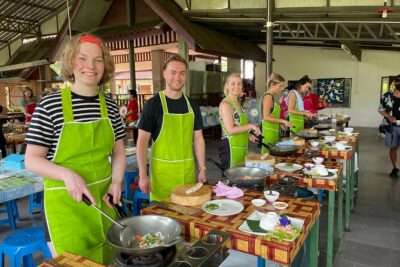
Half-Day Thai Cooking Class at Organic Farm in Chiang Mai
Read our review →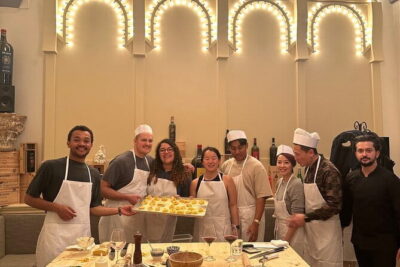
Florence: Pasta Cooking Class with Unlimited Wine
Read our review →
3 in 1 Cooking Class near Navona: Fettuccine, Ravioli & Tiramisu
Read our review →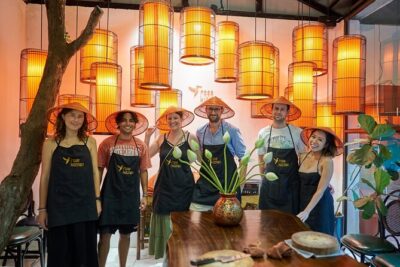
Hanoi Cooking Class: Culture, Local Market & Meaning CSR Impact
Read our review →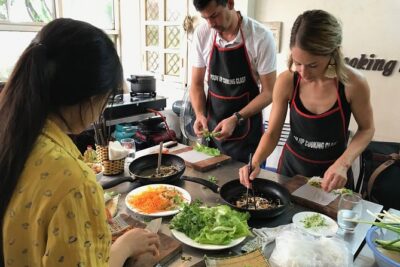
5 Traditional Dishes Hanoi Cooking Class with Market Trip
Read our review →
Cooking Class and Lunch at a Tuscan Farmhouse with Local Market Tour from Florence
Read our review →
Chiang Mai: Cooking Class, Market & Thai Herbs Garden Tour
Read our review →Browse the lists this tour appears in