Review · COOKING CLASSES
Cooking and Salsa Dance Lesson Combo
La Fortuna’s best cultural evenings do not require a museum ticket. Here, you chop vegetables, shape tortillas, cook a Costa Rican dinner, eat it with new friends, and then try salsa steps under the patient eye of instructors such as Kathy, Katherine, or Jenny. The food is the anchor, but the dancing gives the night its sparkle.
I like the hands-on cooking and the useful meal you can repeat at home. I also like the small-group format, which can make it easier to ask questions, meet people from other countries, and laugh off a few clumsy dance steps. The main drawback is the open-air setting: it can feel warm, and bugs or heat may bother you during the cooking portion.
Key points before you book
- Casado is the star dish: Expect a traditional plate built around ingredients such as rice, beans, chicken or another protein, fried plantains, and picadillo.
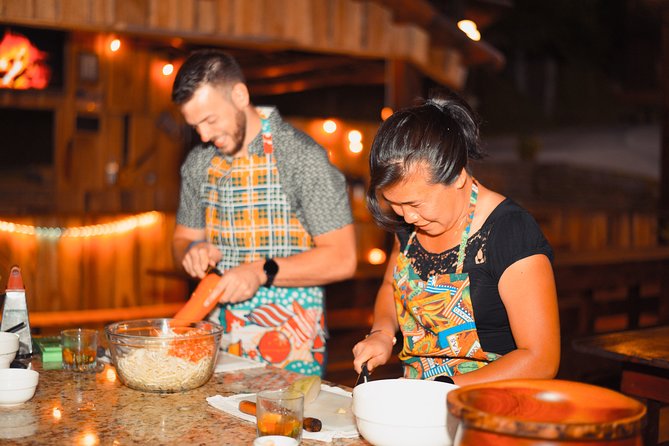
- The class is truly participatory: You may chop produce, prepare tortilla dough, cook the tortillas, and help assemble the meal.
- Dance comes after dinner: The lesson covers salsa and may include merengue, cumbia, and bachata basics.
- Kathy receives especially warm praise: She is described as patient, friendly, and effective with both cooking and dance instruction.
- Hotel transportation is included: The published meeting point is near Iglesia de La Fortuna de San Carlos, with a 5:00 pm start.
- Plan for tropical conditions: The covered venue is open to the air, so light clothing, comfortable shoes, and bug spray make sense.
A Costa Rican dinner you help create
This experience works because it puts you inside an ordinary part of Costa Rican life: preparing and sharing a meal. You do not simply sit down in a restaurant and watch someone else bring out the food. You take part in the work, then taste the result while the cooking is still fresh in your mind.
The featured dish is generally a casado, one of Costa Rica’s familiar home-style meals. The exact protein may vary. Past menus have included chicken, rice, black beans, fried sweet plantains, and picadillo, while one evening featured a curry-style chicken dish with the same generous mix of sides.
That variety matters. You should not treat the menu as a fixed restaurant order. The core idea is a balanced Costa Rican plate, with simple ingredients prepared in several ways. Rice and beans provide the base, plantains add sweetness, and picadillo brings vegetables and seasoning. The result is filling without being fussy.
You may also prepare homemade tortillas. One family described making the dough, shaping it, and cooking it themselves. That is the sort of small task that makes the class more memorable than a demonstration. You learn how the texture should feel, how the ingredients come together, and how much work sits behind a dish that looks simple on the plate.
The cooking instructor explains the steps as you go. Kathy is the name most often associated with the experience, though other accounts refer to Katherine, Kathi, Jenny, or Jennifer. That may reflect different members of the local team. The consistent point is that the instructors guide the group closely and explain the food in clear, practical terms.
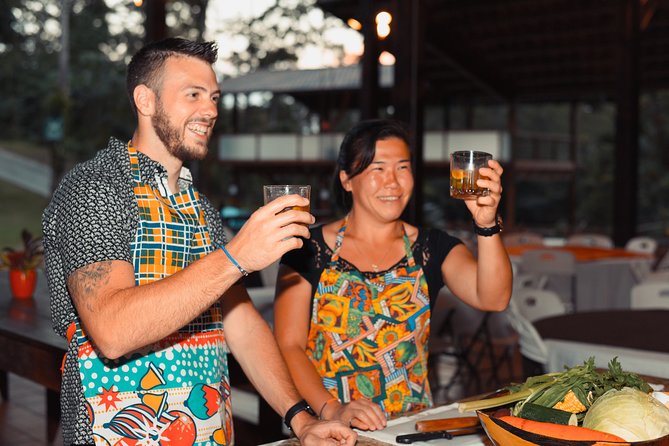
A Costa Rican drink may be served before or during the cooking portion. One account describes a Costa Rican-inspired whiskey drink, while another mentions a local cocktail. Since the exact beverage is not specified, think of it as a welcome drink rather than a fixed part of a published drinks menu.
More Hands-On Workshops in the world:
- Half-Day Thai Cooking Class at Organic Farm in Chiang Mai
★ 5.0 · 19,087 reviews - Florence: Pasta Cooking Class with Unlimited Wine
★ 4.9 · 10,285 reviews - 3 in 1 Cooking Class near Navona: Fettuccine, Ravioli & Tiramisu
★ 5.0 · 7,376 reviews
Why casado makes a good cooking lesson
Casado is a smart choice for a short class because it combines several basic cooking skills in one plate. You work with vegetables, grains, beans, plantains, protein, seasoning, and tortillas. Each part teaches something different without requiring advanced equipment or complicated technique.
The dish also gives you a useful souvenir. Recipes may be shared after the class, and several people left with enough confidence to recreate the meal at home. That is a real advantage over an activity that ends with a nice photograph and little you can use later.
I would not book this expecting a formal chef-training session. The lesson is social and practical. You will learn the broad method, help with the preparation, and eat well. You will not leave as a professional cook, but you can leave knowing how to build a satisfying Costa Rican plate in your own kitchen.
The amount of food can be generous, so arrive ready to eat. This is not a tiny tasting menu. You help prepare a proper dinner, and that makes the experience particularly useful after a day of hiking, rafting, or exploring around La Fortuna.
From the church meeting point to the open-air kitchen
The stated start time is 5:00 pm, and the meeting point is at Iglesia de La Fortuna de San Carlos. Round-trip transportation from your hotel is provided, which removes one of the evening’s practical headaches. Still, confirm the pickup details before the day of the activity. One person had a mix-up over the pickup time, though it was corrected quickly.
The ride takes you away from the central town area to the cooking venue. Exact driving time is not provided, but the setting is described as a short ride from La Fortuna. The venue is covered but open on the sides, giving the evening an outdoor feel without leaving you fully exposed to the weather.
That design has two sides. You get a more relaxed, local atmosphere than you might find in a sealed classroom. You can also feel the tropical air and hear the evening around you. On the other hand, the heat can build up during the cooking portion. One person left early because the temperature was uncomfortable and missed the dancing.
Dress for warmth. Comfortable clothes and shoes are more useful than anything dressy. Bug spray is a sensible addition, especially because the space is open air. If you are sensitive to heat, ask about the setting and ventilation when you confirm your pickup.
Cooking together, not watching from the sidelines
The class is built for participation. You may dice vegetables, cut produce, prepare the tortilla dough, cook the tortillas, and help with the rest of the meal. The instructors explain knife use and cooking steps as they go, with attention to basic safety.
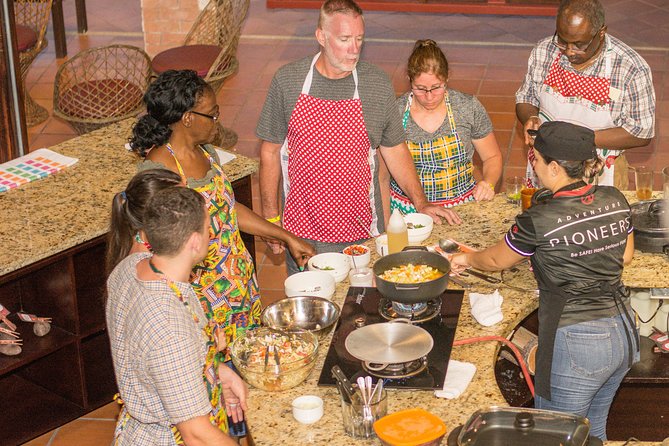
That format suits families and mixed-age groups. A family with children aged 3, 6, and 14 found jobs for everyone, while another group included people from roughly 9 to 60 years old. Younger children may not stay engaged for every step, and one child became too tired to continue, but the instructor handled that kindly.
You should also expect to share tasks. This is not a private cooking lesson in which you control every pan. The group prepares the meal together, so some work is collaborative. That is part of the appeal if you like meeting people, but it may disappoint you if you want a quiet, highly individualized class.
The group size needs a little explanation. The experience is promoted as an intimate activity capped at 10 participants, yet the additional booking information gives a maximum of 60 travelers. Those details do not match. Based on the way the activity is described and the small classes reported, you should ask about the expected group size for your date rather than assume every session will be limited to 10.
A few more cooking classes around the world worth a look
- Florence: Pasta & Tiramisu Cooking Class with Unlimited Wine
★ 4.9 · 6,708 reviews - Florence: Pasta Cooking Class with Unlimited Wine
★ 5.0 · 6,413 reviews - Hanoi Cooking Class: Culture, Local Market & Meaning CSR Impact
★ 5.0 · 5,147 reviews - 5 Traditional Dishes Hanoi Cooking Class with Market Trip
★ 5.0 · 4,890 reviews
Dinner brings the group together
Once the food is ready, everyone sits down to eat the meal they helped prepare. This is when the class shifts from instruction to conversation. You can compare cooking habits, talk about Costa Rica, and get to know people you may have met only an hour earlier.
The shared meal is one of the strongest parts of the evening. Cooking gives a group something to do together, while dinner gives everyone a reason to slow down. It is easy to make new connections when the common subject is right in front of you, especially after a day of outdoor activities.
The food receives consistent praise, with particular approval for the freshness and the traditional mix of flavors. Expect home-style cooking rather than a polished fine-dining presentation. The point is to understand how ordinary ingredients become a complete Costa Rican dinner.
If you have a small appetite, keep that in mind before you arrive. The portions are described as ample, and the dance lesson follows the meal. You may want to pace yourself rather than fill your plate too quickly.
Salsa after supper, with room for two left feet
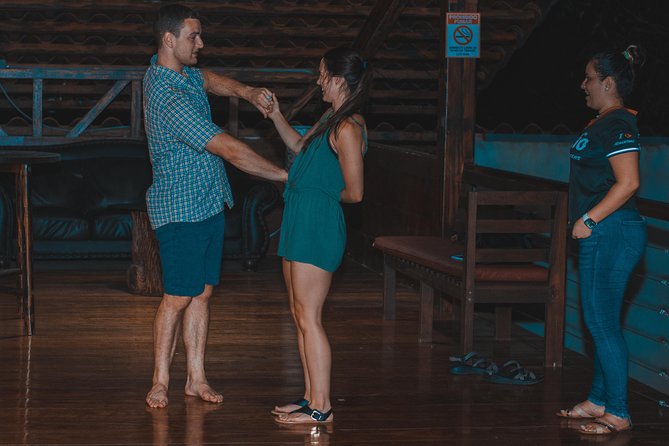
The dance portion begins after dinner. Salsa is the main focus, with the broader program also referring to merengue, cumbia, and bachata. You learn basic steps and may work through simple variations rather than a full performance routine.
Kathy is repeatedly praised for her patience during this part of the class. That matters because not everyone arrives with rhythm, confidence, or a willing partner. One reluctant spouse ended up interested in taking classes at home. Another person admitted to having two left feet but still enjoyed the lesson.
The tone is playful, not competitive. You are not being judged on technique, and the goal is to move, laugh, and get a feel for Latin dance. The steps are broken down so beginners can follow along. You may not become a salsa expert in one evening, but you will leave with a few basic patterns and a better sense of the music.
The activity can become physical. One person described working up a sweat during the dancing, which is worth remembering after a substantial meal. Wear clothes that allow movement and shoes that will not make you uncomfortable on the dance floor.
If you are shy, stay for this part anyway. The dancing is not just an add-on. It changes the evening from a cooking lesson into a social cultural activity. You learn something about how music and movement fit into daily life, even if your footwork remains uncertain.
What the $74 price buys you
At $74 per person, this is not the cheapest way to eat dinner in La Fortuna. A simple local meal will cost less. The value comes from combining several services and activities: hotel transportation, instruction, ingredients, dinner, a drink, cultural context, and a dance lesson over about three and a half hours.
That duration is important. This is a full evening, not a quick cooking demonstration followed by a rushed sample. One family found the activity longer than expected and considered it a strong value. You get time to cook, eat, talk, and dance without squeezing everything into a short slot.
I think the price makes sense if you want an evening with structure and social contact. It is especially fair for couples, families, and solo visitors who would otherwise pay separately for dinner and another activity. It is less compelling if your main goal is simply to eat traditional food as cheaply as possible.
The practical value also comes from the recipes. If you use them later, the experience continues after you leave Costa Rica. That makes the class more than a one-night meal, though the exact recipes and menu can vary.
Who will enjoy this La Fortuna evening
This is a good match for you if you want to learn by doing, enjoy meeting people, and like the idea of a meal with a story behind it. It suits couples looking for something beyond another restaurant dinner, families with children, and solo visitors who prefer a shared activity.
It also works well as a change of pace after a day in the jungle. Instead of another strenuous outing, you spend the evening preparing food and moving to music. The dancing adds enough energy to keep the night lively without turning it into a late club experience.
You should think twice if you dislike group activities, become uncomfortable in heat, or want a quiet meal with no scheduled instruction. The open-air kitchen can be warm, and the evening depends on participating with other people.
The class is also a good fit if you want a cultural introduction without a lecture. You learn through ingredients, kitchen habits, family stories, recipes, and music. That approach feels more personal than simply reading about Costa Rican food.
Free cancellation is available if you cancel at least 24 hours before the start time. Changes or cancellations inside that window are not accepted for a refund. The activity also requires a minimum number of participants, so a cancellation by the operator could lead to another date, another experience, or a full refund.
Should you book the cooking and salsa combo?
I would book this if you want a friendly, practical evening that combines dinner with a little movement. The strongest reasons are the hands-on casado preparation, the chance to take recipes home, the warm instruction from people such as Kathy and Jenny, and the way the dance lesson gives the group a second way to connect.
Go in with realistic expectations. You are learning the basics, not earning a cooking certificate or becoming a salsa performer. Confirm your pickup time, ask about the expected group size, and prepare for a warm open-air venue with bug spray and comfortable clothes.
For many visitors, this will be a better cultural choice than another standard dinner out. You eat food you helped make, meet people from different places, and leave with a few Costa Rican recipes and dance steps. That is a pretty good use of three and a half hours in La Fortuna.
FAQ
What time does the activity start?
The stated start time is 5:00 pm.
Where is the meeting point?
The meeting point is at Iglesia de La Fortuna de San Carlos. Round-trip transportation from your hotel is provided.
How long does the cooking and dance experience last?
The activity lasts approximately 3 hours and 30 minutes.
What food will I prepare?
The class commonly prepares a traditional casado. Ingredients and dishes described include rice, beans, chicken or another protein, fried sweet plantains, picadillo, and homemade tortillas.
What dances are included?
The lesson focuses on salsa and may also include merengue, cumbia, and bachata.
Can I cancel for a full refund?
Yes. You can cancel at least 24 hours before the experience start time for a full refund. Cancellations or changes made less than 24 hours before the start time are not accepted for a refund.
Just added around the world
- Cooking Class with a View in Lake Como★ 5.0 · 6 reviews
- Traditional Cooking Class with Views of Lake Como and the Alps★ 5.0 · 22 reviews
- Cooking Lesson in Bellagio with famous Chef Luigi Gandola★ 4.5 · 23 reviews
- Pasta Fresca Hands-on Cooking Class with a Local in Como★ 5.0 · 35 reviews
- Market Tour & Cooking Class at Local’s Home in Como★ 5.0 · 8 reviews
- Neapolitan DOC Pizza Class And Cooking in a Wood Oven at a Local’s house★ 5.0 · 4 reviews
- Private Lake Como Cooking Class from Como★ 4.0 · 4 reviews
- Luxury Cooking Class with a Chef in Bellagio★ 4.0 · 7 reviews
Cooking Classes, compared.
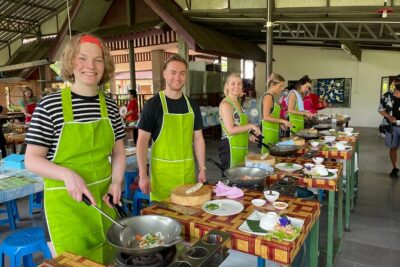
Half-Day Thai Cooking Class at Organic Farm in Chiang Mai
Read our review →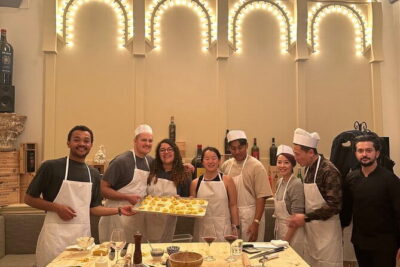
Florence: Pasta Cooking Class with Unlimited Wine
Read our review →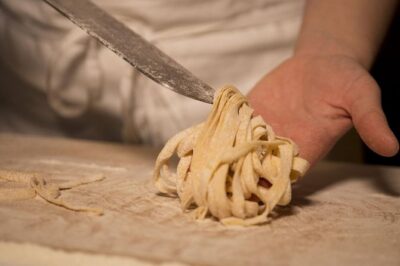
3 in 1 Cooking Class near Navona: Fettuccine, Ravioli & Tiramisu
Read our review →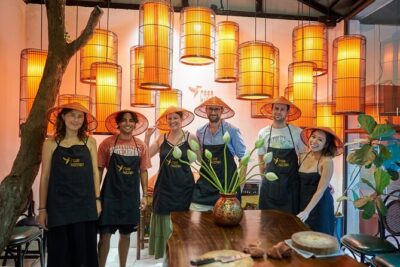
Hanoi Cooking Class: Culture, Local Market & Meaning CSR Impact
Read our review →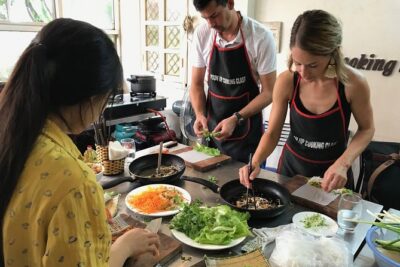
5 Traditional Dishes Hanoi Cooking Class with Market Trip
Read our review →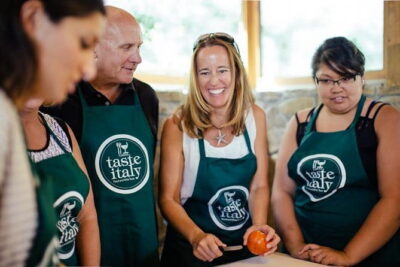
Cooking Class and Lunch at a Tuscan Farmhouse with Local Market Tour from Florence
Read our review →