
Review · CRETE
Cooking class at the Shepherd’s Shelter in Rethymno
The star of this five-hour class is not a polished kitchen. It is the farm itself, high on Psiloreiths mountain, where you make cheese from sheep’s milk, gather produce, and turn simple local ingredients into a Cretan meal. You also get a look at the animals and the daily world of a shepherd.
I like the strong farm-to-table link: you can pick vegetables and herbs, then use them in the meal. I also like the family setting, with Yiorgos Kokkinos and his family involved in the welcome and teaching. This feels more personal than a standard cooking demonstration.
The main consideration is the setting. The meeting point is at The Shepherds Shelter on an unnamed road near Milopotamos, not in central Rethymno. You’ll need to arrange your own way there, and the class is best for people happy to spend five hours in a rural mountain setting.
Key points to know before booking
- Sheep’s-milk cheese is made by hand, giving you a close look at one of Crete’s most important food traditions.
- Fresh vegetables and herbs go from farm to table, rather than arriving as prepared ingredients.
- The farm tour includes animals, along with a look at the life of a Cretan shepherd.
- Wine and raki are included in the food experience, adding a social touch to the meal.
- The class is limited to 12 people, so the group should feel more manageable than a large food workshop.
- The price is $131.06 per person, with group discounts and possible price changes based on party size.
A mountain cooking class, not a city food demonstration
This experience takes place at The Shepherds Shelter near Milopotamos, in Crete’s Psiloreiths mountain area. The location shapes the whole day. You are not simply watching someone prepare a few dishes in a restaurant kitchen. You are seeing where the food comes from, helping gather ingredients, and learning how food fits into shepherd life.
The advertised start time is 11:00 a.m., and the activity lasts about five hours. That gives the class a relaxed pace. You have time for the farm visit, food preparation, cheese making, and eating without having to rush through each part.
I would think of this as a half-day outing with a substantial meal, not a quick cooking lesson. The combination of food, farm, animals, and conversation makes it a good choice if you want to understand rural Crete rather than only sample dishes in town.
The provider is Το Σπίτι του Βοσκού, or The Shepherd’s House. Yiorgos Kokkinos is named in the host response, and the experience is presented as a family-run activity. That family element matters here because much of the appeal comes from learning directly from people connected to the place.
More Hands-On Workshops in Crete:
- Chania: Authentic Cooking Class in the White Mountains
★ 4.9 · 529 reviews - Chania Cooking Class-The Authentic Enjoy traditional Cretan meal
★ 5.0 · 339 reviews - Cretan Cooking Class and Olive Oil Tasting
★ 5.0 · 178 reviews
Starting with the farm and the shepherd’s way of life
Your only listed stop is The Shepherds Shelter. That sounds simple, but it is the heart of the experience. The farm visit gives context to everything that follows, especially the cheese making and the discussion of local products.
You can expect a guided walk around the farm and an introduction to the animals. The animal visit is not a minor extra. It helps explain the source of the milk and gives you a clearer picture of the work behind traditional Cretan food.
The class also introduces the life of a shepherd in Crete. That is useful background because sheep and dairy products are not just ingredients here. They are part of the farming economy and local food culture. When you make cheese afterward, you have already seen the setting that gives the process meaning.
The farm tour may appeal most to you if you enjoy practical cultural experiences. You will get more from it if you are curious about how people live and work in the mountains. If you only want a polished cooking lesson with restaurant-style presentation, this may feel more rustic than expected.
Picking vegetables and herbs for the meal
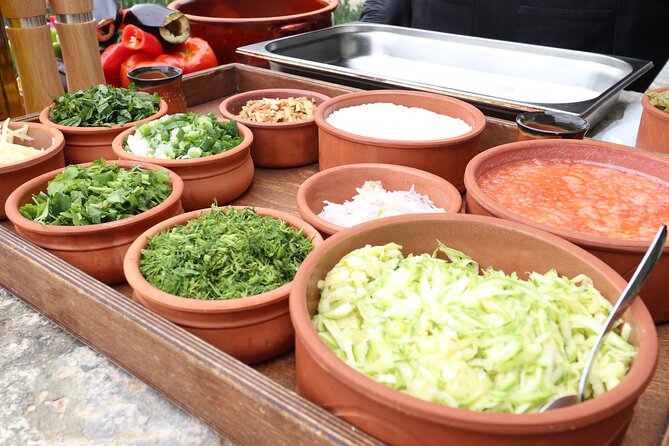
One of the most appealing parts is the chance to pick vegetables and herbs for the cooking. The meal does not begin with a neat row of ingredients waiting on a counter. You take part in gathering some of what you will eat.
That small step changes the way you view the meal. You see the connection between the farm and the plate, and you get a better sense of how Cretan cooking makes good use of fresh produce. The class also includes discussion of the nutritional value of Cretan products, so the food is treated as part of a wider way of life, not just a collection of recipes.
The vegetables are described as fresh and organic, sourced from local farms. That wording suggests the class combines produce from the host farm and nearby growers, rather than claiming everything comes from one plot. It is a useful detail for anyone seeking local food without expecting a strictly self-sufficient farm.
You should also expect the ingredient gathering to be hands-on rather than staged. The exact menu is not specified, so you will need to accept some uncertainty about the dishes. That can be part of the charm, but it may frustrate you if you want to choose a fixed menu in advance.
Making cheese from sheep’s milk
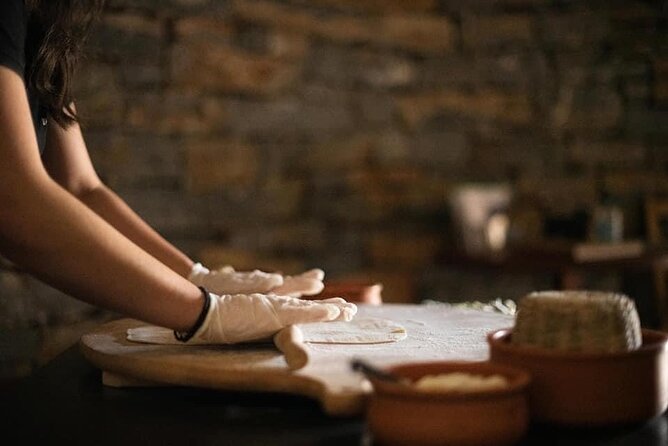
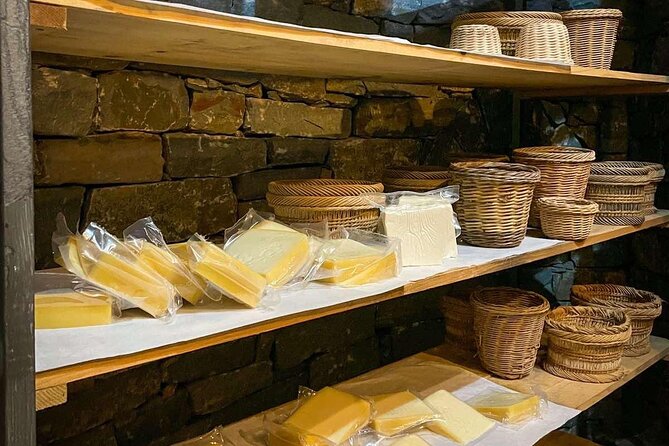
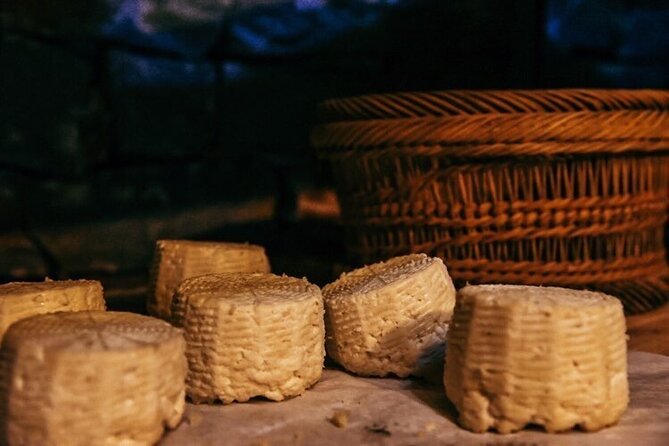
Cheese making is the class’s most distinctive practical lesson. You learn to make cheese from sheep’s milk, an activity that connects directly to Crete’s pastoral traditions.
The experience does not promise advanced professional training. Instead, it gives you a chance to take part in a traditional process and understand how a basic farm product becomes part of a meal. That makes the lesson valuable even if you have little interest in cooking professionally.
Sheep’s milk also adds an important regional detail. You are not making an anonymous cheese with supermarket ingredients. The milk reflects the animals and farming culture introduced during the farm tour.
The supplied details do not specify the cheese variety, equipment, recipe, or whether you take cheese home. Do not book expecting a formal certificate or a detailed recipe packet unless the host confirms those items separately. Book it for the hands-on process and the chance to eat what you help prepare.
A few more cooking classes around Crete worth a look
- The Real Cretan Cooking Experience
★ 5.0 · 528 reviews - Moires: Cooking Class and Olive Oil Tasting at a Family Farm
★ 5.0 · 93 reviews - Crete: Sightseeing Day Trip with Cooking Lesson and Lunch
★ 4.8 · 77 reviews - Heraklion: Cretan Cooking Lesson with Lunch in Arolithos
★ 4.9 · 54 reviews
Cooking a Cretan meal from scratch
After the farm visit and ingredient gathering, you prepare a Cretan meal from scratch. The menu is not listed, but it includes the fresh vegetables and herbs used in the class, along with the cheese-making activity.
The phrase from scratch matters. You are not simply watching a host assemble a finished dish. You take part in the preparation, which makes the meal the payoff for the work done earlier in the day.
Cretan cooking is often associated with straightforward ingredients, strong local produce, and generous use of herbs and olive oil, but the supplied information does not name specific recipes. I would avoid arriving with firm expectations about particular dishes. The better approach is to see the menu as part of the day’s local character.
The quantity may be generous. One participant described the meal as huge, enough to leave them very full for the journey back. That is worth keeping in mind when planning the rest of your day. You may not want to schedule a demanding activity immediately afterward.
Wine, raki, and the social side of lunch
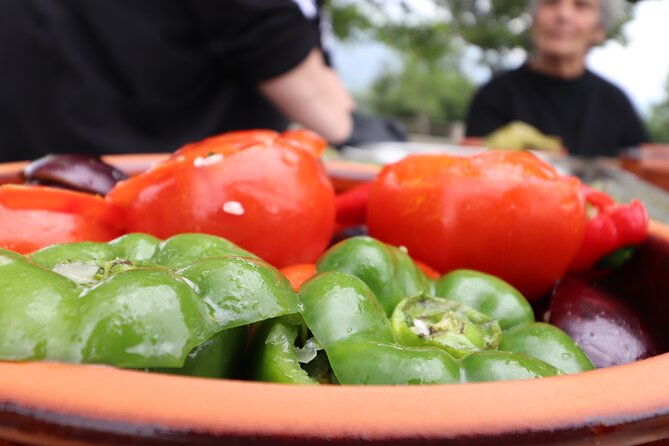
Wine and raki are included for tasting. This gives the class a social rhythm, especially once the cooking is done and everyone sits down to eat.
Raki is a traditional Cretan spirit, and tasting it here connects the meal to local hospitality. It is not simply a drink added to the booking description. In a family setting, it can help turn lunch into a longer conversation and a shared moment.
You should plan responsibly if you intend to taste both wine and raki. The tour lasts about five hours, and the drinks are part of the experience, but the information does not specify how much is served or whether nonalcoholic alternatives are available.
The class is offered in English, which makes the instruction accessible to English-speaking visitors. The language offering is clear, while the exact teaching format is not. You may receive explanations throughout the farm visit and cooking session rather than a formal lecture.
Why the small group size matters
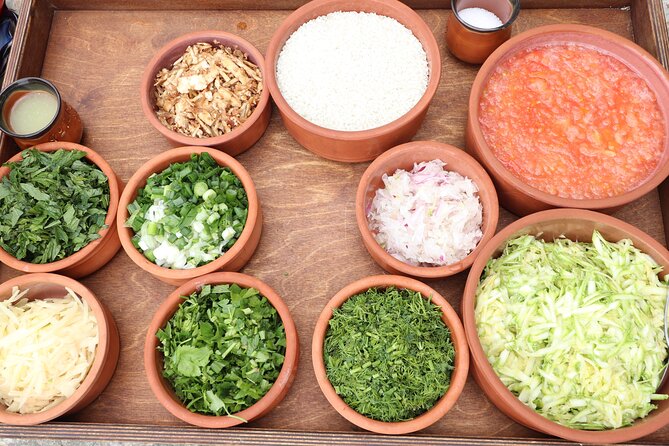
The maximum group size is 12 people. That is small enough to make hands-on instruction more realistic, especially during cheese making and food preparation.
A group of this size should also make the farm tour easier to follow. You are less likely to be lost at the back of a large crowd when the host introduces the animals or explains the products. Still, 12 people can feel busy around a cooking area, so do not expect a private lesson unless you book a small party.
Group discounts are available, and the price can vary with the number of people. The listed price is $131.06 per person, but your final rate may differ depending on the size of your group. If you are booking for friends or family, compare the group price before assuming the listed individual rate is final.
The activity is booked, on average, 42 days in advance. That is a useful planning clue. If you have fixed dates in Crete, especially during a busy travel period, I would not leave this until the last minute.
Is $131.06 a fair price?
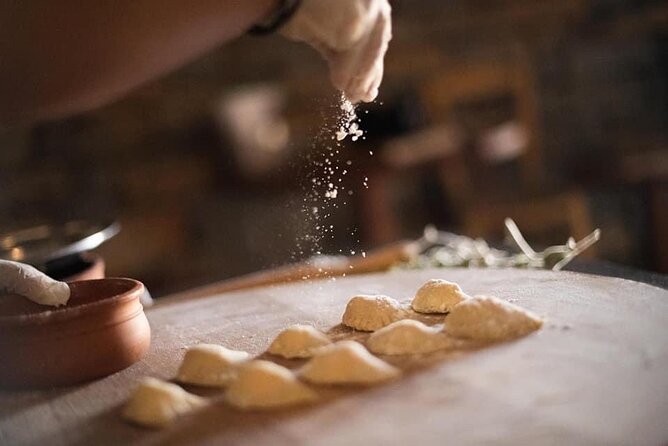
At $131.06 per person, this is not a cheap lunch. The value comes from the amount packed into the five-hour visit: a farm tour, animal introduction, food and nutrition discussion, vegetable and herb gathering, cheese making, a cooking class, a full meal, wine, and raki.
You are also paying for access to a private rural setting and a family-led activity. Those elements can be difficult to arrange independently, particularly if you do not speak Greek or know local farms. The class saves you from having to find the location, source the ingredients, and organize a cheese-making lesson on your own.
The value is weaker if you judge it only as a meal or only as a cooking lesson. You can certainly eat for less in Crete. You can also find shorter food classes. This price makes more sense if you want the full mix of food, farming, culture, and personal contact.
Group discounts may improve the value for families or friends. Since the price varies by group size, check the rate for your party before booking.
Location, timing, and practical planning
The meeting point is The Shepherds Shelter, on an unnamed road in Milopotamos, postal code 740 51, Greece. The activity begins at 11:00 a.m. and ends back at the same meeting point.
No transportation from Rethymno is included in the supplied details. You should plan how you will reach the shelter before booking. The rural address may require careful navigation, so allow enough time to find the meeting point and arrive before the start.
The class is offered every weekend, with more days available on request. That gives you some flexibility if your schedule does not fit the regular weekend dates. Ask about additional dates before making firm plans.
Service animals are allowed. The activity is offered in English. Confirmation normally arrives at booking, though bookings made within 11 hours of the start time are confirmed as soon as possible and remain subject to availability.
Free cancellation is available if you cancel at least 24 hours before the local start time. Changes or cancellations made inside that window are not accepted for a refund.
Who will enjoy this experience most?
I would recommend this class to you if you like food with a sense of place. It suits people who want to meet a local family, see a working farm, and take part in the preparation rather than simply order lunch.
It is also a good fit for couples, families, and small groups who enjoy sharing a practical activity. The animal visit and farm setting may be especially appealing if you want something different from museums, beaches, and town sightseeing.
The class may not suit you if you want a precise culinary curriculum, a named menu, or a city-center meeting point. The rural setting and unspecified dishes mean you need to be comfortable with a less predictable, more personal format.
I would also think carefully if you have mobility concerns, since the details do not describe the terrain or facilities. Service animals are allowed, but no further accessibility information is provided. Ask the provider about the farm conditions before booking if that matters for you.
Should you book the Shepherds Shelter cooking class?
Book it if you want a genuine farm-based food day rather than a standard kitchen workshop. The sheep’s-milk cheese, animal visit, fresh produce, family hosting, and generous meal give the experience a clear sense of place.
The strongest reason to go is the way the parts connect. You see the farm, learn about shepherd life, gather ingredients, make cheese, cook, and then sit down with wine and raki. That is a fuller picture of Cretan food than a recipe lesson alone.
Skip it if you need easy city access, a fixed menu, or a short activity. But if you can reach Milopotamos and enjoy a relaxed five-hour outing, the $131.06 price can be fair value for the amount of food and local contact included.
FAQ
Where does the cooking class take place?
The class takes place at The Shepherds Shelter on an unnamed road in Milopotamos, Crete, postal code 740 51, Greece.
What time does the activity start?
The activity starts at 11:00 a.m.
How long does the cooking class last?
The experience lasts approximately five hours.
What will I make during the class?
You will learn to make cheese from sheep’s milk and prepare a Cretan meal from scratch. The exact menu is not specified.
Is food included?
Yes. Fresh vegetables are provided for the menu, and you eat the Cretan meal prepared during the class.
Are drinks included?
Wine and raki are included for tasting.
How many people can join the class?
The activity has a maximum of 12 travelers.
Is cancellation free?
Yes. You can cancel for a full refund up to 24 hours before the experience’s local start time. Cancellations or changes made less than 24 hours before the start are not refunded or accepted.
Just added around Crete
- Authentic Cretan Cooking Class in Ozlem’s Home in Crete★ 5.0 · 11 reviews
- Cretan Delights – Wine, Olive Oil & Cooking Workshop from Chania★ 5.0 · 25 reviews
- Chania Area: Cooking Class at a Farm in Stylos Village (organic)★ 5.0 · 19 reviews
- Cretan Traditional Cooking Lessons★ 5.0 · 16 reviews
- Heraklion: Cretan private cooking lesson with lunch in Arolithos★ 5.0 · 12 reviews
- Greek Home Cooking Class at a Seaside Villa in Crete with Mary★ 4.5 · 5 reviews
- Cooking Lesson in Heraclion★ 5.0 · 32 reviews
- Cook with Locals | Cretan cooking Class at Archanes Village★ 4.5 · 25 reviews
Cooking Classes, compared.
Half-Day Thai Cooking Class at Organic Farm in Chiang Mai
Read our review →
Florence: Pasta Cooking Class with Unlimited Wine
Read our review →
3 in 1 Cooking Class near Navona: Fettuccine, Ravioli & Tiramisu
Read our review →
Hanoi Cooking Class: Culture, Local Market & Meaning CSR Impact
Read our review →
5 Traditional Dishes Hanoi Cooking Class with Market Trip
Read our review →
Cooking Class and Lunch at a Tuscan Farmhouse with Local Market Tour from Florence
Read our review →
Chiang Mai: Cooking Class, Market & Thai Herbs Garden Tour
Read our review →Browse the lists this tour appears in