Review · COOKING CLASSES
Cooking class in Salvador, an authentic dinning experience
The best part of this Salvador cooking class is that dinner is not simply served to you. You make it yourself, from a fruit caipirinha and pão de queijo to moqueca, farofa, pirão, and brigadeiro. Host Karla turns her home kitchen into a relaxed lesson in Bahian food and local culture.
I like the hands-on format and the chance to learn how everyday Brazilian ingredients fit together. I also like the personal touch: Karla can adjust the menu for vegetarian, vegan, gluten-free, or seafood-free diets. The main consideration is that transportation is not included, and the class begins and ends at a residential address in Stella Maris.
Key points to know before booking
- Eight recipes make this a full meal, not a short demonstration. You prepare appetizers, side dishes, a main course, and dessert.
- Karla hosts the class in her home, creating a more personal setting than a standard restaurant kitchen.
- Caipirinhas are part of the lesson, with unlimited drinks included, plus a nonalcoholic version if you prefer.
- Moqueca is the main event, served with Brazilian rice, pirão, and farofa.
- The menu can be changed for dietary needs, including vegetarian, vegan, gluten-free, and seafood-free requests.
- The class lasts about four hours and costs $68.67 per person, with free cancellation up to 24 hours before the start time.
Why this Salvador class feels different from a restaurant meal
Salvador is one of Brazil’s best cities for learning through food. Bahian cooking draws on seafood, coconut, peppers, cassava, tropical fruit, and African, Indigenous, and Portuguese traditions. A restaurant lets you taste the result. This class lets you see how the pieces work together.
That difference matters. You handle the ingredients, ask questions as you go, and learn why certain foods appear together on a Bahian table. The class also gives you time to talk with Karla about Salvador, local history, and places to eat. It is part cooking lesson, part dinner, and part informal introduction to the city.
You should expect a social pace rather than a rushed one. The activity takes about four hours, and the food is prepared in stages so you can eat along the way. You start with drinks and small bites, prepare the dessert early so it can cool, then move toward the main course.
The setting is Karla’s home at R. Eng. Adozindo Magalhães, 255, in Stella Maris. The activity returns to the same meeting point. Since private transportation is not included, you need to plan your way there and back. The address is near public transportation, but the booking details do not specify a pickup service.
More Hands-On Workshops in the world:
- Half-Day Thai Cooking Class at Organic Farm in Chiang Mai
★ 5.0 · 19,087 reviews - Florence: Pasta Cooking Class with Unlimited Wine
★ 4.9 · 10,285 reviews - 3 in 1 Cooking Class near Navona: Fettuccine, Ravioli & Tiramisu
★ 5.0 · 7,376 reviews
Starting with caipirinha, pão de queijo, and conversation
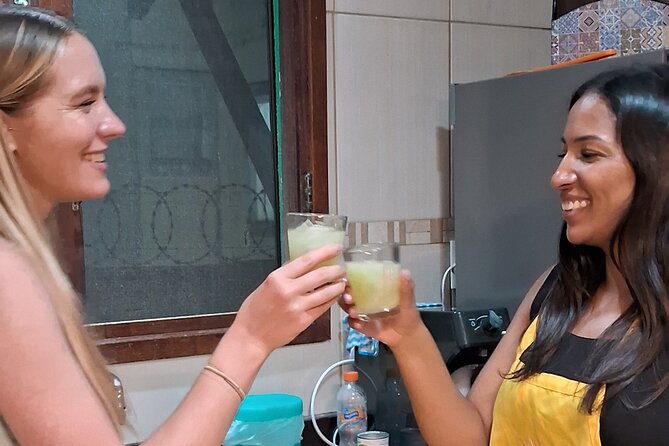
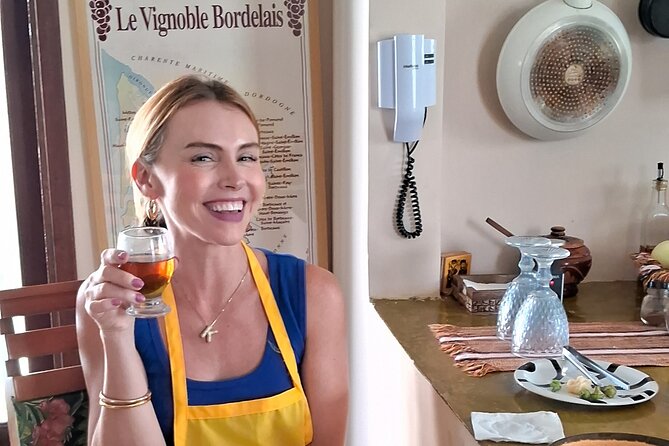
The first task is making a caipirinha with the fruit of your choice. This is a useful opening because the drink is not treated as a bar order. You learn the basics while making your own cocktail, then sip it as the cooking begins.
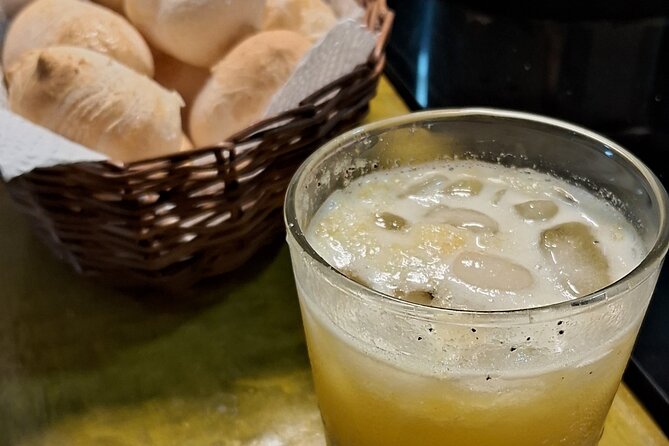
Unlimited alcoholic caipirinhas are included, but you can choose a nonalcoholic fruit version instead. Brazilian tea, guaraná, sparkling water, and regional coffee are also available, so you are not limited to alcohol throughout the afternoon or evening.
Next comes pão de queijo, Brazil’s famous cheese bread. You learn about its ingredients and preparation while having appetizers. This gives you an early taste of the class’s approach: simple food, clear explanations, and plenty of time to talk.
You also get to try vegetables prepared in a straightforward Brazilian style. That may sound modest, but it is useful for understanding how local food is eaten at home. The point is not to turn every dish into a complicated project. It is to show how good ingredients can be handled simply.
Pineapple pepper jelly and queijo coalho
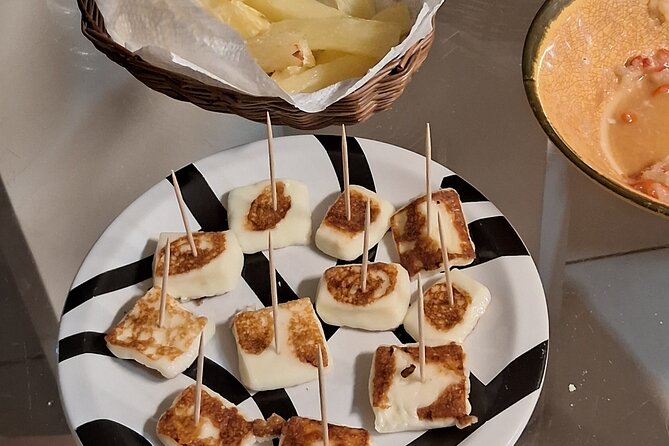
One of the more distinctive parts of the menu is queijo coalho, a firm Brazilian cheese often grilled or cooked until it develops a pleasant texture. Here it is paired with a pineapple pepper jelly that you prepare yourself.
This combination gives you a quick lesson in balance. The cheese is salty and substantial, while the pineapple brings sweetness and the pepper adds heat. It is also a dish you can remember and recreate after returning home, unlike a complex recipe that depends on hard-to-find equipment.
You also prepare camarão na tapioca, deep-fried shrimp with tapioca. This adds a crisp, savory appetizer to the meal and introduces tapioca in a different form from the starches served later.
If seafood is not your preference, say so when booking. The menu can be personalized, and one participant had the seafood changed after explaining that fish and shellfish were not appealing. That kind of advance communication is one of the strongest reasons to contact Karla before the class rather than waiting until you arrive.
Making brigadeiro before the main course
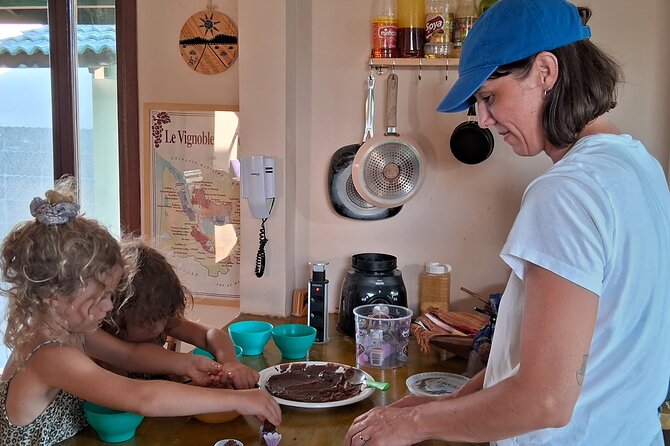
The dessert is prepared early because brigadeiro needs time to cool. This is a practical bit of kitchen planning, and it also gives you a chance to learn one of Brazil’s most familiar sweets before the meal becomes busy.
Brigadeiro is a traditional chocolate treat made with a short list of ingredients. It is common in Brazilian cafés and celebrations, and it is approachable for cooks of almost any level. You do not need to be an experienced baker to take part.
I like this section because it shows the difference between a cooking class and a dinner reservation. You are not only tasting a finished dessert. You are learning when to prepare it, how it fits into the meal, and why it is so widely loved in Brazil.
The class appears well suited to people who enjoy doing things themselves. If you prefer to sit back while a chef handles everything, this may feel like work. If you like stirring, tasting, asking questions, and sharing the kitchen, the pace should suit you well.
A few more cooking classes around the world worth a look
- Florence: Pasta & Tiramisu Cooking Class with Unlimited Wine
★ 4.9 · 6,708 reviews - Florence: Pasta Cooking Class with Unlimited Wine
★ 5.0 · 6,413 reviews - Hanoi Cooking Class: Culture, Local Market & Meaning CSR Impact
★ 5.0 · 5,147 reviews - 5 Traditional Dishes Hanoi Cooking Class with Market Trip
★ 5.0 · 4,890 reviews
Preparing moqueca, the Bahian centerpiece
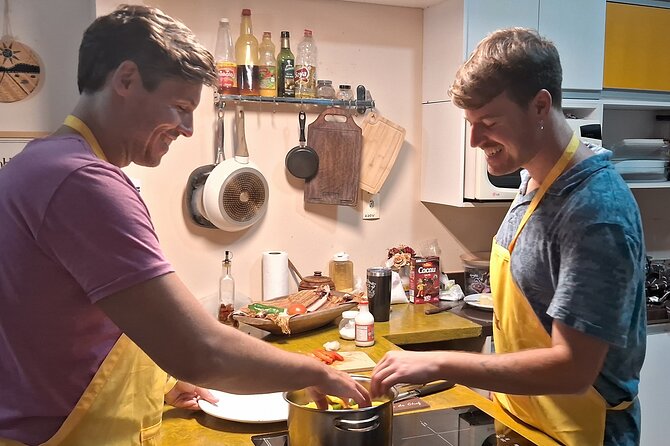
The main course is moqueca, one of the dishes most closely associated with Bahia. You marinate fish, prawns, or other seafood, depending on the agreed menu. The dish is prepared along with Brazilian-style rice, pirão, and farofa.
Moqueca is valuable here because it brings several parts of Bahian cooking together in one pot. The seafood provides the main flavor, while the seasoning and cooking liquid create the character of the dish. Preparing it yourself helps you understand how the meal is built rather than treating it as an exotic name on a menu.
The side dishes matter just as much. Brazilian rice is familiar enough to anchor the meal. Pirão gives you another use for the cooking juices and starch. Farofa adds texture and is a classic Brazilian accompaniment that many visitors may not encounter at home.
The meal is not just a sequence of unrelated recipes. The earlier snacks, the cheese and jelly, the shrimp, and the dessert all lead toward a shared dinner. You see how Bahian food moves between salty, sweet, creamy, crisp, and spicy flavors.
If you are vegetarian or vegan, ask for the exact replacement plan before booking. The class accepts dietary restrictions, but the specific vegetarian or vegan version of moqueca is not listed. That means the menu can be adapted, but you should confirm what will be prepared for you.
Coffee from Bahia and a relaxed finish
After dinner, the experience finishes with Brazilian coffee from the Bahia region, followed by liqueur. This final stage gives the class a clear ending instead of sending you out immediately after the main course.
Coffee is also a fitting way to close the evening. You have spent several hours learning about food, and the last drink connects the meal to a familiar Brazilian daily habit. The liqueur adds a small after-dinner touch, though you can choose from the other included drinks if alcohol is not right for you.
The long format is one of the class’s better features. Four hours may sound like a lot for cooking, but the time includes preparation, eating, conversation, and explanations about ingredients and Salvador. You are not expected to rush through eight recipes in a single burst.
What Karla adds to the experience
Karla’s role is central. She teaches the recipes, explains local ingredients, serves the meal, and shares practical suggestions about Salvador. Her English has been described as excellent, which is important when the class includes cooking instructions and cultural context.
The tone is informal and welcoming. You should expect something closer to being hosted in a friendly home kitchen than attending a formal culinary school. That can make it easier to ask basic questions, especially if you are unfamiliar with Brazilian cooking.
Communication before the class is another strong point. Karla has adjusted menus, clarified meeting arrangements, and discussed food preferences in advance. Take advantage of that. Tell her about allergies, dietary restrictions, dislikes, or your interest in particular Bahian dishes before the start time.
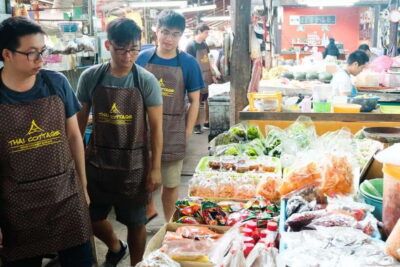
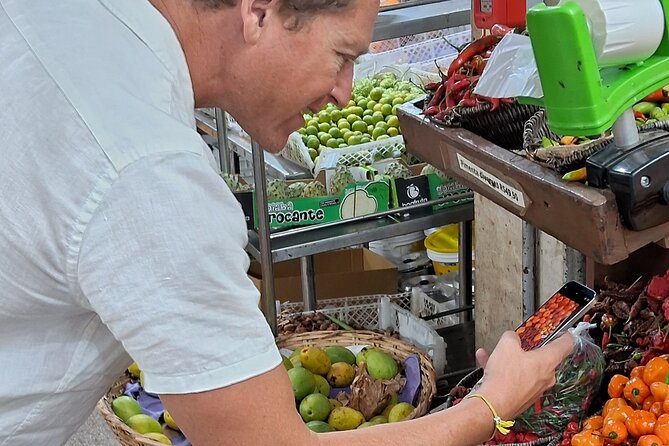
Some arrangements may also include a market visit before going to the house. This has included looking at local foods, tasting fruits and sweets, and even trying cachaça. Since the core description begins at the home, confirm whether a market stop is part of your booking rather than assuming it is included every time.
The private format means only your group participates in the activity. That is useful for families, couples, and small groups who want the menu or pace adjusted. One earlier account describes meeting other people, but the stated format is private, so you should plan on a group experience limited to your own booking.
Is $68.67 good value?
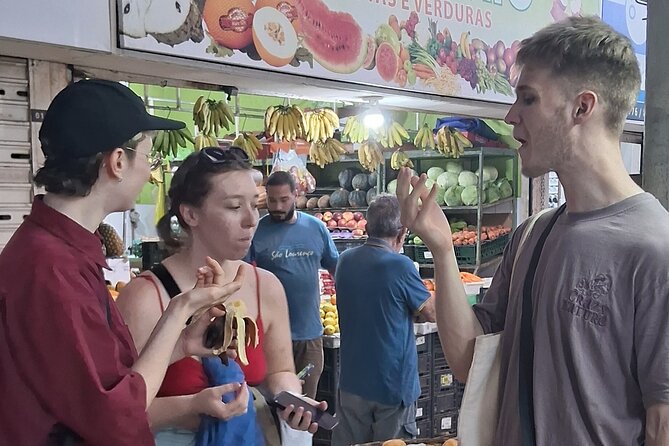
At $68.67 per person, this is not the cheapest way to eat dinner in Salvador. You can find a less expensive restaurant meal, especially if you order a single main dish and a drink.
The comparison changes when you count what is included. You receive about four hours of instruction, eight recipes, a full dinner, unlimited caipirinhas, nonalcoholic drinks, coffee, and liqueur. You also get direct time with a local host and the chance to ask about food and places to eat in Salvador.
For me, the value is strongest if you want a memory and a skill, not just a meal. You can take the ideas behind pão de queijo, brigadeiro, farofa, and moqueca home with you. The class also suits anyone who wants a gentle introduction to Brazilian ingredients before ordering more widely at local restaurants.
The value is weaker if you are short on time, do not enjoy cooking, or mainly want a quick dinner. Four hours is a significant part of an evening, and the class requires active participation. You also pay separately for transportation to Stella Maris.
Who should book this experience?
You should consider booking if you enjoy:
- Hands-on cooking rather than chef demonstrations
- Home-based experiences
- Learning about food through conversation
- Trying several dishes in one sitting
- Caipirinhas and Brazilian drinks
- Flexible menus for dietary restrictions
- Practical recommendations for eating in Salvador
Families and small private groups may appreciate the format because the activity is limited to your own party. Couples can treat it as a dinner with a built-in activity, while solo participants who enjoy conversation may find the host’s relaxed approach appealing.
It may not suit you if you want a strictly timed professional kitchen class. The attraction here is the informal home setting, not restaurant-style precision. You should also be comfortable traveling to the meeting address yourself.
The high rating and full recommendation record fit the experience as described, but the real reason to book is more specific: you want to cook Bahian food with a host who can change the menu and talk about Salvador as you work.
Booking details and cancellation
Confirmation is provided when you book. Service animals are allowed, and the address is near public transportation. Tell Karla about dietary needs at the time of booking, especially if you want a vegetarian, vegan, gluten-free, or seafood-free menu.
The activity starts and ends at R. Eng. Adozindo Magalhães, 255, Stella Maris, Salvador, Bahia, postal code 41603-430. Private transportation is not included.
You can cancel for a full refund up to 24 hours before the scheduled start time. Cancellations or changes made less than 24 hours before the experience are not accepted for a refund. The cutoff follows Salvador local time.
Should you book the Salvador cooking class?
Book it if you want your Salvador meal to be an activity, a lesson, and a conversation. The combination of caipirinha, pão de queijo, queijo coalho with pineapple pepper jelly, shrimp, brigadeiro, and moqueca gives you a broad taste of Brazilian cooking in one sitting.
I would especially recommend it to curious eaters, couples, families, and anyone with dietary needs who values advance menu planning. Before paying, confirm the seafood substitute if needed and ask whether a market visit is included in your particular arrangement.
Skip it if you want a fast meal, dislike kitchen work, or need hotel pickup. For everyone else, the private home setting, generous drink selection, eight recipes, and personal guidance from Karla make the $68.67 price a fair trade for a long, food-focused evening in Salvador.
FAQ
How long does the cooking class last?
The activity lasts approximately four hours.
Where does the experience start and end?
It starts at R. Eng. Adozindo Magalhães, 255, in Stella Maris, Salvador, and ends back at the same meeting point.
Is transportation included?
No. Private transportation is not included. The meeting point is near public transportation.
What food will I prepare?
You prepare eight recipes, including caipirinha, pão de queijo, vegetables, queijo coalho with pineapple pepper jelly, camarão na tapioca, brigadeiro, moqueca, Brazilian rice, pirão, and farofa.
Are drinks included?
Yes. Unlimited caipirinhas are included, along with Brazilian tea, guaraná, sparkling water, regional Brazilian coffee, and a nonalcoholic fruit cocktail option.
Can the menu accommodate dietary restrictions?
Yes. Vegetarian, vegan, and gluten-free menus can be arranged. Seafood-free changes can also be discussed, and you should indicate your needs when booking.
What is the cancellation policy?
You can cancel at least 24 hours before the start time for a full refund. Cancellations or changes made less than 24 hours before the start time are not accepted.
Just added around the world
- Private Cooking Demonstration of Indian Fusion Cuisine in San Diego★ 5.0 · 3 reviews
- Private Samarkand Cooking Class with Market Tour & Transfers★ 5.0 · 14 reviews
- Plov Cooking Class at Local Uzbek House★ 5.0 · 5 reviews
- Cooking class in Samarkand with local life experience★ 5.0 · 19 reviews
- Sound of Music Tour with Edelweiss Cooking Class in Salzburg★ 5.0 · 15 reviews
- Cooking Class in the Village with Local Family in Samarkand★ 5.0 · 11 reviews
- Apple Strudel & Prezel Cooking Class incl. Dinner & Music★ 5.0 · 113 reviews
- Dinner Cooking Class – Prezels, Dumplings, Apple Strudel & Music★ 5.0 · 99 reviews
Cooking Classes, compared.
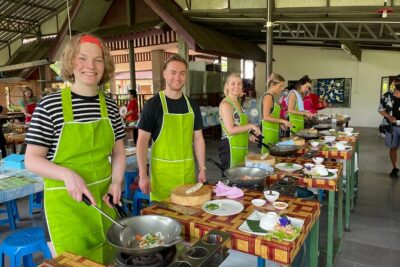
Half-Day Thai Cooking Class at Organic Farm in Chiang Mai
Read our review →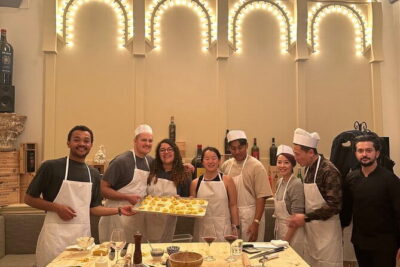
Florence: Pasta Cooking Class with Unlimited Wine
Read our review →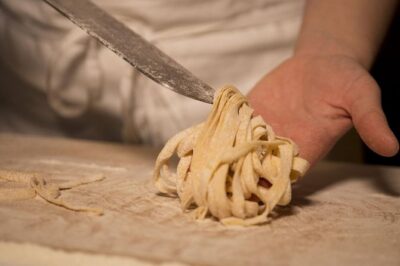
3 in 1 Cooking Class near Navona: Fettuccine, Ravioli & Tiramisu
Read our review →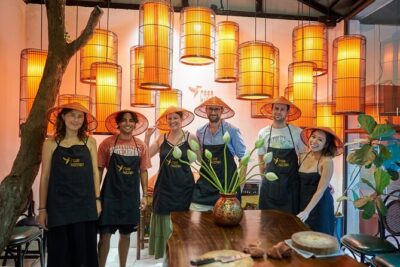
Hanoi Cooking Class: Culture, Local Market & Meaning CSR Impact
Read our review →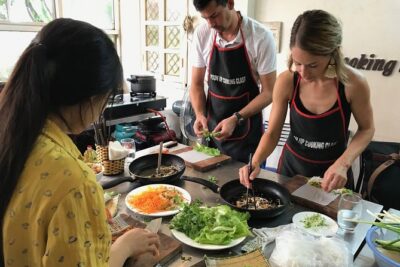
5 Traditional Dishes Hanoi Cooking Class with Market Trip
Read our review →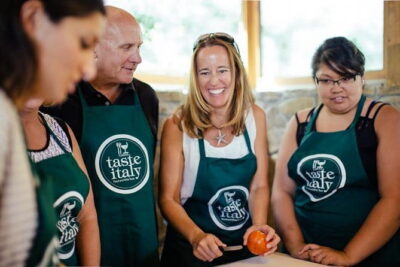
Cooking Class and Lunch at a Tuscan Farmhouse with Local Market Tour from Florence
Read our review →