
Review · SRI LANKA
Cooking Class: Sajee’s Place Cooking Class sigiriya
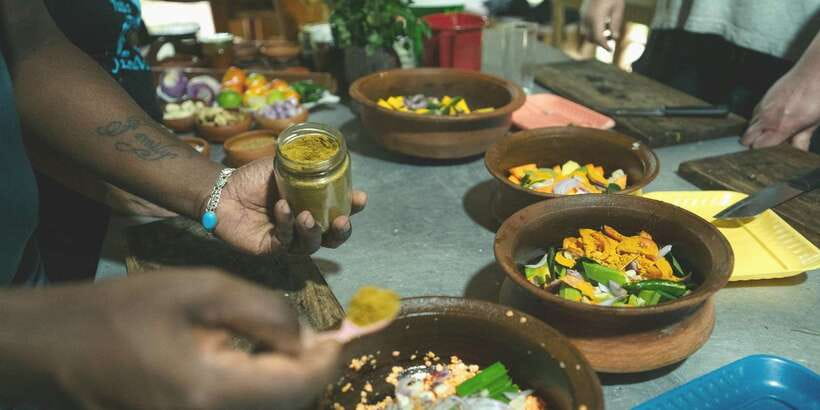
Sri Lankan cooking is best understood at the stove, not from a restaurant menu. At Sajee’s Place near Sigiriya, Sajee and his wife, Suzy, guide you through a full rice-and-curry meal, from fresh ingredients and spice choices to the final plate. You do the cooking, rather than watching a chef work.
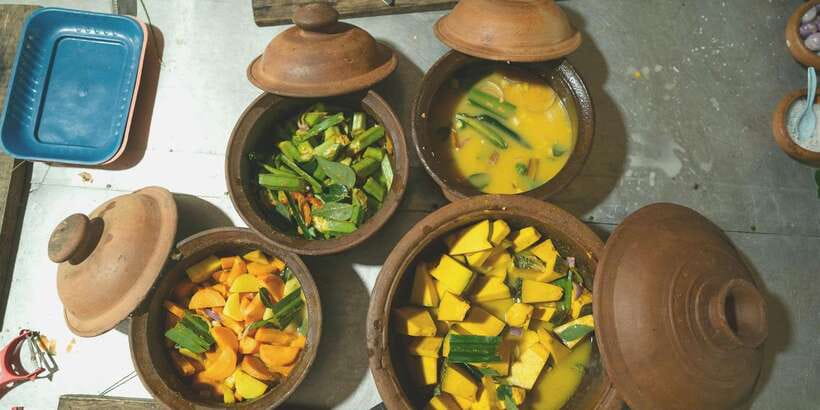
I like the generous spread of dishes, which can include dhal, chicken or fish curry, three vegetable curries, a stir-fried or tempered dish, coconut sambol, rice, and papadams. I also like the practical follow-up: Sajee sends PDF recipes and spice notes, so the class can continue in your own kitchen. The main consideration is that three hours of cooking several dishes requires active participation, not a quick demonstration.
Key points at Sajee’s Place
- You cook a full Sri Lankan meal: Prepare rice, dhal, curries, vegetable dishes, sambol, and papadams before sitting down to eat.
- Sajee and Suzy teach together: Their husband-and-wife format creates a friendly setting with help available as you work.
- Spice lessons are practical: You learn how herbs and spices differ between curries and other dishes, with spice levels adjusted to suit the group.
- Small groups keep it hands-on: The class accepts up to 10 participants, with plenty of room for questions and individual guidance.
- Recipes go home with you: PDF recipes and cooking tips make it easier to recreate the meal after Sri Lanka.
- The price covers a substantial meal: At $36 per person for three hours, you are paying for instruction, ingredients, and a large cooked lunch or dinner.
A full Sri Lankan meal near Sigiriya
Sajee’s Place is not a quick lesson in one famous dish. It is a working introduction to the structure of a Sri Lankan rice-and-curry meal.
You begin by learning about the ingredients, herbs, and spices used in the kitchen. That matters because Sri Lankan curry is not one fixed recipe. The final taste depends on how spices are combined, how vegetables are handled, and how much heat you prefer.
The menu includes dhal curry, a choice of chicken or fish curry, three seasonal vegetable curries, one stir-fried or tempered dish, coconut sambol, rice, and papadams. Some sessions produce six or seven dishes, while other meals include even more. The exact mix can change with the available vegetables and the group’s preferences.
I like this format because it shows how a Sri Lankan meal works as a group of contrasting dishes. Dhal provides a soft, comforting base. Vegetable curries bring different textures and flavors. Sambol adds fresh coconut and heat, while papadams bring crunch. You are not simply learning one curry and calling it a day.
More Hands-On Workshops in Sri Lanka:
- Ella: Traditional Sri Lankan Cooking Class
★ 4.9 · 788 reviews - Organic cooking class sigiriya (kumara & family)
★ 5.0 · 650 reviews - Sri Lanka Cooking Class with Granny
★ 5.0 · 587 reviews
Sajee and Suzy’s teaching style
Sajee leads the explanations, while Suzy helps keep the preparation moving. Their husband-and-wife approach gives the class a warm, informal feel without losing structure.
You can expect clear explanations of what each ingredient does and how recipes can be changed. Sajee explains how to adapt the dishes for different vegetables, meat, and fish. That is useful if you live somewhere where the exact Sri Lankan ingredients are difficult to find.
The class suits beginners. You do not need formal cooking experience, and the instruction is paced so you can follow along. At the same time, confident home cooks have plenty to ask about, especially regarding spice combinations, preparation methods, and substitutions.
Several particularly useful lessons come from the details. You learn that some spices are used differently in curries than in other dishes. You also get tips on adjusting the heat. If you enjoy chilli, you can ask for more. If you are cautious, the spice level can be moderated.
The class is taught in English. Since the group is limited to 10 people, you should have a better chance of getting help than in a large demonstration class. Some sessions may be smaller still, giving you more time to ask questions.
What you actually cook
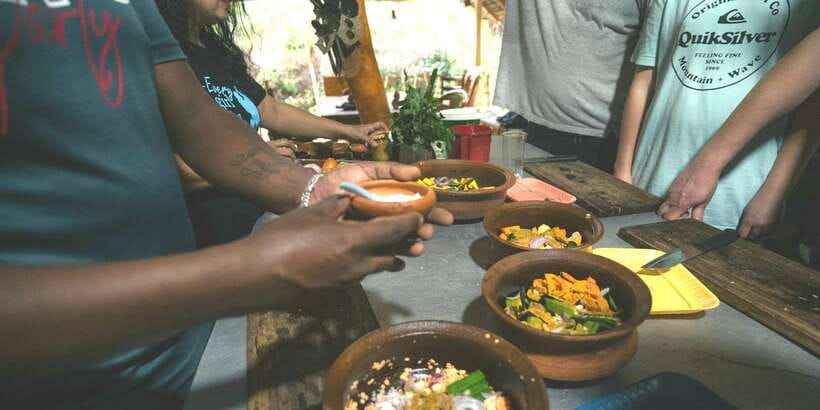
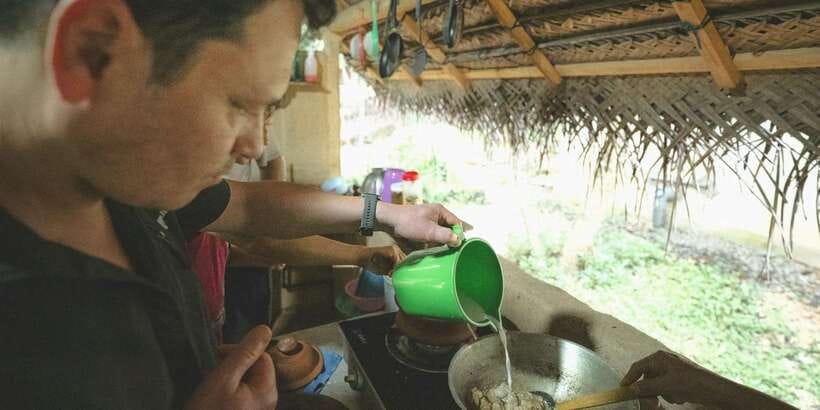
The most useful part of the class is the amount of work placed in your hands. You do not simply watch Sajee prepare the food while taking notes.
You help prepare the ingredients, work through the cooking steps, and take part in making the meal. The class covers several methods, including curry preparation, vegetable cooking, stir-frying or tempering, and making coconut sambol.
The rice is part of the lesson too. Sri Lankan rice and curry depends on rice that is properly cooked and suited to the other dishes. Learning that alongside the curries gives you a more complete meal to repeat at home.
Dhal curry is usually one of the most approachable dishes for first-time cooks. It also teaches you how a few basic ingredients can form an important part of the meal. Chicken or fish curry gives you a chance to work with a stronger central dish, while the vegetable curries show how seasonal produce can carry a meal.
The coconut sambol is a highlight for anyone interested in fresh preparation. You may use freshly grated coconut, combining it with the other ingredients to make a sharp, fragrant side dish. It is a small part of the menu, but it helps explain why Sri Lankan meals are not just about slow-cooked curry.
Papadams complete the plate with a crisp contrast. They require less instruction than the curries, but they make the final meal feel like a proper spread rather than a set of isolated cooking exercises.
Why the seasonal vegetables matter
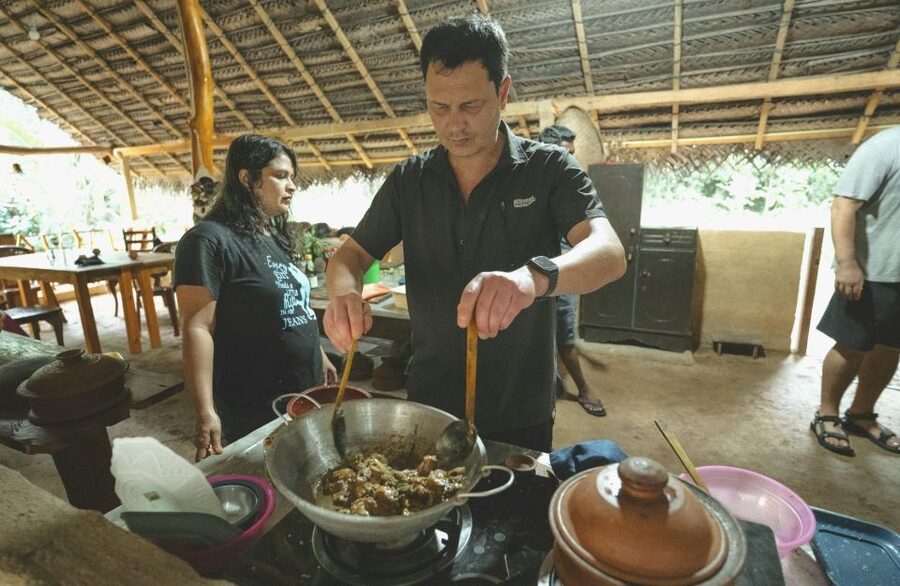
A class built around three vegetable curries gives you more than extra food. It shows how Sri Lankan cooking makes a meal from several modest ingredients instead of relying on one large main course.
The vegetables are seasonal, so the exact dishes can differ. That is a benefit if you want to understand the style rather than memorize one rigid menu. You learn how the same general approach can work with different vegetables at home.
This is also where the class becomes useful for vegetarians. Many of the dishes are vegetable-based, and some sessions focus almost entirely on vegetarian curries apart from the optional chicken or fish dish. If you have dietary preferences, tell the hosts when arranging the class so they can guide you through the available options.
The vegetable dishes also offer a good lesson in texture. A curry, a stir-fry, and a tempered dish do not all treat vegetables the same way. You can see how cooking time and method change the finished meal.
A few more cooking classes around Sri Lanka worth a look
- Kandy Village Cooking Class
★ 5.0 · 536 reviews - Sea waves sri lankan cooking class
★ 5.0 · 467 reviews - Ella: Sri Lankan Cooking Class with Neranji at Homestay
★ 5.0 · 276 reviews - Ella : Cooking class with amazing Spice Garden Tour
★ 5.0 · 239 reviews
From cooking lesson to shared meal
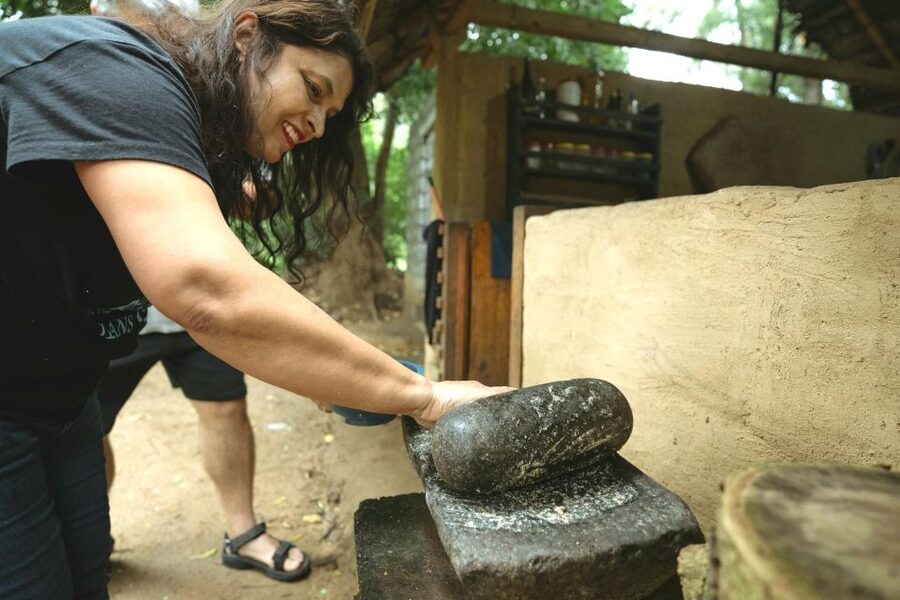
After the cooking is finished, you sit down and eat what you made. This is more than a reward for doing the work. It lets you taste how the dishes fit together on one plate.
The meal can be surprisingly large for a three-hour activity. You may leave very full, especially when several curries are served with rice, sambol, and papadams. That makes the $36 price easier to judge: it covers instruction and ingredients, followed by a substantial meal.
I value the shared table because it connects the cooking to daily food culture. You can ask Sajee and Suzy about the dishes while eating them, rather than trying to remember everything during preparation.
The setting has also been praised for its open garden-house feel among the trees. Exact surroundings can vary with the session, but the class is designed to feel personal and local rather than like a formal culinary school.
There is no listed welcome drink, so do not book this expecting a cocktail or a polished restaurant-style arrival. Free unlimited bottled water is provided, which is practical in Sri Lanka’s warm climate.
Recipes you can use after Sri Lanka
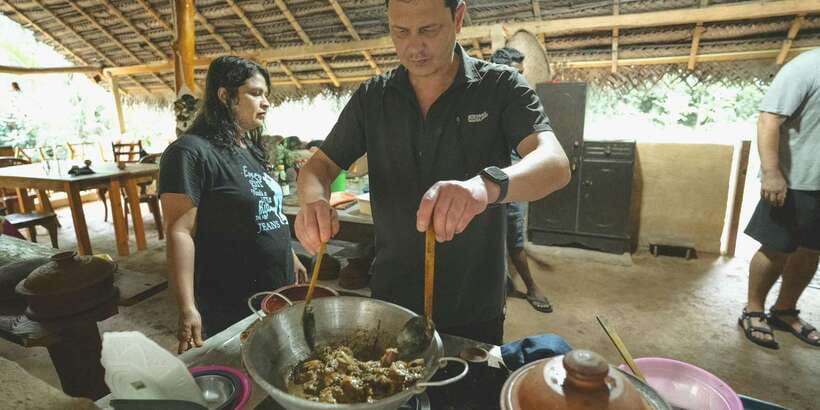
Many cooking classes are enjoyable on the day but hard to repeat later. Sajee’s Place addresses that problem by sending PDF recipes and spice lists after the class.
That follow-up adds real value. You can refer back to the proportions, ingredients, and methods instead of relying on a few hurried notes. Sajee also explains substitutions, which is especially helpful if you cannot buy every Sri Lankan ingredient at home.
I would still take your own notes during the class. Write down the spice level you preferred, the vegetables used, and any changes suggested for your local ingredients. The PDFs give you the framework, while your notes can preserve the version you enjoyed most.
The recipes are also useful for understanding restaurant menus during the rest of your trip. Once you know the difference between dhal, sambol, a vegetable curry, and a tempered dish, unfamiliar menu descriptions become easier to read.
Price, timing, and practical details
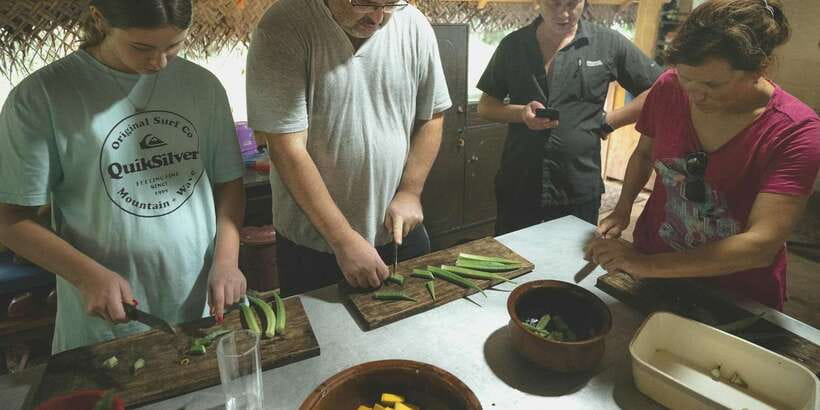
The class costs $36 per person and lasts three hours. For Sigiriya, that is a fair price for a small-group activity that includes a meal, several recipes, instruction, ingredients, water, and post-class recipe PDFs.
The value is strongest if you want to participate. If you only want to watch someone cook, the price may feel high compared with simply ordering rice and curry at a local restaurant. If you want to learn enough to recreate a full meal, the cost is easier to justify.
The maximum group size is 10 people. Smaller numbers should make it easier to get help, and a very small session can feel almost private. The experience is wheelchair accessible, though you should still confirm practical details when arranging your visit if you have specific mobility needs.
The instructor speaks English. Starting times vary, so check availability when booking. You can cancel up to 24 hours ahead for a full refund, and a reserve-now, pay-later option is available. Those policies are useful if your Sigiriya plans depend on weather, transport, or a changing Sri Lanka itinerary.
Contact with Sajee’s Place can also be arranged through WhatsApp or by direct call using the cooking class’s Google listing. Confirm the meeting details, preferred meat or fish option, and any dietary needs before you go.
Who will enjoy this class most
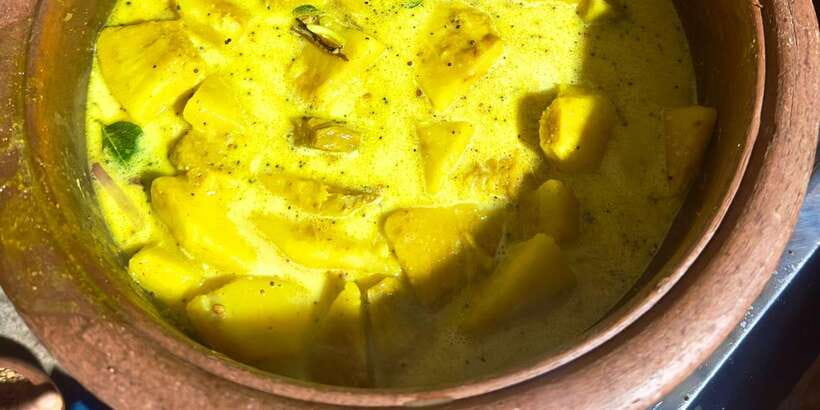
I would choose this class if you want food to be part of your understanding of Sigiriya, not just something eaten between sightseeing stops.
It works especially well for:
- First-time visitors to Sri Lankan cuisine
- Couples who want a shared activity
- Families with older children or teenagers
- Vegetarians who want several plant-based dishes
- Home cooks who enjoy learning techniques
- Anyone who wants recipes to use after returning home
The class also suits people with little cooking confidence. Sajee and Suzy guide you through each stage, and you can ask questions as you work.
It may be less suitable if you are looking for a short, polished demonstration with minimal participation. Three hours is a meaningful block of time, and the full meal means you will be chopping, preparing, cooking, and tasting several dishes.
A few things to keep in mind
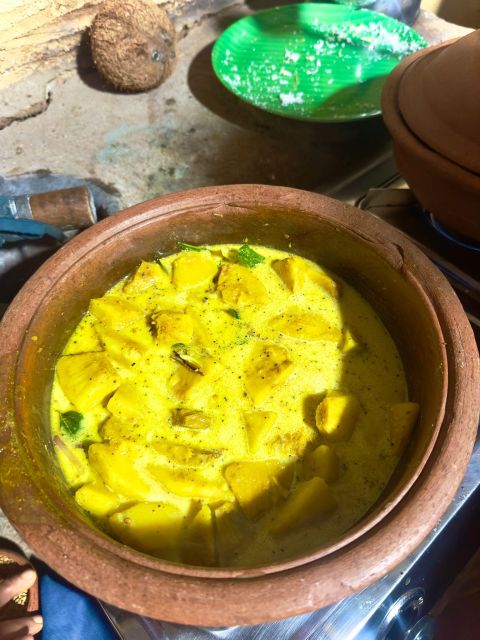
The menu is not completely fixed. Seasonal vegetables and your choice of chicken or fish can shape the final meal. That variety is part of the appeal, but you should not expect to choose every dish in advance.
Spice tolerance is handled during the class, so you do not need to assume that every curry will be fiercely hot. Still, tell the hosts what you enjoy before cooking begins.
The class is intimate rather than anonymous. Sajee and Suzy teach, answer questions, and chat about food and culture. If you prefer to keep to yourself, the social nature of the session may feel more involved than a standard cooking demonstration.
The reward is a large meal, but that also means pacing matters. Do not arrive expecting to rush through the activity and leave immediately. Give yourself time to enjoy the food and the conversation at the end.
Should you book Sajee’s Place?
I would book it if you have three free hours in Sigiriya and want a practical introduction to Sri Lankan food. The combination of hands-on preparation, several different dishes, patient teaching, and take-home recipes gives you more lasting value than a meal alone.
The strongest reasons to choose it are the husband-and-wife teaching team, the small group size, and the sheer range of food you prepare. The main drawback is simple: it is a real cooking session, not a quick tourist stop.
For $36, you receive a full meal and a set of skills you can use later. If you enjoy food, want to meet local hosts, or have been wondering how Sri Lankan curry gets its flavor, Sajee’s Place is an easy choice in the Sigiriya area.
FAQ
How long does Sajee’s Place Cooking Class last?
The cooking class lasts three hours.
How much does the cooking class cost?
The price is $36 per person.
Who teaches the class?
The class is taught by Sajee and his wife, Suzy.
What dishes can I expect to prepare?
The class includes rice, dhal curry, chicken or fish curry, three vegetable curries, one stir-fried or tempered dish, coconut sambol, and papadams.
Is the class suitable for beginners?
Yes. The class is hands-on, and Sajee and Suzy guide participants through the preparation and cooking steps.
Is the class taught in English?
Yes. English is the listed teaching language.
How many people can join the class?
The small group is limited to 10 participants.
Is the cooking class wheelchair accessible?
Yes. The activity is listed as wheelchair accessible.
Can I cancel or pay later?
You can cancel up to 24 hours in advance for a full refund. A reserve-now, pay-later option is also available.
Just added around Sri Lanka
- cooking lesson★ 5.0 · 7 reviews
- Sri Lankan Cookery with Nilu★ 5.0 · 34 reviews
- Sri Lanka: Cooking Class★ 4.4 · 6 reviews
- Private Traditional Sri Lankan Cooking Class in Kandy★ 5.0 · 7 reviews
- Private cooking class – Personalized classic menu★ 5.0 · 5 reviews
- Nilaveli: Sri Lankan Cooking Class with a Local Family★ 5.0 · 16 reviews
- Mirissa: Cooking Class with Beer and Meal★ 3.3 · 4 reviews
- Kandy: Village Cooking Class 12 Dishes with Market Tour★ 5.0 · 6 reviews
Cooking Classes, compared.
Half-Day Thai Cooking Class at Organic Farm in Chiang Mai
Read our review →
Florence: Pasta Cooking Class with Unlimited Wine
Read our review →
3 in 1 Cooking Class near Navona: Fettuccine, Ravioli & Tiramisu
Read our review →
Hanoi Cooking Class: Culture, Local Market & Meaning CSR Impact
Read our review →
5 Traditional Dishes Hanoi Cooking Class with Market Trip
Read our review →
Cooking Class and Lunch at a Tuscan Farmhouse with Local Market Tour from Florence
Read our review →
Chiang Mai: Cooking Class, Market & Thai Herbs Garden Tour
Read our review →Browse the lists this tour appears in