
Review · DA NANG
Da Nang Cooking: Market tour, farming, and cooking class
Da Nang’s best lesson may begin with your hands in the soil. This experience takes you from an organic farm to a local market, then into a kitchen where you prepare four Vietnamese dishes. You are not just watching someone fold a spring roll. You are choosing ingredients, handling food, and sitting down to eat what you made.
I like the small group of up to 14 people, which gives you a fair chance to work at each cooking step. I also like the choice between a short cooking class and the full farm and market program. The one drawback is that $25 can feel a little high if you choose only the cooking portion, especially since hotel pickup and drop-off are not included.
Key points
- Farm first: Plant and water vegetables at an organic garden before cooking.
- Market shopping: Learn about Vietnamese ingredients while choosing what goes into the meal.
- Four dishes: Menus include pho, banh xeo, Quang noodles, salads, spring rolls, and more.
- Two regular menus: The menu changes by day, so check the schedule before booking.
- Vegetarian choice: A meat-free menu is available with dishes such as vegetarian pho or Quang noodles.
- Flexible timing: Choose the 2.5-hour cooking class or the four-hour farm, market, and cooking experience.
From organic soil to a Da Nang kitchen
The full experience begins at an organic farm. You learn about growing vegetables, then take part in simple farm work such as planting and watering. This is a useful start because Vietnamese cooking depends heavily on fresh herbs, leafy greens, vegetables, and careful seasoning.
The farm visit also gives the class a better sense of place. Instead of beginning with a chopping board and a pile of anonymous ingredients, you first see the connection between the garden and the meal. The work is hands-on, though you should expect a short activity rather than a full morning of agricultural labor.
After the farm, you head to a local fresh market. This is where you get a practical lesson in Vietnamese ingredients. The market stop is not just a shopping errand. It helps you recognize the raw materials used in the recipes and shows how much of Vietnamese cooking begins with fresh produce, herbs, seafood, meat, and sauces.
The timing matters here. If you want the market at its busiest, choose a morning start. If you prefer a quieter visit with more room to look around, an afternoon class may suit you better. One useful point from the experience is that the market can feel less crowded later in the day, which makes it easier to focus on the ingredients and the guide’s explanations.
More Market Tour Cooking Classes in Vietnam
- 5 Dishes Cooking Class with Market Trip in Da Nang
★ 5.0 · 466 reviews - 5 traditional dishes Da Nang cooking class with market trip
★ 5.0 · 331 reviews - Da Nang Cooking Class with Coffee Tasting and Market Visit
★ 5.0 · 310 reviews
Choosing your menu before you book
The class runs two main menus during the week, plus a vegetarian option. Menu 1 is offered on Monday, Wednesday, and Friday. It includes Quang noodles, fish sauce chicken wings, green papaya salad with shrimp, and deep-fried spring rolls.
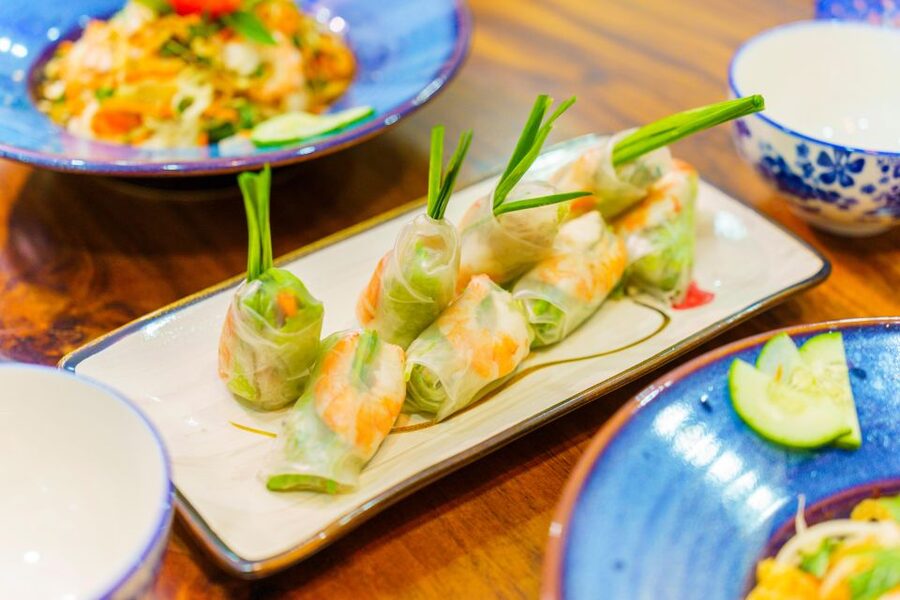
Menu 2 runs on Tuesday, Thursday, Saturday, and Sunday. It includes beef pho, crispy Vietnamese pancakes called banh xeo, green mango salad with shrimp, and fresh spring rolls.
This schedule is worth checking before you reserve. If pho is the dish you most want to learn, book Menu 2. If you want to make Quang noodles and crispy fried spring rolls, select a Menu 1 day. The difference is not minor. These menus offer different cooking methods, flavors, and levels of kitchen activity.
The vegetarian menu includes Quang noodles or pho, eggplant stir-fry, mango salad or papaya salad, and either fried or fresh spring rolls. That gives a vegetarian participant a full meal rather than a single replacement dish. If you are booking for a mixed group, the meat-free option makes the class easier to share.
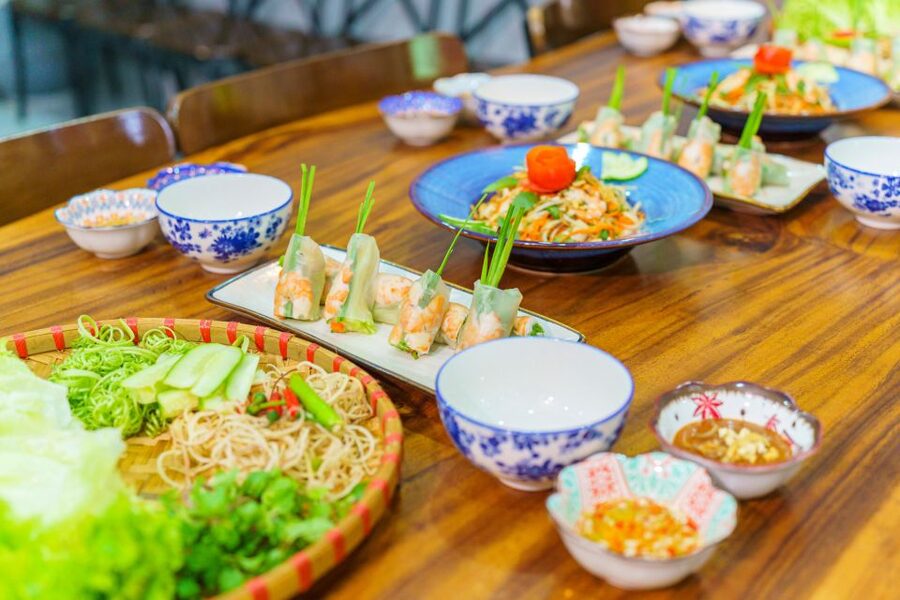
The menu includes four dishes, dessert, herbal tea, and water. All ingredients are supplied, and you receive the recipes in English. That last detail matters if you want to repeat the meal at home. You are not left with a pleasant memory and a vague idea of what went into it.
What the cooking class actually teaches
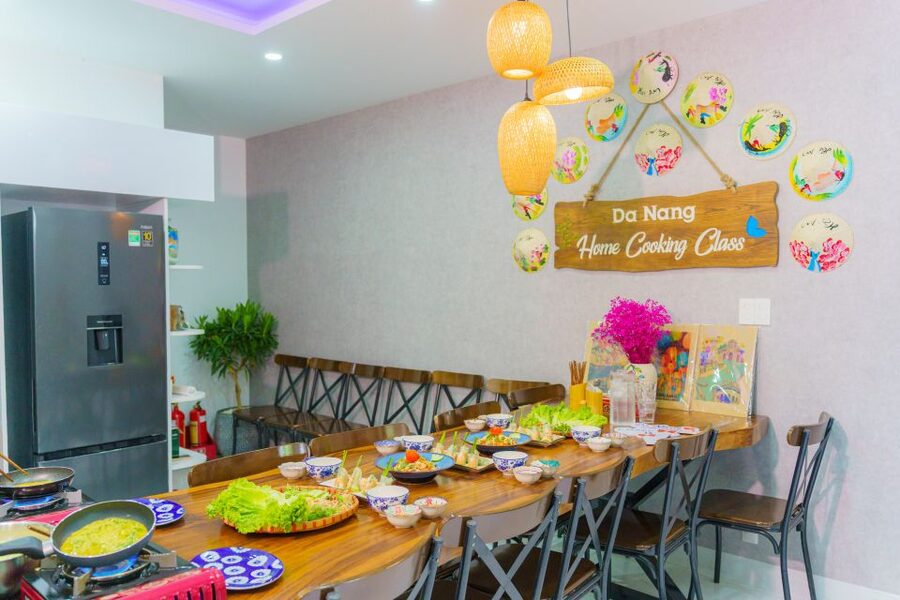
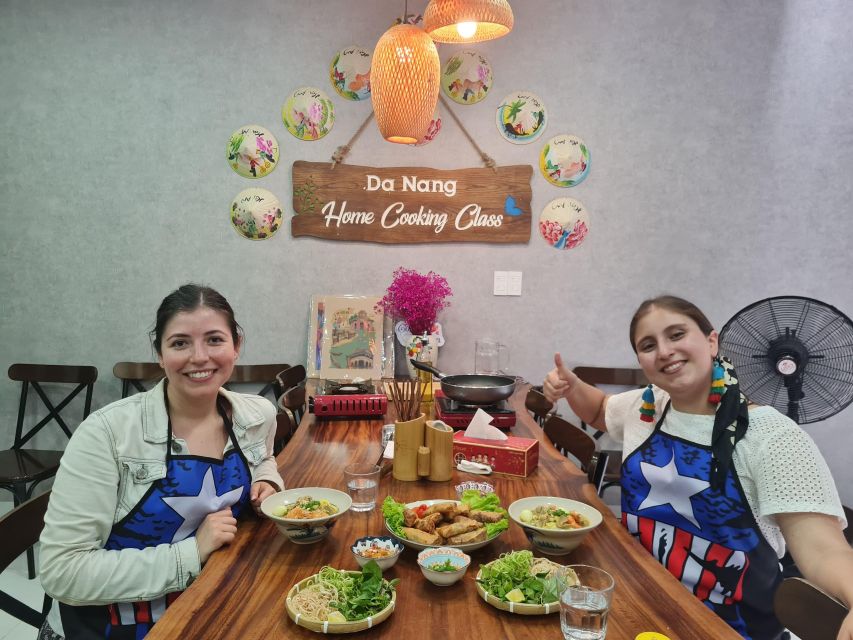
The kitchen session is designed to be hands-on. You prepare each dish rather than simply watching an instructor demonstrate it. With a maximum group size of 14, the class remains fairly personal, although the experience will feel more social than a private lesson.
A typical session may move between several different skills. Pho teaches you about noodle soup and seasoning. Banh xeo requires attention to batter and texture, since the pancake should turn crisp. Fresh spring rolls call for careful assembly, while fried spring rolls add hot oil and a different kind of kitchen work.
The salads bring another useful lesson. Green papaya salad and green mango salad show how fruit, herbs, shrimp, and dressing can create a dish with a sharp, fresh flavor. These are the kinds of recipes that can be especially useful at home because they do not depend on an elaborate oven or specialized equipment.
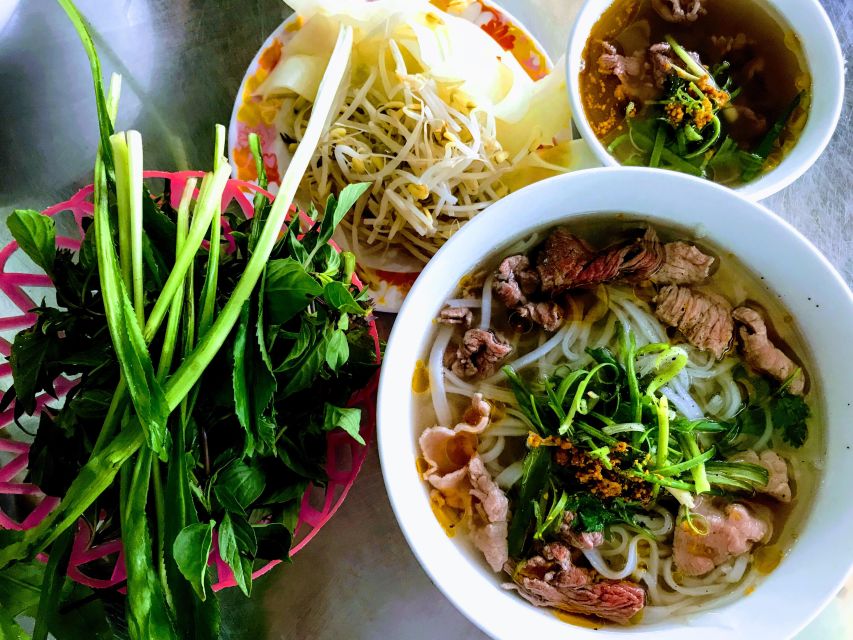
Quang noodles give you a taste of central Vietnamese cooking. The dish is different from pho, with its own style of noodles, toppings, and sauce. If you are staying in Da Nang or nearby Hoi An, this regional recipe gives the class a stronger local identity than a menu built only around internationally famous Vietnamese dishes.
The instructor teaches in English. Jane is named as one of the teachers, and Nhi has also led the class. The teaching style appears friendly and playful, with an emphasis on helping you understand the process. That matters in a cooking lesson. Clear instruction and a relaxed tone make it easier to ask questions, try a technique, and make a mistake without turning the kitchen into an exam room.
Why the farm and market add value
A cooking class alone can be a good use of a few hours, but the farm and market give the full version more substance. You learn where some vegetables come from, how ingredients look before preparation, and how a local shopping trip supports the recipes.
I especially like this sequence: farm, market, kitchen. It creates a logical story. First you see growing, then buying, then preparing, and finally eating. That makes the food easier to remember and gives you more to talk about when you return home.
The farm work is also a good fit for families with children. Planting and watering are simple activities, but they break up the kitchen time and give younger participants a clear task. The class is listed as suitable for solo participants, couples, friends, and families with children.
You should still think about the weather. Da Nang can be hot, and the full tour includes time outdoors. The experience is designed to continue in harsh sun or rain, but you may find the farm portion more comfortable with sensible clothing and sun protection. The provided information does not include hotel transfers, so you also need to arrange your own way to the starting point.
More Market Tour Cooking Classes in Da Nang:
- Market Tour, Basket Boat Ride & Cooking Class by Hangcoconut
★ 4.8 · 95 reviews - Hanoi Cooking Class: Culture, Local Market & Meaning CSR Impact
★ 5.0 · 5,147 reviews - 5 Traditional Dishes Hanoi Cooking Class with Market Trip
★ 5.0 · 4,890 reviews - Cooking Class and Lunch at a Tuscan Farmhouse with Local Market Tour from Florence
★ 5.0 · 4,831 reviews
The value of $25
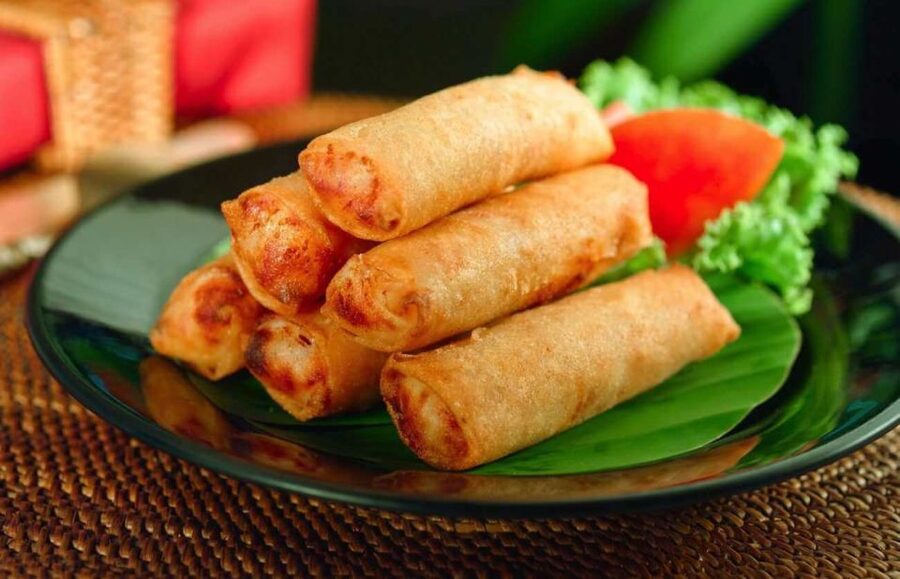
At $25 per person, this is not the cheapest way to eat in Da Nang. You can find an inexpensive local meal for far less. The value here comes from the combination of activities: farm work, market shopping, an English-language lesson, four dishes, dessert, herbal tea, water, and recipe copies.
The full four-hour version offers the strongest value. You receive a farm visit and market tour before the cooking begins, so the price covers more than a meal and a demonstration. If you have limited time, the 2.5-hour cooking-only option is practical, but the cost may feel less compelling because you are giving up two of the experience’s most distinctive parts.
The meal itself also changes the calculation. You are preparing four dishes, not one simple recipe. That gives you several techniques to take home, from folding spring rolls to making a soup, salad, noodle dish, or pancake. You may not reproduce every ingredient exactly, but the English recipes make the effort realistic.
There is also a money-back guarantee, though the supplied details do not explain its conditions. You can cancel up to 24 hours before the activity for a full refund, and you can reserve now and pay later. Those policies make it easier to fit the class into a changing Da Nang schedule.
Morning or afternoon?
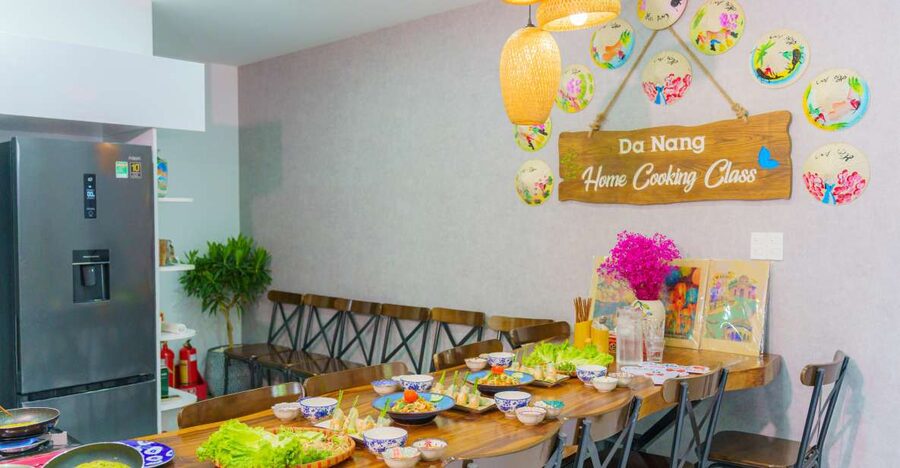
Choose a morning start if you want the local market at its busiest. More activity can make the market feel lively, but it may also mean more people and less room to pause at each stall.
An afternoon class may be more comfortable if you dislike crowds. The market can be quieter later in the day, giving you more breathing room while learning about ingredients. The tradeoff is that you may miss the early-day rhythm of a fresh market.
The supplied duration is listed as 150 to 270 minutes, which reflects the two formats. The short class lasts about two and a half hours. The full farm, market, and cooking experience takes about four hours. Starting times vary, so check availability when you book.
You can also add a Vietnamese coffee-making workshop lasting 1.5 hours. This is an optional extra, not part of the basic price. It makes sense if you want a broader food experience and have enough time for a longer session.
What the atmosphere is like
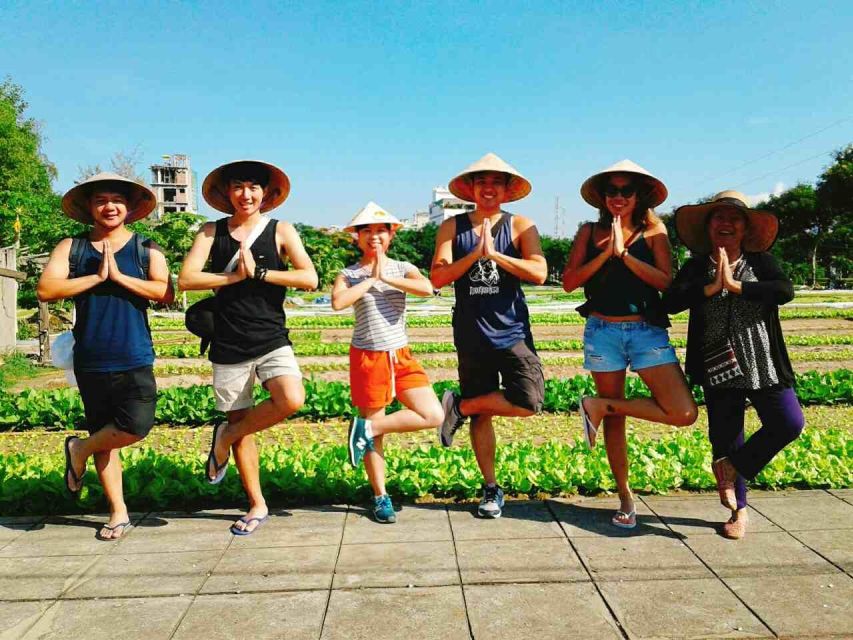
The class is meant to be fun and practical rather than formal. Jane is described as funny and friendly, and Nhi has guided an enjoyable afternoon class with farm and kitchen activities. The teaching seems to put people at ease while still making sure they learn something useful.
The group limit of 14 is important. This is not a one-on-one cooking appointment, so you will share the kitchen with other people. At the same time, 14 is small enough that the session should not feel like a large demonstration where you can barely see the work.
You will have the chance to practice at each cooking step. That is the main reason to choose this class over a restaurant meal or a cooking show. You do not need to arrive as an experienced cook. The point is to learn by doing, then enjoy the result with the group.
The class has a strong practical benefit. You can show your new skills to family and friends at home, especially with recipes such as fresh spring rolls, fried spring rolls, banh xeo, salads, and noodle dishes. Vietnamese cooking often rewards fresh preparation, and several of these dishes can become useful additions to a home menu.
Who should book this experience?
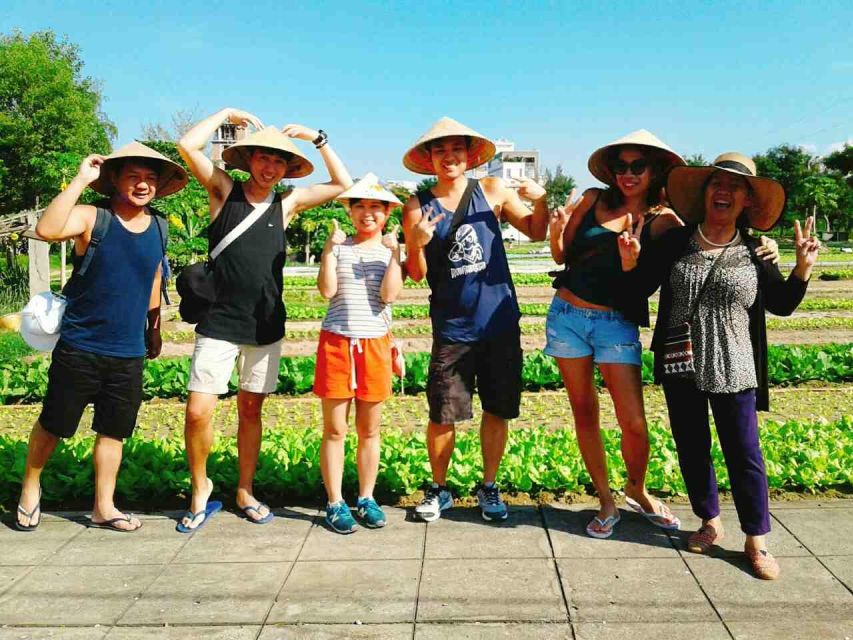
I would recommend the full tour to anyone who wants more than a standard cooking class. The farm and market make it a better choice for first-time visitors to Da Nang who want a short introduction to food culture without giving up a full day.
It also suits couples and friends who enjoy shared activities. You will have several chances to work together, from selecting ingredients to preparing and eating the meal. Families can benefit from the change of pace between outdoor work and kitchen tasks.
Solo participants should also feel comfortable booking. The group format gives you company without requiring you to arrive with a partner or a large party. English instruction makes the class accessible to people who do not speak Vietnamese.
The short cooking option is best if your schedule is tight. It still gives you the main lesson and the meal, but it leaves out the farm and market. I would not choose it if the market and organic garden are the parts that most interest you.
People with mobility needs should note that the activity is listed as wheelchair accessible. Since the experience includes a farm, market, and kitchen, it is sensible to confirm the exact access arrangements before booking if you need specific assistance.
Should you book the Da Nang cooking class?
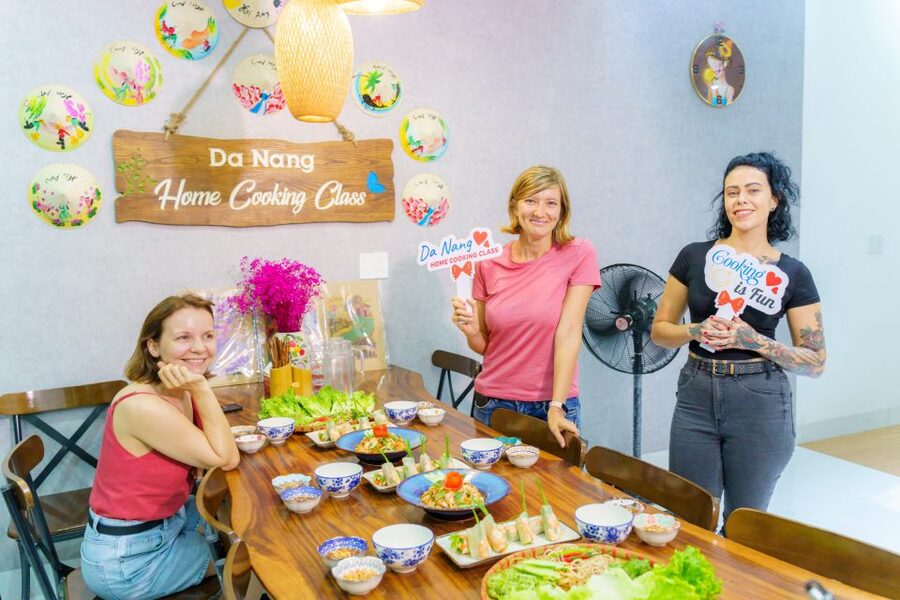
Book it if you want a hands-on lesson with a clear local focus and enough food to make the price worthwhile. The strongest choice is a four-hour session on the day that matches your preferred menu. Check the schedule first, especially if you want pho, banh xeo, Quang noodles, or the vegetarian menu.
I would skip the farm and market version if you only have a short window or mainly want to watch a chef cook. In that case, the 2.5-hour class is the more efficient choice, though the value is not as strong as the full program.
For most people, I would choose the full tour, aim for the morning if the market is a priority, and bring a willingness to work. You will leave with a meal, recipes, and a better sense of how Vietnamese food moves from garden to market to table.
FAQ
How much does the Da Nang cooking experience cost?
The price is $25 per person. Hotel pickup and drop-off are not included.
How long does the experience last?
You can choose a cooking-only class lasting about 2.5 hours, or a full farm, market, and cooking experience lasting about four hours. The listed duration range is 150 to 270 minutes.
What does the full four-hour experience include?
The full option includes an organic farm visit, farming activities such as planting and watering, a local market tour, and a hands-on cooking class.
How many dishes will I cook?
You will learn to cook four traditional Vietnamese dishes. The exact dishes depend on the menu scheduled for your chosen day.
Which menu is offered on Monday, Wednesday, and Friday?
Menu 1 is offered on Monday, Wednesday, and Friday. It includes Quang noodles, fish sauce chicken wings, green papaya salad with shrimp, and deep-fried spring rolls.
Which menu is offered on Tuesday, Thursday, Saturday, and Sunday?
Menu 2 is offered on Tuesday, Thursday, Saturday, and Sunday. It includes beef pho, crispy Vietnamese pancakes, green mango salad with shrimp, and fresh spring rolls.
Is a vegetarian menu available?
Yes. The vegetarian menu includes Quang noodles or pho, eggplant stir-fry, mango salad or papaya salad, and fried or fresh spring rolls.
Is food and drink included?
Yes. The price includes all cooking ingredients, herbal tea, water, dessert, and copies of the recipes in English.
Is the class taught in English?
Yes. The instructor language is English. Jane and Nhi are named as instructors for the experience.
Can I cancel or pay later?
You can cancel up to 24 hours in advance for a full refund. You can also reserve now and pay later.
More Hands-On Workshops in Da Nang
- Da Nang Authentic Home Cooking Class
★ 5.0 · 354 reviews - Hoi An: Lantern Making, Basket Boat, and Cooking Class
★ 4.9 · 233 reviews - Da Nang: Tandoori Naan Bread-Making Class
★ 4.9 · 19 reviews - Da Nang Vegetarian Cooking and coffee Class
★ 4.6 · 11 reviews
More Shopping Trips in Da Nang
- Chiang Mai: Cooking Class, Market & Thai Herbs Garden Tour
★ 4.9 · 4,824 reviews - Chiang Mai: Authentic Cooking Class with Market & Farm Visit
★ 4.9 · 4,546 reviews - Barcelona: Paella Cooking Experience & Boqueria Market Tour
★ 4.8 · 3,661 reviews - Cooking Class Hoi An:Local Market, Basket Boat, Fishing & Cooking
★ 5.0 · 3,660 reviews
Just added around Da Nang
- Market Tour, Basket Boat Ride & Cooking Class by Hangcoconut★ 4.8 · 95 reviews
- HOI AN Cooking Class and Lantern Workshop★ 4.7 · 6 reviews
- Da Nang: Tandoori Naan Bread-Making Class★ 4.9 · 19 reviews
- Da Nang Vegetarian Cooking and coffee Class★ 4.6 · 11 reviews
- Da Nang Family Cooking Class – with Local Family in Da Nang★ 4.3 · 4 reviews
- Da Nang: Cooking Class and tasting Pho with Local Girl★ 5.0 · 6 reviews
- Da Nang: Cooking Pho & Vietnamese Dishes With Local Chef★ 5.0 · 5 reviews
- Da Nang: Coffee Making And Cooking Class★ 5.0 · 7 reviews
Cooking Classes with a Market Tour, compared.
Hanoi Cooking Class: Culture, Local Market & Meaning CSR Impact
Read our review →
5 Traditional Dishes Hanoi Cooking Class with Market Trip
Read our review →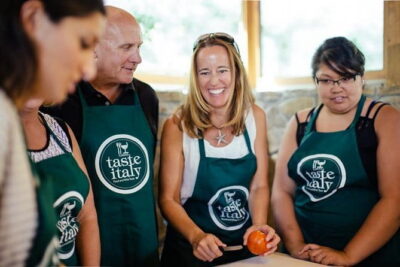
Cooking Class and Lunch at a Tuscan Farmhouse with Local Market Tour from Florence
Read our review →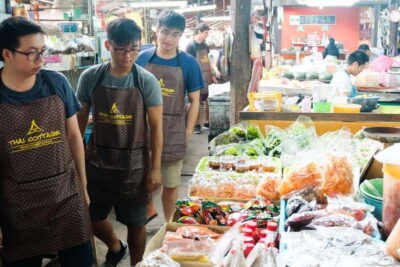
Chiang Mai: Cooking Class, Market & Thai Herbs Garden Tour
Read our review →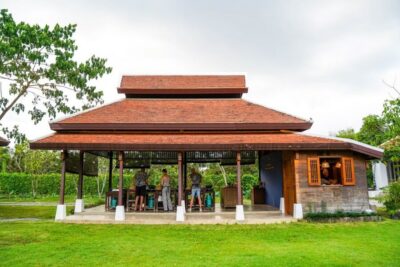
Chiang Mai: Authentic Cooking Class with Market & Farm Visit
Read our review →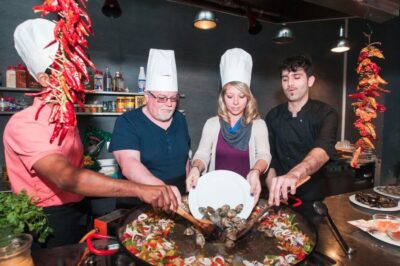
Barcelona: Paella Cooking Experience & Boqueria Market Tour
Read our review →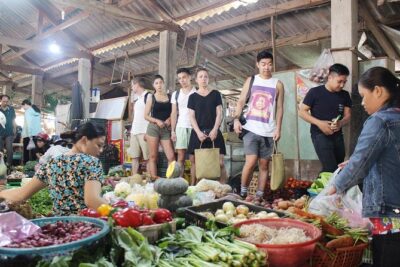
Cooking Class Hoi An:Local Market, Basket Boat, Fishing & Cooking
Read our review →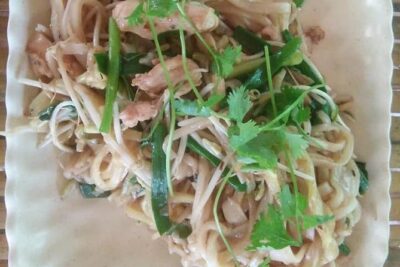
Hoi An Cooking Class(Market,BasketBoat Crabfishing&Cooking Class)
Read our review →Browse the lists this tour appears in