
Review · DA NANG
Da Nang Family Cooking Class – with Local Family in Da Nang
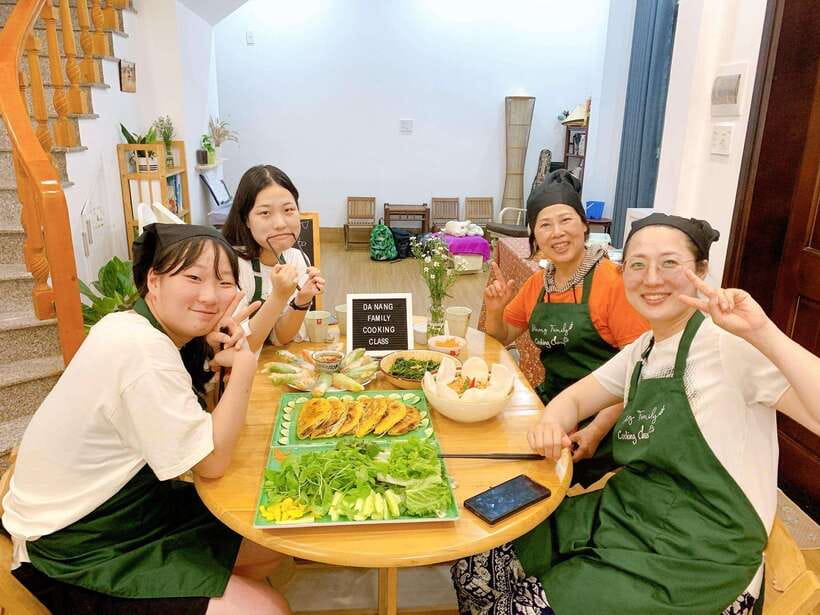
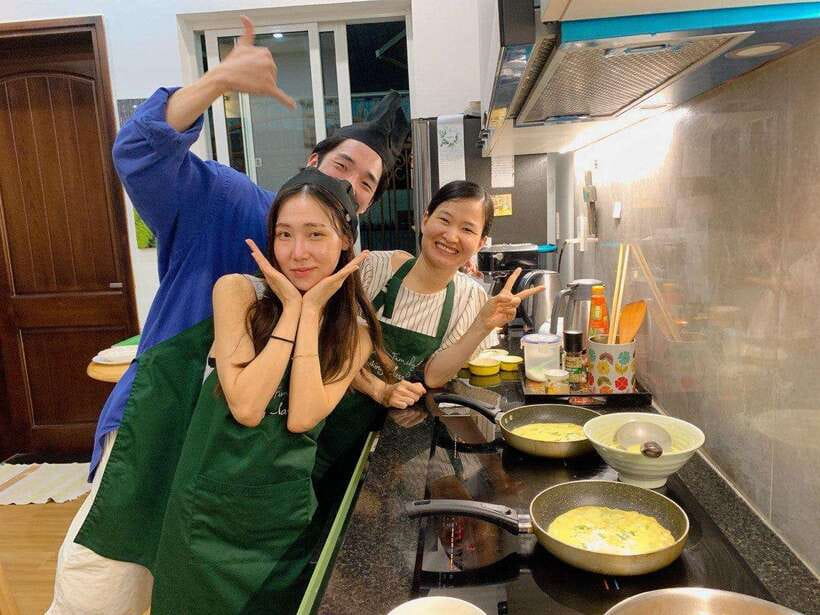
The best part of this Da Nang cooking class is the setting: you cook inside a local family home, not in a polished restaurant kitchen. I like the hands-on format, and I like that the host can speak English and Chinese while sharing bits of everyday life. You also eat the dishes you prepare, which gives the lesson a useful finish.
The main drawback is the meeting point. You must first take a taxi to Sala Coffee on Han Thuyen Street, then walk about one minute to the house on Nui Thanh Street. The directions are detailed, but you should allow time to find the correct Sala Coffee and arrive five minutes early.
Key points at a glance
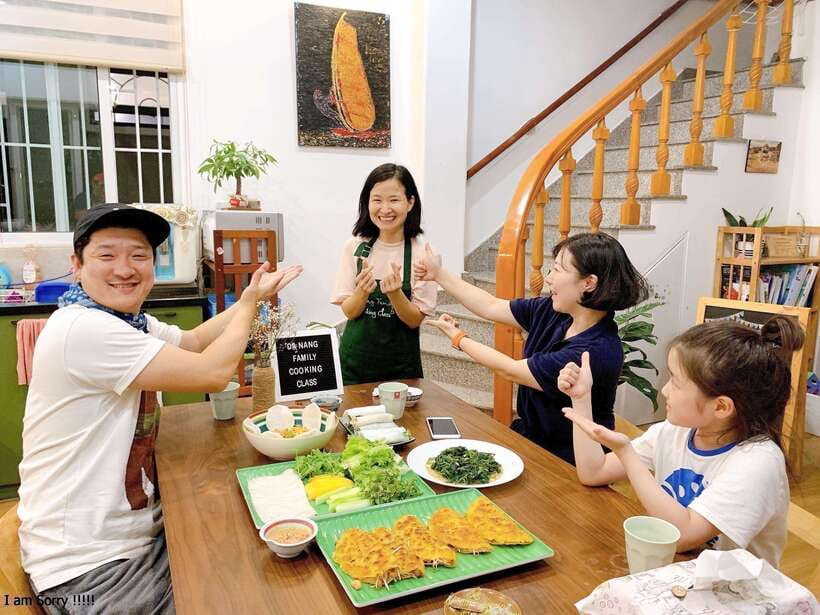
- A home kitchen in Da Nang: The class takes place at 374/36 Nui Thanh Street, reached by a short walk from Sala Coffee.
- Two menu choices: Pick a menu built around bánh xèo, fresh rolls, stir-fried morning glory, and salad, or one featuring bánh xèo, beef phở, and salad.
- A meal you prepare yourself: The cooking lesson ends with lunch or dinner, plus tea and dessert.
- Small groups of up to nine: The limited group size allows for direct help during each cooking step.
- Dietary requests can be discussed: Tell the host about allergies or restrictions in advance. Pork-free and beef-free adjustments have been handled successfully.
- 150 minutes for $24: The price includes instruction, ingredients, and the prepared meal, but not transportation.
Why a family kitchen makes the lesson worthwhile
Da Nang has no shortage of cooking classes, but a home setting changes the tone. You are not simply shown how a dish is assembled. You spend time with a family host, see where the lesson takes place, and hear about daily life in Vietnam as you cook.
That personal contact is the real reason to choose this experience. The host speaks English, Chinese, and Vietnamese, so you can ask questions as the class moves along. The focus is not only on recipes. You also get a little cultural context around the food and the way it fits into Vietnamese meals.
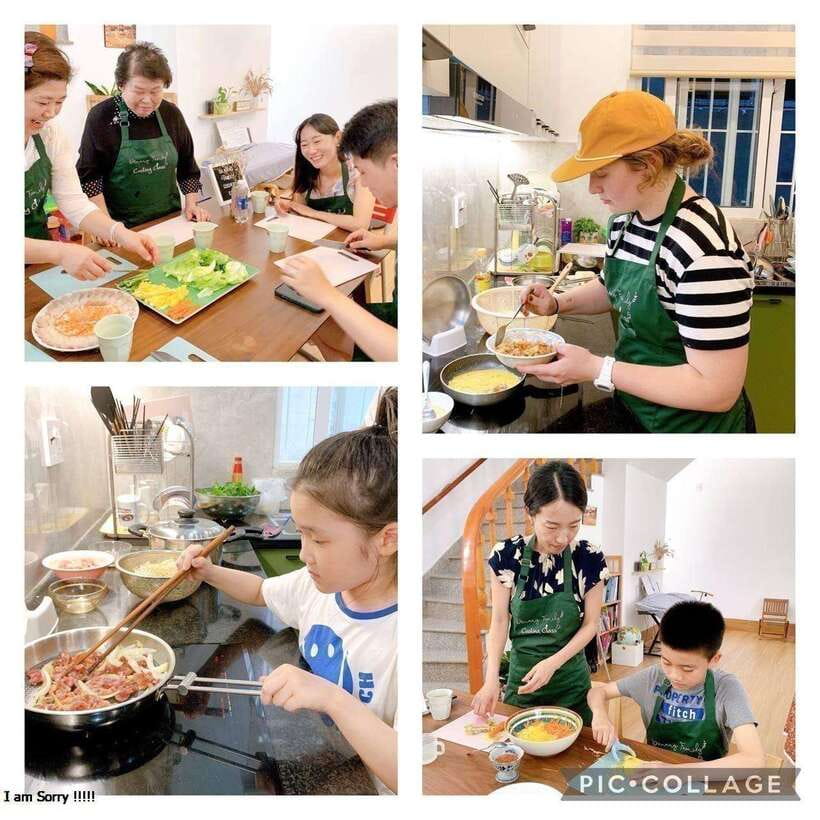
I especially like the balance between instruction and participation. You receive step-by-step help, but the class is not described as a demonstration where you sit and watch. You take part in the cooking, then sit down to enjoy the finished dishes. For a short activity, that gives you a clear beginning, middle, and end.
The group limit is nine people. That is small enough to make personal assistance possible, though the exact feel will depend on how many people book your session. If you want a private class, ask the provider about availability rather than assuming the booking will be private.
More Home Cooking Classes in Vietnam
- Da Nang Authentic Home Cooking Class
★ 5.0 · 354 reviews - Hoi An: Traditional Cooking Class & meal with Local Family
★ 4.9 · 396 reviews - Hoi An: Vegetarian Cooking Class w Local Family and transfer
★ 4.9 · 145 reviews
Finding 374/36 Nui Thanh Street
The arrival instructions deserve careful attention. Your first destination is Sala Coffee at 61 Han Thuyen, Hoa Cuong Bac, Hai Chau, Da Nang. This is a meeting landmark, not the cooking house.
From Sala Coffee, walk to Da Nang Family Cooking Class at 374/36 Nui Thanh Street, also shown as K374/36 Nui Thanh Street. The walk takes about one minute. You can use the supplied map link or search for Da Nang Family Cooking Class on Google Maps after reaching Sala Coffee.
This is a simple route once you understand it, but it is also the easiest place for confusion. Da Nang has more than one business called Sala, so check that your taxi is taking you to the Sala on Han Thuyen Street in Hoa Cuong Bac, Hai Chau. I would show the driver the full address rather than saying only the business name.
Plan to arrive five minutes before the start time. Transportation is not included, and neither is hotel pickup or drop-off. The short taxi ride and walk are your responsibility, so build in a little extra time if you are unfamiliar with this part of Da Nang.
The 150-minute cooking rhythm
The class lasts two and a half hours. You begin by meeting the family host and getting settled in the home. From there, the host explains the menu and leads you through the preparation in stages.
The supplied information does not give a fixed minute-by-minute schedule, so the order may vary by menu and group. You can expect a practical lesson rather than a long lecture. The host gives instructions as you work, which lets you ask about ingredients, preparation, and serving.
The final part is the meal itself. You eat the dishes you prepared for lunch or dinner, with tea and dessert included. That matters because you are not rushing away as soon as the last pan is taken off the heat. You get time to taste the results and enjoy the social side of the visit.
At $24 per person, the price covers the lesson, all ingredients, the meal, tea, and dessert. It is a fair value if you want both an activity and a meal. You should remember to add the cost of getting to and from the house, since transportation is separate.
Menu I: bánh xèo, rolls, greens, and fruit salad
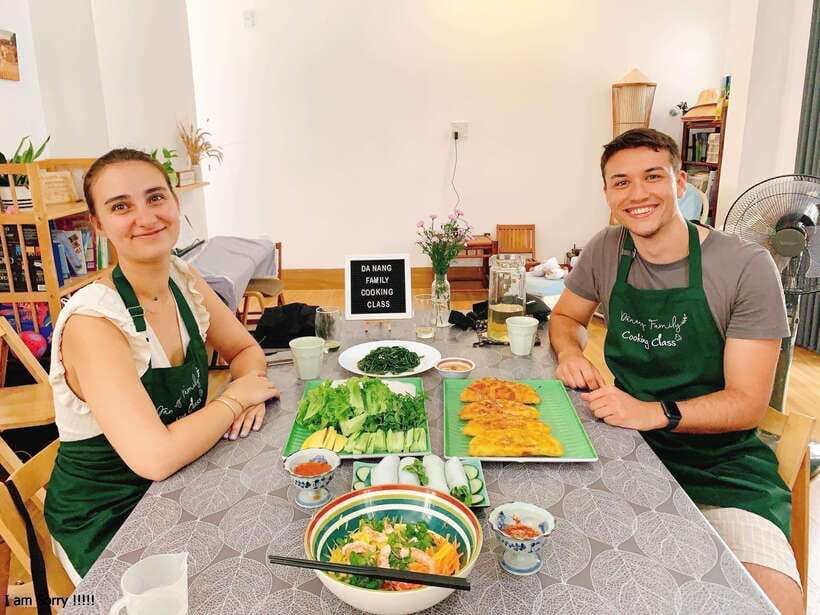
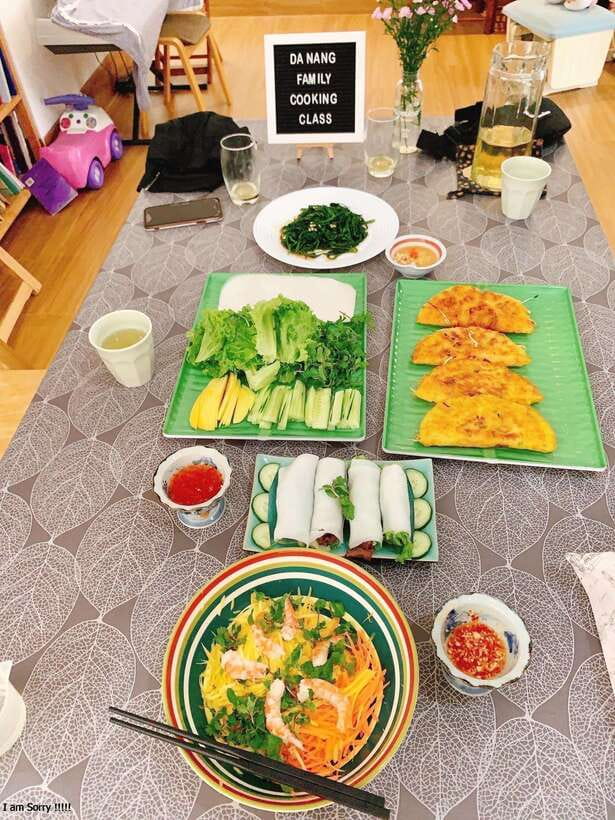
Menu I gives you a broad look at Vietnamese cooking. It includes a sizzling bánh xèo, Vietnamese rice paper or phở rolls, stir-fried morning glory with garlic, and a mango or pomelo salad.
Bánh xèo is the visual centerpiece. The name refers to the sizzling sound the batter makes when it meets the hot pan. The crepe is served with shrimp, lettuce, mint, basil, and nuoc cham dipping sauce. Rather than treating it as a single rich item, you eat it with herbs and leaves, which adds freshness and contrast.
The rolls bring in a different style. They may be made with phở rice paper or dried rice paper and filled with stir-fried beef, onions, shrimp or pork, cilantro, and lettuce. The stated serving options include sweet and sour fish sauce with garlic or peanut sauce.
This menu is useful if you want to compare several ways Vietnamese food handles texture. The bánh xèo is crisp, the rolls are soft and fresh, and the morning glory is a hot vegetable side. The salad adds a sweet and sour note.
Rau muống xào tỏi, or morning glory stir-fried with garlic, is an everyday Vietnamese vegetable dish. It is commonly served with rice in Vietnamese meals, so it gives the menu a taste of ordinary home cooking rather than only famous restaurant dishes.
The fruit salad uses mango or pomelo with carrot and a sweet and sour fish sauce. The exact fruit may depend on availability or the selected preparation, so ask the host if you have a strong preference.
More Home Cooking Classes in Da Nang:
- Khmer Cooking Class at a Local’s Home in Krong Siem Reap
★ 5.0 · 2,731 reviews - Local Home Korean Cooking Class & Market Adventure in Seoul
★ 5.0 · 1,024 reviews - Marrakech: Moroccan Cooking Class with a Local Family
★ 4.9 · 668 reviews - Mexican Cooking from Scratch in a Local Home in Tulum
★ 5.0 · 585 reviews
Menu II: bánh xèo followed by beef phở
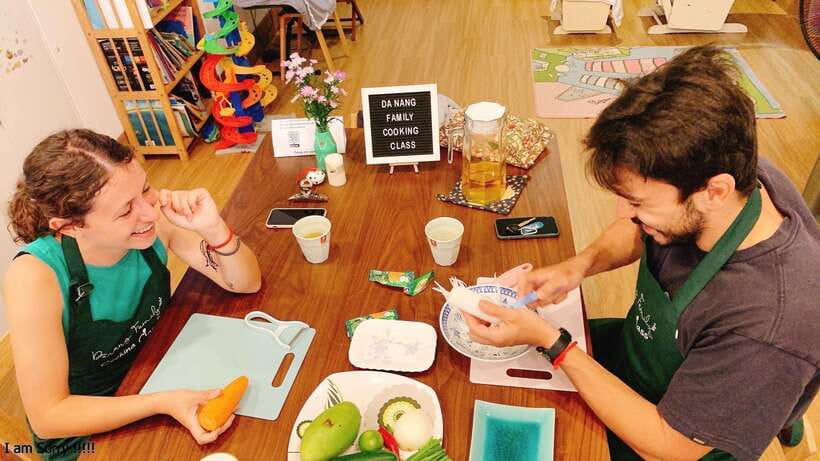
Menu II keeps bánh xèo and fruit salad, then adds phở bò, Vietnamese beef noodle soup. This is the menu to choose if the idea of learning a famous noodle soup appeals to you more than preparing rolls and a vegetable side.
Phở combines broth made from beef bones, flat rice noodles, beef, herbs, coriander, green onion, and white onion. It is served with basil, bean sprouts, and lime juice. The toppings and accompaniments let you adjust the bowl at the table, adding fragrance, freshness, and acidity.
The menu description connects beef phở with northern Vietnam and notes that the dish became popular across Vietnam and beyond after the Vietnam War. That makes it a useful lesson in regional food traditions. You are not only cooking a well-known dish; you are seeing how one preparation is linked with a particular part of the country.
There is one practical point to keep in mind. Phở is usually associated with a broth that takes time to develop, yet the class lasts 150 minutes. The activity information does not explain the full broth preparation or how much work is completed before the session. If you want to understand that part, ask the host which broth steps you will handle during the class.
Menu II may suit you if you want one signature Vietnamese dish and a simple fresh dessert. Menu I offers more separate preparations and a wider range of cooking techniques.
What the host can teach beyond the recipes
The host’s English and Chinese language skills are a real convenience. You can ask questions without relying only on gestures, and you can discuss dietary needs before cooking begins.
The class also gives you a chance to learn about local life. The host shares family stories and cultural insight while guiding the meal. The information does not promise a formal cultural lecture, so expect conversation woven into the cooking rather than a scheduled presentation.
I like this approach because food questions often lead to useful travel questions. You might ask how a dish is served at home, which herbs go with it, or how the sauces are balanced. The value comes from being able to ask while the ingredients are in front of you.
The hosts have also shown flexibility with food restrictions. A couple who did not eat pork or beef had their menu adjusted, and the meal remained successful. This is encouraging, but you should still provide your allergies or dietary restrictions in advance. Do not wait until the cooking has started.
The meal you make is part of the lesson
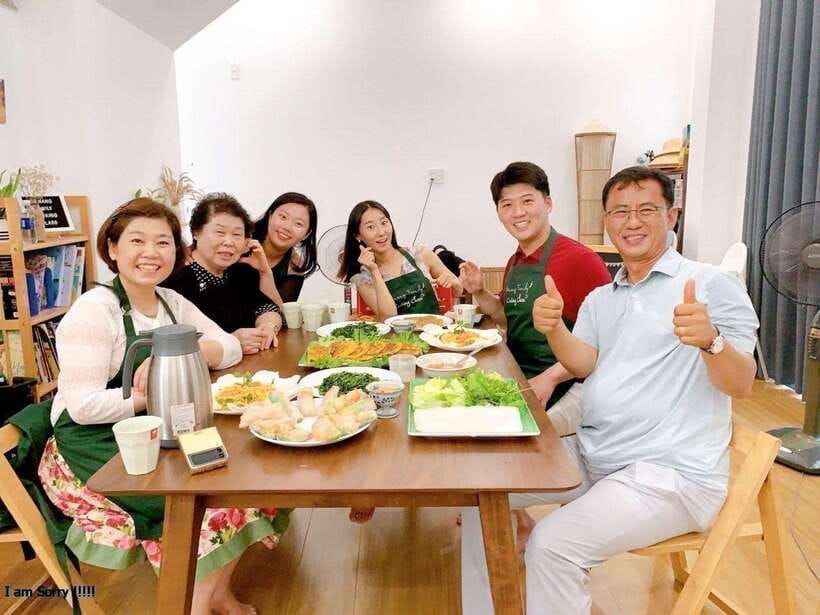
Eating your own work can sound like a small detail, but it changes the experience. You have a reason to pay attention to each step because the finished dish becomes your lunch or dinner.
The meal also lets you judge the techniques immediately. You can see how crisp the bánh xèo became, how the sauce works with the rolls, or how the herbs change a bowl of phở. If something tastes different from what you expected, you can ask the host while the lesson is still fresh.
Tea and dessert are included. The activity information does not specify the dessert, so do not book this expecting a particular sweet. Think of it as a pleasant closing item rather than the main reason to choose the class.
The social setting matters here. The home is described as friendly, and the hosts provide guidance throughout the stages. This is a good fit if you enjoy conversation and shared food. It may be less suitable if you want a silent, highly technical kitchen workshop with exact professional measurements.
Who should book this Da Nang class
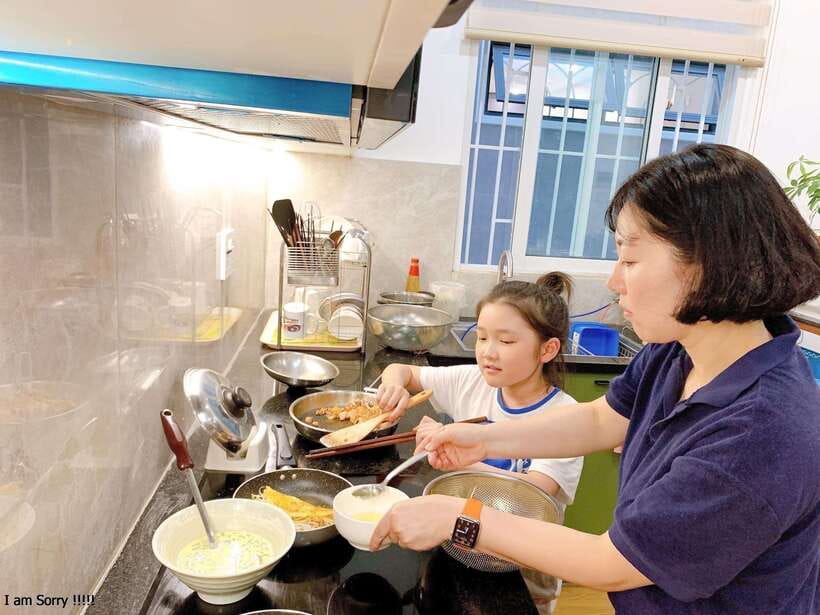
I would recommend this experience to couples, families, and small groups of friends who want an easy cultural activity with food at the center. The two menu choices also help if members of your group have different interests.
Menu I is the stronger pick for variety. You get a crepe, rolls, a vegetable dish, and salad. It suits you if you want to try several preparations during one session.
Menu II is better if phở is high on your list. It gives you a chance to work with the ingredients and garnishes associated with beef noodle soup, along with bánh xèo and salad.
The class can also work well near the end of a Da Nang stay. You get a final meal and a few recipes to try at home. One couple described the experience as a fitting close to their time in the city, and that makes sense: it combines food, conversation, and a personal setting without taking a full day.
Families should note that the supplied information does not state a minimum age or provide special child pricing. Ask before booking if you are traveling with young children. The location is wheelchair accessible, which is useful, though you should still confirm any specific access needs with the provider.
Small details that improve the experience
Tell the host about allergies and dietary restrictions before the class. Adjustments are possible, but advance notice gives the kitchen time to plan.
Use the full meeting instructions. Go first to the correct Sala Coffee on Han Thuyen Street, then walk to the cooking house. Do not have your taxi take you only to the name Sala Coffee without the street and district.
Wear something comfortable for a hands-on cooking session. Smoking indoors is not allowed. The activity does not list a dress code or special equipment requirements.
The booking terms are flexible. You can cancel up to 24 hours before the activity for a full refund, and you can reserve now and pay later. Starting times depend on availability, so check the schedule that appears for your date.
Should you book it?
Book this class if you want Vietnamese food served with personal contact rather than a restaurant-style lesson. The home setting, multilingual host, small group limit, and meal of your own cooking give the $24 price solid value.
Choose Menu I for the widest range of dishes, or Menu II if beef phở is your priority. Be realistic about the logistics: transportation is not included, and the Sala Coffee meeting point requires careful attention.
I would skip it only if you want a highly formal culinary course, guaranteed private instruction, or a detailed professional study of broth and knife work. For most visitors who want to cook, eat, and learn something about a Da Nang family’s daily food culture in 150 minutes, this is a practical choice.
FAQ
Where does the cooking class take place?
The class takes place at 374/36 Nui Thanh Street, also written as K374/36 Nui Thanh Street, in Hoa Cuong Bac, Hai Chau, Da Nang.
Where should I meet the host?
Take a taxi to Sala Coffee at 61 Han Thuyen, Hoa Cuong Bac, Hai Chau, Da Nang. From there, walk about one minute to the cooking house.
How long does the activity last?
The cooking class lasts 150 minutes, or two and a half hours.
How much does the class cost?
The listed price is $24 per person.
What is included in the price?
The price includes the cooking lesson, all cooking ingredients, lunch or dinner made during the class, tea, and dessert.
Is transportation included?
No. Hotel pickup, hotel drop-off, and transportation to and from the activity location are not included.
What languages does the host speak?
The instructor or host can speak English, Chinese, and Vietnamese.
Can I request dietary changes?
Yes. You should tell the host about allergies or dietary restrictions in advance. Adjustments have been made for people who do not eat pork or beef.
More Hands-On Workshops in Da Nang
- 5 Dishes Cooking Class with Market Trip in Da Nang
★ 5.0 · 466 reviews - 5 traditional dishes Da Nang cooking class with market trip
★ 5.0 · 331 reviews - Da Nang Cooking Class with Coffee Tasting and Market Visit
★ 5.0 · 310 reviews - Hoi An: Lantern Making, Basket Boat, and Cooking Class
★ 4.9 · 233 reviews
Just added around Da Nang
- Market Tour, Basket Boat Ride & Cooking Class by Hangcoconut★ 4.8 · 95 reviews
- HOI AN Cooking Class and Lantern Workshop★ 4.7 · 6 reviews
- Da Nang: Tandoori Naan Bread-Making Class★ 4.9 · 19 reviews
- Da Nang Vegetarian Cooking and coffee Class★ 4.6 · 11 reviews
- Da Nang Cooking: Market tour, farming, and cooking class★ 4.8 · 13 reviews
- Da Nang: Cooking Class and tasting Pho with Local Girl★ 5.0 · 6 reviews
- Da Nang: Cooking Pho & Vietnamese Dishes With Local Chef★ 5.0 · 5 reviews
- Da Nang: Coffee Making And Cooking Class★ 5.0 · 7 reviews
Home Cooking Classes, compared.
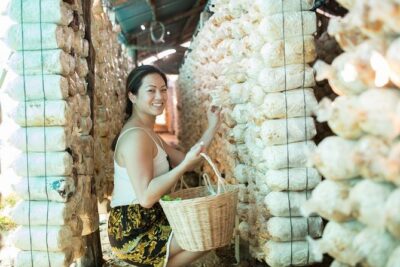
Khmer Cooking Class at a Local’s Home in Krong Siem Reap
Read our review →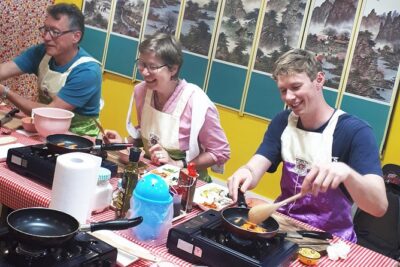
Local Home Korean Cooking Class & Market Adventure in Seoul
Read our review →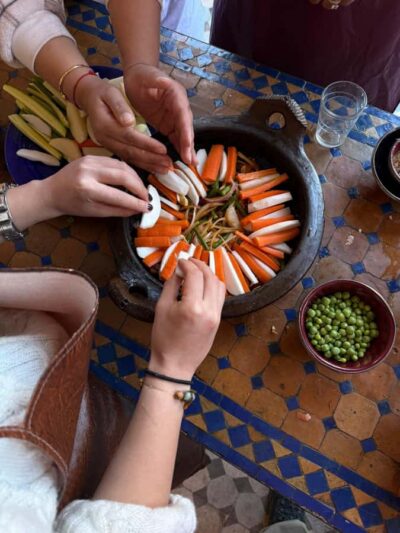
Marrakech: Moroccan Cooking Class with a Local Family
Read our review →
Mexican Cooking from Scratch in a Local Home in Tulum
Read our review →
Pastamama, Home Cooking Classes at Grace’s Home
Read our review →
Marrakech: Moroccan Cuisine Cooking Class in Local Home
Read our review →
Hoi An: Traditional Cooking Class & meal with Local Family
Read our review →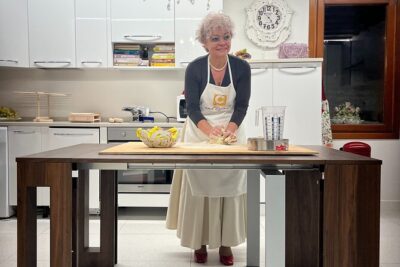
Browse the lists this tour appears in