
Review · DA NANG
Da Nang: Tandoori Naan Bread-Making Class
The best part of this Da Nang class is that you make the naan from start to finish, then watch it cook in a real tandoor. You knead the dough, add seasonings, shape the bread, and learn the satisfying slap that sends it onto the hot oven wall. Fresh bread from a charcoal tandoor is a fine reward for a small amount of work.
I like the tiny group size, which keeps the class friendly and hands-on, and I like the useful home-cooking advice for people without a tandoor. Staff members including Chef Manku and Amit help create the warm, informal feel. The main drawback is that the listed duration is one day rather than a clearly stated number of class hours, so check the start time before booking.
Key points at a glance
- Cook in a working restaurant kitchen: You make naan while the RANG team continues preparing food for the restaurant.
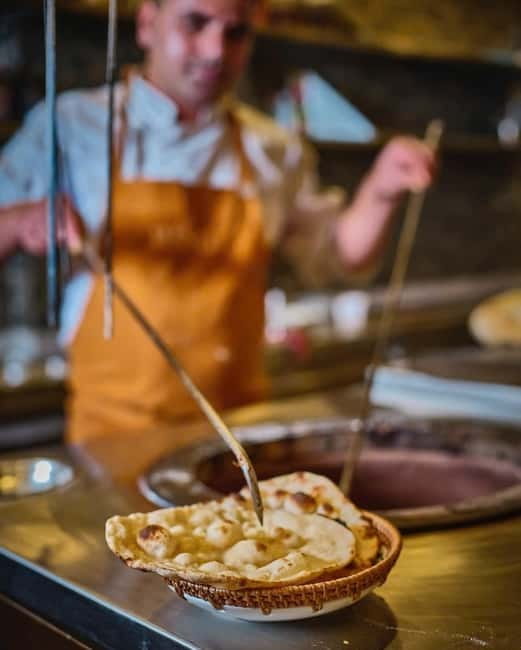
- Use a real tandoor: Fresh bread is cooked in a charcoal tandoor, with an oven method explained for home use.
- Make more than plain naan: The class covers plain, garlic, butter, and stuffed variations such as paneer or keema.
- Learn the food story: Your English, Vietnamese, or Hindi-speaking instructor explains naan’s place in meals from Punjab to Delhi.
- Small, beginner-friendly group: With no more than eight people, you get a chance to handle the dough and baking yourself.
- Eat what you make: Your naan is served with signature dips, and you can also pair it with a restaurant curry if you choose.
What happens when you arrive at RANG
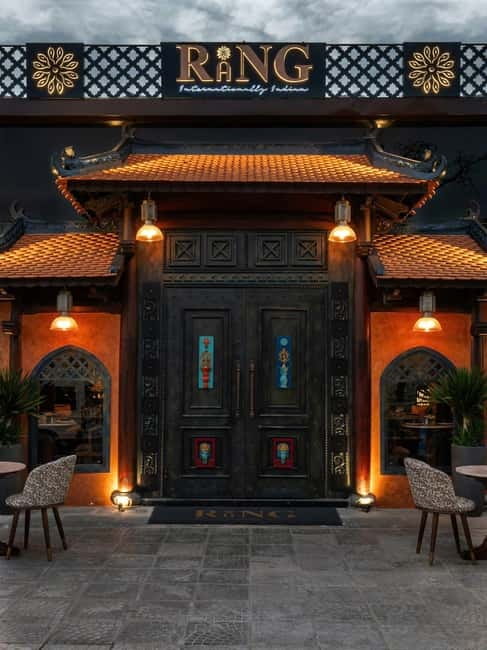
The class takes place at RANG, an Indian restaurant in central Da Nang. This is not a separate studio with a staged cooking setup. You work in the restaurant’s professional kitchen while the chefs continue preparing meals for diners.
That setting gives the class a useful sense of place. You can see how naan fits into a working Indian kitchen, rather than treating it as an isolated baking exercise. It also means the room may have the normal movement and activity of a restaurant service. If you prefer a quiet, private kitchen lesson, this may feel busy. If you enjoy seeing food prepared for real customers, it adds character.
RANG received a Michelin Bib Gourmand in both 2024 and 2025. The award recognizes good-quality food at moderate prices, so the restaurant makes a natural meeting point for a class built around both technique and eating. The award does not turn the lesson into a formal fine-dining event. Expect a practical restaurant experience with a professional kitchen and a friendly tone.
The small group limit matters here. With up to eight participants, you are less likely to spend the lesson watching from the side. The class is designed for beginners, and no previous cooking skill is required.
More Baking Classes in Da Nang:
- Lisbon: Pastel de Nata Baking Class
★ 4.9 · 2,106 reviews - Group Tour: Garni, Symphony of Stones, Geghard, Lavash Baking
★ 5.0 · 1,042 reviews - Paris Croissant Small-Group Baking Class with a Chef
★ 5.0 · 910 reviews
Mixing dough and learning what makes naan different
Naan begins with dough, and the class takes you through that foundation rather than handing you a ready-made ball. You knead the mixture, learn how it should feel, and prepare it for shaping and baking.
This is one of the most useful parts for home cooks. The tandoor gets much of the attention, but good naan depends just as much on dough preparation. If the dough is too firm, too dry, or poorly handled, the final bread will not have the soft, fluffy texture you want.
The instructor also explains why naan has become such a familiar partner for Indian food. It works as a scoop for curry, a side for hearty meals, or a simple bread served with butter and seasoning. You get more than a recipe. You learn how the bread fits into different regional food traditions, including hearty meals associated with Punjab and the more royal cooking traditions connected with Delhi.
The class is conducted in English, Vietnamese, or Hindi. That range is helpful for an international group, especially when the lesson includes small technique details such as dough texture, seasoning, and shaping.
Shaping plain, garlic, butter, and stuffed naan
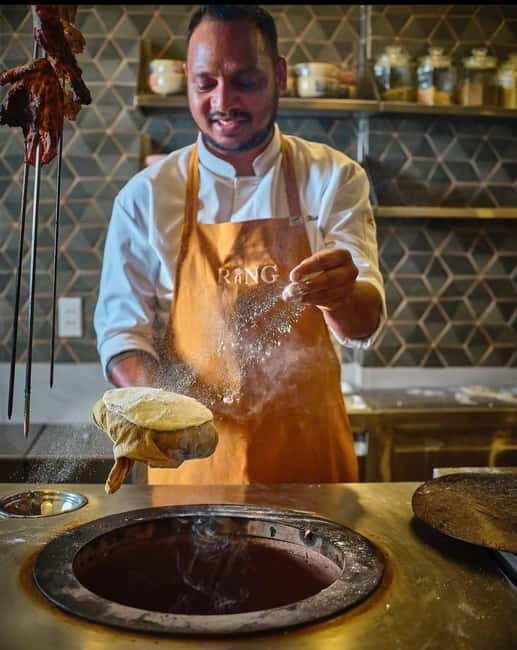
Once the dough is ready, you season and shape it. The class can include classic plain naan along with garlic and butter versions. Stuffed variations such as paneer or keema add another layer, since the filling has to stay inside while the dough is stretched and baked.
Making several styles helps you understand the basic formula. Plain naan shows the bread itself. Garlic and butter bring familiar toppings. Stuffed naan shows how far you can take the same dough for a fuller snack or meal.
You should not expect every possible regional version of naan in one short activity. The strength of the class is the hands-on practice with a useful range of styles, not a full survey of Indian bread. If you mainly want to learn one reliable recipe for home, the plain and garlic versions may be the most practical place to focus.
The class also gives you ideas for serving naan with curries from different parts of India. That connection is useful because naan can taste excellent on its own, but it is at its best when paired with a sauce, dip, or stew.
The satisfying tandoor step
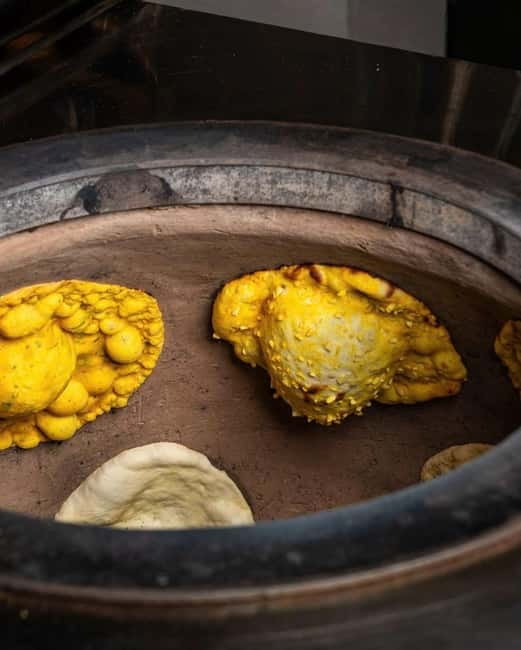
The moment most people look forward to is baking. You experience the traditional method of placing the shaped naan onto the inside of a hot tandoor, where it cooks quickly and develops its familiar texture.
There is a bit of theater here, but it is not only for show. A tandoor produces intense heat and helps create the contrast between a soft middle and browned, slightly crisp patches. The bread comes out hot and fragrant, with a texture that is difficult to copy exactly in a standard kitchen.
The tandoor at RANG uses charcoal, and the finished bread is served fresh. The hands-on element makes the process memorable because you are not simply watching a chef remove naan from the oven. You get to take part in the shaping and baking under guidance.
You should follow the instructor’s directions carefully at this stage. A tandoor is extremely hot, and the class is not the place to improvise. The activity is beginner-friendly, but that does not mean the equipment is casual.
More Indian Cooking Classes in Da Nang:
- Indian Cooking Class in an Authentic Local Home – Learn 6 Dishes
★ 5.0 · 195 reviews - Authentic Indian Cooking Classes at Palolem Beach Road Goa
★ 5.0 · 132 reviews - New Delhi: Indian Cooking Class in a Local Home
★ 5.0 · 65 reviews - Mumbai: Indian Cooking Class & Cultural Delights
★ 5.0 · 38 reviews
Home-oven advice that you can actually use
A useful feature of this class is the attention to cooking naan without a tandoor. Most home cooks do not have a traditional clay oven, so a lesson that only works in a restaurant kitchen would have limited value.
The instructors explain alternatives for home cooking and share tips for getting as close as possible to restaurant-style results. You learn about dough preparation, baking technique, and ways to use toppings creatively. The goal is not to promise that a home oven will produce an identical result. It is to show you how to make good naan with equipment you are more likely to own.
This advice is particularly valuable if you plan to cook Indian food after returning home. You can practice with plain or garlic naan first, then try butter or stuffed versions once you feel comfortable handling the dough.
I would pay close attention to the home method, even if the charcoal tandoor is the main attraction. The tandoor makes the class special, but the home tips determine whether you will repeat the recipe later.
Tasting the bread with dips and curry
After baking, you eat the naan with signature dips. This tasting gives you a chance to compare the different styles while they are still warm, rather than waiting until the bread cools.
You can also combine the class with a meal at the restaurant. This is optional, and the staff do not pressure you to order lunch or dinner. If you choose a curry, your freshly made naan becomes part of a full meal, which is a particularly good way to understand why naan is served alongside saucy Indian dishes.
That optional restaurant meal is worth keeping in mind when planning your budget. The class price is listed at $2.60 per person, an unusually low cost for a guided, hands-on food activity. The included tasting already makes the price easy to justify. A separate meal costs extra, but it lets you turn the lesson into a longer food stop.
The class is not designed as a large meal by itself. You receive naan and dips, while a curry is an optional addition. If you arrive very hungry, plan accordingly.
What makes this class good value at $2.60
At $2.60, the price is hard to beat. You receive expert guidance, hands-on practice, a small group setting, freshly baked bread, and dips. Many cooking classes charge mainly for instruction, while this one also gives you a meal-like tasting at the end.
The value comes from the access to the working kitchen and the chance to use the tandoor. You are not simply watching a demonstration or receiving a printed recipe. You handle the ingredients and experience the key cooking step yourself.
The low price also makes this easy to add to a Da Nang day without committing to an expensive food tour. You can combine it with a meal at RANG, but you do not have to buy anything beyond the class.
There are a few limits. The activity does not list a precise number of teaching hours, and the advertised validity is one day, with start times based on availability. Check the available time before booking so the class fits your schedule.
Who will enjoy the experience most
This is a strong choice for first-time cooks, Indian food fans, and anyone who likes activities with something edible at the end. You do not need to know how to knead dough or use a tandoor. The instructors guide you through each stage.
It also suits couples, solo participants, and small groups of friends. With no more than eight people, you have a fair chance to work directly with the dough and ask questions. The choice of English, Vietnamese, and Hindi makes the class accessible to a mixed group.
Families should note the age limit. Children under seven are not permitted, so this is not a suitable activity for very young children. Older children may enjoy the hands-on format, but the hot tandoor means close attention to the instructor is essential.
I would also recommend it to anyone who wants a break from sightseeing. A bread-making class gives you a different way to spend part of your time in Da Nang, and the restaurant setting connects the activity to the local dining scene without pretending that naan is Vietnamese food.
A warm kitchen, not a polished stage show
The atmosphere appears to be one of the class’s strongest points. You work alongside chefs who are also preparing food for restaurant customers, and the kitchen is described as clean and professional.
Chef Manku and Amit are names to look for when you arrive. Their role in making the activity welcoming is part of what gives the class its personal touch. The cooking is practical, but the people leading it help keep the pace light and social.
Do not expect a silent, highly formal lesson. This is a small-group activity in an active restaurant kitchen. You may enjoy the energy, but the setting may not suit you if you want a private class with no background activity.
The class also seems well suited to people who like meeting local staff and learning a little about the food beyond the recipe. The stories about Punjab, Delhi, and the place of naan at the table give the bread a useful cultural frame.
Booking details worth checking before you go
The class allows free cancellation up to 24 hours before the start time for a full refund. You can also reserve now and pay later, which helps if your Da Nang schedule is still changing.
The activity is listed as valid for one day, with start times shown according to availability. Since the exact class length is not stated, check the selected time carefully and leave room around it rather than booking a tight connection or another timed activity.
Alcohol and drugs are not allowed. Children under seven cannot join. No previous cooking experience is required, and the group is limited to eight participants.
Should you book the RANG naan class?
I would book this if you want a low-cost, hands-on food activity with a clear payoff. The real charcoal tandoor, small group size, home-oven advice, and fresh naan tasting make it more useful than a simple restaurant meal.
Choose it especially if you enjoy Indian food, want to learn a skill you can repeat at home, or like seeing a working kitchen in action. Pair it with a curry at RANG if you want a fuller meal, but remember that the curry is optional.
Skip it if you need a precisely timed, full-length cooking course or if you are traveling with children under seven. For almost everyone else, $2.60 buys a friendly lesson, a taste of Indian food culture, and bread you helped make yourself.
FAQ
Where does the naan-making class take place?
The class takes place at RANG, an international Indian restaurant in Da Nang, Vietnam.
How much does the class cost?
The listed price is $2.60 per person.
How long does the activity last?
The activity is listed as valid for one day, but a specific number of class hours is not provided. Check the available start times when booking.
Is the class suitable for beginners?
Yes. No previous cooking experience is needed, and the class is designed to be interactive and beginner-friendly.
How many people can join?
The class is a small-group activity limited to eight participants.
Which languages are available?
Instruction is available in English, Vietnamese, and Hindi.
What types of naan can I make?
The class covers plain, garlic, butter, and stuffed variations such as paneer or keema.
Do I get to use a real tandoor?
Yes. You learn how to place naan onto a tandoor, and the bread is baked fresh in a charcoal tandoor. Home-oven alternatives are also explained.
Is food included after the class?
Freshly baked naan and signature dips are included. A restaurant curry can be ordered separately if you want to make a meal of it.
Can children join the class?
Children under seven are not permitted to participate.
Can I cancel my booking?
Yes. You can cancel up to 24 hours in advance for a full refund.
Do I have to order a meal at RANG?
No. A restaurant meal is optional, so you can take the class and enjoy the included naan tasting without ordering a curry.
More Hands-On Workshops in Da Nang
- 5 Dishes Cooking Class with Market Trip in Da Nang
★ 5.0 · 466 reviews - Da Nang Authentic Home Cooking Class
★ 5.0 · 354 reviews - 5 traditional dishes Da Nang cooking class with market trip
★ 5.0 · 331 reviews - Da Nang Cooking Class with Coffee Tasting and Market Visit
★ 5.0 · 310 reviews
Just added around Da Nang
- Market Tour, Basket Boat Ride & Cooking Class by Hangcoconut★ 4.8 · 95 reviews
- HOI AN Cooking Class and Lantern Workshop★ 4.7 · 6 reviews
- Da Nang Vegetarian Cooking and coffee Class★ 4.6 · 11 reviews
- Da Nang Family Cooking Class – with Local Family in Da Nang★ 4.3 · 4 reviews
- Da Nang Cooking: Market tour, farming, and cooking class★ 4.8 · 13 reviews
- Da Nang: Cooking Class and tasting Pho with Local Girl★ 5.0 · 6 reviews
- Da Nang: Cooking Pho & Vietnamese Dishes With Local Chef★ 5.0 · 5 reviews
- Da Nang: Coffee Making And Cooking Class★ 5.0 · 7 reviews
Baking & Bread Classes, compared.
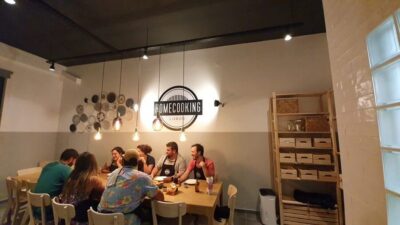

Group Tour: Garni, Symphony of Stones, Geghard, Lavash Baking
Read our review →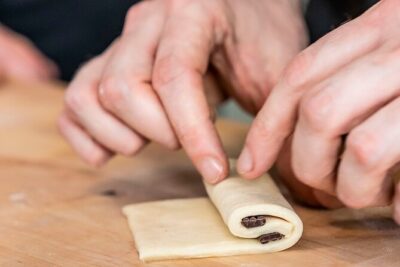
Paris Croissant Small-Group Baking Class with a Chef
Read our review →
Garni & Geghard Small-Group Day Trip with Lavash Baking
Read our review →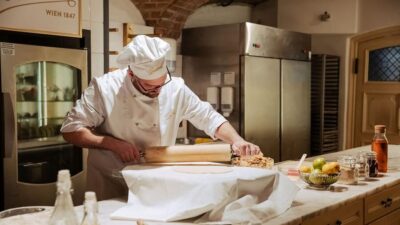
Vienna: Gerstner KuK Hofzuckerbäcker Baking Show & Tasting
Read our review →
Yerevan: Garni, Geghard, Symphony of Stones & Lavash Baking
Read our review →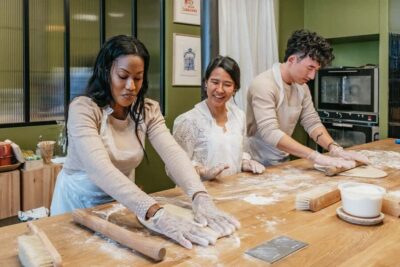
Paris: French Croissant Baking Class with a Chef
Read our review →
Laugarvatn Fontana: Geothermal Bread-Baking Experience
Read our review →Browse the lists this tour appears in