
Review · GENOA
Genova Cooking Class with Tasting
Genoa’s best food lesson starts with a mortar, fresh basil, pine nuts, and a few small details that can make or break pesto Genovese. This 3.5-hour cooking class gives you practical time at the worktable, then lets you eat what you have prepared with the group.
I like the small group size, capped at 10, and the chance to work with local professionals rather than simply watch a demonstration. I also like the range of food: pesto, cheese-filled focaccia, and Canestrelli biscuits from the hills near Genoa.
The main drawback is that the full menu is not listed by name. Three recipes are clearly identified, but you should not book this expecting a pasta-making class or a particular fourth dish unless the local partner confirms it.
Key points at a glance
- Pesto Genovese from scratch: Learn how fresh Ligurian basil, pine nuts, and careful preparation shape the sauce.
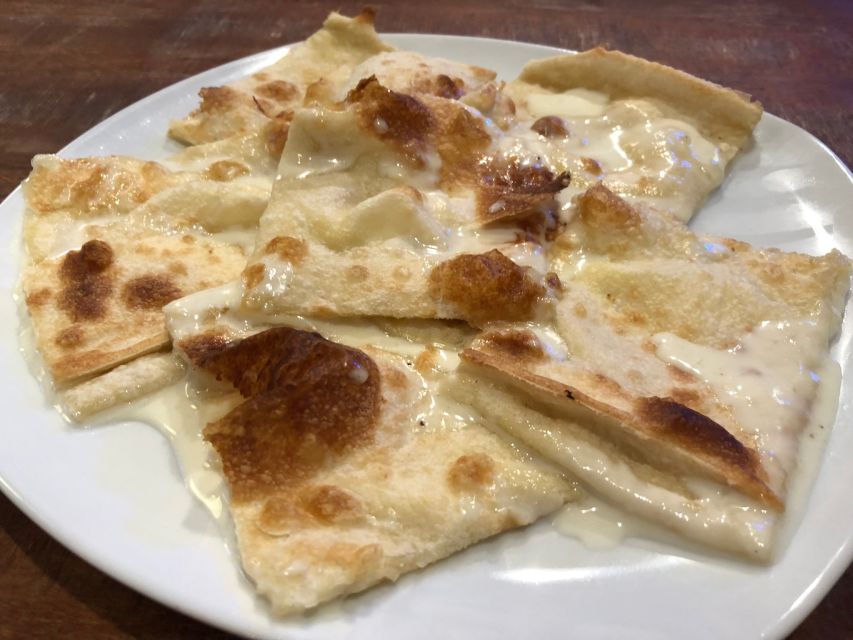
- Cheese-filled focaccia: Work with thin dough layers and Stracchino, a soft cheese used in the classic dish.
- Canestrelli from Torriglia: Prepare handmade biscuits linked to a small village in the hills behind Genoa.
- Small local setting: The class takes place in a comfortable environment, described as a small local restaurant.
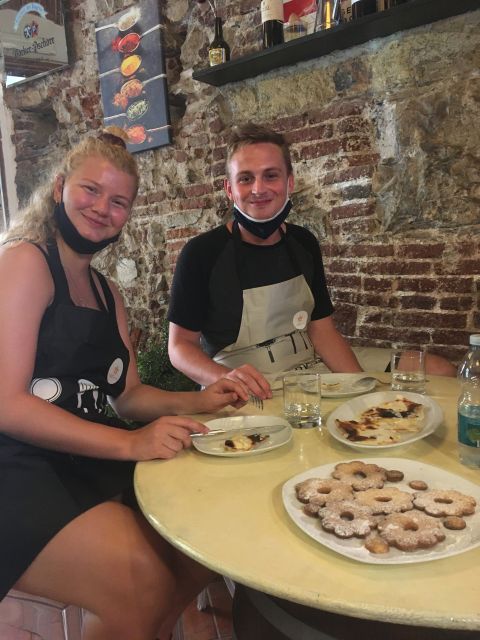
- Named local guides: Veronica, Bernardo, and Marco are associated with the class and explain the food as you cook.
- Easy central meeting point: Start in front of Christopher Columbus’ House on Via di Porta Soprana.
Why this Genoa cooking class is worth your morning
Genoa can be easy to rush through. You might see the harbor, walk along Via Garibaldi, and eat pesto without ever learning why Ligurian cooks care so much about basil, texture, and technique. This class slows the meal down in a useful way.
You do not just receive a plate of local food. You handle the ingredients, follow the recipes, and sit down to taste the results. That makes the experience a good fit if you want a food activity that teaches something but does not feel like a formal culinary school.
The format is also friendly to mixed groups. You can come as a couple, with friends, or on your own and work alongside other participants. With no more than 10 people, the instructors have a better chance to offer direct help at the table.
The class is led in English and Italian. Veronica, Bernardo, and Marco are the names connected with the instruction, and one particularly useful part of their teaching is the attention given to small pesto details. Those details matter because pesto is a short ingredient list with nowhere to hide poor technique.
More Food and Drink Tours in Italy:
- Small Group Cooking Class & Market Food Tour in Florence
★ 5.0 · 1,574 reviews - Pasta Making & Wine Tasting with Dinner in Frascati from Rome
★ 5.0 · 1,326 reviews - Rome: Pasta Making with Wine Tasting and Dinner in Frascati
★ 4.9 · 979 reviews
Meeting at Christopher Columbus’ House
The meeting point is in front of Christopher Columbus’ House on Via di Porta Soprana, at approximately 44.4055786, 8.9351597. This gives you a clear central place to begin, but you should still allow time to find the exact spot before the start.
The location is useful for a day in central Genoa. You can arrange the class around a walk through the old city, although the cooking session itself is the main event rather than a sightseeing tour. The supplied information does not include transport from the meeting point to the cooking venue, so follow the local partner’s directions when booking or shortly before the class.
Wear comfortable shoes. You will be taking part in hands-on food preparation, and practical footwear is more useful than something chosen only for photographs. Large bags and luggage are not allowed, so this is not a convenient activity to schedule while moving between hotels with your suitcases.
Settling into the small restaurant setting
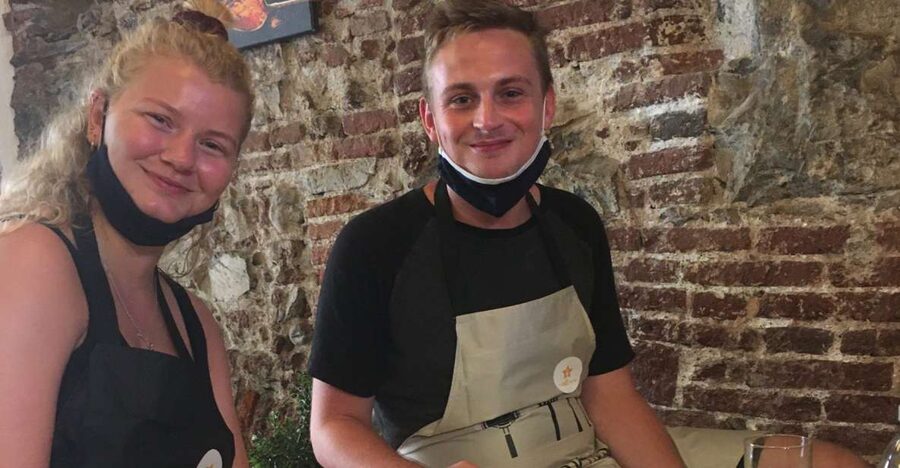
The cooking takes place in a small local restaurant, according to the details provided about the experience. That setting helps the class feel connected to everyday food service rather than a staged demonstration kitchen.
You should expect a working environment where ingredients, dough, tools, and prepared dishes share the space. It may not have the polished feel of a large cooking studio, but that is part of the appeal. A small restaurant gives you a closer view of how regional food is handled and served.
The group limit of 10 matters here. Cooking classes can become frustrating when everyone is crowded around one counter or when the instructor has to repeat every step for a large audience. A group of this size should make it easier to see the preparation and ask questions in English or Italian.
The class is described as comfortable and relaxed, but it is still hands-on. You will need to participate rather than sit back for the entire session. If you prefer a quiet tasting with no practical work, a food tour may suit you better.
Pesto Genovese and the details behind the sauce
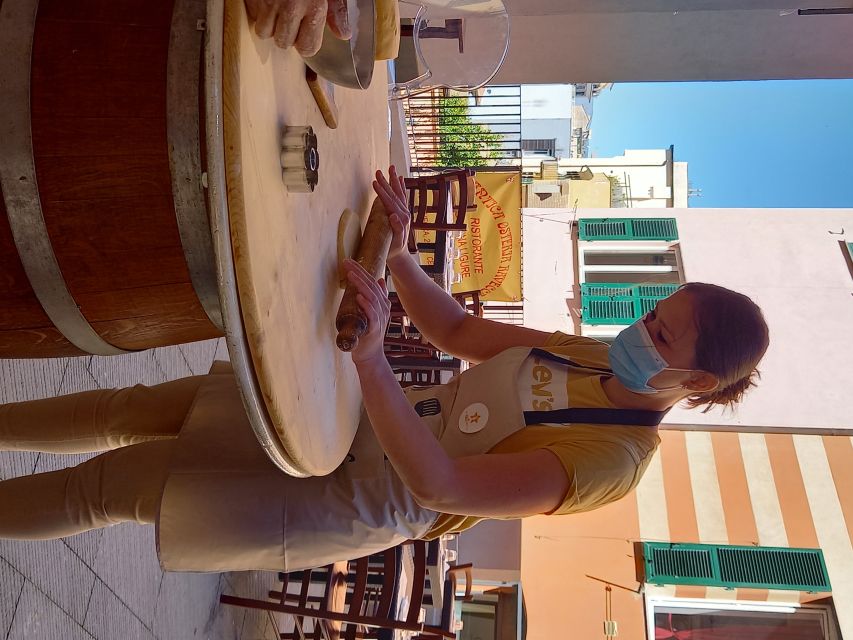
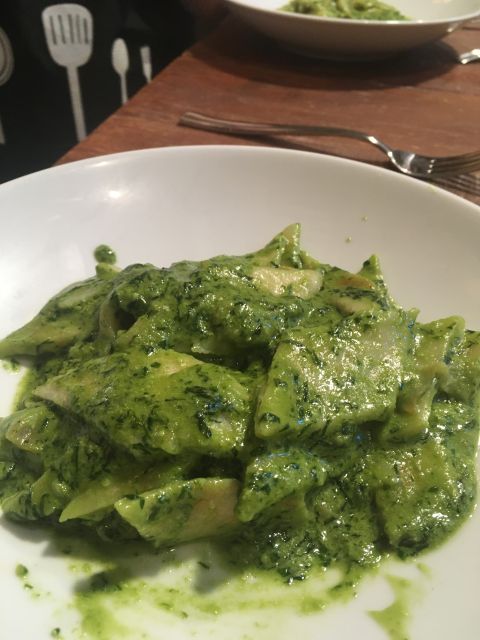
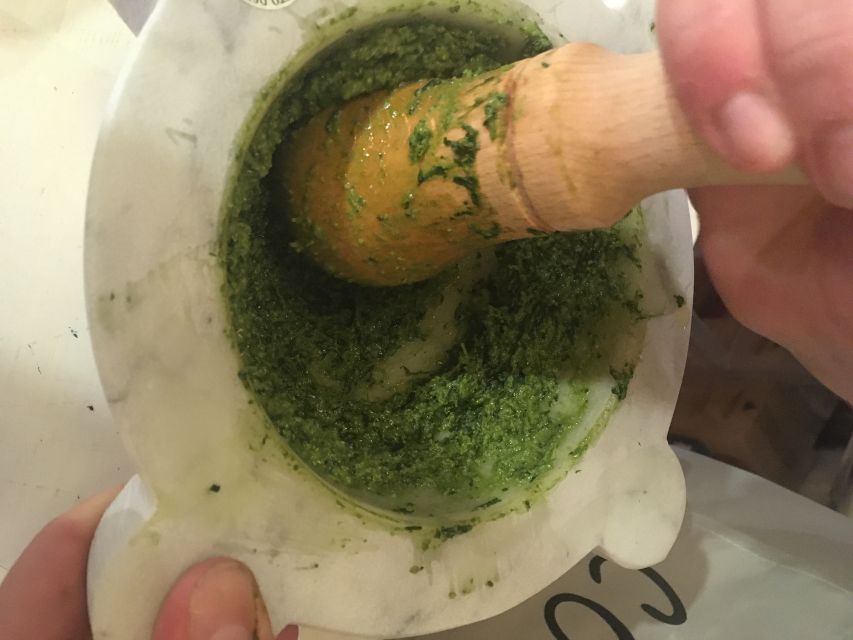
Pesto is the star of the class, and rightly so. Genoa is the home of classic pesto Genovese, a sauce built around local fresh basil and pine nuts. The class teaches you how to prepare it rather than treating it as a finished product that simply appears on the table.
This is where the instructors’ advice becomes most useful. Small choices affect the final sauce, including how the ingredients are combined and how carefully the basil is handled. Veronica, Bernardo, and Marco explain those details while you work, giving you a better chance of reproducing the recipe at home.
The tasting also gives you a direct comparison between the ingredients and the finished dish. Fresh basil and pine nuts are not just labels on a menu. They form the character of the sauce, and the class gives you a clear reason to pay attention to them.
I would consider this the strongest part of the experience for anyone who already enjoys pesto. It connects a famous Genoese food with its place of origin and gives you a technique you can use again. The limitation is that the information provided does not specify the equipment or exact method used, so you should not assume the class follows one particular traditional tool or recipe variation.
More Hands-On Workshops in Italy:
- Florence: Pasta Cooking Class with Unlimited Wine
★ 4.9 · 10,285 reviews - 3 in 1 Cooking Class near Navona: Fettuccine, Ravioli & Tiramisu
★ 5.0 · 7,376 reviews - Florence: Pasta & Tiramisu Cooking Class with Unlimited Wine
★ 4.9 · 6,708 reviews - Florence: Pasta Cooking Class with Unlimited Wine
★ 5.0 · 6,413 reviews
Cheese focaccia, thin dough, and Stracchino
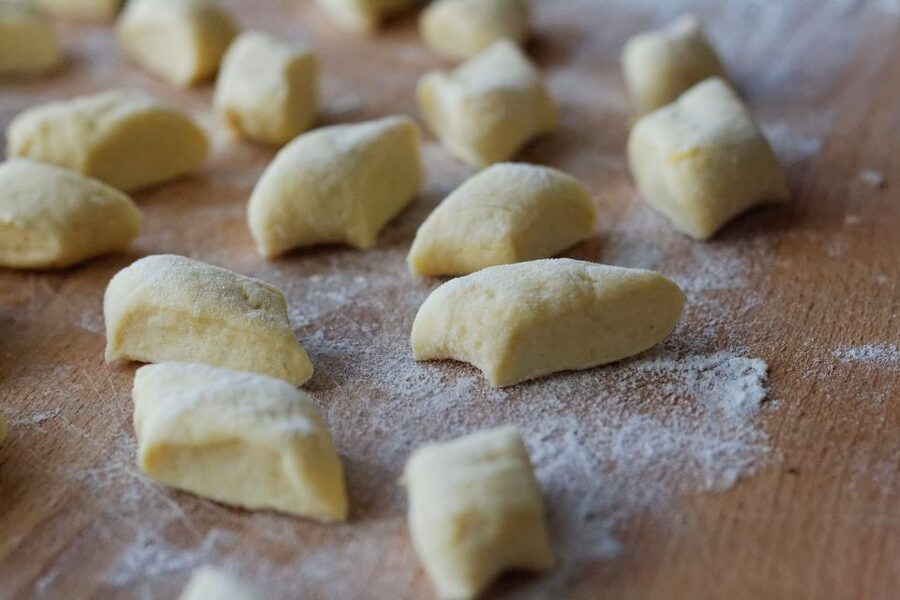
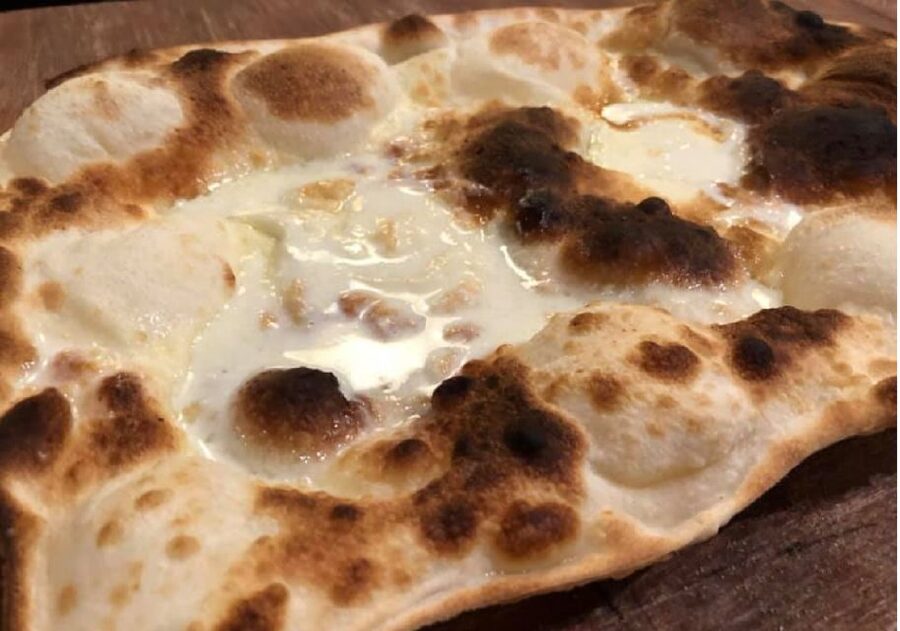
The class also includes Focaccia with cheese. This is not simply a thick, oily piece of bread topped with herbs. The version described here uses two very thin layers of dough with Stracchino tucked between them.
That preparation gives you a different lesson from pesto. You get to work with the dough itself, including the part that participants found especially enjoyable: handling and shaping the focaccia dough. The thin layers require care, and the soft cheese provides the filling.
The dish is a good example of why regional food classes can be more useful than a standard cooking demonstration. You learn that focaccia is not one single thing across Italy. Liguria has its own forms, textures, and local habits, and the cheese-filled version offers a taste that is distinct from the familiar bakery slice.
You should expect to taste the focaccia during the shared meal after preparation. The precise order of cooking and tasting is not specified, so the class may organize the dishes according to kitchen timing. In any case, the point is to make the food with the group and then eat it together.
Canestrelli from the hills behind Genoa
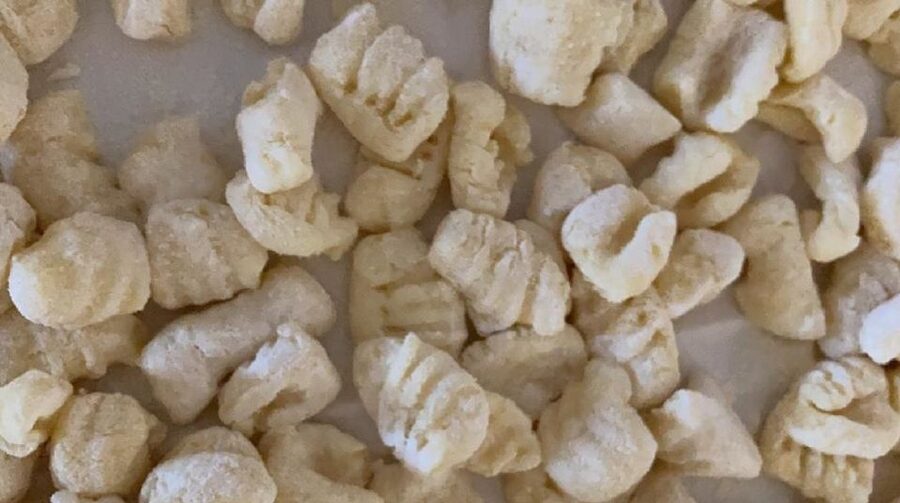
Canestrelli bring a sweet finish and a link to the inland side of Liguria. These are handmade biscuits from Torriglia, a small village in the hills behind Genoa.
That detail gives the class a broader view of Ligurian food. Genoa is a port city, but its cooking traditions are not limited to seafood or food found along the waterfront. A biscuit associated with Torriglia shows how recipes from nearby hill communities also belong in the local food story.
The Canestrelli section should appeal to anyone who likes to take a regional recipe home. Biscuits are easier to repeat in a domestic kitchen than some restaurant dishes, although the class information does not give the full ingredient list or baking method.
The sweet course also balances the savory dishes. You prepare pesto and cheese focaccia, then add a handmade biscuit to the group’s tasting. That makes the menu feel more like a small Ligurian meal than a single-recipe workshop.
The fourth recipe and what remains unclear
The experience promises four traditional recipes from Genoa and Liguria. Pesto, cheese-filled focaccia, and Canestrelli are identified clearly. The fourth recipe is not named in the available details.
That is worth noting before you book. If you are choosing among several Genoa cooking classes because you specifically want pasta, gnocchi, tiramisu, or another dish, this class does not promise those foods by name. Its focus is broader, with three confirmed recipes and one additional traditional preparation.
I see this as a minor issue for a flexible food lover, but a real consideration for someone planning a menu around one particular dish. Ask the local partner about the fourth recipe if that detail will affect your decision.
Tasting the food you prepared
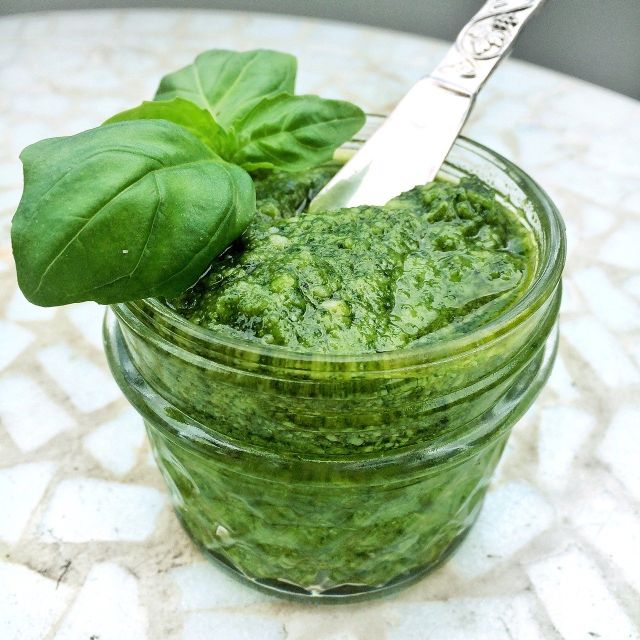
The tasting is part of the experience, not an optional extra. You prepare the recipes and then taste them with your fellow cooks. That shared meal gives the class a natural finish and lets you judge the results while the techniques are still fresh.
I like this format because it turns the cooking into a complete activity. You are not sent away with an unfinished recipe or left to imagine how the final food should taste. You can see, smell, and eat the results at the end.
The class also creates a social setting without needing a separate group tour. You work together, compare the preparation, and share the table. The small group should help keep the meal more personal, though people who want a private class should note that this is a shared experience.
Food allergies need to be reported to the local partner before the activity. Do not wait until you arrive. The dishes include basil, pine nuts, dairy products, and other ingredients, so advance notice is especially important if you have a serious allergy.
Timing, language, and the practical side
The activity lasts 3.5 hours. That is long enough for several preparations and a proper tasting, but short enough to fit into a morning or afternoon in Genoa.
Check the available starting times before you commit to other plans. The exact schedule can affect lunch, dinner, museum visits, or train connections. Since the experience includes several recipes and a shared tasting, I would avoid placing a tight appointment immediately afterward.
Instruction is available in English and Italian. That makes the class accessible to English-speaking visitors, while also keeping the experience connected to the local language. If you speak some Italian, you may enjoy hearing the food terms in their original setting, but you do not need Italian listed as a requirement.
The activity offers free cancellation up to 24 hours in advance and a reserve-now, pay-later option. Those policies are useful if your Genoa plans may shift, especially on a multi-city Italian trip. The available information does not include a price, so I cannot judge the exact cost against other classes. For value, compare the fee with the 3.5-hour length, the four preparations, the tasting, and the small group limit rather than comparing only the headline price.
Who should book this class?
I would recommend it to you if you want to understand Genoa through food and prefer doing something practical. It suits couples, friends, solo participants, and small family groups who are comfortable working around a kitchen table.
It is especially good for anyone who loves pesto and wants more than a restaurant serving. The instructors’ focus on small technique points gives the class a useful takeaway, and the combination of savory dishes and Canestrelli keeps the session varied.
It may also suit repeat visitors to Genoa who have already seen the main sights. The recipes connect the city with both its coastal identity and the nearby hills, offering a different way to spend half a day.
I would be more cautious if you need wheelchair access, since the activity is not suitable for wheelchair users. I would also check the menu first if you have strict dietary restrictions, food allergies, or a strong preference for pasta-making. Allergies must be reported in advance, and pasta is not one of the specifically named recipes.
My call on the Genoa cooking class
Book this class if you want a friendly, hands-on introduction to Ligurian cooking with a small group and a real tasting at the end. The pesto lesson is the main reason to choose it, while cheese-filled focaccia and Canestrelli give you two more local recipes to explore.
Skip it if you want a sightseeing tour, a private kitchen, or a class built around a named pasta dish. For everyone else, the combination of local guidance, four traditional preparations, and a central Genoa meeting point makes this a practical food experience with something useful to take home.
FAQ
Where does the Genoa cooking class meet?
Meet in front of Christopher Columbus’ House on Via di Porta Soprana in Genoa. The listed coordinates are 44.40557861328125, 8.935159683227539.
How long does the cooking class last?
The class lasts 3.5 hours.
What languages are available?
The live guide and instruction are available in English and Italian.
How many people can join the class?
The class is limited to 10 participants.
What recipes will I prepare?
The class includes four traditional Genoese and Ligurian recipes. The specifically named dishes are pesto Genovese, cheese-filled focaccia with Stracchino, and Canestrelli from Torriglia. The fourth recipe is not specified.
Will I taste the food I prepare?
Yes. The recipes are prepared and tasted together with the other participants.
What ingredients are used in the pesto?
The pesto preparation includes local fresh basil and pine nuts. The class teaches the details involved in making pesto Genovese.
Do I need to report food allergies?
Yes. You should inform the local partner about food allergies of any kind before the class.
Can I bring luggage or a large bag?
No. Luggage and large bags are not allowed. Comfortable shoes are recommended.
Is the class suitable for wheelchair users?
No. The activity is not suitable for wheelchair users.
Can I cancel my booking?
You can cancel up to 24 hours in advance for a full refund. A reserve-now, pay-later option is also available.
Just added around Italy
- Cesarine: Home Cooking Class & Meal with a Local in Brindisi★ 5.0 · 7 reviews
- Small Group Market tour and Cooking class in Brindisi★ 4.5 · 8 reviews
- Cooking class in a garden: handmade pasta★ 5.0 · 4 reviews
- Apulian cooking class and typical dinner★ 4.5 · 5 reviews
- Dining Experience at a local’s Home in Martina Franca with Show Cooking★ 4.5 · 7 reviews
- 3 Hour Private Italian Tradition Cooking Class in Brescia★ 5.0 · 21 reviews
- Dining experience at a local’s home in Brindisi with show cooking★ 4.0 · 6 reviews
- Italian Pasta Cooking Course★ 5.0 · 27 reviews
Cooking Classes, compared.
Half-Day Thai Cooking Class at Organic Farm in Chiang Mai
Read our review →
Florence: Pasta Cooking Class with Unlimited Wine
Read our review →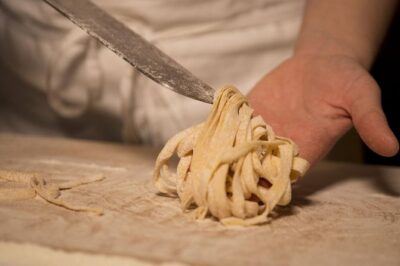
3 in 1 Cooking Class near Navona: Fettuccine, Ravioli & Tiramisu
Read our review →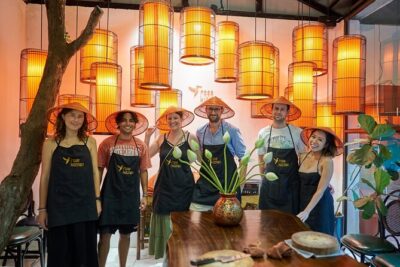
Hanoi Cooking Class: Culture, Local Market & Meaning CSR Impact
Read our review →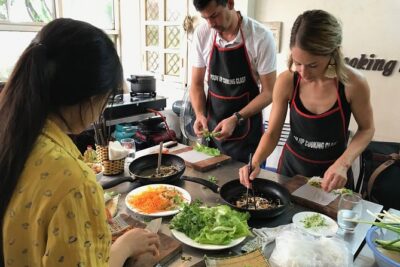
5 Traditional Dishes Hanoi Cooking Class with Market Trip
Read our review →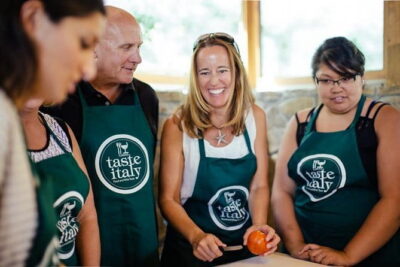
Cooking Class and Lunch at a Tuscan Farmhouse with Local Market Tour from Florence
Read our review →
Chiang Mai: Cooking Class, Market & Thai Herbs Garden Tour
Read our review →Browse the lists this tour appears in