
Review · KATHMANDU
Half Day Cooking Class in Thamel with Local Market Visit
Kathmandu’s food makes the most sense when you help prepare it. This three-hour cooking class begins with a walk to a local market, then brings you back to cook four Nepali and Newari dishes, one course at a time. You eat each dish fresh, rather than watching a long demonstration and facing a cold meal at the end.
I like the choice of three four-dish menus, and I like that you can adjust chili and other ingredients to suit your taste. The small group, limited to eight, should give you room to ask questions and handle the cooking yourself. The main thing to check is the market visit: one Saturday class did not include it, so ask about that detail when booking.
Key points to know before booking
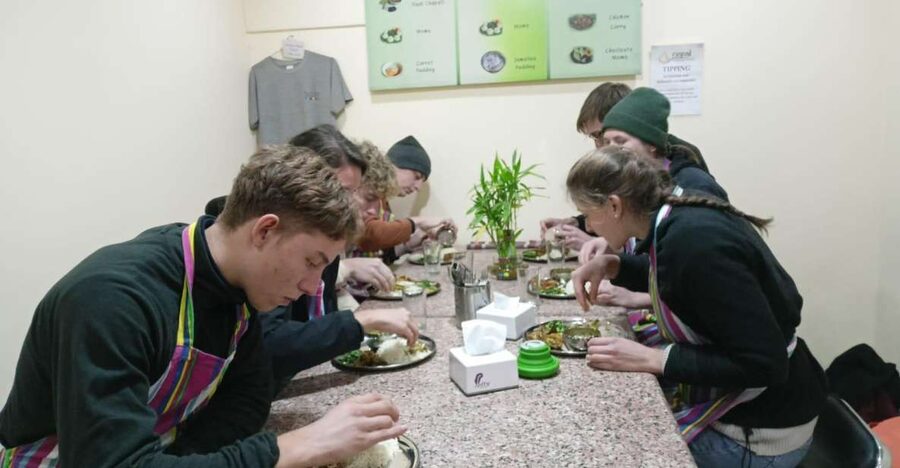
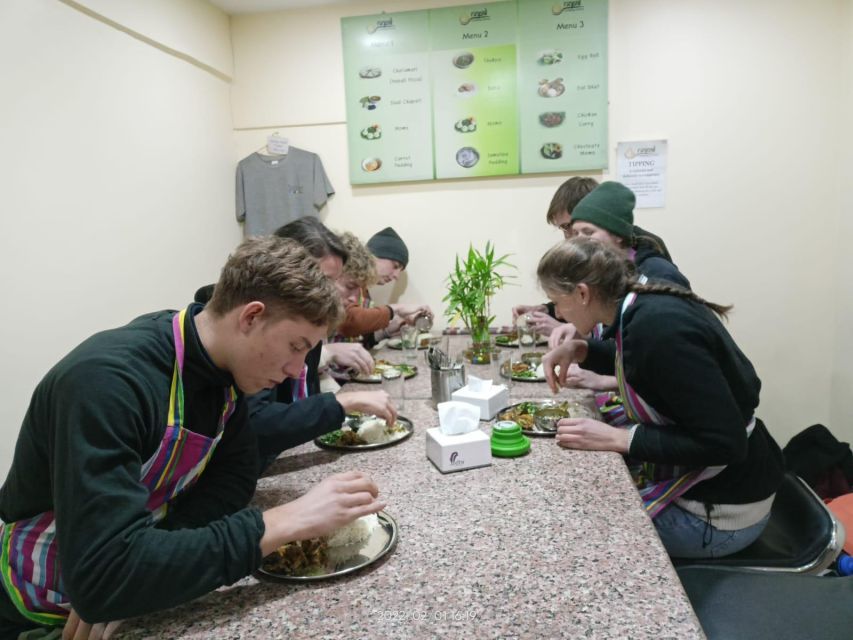
- Four dishes, cooked and eaten in stages: You prepare one course, eat it hot, then move on to the next.
- Momos are included on every menu: You do not need to choose between the class and Nepal’s best-known snack.
- Three menus offer useful choice: Some dishes can also be swapped or adjusted during the lesson.
- Small groups keep the class hands-on: The maximum is eight people, with an English-speaking instructor.
- Thamel pickup is on foot: Pickup is included inside Thamel, but not outside the area.
- A market visit may need confirmation: It is part of the stated program, though it was missed during one Saturday session.
Why this class works well in Thamel
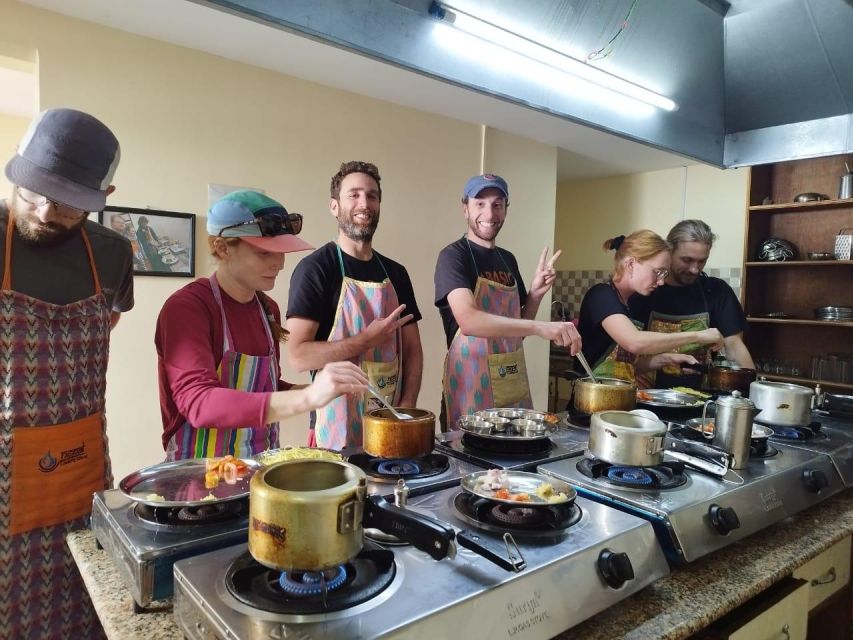
At $21 per person, this is a good-value way to spend half a day in Kathmandu. You are paying for more than a meal. The price covers the market visit, ingredients, cooking equipment, instruction, masala tea, drinking water, and four courses that you prepare yourself.
That matters because restaurant meals teach you little about how Nepali food comes together. Here, you handle the spices, learn the cooking methods, and decide how much heat belongs in your own bowl. If you love chili, you can add more. If you prefer mild food, you can hold back without asking for a separate menu.
The class also gives you a practical food memory to take home. You may not reproduce every dish perfectly on your first attempt, but you will better understand the role of spices, fresh ingredients, and preparation order. That makes later meals in Nepal more interesting, since you can recognize techniques instead of simply ordering by guesswork.
The format suits solo visitors, couples, and small groups of friends. One solo participant found the setting welcoming and flexible, which is useful if you are worried about arriving alone. The staff are described as patient and friendly, and the tone appears more relaxed than formal.
More Market Tour Cooking Classes in Nepal:
- Hanoi Cooking Class: Culture, Local Market & Meaning CSR Impact
★ 5.0 · 5,147 reviews - 5 Traditional Dishes Hanoi Cooking Class with Market Trip
★ 5.0 · 4,890 reviews - Cooking Class and Lunch at a Tuscan Farmhouse with Local Market Tour from Florence
★ 5.0 · 4,831 reviews
Starting with the local market
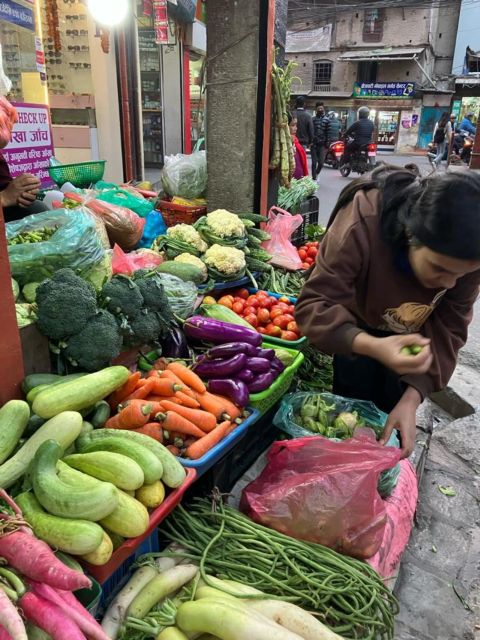
The market visit is meant to connect the cooking lesson with daily food shopping in Kathmandu. Rather than meeting ingredients only after they have been chopped and measured, you get a look at the fresh produce and spices that shape the meal.
This is the part I would value most if the market is operating as planned. You can ask what an ingredient is called, how it is used, and why it belongs in a particular dish. The chef can also explain the spices before you sit down to cook, giving the rest of the class more meaning.
The market stop is not described as a long sightseeing tour, so keep your expectations sensible. It is a food-shopping visit tied to the lesson, not a separate cultural excursion. The activity information says pickup inside Thamel is done by walking, and private transportation is not included.
There is one practical wrinkle. A Saturday morning session did not include the market visit. The reason may have been the day or schedule, but it is not confirmed, so ask the school before you pay if this part matters to you. Also, one report found the spices sold there expensive. You can enjoy learning about them without feeling obliged to buy anything.
Bring a camera if you want pictures of the market, ingredients, or finished plates. The school lists a camera among the items to bring, but you should also expect ordinary cooking conditions rather than a polished studio designed only for photographs.
Choosing one of the three menus
You get a choice of three menus, each built around four traditional dishes. The exact dish combinations are not provided in the activity details, so you should check the current menu if a particular food is important to you.
The useful promise is variety. You are not locked into one fixed plate, and an individual dish may be exchanged or adjusted within the chosen menu. That flexibility can make a real difference if you have already eaten plenty of one popular dish, have a strong spice preference, or want to try something less familiar.
Momos appear on every menu. That is a smart touch. These filled dumplings are one of Nepal’s signature foods, and learning to prepare them gives the class a clear practical focus. You also avoid the disappointment of booking a Nepali cooking lesson and finding that momos are not offered.
The food is described as both Nepali and Newari. Newari cooking comes from the Kathmandu Valley’s Newar communities and is known for its strong flavors and distinctive dishes. Since the provided information does not name every recipe, do not book expecting a particular Newari specialty unless the school confirms it first.
You can also make the lesson fit your appetite. The class includes four courses, and the instruction says to come hungry. This is not a small tasting session. If you have a heavy breakfast before the morning shift, you may find the full meal more than you want.
Cooking one course at a time
The class follows a sensible rhythm. The chef takes you through each part of the process, you cook one course, and then you eat it while it is fresh and hot. After that, you move to the next dish.
I prefer this format to a single long demonstration. You get repeated chances to practice, taste, and correct your choices. It also lets you notice how a dish changes when you add more chili or use less of a particular ingredient.
The instructor speaks English, and the staff are described as patient when explaining the recipes. No previous cooking skill is listed as a requirement, so the class is aimed at ordinary visitors rather than trained cooks. You should still read the class details before booking, especially if you are checking age limits or other requirements, since those may vary.
All equipment and ingredients are included. That keeps the experience simple. You do not need to shop for supplies or bring cooking tools, and you can concentrate on the food in front of you.
The main benefit is participation. You are not just watching someone produce a polished dish while standing safely out of reach. You add ingredients, follow the steps, and taste the result. The finished plate may not look exactly like the chef’s, but that is part of the point. You learn what changes when your hand is on the spoon.
More Shopping Trips in Nepal:
- Chiang Mai: Cooking Class, Market & Thai Herbs Garden Tour
★ 4.9 · 4,824 reviews - Chiang Mai: Authentic Cooking Class with Market & Farm Visit
★ 4.9 · 4,546 reviews - Barcelona: Paella Cooking Experience & Boqueria Market Tour
★ 4.8 · 3,661 reviews - Cooking Class Hoi An:Local Market, Basket Boat, Fishing & Cooking
★ 5.0 · 3,660 reviews
Spice levels, dietary needs, and comfort
Nepali food can be spicy, but this class gives you control. The instructor specifically allows you to add as much or as little of each ingredient as you wish. That makes the activity workable for people with different heat preferences.
If you enjoy chili, the class lets you push the flavor. If you do not, you can leave it out or use very little. This is more useful than a vague promise that the food can be made mild, because you control the adjustment as you cook.
Tell the cooking school about allergies or dietary restrictions in advance. The activity information asks you to do this so the instructor can suggest alternative ingredients or make changes. Do not wait until the lesson begins, since four dishes involve several ingredients and the kitchen needs time to respond.
The information does not promise a fully vegetarian, vegan, gluten-free, or allergy-free menu. If you need one of those options, ask directly before booking. The ability to swap a dish is helpful, but it should not be treated as a guarantee for every dietary need.
Masala tea and drinking water are included. Alcohol is not included, and bringing the class together with drinks is not part of the stated program.
Picking the best class time
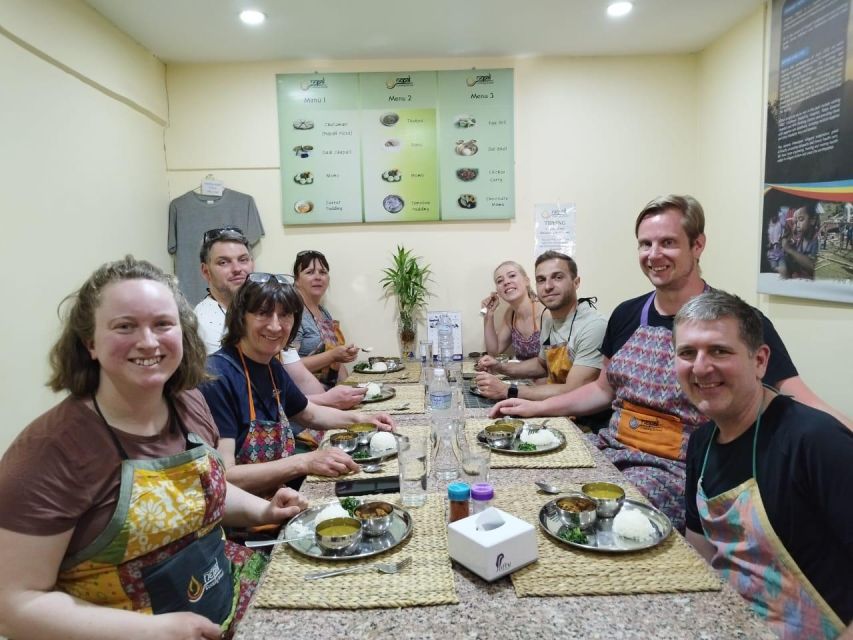
There are three daily shifts: 9 am, 1:30 pm, and 4:30 pm. Each lasts about three hours, so the timing can shape the rest of your day.
The morning class gives you an early start and leaves the afternoon free. It may also be the most natural choice if the market visit is important, though you should confirm that directly rather than assume every morning follows the same route.
The 1:30 pm class works well if you want a slower Kathmandu morning. Eat lightly beforehand, since you will prepare four courses and are told to arrive hungry. A large lunch before class would make the meal less enjoyable.
The 4:30 pm class turns the activity into an early evening plan. It may suit you if you have spent the day sightseeing and want a sit-down food experience afterward. The class finishes around dinner time, so you may not need another full meal.
Pickup is available inside Thamel by walking. If your hotel is outside Thamel, you need to make your own way to the meeting point. Private transportation is not included, and pickup outside the area costs extra or is simply not part of this arrangement, depending on the location.
What the small group changes
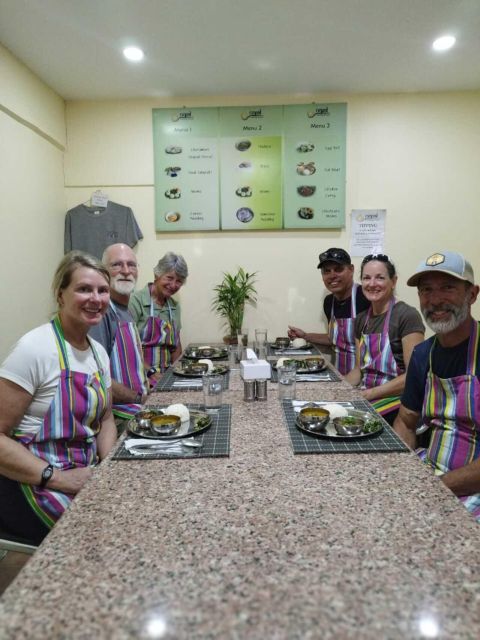
The maximum group size is eight people. That is small enough to keep the class active without making it a private lesson.
A small group matters in a kitchen. You have a better chance of seeing the chef’s technique, asking a question, and getting help with your own dish. It also makes it easier to compare spice choices and cooking results with the people beside you.
The class has a friendly, family-style feel. One account describes the cooks as a family who grow their own spices, which adds a personal touch to the lesson. The available information does not identify the instructors by name, so you should not expect a specific named chef unless the school confirms one.
This format is a good match for people who like conversation while working. If you want a quiet, private lesson with a custom menu, a group class may feel less tailored. If you want an easy way to meet people while eating what you cook, the eight-person limit is a useful middle ground.
What the $21 price really buys
The $21 rate is strong value if you take part in all four courses. A normal restaurant meal might cost less, but it would not include an English-speaking instructor, a market visit, ingredients, equipment, tea, water, and guided preparation.
The value is especially clear for first-time visitors to Nepal who want food context without signing up for a full culinary program. You get a compact introduction in three hours, with enough hands-on work to remember the techniques.
There are limits. The class is not a private experience, and the market visit may not happen on every date. You also pay separately for anything outside the stated package, including alcohol and private transport. If you are looking only for a cheap meal, you can find simpler options. If you want a meal plus a practical lesson, the price makes sense.
The flexible cancellation policy adds some planning comfort. You can cancel up to 24 hours before the activity for a full refund, and the reserve-now, pay-later option lets you hold a place without paying at the time of booking. Check the final terms when you reserve.
Who should book this cooking class
I would recommend it to you if you want a practical introduction to Nepali food, enjoy hands-on activities, or are tired of seeing Kathmandu only from the back seat of a taxi. It also suits solo visitors because the group format gives you an easy social setting without requiring a private booking.
Food-focused visitors will get the most from it, especially if momos, spices, and Newari cooking are high on your list. Families and mixed-skill groups should also find the format approachable, provided everyone can take part in a standard cooking class.
You may want another option if your main goal is a guaranteed market tour, a private chef, or a tightly controlled dietary menu. Confirm the market schedule and food substitutions first. Also check the current menu if you have your heart set on a particular dish beyond momos.
Should you book it?
Book this class if you want to cook, not just eat. The combination of a possible market visit, three menu choices, four courses, adjustable spice, and a small English-speaking group gives you a useful taste of Nepali food culture for $21.
I would make two checks before booking: confirm that the market visit is running on your chosen date, and explain any allergies or dietary restrictions in advance. If those details work for you, this is an affordable, friendly way to turn a meal in Thamel into something you can understand and perhaps recreate later.
FAQ
How long does the cooking class last?
The activity lasts three hours. The cooking class itself is described as lasting two to three hours, and the full experience includes the local market visit.
How many dishes will I cook?
You will cook four traditional Nepali and Newari dishes. The class prepares one course at a time, and you eat each course while it is fresh and hot.
Are momos included?
Yes. Momos are included on each of the three menu options.
Can I choose a mild or spicy version?
Yes. You can add as much or as little of the individual ingredients as you like, including chili.
Is the market visit included?
Yes, a local market visit is included in the activity. However, one Saturday morning session did not include the market visit, so confirm that it will operate on your chosen date.
Is pickup provided?
Walking pickup is provided inside the Thamel area. Pickup outside Thamel and private transportation are not included.
What happens if I have an allergy or dietary restriction?
Tell the cooking school in advance. The instructor can then suggest alternative ingredients or discuss possible adjustments. The activity does not promise a specific allergy-free or special-diet menu, so confirm what can be accommodated before booking.
More Hands-On Workshops in Nepal
- Half day cooking class in Thamel kathmandu
★ 5.0 · 607 reviews - Kathmandu: Local Women-Led Nepali Cooking & Momo Class
★ 4.9 · 360 reviews - Kathmandu: Local Lead Nepali Cooking & Momo-Making Class
★ 5.0 · 212 reviews - Local Women Lead Nepali Cooking Class
★ 5.0 · 125 reviews
Just added around Nepal
- Kathmandu: 3-Hours of Cooking Class with Meals★ 5.0 · 10 reviews
- Pokhara: Nepali Cooking Class and Momo Making Workshop★ 5.0 · 6 reviews
- Pokhara: 3 Hour MoMo cooking class★ 4.5 · 10 reviews
- Nepalese Kitchen in Pokhara: Momos or Dal Bhat Cooking Class★ 5.0 · 67 reviews
- MoMo or Dal Bhat Cooking Class at Aama Kitchen in Pokhara★ 4.9 · 28 reviews
- Local Women Led Nepali Cooking Class★ 5.0 · 6 reviews
- Kathmandu: Local Lead Nepali Cooking & Momo Making Class★ 4.9 · 40 reviews
- Kathmandu: Nepali Cooking Class with Hotel Pickup★ 4.1 · 5 reviews
Cooking Classes with a Market Tour, compared.
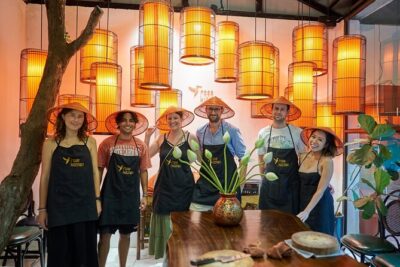
Hanoi Cooking Class: Culture, Local Market & Meaning CSR Impact
Read our review →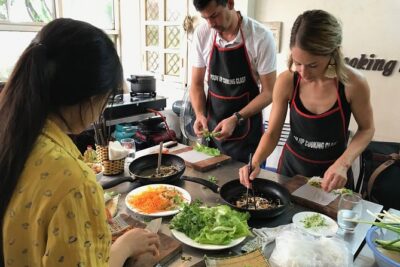
5 Traditional Dishes Hanoi Cooking Class with Market Trip
Read our review →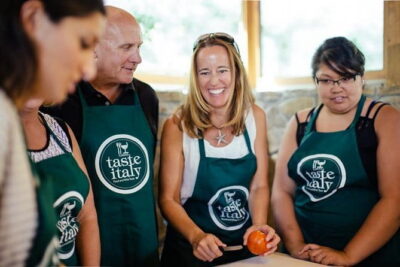
Cooking Class and Lunch at a Tuscan Farmhouse with Local Market Tour from Florence
Read our review →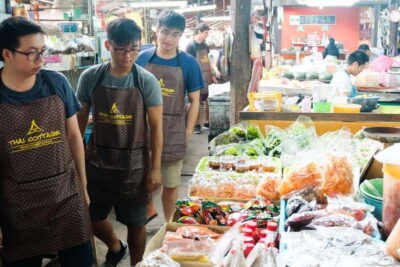
Chiang Mai: Cooking Class, Market & Thai Herbs Garden Tour
Read our review →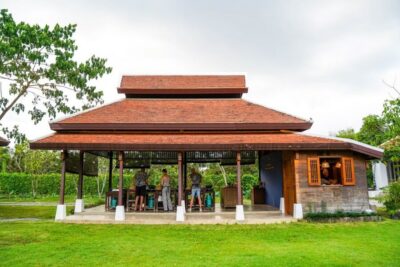
Chiang Mai: Authentic Cooking Class with Market & Farm Visit
Read our review →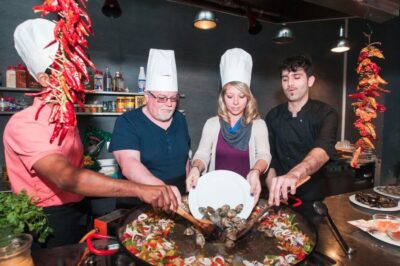
Barcelona: Paella Cooking Experience & Boqueria Market Tour
Read our review →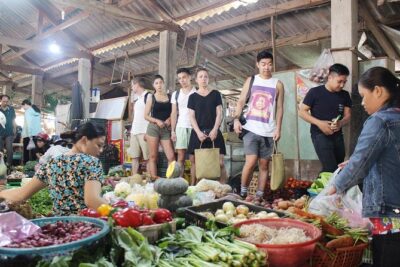
Cooking Class Hoi An:Local Market, Basket Boat, Fishing & Cooking
Read our review →
Hoi An Cooking Class(Market,BasketBoat Crabfishing&Cooking Class)
Read our review →Browse the lists this tour appears in