
Review · KATHMANDU
Cook and Eat: Cooking Class in Kathmandu near Thamel
The best part of this Kathmandu cooking class is that you do not simply sit down to a plate of momos or dal bhat. You choose three dishes, visit a local market with a guide, then prepare and eat the food yourself. That gives you a useful look at Nepali cooking, from buying ingredients to serving the finished meal.
I like the market visit, since it adds local context before the chopping begins. I also like the flexible menu and the chance to work with a chef who can explain each step in English. The main consideration is that pickup and drop-off are not included, and the class needs good weather.
Key points
- Choose three Nepali dishes: Menu choices can include momos, thukpa, dal bhat, and yomari.
- Shop before you cook: A guide accompanies you to a local market to gather ingredients.
- Hands-on or more relaxed: You can take an active role in the preparation, or let the chef guide more of the work.
- Small-group feel may be possible: The maximum group size is 15, though one session had just three people.
- Learn from local hosts: Chef Vikram and Kamal have been associated with the cooking academy experience.
- Eat what you make: Ingredients, equipment, instruction, and the prepared food are included.
Choosing three dishes near Thamel
This class gives you a simple but useful choice at the start: pick three items from the menu. That matters because you can shape the session around your own interests rather than following one fixed recipe.
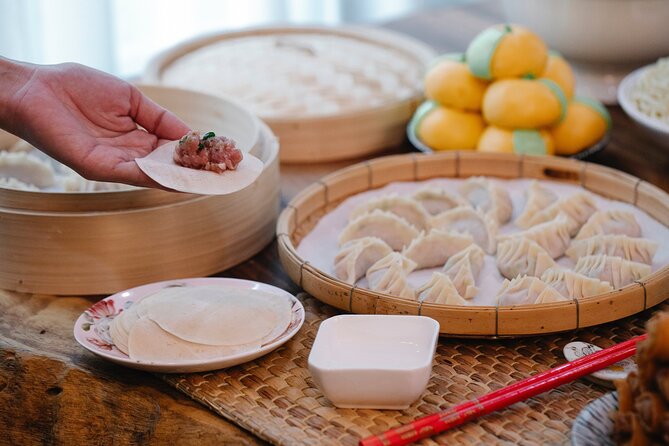
Momos are the obvious choice for many people. These filled dumplings are one of Nepal’s most familiar foods, and the class gives you a chance to learn the process instead of treating them as just a quick snack. One participant found the momo recipe clear enough to make at home, which is a good sign for anyone who wants a practical souvenir from the class.
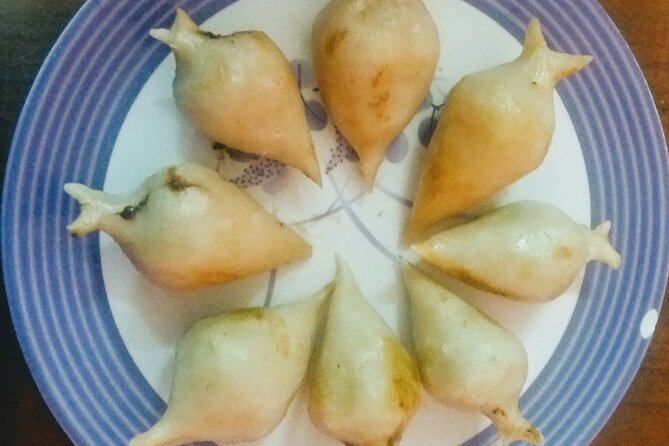
You might also choose thukpa, a noodle soup with Tibetan and Himalayan connections, or dal bhat, the staple combination of lentils, rice, and accompanying dishes. Yomari, a sweet steamed rice-flour dumpling, offers a different kind of lesson and can make the menu more varied.
I would choose three dishes that teach different techniques. For example, momos involve shaping and filling, thukpa brings together broth and noodles, and yomari introduces a sweet dish with a different texture. If you choose three foods that are all similar, you may miss some of the range of Nepali cooking.
The menu itself may vary, so you should confirm the available choices when you arrive. The important point is that the selection gives you some control over the pace and character of the class.
More Food Experiences in Kathmandu:
- Small Group Cooking Class & Market Food Tour in Florence
★ 5.0 · 1,574 reviews - Athens: Food Market Visit and Cooking Class with Wine
★ 4.9 · 1,087 reviews - Undiscovered Charleston: Half Day Food, Wine & History Tour with Cooking Class
★ 5.0 · 948 reviews
Tea, introductions, and the first taste of Nepali hospitality
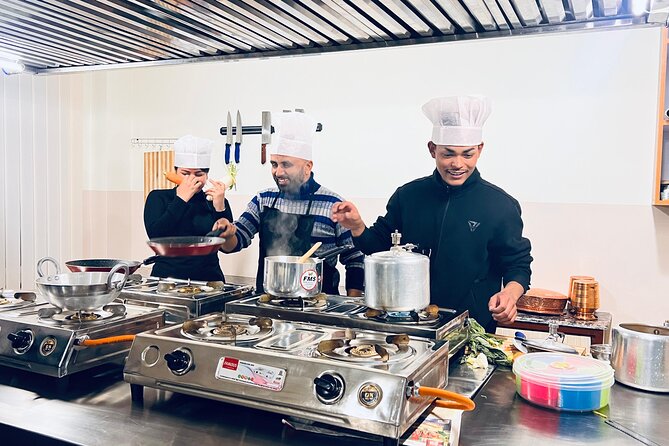
The session begins with tea or coffee, followed by introductions to the staff. This is a small detail, but it helps set the tone. You are not dropped straight into a kitchen with unfamiliar ingredients and instructions.
Milk tea has been served at the start of the class, giving you an early taste of a common part of daily life in Nepal. The welcome drink also creates time to discuss the menu and decide which three dishes you want to prepare.
The cooking team includes an instructor and a helper. Chef Vikram and Kamal are names connected with the Kathmandu cooking academy experience, and the chef leading one class explained the steps in clear English. That is important when you are learning details such as texture, timing, seasoning, and how firmly to shape a dumpling.
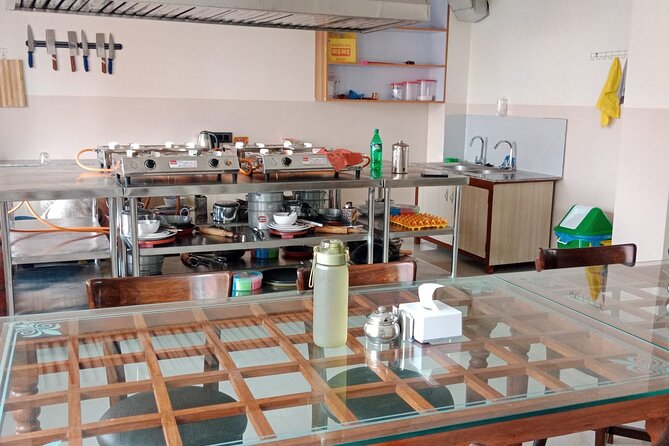
The setting is described as a clean kitchen with a professional chef. You should still expect a working kitchen rather than a polished restaurant dining room. That is part of the appeal, but it also means the experience is about participation, not ceremony.
A local market visit before the chopping begins
After you choose your menu, a guide takes you to a local market to collect ingredients. This is one of the strongest parts of the experience because it shows you where the cooking starts.
A market visit gives you a chance to see ingredients in their everyday setting and understand that Nepali food is built from ordinary products handled with care. You may learn which items are needed for your chosen recipes and how the chef selects them.
The supplied information does not specify the market’s name, exact route, or the ingredients you will buy. That is worth keeping in mind if you want a detailed market tour with a long food-history talk. Here, the market stop is mainly tied to the cooking lesson.
I like that connection. You are not wandering through a market with no purpose, then arriving somewhere else to cook unrelated dishes. The shopping supports the recipes you selected, making the visit easy to follow.
The class lasts about three hours, so the market portion cannot take up the entire morning or afternoon. Expect a focused stop rather than a full market expedition. Comfortable walking shoes are sensible, and you should allow enough time to reach the meeting point at Shepherd Holidays on Yapikhya Marg.
Preparing ingredients with Chef Vikram and Kamal
Back in the kitchen, the class moves into cutting and preparation. This is where the choice between watching and doing becomes important.
You can take a hands-on role, preparing ingredients and helping with the cooking, or you can let the chef handle more of the work. I recommend doing as much as you reasonably can. The more you cut, mix, fill, shape, and stir, the more likely you are to remember the technique when you return home.
The class includes all ingredients and equipment, so you do not need to shop for supplies or bring cooking tools. An instructor and helper are also included. That setup makes the experience accessible to people who enjoy food but do not have much cooking experience.
The chef explains the process as cooking begins. Clear English instruction was a strong feature of one session, and that can make a major difference when you are learning unfamiliar dishes. You want to understand not only what to do, but why a mixture has the right texture or when a dish is ready.
The format should work well for different skill levels. A confident home cook can take on more of the preparation, while a beginner can follow demonstrations and ask questions. If you prefer to be active, speak up early rather than waiting for the chef to hand you a task.
A maximum of 15 people is allowed. That is not a tiny private lesson, so the amount of personal attention may depend on the day. One class had only three participants, which allowed for a more relaxed and personal pace. You should not assume every session will be that small, but the helper is useful if the group is larger.
More Hands-On Workshops in Kathmandu:
- Half day cooking class in Thamel kathmandu
★ 5.0 · 607 reviews - Kathmandu: Local Women-Led Nepali Cooking & Momo Class
★ 4.9 · 360 reviews - Kathmandu: Local Lead Nepali Cooking & Momo-Making Class
★ 5.0 · 212 reviews - Local Women Lead Nepali Cooking Class
★ 5.0 · 125 reviews
Eating the food you prepared
Once the cooking is complete, the class turns into a shared meal. You serve and eat the dishes you prepared, which gives the session a satisfying finish.
This is more rewarding than a standard restaurant meal because you know how each dish came together. You can compare the results of your three choices and ask last-minute questions while the steps are still fresh.
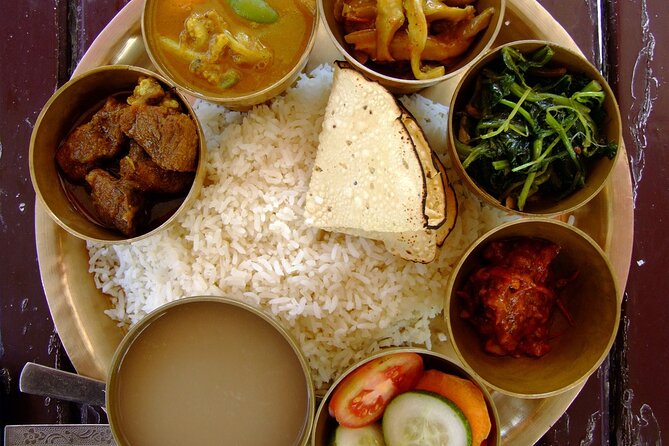
Momos are likely to be a highlight if you enjoy dumplings, but the experience is not limited to them. Thukpa gives you a warm noodle dish, dal bhat shows the everyday foundation of Nepali meals, and yomari brings a sweet finish. The exact menu depends on the options offered that day.
Food and drinks prepared during the class are included. The wording does not mean every possible beverage is included, so you should not count on unlimited drinks beyond the tea or coffee and items made as part of the cooking. Extra personal expenses and beverages are not covered.
The meal is also a practical test of the instruction. If you want to recreate the dishes at home, pay attention to the chef’s small tips about preparation and timing. One participant left confident about making momos independently, which is exactly the sort of result that makes a cooking class worth the time.
How the price compares with other Kathmandu activities
At $24 per person, this is a modestly priced three-hour activity. The value comes from several parts being bundled together: instruction, a guide to the market, ingredients, cooking equipment, and the meal you prepare.
You are also paying for an experience that gives you something to take home beyond photographs. A recipe or technique you can use later may be more useful than another short sightseeing stop, especially if you are interested in food and local daily life.
The price is less attractive if you only want to eat Nepali food. You could spend less at a local restaurant and avoid the preparation time. This class makes sense when you want to understand the food and participate in making it.
There may be group discounts, which could make it a better choice for families or friends traveling together. The class accepts mobile tickets, making it easy to keep the booking on your phone.
Private transport costs extra. Since the meeting point is Shepherd Holidays on Yapikhya Marg and the activity ends there, you need to arrange your own way to and from the class unless you pay for the added vehicle service. The manager has helped one participant return to a hotel, but you should not treat that as standard included transport.
Who will enjoy this cooking class most
I would recommend this class to anyone who wants a short, active food experience near Thamel. It suits solo visitors, couples, friends, and families who enjoy learning by doing.
It is especially useful for:
- People who want to learn how to make momos at home
- First-time visitors looking for a food-based introduction to Nepal
- Home cooks interested in dal bhat, thukpa, or yomari
- Families who want an activity with a meal built in
- Small groups that may qualify for a discount
- Visitors who prefer a three-hour activity rather than a full-day excursion
You should think twice if you dislike group cooking, want a private chef lesson, or need included hotel transport. The class has a maximum of 15 participants, and personal attention may vary with the group size.
It is also worth noting that the activity requires good weather. If poor weather forces a cancellation, you will be offered another date or a full refund. That policy is fair, but it means you should avoid placing the class at the very end of a tightly packed Nepal itinerary if possible.
Practical planning for your three-hour session
The meeting point is Shepherd Holidays on Yapikhya Marg in Kathmandu, near the Thamel area. The activity returns to that same point at the end.
Plan on about three hours from welcome to farewell. The sequence is straightforward:
- Tea or coffee and introductions
- Selection of three dishes
- Guided market visit for ingredients
- Cutting and preparation
- Cooking with the chef
- Serving and eating the finished food
- Tea or coffee before departure
The class ends with a farewell, so you can continue sightseeing or return to your hotel afterward. Since no private pickup is included, build in time for local transport or walking.
You receive booking confirmation at the time of booking. You can cancel for a full refund up to 24 hours before the start time. Cancellations or changes made less than 24 hours in advance are not accepted for a refund, and the cut-off uses Kathmandu local time.
Should you book the Kathmandu cooking class?
Book it if you want more than a meal and would enjoy learning three Nepali dishes in a working kitchen. The market visit, flexible menu, clear English instruction, and chance to eat your own food give this class real value for $24.
I would choose momos, thukpa, and yomari if those options are available, since they offer different skills and flavors. Arrive ready to participate, ask to handle as much of the preparation as possible, and arrange your own transport unless you want to pay extra for a vehicle.
Skip it if you want a private lesson, a long market tour, or a completely passive food tasting. For most curious eaters staying near Thamel, though, this is a practical and friendly way to spend three hours in Kathmandu.
FAQ
Where does the cooking class begin?
The class begins at Shepherd Holidays on Yapikhya Marg, Kathmandu 44600, Nepal.
Where does the activity end?
The activity ends back at the meeting point.
How long does the class last?
The class lasts approximately three hours.
How many dishes can I choose?
You can choose three items from the available menu.
What dishes might be available?
Menu examples include momos, thukpa, dal bhat, and yomari. The available choices may depend on the class menu.
Is a market visit included?
Yes. A guide takes you to a local market to gather ingredients for the selected dishes.
Are ingredients and cooking equipment provided?
Yes. Ingredients and all equipment needed to prepare the food are included.
Is food included in the price?
Yes. The food prepared during the class is included, along with drinks prepared as part of the class. Other beverages are not included.
How many people can join the class?
The maximum group size is 15 people.
Can I cancel for a full refund?
Yes, if you cancel at least 24 hours before the experience start time. Cancellations made less than 24 hours in advance are not refunded. If poor weather causes the class to be canceled, you can choose another date or receive a full refund.
Just added around Kathmandu
- Women Empowerment Project(Nepali cooking class & jewelry workshop★ 5.0 · 15 reviews
- Best Nepali Cooking Class in Thamel with Local Market Trip★ 5.0 · 26 reviews
- Nepali Cooking training & Cultural Homestay Experience★ 5.0 · 3 reviews
- Momo, Dhalbhat & Thukpa Cooking Class, Nepal★ 5.0 · 12 reviews
- Kathmandu: Local Women Lead Nepali Cooking & Momo-Making Class★ 5.0 · 17 reviews
- The best Private Nepali Cooking Class in Kathmandu★ 5.0 · 83 reviews
- Cook and Dine with a Local family★ 5.0 · 7 reviews
- Kathmandu: 3-Hours of Cooking Class with Meals★ 5.0 · 10 reviews
Cooking Classes, compared.
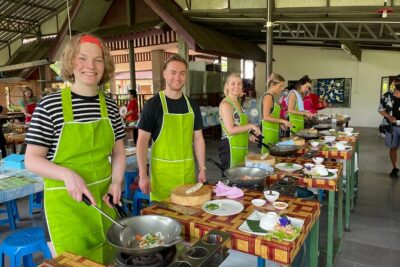
Half-Day Thai Cooking Class at Organic Farm in Chiang Mai
Read our review →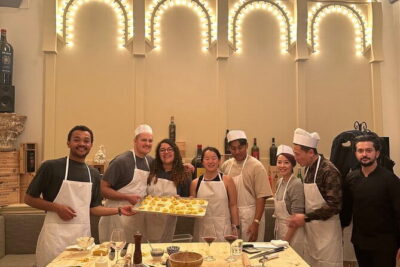
Florence: Pasta Cooking Class with Unlimited Wine
Read our review →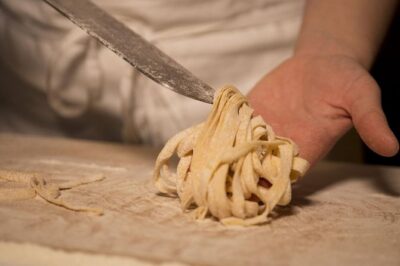
3 in 1 Cooking Class near Navona: Fettuccine, Ravioli & Tiramisu
Read our review →
Hanoi Cooking Class: Culture, Local Market & Meaning CSR Impact
Read our review →
5 Traditional Dishes Hanoi Cooking Class with Market Trip
Read our review →
Cooking Class and Lunch at a Tuscan Farmhouse with Local Market Tour from Florence
Read our review →
Chiang Mai: Cooking Class, Market & Thai Herbs Garden Tour
Read our review →Browse the lists this tour appears in