
Review · KATHMANDU
Kathmandu: Local Lead Nepali Cooking & Momo-Making Class
Kathmandu’s best food lesson may begin with a shopping bag and end with a table full of momos. At Kathmandu Cooking Academy, you visit a nearby market or shop, prepare three Nepali dishes, and learn the folding tricks behind the country’s favorite dumplings. The class is hands-on, not a cooking demonstration from the sidelines.
I like the small maximum group of 12, which gives you a fair chance to chop, stir, fold, and ask questions. I also like the friendly pace: masala tea on arrival, simple English explanations, a shared meal, and recipes sent afterward in PDF form. The main consideration is that the exact dishes can vary, so book this for a broad taste of Nepali cooking rather than a guaranteed menu.
Key things to know before booking
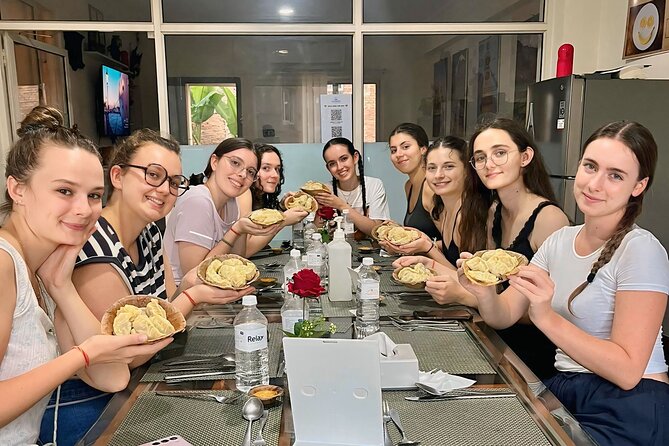
- Momos are made by hand: Choose vegetarian or chicken momos and practice shaping Nepal’s famous dumplings.
- The market visit adds context: You help buy the ingredients instead of jumping straight into a kitchen.
- Three dishes are included: The menu covers one entrée, one main course, and one dessert from traditional Nepali choices.
- Masala tea starts the class: You receive a traditional cup before the cooking begins.
- It is close to Thamel: The academy is about a 10-minute walk from Thamel, according to one detailed account.
- The price is unusually low: At $5 per person, the class offers strong value, though you should confirm the current price and selected pickup option when booking.
Starting with masala tea near Thamel
The meeting point is Kathmandu Cooking Academy on Yapikhya Marg, Kathmandu 44600. It is near public transportation and sits roughly a 10-minute walk from Thamel, making it practical if you are staying in the city’s main visitor district.
The class lasts about three and a half hours. That is long enough to cover shopping, preparation, cooking, and eating without turning the experience into a rushed recipe demonstration. You begin with a warm welcome and a cup of Nepali masala tea, a useful first taste of the spices and hospitality that shape the session.
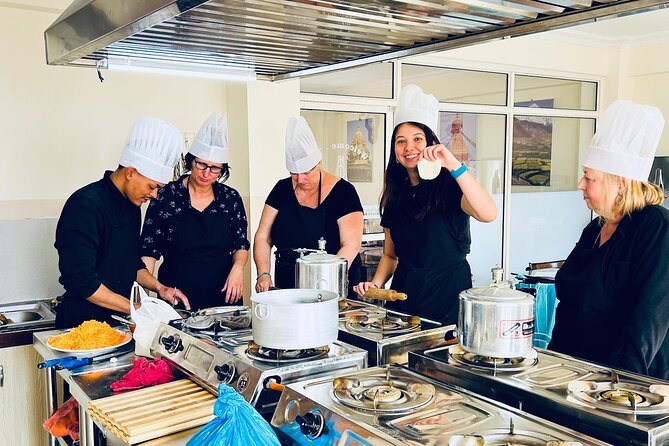
The class is limited to 12 people. That is not a private lesson, but it is small enough to keep the work active. You should expect to share counter space and cooking tasks, while still having a chance to handle ingredients yourself. The format also works well for solo visitors, since the cooking naturally gives you an easy way to meet people.
The kitchen has been described as clean, and the chef’s instructions are given in clear, simple English. That matters here. Cooking classes can become frustrating when measurements, folding steps, or cooking times are hard to follow. This one is designed for beginners, while experienced cooks can still pick up useful local methods and ingredient combinations.
More Hands-On Workshops in Nepal:
- Half day cooking class in Thamel kathmandu
★ 5.0 · 607 reviews - Kathmandu: Local Women-Led Nepali Cooking & Momo Class
★ 4.9 · 360 reviews - Local Women Lead Nepali Cooking Class
★ 5.0 · 125 reviews
A short market trip before the knives come out
The market or shop visit is more than a quick errand. You go with the instructor to select the fresh ingredients needed for the class. This gives you a clearer sense of what goes into Nepali food before you see the finished dishes on a plate.
You may find this part especially useful if you are curious about ordinary food in Kathmandu rather than only restaurant versions. The shopping stop connects the recipes to ingredients people buy and cook with locally. It also gives the chef a chance to explain what each item does in the dish.
The tradeoff is that the exact route and shopping stop are not fixed in the details provided. It may be a local market or a shop, and the time spent there can vary. If you want a long guided market tour, this class may feel brief. If you want just enough local shopping to support the cooking lesson, it fits the bill.
Hotel pickup and drop-off are available only if you select that option. Otherwise, you meet at the academy. Since the location is close to Thamel and near public transportation, walking or using local transport may be simple for many people.
Learning three Nepali dishes, not just one
Back at the academy, you prepare three traditional dishes. The structure includes one entrée, one main course, and one dessert, selected from a wider menu. This gives you more range than a class focused only on momos.
A typical set can include foods such as bara, momos, dal bhat, and several kinds of dessert. One person described making bara, momos, dal bhat, and three types of dessert, then receiving a detailed cookbook. Since the menu is selected from available traditional choices, do not assume those exact dishes will appear on your date.
That flexibility is useful. Nepali cuisine is not one single plate, and a changing menu can show you more than the familiar momo. You may learn how a snack, a full meal, and a sweet fit together. You also get a better feel for the balance of lentils, rice, vegetables, spices, and dough that appears across Nepali home cooking.
The class uses traditional utensils and explains the background of each dish. You are not only following instructions. You learn why a technique matters, how ingredients are combined, and how the food connects to local customs. The cultural notes should be most helpful if you are new to Nepalese cuisine and want some meaning behind the recipes.
The class is described as suitable for beginners and experienced cooks. Beginners can follow the step-by-step format, while confident cooks may enjoy adjusting their technique and asking about preparation. The chef or instructor guides the group through each stage, so you are not expected to arrive with prior knowledge.
The momo lesson is the main event
Momos are the part most people will anticipate. These Nepali dumplings are made by filling dough, folding the edges, and cooking the finished parcels. You get hands-on practice, rather than simply watching someone else shape them.
You can choose vegetarian or chicken momos. That choice makes the class more useful for different diets, though the available option should be confirmed when you book if food restrictions are important to you. The most entertaining part may be comparing your shapes with the instructor’s. The folds do not always behave on the first attempt, which is part of the fun.
A patient teacher matters here. The class has been praised for clear explanations and a chef who takes time with each step. You can expect help with preparation and shaping, but do not expect every momo to look perfect. The goal is to learn a repeatable method and enjoy the process, not produce a row of identical restaurant dumplings.
Momo-making also works well in a group. People can help one another, laugh at uneven folds, and compare results before cooking. If you are alone in Kathmandu, this is one of the stronger reasons to choose the class. The shared task creates conversation without forcing a formal social activity.
A few more cooking classes around Nepal worth a look
- Nepalese Kitchen in Pokhara: Momos or Dal Bhat Cooking Class
★ 5.0 · 67 reviews - Kathmandu: Local Women-Lead Nepali Cooking & Momo Class
★ 4.9 · 45 reviews - Kathmandu: Local Lead Nepali Cooking & Momo Making Class
★ 4.9 · 40 reviews - MoMo or Dal Bhat Cooking Class at Aama Kitchen in Pokhara
★ 4.9 · 28 reviews
Dal bhat, bara, and dessert bring the meal together
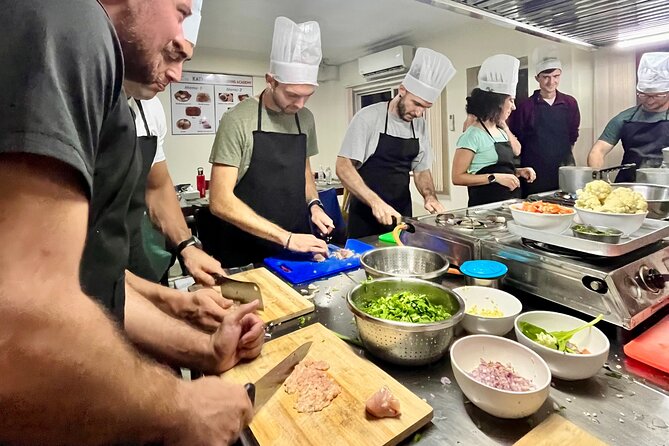
The class is not limited to dumplings. Dal bhat is Nepal’s best-known everyday meal, built around rice and lentils with accompanying flavors and sides. Preparing it in class gives you a useful base recipe to repeat at home, especially if you want a filling meal that uses familiar pantry ingredients.
Bara may also appear as part of the selected menu. This traditional dish adds another texture and style to the lesson, helping you see that Nepali food is not simply rice, curry, and momos. Dessert rounds out the session, and the menu can include more than one sweet preparation.
The class also includes Nepali masala tea during the lesson. That small detail helps break up the work and gives you another recipe or flavor combination to remember. It is also a welcome pause while ingredients cook and the group moves from preparation to tasting.
The strength of this format is variety. In one afternoon, you can work with dough, lentils, rice, spices, and sweets. The weakness is that three dishes plus dessert options may leave less time for advanced technique on any single recipe. If you want an expert-level study of one dish, seek a more specialized private lesson. If you want a broad first look at Nepali food, the mix is well chosen.
Sitting down to eat what you made
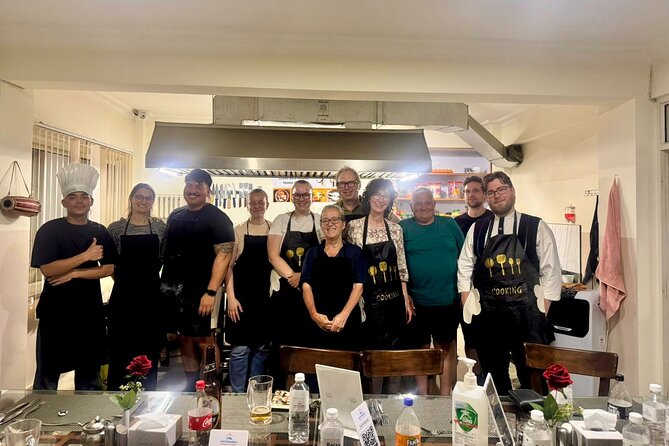
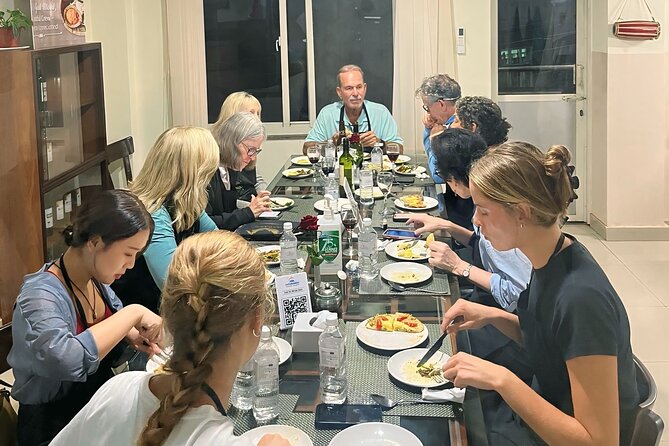
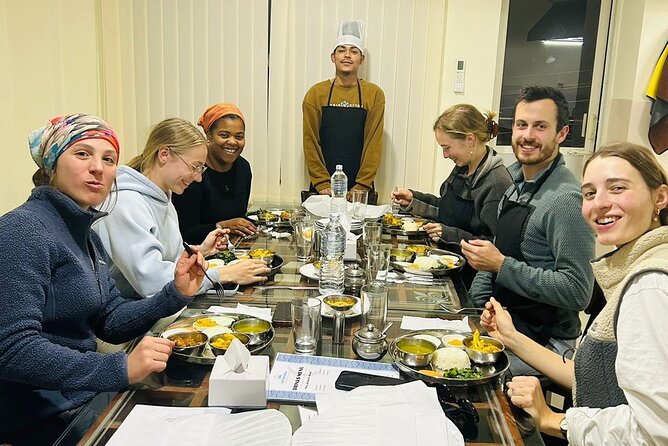
The final tasting is part of the class, not an extra restaurant meal. You eat the food you prepared, which makes the earlier chopping and folding feel worthwhile. The session ends back at the academy, so you do not need to arrange a second destination after cooking.
This is also where you can judge your own progress. A first batch of momos may have uneven folds, but the flavor can still be excellent. Several comments point to food that tasted very good, along with an enjoyable and relaxed atmosphere.
Do not expect specialty drinks or alcohol to be included. Those are not part of the package. Tips are also not included, so carry some extra cash if you want to thank the chef or instructor for the teaching.
The recipe follow-up adds real value. Recipes have been sent as a PDF, and a detailed cookbook has also been provided in at least one class experience. That means you can try the dishes again instead of leaving with only a pleasant memory and a full stomach.
What the $5 price really offers
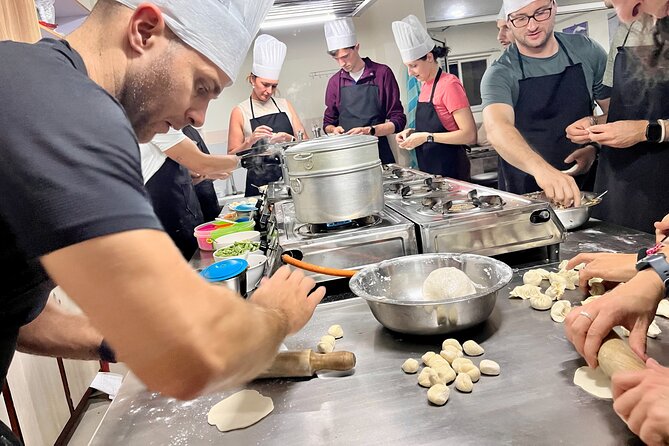
At the listed $5 per person, this is an unusually inexpensive activity for three and a half hours. The price includes the class, instruction, equipment, ingredients bought for the lesson, masala tea, and the tasting session. If you choose the pickup option, check whether that option changes the price.
The value is strongest for people who want an activity with several parts. You are not paying only for a plate of food. You receive a market or shop visit, practical instruction, a cultural introduction, and a meal you help prepare.
Still, check the booking details carefully. A price this low may be tied to a particular option, date, or promotion. The supplied information identifies $5 as the price per person, but it does not explain whether every pickup arrangement costs the same. Confirm the final total before payment.
The class has a 5 out of 5 rating from 212 ratings and a 100 percent recommendation figure. Those numbers suggest a very strong record, especially for the patient chef, clean kitchen, simple instructions, good food, and hands-on format. I would still keep expectations realistic: group classes depend on the mix of people attending, and the exact menu is not fixed.
Who will get the most from this class
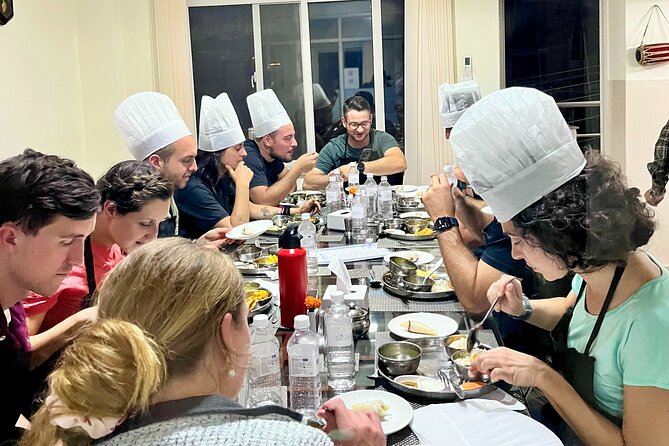
I would recommend this to first-time visitors who want a direct connection to Nepali food. It is also a good rainy-day or afternoon plan in Kathmandu, especially when you want something more active than another sightseeing stop.
Solo visitors should find the setup comfortable. The group work makes it easy to meet people, and the small maximum group keeps the class from feeling like a large demonstration. Couples and families can enjoy it too, though the kitchen space will be shared with other participants.
Beginners are clearly welcome. You do not need professional cooking skills, and the instructions are meant to be easy to follow. Experienced cooks may enjoy the local techniques and traditional tools, but anyone seeking advanced culinary training may find the lesson too basic.
Food preferences need a little planning. Vegetarian or chicken momos are offered, but the supplied details do not spell out every dietary substitution or allergy procedure. Contact the academy before booking if you need strict control over ingredients.
The class is also a good fit if you want a souvenir you can use. A PDF recipe set or cookbook is more useful than a standard trinket, since it lets you recreate at least some of the dishes after returning home.
Practical details for a smoother afternoon
Wear clothes that are comfortable for cooking. The class involves shopping, chopping, preparation, and hands-on work, so it is not an occasion for delicate clothing or complicated footwear.
Plan for the full three and a half hours. The market stop, cooking stages, and tasting all take time. Arriving hungry makes sense because you will eat at the end, but do not arrive so hungry that the preparation feels like a test of endurance.
The academy is the start and end point unless you select hotel pickup and drop-off. If you stay in or near Thamel, walking may be the easiest option. The location is about 10 minutes from Thamel on foot, according to the available details.
You receive confirmation at booking. Free cancellation is available up to 24 hours before the start time for a full refund. Cancellations or changes made within 24 hours are not refunded or accepted, and the cut-off uses Kathmandu local time.
Should you book the Kathmandu momo class?
Book it if you want an affordable, social, hands-on introduction to Nepali cooking. The strongest reasons are the market stop, the patient step-by-step teaching, the chance to make vegetarian or chicken momos, and the full meal at the end. The recipe PDF or cookbook makes the experience useful after your trip.
Skip it if you need a fixed menu, a private kitchen, a long market tour, or detailed instruction on one advanced dish. The menu can change, and a group of up to 12 means you will share attention and workspace.
For most visitors staying near Thamel, this is an easy choice. At the listed $5 price, it offers far more than a quick cooking demo. You leave with new skills, a better understanding of Nepali food, and several dishes worth trying again at home.
FAQ
How long does the Nepali cooking class last?
The class lasts approximately three hours and 30 minutes, including the welcome, market or shop visit, cooking lesson, and tasting.
Where does the class begin and end?
It begins at Kathmandu Cooking Academy on Yapikhya Marg, Kathmandu 44600, Nepal. The activity ends back at the same meeting point.
Is hotel pickup included?
Hotel pickup and drop-off are included only if you select that option when booking. The regular meeting point is the cooking academy.
Is the academy near Thamel?
Yes. The academy is near Thamel, and one detailed account places it about a 10-minute walk from the area.
How many people can join the class?
The maximum group size is 12 people.
What food will I prepare?
You prepare three authentic Nepali dishes, including one entrée, one main course, and one dessert selected from a traditional menu. Momos are included as a key part of the lesson, and the options are vegetarian or chicken.
Is food and tea included?
Yes. The class includes the ingredients needed for the cooking lesson, Nepali masala tea, and a tasting session of the food you prepare. Specialty drinks and alcoholic drinks are not included.
Do I need cooking experience?
No. The class provides step-by-step instruction and is designed for both beginners and experienced cooks.
Can I cancel for a full refund?
Yes, if you cancel at least 24 hours before the experience start time. Cancellations made less than 24 hours in advance are not refunded, and changes within that period are not accepted.
Just added around Nepal
- Kathmandu: 3-Hours of Cooking Class with Meals★ 5.0 · 10 reviews
- Pokhara: Nepali Cooking Class and Momo Making Workshop★ 5.0 · 6 reviews
- Pokhara: 3 Hour MoMo cooking class★ 4.5 · 10 reviews
- Nepalese Kitchen in Pokhara: Momos or Dal Bhat Cooking Class★ 5.0 · 67 reviews
- MoMo or Dal Bhat Cooking Class at Aama Kitchen in Pokhara★ 4.9 · 28 reviews
- Local Women Led Nepali Cooking Class★ 5.0 · 6 reviews
- Kathmandu: Local Lead Nepali Cooking & Momo Making Class★ 4.9 · 40 reviews
- Kathmandu: Nepali Cooking Class with Hotel Pickup★ 4.1 · 5 reviews
Cooking Classes, compared.
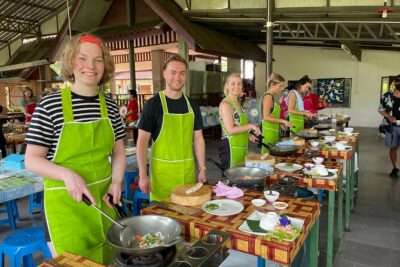
Half-Day Thai Cooking Class at Organic Farm in Chiang Mai
Read our review →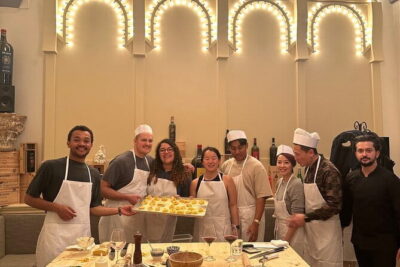
Florence: Pasta Cooking Class with Unlimited Wine
Read our review →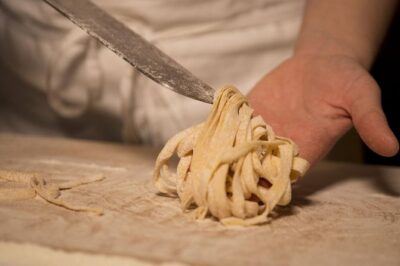
3 in 1 Cooking Class near Navona: Fettuccine, Ravioli & Tiramisu
Read our review →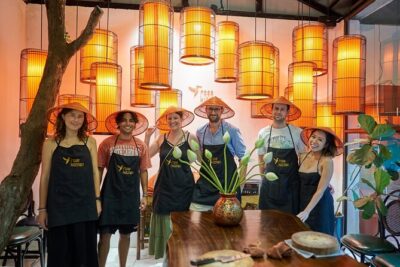
Hanoi Cooking Class: Culture, Local Market & Meaning CSR Impact
Read our review →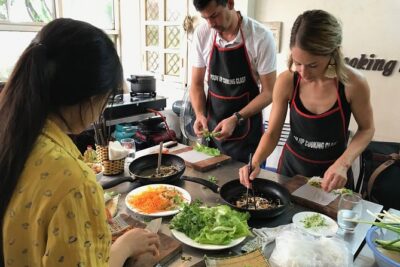
5 Traditional Dishes Hanoi Cooking Class with Market Trip
Read our review →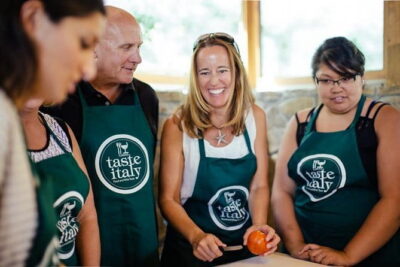
Cooking Class and Lunch at a Tuscan Farmhouse with Local Market Tour from Florence
Read our review →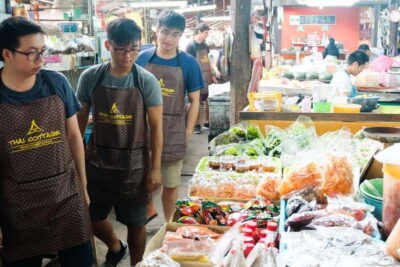
Chiang Mai: Cooking Class, Market & Thai Herbs Garden Tour
Read our review →Browse the lists this tour appears in