
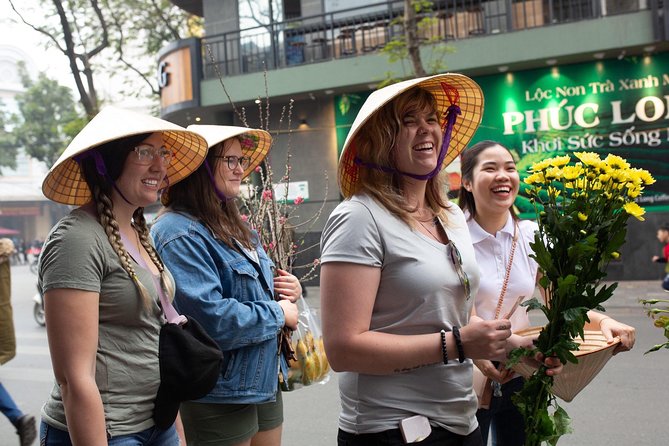
Review · HANOI
Hanoi Maya Kitchen: Traditional Cooking Class & Market Tour
The best part of this four-hour Hanoi experience is the trip to the local market before you cook. You’ll see the ingredients in their everyday setting, then carry them into the kitchen and learn how they become fried spring rolls, papaya salad, pho rolls, and mixed pho. Egg coffee finishes the meal, which is a fine reward for all that chopping and rolling.
I like the practical market stop, and I like that you eat what you make instead of watching a demonstration and leaving hungry. Guides named Iris, Ruby, and Aurora have led sessions, with several guests praising their clear instruction and friendly local tips. The main drawback is that the meeting information gives two addresses and two market names, so I would confirm the exact starting point before setting out.
Key points at a glance
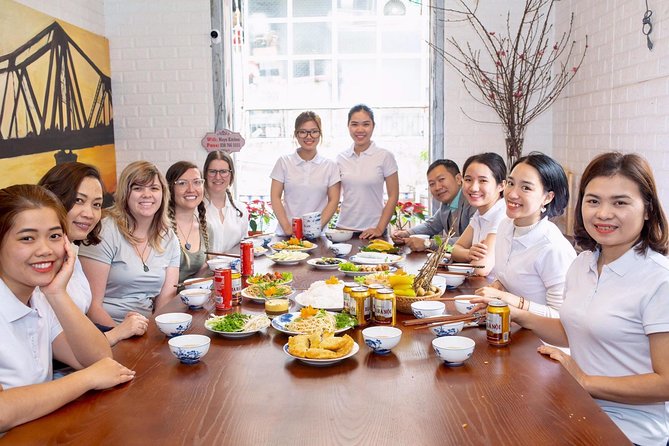
- Shop before you cook: Visit a local Hanoi market to see fresh ingredients and learn about substitutes.
- Five Vietnamese specialties: Prepare fried spring rolls, papaya salad, pho rolls, mixed pho, and egg coffee.
- A full meal is included: Your cooking becomes lunch or dinner, with seasonal fruit for dessert and one drink.
- Small enough for hands-on work: The group is capped at 15 people, and the instructor guides each step.
- Good value at $30: The price includes the market visit, food, instruction, recipe, local wine tasting, and meal.
- Check the meeting point: The information lists 38 Bat Su Street and the Crossing Vietnam Tour office at 47 Hang Bong Street.
Why this Hanoi cooking class works well
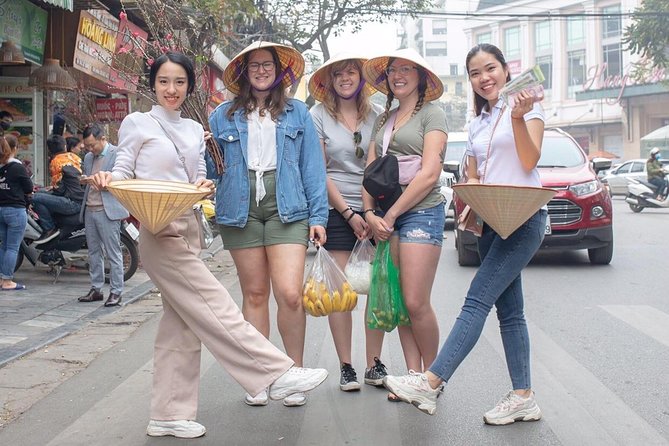
This is not just a kitchen lesson. It connects the food to the place where it is bought, which gives the meal more meaning. At the market, you can look at the vegetables, herbs, papaya, rice noodles, and other ingredients before learning how they fit into Vietnamese cooking.
I especially like this order. If you begin in a kitchen, ingredients can seem like a shopping list. If you see them at a local market first, you have a better chance of remembering them later. The class also explains substitutes, which matters if you hope to recreate the dishes at home.
The session is listed at about four hours. That gives you time for the market, preparation, cooking, and eating without turning the meal into a rushed race. Since the group can reach 15 people, the experience may feel more social than private. Still, the hands-on format and step-by-step guidance should keep you involved.
The food list is generous. You make four dishes, then prepare egg coffee and finish with seasonal fruit. Several people found there was enough to take away in containers, so I would not eat a large breakfast beforehand if your class is scheduled in the morning.
More Market Tour Cooking Classes in Hanoi
- Hanoi Cooking Class: Culture, Local Market & Meaning CSR Impact
★ 5.0 · 5,147 reviews - 5 Traditional Dishes Hanoi Cooking Class with Market Trip
★ 5.0 · 4,890 reviews - Vietnamese Food Cooking Class in Hanoi with Market Experience
★ 5.0 · 778 reviews
Starting with Hanoi market ingredients
The market visit is described as taking place at Yen Thai Market, while the stop is also listed as Hang Da Market. These may refer to nearby parts of the same market area, but the information is not fully consistent. I would confirm the exact name with the operator before you go.
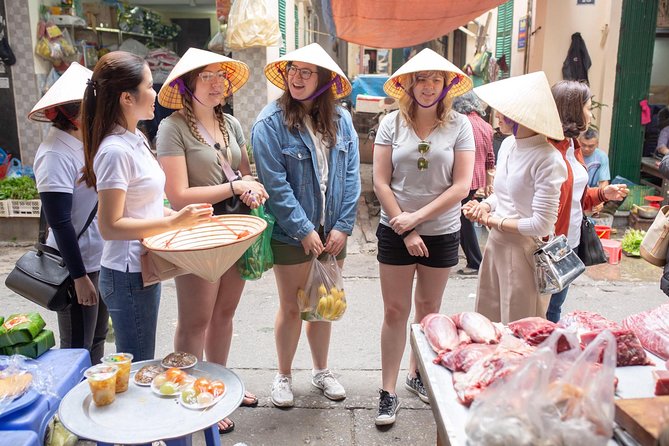
The purpose of the stop is clear: buy the ingredients for the class and get a look at local life. Your English-speaking instructor will help explain Vietnamese ingredients and possible substitutes. That is useful for cooks who want to make the dishes again, since specialty ingredients can be hard to identify once you leave Vietnam.
Do not expect a formal sightseeing tour with a long list of historic facts. The market visit is here to support the cooking class. You will see the food being sold, learn what you need, and then head to the kitchen. If you prefer an experience built around daily life rather than monuments, this is a smart use of part of a Hanoi morning or afternoon.
The market can also help you understand the balance of Vietnamese food. The dishes on the menu use fresh vegetables, herbs, noodles, wrappers, and sauces in different ways. Even without a detailed lecture, seeing the raw ingredients before cooking gives you a useful frame for the meal that follows.
Rolling, chopping, and mixing in the kitchen
After the market, the instructor leads the cooking class. The lesson begins with nem ran, or fried spring rolls. The rolling takes a little hand control, since the wrappers need to be even and neat before frying. This is one of the more useful skills to learn because spring rolls are linked with holidays and family gatherings in Vietnam.
I would pay close attention during this first dish. A spring roll that is too loose can fall apart, while one rolled too tightly may not cook as evenly. The point is not to produce perfect restaurant food on your first try. It is to learn the basic movement and leave with a method you can repeat at home.
Next comes nom du du, or green papaya salad. Its main character is a sour and sweet balance, giving you a fresh contrast to the fried spring rolls. This is a good place to notice how Vietnamese cooking builds variety across a meal. One dish brings crispness and acidity, while another brings heat and a cooked filling.
You then prepare pho cuon, or pho rolls. These use pho-style rice noodles in a rolled format rather than a soup bowl. The class also includes pho tron, or mixed pho, which gives you another way to use noodles with toppings and dressing.
The menu offers a useful comparison between these dishes. Pho rolls focus on the shape and handling of the noodles, while mixed pho puts more attention on combining ingredients. You are not making five unrelated items. You are seeing how familiar Vietnamese ingredients can be assembled in several forms.
Finally, you make ca phe trung, or egg coffee. This is one of Hanoi’s best-known specialties, and it gives the class a sweet finish with a local identity. Preparing it yourself makes the drink more than a quick café stop. It becomes part of the meal you helped create.
Eating the meal you made
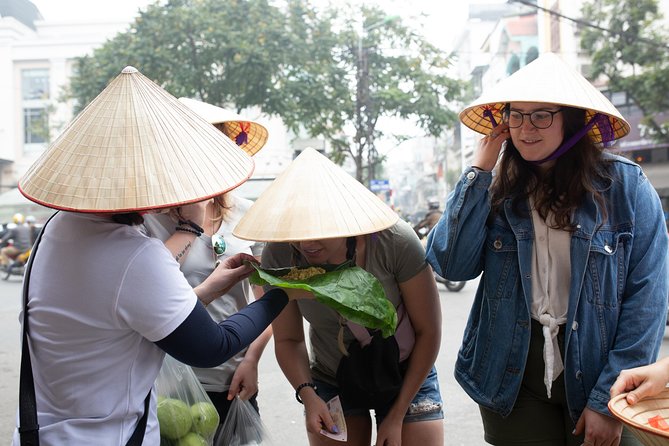
Once the cooking is done, you sit down to eat the dishes prepared during the class. The meal includes fried spring rolls, papaya salad, pho rolls, mixed pho, egg coffee, seasonal fruit, and one drink such as water, tea, or coffee.
This format gives the class good value. At $30 per person, you are paying for the market stop, ingredients, instruction, kitchen time, a full meal, a recipe, and local wine tasting. It is not the cheapest way to eat in Hanoi, where street food can cost very little. But it is a reasonable price for combining food, instruction, and a local market visit in one half-day activity.
The strongest value comes if you want to cook these dishes again. The recipe helps, and the instructor covers substitutions at the market. If you only want to taste Vietnamese food, you can eat more cheaply elsewhere. If you want to understand how several dishes are made and enjoy the result at the table, the price makes more sense.
The portions also appear to be substantial. I would plan this as a main meal, not as a quick snack between sightseeing stops. If you have a family or a larger appetite, the quantity may be welcome. If you are dining later, ask about taking leftovers with you. Containers have been available in some sessions, but this is not specifically promised as a standard inclusion.
More Market Tour Cooking Classes in Vietnam
- Hanoi: 5 Local Dishes Cooking Class with Meal & Market Visit
★ 5.0 · 420 reviews - Hanoi Cooking Class and Market Tour in Ancient House
★ 5.0 · 379 reviews - Rose Kitchen Hanoi: Market, Cooking & Culture Tour + Free PickUp
★ 5.0 · 342 reviews - Hanoi: Cooking Class in a Local Villa with Market Tour
★ 4.9 · 320 reviews
The instructors make a real difference
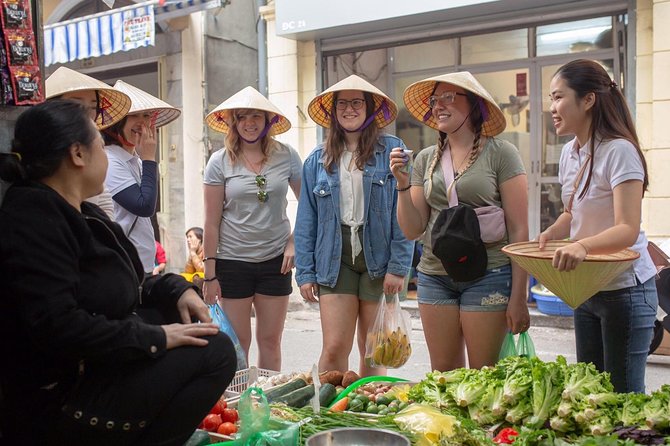
The named guides include Iris, Ruby, and Aurora. The information does not promise a particular instructor, so you should expect the guide to vary by date. Each name is worth noting because the teaching style can shape a hands-on class.
Iris has been associated with the market shopping and step-by-step kitchen work. Ruby has been praised for teaching the dishes clearly, sharing local places to eat, and helping create a relaxed session. Aurora has added Vietnamese stories and even singing to the cooking time. Those details suggest that the class can include more personality than a strict demonstration.
The guide’s role matters most during the spring roll lesson and the market visit. You want someone who can explain how to choose ingredients, show the rolling technique, and keep several dishes moving at once. The English-speaking instructor is included, so you can ask questions as you work.
Because the maximum group size is 15, the session is not guaranteed to be private. If you want one-on-one cooking instruction, this may not be the right format. For couples, families, and solo visitors who enjoy meeting others around food, the group setting should be a comfortable fit.
Practical details before you book
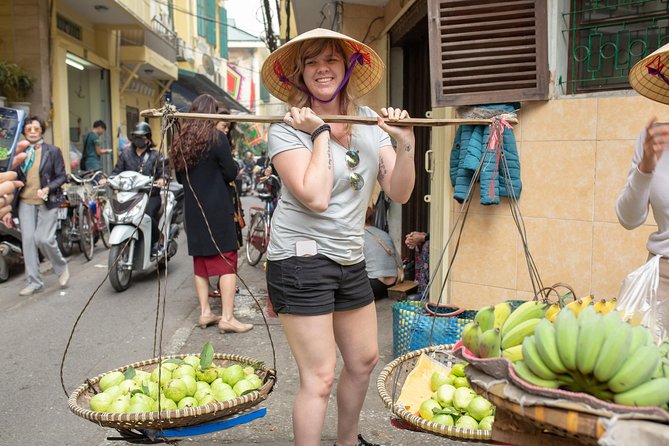
The activity lasts about four hours and begins in Hanoi’s Old Quarter area. Pickup and drop-off are not included. You make your own way to the meeting point, and the experience ends back there after the meal.
There is a small address issue to sort out. One part of the information gives the start as 38 P. Bat Su, Hang Bo, Hoan Kiem, while the pickup note names the Crossing Vietnam Tour office at 47 Hang Bong Street. Since both are in the Old Quarter but are not the same address, confirm the correct location after booking.
The activity is near public transportation, which helps if you are not staying within an easy walk. Mobile tickets are supported, and confirmation is provided at booking. Service animals are allowed.
Free cancellation is available if you cancel at least 24 hours before the start time. Inside that window, the payment is not refunded, and changes are not accepted. Keep the local Hanoi time in mind when making any change.
Who will enjoy this most
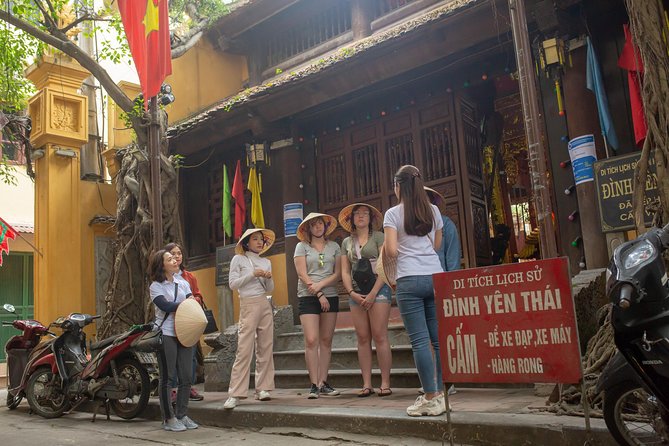
I would recommend this class to anyone who wants more than a food tasting. It suits first-time visitors who want an easy introduction to Vietnamese ingredients, home cooks who want recipes to take home, and families looking for an activity that keeps everyone involved.
It is also a good option if you are curious about egg coffee but would rather understand how it is made than simply order one at a café. The combination of sweet coffee, noodles, salad, and spring rolls gives you a broad sample of Vietnamese flavors in one sitting.
The class may be less suitable if you need a private lesson, dislike group activities, or have strict dietary requirements. The provided information does not explain vegetarian, vegan, gluten-free, allergy, or other dietary adaptations. Ask the operator before booking if that matters to you.
Likewise, do not choose this experience if your schedule is too tight for four hours. The market, preparation, cooking, and meal are all part of the plan. Rushing away halfway through would defeat the point and could leave you with an unfinished dish.
Should you book Hanoi Maya Kitchen?
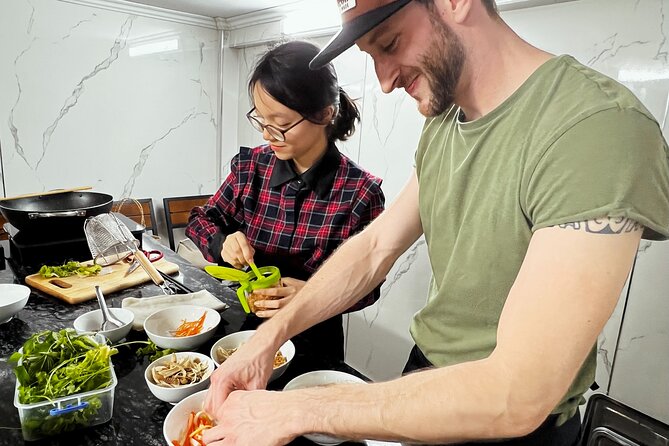
Book it if you want a friendly, hands-on introduction to Vietnamese cooking at a fair price. The market visit gives the class context, the menu offers plenty to do, and the meal provides a clear payoff. I particularly like the mix of everyday food and Hanoi specialty coffee, plus the chance to bring home a recipe rather than only a memory.
Before paying, confirm the meeting address and market name. If those details are settled, this is a strong choice for food-focused visitors, families, and anyone who wants a substantial Old Quarter activity. Skip it only if you want a private lesson, a short tasting, or a fully customized menu.
FAQ
How long does the Hanoi Maya Kitchen experience last?
The activity lasts approximately four hours, including the market visit, cooking class, and meal.
Where does the experience start?
The provided information lists 38 P. Bat Su, Hang Bo, Hoan Kiem, Hanoi as the start point. The pickup details also name the Crossing Vietnam Tour office at 47 Hang Bong Street, so confirm the correct address before arrival.
Which dishes will I prepare?
You will prepare nom du du, or papaya salad; nem ran, or fried spring rolls; pho cuon, or pho rolls; pho tron, or mixed pho; and ca phe trung, or egg coffee.
Is food included in the price?
Yes. The food listed includes all the cooking ingredients, the completed dishes, seasonal fruit for dessert, and one drink such as water, tea, or coffee. Local wine tasting and a cooking recipe are also included.
Is transportation included?
No. Pickup and drop-off are not included. You must make your own way to the meeting point, and the activity ends back there.
What is the cancellation policy?
You can cancel for a full refund up to 24 hours before the experience start time. Cancellations or changes made less than 24 hours before the start are not accepted and are not refunded.
More Hands-On Workshops in Hanoi
- Hanoi: Handcrafted Wood Carving Workshop with Local Artisan
★ 5.0 · 733 reviews - Hanoi Cooking Class: Pho/Bun Cha/Banh Xeo…+Free Egg/Salt Coffee
★ 5.0 · 267 reviews - Private Cooking Class with 5 dishes of your choice
★ 5.0 · 227 reviews - Experience Hanoi Cooking Class with Free Wine Tasting
★ 5.0 · 210 reviews
More Shopping Trips in Hanoi
- Hanoi: Maya Traditional Cooking Class & Market Tour
★ 4.9 · 243 reviews - Hanoi: Old Quarter Market Tour and Cooking Class with Meal
★ 4.8 · 192 reviews - Hanoi Cooking Class: Market Tour, Free Recipe & Beverages
★ 5.0 · 10 reviews - Hanoi’s Culinary: Authentic Cooking Class and Local Market
★ 4.8 · 5 reviews
Just added around Hanoi
- Hanoi Vegan Cooking Class: A Vietnamese Culinary Adventure★ 4.8 · 5 reviews
- Hanoi: Vegan Vietnamese Cooking Class in a Local Villa★ 5.0 · 42 reviews
- Hanoi Farm Tour and Cooking Class with Local Family★ 4.9 · 14 reviews
- Hanoi’s Culinary: Authentic Cooking Class and Local Market★ 4.8 · 5 reviews
- Hanoi: Village Farm Tour and Cooking Class with Lunch★ 5.0 · 7 reviews
- Hanoi Cooking Class in Haven of Tranquility – Thom culinary★ 5.0 · 3 reviews
- Hanoi Cooking Class: Market Tour, Free Recipe & Beverages★ 5.0 · 10 reviews
- Hanoi Food Adventure: Vietnamese Market Tour & Cooking Class★ 4.8 · 5 reviews
Cooking Classes with a Market Tour, compared.
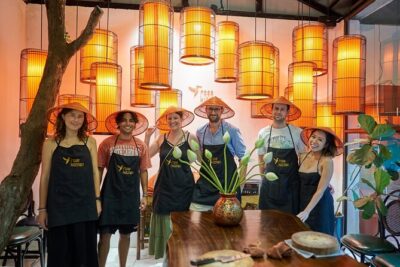
Hanoi Cooking Class: Culture, Local Market & Meaning CSR Impact
Read our review →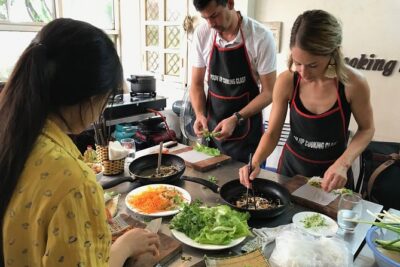
5 Traditional Dishes Hanoi Cooking Class with Market Trip
Read our review →
Cooking Class and Lunch at a Tuscan Farmhouse with Local Market Tour from Florence
Read our review →
Chiang Mai: Cooking Class, Market & Thai Herbs Garden Tour
Read our review →
Chiang Mai: Authentic Cooking Class with Market & Farm Visit
Read our review →
Barcelona: Paella Cooking Experience & Boqueria Market Tour
Read our review →
Cooking Class Hoi An:Local Market, Basket Boat, Fishing & Cooking
Read our review →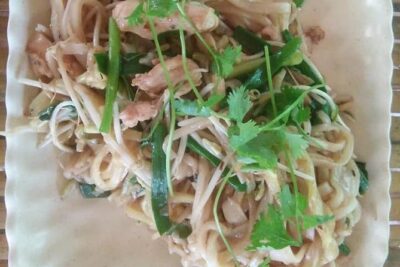
Hoi An Cooking Class(Market,BasketBoat Crabfishing&Cooking Class)
Read our review →Browse the lists this tour appears in