
Review · HANOI
Private Cooking Class with 5 dishes of your choice
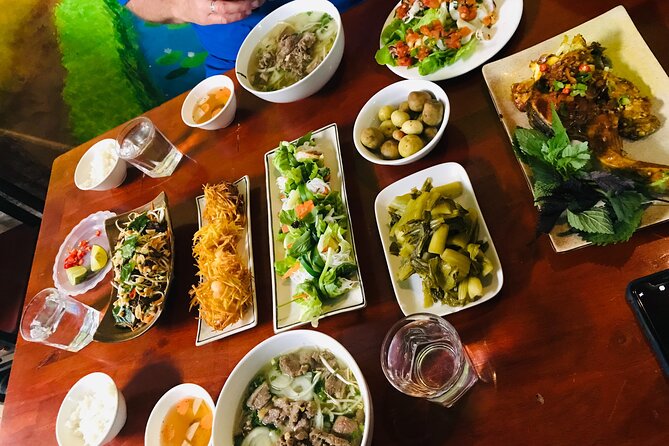
The best part of this Hanoi cooking class is that you choose all five dishes. Instead of following a fixed menu, you can focus on food you want to recreate at home, then shop for the ingredients with a local home chef before cooking them yourself.
I like the private format, which gives you room to ask detailed questions. I also like the market visit, where herbs and spices become more than items on a recipe card. You see what goes into the meal before learning how to handle it.
The main consideration is the $85 price per person. That is not a cheap meal, but it covers about four hours, a market tour, five dishes, a full meal, rice wine, a cookbook, and a certificate. If you only want to eat Vietnamese food, this is more than you need.
Key points to know before booking
- Five dishes of your choice: Build the class around recipes you genuinely want to learn.
- Dong Xuan Market visit: Shop for ingredients and learn about Vietnamese herbs and spices before cooking.
- Private instruction: Only your group takes part, so you can ask questions at your own pace.
- Named instructors: Nhi has been praised for patient, clear teaching, while Jane has been praised as a friendly guide for first-time cooks.
- A complete four-hour experience: The class includes shopping, preparation, cooking, eating, rice wine, a cookbook, and a certificate.
- Central Hanoi meeting point: Start at 8 P. Gia Ngư in the Old Quarter and return there at the end.
Why choosing the menu changes the whole class
Many cooking classes give you a set menu and ask you to follow along. This one takes a more useful approach: you select five dishes before or during the class, then learn how to prepare them with help from an experienced home chef.
That matters if your goal is to cook Vietnamese food after returning home. You can choose dishes you already love, recipes you have tried in Hanoi, or food you have always wondered how to make. The supplied details do not list a fixed menu, so the exact meal depends on your choices and what is available.
A private class also changes the pace. You are not sharing the instructor’s attention with a large group, and you can stop to ask why a certain herb is used, how a sauce should taste, or what technique makes a dish work. Nhi, one instructor associated with Apron Up, has been praised for taking time to explain methods and answer questions. Jane has also been singled out as a good fit for couples and people who do not consider themselves cooks.
The class is not only about following instructions. It is about understanding the decisions behind Vietnamese cooking. That can include the role of herbs, the balance of flavors, and the way ingredients are selected. The exact teaching points will depend on your dishes, but the format gives you a better chance to ask about what interests you.
More Hands-On Workshops in Hanoi:
- Hanoi Cooking Class: Culture, Local Market & Meaning CSR Impact
★ 5.0 · 5,147 reviews - 5 Traditional Dishes Hanoi Cooking Class with Market Trip
★ 5.0 · 4,890 reviews - Vietnamese Food Cooking Class in Hanoi with Market Experience
★ 5.0 · 778 reviews
Starting at 8 P. Gia Ngư in Hanoi’s Old Quarter
The experience begins at 8 P. Gia Ngư, Hàng Bạc, in Hoàn Kiếm. This puts you in central Hanoi, close to the Old Quarter, rather than at a remote cooking school outside the main sightseeing area.
You should allow enough time to find the meeting point, especially if you are unfamiliar with Hanoi’s narrow streets. The activity ends back at the same meeting point, which makes the start and finish simple. You do not need to arrange a separate return transfer based on the information provided.
The class operates Monday through Sunday from 6:00 AM to 10:00 PM during the listed operating period. The cooking experience itself lasts about four hours, but the available start time should be confirmed when you book. A mobile ticket is provided, and confirmation normally arrives at booking unless you reserve within two hours of departure.
Shopping at Dong Xuan Market
The first main stop is Dong Xuan Market, one of Hanoi’s best-known markets. Here, your instructor helps you buy the ingredients for the five dishes and explains the herbs and spices used in Vietnamese cooking.
This is where the class gains much of its local character. In a kitchen, ingredients can look tidy and anonymous. At the market, you begin to understand how Vietnamese cooks think about them before they reach the cutting board. You can ask what an herb is called, how it is used, and which ingredients matter most to the final dish.
The market visit also gives you a practical lesson in shopping. You are not simply being shown food. You are buying what the group will cook. That creates a clear connection between the market and the meal later in the morning or afternoon.
The stop may be less appealing if you prefer a quiet, polished food tour. Markets can be crowded, and the information supplied does not promise a private market stall, a tasting schedule, or a set amount of time at each section. Still, the market is an important part of the class because it links Vietnamese cooking to ordinary food shopping.
I would pay close attention to the herbs and spices here. Those are often the ingredients that are hardest to identify or replace at home. Ask your instructor which ones are essential, which can be substituted, and how to store them. The private format should give you time for those questions.
The Old City Gate and the walk between stops
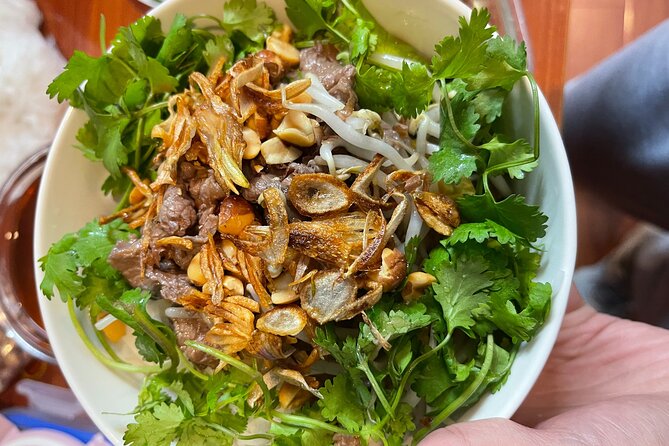
The itinerary also includes the Old City Gate. It is listed as a stop, but the supplied details do not explain how long you spend there or whether the instructor gives a formal history talk.
Treat it as part of the Old Quarter setting rather than the main reason to book the experience. The real focus is food: reaching the market, buying ingredients, returning to the kitchen, and preparing the meal. The gate adds a bit of Hanoi context to the route, but this is not designed as a full sightseeing tour.
That distinction matters when you compare this class with a dedicated Old Quarter walking tour. You get a brief connection to the city’s historic streets, but the cooking lesson remains the center of the experience.
A few more cooking classes around Hanoi worth a look
- PRIVATE Authentic Balinese Cooking Class in Ubud at Putu’s Home
★ 5.0 · 644 reviews - Rome: Pasta Making Class with Tiramisu & Wine PRIVATE OPTION
★ 4.8 · 404 reviews - Semi-Private Pizza Making Experience in Naples with Drink
★ 5.0 · 324 reviews - Private Market Tour & Cooking Class in Puerto Vallarta with Manu
★ 5.0 · 241 reviews
Returning to the kitchen for five dishes
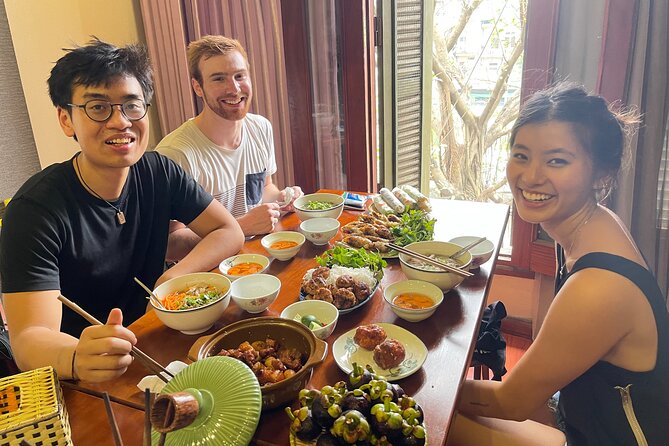
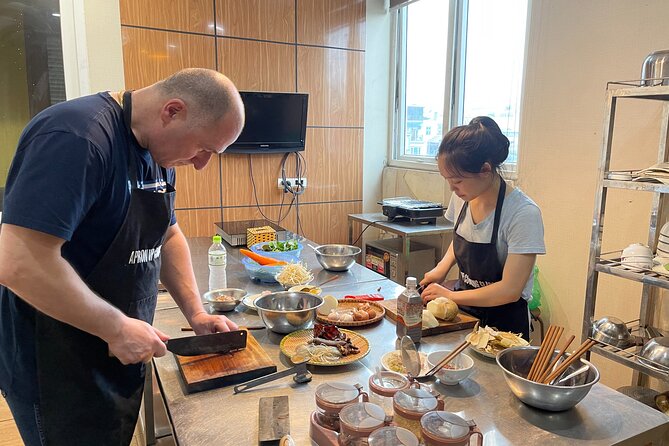
After shopping, you return to the cooking space and prepare the five dishes you selected. The key phrase here is hands-on. You are not only watching a chef cook while taking notes. You take part in the preparation and then eat the food you helped make.
Instruction quality will matter more than the room itself, and this is where the named guides receive the strongest praise. Nhi has been described as patient and clear, with useful insight during the market visit. Jane has been praised for making the activity enjoyable even for people who are not confident cooks.
I like that the class is built around questions. A standard demonstration can move too quickly, especially when several people are trying to follow the same steps. In a private lesson, you can ask the instructor to repeat a technique or explain what to watch for. You can also ask about adapting the recipe for your home kitchen.
The five-dish choice sounds generous, but it may also make the session busy. Four hours includes the market visit, travel between stops, preparation, cooking, eating, and the closing extras. If your five dishes are complicated, you may spend less time on each one than you would in a class with a smaller menu.
For that reason, choose dishes with a useful balance. Pick a few recipes you care about most, then ask the instructor whether the full set can be completed comfortably. The experience is designed around your choices, but the class still has a fixed approximate duration.
Eating what you prepared
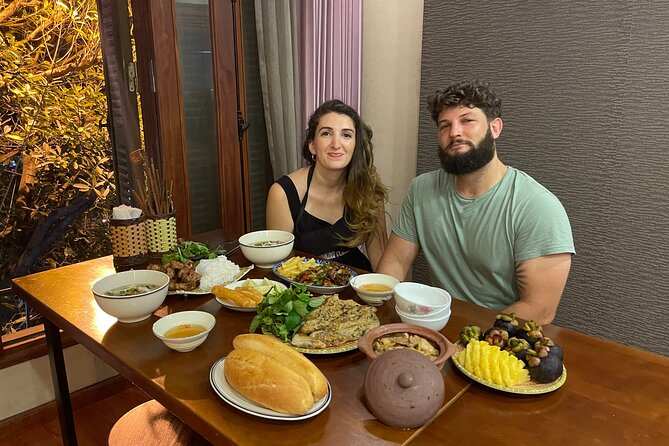
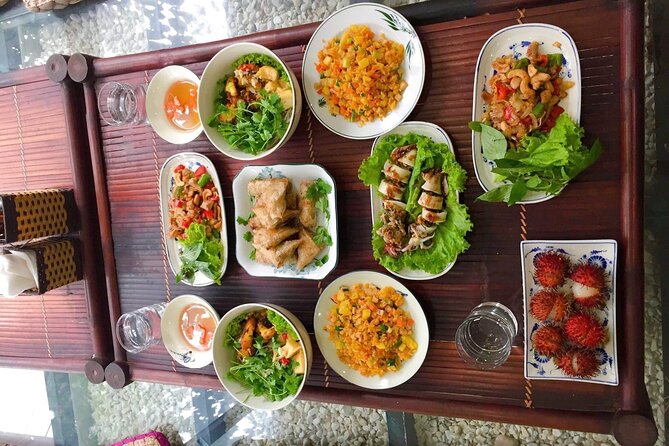
Once the cooking is finished, you sit down with the food you made. This is more satisfying than receiving a meal prepared entirely by someone else because you can connect each dish with the steps that produced it.
You will also taste homemade rice wine. The information does not specify the style, strength, or serving size, so treat it as a small cultural extra rather than a major part of the class. If you do not drink alcohol, check with the provider about alternatives before the experience.
The meal gives you a chance to judge your own work and ask final questions. You can compare the dishes, discuss flavors, and clarify any step you did not fully understand. For many people, this is the point when the class shifts from a lesson into a relaxed shared meal.
One review described the class as a good choice for non-cooks, which makes sense here. You do not need advanced kitchen skills to benefit from a private lesson. The instructor’s job is to guide you through the process, while your job is to stay curious and take part.
The cookbook and certificate at the end
At the end, you receive a cookbook and a certificate. The cookbook is the more useful of the two for most people. It gives you something to consult when you try the dishes at home, when the market memories have faded and you need a reminder of the method.
The certificate is a pleasant keepsake, especially if you are taking the class as a special activity for a couple or small private group. It does not add much practical value, but it marks the experience and gives the class a clear finish.
One particularly interesting detail from the class feedback is the mention of egg coffee. A French-language review praised the chance to learn the recipe for this famous Hanoi drink in addition to a varied selection of Vietnamese dishes. The supplied tour details do not promise egg coffee for every booking, so ask about it if that recipe matters to you.
Is $85 per person a fair price?
At $85 per person, this is priced above a simple group cooking lesson. The value comes from the amount of personal attention and the number of parts packed into the experience.
You receive approximately four hours of activity, a market visit, ingredient shopping, instruction for five chosen dishes, a cooked meal, rice wine, a cookbook, and a certificate. You also get a private booking, so only your group participates. For a couple or a small group that wants direct instruction, the price can make sense.
The value is weaker if you judge it only as a meal. You could spend less on food in Hanoi, and the class takes a substantial part of your day. It is worth paying for if you want to learn recipes, understand ingredients, and leave with skills you can use later.
Group discounts may be available, which could improve the price for a larger private party. The available details do not state the discount amount, so check the final booking price rather than assuming the per-person rate will change.
The experience is booked an average of 38 days ahead, suggesting that planning early is sensible, particularly if you have a narrow schedule in Hanoi or want a specific instructor. Last-minute confirmation may still be possible, but bookings made within two hours of the start time are subject to availability.
Who will get the most from this class?
I would recommend this experience most strongly to:
- Couples who want a private, relaxed activity.
- Home cooks who already have specific Vietnamese dishes in mind.
- People who want to understand herbs, spices, and ingredient shopping.
- First-time cooks who prefer patient one-to-one help.
- Small groups looking for an activity with a meal included.
- Visitors who want a food experience tied to the Old Quarter rather than a restaurant visit alone.
It may be less suitable if you want a fast demonstration, a fixed menu, or a full historical tour of Hanoi. It is also not the best match if your main priority is the lowest possible price.
The class should work well for people with different cooking abilities because the instructor can answer questions directly. Service animals are allowed, and the meeting point is near public transportation. The supplied information does not give details about dietary restrictions, allergies, kitchen access, or wheelchair arrangements, so contact Apron Up before booking if any of those issues affect you.
Booking, cancellation, and practical timing
You can cancel up to 24 hours before the start time for a full refund. Cancellations or changes made less than 24 hours before the experience are not accepted for a refund, and the cut-off follows Hanoi local time.
Because the activity lasts about four hours, avoid scheduling another fixed event immediately afterward. The class includes several stages, and the actual pace may depend on your chosen dishes, the market visit, and the questions you want to ask.
The activity returns to the original meeting point at 8 P. Gia Ngư. Bring your mobile ticket, wear clothing suitable for cooking, and plan to stay engaged rather than treating the class as a demonstration. The more clearly you explain which dishes you want to learn, the more useful the private format should be.
Should you book the Apron Up cooking class?
Book it if you want a private food lesson built around your own interests, especially if you care about cooking Vietnamese dishes at home. The strongest reasons are the five-dish choice, the market shopping, and the chance to work closely with an instructor such as Nhi or Jane when available.
Skip it if you want a cheap lunch, a fixed menu, or a sightseeing tour with only a little cooking. At $85, this is a learning experience first and a meal second. For the right reader, that makes the price reasonable and the Hanoi memories much more useful once you are back in your own kitchen.
FAQ
How long does the private cooking class last?
The experience lasts approximately four hours.
Where does the class begin?
It begins at 8 P. Gia Ngư, Hàng Bạc, Hoàn Kiếm, Hanoi, Vietnam.
Where does the activity end?
The activity ends back at the original meeting point.
How many dishes will I cook?
You will cook five dishes of your choice.
Does the experience include a market visit?
Yes. You visit Dong Xuan Market with the cooking instructor to buy ingredients and learn about herbs and spices.
What is included at the end of the class?
You eat the food you prepared, taste homemade rice wine, and receive a cookbook and certificate.
Just added around Hanoi
- Hanoi Vegan Cooking Class: A Vietnamese Culinary Adventure★ 4.8 · 5 reviews
- Hanoi: Vegan Vietnamese Cooking Class in a Local Villa★ 5.0 · 42 reviews
- Hanoi Farm Tour and Cooking Class with Local Family★ 4.9 · 14 reviews
- Hanoi’s Culinary: Authentic Cooking Class and Local Market★ 4.8 · 5 reviews
- Hanoi: Village Farm Tour and Cooking Class with Lunch★ 5.0 · 7 reviews
- Hanoi Food Adventure: Vietnamese Market Tour & Cooking Class★ 4.8 · 5 reviews
- Hanoi Cooking Class in Haven of Tranquility – Thom culinary★ 5.0 · 3 reviews
- Hanoi Cooking Class: Market Tour, Free Recipe & Beverages★ 5.0 · 10 reviews
Cooking Classes, compared.
Half-Day Thai Cooking Class at Organic Farm in Chiang Mai
Read our review →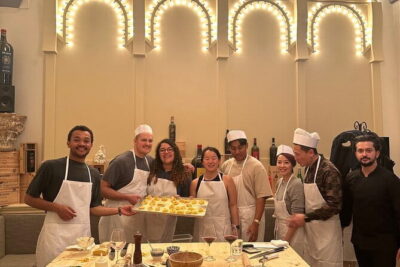
Florence: Pasta Cooking Class with Unlimited Wine
Read our review →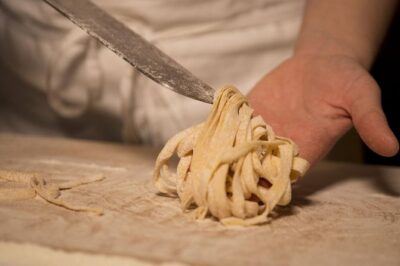
3 in 1 Cooking Class near Navona: Fettuccine, Ravioli & Tiramisu
Read our review →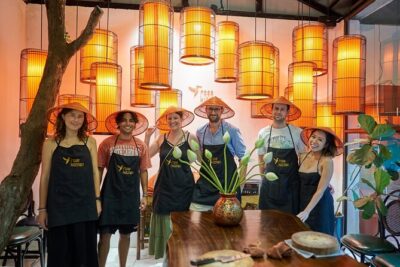
Hanoi Cooking Class: Culture, Local Market & Meaning CSR Impact
Read our review →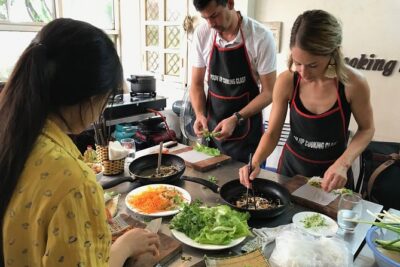
5 Traditional Dishes Hanoi Cooking Class with Market Trip
Read our review →
Cooking Class and Lunch at a Tuscan Farmhouse with Local Market Tour from Florence
Read our review →
Chiang Mai: Cooking Class, Market & Thai Herbs Garden Tour
Read our review →Browse the lists this tour appears in