
Review · SPAIN
Mallorca: Market Visit and Traditional Cooking Workshop
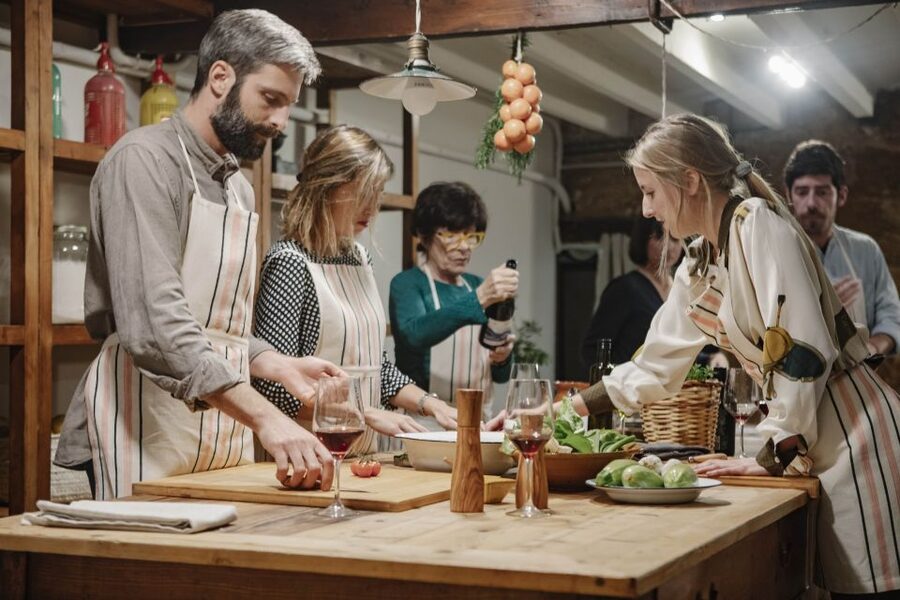
Mercat de l’Olivar is the lively starting point for a cooking experience that treats food as a key to Mallorca’s culture. You’ll browse fruit, fish, cured meats, and other local foods with Deborah, then walk about 10 minutes to Forn de sa Llotgeta, an 18th-century bakery now used as a warm cooking studio.
I like the seasonal menu, which changes with the island’s food calendar, and the small groups, limited to eight people. You also get a real meal, wine, recipes, and ingredients to use again at home. The main consideration is price: at $171 per person, this makes the most sense if you value personal instruction and cultural context, not just a quick cooking demonstration.
What makes this Mallorca food experience special
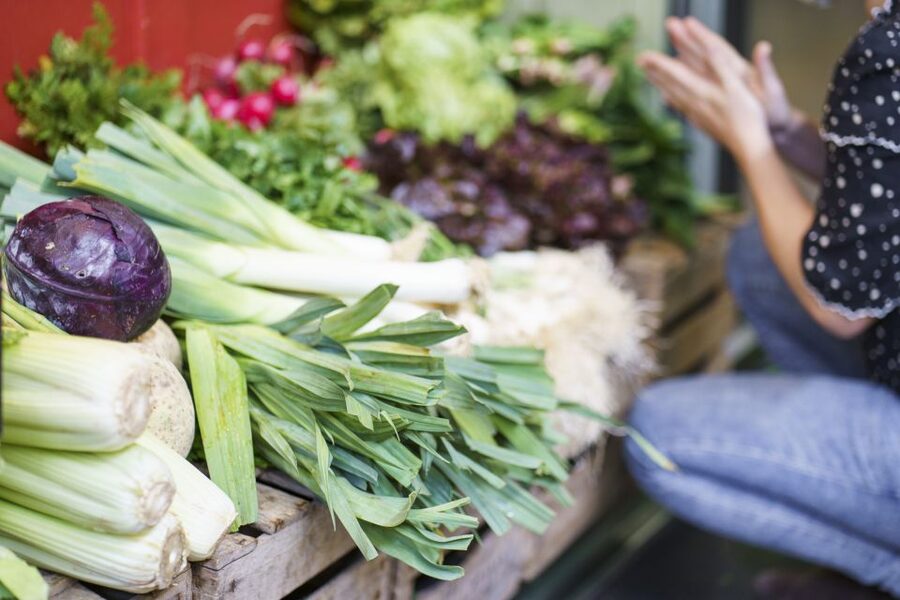
- Mercat de l’Olivar first: Meet vendors, examine local produce, and taste selected delicacies before cooking.
- Deborah’s personal instruction: She brings together food, island history, and traditional family recipes in a small setting.
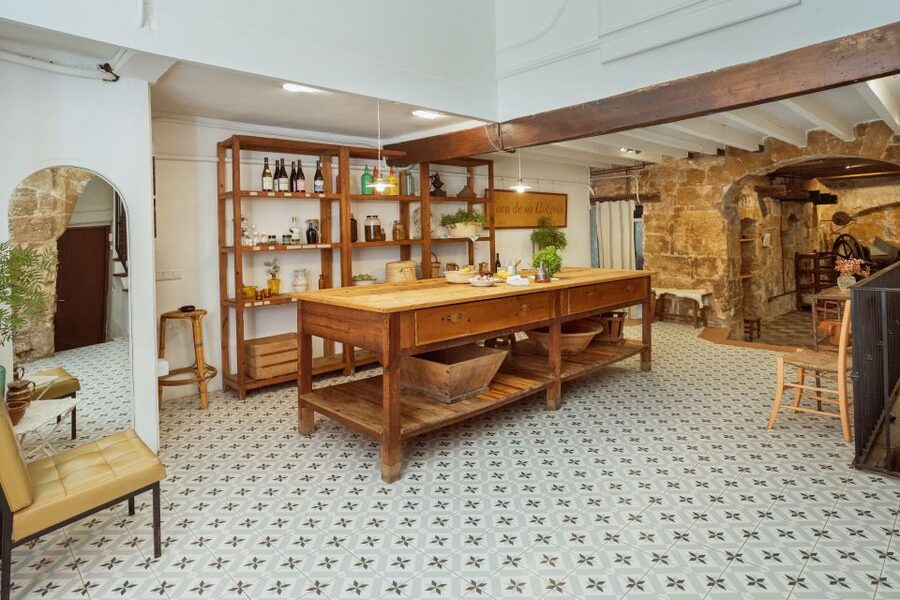
- Forn de sa Llotgeta: Cook and eat inside an emblematic bakery dating from the 18th century.
- A full seasonal menu: Prepare an aperitif, starter, main course, dessert, and enjoy local wine.
- Recipes and ingredients included: Take home practical materials so you can repeat the dishes later.
- Small-group format: Open sessions have a maximum of eight participants, with private options for two to fifteen people.
Starting at Mercat de l’Olivar in central Palma
The experience begins in front of the statue El darrer vestit a l’ampla, beside Mercat de l’Olivar and on the BBVA side of the market. This meeting point is specific, but give yourself enough time to find it. You are meeting outside the market, not at the bakery.
Mercat de l’Olivar is Palma’s largest typical market, and it gives the workshop a useful beginning. Instead of starting with a recipe card and a row of prepared ingredients, you first see the food in its natural setting. You’ll pass fruit and fish stalls, look at local delicacies, and learn how ingredients fit into Mallorcan cooking.
The market visit lasts about one hour. It is not simply a shopping stop. Deborah uses the stalls to explain products and speak about the island’s food traditions. You might taste a local delicacy such as ham. Evening sessions include an aperitif of one vermut and a banderilla.
That tasting element is worth putting in perspective. The market visit is designed more as a guided introduction than as a long food crawl. One participant found the sample of ham too small for the price, so you should not book this expecting a succession of generous tastings. The real value is in seeing the products, meeting the vendors, and then using selected ingredients during the class.
More Market Tour Cooking Classes in Spain
- Barcelona: Paella Cooking Experience & Boqueria Market Tour
★ 4.8 · 3,661 reviews - Barcelona Paella Cooking Class with Market Visit, Tapas & Sangria
★ 5.0 · 2,531 reviews - Paella Cooking Class, Wine Tasting & Central Market in Valencia
★ 5.0 · 1,150 reviews
From the market to an 18th-century bakery
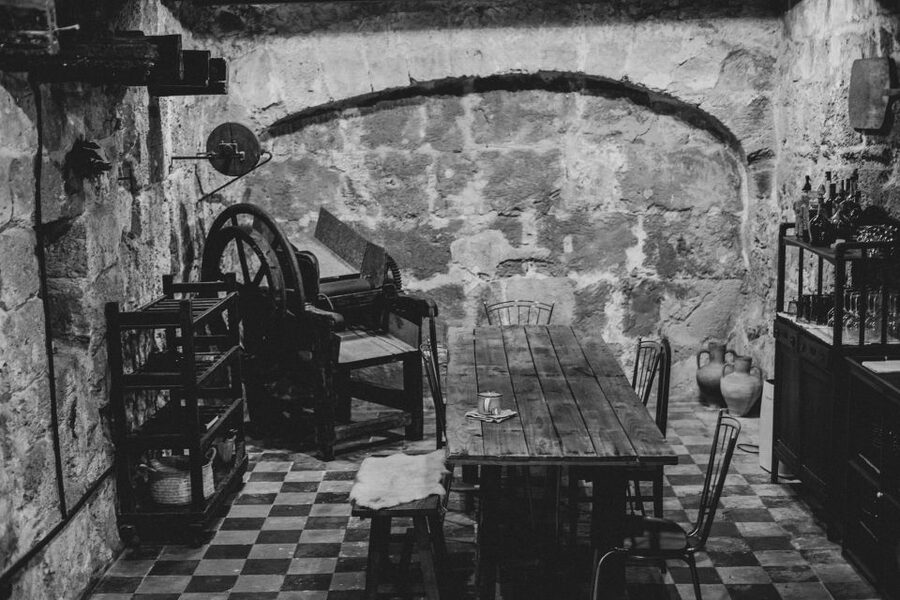
After the market, you walk roughly 10 minutes to Forn de sa Llotgeta. The bakery dates from the 18th century and is central to the character of the experience. This is not a generic rented kitchen with stainless-steel counters and a television screen playing cooking clips.
The setting is described as an atelier, or working studio, where you prepare and eat together. It has a comfortable, personal feel, and the space helps connect the food to the island’s older craft traditions. You are not just learning how to assemble a dish. You are hearing why ingredients, methods, and seasonal habits mattered to Mallorcan families.
The cooking studio is also where Deborah’s teaching style matters most. She explains the recipes, guides the work, and gives background on the island’s food culture. A strong part of the experience is the link between cooking and life before tourism became the main force in Mallorca. If you enjoy understanding how people lived as much as learning what they ate, this context adds real value.
Preparing a seasonal Mallorcan feast
The workshop lasts about three hours and is hands-on. You help prepare a complete menu rather than watching a chef do all the work. The exact dishes change with the season, but the sample menu shows the kind of food involved:
- Local cold meats and artisan cheeses with grapes and almonds
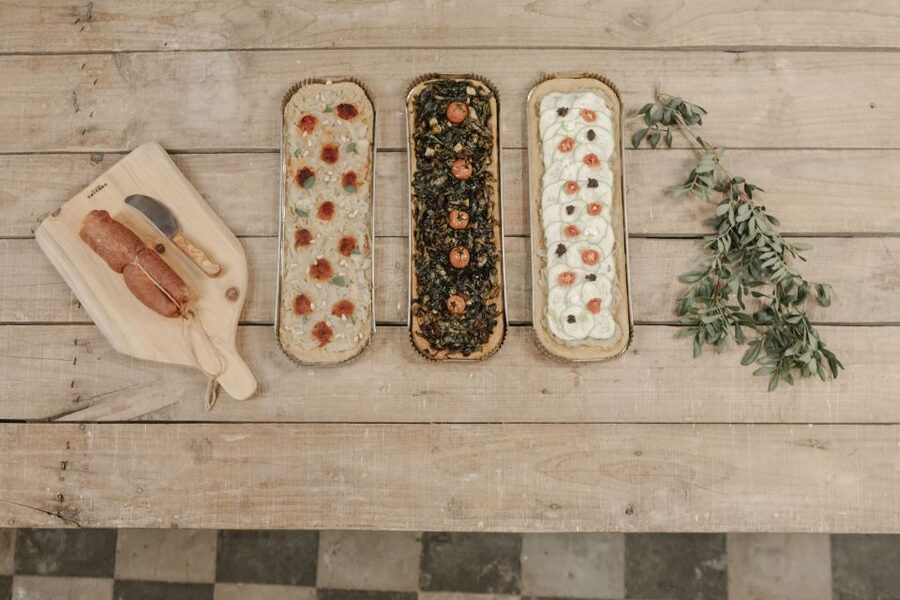
- Mallorcan flatbread with greens and raisins
- Artichoke and sobrasada meloso rice cooked in a clay pot called a greixonera
- Gató, a Mallorcan almond cake, with almond ice cream
This menu gives you a good sense of the class. It is built around local ingredients, familiar cooking methods, and a mixture of savory and sweet flavors. The use of a clay pot for the rice is especially appealing if you want to learn a technique associated with traditional home cooking rather than restaurant presentation.
The food is also substantial. You are not preparing one small dish and then being sent out for dinner. The experience includes an aperitif, a starter, a main course, dessert, and local wine. Two wine glasses per person are included, with additional wine available at extra cost.
The menu is seasonal, so you should not expect the listed dishes every time. In winter, the ingredients may be different from those used in spring or summer. That variation is a strength for repeat visitors, since the class follows the island’s food calendar rather than forcing the same menu throughout the year.
Why seasonality matters here
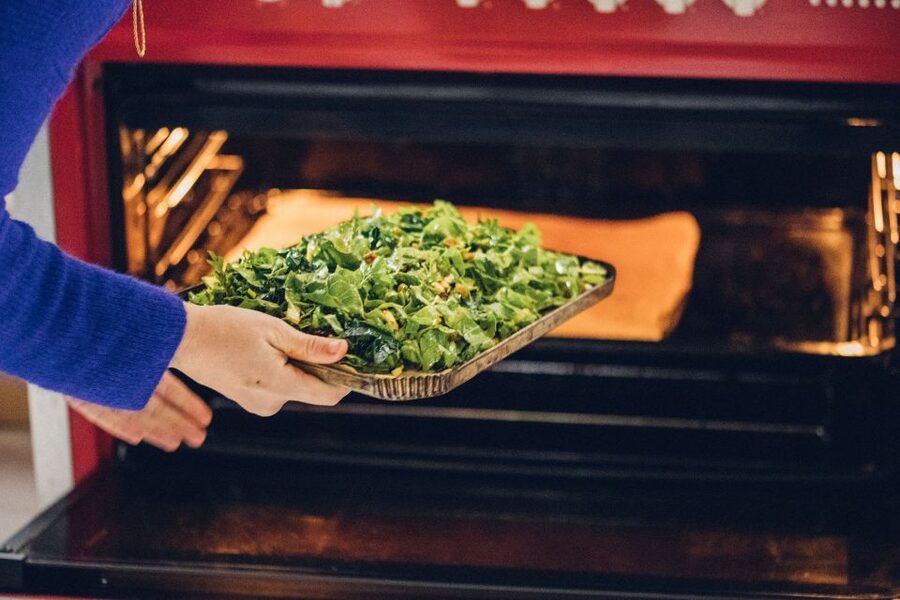
The workshop places unusual emphasis on seasonality, local products, modest cooking, and respect for nature. Those ideas can sound abstract, but here they show up in practical choices: produce is sourced locally, the menu changes, and the class works with small producers and farmers.
For you, this means the food is tied to time and place. Artichokes appear when they are in season. Almonds, greens, raisins, fish, cured meats, and other products are discussed as part of Mallorcan food culture rather than as decorative ingredients.
The approach also gives you a better way to understand traditional food. Mallorcan cooking developed around what families could grow, gather, preserve, or buy locally. A dish such as flatbread with greens and raisins reflects that practical cooking style. The food is not presented as luxury cuisine. Its interest comes from how well it uses straightforward ingredients.
Animal protein is important in traditional Mallorcan cooking, and sobrasada is part of that story. Private groups can request vegetarian or vegan menus, and dietary needs should be shared before booking. If you have serious allergies or very specific restrictions, contact the provider before reserving. The supplied information does not promise that every restriction can be handled in an open group.
Same place, a different menu:
- Barcelona Interactive Spanish Cooking Experience
★ 4.5 · 2,155 reviews - Spanish Cooking Class Paella Tapas and Sangria in Madrid
★ 5.0 · 1,340 reviews - Paella Cooking Class in Madrid with Bottomless Wine Pairing
★ 5.0 · 985 reviews - Seville: Spanish Cooking Class with Dinner
★ 4.9 · 900 reviews
Learning from Deborah in a group of eight
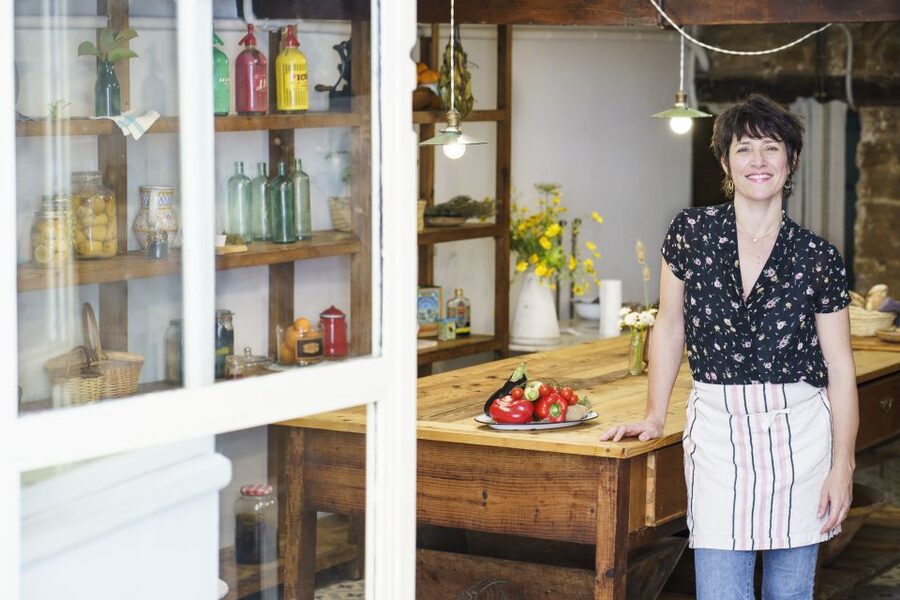
Open groups are limited to eight participants, which is one of the clearest reasons this experience costs more than a large demonstration. With a small group, you have a better chance to take part in preparation, ask questions, and receive help rather than standing behind a crowd.
The instructor, Deborah, brings together cooking instruction and information about Mallorca’s past and food customs. She also gives practical suggestions beyond the class, including ideas for less obvious places to visit, restaurants, and museums. That extra local guidance can be useful at the beginning of a Palma stay, when you are still deciding how to spend the rest of your time.
The group atmosphere is another part of the appeal. You cook at the same table, share the finished dishes, and meet other people in a relaxed setting. Several comments describe the class as friendly and enjoyable, while one smaller group included only seven people. The limit of eight is meaningful here, not just a line in the booking details.
Private courses are available for groups of two to fifteen, subject to availability. A private format is the better choice for a family or group with strict dietary requirements, since vegetarian and vegan menus can be arranged privately. The age guidance needs attention: the activity is listed as unsuitable for children under 12, while the private-course information says children can attend private groups and also says the courses are not recommended for children under 10. If children are part of your plan, confirm the age policy before booking.
What you eat and what you take home
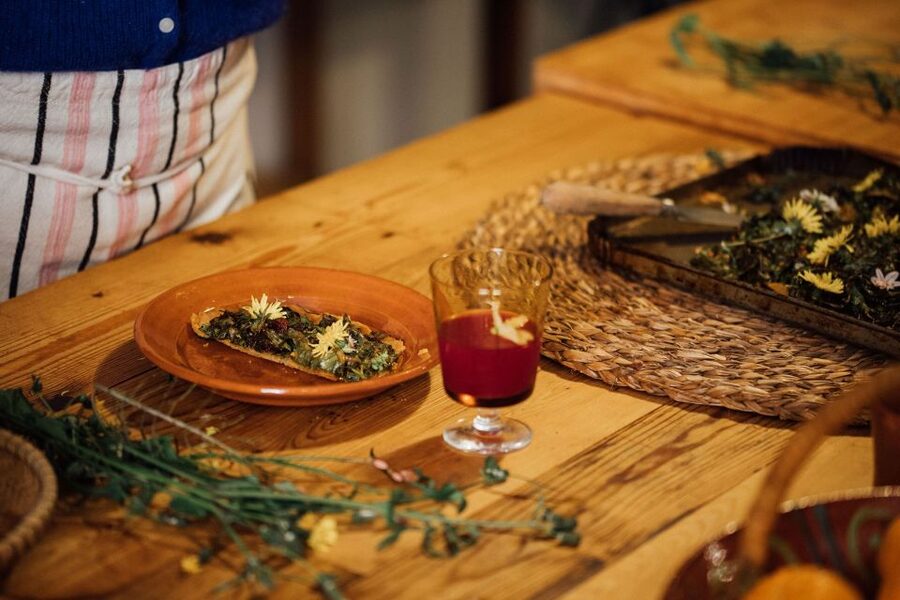
The meal is the payoff for the three hours of preparation. You eat the food you helped make, paired with local wine, in the same studio where you cooked. That creates a more satisfying connection than tasting a dish prepared entirely by someone else.
The included ingredients, materials, and recipes are also important. You can take home the ingredients and materials used during the workshop, along with instructions for repeating the dishes. This makes the experience more useful after your holiday, particularly if you enjoy cooking and want to recreate a Mallorcan meal for friends.
Do not expect a formal cookbook or a full market shopping haul. The materials are intended to help you repeat the workshop recipes, not replace a cooking store. Personal shopping at Mercat de l’Olivar is not included, so set aside your own money if you want to buy additional food, gifts, or ingredients.
Coffee is not listed as part of the standard meal. One person specifically wished for an espresso or coffee at the end, so keep that in mind if you like a hot drink after lunch. The included drinks are local wine, two glasses per person, plus the evening vermut and banderilla when applicable.
Is $171 a fair price?
At $171 per person, this is not a budget market tour. You are paying for four hours, a one-hour guided market visit, a three-hour hands-on class, a four-course meal, wine, ingredients, recipes, and a maximum group size of eight.
The value is strongest if you want several things at once: food instruction, cultural background, a local market, a historic cooking setting, and a complete meal. Buying those elements separately could take much of a day, and you would lose the connection between the market ingredients and the dishes prepared afterward.
The value is weaker if you only want to sample food at Mercat de l’Olivar or watch a chef cook. The market tasting is limited, and additional wine and personal purchases cost extra. You should also remember that hotel pickup and drop-off are not included. The meeting point is in central Palma, so you make your own way there.
A 4.9 rating from 29 reviews suggests a very high level of satisfaction, with the strongest praise focused on Deborah’s teaching, the small group, the food, and the studio. There is also useful criticism: one person felt the market tasting was too limited, and another would have liked coffee after the meal. Those are fair expectations to set before you pay.
Practical details before you book
The activity is offered in English and Spanish. Ask in advance if you need a particular language, especially if clear cooking instructions are important to you.
Plan for the full four hours. The schedule is approximately one hour at the market followed by three hours at the atelier. Since the meal comes after the cooking work, do not arrive expecting a quick class.
Cancellation is free up to 24 hours before the activity for a full refund. You can also reserve and pay later, which helps if your Palma plans are still changing.
The workshop is not designed as a child-focused activity. The stated age guidance excludes children under 12, though private groups have separate provisions for children. Again, confirm directly if your party includes younger participants.
For allergies or strict dietary needs, communicate before booking rather than hoping to solve the issue at the market. The provider says it will do its best to adapt the course, but private groups offer the clearest path to a vegetarian or vegan menu.
Who should book this workshop?
I would choose this experience if you want to understand Mallorca through its food, not simply eat a meal. It suits couples, solo visitors, and small groups who enjoy cooking, conversation, and local context. It is also a smart early-trip activity because Deborah may help you shape the rest of your Palma visit with restaurant, museum, and out-of-the-way suggestions.
I would think twice if you dislike group cooking, have severe allergies, or want a broad food tasting at the market. The experience asks you to spend $171 and several hours, and its value comes from participation rather than speed.
For most food-focused visitors, the combination of Mercat de l’Olivar, Deborah’s instruction, the old bakery setting, and the seasonal meal makes the cost defensible. Book it for the connection between market and table, and for the recipes you can carry home, not just for the amount of food sampled along the way.
FAQ
How long does the Mallorca cooking experience last?
The experience lasts four hours, including approximately one hour at Mercat de l’Olivar and three hours at the cooking studio.
Where do I meet the group?
Meet in front of the statue El darrer vestit a l’ampla, in front of Mercat de l’Olivar on the side of the BBVA bank.
How large is the cooking group?
Open groups are limited to a maximum of eight participants. Private courses are available for groups of two to fifteen people, subject to availability.
Which languages are offered?
The activity is offered in English and Spanish.
What food is included?
You prepare and eat a four-course seasonal Mallorcan menu with an aperitif, starter, main course, dessert, and local wine. A sample menu includes cold meats and cheeses, Mallorcan flatbread, artichoke and sobrasada rice, and gató almond cake with almond ice cream.
Is wine included?
Yes. Two wine glasses per person are included. Additional wine is not included. Evening sessions also include one vermut and a banderilla as an aperitif.
Can vegetarian or vegan meals be arranged?
Vegetarian or vegan versions can be arranged for private groups. You should share dietary requirements before booking, especially if you have severe allergies or very specific restrictions.
Can I cancel for a refund?
Yes. You can cancel up to 24 hours in advance for a full refund. Reserve-now, pay-later booking is also available.
More Hands-On Workshops in Spain
- Barcelona: Paella Cooking Class with Market Visit and More
★ 4.9 · 711 reviews - Málaga: Spanish Cooking Workshop with Paella and Sangria
★ 4.9 · 613 reviews - Paella Cooking Class with Professional Chef: Four Course Dinner
★ 5.0 · 561 reviews - Taste of Spain: Tapas Cooking Class with Bottomless Wine Pairing
★ 5.0 · 414 reviews
More Shopping Trips in Spain
- Valencian paella cooking class, tapas and visit to Ruzafa market.
★ 5.0 · 828 reviews - Spanish Cooking Class & Triana Market Tour in Sevilla
★ 5.0 · 760 reviews - Seville: 3.5-Hour Spanish Cooking Class & Triana Market Tour
★ 4.9 · 751 reviews - Valencia: Paella Cooking Class with Central Market Tour
★ 5.0 · 721 reviews
Just added around Spain
- Basque Pintxos and Tapas Cooking Class in Bilbao★ 5.0 · 73 reviews
- Paella and Burnt Basque Cheesecake Cooking Class (in Bilbao)★ 5.0 · 46 reviews
- Small-group Immersive Basque Cooking Class in Bilbao with Open Bar★ 5.0 · 65 reviews
- Pintxos and Tapas Cooking Class in Bilbao★ 5.0 · 38 reviews
- Private Authentic Paella Cooking Class in Barcelona with Josh★ 5.0 · 3 reviews
- Private Barcelona Market Tour & Paella Cooking Class with Josh★ 5.0 · 4 reviews
- Rooftop Paella Seafood Cooking Class Experience in Barcelona★ 5.0 · 59 reviews
- Premium Paella & Tapas Feast: Unlimited Wine & Rambla Views★ 5.0 · 13 reviews
Cooking Classes with a Market Tour, compared.
Hanoi Cooking Class: Culture, Local Market & Meaning CSR Impact
Read our review →
5 Traditional Dishes Hanoi Cooking Class with Market Trip
Read our review →
Cooking Class and Lunch at a Tuscan Farmhouse with Local Market Tour from Florence
Read our review →
Chiang Mai: Cooking Class, Market & Thai Herbs Garden Tour
Read our review →
Chiang Mai: Authentic Cooking Class with Market & Farm Visit
Read our review →
Barcelona: Paella Cooking Experience & Boqueria Market Tour
Read our review →
Cooking Class Hoi An:Local Market, Basket Boat, Fishing & Cooking
Read our review →
Hoi An Cooking Class(Market,BasketBoat Crabfishing&Cooking Class)
Read our review →Browse the lists this tour appears in