Review · COOKING CLASSES
Manila Filipino Cooking Class: Meryenda Favorites
Filipino food is the star here, but the real appeal is that you do not just sit down to eat it. At Somerset Olympia Makati, Chyl guides you through a complete meryenda, or Filipino snack spread, with noodles, crunchy spring rolls, and sweet treats. I like the small maximum of four people and the individual cooking stations. I also like that the recipes use basic ingredients you can make again at home. The main consideration is the two-hour format: you get a tasty introduction, not a full survey of Philippine cooking.
Chyl’s friendly, patient teaching is a major part of the experience. She checks each dish as you go, answers questions, and talks about Filipino food and daily life. I would choose this class for families, first-time visitors who want a hands-on food experience, and anyone who wants practical recipes rather than a formal demonstration. The outdoor cooking setup and weather requirement are worth noting, so keep the forecast in mind.
Key points at a glance
- A full meryenda spread: Prepare noodles, savory spring rolls, and sweet treats rather than making only one dish.
- A tiny group: The class accepts a maximum of four people, which allows for personal help from Chyl.
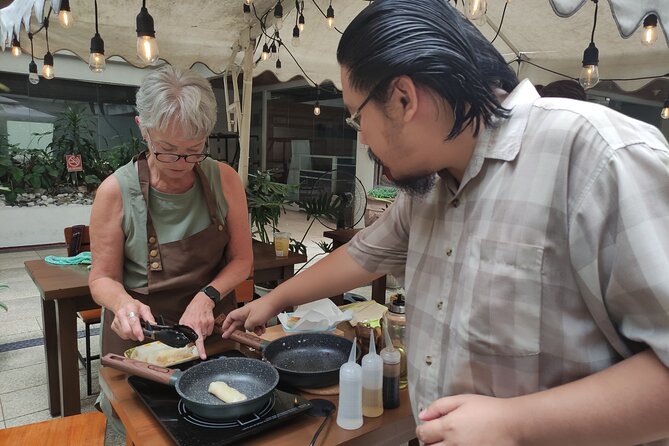
- Individual cooking stations: You get hands-on time instead of standing behind a crowd watching a demonstration.
- Recipes for home kitchens: The class focuses on basic ingredients and methods you can repeat after returning home.
- Family-friendly format: Families with young children have joined, and staff have helped hold children when needed.
- Central Makati meeting point: Begin and end at Somerset Olympia Makati at 2:00 pm, with public transportation nearby.
Why meryenda makes a good Filipino food introduction
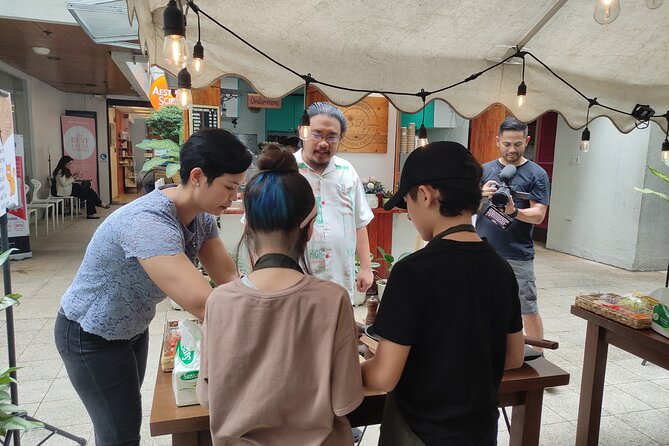
Meryenda is the Filipino tradition of taking a snack or light meal during the day. It can be simple, filling, savory, sweet, or a mix of all four. That makes it a smart theme for a short class because you get several tastes and techniques without committing to a long restaurant-style meal.
This class uses meryenda to show how Filipino food can move from noodles to crisp spring rolls and then to dessert. The spread gives you contrast in texture and flavor, while the cooking itself stays approachable. You are not expected to master a long menu of complicated dishes in two hours.
I like this focus because it connects food with ordinary life. A snack is often easier to recreate at home than a banquet dish, and the class is designed around that idea. You leave with more than a pleasant afternoon. You get a practical sense of how Filipino cooks combine familiar ingredients into food that feels generous and satisfying.
The experience also offers a small window into the country’s wide food culture. Philippine cooking developed across more than 7,000 islands, from mountain areas to coastal communities. This class cannot cover all of that variety, but it gives you a useful first taste through food that people actually enjoy as part of daily life.
More Hands-On Workshops in the world:
- Half-Day Thai Cooking Class at Organic Farm in Chiang Mai
★ 5.0 · 19,087 reviews - Florence: Pasta Cooking Class with Unlimited Wine
★ 4.9 · 10,285 reviews - 3 in 1 Cooking Class near Navona: Fettuccine, Ravioli & Tiramisu
★ 5.0 · 7,376 reviews
Meeting Chyl in Makati at 2:00 pm
The class begins at Somerset Olympia Makati, at 7912 Makati Avenue, and finishes at the same place. The meeting point is near public transportation, which makes it practical if you are already in Makati or planning your day around the area.
The 2:00 pm start works well as an afternoon activity. You can have a light lunch first, then treat the class as both a cooking lesson and your substantial afternoon snack. Since you will prepare and eat several dishes, I would avoid booking it immediately after a large meal.
Because the group is limited to four people, the setting should feel more like a private kitchen lesson than a large organized class. That matters when you are learning a new recipe. You can ask Chyl to slow down, check a technique, or explain an ingredient without trying to attract her attention across a crowded room.
The listing includes mobile ticketing, so you do not need to carry a printed voucher. Confirmation is provided when you book. Those are small details, but they make the arrival process easier when your phone is already handling transport and directions.
Cooking three kinds of meryenda
The exact recipes can vary, but the class is built around three broad parts of Filipino snacking. You work on a filling noodle dish, savory and crunchy spring rolls, and sweet treats. This structure keeps the afternoon varied and gives you several recipes to remember.
Noodles for a filling center
The noodle dish provides the heart of the meal. You can expect to learn how the ingredients come together rather than simply watching Chyl cook them from start to finish. The value here is practical: you can see the sequence, handle the ingredients, and ask questions while the dish is being prepared.
A noodle recipe is also a useful starting point for a home cook. It can work as a snack, a light lunch, or part of a larger meal. Chyl’s teaching style is described as patient and attentive, so you should have room to check your progress before moving on.
A few more cooking classes around the world worth a look
- Florence: Pasta & Tiramisu Cooking Class with Unlimited Wine
★ 4.9 · 6,708 reviews - Florence: Pasta Cooking Class with Unlimited Wine
★ 5.0 · 6,413 reviews - Hanoi Cooking Class: Culture, Local Market & Meaning CSR Impact
★ 5.0 · 5,147 reviews - 5 Traditional Dishes Hanoi Cooking Class with Market Trip
★ 5.0 · 4,890 reviews
Spring rolls for texture and technique
Spring rolls add the crisp element to the spread. They are a good class dish because preparation matters. You need to work with the filling, shape the rolls, and cook them properly. The result is easy to appreciate right away: savory food with a crunchy exterior.
This is also the sort of recipe where hands-on practice matters more than a written instruction sheet. You may understand the idea quickly, but making the rolls yourself helps you remember how much filling to use and how to handle the wrapper. Chyl checks each dish as you go, which is useful if this is your first attempt.
Sweets to finish the meal
The sweet course gives the meryenda spread a proper ending. The experience describes these treats as memorable, but does not specify their names or ingredients, so you should not book expecting a particular dessert. The important point is that the class covers both savory and sweet Filipino snack traditions.
This final course also helps show that meryenda is not limited to one type of food. Filipino snacking can be filling, crunchy, and sweet in the same sitting. You get a better feel for that balance by making the complete spread yourself.
Individual stations make the class more useful
One of the strongest practical features is the use of individual cooking stations. You are not simply watching a host prepare food while taking notes. You get to do the work, make decisions, and see how the dishes change during cooking.
That matters most if your goal is to recreate the recipes at home. A demonstration can look easy because someone else has already measured, mixed, shaped, and corrected each step. At your own station, you see which parts require care.
Chyl’s teaching style fits this format well. She is described as friendly, calm, and attentive, with a habit of checking in on each person. That makes the class suitable for beginners and for people who cook occasionally but do not know Filipino techniques.
You also get a chance to make a generous amount of food. One participant described preparing enough to continue eating leftovers the next day. The amount may vary, but you should expect more than a small tasting plate. This is a hands-on meal as much as it is a lesson.
A friendly class for families and mixed experience levels
The experience is clearly designed to welcome families. A family with a three-year-old and an infant was able to take part, and staff helped hold the children when they became unsettled. That does not mean every child will be comfortable for the full two hours, but it does show that the class can accommodate family needs better than many food activities.
The small group helps here. With no more than four people, there is less chance that a child’s needs will disrupt a large class. Parents can also ask for help while they return to their station.
I would still think about your child’s age and attention span before booking. Cooking requires some waiting, handling ingredients, and following instructions. The class is family-friendly, but it is not presented as a separate children’s program.
It also suits mixed groups. One person can be an experienced home cook while another is learning basic kitchen skills. Chyl’s patient approach allows you to work at a comfortable pace, and the recipes are meant to be manageable outside the class.
What makes Chyl’s teaching style effective
Chyl is the named host, and her role is central to the experience. Her approach combines cooking instruction with conversation about Filipino food, the Philippines, and everyday life. You are not just following a recipe in silence.
That personal exchange can be valuable if you want context without sitting through a formal lecture. Food traditions often make more sense when someone explains how and when a dish is eaten. Chyl’s informal style gives the class a social quality while keeping the focus on cooking.
She is also described as particularly good with students who have Filipino family connections but did not learn to cook Filipino food at home. That makes this class appealing not only to first-time visitors, but also to people reconnecting with food they already know from family meals.
Her name is pronounced Chill, a small detail that helps you recognize the right person when you arrive. More important, the repeated praise of her patience suggests that you can ask basic questions without feeling rushed or embarrassed.
The value of $60 for a two-hour class
At $60 per person, this is not the cheapest way to eat in Manila. You could spend far less on a snack or noodle meal at a local restaurant. The price makes more sense when you count the food, equipment, instruction, and personal attention included in the two-hour session.
You are also preparing several dishes, not sampling one plate. Ingredients, cooking equipment, a non-alcoholic drink, and the food you make are included. The small group is the biggest value point because a maximum of four gives you far more access to the host than a large class would.
I would consider the price fair if you care about learning recipes and meeting a local host. It is less compelling if you only want a quick taste of Filipino food or have little interest in cooking. In that case, a restaurant or food tour may give you more variety for less money.
Group discounts may be available, which can help if you are booking with family or friends. Gratuity is not included, but it is optional. Since the class depends heavily on Chyl’s one-on-one attention, a tip is a reasonable way to show appreciation if the teaching is useful to you.
Weather, timing, and a few practical cautions
The experience requires good weather and may be canceled if conditions are poor. You will be offered another date or a full refund if that happens. This is an important detail because the class includes outdoor cooking, so do not build an inflexible evening plan around it.
You can cancel for a full refund up to 24 hours before the 2:00 pm start time. Cancellations or changes made inside that window are not accepted for a refund. The cut-off follows local time in the Philippines.
The two-hour duration is enough for a relaxed introduction, but not enough to cover every major Filipino dish. You will learn a compact set of meryenda recipes rather than explore the full range of regional cooking across the islands.
No special skill level is required in the information provided. The class is described as simple and family-friendly, and the recipes are chosen so you can cook them at home. If you are looking for advanced knife work, professional kitchen training, or a long regional food lecture, this is probably not the right fit.
Who should book this Makati cooking class
I would recommend it most strongly to:
- First-time visitors to the Philippines who want a personal introduction to local food.
- Food-focused travelers who prefer making a meal to simply photographing one.
- Home cooks who want recipes built around basic ingredients.
- Filipino Americans and people with Filipino family ties who know the food but want to learn the cooking.
- Families seeking a small, hands-on afternoon activity.
- Small groups of friends who want to cook together and share a substantial snack.
I would be more cautious if you dislike group activities, cannot commit to the weather-dependent format, or want a specific named dish that is not listed. The class promises a meryenda menu, but the available information does not identify every recipe in advance.
Should you book it?
Book this class if you want to understand Filipino food by preparing it yourself. The strongest reasons are the four-person limit, individual stations, useful home recipes, and Chyl’s patient instruction. You get a complete snack spread and a chance to talk about the food as you cook.
Skip it if you are searching for a broad culinary tour, a full-day class, or a guaranteed menu of named dishes. For everyone else, the $60 price is reasonable for two hours of personal instruction, ingredients, equipment, a drink, and a meal you help create. The small size makes this one of the more practical ways to add Filipino food culture to an afternoon in Makati.
FAQ
Where does the Filipino cooking class begin?
It begins at Somerset Olympia Makati, 7912 Makati Avenue, Makati City, Metro Manila.
What time does the class start?
The scheduled start time is 2:00 pm.
How long does the experience last?
The cooking class lasts approximately two hours.
Where does the activity finish?
The activity ends back at the Somerset Olympia Makati meeting point.
How many people can join the class?
The class has a maximum of four participants.
What food will I prepare?
The class focuses on Filipino meryenda, including a filling noodle dish, savory and crunchy spring rolls, and sweet treats.
What is included in the price?
Cooking equipment, food ingredients, and a non-alcoholic drink are included. Gratuity is optional and not included.
Can I cancel for a full refund?
Yes. You can cancel at least 24 hours before the local start time for a full refund. Cancellations or changes made less than 24 hours before the start are not refunded or accepted. If poor weather causes the activity to be canceled, you will be offered another date or a full refund.
Just added around the world
- Private Cooking Demonstration of Indian Fusion Cuisine in San Diego★ 5.0 · 3 reviews
- Private Samarkand Cooking Class with Market Tour & Transfers★ 5.0 · 14 reviews
- Plov Cooking Class at Local Uzbek House★ 5.0 · 5 reviews
- Cooking class in Samarkand with local life experience★ 5.0 · 19 reviews
- Sound of Music Tour with Edelweiss Cooking Class in Salzburg★ 5.0 · 15 reviews
- Cooking Class in the Village with Local Family in Samarkand★ 5.0 · 11 reviews
- Apple Strudel & Prezel Cooking Class incl. Dinner & Music★ 5.0 · 113 reviews
- Dinner Cooking Class – Prezels, Dumplings, Apple Strudel & Music★ 5.0 · 99 reviews
Cooking Classes, compared.
Half-Day Thai Cooking Class at Organic Farm in Chiang Mai
Read our review →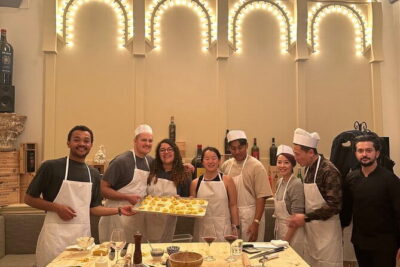
Florence: Pasta Cooking Class with Unlimited Wine
Read our review →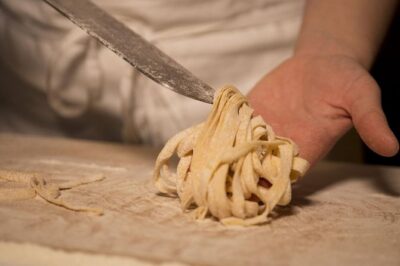
3 in 1 Cooking Class near Navona: Fettuccine, Ravioli & Tiramisu
Read our review →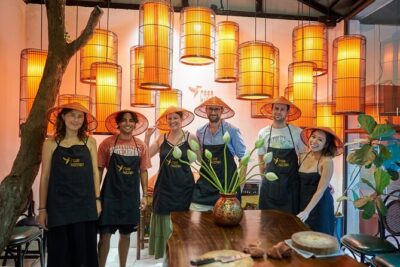
Hanoi Cooking Class: Culture, Local Market & Meaning CSR Impact
Read our review →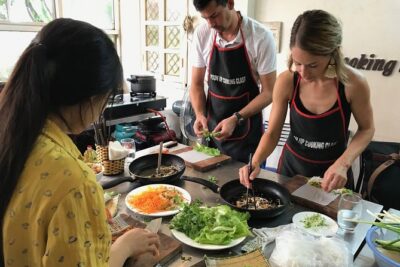
5 Traditional Dishes Hanoi Cooking Class with Market Trip
Read our review →
Cooking Class and Lunch at a Tuscan Farmhouse with Local Market Tour from Florence
Read our review →