Review · ITALY
Ostuni: Cooking Class at a Local’s Home
The heart of this Ostuni activity is simple: you enter a local family home, roll up your sleeves, and cook three Apulian dishes with a Cesarine host. You are not watching a chef work from across a restaurant kitchen. You are learning at your own workstation, with the meal you make waiting at the end.
I like the private-group format, which keeps the class personal and lets you ask questions as you go. I also like the full meal: a starter, pasta, and dessert, followed by local wine and coffee around the table.
The main thing to consider is the price, $164.26 per person. That is a serious spend for three hours, though it includes instruction, ingredients, the complete meal, beverages, and a home-based setting. The class is also not suitable for wheelchair users.
Key points at a glance
- Three-course Apulian lesson: Prepare a starter, a pasta dish, and a dessert using local recipes.
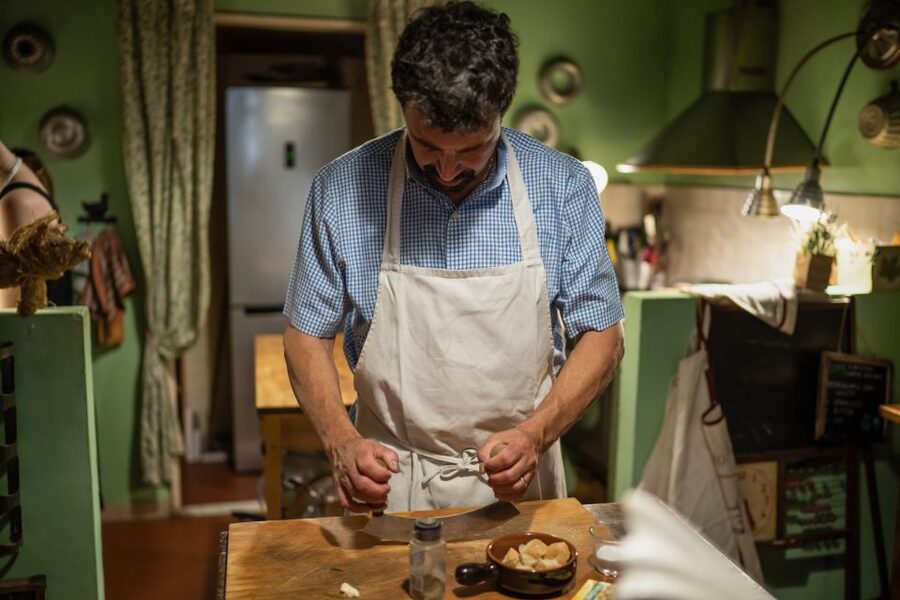
- A real home setting: Your host welcomes you at a private family home in Ostuni rather than at a standard cooking school.
- Your own workstation: You get utensils and ingredients for hands-on cooking, not just a demonstration.
- A meal at the end: Sit down and eat what you have prepared, with wine, water, and coffee included.
- Private group arrangement: The class is designed for a more personal visit, with instruction in English or Italian.
- Flexible timing: A different start time may be possible if you contact the provider in advance.
Why this Ostuni cooking class feels different
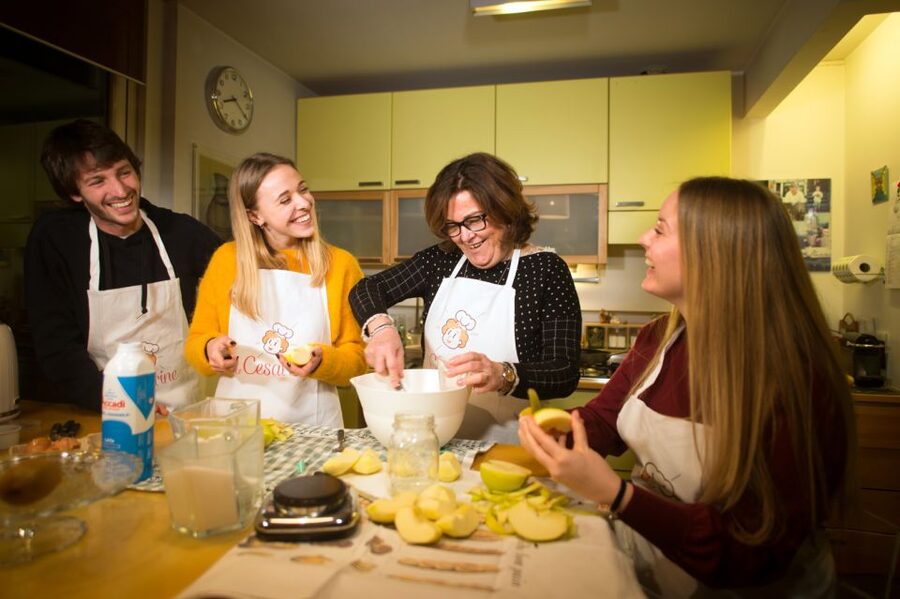
Ostuni is famous for its whitewashed streets and hilltop views, but food is one of the best ways to get past the postcard version of town. This class takes you into the home of a local Cesarine host, where cooking is treated as a family skill rather than a stage performance.
That difference matters. In a restaurant kitchen, you may taste Apulian food without learning much about how it is made. Here, you work through the recipes yourself. The host shares practical tricks from family cookbooks, then gives you the tools and ingredients to try them.
You should expect a warm, social setting. The host meets you at the home, welcomes you inside, and guides the class in English or Italian. The exact address is kept private until after booking, so you will not have a public meeting point to locate in advance. Once your reservation is confirmed, customer care sends the full address and the host’s mobile number.
The arrangement has an appealing personal touch, but it also means you need to pay close attention to the instructions sent after booking. This is not a tour that begins at a well-marked square or hotel lobby.
More Hands-On Workshops in Italy:
- Florence: Pasta Cooking Class with Unlimited Wine
★ 4.9 · 10,285 reviews - 3 in 1 Cooking Class near Navona: Fettuccine, Ravioli & Tiramisu
★ 5.0 · 7,376 reviews - Florence: Pasta & Tiramisu Cooking Class with Unlimited Wine
★ 4.9 · 6,708 reviews
The three-hour cooking plan
The class lasts about three hours, although the exact starting time depends on availability. The lesson is built around three local recipes, covering a starter, pasta, and dessert.
That sequence gives the class a good rhythm. You begin with a first course, move into the main hands-on pasta work, and finish with something sweet. You are not spending the entire session on one difficult recipe, so the class offers a wider taste of Apulian cooking.
Your workstation comes with utensils and ingredients. That setup is useful for beginners because you can follow the host step by step without needing to bring equipment or supplies. It also gives experienced home cooks room to compare methods and ask why a local recipe is handled in a certain way.
The host shares the tricks behind the dishes, but the supplied details do not name the recipes in advance. That is worth remembering if you have your heart set on a specific pasta shape or regional specialty. You will learn three authentic local recipes, but the exact menu may depend on the host and the season.
Starting with a local starter
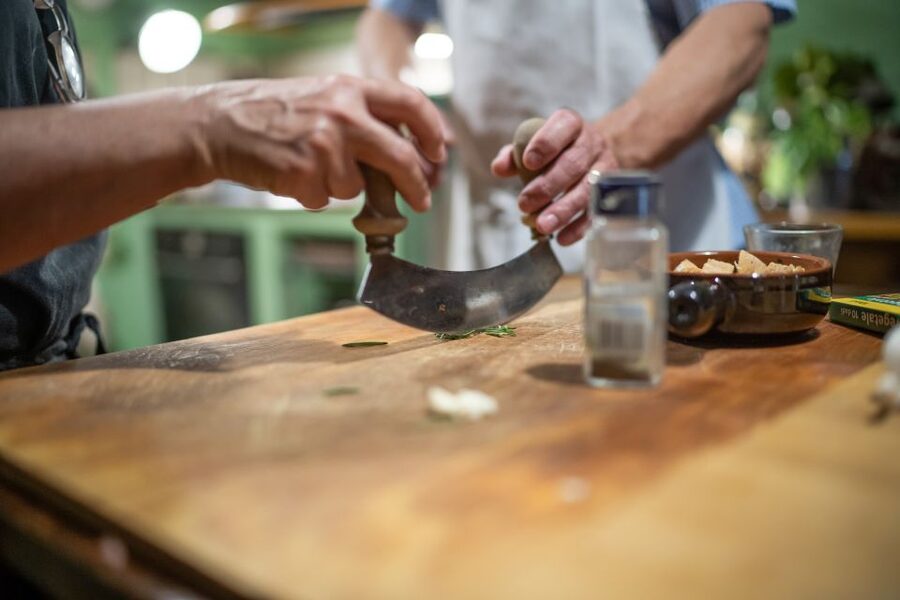
The first dish is a starter, giving you an easy way into the class. This part should help you get comfortable with the work area, the ingredients, and the host’s teaching style before the more involved pasta course begins.
I appreciate this structure because it avoids throwing you straight into the most technical part of the lesson. You can ask questions early, get used to the pace, and begin to see how Apulian cooking treats simple ingredients.
The starter is also the first chance to understand the local approach to food. The value here is not just in copying a recipe. You are learning how a home cook organizes a meal and how one course fits with the next.
Making pasta by hand
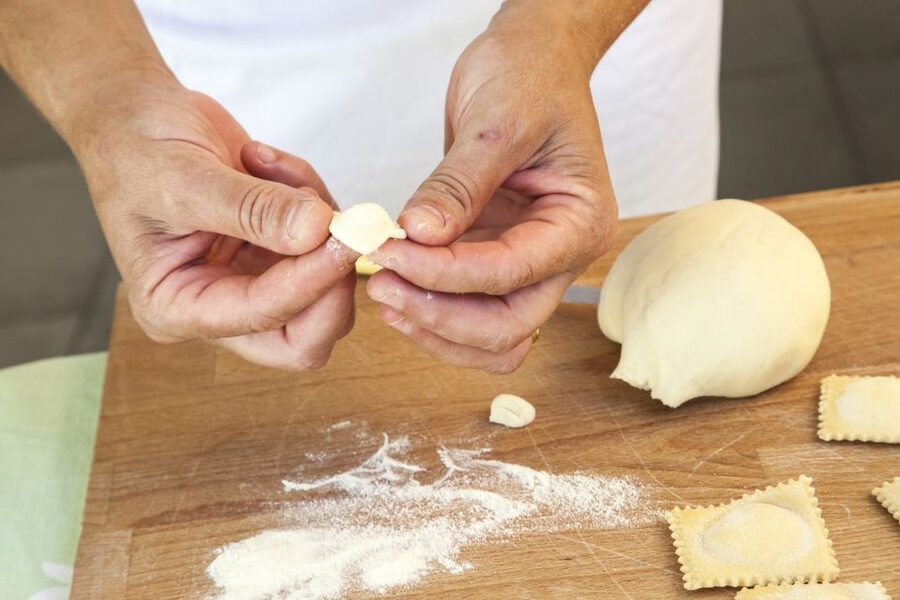
Pasta is likely to be the centerpiece of the class, and the supplied comments make clear that the hands-on pasta lesson is a major reason people enjoy this visit. One person described the family as so kind that the group felt like part of the household while learning how to make pasta.
That personal welcome is important. Pasta making can feel intimidating if you are working alone, but a private host can slow down, repeat a step, and help you correct your technique. You get to test your own cooking skills rather than simply watch someone else produce a perfect result.
You should still keep your expectations sensible. This is a three-hour home cooking session, not a professional culinary course. You will learn useful methods and local recipes, but the main aim is a good meal and a friendly connection, not formal certification.
The pasta course also gives you the most practical souvenir of the day. You cannot easily pack a finished dish into your suitcase, but you can take home a method and try it again in your own kitchen.
A few more cooking classes around Italy worth a look
- Florence: Pasta Cooking Class with Unlimited Wine
★ 5.0 · 6,413 reviews - Cooking Class and Lunch at a Tuscan Farmhouse with Local Market Tour from Florence
★ 5.0 · 4,831 reviews - Rome Cooking Class: Make Pasta and 3 Spritz Cocktails
★ 5.0 · 2,937 reviews - Rome: 3-in-1 Fettuccine, Ravioli, and Tiramisu Cooking Class
★ 4.9 · 2,704 reviews
Finishing with dessert
The third recipe is dessert, which closes the cooking portion on a lighter note. By this point, you will have worked through the full shape of a local meal, from starter to pasta to something sweet.
Including dessert makes the price easier to assess because you are not paying for a narrow pasta-only lesson. The class covers a complete menu, and every dish becomes part of the meal you eat afterward.
The exact dessert is not specified, so you should not book this expecting a particular pastry or regional sweet. If you have allergies or dietary restrictions, tell the provider in advance. The activity says that dietary needs can be accommodated upon request, but you should arrange this before arriving rather than raising it at the door.
Sitting down to eat what you made
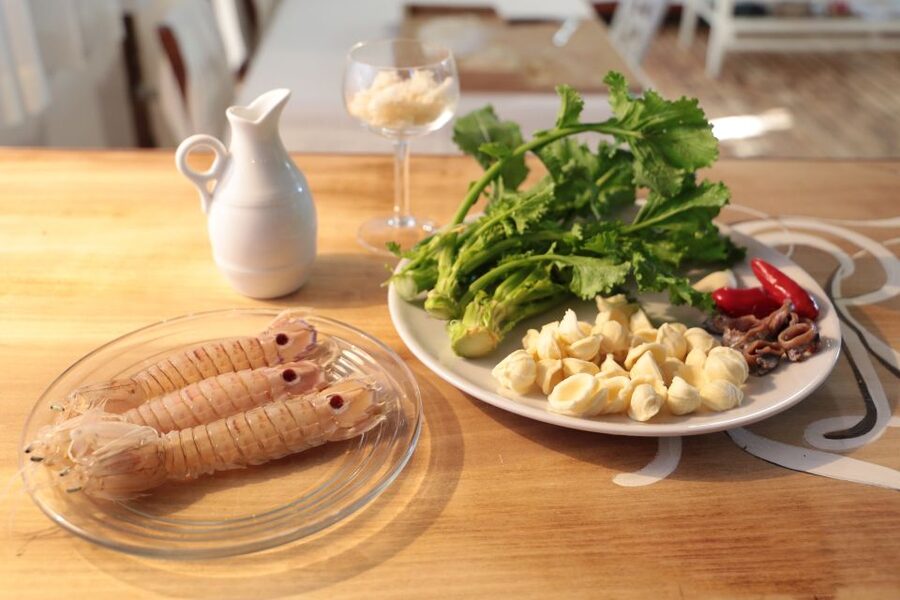
Once the cooking is finished, you sit at the table and taste the three dishes you prepared. This is where the class shifts from lesson to shared meal.
The food is served with local wines, water, and coffee. Those drinks are included, so you do not face an extra charge for the natural finish to the meal. The wine also adds a local touch, though anyone who does not drink can focus on the food, water, and coffee.
I like this final table time because it gives the class a proper ending. You can compare the results, talk with the host, and enjoy the meal at a human pace. The class is not simply a cooking demonstration followed by a quick goodbye.
Still, keep the schedule in mind. Cooking, eating, and conversation all fit into three hours. If you want a long dinner with several extra courses, this may feel short. If you want a compact activity that combines food, instruction, and conversation, the timing makes sense.
What the private format means for you
This is a private-group activity rather than a large shared class. That is a clear advantage for couples, families, or a small group of friends who want more control over the pace.
You can ask questions without speaking over a room full of people. The host can pay closer attention to your workstation, and you may find it easier to take part if you are new to cooking. A private class also suits people who want a quieter setting than a busy culinary studio.
The trade-off is cost. At $164.26 per person, the class is much more expensive than simply ordering an Apulian meal. You are paying for several things at once: personal instruction, ingredients, three prepared dishes, drinks, a private format, and access to a local home.
I would judge the value by how much you want the home visit and hands-on lesson. If you only want to eat regional food, a restaurant will cost less. If you want to learn recipes and share the table with a local family, the higher rate has a clearer purpose.
Meeting your Cesarine host in Ostuni
The host is a certified home cook working through Cesarine, the experience provider. No individual host name is supplied before booking, so you should not expect to choose a particular cook from the information available.
The meeting point is the host’s home. For privacy, the full address and mobile number arrive after booking through customer care. On arrival, you ring the doorbell, and the host welcomes you inside.
This setup makes the visit feel personal, but it calls for basic planning. Read the post-booking email carefully, save the address, and make sure your phone can access the host’s contact details. Since the home is the end point too, you return to the same place after the meal.
The activity does not include transport. You should arrange your own way to the address once you receive it. Since the exact location is private until booking, you cannot fully judge the walk or local transport connection beforehand.
Language, timing, and dietary needs
The class is offered in English and Italian. That gives English-speaking visitors a practical way to follow the recipes while still hearing the food discussed in the local language.
A different start time may be possible if you contact the provider in advance. This is useful if you have a morning visit, a dinner reservation, or another Ostuni plan already in place. Do not assume the change is automatic. Ask before the day of the class.
Dietary requirements can be catered to upon request. Give the provider clear information at booking, including allergies and foods you cannot eat. Since the meal includes three courses, early notice matters.
The activity is not suitable for wheelchair users. If access is important for anyone in your group, confirm the practical conditions before paying.
Is $164.26 a fair price?
The price is high, but it includes more than a standard lesson. You receive three hours of instruction, a workstation, utensils, ingredients, three local dishes, wine, water, and coffee. You also get a private-group setting in a local family home.
The meal itself is only part of the value. You are paying for the host’s time and for a personal introduction to home cooking in Apulia. The fact that the class ends with everyone eating together makes the event feel more like a hosted visit than a simple paid workshop.
For a couple or small group that values food and personal contact, the price may be worthwhile. For a solo visitor on a tight budget, it is harder to justify. The cost also makes sense only if you take part fully. Someone who would rather watch than cook will not get the same value.
The included drinks help, but I would still think of this as a special splurge rather than an everyday activity. It works best as one memorable food-focused afternoon or evening during an Ostuni stay.
Who should book this class?
I would point this class toward several types of visitors:
- Home cooks: You can take away techniques and recipes to use after returning home.
- Food-focused visitors: The activity gives you more than a restaurant meal, with a look at how the dishes come together.
- Couples and families: The private format keeps the pace personal and makes it easier to cook together.
- First-time pasta makers: The host can guide you through the process at your own workstation.
- Visitors seeking local contact: The family-home setting provides a direct connection with an Italian household.
I would think twice if you dislike participating in organized activities, need a wheelchair-accessible setting, or want a fixed public meeting point. I would also skip it if your main goal is simply the cheapest way to eat local food.
Booking details worth knowing
You can cancel up to 24 hours before the class for a full refund. The reserve-now, pay-later option lets you hold a place without paying immediately, which is useful when your Ostuni schedule is still changing.
The activity ends back at the host’s home, and the full address is sent only after booking. Keep the confirmation email available on the day, and contact the provider ahead of time about start-time changes or dietary needs.
The overall rating is 4.8 from six reviews, with particular praise for the family’s kindness and the sense of being welcomed like family. That matches the main appeal of the class: you are not just collecting a recipe, you are sharing a small piece of domestic life in Apulia.
Should you book the Ostuni home cooking class?
Book it if you want to cook, eat, and spend time with a local host rather than simply sit down for a meal. The three-course format, private workstation, included drinks, and family-home setting give the activity real substance.
Skip it if $164.26 feels too steep for a three-hour food activity, or if you prefer a formal cooking school with a published menu and a public meeting point. For everyone else, this is a strong choice for a special Ostuni day, especially if handmade pasta and local family recipes are high on your list.
FAQ
How long does the Ostuni cooking class last?
The class lasts three hours. Starting times depend on availability, and you may request a different start time by contacting the provider in advance.
What dishes will I prepare?
You will prepare three local dishes: a starter, a pasta course, and a dessert. The exact recipes are not specified before booking.
Are drinks included?
Yes. Water, local wines, and coffee are included with the meal.
Where does the class meet?
The class takes place in a local family home in Ostuni. The full address and the host’s mobile number are sent after booking for privacy reasons.
Is the class offered in English?
Yes. The instructor languages are English and Italian.
Can dietary requirements be accommodated?
Yes. Dietary requirements can be handled if you request this in advance through the activity provider.
Just added around Italy
- Cooking Class and Wine Pairing in Capri★ 5.0 · 57 reviews
- Lezione di Cucina : Pasta Fresca★ 5.0 · 12 reviews
- Private Cooking Class at a Cesarina’s Home in Reggio Calabria★ 5.0 · 9 reviews
- Private Cooking Class Experience in Reggio Calabria★ 5.0 · 5 reviews
- Homemade fresh pasta cooking class★ 5.0 · 34 reviews
- Cesarine: Home Cooking Class & Meal with a Local in Brindisi★ 5.0 · 7 reviews
- Small Group Market tour and Cooking class in Brindisi★ 4.5 · 8 reviews
- Apulian cooking class and typical dinner★ 4.5 · 5 reviews
Cooking Classes, compared.
Half-Day Thai Cooking Class at Organic Farm in Chiang Mai
Read our review →
Florence: Pasta Cooking Class with Unlimited Wine
Read our review →
3 in 1 Cooking Class near Navona: Fettuccine, Ravioli & Tiramisu
Read our review →
Hanoi Cooking Class: Culture, Local Market & Meaning CSR Impact
Read our review →
5 Traditional Dishes Hanoi Cooking Class with Market Trip
Read our review →
Cooking Class and Lunch at a Tuscan Farmhouse with Local Market Tour from Florence
Read our review →