Review · ITALY
Private Home-Made Pasta Cooking Class in Pisa.
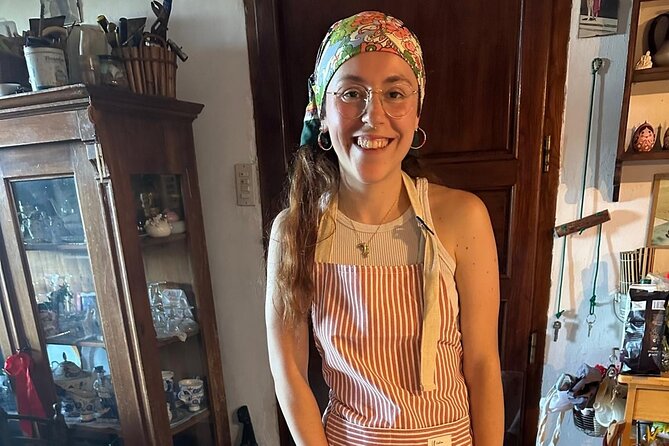
The best part of this Pisa experience is that pasta making is only half the story. Elena and Giacomo welcome you to their home and organic smallholding, where you make pasta by hand, meet the family’s donkey Lampo, and eat at a table overlooking the valley. It feels more like an invitation to dinner than a standard cooking lesson.
I like the small private setting, since your group gets personal help at the kitchen table rather than a large class. I also like the farm connection: homemade pesto, garden produce, olive groves, local wine, and food gathered through the hosts’ network of nearby producers give the meal a real sense of place.
The main consideration is the price, about $156.62 per person. That is a serious sum for a three-and-a-half-hour activity, though pickup, instruction, a full meal, wine, dessert, and a private group setting make it easier to justify. This is not a polished cooking studio or a quick pasta demonstration. It is a lived-in home and working farm, which is part of the charm but may not suit someone seeking a formal, picture-perfect class.
Key points at a glance
- A private farm visit near Pisa: Drive about 15 to 20 minutes from the meeting point to the hosts’ home and smallholding.
- Elena and Giacomo lead the meal: Expect hands-on help with kneading, rolling, and shaping pasta, with guidance adjusted to your skill level.
- The class includes a full Tuscan meal: Start with aperitivo, eat the pasta you make with seasonal sauce, and finish with a local dessert.
- The farm adds more than scenery: Use the break while the dough rests to see the olive farm, gardens, animals, and valley views.
- Pickup and drop-off are included: Your group can be returned to a hotel, accommodation, or pickup point in Pisa or Lucca.
- Bring home practical help: Recipe cards and cooking tips let you repeat the dishes at home.
From Pisa to a Tuscan family farm
Your outing begins with pickup at the agreed meeting point, followed by a 15 to 20 minute drive to the farm. That short transfer matters. You leave the city behind without spending half the day in a car, yet the setting changes quickly from urban Pisa to a rural home with gardens and olive trees.
The hosts welcome you with drinks, local wine, and refreshments. Aperitivo may include bread, olives, homemade pesto, and other simple bites. This opening is useful in two ways: it gives everyone time to settle in, and it begins the meal before anyone touches the flour.
The setting is intentionally personal. You are not being taken to a restaurant kitchen built for tour groups. You are entering the family home, where conversations may cover the farm, family life, careers, Italian culture, and the practical work of running a smallholding.
That informality is a major part of the appeal. It also sets the right expectation. The home may feel authentic rather than styled for photographs. If you want spotless counters, strict timing, and a formal chef-led demonstration, this may not be your ideal class. If you like food connected to real people and daily life, the atmosphere should suit you well.
More Pasta Making Classes in Italy:
- Florence: Pasta Cooking Class with Unlimited Wine
★ 4.9 · 10,285 reviews - 3 in 1 Cooking Class near Navona: Fettuccine, Ravioli & Tiramisu
★ 5.0 · 7,376 reviews - Florence: Pasta & Tiramisu Cooking Class with Unlimited Wine
★ 4.9 · 6,708 reviews
Making pasta from flour, eggs, and patience
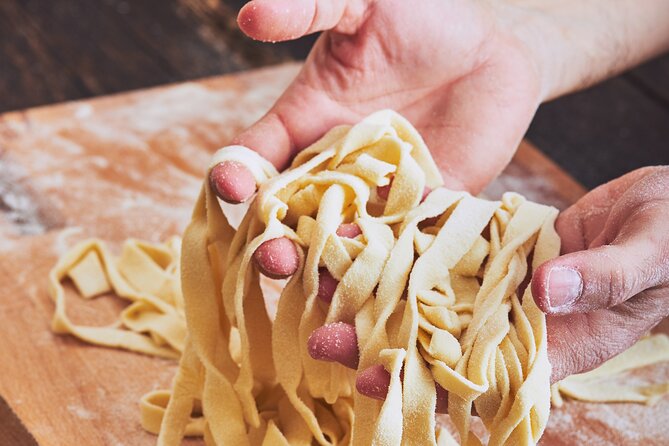
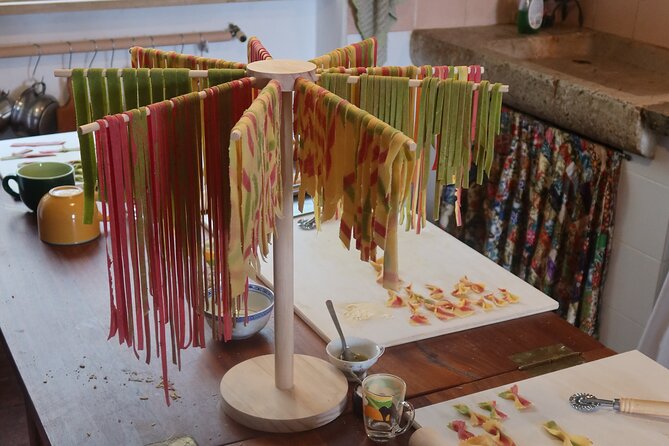
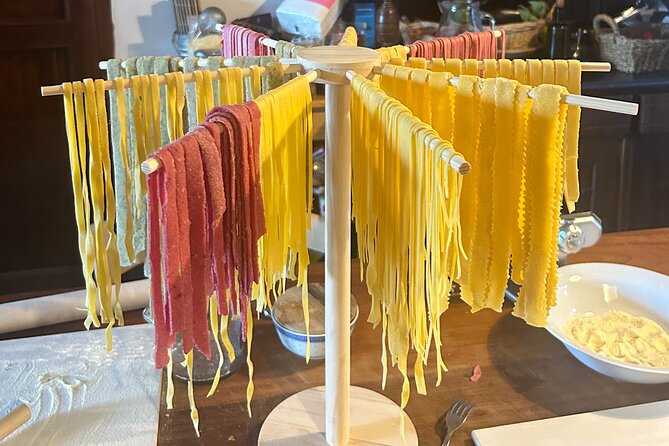
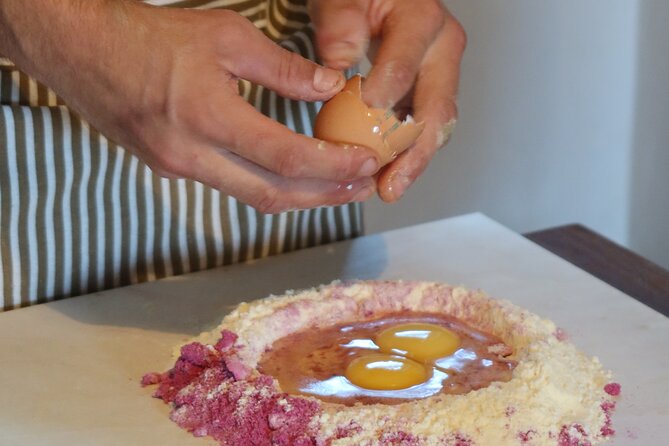
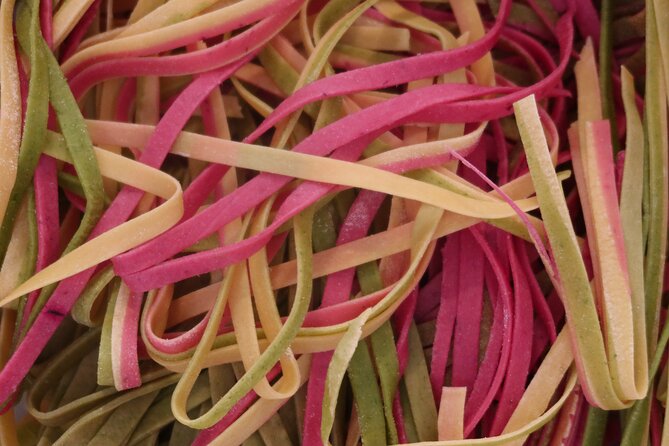
The central lesson begins with the pasta dough. The chef first shows you how to make it from scratch, then you knead and shape it yourself. You do not simply watch a finished dish being prepared. You take part in the work that gives fresh pasta its texture.
The class is designed for different levels of ability. The hosts provide individual help as you go, which is especially useful when several people in the same group work at different speeds. One account described Elena moving between five people at separate stages of the process, helping each person without rushing the class.
That detail tells you something important about the format. This is not a one-size-fits-all demonstration. You can ask questions, correct a technique, and get help when the dough feels too dry, too soft, or difficult to shape. Beginners should not feel they need prior cooking experience.
The lesson also works well for families and friends. Some people can focus on kneading, others on rolling or shaping, and everyone has a role. The hands-on format gives children and adults something useful to do, though the supplied details do not specify a minimum age.
While the dough rests, you leave the kitchen for a walk around the olive farm and gardens. This pause keeps the class from becoming a long stretch at the worktop. It also explains why the tour takes about three and a half hours. You are learning, walking, eating, and talking, not racing through a recipe.
A farm visit with olives, gardens, and Lampo the donkey
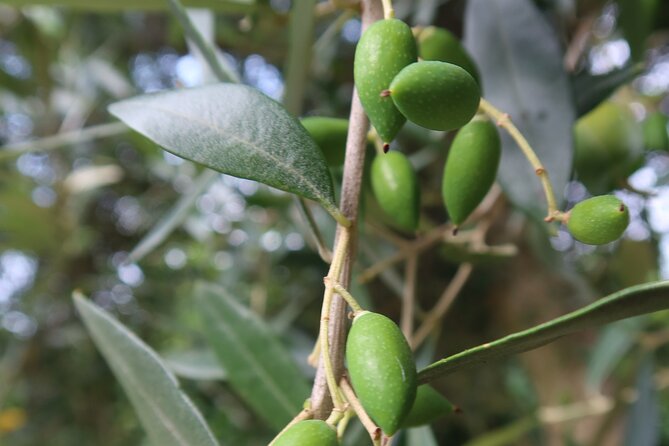
The farm walk is one of the features that makes this more than a pasta lesson. The property includes an organic smallholding, olive trees, gardens, and animals. You may also meet Lampo, the family donkey, an especially memorable detail for children and animal lovers.
The hosts are connected with an organization that supports volunteers working on organic farms. During one visit, a volunteer showed the group around the property. The details of that walk can vary, but the important point is that the farm is part of an active way of life, not just a backdrop for the cooking class.
You may see how the hosts grow or source ingredients and hear how food is shared through a local network of friends. Some ingredients used during the meal come from the farm, while others come through barter or nearby connections. That gives the meal a practical Tuscan character. It is less about luxury products and more about making good use of what is available.
The countryside views also provide a welcome change from Pisa’s famous cathedral square and busy sightseeing route. I would schedule this class after you have spent time in the city, when a quiet garden and a long meal sound better than another museum.
Eating the pasta you made
After the dough has rested and you have explored the property, you return to the table. The pasta is cooked and served with a seasonal sauce. The exact sauce depends on the ingredients available at the time, so you should not book this expecting one fixed menu.
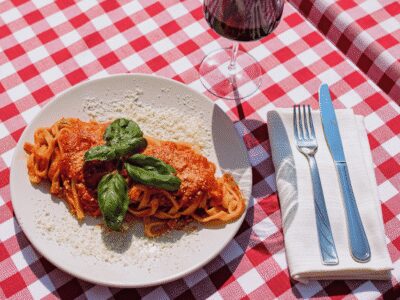
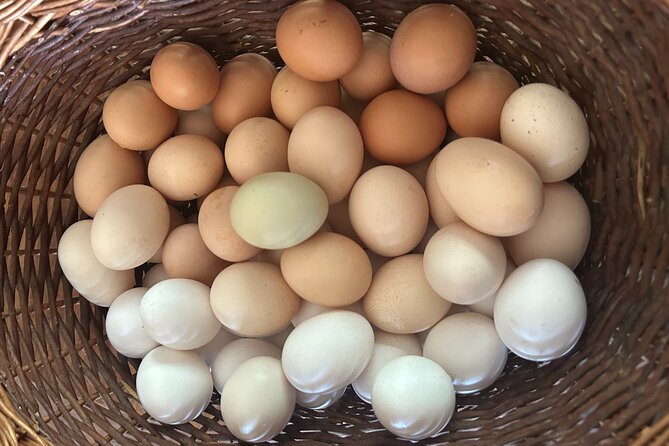
That changing menu is a strength for anyone who values seasonal cooking. It also means the dish may not be identical to what another group receives. The meal has included tomato sauce, homemade pesto, cheeses, honey, salami, bread, and olives. These extras turn the pasta lesson into a generous lunch or dinner rather than a small tasting.
Wine accompanies the meal, along with other Tuscan delicacies. The setting may be outdoors in the garden, with views across the valley. Eating outside, after preparing the food yourself, gives the final course more meaning than being served a plate in a restaurant.
Dessert comes last. A local sweet is included, and one especially memorable menu featured homemade ice cream prepared by Giacomo. The dessert is seasonal and subject to what is available, so you should think of it as part of the hosts’ hospitality rather than a guaranteed named dish.
If you have dietary restrictions, the supplied details do not explain how much the menu can be changed. You should ask before booking rather than assume that every ingredient can be substituted.
More Hands-On Workshops in Italy:
- Florence: Pasta Cooking Class with Unlimited Wine
★ 5.0 · 6,413 reviews - Naples: Pizza-Making Workshop with Drink and Appetizer
★ 4.9 · 5,411 reviews - Cooking Class and Lunch at a Tuscan Farmhouse with Local Market Tour from Florence
★ 5.0 · 4,831 reviews - Authentic Pizza Making Class in Naples with Appetizers and Drink
★ 5.0 · 3,178 reviews
What the $156.62 price really includes
At about $156.62 per person, this is not a budget cooking class. The price makes more sense when you count the whole afternoon or evening: transportation from the meeting point, a private class, personal instruction, a farm visit, drinks, wine, a starter, pasta, seasonal sauce, local food, and dessert.
You are also paying for time. The hosts spend about three and a half hours with your group, rather than giving a quick lesson and sending you on your way. The return drive to Pisa or Lucca is included as well, which removes the need to arrange transport to a rural property.
Still, value depends on what you want. If your main goal is to learn one pasta shape as cheaply as possible, a city cooking school may cost less. If you want a private outing with food, conversation, countryside, and transport in one package, the price is more reasonable.
The private format is particularly useful for couples, families, and groups of friends. You do not have to share the cooking table with unrelated people. That privacy can make it easier to ask questions, spend time with the hosts, and move at your own pace.
Who will enjoy this Pisa cooking class
I would recommend this outing to you if you want food to be a way into local life. It suits people who enjoy sitting at a family table, asking questions, and accepting that a real home is less formal than a commercial venue.
It is also a strong choice for a group with mixed cooking skills. The hosts provide personal assistance, and the recipe is not limited to experienced cooks. Families can share the work, while couples can treat it as a relaxed meal with an activity built in.
You should think twice if you have a very tight Pisa schedule. The class lasts about three and a half hours, plus the pickup and return arrangements. It is not something to squeeze between a morning train and an afternoon flight.
You should also consider the rural setting. The experience is built around a home, farm, garden, and family story. It is not designed as a glossy food production or a formal restaurant workshop. The less polished setting is a benefit for some people and a drawback for others.
Practical details before you book
The activity is offered in English, and confirmation is provided when you book. Pickup is available, with transport from a meeting point and return to your hotel, accommodation, or pickup point in Pisa or Lucca.
The experience is private, so only your group participates. Service animals are allowed. The tour requires a minimum number of participants, and if that minimum is not met, you are offered another date or experience, or a full refund.
Cancellation is free up to 24 hours before the start time. Canceling or changing the booking less than 24 hours before the local start time does not qualify for a refund.
I would keep the recipe cards safe after the meal. They are a small but useful part of the experience, especially if you want to recreate the pasta at home instead of letting the lesson become a pleasant memory with no practical follow-up.
Should you book it?
Book this class if you want a private Tuscan food experience with real family contact, not just a cooking lesson. Elena and Giacomo add warmth, the farm gives the outing a sense of place, and the meal lets you eat the work you have just done.
The strongest reasons to go are the personal instruction, pickup and drop-off, generous food and wine, and the chance to see an organic smallholding near Pisa. The main reasons to hesitate are the high price, the three-and-a-half-hour commitment, and the informal home setting.
For a first visit to Tuscany, this is a good choice when you want one slow, social day away from the main sightseeing circuit. I would choose it for a family, couple, or group of friends who care as much about conversation and setting as the pasta itself.
FAQ
Where does the pasta class take place?
The class takes place at a farm near Pisa, reached by a 15 to 20 minute drive from the meeting point.
How long does the experience last?
The experience lasts approximately 3 hours and 30 minutes.
Is pickup available?
Yes. Pickup is offered, and your group can be returned to a hotel, accommodation, or pickup point in Pisa or Lucca.
What language is the class offered in?
The activity is offered in English.
Is this a private activity?
Yes. Only your group participates in the activity.
Who leads the experience?
The hosts are Elena and Giacomo. The cooking instruction includes demonstrations, hands-on guidance, and help with kneading and shaping the dough.
What food is included?
The menu includes aperitivo, fresh pasta prepared during the class, a seasonal sauce, local wine and Tuscan delicacies, followed by a local dessert.
Is the menu fixed?
No. The menu can vary depending on the ingredients available during the season.
Can I bring a service animal?
Yes. Service animals are allowed.
What is the cancellation policy?
You can cancel up to 24 hours before the experience for a full refund. Changes or cancellations made less than 24 hours before the start time are not accepted for a refund.
Just added around Italy
- Rome Trastevere: Tiramisù & Gelato Class with Savoiardo Baking★ 5.0 · 14 reviews
- Authentic Pasta and Tiramisù cooking class at spanish steps★ 4.5 · 14 reviews
- Rome: Pasta Cooking Class, Dinner & Wine in Authentic Restaurant★ 5.0 · 38 reviews
- Rome For Kids: Small Group Pizza Making Class★ 4.5 · 49 reviews
- Rome Cooking Class★ 5.0 · 4 reviews
- Rome: Private Cooking Class with Market Shopping Tour★ 5.0 · 3 reviews
- Devour Rome Wine & Pizza Making Class in Trastevere Neighborhood★ 5.0 · 75 reviews
- Roma Foodie Experience: Cooking Class★ 5.0 · 16 reviews
Pasta Making Classes, compared.
Florence: Pasta Cooking Class with Unlimited Wine
Read our review →
3 in 1 Cooking Class near Navona: Fettuccine, Ravioli & Tiramisu
Read our review →
Rome: Pasta Making Class with Wine, Limoncello, and Dessert
Read our review →
Rome Cooking Class: Make Pasta and 3 Spritz Cocktails
Read our review →
Rome: 3-in-1 Fettuccine, Ravioli, and Tiramisu Cooking Class
Read our review →