
Review · ITALIAN
Rome: Cooking Class with a Master Neapolitan Pizzaiolo
Rome’s pizza lesson puts the best part right in your hands: you knead the dough, stretch it, add fresh ingredients, and watch your pizza bake in a traditional wood-fired oven. This is not a long cooking course, but a hands-on hour with a Neapolitan pizzaiolo and a tasty meal at the end.
I like the direct format and the included drink. You get to make your own pizza rather than simply watch a demonstration, then sit down with local wine or craft beer. The main drawback is the short one-hour duration, so expect a focused introduction rather than a detailed course in every part of Neapolitan pizza.
Key points to know
- You make the entire pizza yourself: Knead and stretch the dough, choose fresh ingredients, and send your creation to the wood-fired oven.
- The instructor is a Neapolitan pizza maker: The lesson covers practical methods along with the traditions behind Italian pizza.
- The setting is a central Rome pizzeria: You meet in front of the pizzeria and finish at the same location.
- One drink is included: Choose a glass of local wine or a craft beer with your freshly baked pizza.
- The class suits families and vegetarians: Children enjoyed the activity, and vegetarian options are available with advance notice.
- You need only one hour: Arrive 15 minutes early, wear clothes that can get dirty, and allow extra time if you want more food or drinks.
Making pizza from scratch in central Rome
The class begins in front of a pizzeria in the center of Rome, where a local Neapolitan chef welcomes you. You should arrive 15 minutes before the scheduled start. That small buffer matters in a busy city, especially if you are walking from another sight or relying on Rome’s public transport.
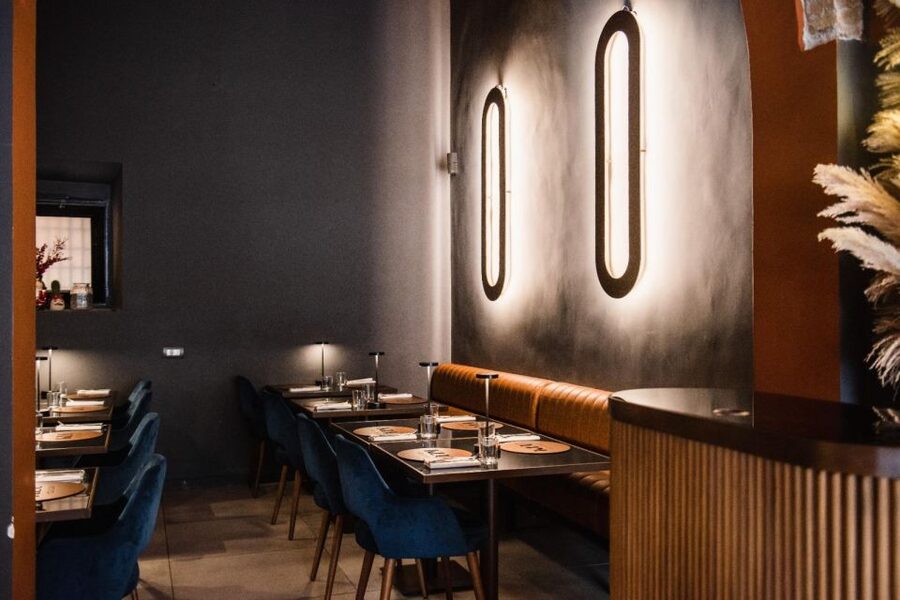
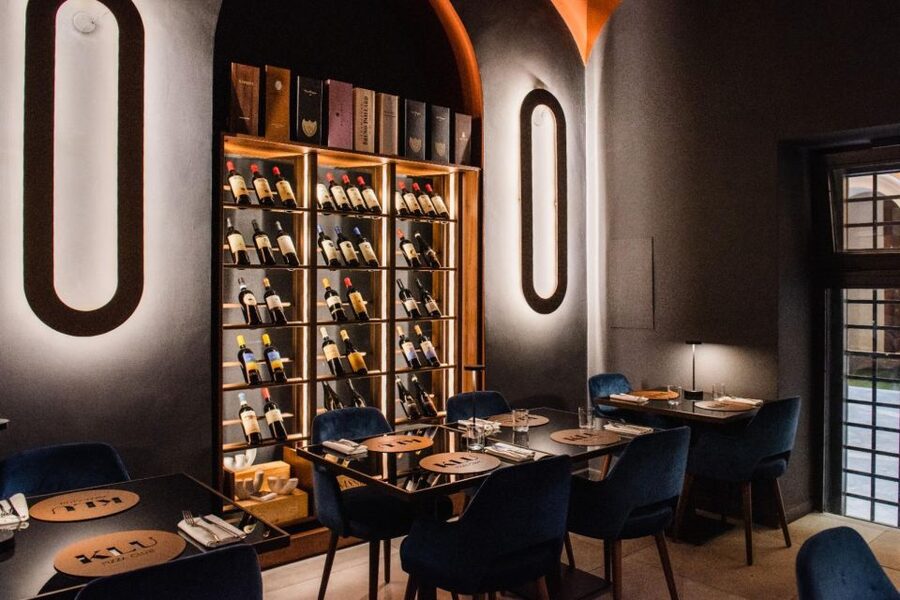
Inside, the mood is meant to be cozy and lively, with the smell of Italian cooking doing much of the welcoming. The surroundings are part of the appeal. You are not standing in a formal culinary school with a lecture hall and rows of equipment. You are working in a functioning pizzeria, using professional kitchen tools and ingredients.
The instructor speaks English and Italian. That makes the class practical for international visitors, though the amount of detailed explanation may depend on the group and the pace of the lesson. The class is described as suitable for wheelchair users, which is useful to know when comparing food activities in Rome.
The setting also makes this a convenient break between sightseeing stops. Since transportation is not included, plan your own route to the pizzeria. The exact meeting address and starting time depend on the booking option you select, so check those details before setting out.
More Italian Cooking Classes in Rome:
- Rome Pasta Making Class with Italian Sauces and Wine Included
★ 5.0 · 645 reviews - Rome Small Group Pasta Making Class with Wine and Italian Chef
★ 5.0 · 295 reviews - Rome: Pasta-Making Class with Italian Spritzes
★ 4.8 · 229 reviews
Kneading and stretching the dough
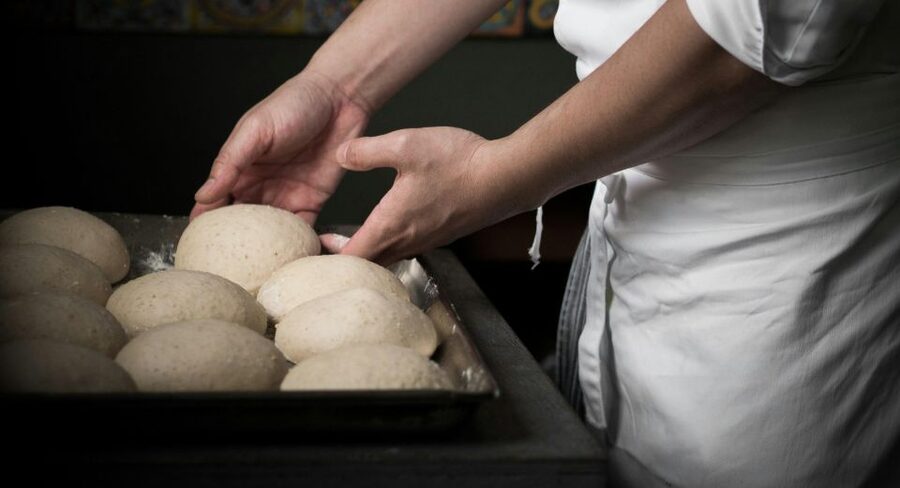
The central task is working the dough. You will knead it, learn how it should feel, and stretch it into shape. This is the part that makes the experience more than a pizza tasting.
Pizza dough looks simple, but handling it well takes a light touch. Push too hard and you can flatten it. Move too quickly and the shape may become uneven. The instructor helps you use the right technique, so you get a feel for how a pizza maker works instead of merely copying a set of instructions.
The wording of the experience promises practical guidance from an authentic Neapolitan pizza maker. You can expect the lesson to focus on the basic craft: dough, shape, toppings, and heat. In one hour, that is the right scope. You will not leave as a professional pizzaiolo, but you will understand more about why a good pizza has a particular texture and shape.
This stage can be especially enjoyable with children. The activity gives them something to do with their hands, and the result is easy to understand: the dough they worked becomes the meal they eat. One family found the experience fun with children and appreciated the kind, easygoing help of the translator. That suggests the class can work well for mixed-age groups, provided everyone is comfortable with a little flour and mess.
Fresh ingredients and Italian pizza traditions
After shaping the dough, you add your toppings from a selection of fresh, high-quality ingredients. The class gives you a chance to consider the role of those ingredients, not just pile them on.
The lesson also covers the history and traditions surrounding Italian pizza. The focus is not only on recipes. You learn why fresh ingredients matter and how the Neapolitan approach treats pizza as a craft with its own methods and customs.
That cultural piece gives the activity more value than a quick meal. Rome has no shortage of places to eat pizza, but making one yourself helps you notice details you might otherwise overlook. You may pay more attention to the dough, the balance of toppings, and the effect of high heat once you have handled the ingredients yourself.
Vegetarian options are available, but you need to request them in advance. This is worth doing before you arrive rather than relying on a last-minute adjustment. The information provided does not list specific toppings, so tell the provider about your needs when booking.
Watching your pizza enter the wood-fired oven
Once your pizza is assembled, it goes into a traditional wood-fired oven. This is the payoff of the practical lesson. You have handled the dough and selected the ingredients, and now you see the pizza cooked in the same kind of high-heat setting associated with classic pizzeria cooking.
The baking stage is also one reason the class feels connected to the place. You are not taking your pizza away to finish at home. It is prepared and baked in the pizzeria, then served for you to eat there.
The supplied information does not specify the exact baking time or the oven style beyond its traditional wood-fired construction, so do not expect a detailed technical demonstration of fuel, temperature, or oven management unless the instructor has time to explain it. The heart of the lesson is your own pizza, not a professional baking lecture.
Because the entire activity lasts one hour, the pace is likely to stay brisk. If you prefer a slow food workshop with several courses, long tastings, or time to make multiple pizzas, this will feel limited. If you want a compact activity that fits into a sightseeing day, the short format works well.
More Hands-On Workshops in Rome:
- 3 in 1 Cooking Class near Navona: Fettuccine, Ravioli & Tiramisu
★ 5.0 · 7,376 reviews - Rome: Pasta Making Class with Wine, Limoncello, and Dessert
★ 4.9 · 3,177 reviews - Rome Cooking Class: Make Pasta and 3 Spritz Cocktails
★ 5.0 · 2,937 reviews - Rome: 3-in-1 Fettuccine, Ravioli, and Tiramisu Cooking Class
★ 4.9 · 2,704 reviews
Eating your handmade pizza with a local drink
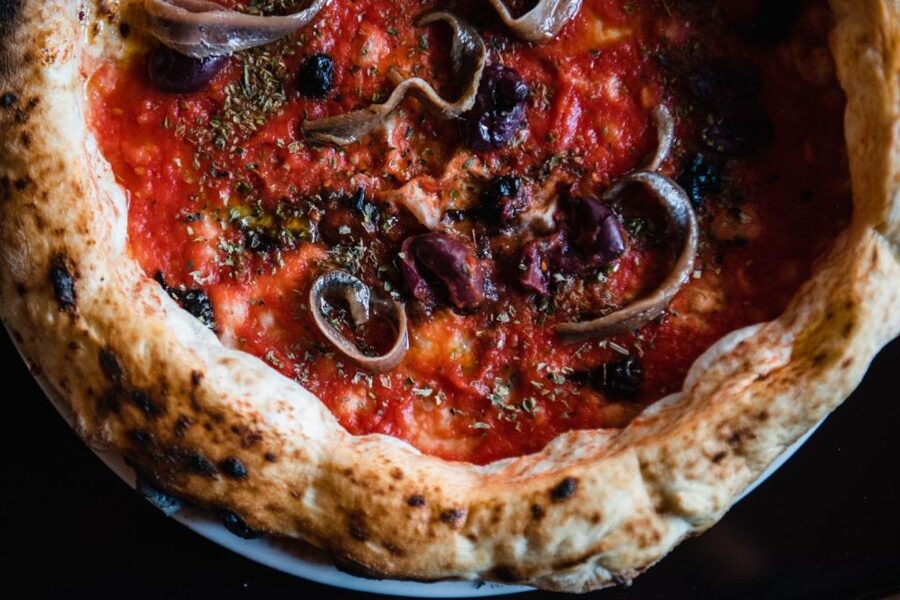
The class ends with your freshly prepared pizza and one included beverage. You can choose a glass of local wine or a craft beer, giving the meal a simple Roman finish.
I like that the drink is included rather than treated as an extra purchase. At a listed price of $52 per person, the value comes from three parts: instruction, your own meal, and the drink. You are also paying for the use of professional equipment, fresh ingredients, and a central pizzeria setting.
Still, keep your expectations in check. The price does not cover additional food or drinks, and the class is only one hour. If you have a large appetite, you may want to order more after the lesson, but those extras cost more. The activity is best understood as a cooking experience that includes a light meal, not an extended food tour.
The social side adds to the appeal. You share the pizzeria with other participants, work through the same steps, and eat your pizzas in the same setting. That makes this a good choice for solo visitors who want a short social activity, couples looking for something different from another restaurant dinner, and families who prefer a hands-on outing.
What the strongest feedback tells you
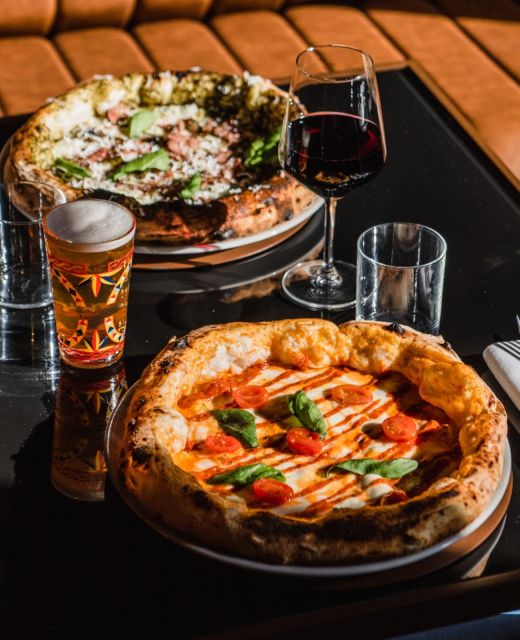
The overall rating is 4 out of 5 from 16 reviews, with especially positive comments about the staff, the instruction, and the pizza itself.
The most useful pattern is the praise for the friendly, clear teaching. One participant described the instruction as very friendly and well delivered, while another praised the translator for being kind and easygoing. Since the class is offered in English and Italian, clear communication matters. You need to understand how to handle the dough, and a relaxed instructor can make beginners feel comfortable.
The pizza receives the strongest culinary praise. One participant called it the best pizza of the trip and described the activity as easygoing. That is a meaningful point for anyone worried that a class-made pizza might be more entertaining than delicious. The final dish appears to be a real part of the experience, not simply a prop for the lesson.
The booking process can also be flexible. A participant booked on the same day and received an immediate call to confirm the details. That does not guarantee same-day availability, so you should still check before making firm plans, but it suggests the provider may respond quickly when spaces remain.
The reviews do not provide a group size, the chef’s name, or a detailed menu. I would not choose this activity if those details are essential to your decision. Instead, choose it for the clear basics: a Neapolitan instructor, hands-on dough work, a wood-fired pizza, and one drink in a central Rome pizzeria.
Who will enjoy this one-hour class
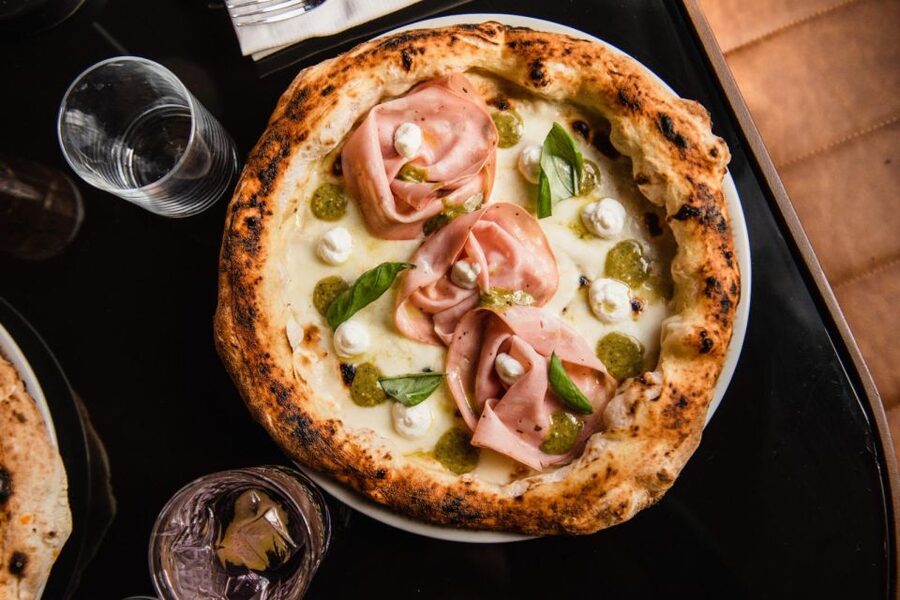
This activity suits you if you want a short break from museums, ruins, and churches. Rome sightseeing can become a long sequence of looking and listening. Kneading dough gives you a change of pace and leaves you with something to eat.
Families are a strong match, especially if children enjoy practical tasks. The class has enough structure to keep the activity moving, while the pizza gives younger participants a clear reward at the end. Wear clothes that can get dirty, since flour, sauce, and toppings may find their way onto sleeves.
It also works for first-time cooks. You do not need to arrive with pizza-making skills. The point is to learn the basic motions with help from the instructor. The short duration keeps the commitment manageable if you are unsure about taking a cooking class.
Vegetarians can join with advance notice. The available information does not specify other dietary requirements, so ask before booking if you need changes beyond vegetarian toppings.
This may not suit you if you want a full Italian cooking course. There is no mention of pasta, dessert, starters, or a complete multi-course meal. It is a focused pizza lesson, and the one-hour schedule leaves little room for extra subjects.
Timing, access, and what to bring
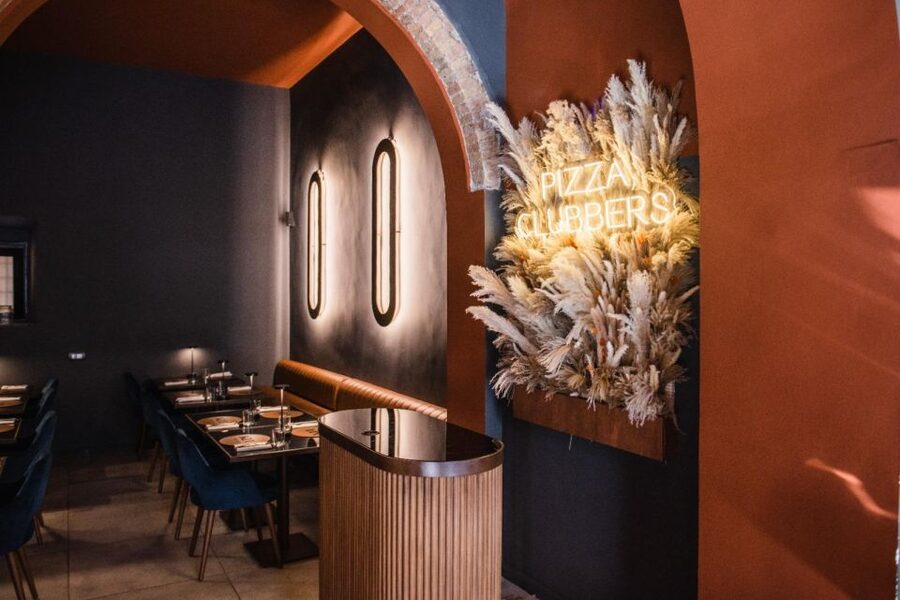
The activity lasts one hour, with starting times available according to the date you choose. Arrive 15 minutes early at the front of the pizzeria. The experience begins and ends at that meeting point, so you are responsible for getting there and arranging your own way back to your hotel or next sight.
A separate entrance is provided for the activity, which may make arrival easier. The experience is listed as wheelchair accessible. Since Rome’s streets and paths can be uneven in places, you should still confirm the route to the pizzeria if access is a serious concern.
Wear comfortable clothing that you do not mind getting dirty. This is practical advice, not a fashion rule. Dough work is hands-on, and the class involves ingredients, flour, and kitchen equipment.
You can cancel up to 24 hours before the activity for a full refund. The reserve-now, pay-later option also helps if your Rome schedule is still changing. These policies are useful for a city break where weather, delayed trains, or a slow morning can alter the day.
Is $52 a fair price?
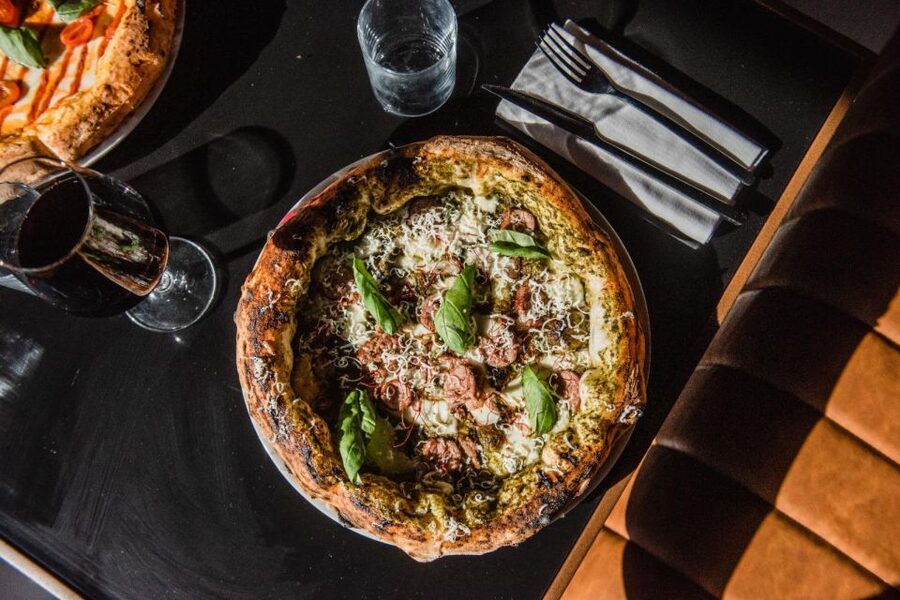
At $52 per person, the cost is reasonable if you place value on participation rather than simply eating pizza. A restaurant meal might cost less, but it would not include instruction, dough work, professional equipment, or the chance to bake your own pizza.
The included local wine or craft beer improves the value, though only one drink is covered. Additional food and beverages are not included. You should also remember that no transportation is provided, so budget for your own route if the pizzeria is not close to your plans.
The one-hour length cuts both ways. It keeps the activity affordable and easy to fit into a busy Rome itinerary. On the other hand, you are paying for a compact introduction rather than a long workshop. I consider the price fair for a hands-on city activity, particularly for families and first-time cooks who want a meal with an experience attached.
Should you book this Rome pizza class?
Book it if you want to make a real pizza, eat it fresh from a wood-fired oven, and spend an hour with a local Neapolitan pizza maker. The strongest reasons are the friendly instruction, the easygoing format, the included drink, and the chance to turn a basic meal into a practical cultural activity.
Skip it if you want a long culinary course, a detailed menu, or a full evening of food. Also skip it if you dislike casual kitchen work or do not want to risk getting flour and toppings on your clothes.
For most visitors, this is a smart choice between major Rome sights. Arrive early, request vegetarian options ahead of time, wear washable clothes, and treat the $52 price as payment for both lunch and the lesson. You will leave with a handmade pizza, a little more respect for the dough, and one less ordinary meal in Rome.
FAQ
How long does the Rome pizza-making class last?
The activity lasts one hour. Check the available dates for the starting times.
Where does the class begin and end?
You meet in front of the pizzeria, and the activity ends back at the same meeting point.
Who teaches the pizza class?
A local Neapolitan pizzaiolo, or pizza maker, leads the practical lesson. The instructor speaks English and Italian.
What will I make during the class?
You will knead and stretch pizza dough, add fresh ingredients, and bake your own pizza in a traditional wood-fired oven.
Is a drink included?
Yes. One glass of local wine or one craft beer is included with your handmade pizza.
Are vegetarian options available?
Yes. Vegetarian options are available, but you should notify the provider in advance.
Is the activity wheelchair accessible?
Yes. The experience is listed as wheelchair accessible.
What should I wear?
Wear comfortable clothes that you do not mind getting dirty. The provider specifically recommends clothing suitable for flour, ingredients, and kitchen work.
Can I cancel the booking?
You can cancel up to 24 hours in advance for a full refund. A reserve-now, pay-later option is also available.
Just added around Rome
- Testaccio: Home Cooking Cacio e Pepe, Amatriciana, Carbonara★ 4.9 · 57 reviews
- Super Fun Pasta and Gelato Cooking Class by the Vatican★ 5.0 · 6 reviews
- Spritz and Spaghetti Traditional Cooking Class in Rome★ 4.9 · 30 reviews
- Rome: Vatican Food Tours, Cooking classes & Free Tours★ 4.9 · 11 reviews
- ROME:Hands-On Lasagna & Marsala Tiramisu Cooking Experience”★ 5.0 · 3 reviews
- Rome: Traditional Pasta and Tiramisu Cooking Class★ 5.0 · 4 reviews
- Rome: Small Group Pasta cooking class near Piazza Navona★ 4.9 · 8 reviews
- Rome: Trastevere Pasta Making Class★ 4.9 · 33 reviews
Italian Cooking Classes, compared.
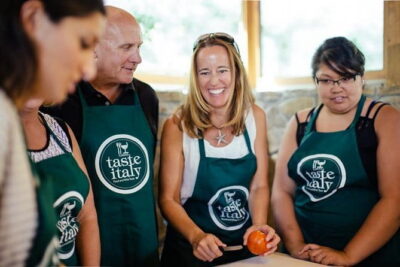
Cooking Class and Lunch at a Tuscan Farmhouse with Local Market Tour from Florence
Read our review →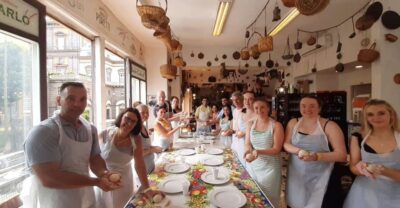
Naples: Neapolitan Pizza and Tiramisù Making Class
Read our review →
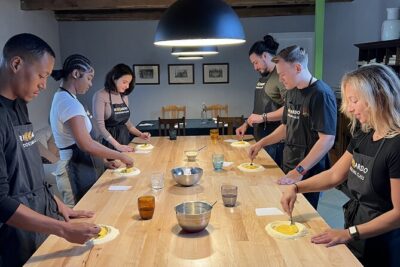
Rome Pasta Making Class with Italian Sauces and Wine Included
Read our review →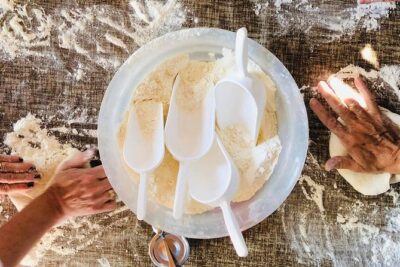
Milan: Italian Cooking Class with Food and Wine
Read our review →
Florence: Cooking Class at a Tuscan Farm & Local Market Tour
Read our review →
Browse the lists this tour appears in