
Review · ROME
Rome: Traditional Cooking Class in the Jewish Ghetto
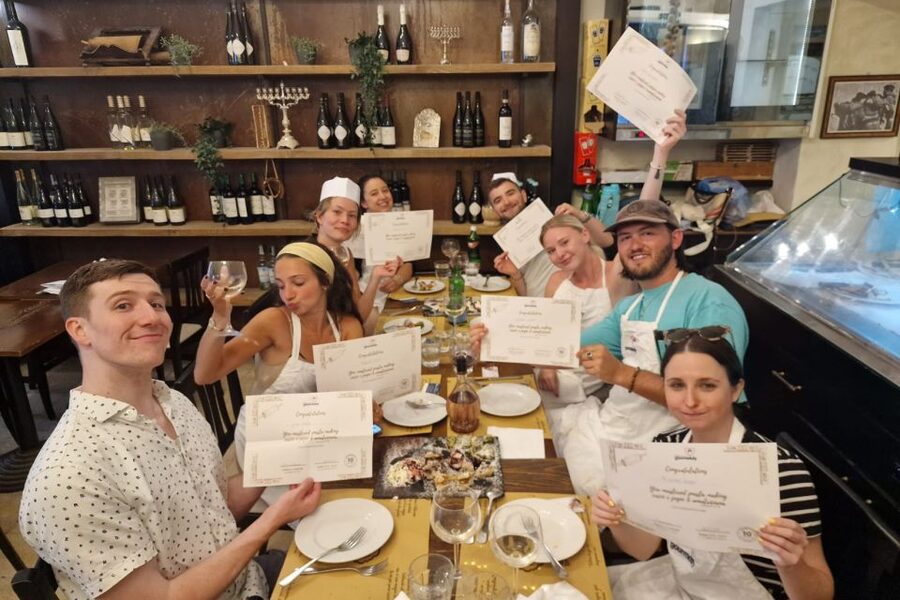
The best part of this Rome cooking class is that you do not just watch a demonstration. You roll pasta dough, help prepare seasonal vegetables, step into a working restaurant kitchen, and then sit down to eat the meal. The setting, Taverna del Ghetto, puts you in the middle of Rome’s Jewish Quarter, an area with its own food traditions and atmosphere.
I like the mix of cooking and local context, especially the stories about the Jewish Ghetto and dishes such as Jewish-style artichokes. I also like the small group, capped at 10, and the friendly guides who translate for the Italian-speaking chef. The main drawback is that the hands-on cooking centers mostly on one type of pasta, so anyone seeking a full technical cooking course may find the class light for the price.
Key points at a glance
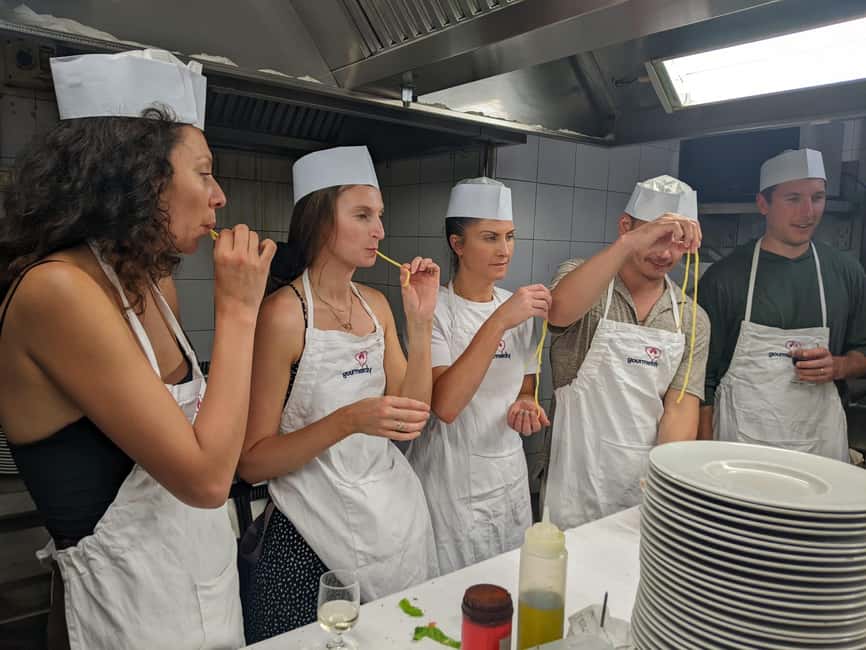
- Fresh pasta from scratch: Learn the basic dough and shaping methods using traditional home-style techniques.
- Seasonal Roman cooking: Depending on the time of year, prepare artichokes, zucchini flowers, or another seasonal vegetable for fritto romano.
- A real restaurant kitchen: The chef may show you professional techniques and let you help with final preparation.
- Food and wine included: The three-course meal includes pasta, a seasonal main course, dessert, Italian wine, and bottled water.
- Jewish Ghetto setting: Add stories about the neighborhood and its distinctive food customs to the cooking lesson.
- Useful take-home help: You receive recipes plus tips and recommendations for the rest of your stay.
Meeting the chef in Rome’s Jewish Ghetto
You meet your English-speaking foodie guide outside Taverna del Ghetto. The restaurant is in the heart of Rome’s Jewish Quarter, so this is an easy class to pair with an afternoon walk through the neighborhood.
The exact guide can vary. Recent classes have been led by Lilli, Lisa, Asia, Eleonora, Clelia, Livia, Elisa, and Gabriela. Their role matters because the chef may speak mainly Italian, and the guide explains the instructions, adds local background, and keeps the group moving.
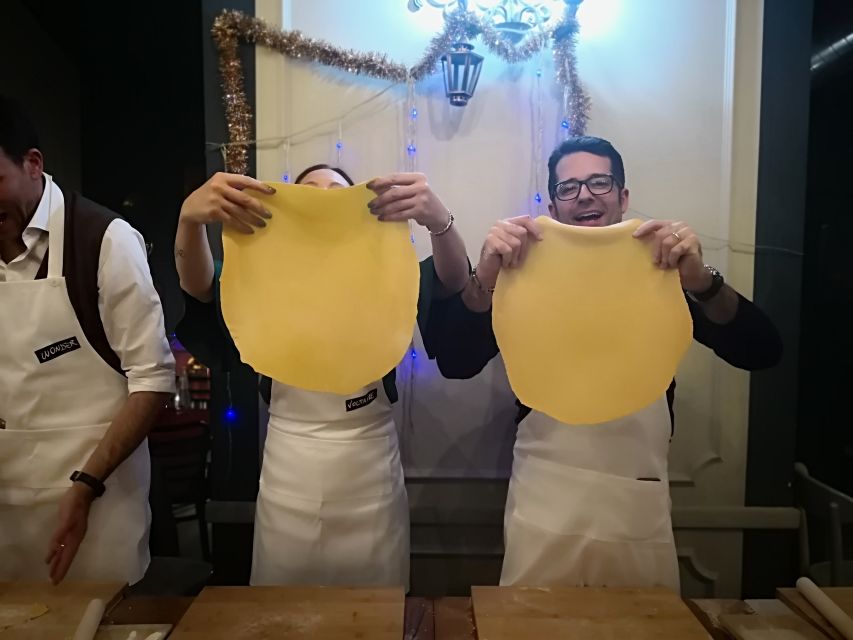
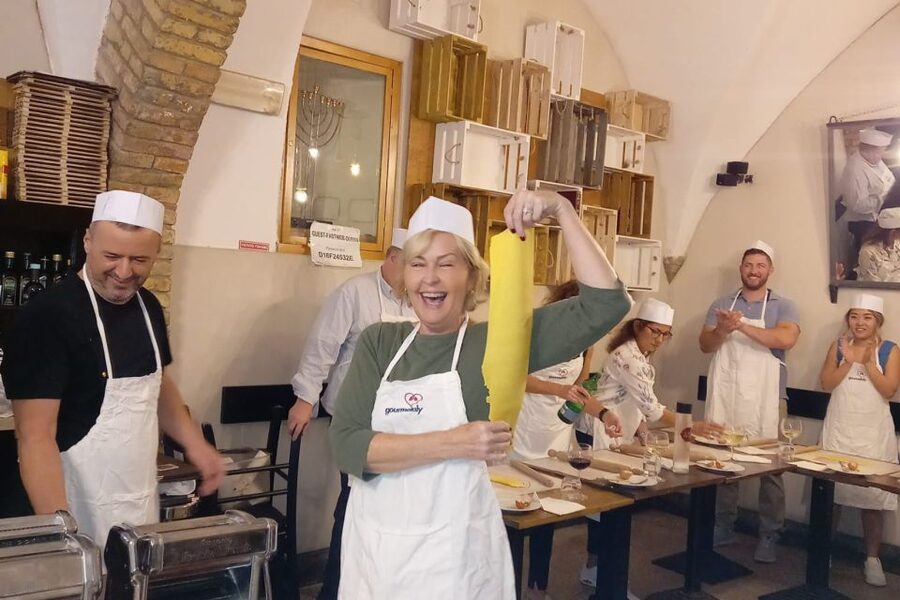
The class has a relaxed, social tone rather than the feel of a formal culinary school. You can take part at the counter or worktable, ask questions, and taste as you go. If you would rather watch, you can sit with a glass of wine while the chef demonstrates. That flexibility makes the class workable for mixed groups, including families with children and people with different comfort levels in the kitchen.
The restaurant setting adds a useful touch of reality. You are not cooking in a polished studio designed only for demonstrations. You may get to see the chef and staff at work in the restaurant kitchen, then help with parts of the final preparation. That connection between the lesson and the meal is one of the strongest reasons to choose this experience.
More Hands-On Workshops in Rome:
- 3 in 1 Cooking Class near Navona: Fettuccine, Ravioli & Tiramisu
★ 5.0 · 7,376 reviews - Rome: Pasta Making Class with Wine, Limoncello, and Dessert
★ 4.9 · 3,177 reviews - Rome Cooking Class: Make Pasta and 3 Spritz Cocktails
★ 5.0 · 2,937 reviews
Three hours of Roman food, from dough to dessert
The class lasts about three hours. That gives you enough time to cook, eat, hear about the neighborhood, and talk with the guide and other people in the group without turning the evening into a rushed production.
The menu changes with the season. That is important in Roman cooking, where the best version of a dish often depends on what is available at the market. You may prepare fresh pasta or gnocchi, a seasonal vegetable course, and a traditional dessert.
The broad pattern is:
- fresh homemade pasta
- a seasonal Roman main course or vegetable dish
- a traditional dessert
- Italian wine and bottled water
The description includes a three-course meal, while some menus may serve the pasta in more than one preparation. You might end up with two pasta courses, appetizers, or extra dessert tastings depending on the evening’s menu. The food is part of the class, not an optional add-on, so come ready to eat a substantial dinner.
Making pasta the old-fashioned way
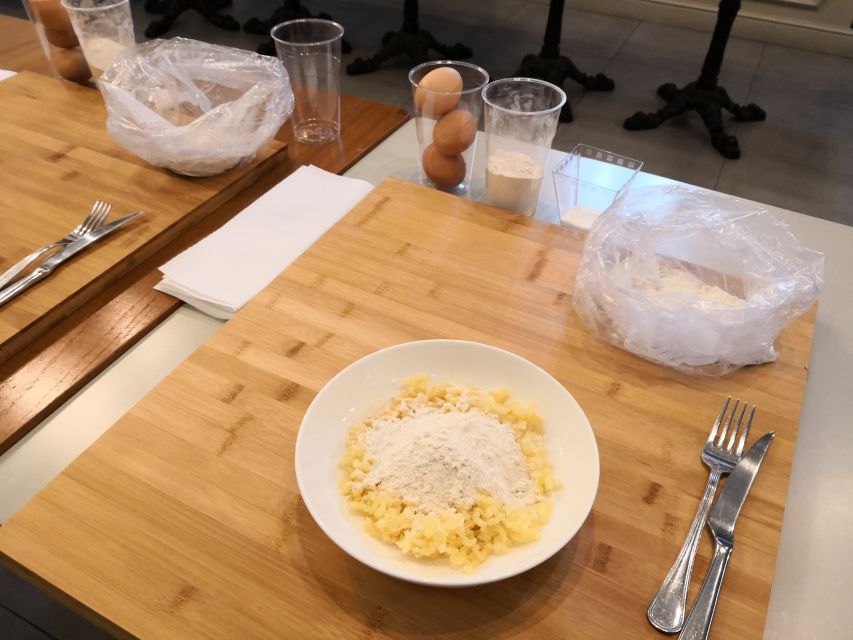
The main practical lesson is fresh pasta. You start with the dough and learn how flour, eggs, cheese, and other ingredients fit into Roman cooking. The guide or chef shows the basic process, then you repeat it yourself.
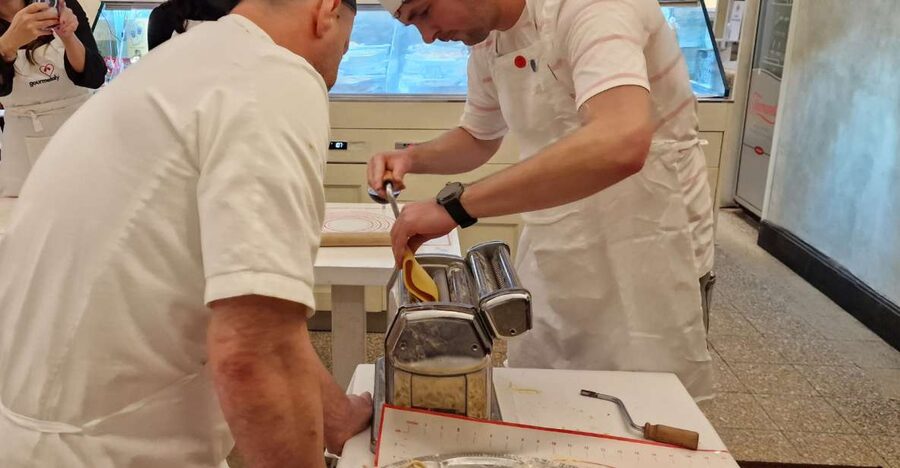
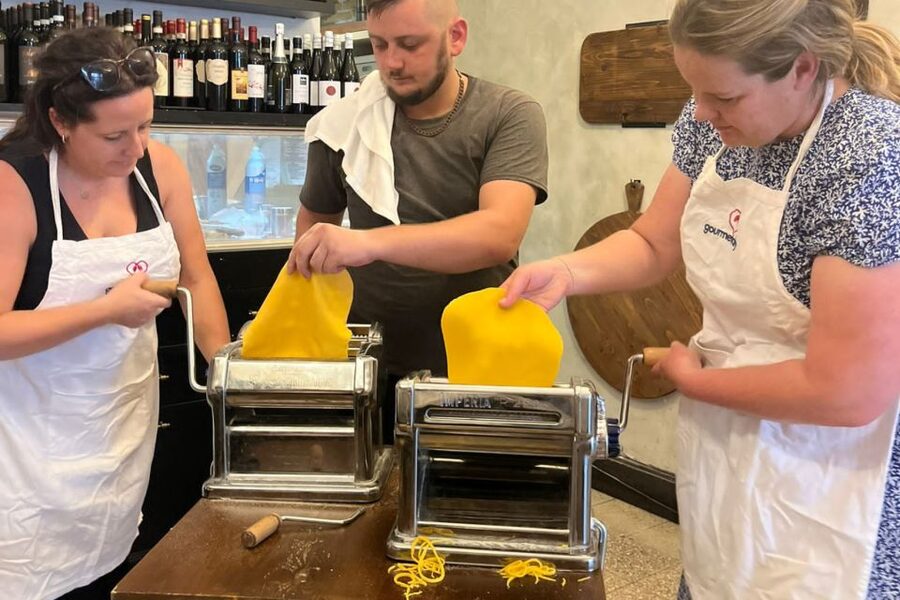
This is not presented as a technical master class. It is closer to learning a useful family recipe that you can try in your own kitchen. You may use an old-fashioned hand-crank pasta machine, a detail that makes the work feel more tactile and less like a staged demonstration.
The class is particularly good for first-time pasta makers. The steps are simple enough to follow, and the guide can translate the chef’s instructions as you work. You leave with recipes, so you do not have to rely on memory once you get home.
There is a small limitation. The pasta portion can be more hands-on than the rest of the menu, and one past participant felt there was only one main pasta type and not enough cooking variety for the time and price. If you want to chop, sauté, fry, knead, and plate several separate dishes yourself, this may feel modest.
Seasonal vegetables and Roman frying
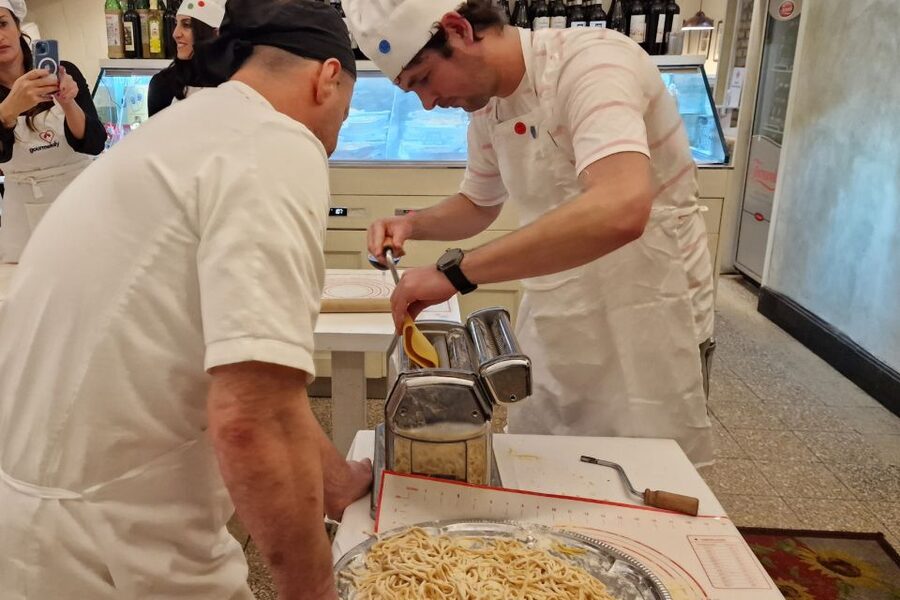
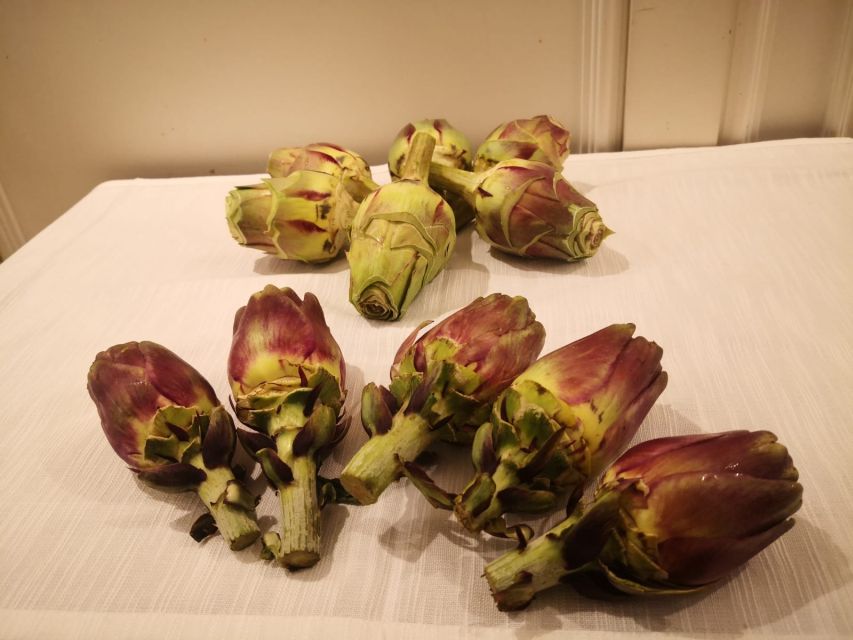
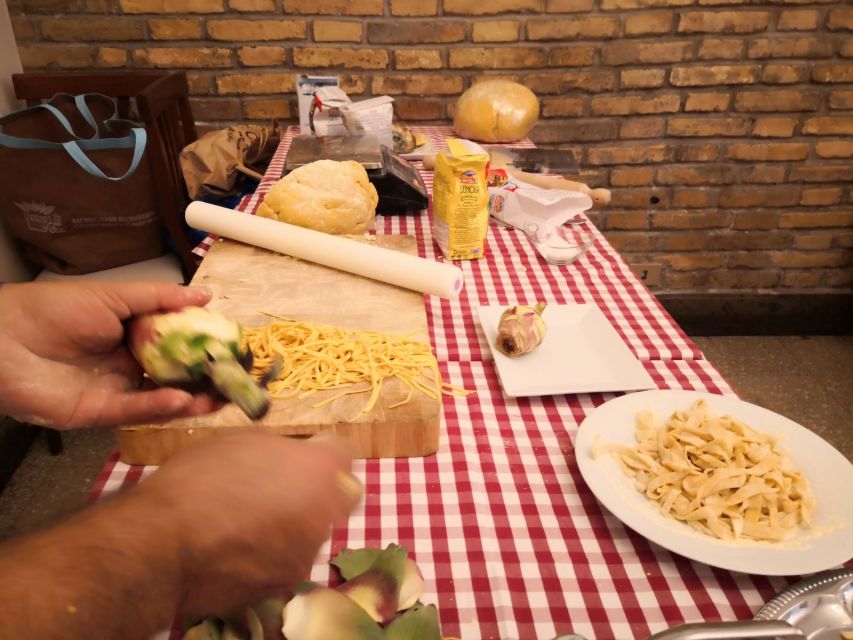
The vegetable course gives the class a stronger sense of place. In winter, you may learn how to clean and prepare artichokes in the Jewish Roman style. Artichokes are one of the best-known foods associated with the area, and preparing them properly takes more care than simply trimming off a few leaves.
In summer, the focus may shift to zucchini flowers or another fresh vegetable used in fritto romano. You learn how to prepare the ingredient for frying, then taste the result as part of the meal.
The exact menu is not fixed, so you should not book expecting a particular vegetable. That seasonal change is a benefit if you want food that reflects the time of year, but it means the experience can differ from one visit to the next.
The hands-on time is also not equal for every dish. You may prepare ingredients with the group, then watch the chef handle the hot oil or finish the cooking. One practical comment from a past class was that more participation in the frying would have been welcome. If you want to do every cooking step yourself, ask the guide how much of the frying and final preparation you will handle.
A few more cooking classes around Rome worth a look
- Rome: 3-in-1 Fettuccine, Ravioli, and Tiramisu Cooking Class
★ 4.9 · 2,704 reviews - Rome: Fettuccine Pasta Cooking Class in Rome’s City Center
★ 4.8 · 2,414 reviews - Fettuccine & Tiramisù: Cooking Class with Wine & Limoncello
★ 4.9 · 2,103 reviews - Pasta Cooking Class Near the Colosseum with 3 Spritz Cocktails
★ 5.0 · 1,686 reviews
The chef, translation, and the social side
The chef is central to the atmosphere. Chef Gabriel is named often in the experience details, and other sessions have included chefs such as Yura. The chef may speak mainly Italian, while the guide translates and explains what is happening.
That language mix can be a plus rather than a problem. You see the chef work in the way he normally cooks, rather than receiving a scripted lecture in English. Guides such as Asia, Lilli, Lisa, and Eleonora have been praised for making the instructions clear and keeping the mood warm.
The group is limited to 10 people. That is small enough for questions and shared work, though your exact amount of hands-on time depends on the group and the dish. You may cook alongside a family, a couple, or solo participants. The class is built for conversation, so it suits people who enjoy meeting others over a meal.
Wine is served during the class, and bottled water is included. Some classes have been generous with wine, but you should treat the stated inclusion as Italian wine and water, not as an unlimited drinks promise. Additional food or personal purchases are not included.
Dessert with a Roman family connection
Dessert is not an afterthought. The traditional sweet named for the class is torta di ricotta e visciola, a ricotta cheesecake made with sour cherries. It uses straightforward ingredients but has a strong connection to Roman home cooking and the Jewish Quarter.
Some evenings may include more than one dessert or a small flight of sweets. The exact selection can change, so the ricotta and sour cherry cake is best viewed as the signature possibility rather than a guaranteed full dessert menu.
This final course helps explain the appeal of the experience. You are not simply practicing pasta and then leaving. You sit down with the food, wine, and conversation, which gives the evening the shape of a shared Roman dinner.
What the Jewish Ghetto adds
The neighborhood is more than a backdrop. During the class, the guide can explain the area’s past, legends, and food traditions. The Jewish Ghetto has a distinctive Roman culinary identity, and dishes such as the artichoke preparation make more sense when you know something about the local community and its customs.
The setting also gives you a good break from Rome’s major monuments. After a day of museums and ancient ruins, working with dough and eating at a table can feel like a welcome change of pace.
Do not expect a long walking tour or an academic lesson. The neighborhood material supports the cooking class rather than replacing it. If you want a detailed tour of the Jewish Quarter, book a dedicated walking tour as well. Here, the stories are short, useful, and tied to the food.
Is $94 a fair price?
At $94 per person, this is not the cheapest way to eat pasta in Rome. You can find a good restaurant meal for less, and you can learn basic pasta techniques from a shorter demonstration at a lower cost.
The value comes from the combination. Your price covers about three hours, a guide, a chef-led lesson, kitchen equipment, a three-course meal, wine, water, recipes, and local recommendations. You also get the chance to take part in preparation instead of simply ordering from a menu.
I consider the price reasonable if you value the social setting and want a memorable evening built around Roman food. It is less convincing if your main goal is intensive instruction. The class teaches useful fundamentals, but it does not promise advanced knife skills, several pasta shapes, or a full professional curriculum.
The included recipes and local tips add value beyond the meal. You can use what you learn at home, and the guide may suggest places or activities for the rest of your time in Rome. Bring a small notebook if you like to write down cooking notes, though recipes are provided.
Dietary needs, allergies, and access
Vegetarians and vegans are welcome, but you should make your dietary needs clear when booking or before the class. The experience has accommodated vegetarian and vegan participants, though the exact substitutions are not specified.
The pasta made during class is not gluten-free. Packaged gluten-free pasta can be eaten instead if you can handle contact with flour without a problem. This is also not a kosher restaurant, despite being in Rome’s Jewish Quarter.
Potential allergens include milk, eggs, soya, mustard, nuts, and gluten. If you have a serious allergy, confirm that the kitchen can safely accommodate you before booking. The experience is not suitable for wheelchair users, and pets are not allowed.
There is no hotel pickup or drop-off. You make your own way to the restaurant and meet the guide outside the door. The meeting point is specific, which helps, but allow enough time to find the restaurant in the narrow streets of the quarter.
Who should book this cooking class?
I would recommend it most strongly to:
- first-time pasta makers
- families with older children and teenagers
- couples seeking a shared evening activity
- solo visitors who enjoy meeting people at the table
- food lovers who want local context with dinner
- people who prefer a relaxed class over a formal lesson
The class is especially well suited to families. Teenagers have enjoyed the chance to work with their hands, enter the kitchen, and eat food they helped prepare. It also works for a mixed group where one person wants to cook and another would rather watch.
I would be more cautious if you are a serious home cook seeking advanced instruction. You may find the class too focused on pasta, with limited control over frying and other final steps. It is also not the right choice for strict kosher diners or anyone who cannot safely handle the listed allergens.
Should you book it?
Book this class if you want an easygoing Roman evening with fresh pasta, wine, seasonal food, and neighborhood stories. The strongest features are the real restaurant kitchen, the helpful English-speaking guide, the small group, and the chance to eat a complete meal connected to the work you have done.
Skip it if you want a long walking tour, a highly technical culinary course, or total control over every dish. For most visitors who want to cook a little, eat well, and leave Rome with recipes they can actually repeat, the $94 price is a fair trade for three hours of food and conversation.
The flexible cancellation policy allows a full refund when you cancel at least 24 hours ahead, and you can reserve now and pay later. That makes it easier to fit the class into a busy Rome schedule, especially if you are still deciding which evening to keep free.
FAQ
Where does the cooking class meet?
Meet your foodie guide outside Taverna del Ghetto in Rome’s Jewish Ghetto.
How long does the experience last?
The cooking class lasts approximately three hours.
What language is the class conducted in?
The live guide speaks English. The chef may speak Italian, with the guide providing explanations and translation.
How many people can join?
The class is a small-group experience limited to 10 participants.
What food is included?
You receive a three-course meal with fresh homemade pasta, a seasonal main course, and a traditional dessert. Italian wine and bottled water are also included.
Will I make pasta from scratch?
Yes. The class teaches you how to make fresh pasta from scratch using traditional home-style methods.
What seasonal foods might I prepare?
In winter, you may learn to clean and prepare artichokes in the Jewish Roman style. In summer, you may prepare zucchini flowers or another vegetable for fritto romano.
Is the class suitable for vegetarians and vegans?
Vegetarians and vegans are welcome, and the class has accommodated both. Confirm your dietary needs before attending because the exact substitutions are not specified.
Is the pasta gluten-free or is the restaurant kosher?
The pasta made in class is not gluten-free, and the restaurant is not kosher. Packaged gluten-free pasta may be available for eating if you can safely handle contact with flour.
What happens if I need to cancel?
You can cancel up to 24 hours before the experience for a full refund. You can also reserve now and pay later.
Just added around Rome
- Rome: Vatican Food Tours, Cooking classes & Free Tours★ 4.9 · 11 reviews
- ROME:Hands-On Lasagna & Marsala Tiramisu Cooking Experience”★ 5.0 · 3 reviews
- Rome: Trastevere Pasta Making Class★ 4.9 · 33 reviews
- Rome: Traditional Pasta and Tiramisu Cooking Class★ 5.0 · 4 reviews
- Rome: Small Group Pasta cooking class near Piazza Navona★ 4.9 · 8 reviews
- Rome: Ravioli, Fettuccine and Tiramisu Cooking Class★ 4.9 · 60 reviews
- Rome: “Rooftop Pasta and Cocktails Cooking Class”★ 5.0 · 12 reviews
- Rome: Pizza & Tiramisu Cooking Class with Meal and Drink★ 4.8 · 9 reviews
Cooking Classes, compared.
Half-Day Thai Cooking Class at Organic Farm in Chiang Mai
Read our review →
Florence: Pasta Cooking Class with Unlimited Wine
Read our review →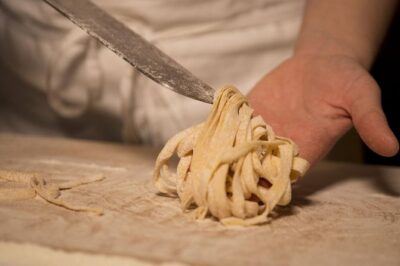
3 in 1 Cooking Class near Navona: Fettuccine, Ravioli & Tiramisu
Read our review →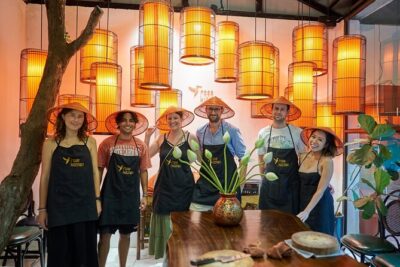
Hanoi Cooking Class: Culture, Local Market & Meaning CSR Impact
Read our review →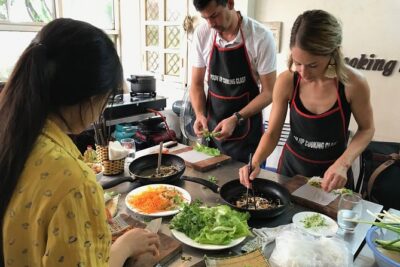
5 Traditional Dishes Hanoi Cooking Class with Market Trip
Read our review →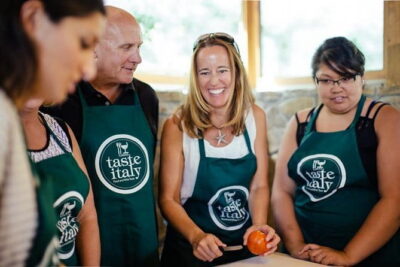
Cooking Class and Lunch at a Tuscan Farmhouse with Local Market Tour from Florence
Read our review →
Chiang Mai: Cooking Class, Market & Thai Herbs Garden Tour
Read our review →Browse the lists this tour appears in