
Review · ITALY
Small Group Market tour and Cooking class in Padua
Padua’s best food lesson begins before the cooking. You walk through the market around Piazza delle Erbe, learn how local ingredients fit into Venetian cooking, then head to a private home to prepare fresh pasta and tiramisu. Catia receives especially warm praise for her personal city walk, family recipes, garden, and calm teaching style.
I like the blend of market shopping and hands-on cooking, and I like that the meal includes more than a quick pasta demonstration. You may prepare bigoli, a Venetian pasta, along with cicchetti and tiramisu. The main caution is logistics: meeting details can change, the market may not operate on Sundays, and some hosts have limited English.
Key points to know before booking
- Piazza delle Erbe sets the scene: The market visit can include produce stalls, meat and cheese shops, and a short look at Padua’s surrounding buildings and food traditions.
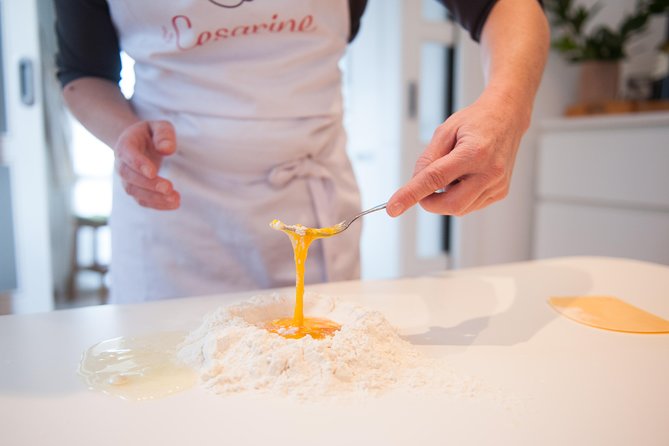
- Bigoli is the star pasta: You may make this thick Venetian pasta by hand, sometimes using a family pasta maker.
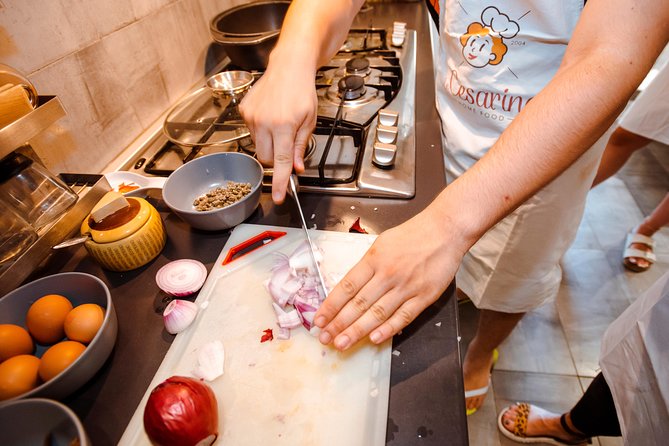
- The home setting is personal: Cooking takes place in a private home, not a purpose-built school, so the atmosphere can feel warm and informal, but kitchen space may be limited.
- Catia is a particularly praised host: Her sessions can include a city walk, family recipes, garden ingredients, cicchetti, pasta, tiramisu, and local wine.
- Sunday needs special planning: There is no market on Sundays, so the host may substitute a small city tour.
- Allow extra time for meeting arrangements: The advertised meeting point may be general, with the exact home address supplied after booking.
A food day that begins in Padua’s market
This experience runs for about five hours and combines two activities that make sense together: shopping and cooking. Instead of meeting at a kitchen and working from a fixed ingredient list, you begin with the food of Padua in front of you.
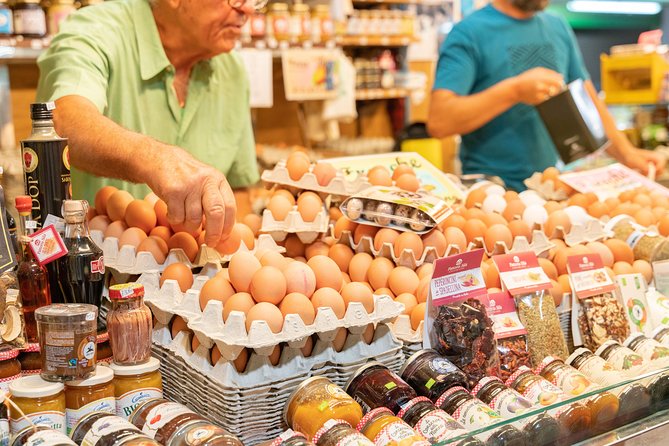
The market portion has been especially successful with Catia. A typical route starts around Piazza delle Erbe, where you may look at outdoor produce stalls and indoor vendors selling meat and cheese. Catia has also used this walk to explain nearby buildings, Padua’s food customs, and differences between regional Italian cooking.
That context matters. A cooking class can teach you how to mix flour and water, but a market visit helps explain why the dish belongs to this part of Italy. You are not simply following a recipe. You are seeing the ingredients before they reach the worktable and learning how a local cook chooses them.
I would plan this as a morning or early afternoon activity if you have a choice. A delayed start can cut into market time, particularly if stalls are closing. The tour is meant to be small, with a maximum of 12 people, but a smaller group will usually make conversation and hands-on work easier.
More Market Tour Cooking Classes in Italy
- Cooking Class and Lunch at a Tuscan Farmhouse with Local Market Tour from Florence
★ 5.0 · 4,831 reviews - Small Group Cooking Class & Market Food Tour in Florence
★ 5.0 · 1,574 reviews - Pasta and Tiramisu Cooking Class with optional Local Market Tour
★ 5.0 · 515 reviews
Piazza delle Erbe and the Sunday exception
Piazza delle Erbe is an appealing starting point because it gives the food lesson a clear sense of place. The market can include fresh produce, meat, and cheese, while the surrounding square gives your host a chance to talk about Padua beyond the plate.
Do not assume the market portion operates every day. There is no market on Sundays, and the replacement may be a small city tour. That is still useful, especially on a first visit to Padua, but it is a different experience from shopping for ingredients.
This is one of the most important booking tips. If the market is a major reason you want the class, avoid Sunday. If your schedule leaves Sunday as your only option, think of the activity as a city walk followed by a private cooking lesson.
There is also a practical meeting-point issue. The public location shown before booking may be a general Padua address rather than the private home itself. The exact home address is not shared in advance for privacy, and the confirmed voucher contains the important meeting information.
Making bigoli by hand
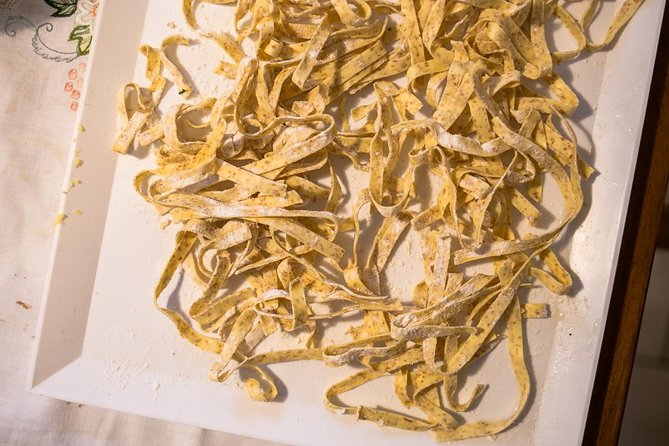
The pasta lesson centers on pasta, with several descriptions identifying the style as bigoli, a thick Venetian noodle. One class used semolina flour and water, while another included traditional techniques passed down through the host’s family.
You should expect to work with the dough rather than simply watch a demonstration. The useful part is learning how the mixture feels, how to knead it, and how to shape it. A host may also show you a family pasta maker, an older tool that adds a direct link to home cooking in the region.
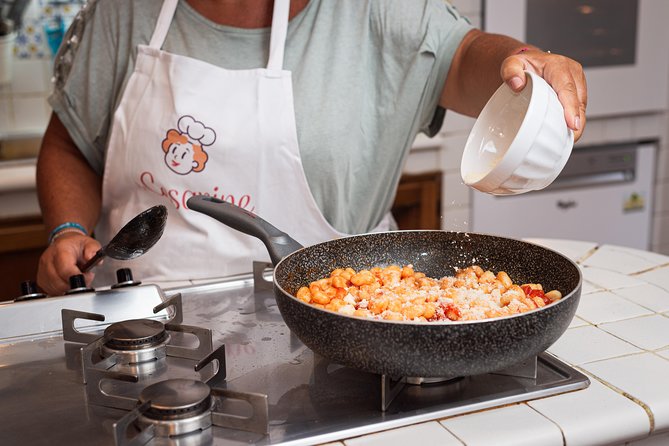
The advertised sample menu lists pasta as the main dish and tiramisu for dessert. Some sessions have included cicchetti, the small Venetian appetizers often served as informal snacks, plus prepared appetizers and local wine. The exact menu may depend on the host, the season, and the ingredients available that day.
That variation is worth understanding. This is not a standardized school with an identical menu in every session. It is a local-home format, so Catia’s class may feel different from a session led by David or another cook. If you have a specific dietary need or want a particular pasta shape, ask the provider before arrival.
Tiramisu and the meal you make together
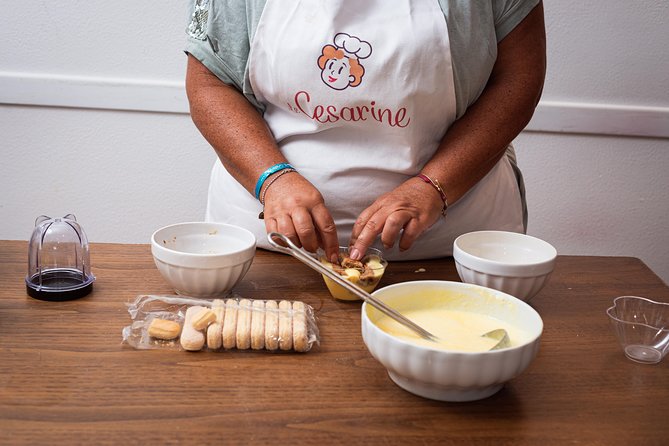
Tiramisu is the reliable sweet ending, and it gives the class a second technique to learn after the pasta. You may prepare it alongside the pasta, then let the components come together for the final meal.
The appeal is simple: you eat what you have made. That makes the lesson feel complete, especially for people who dislike cooking demonstrations where the finished dish appears from the kitchen without their help.
In Catia’s sessions, the meal has also included cicchetti assembled from market purchases and seasonal ingredients from her garden. Those additions help turn the class into a broader look at Venetian home food rather than a single pasta recipe.
I would not book this expecting a restaurant-style tasting menu. One disappointing session included only one freshly made main dish, with the sauce prepared ahead of time, along with dessert and previously prepared appetizers. Other sessions offered several starters and a more generous cooking sequence.
The safe expectation is pasta and tiramisu, with possible appetizers such as cicchetti. That is enough food for a satisfying half-day lesson, but the experience is strongest when you value the process and conversation as much as the number of dishes.
Same place, a different menu:
- Florence: Pasta Cooking Class with Unlimited Wine
★ 4.9 · 10,285 reviews - 3 in 1 Cooking Class near Navona: Fettuccine, Ravioli & Tiramisu
★ 5.0 · 7,376 reviews - Florence: Pasta & Tiramisu Cooking Class with Unlimited Wine
★ 4.9 · 6,708 reviews - Florence: Pasta Cooking Class with Unlimited Wine
★ 5.0 · 6,413 reviews
What a private home adds, and what it can limit
Cooking in a private home is the defining feature of this activity. With a welcoming host, it can feel more like being invited into a local kitchen than attending a formal class. Catia’s hospitality, art, music, garden, and family traditions have made her sessions especially personal.
That informality is also the main trade-off. A home kitchen may not have room for every person to work at once. One session had six participants but enough kitchen space for only three people at a time. You may spend part of the class watching while others prepare the food.
The home may also be warm or located away from the city center. One session involved a much longer walk than expected, followed by difficulty arranging a taxi after dinner. The experience provider does not present the private address before booking, so you cannot judge the location in advance from the public meeting point alone.
I would ask for clear directions and the expected walking time before the day of the class. If you are tired after a full day of sightseeing, do not assume the home is only a few minutes away. The class ends back at the meeting point, but the transport arrangement after a private meal may require planning.
English, hosts, and the human side of the class
The experience is offered in English, but the level of spoken English can vary by host. Catia is praised for explaining cooking methods clearly and maintaining communication before the activity. Another host was described as kind but used little English, relying heavily on a phone translation app.
This difference can shape the entire day. Cooking is often forgiving when language is imperfect because gestures, ingredients, and repetition do much of the work. Still, if you want detailed explanations about regional history, pasta texture, or recipe adjustments, a host who speaks fluent English will make the lesson easier.
The provider is Cesarine: Cooking Class, and the host may not always be the same person. Catia receives the strongest praise in the available accounts, with several sessions described as organized, generous, and personal. David also receives credit for kindness and a pleasant dining space, though that session had serious problems with timing, language, transport, and kitchen capacity.
I would treat the named host as an important detail, not a minor one. If you are booking because of Catia’s style, confirm who will lead your session. Consistent host communication can make the difference between a relaxed afternoon and a tiring one.
Is $179.24 a fair price?
At $179.24 per person, this is not a cheap cooking class. You are paying for about five hours, a market or city walk, instruction, ingredients, and a meal in a private home. The price makes more sense for someone who wants personal contact with a local cook rather than a short pasta workshop.
The value is strongest with a small group, a clear market visit, and a host who involves you in several dishes. Catia’s format, with market shopping, cicchetti, bigoli, tiramisu, family stories, and a shared meal, offers a full afternoon rather than a single recipe lesson.
The value is weaker if the market is missed, the host’s English is limited, or most of the cooking is done in advance. It is also less attractive if you expect a spacious teaching kitchen or a formal restaurant-quality meal.
The average booking lead time is about 50 days, so popular dates can fill well ahead. I would not wait until the last minute if you are visiting Padua on a fixed schedule, especially if you want a particular host or a weekday market visit.
Getting the logistics right
You receive confirmation at booking, and the activity uses a mobile ticket. It is near public transportation, but the exact home location may only be supplied after reservation because the classes take place in private homes.
Read the voucher carefully. The public meeting point can be generic, and incorrect assumptions about the address have caused confusion. Also check any messages from the provider shortly before the activity, since start times or addresses may change.
The group limit is 12 people. That is small compared with a large commercial food tour, but 12 people can still feel crowded in a private kitchen. If you prefer maximum hands-on time, a very small departure is the better match.
Free cancellation is available until 24 hours before the local start time. Changes or cancellations inside that window are not accepted for a refund. That policy is fairly standard, but it matters here because the class includes market timing and private-home arrangements.
Who will enjoy this Padua cooking class?
I would recommend it to you if you enjoy food stories, local homes, and learning by doing. It is a good fit for couples, families, and small groups who want an activity that combines sightseeing with a meal.
It also suits first-time visitors to Padua. The market walk can help you get oriented, and the host may add historical details about the square and nearby buildings. You come away with both a dish and a better sense of how food fits into the city.
This is less suitable if you need a tightly timed itinerary, dislike uncertain logistics, or want a polished professional kitchen. It may also frustrate you if every member of your group expects to cook at the same time.
For Sunday bookings, make the decision with care. You can still receive a city tour and cooking class, but you will not get the market-shopping portion described for other days.
Should you book it?
Book this experience if the idea of making bigoli, preparing tiramisu, and sharing a meal in a local home sounds better than a formal culinary school. Catia’s sessions appear to offer the strongest combination of market time, teaching, family recipes, and personal warmth.
Before paying, confirm the host, meeting point, start time, language level, and whether the market operates on your date. I would also ask how many people are booked and how much of the menu you will prepare yourself.
At $179.24, this is a substantial spend, but it can be worthwhile for a genuine food-centered afternoon with the right host. Go in expecting a personal home experience with some flexibility, not a perfectly standardized tour, and you will make a better booking decision.
FAQ
How long does the Padua market and cooking class last?
The experience lasts approximately five hours.
Where does the activity begin and end?
It begins in Padua, in the Province of Padua, Italy, and ends back at the meeting point.
What food will I prepare?
The sample menu includes pasta as the main course and tiramisu for dessert. Sessions may also include Venetian cicchetti and appetizers.
Is the class offered in English?
Yes. The experience is offered in English, though the host’s level of spoken English can vary.
How many people can join the activity?
The maximum group size is 12 people.
Does the market visit operate on Sundays?
There is no market on Sundays. On that day, the host may provide a small city tour instead.
Can I cancel for a full refund?
Yes. You can cancel at least 24 hours before the local start time for a full refund. Cancellations or changes made less than 24 hours before the start are not accepted for a refund.
More Hands-On Workshops in Italy
- Naples: Pizza-Making Workshop with Drink and Appetizer
★ 4.9 · 5,411 reviews - Authentic Pizza Making Class in Naples with Appetizers and Drink
★ 5.0 · 3,178 reviews - Rome: Pasta Making Class with Wine, Limoncello, and Dessert
★ 4.9 · 3,177 reviews - Pastamania – Florence Pasta Making Class
★ 5.0 · 3,050 reviews
More Shopping Trips in Italy
- Florence: Cooking Class with Local Food Market Tour
★ 4.9 · 407 reviews - Authentic Roman Cooking Class & Market Experience
★ 5.0 · 363 reviews - Florence: Cooking Class at a Tuscan Farm & Local Market Tour
★ 4.9 · 354 reviews - Market Tour and Cooking Class with a Local Venetian Chef
★ 5.0 · 313 reviews
Just added around Italy
- Rome Trastevere: Tiramisù & Gelato Class with Savoiardo Baking★ 5.0 · 14 reviews
- Authentic Pasta and Tiramisù cooking class at spanish steps★ 4.5 · 14 reviews
- Rome: Pasta Cooking Class, Dinner & Wine in Authentic Restaurant★ 5.0 · 38 reviews
- Rome For Kids: Small Group Pizza Making Class★ 4.5 · 49 reviews
- Rome Cooking Class★ 5.0 · 4 reviews
- Rome: Private Cooking Class with Market Shopping Tour★ 5.0 · 3 reviews
- Devour Rome Wine & Pizza Making Class in Trastevere Neighborhood★ 5.0 · 75 reviews
- Roma Foodie Experience: Cooking Class★ 5.0 · 16 reviews
Cooking Classes with a Market Tour, compared.
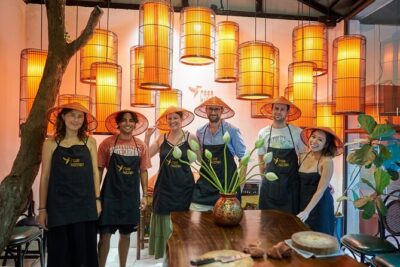
Hanoi Cooking Class: Culture, Local Market & Meaning CSR Impact
Read our review →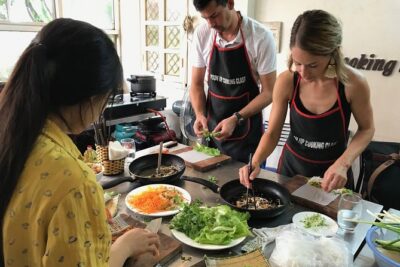
5 Traditional Dishes Hanoi Cooking Class with Market Trip
Read our review →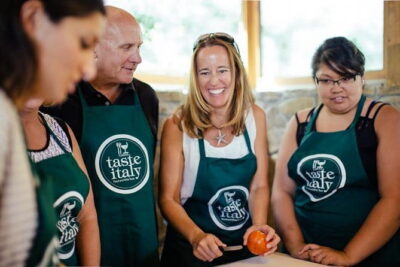
Cooking Class and Lunch at a Tuscan Farmhouse with Local Market Tour from Florence
Read our review →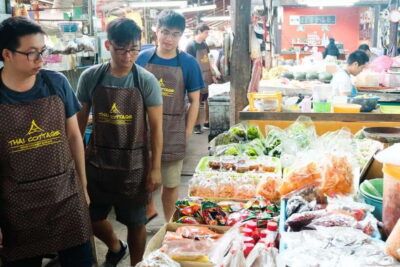
Chiang Mai: Cooking Class, Market & Thai Herbs Garden Tour
Read our review →
Chiang Mai: Authentic Cooking Class with Market & Farm Visit
Read our review →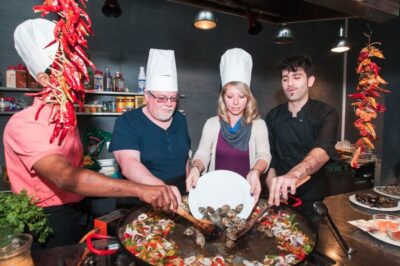
Barcelona: Paella Cooking Experience & Boqueria Market Tour
Read our review →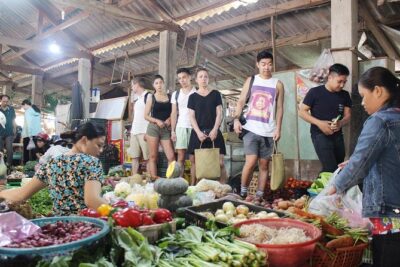
Cooking Class Hoi An:Local Market, Basket Boat, Fishing & Cooking
Read our review →
Hoi An Cooking Class(Market,BasketBoat Crabfishing&Cooking Class)
Read our review →Browse the lists this tour appears in