
Review · SRI LANKA
Sri Lanka: Cooking Class
Sri Lankan cooking is built around a few big ideas: rice, coconut, spices, vegetables, and seafood. This three-hour class in Kotapola puts those ideas on your plate, with you doing the chopping, mixing, and cooking rather than simply watching a demonstration. The best part is the meal you help create, shared with the people who prepared the kitchen and recipes.
I like the hands-on format and the chance to connect food with Sri Lanka’s ocean-trade past and daily life. I also like the practical pickup by tuk tuk, arranged about 30 minutes before the class. The main caution is heat: even after asking for less spice, some diners found the dishes too hot, so repeat your preference clearly before cooking begins.
Key points to know
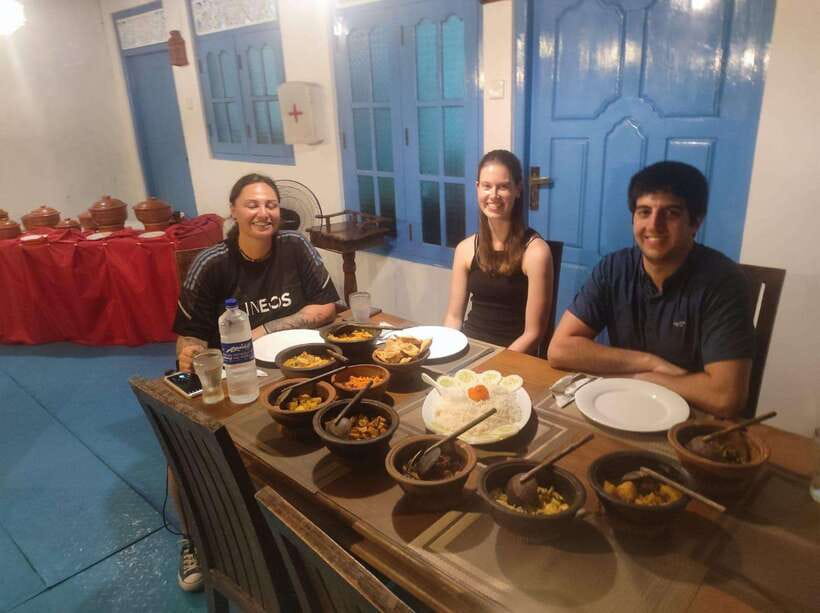
- Seven to eight dishes in one class: Recent sessions included a wide spread of Sri Lankan food, with cooking completed in about one and a half hours by one group.
- Rice and coconut take center stage: You learn how basic local ingredients shape everyday cooking.
- A personal host-led experience: Rnishani is named as one of the cooking teachers, and diet preferences are discussed before the activity.
- Tuk tuk pickup is included: Collection is available from hotels or villas in the Kotapola area.
- Spice levels need careful attention: The class can prepare vegetables and meat, but the heat may still be stronger than expected.
- A good value for food-focused visitors: At $50 per person, the price covers three hours, instruction, transport in the local area, and the cooking session.
Cooking seven or eight dishes in Kotapola
The class begins with a tuk tuk pickup from your hotel or villa. The stated pickup time is about 30 minutes before the activity, so keep your phone handy and allow a little flexibility. This is a local-style start, not a large coach transfer, and it gives you an early look at how people move around the area.
Once you arrive, the focus turns to Sri Lankan food. The exact menu can vary, but the class is built around traditional dishes using vegetables, meat, rice, coconut, herbs, spices, fish, and fruit. One recent session covered eight dishes, while another prepared seven dishes in roughly an hour and a half. That is a substantial amount of food for a three-hour activity.
I would not expect every dish to receive a long, restaurant-style lesson. The value is in seeing how several parts of a Sri Lankan meal work together. You may learn how spices are combined, how coconut is used, and how vegetables or meat are prepared for the table. The class gives you a working sense of the cuisine rather than a single polished recipe.
The pace may feel brisk. If you want to remember the recipes at home, take notes or ask before moving on to the next dish. The English-speaking guide is there to explain the process, but the number of dishes means you should speak up when you want a step repeated.
More Hands-On Workshops in Sri Lanka:
- Ella: Traditional Sri Lankan Cooking Class
★ 4.9 · 788 reviews - Organic cooking class sigiriya (kumara & family)
★ 5.0 · 650 reviews - Sri Lanka Cooking Class with Granny
★ 5.0 · 587 reviews
Why rice, coconut, and spices matter
Sri Lankan food is often described by its heat, but that misses much of the picture. Rice is central, with many varieties used across the country. Coconut is also a daily staple, and its milk, flesh, and other forms help shape the texture and flavor of many dishes.
Spices do more than make food hot. They create the base of a dish and help balance rice, vegetables, fish, or meat. The class introduces that role in a practical way, as you see how a few familiar ingredients can produce very different results when combined in different proportions.
Seafood has an important place in the cuisine too. Sri Lanka’s island setting gives fish a strong role, both fresh and preserved. The country’s location along the old oceanic Silk Road also brought outside ingredients and cooking ideas through contact with foreign traders. Those influences joined local traditions from the country’s different ethnic communities.
That context makes the class more useful than a simple cooking lesson. You are not just copying a recipe. You are learning why the food looks and tastes the way it does. The explanation remains tied to the work in front of you, which is the best way to remember it.
A real kitchen lesson, not a cooking show
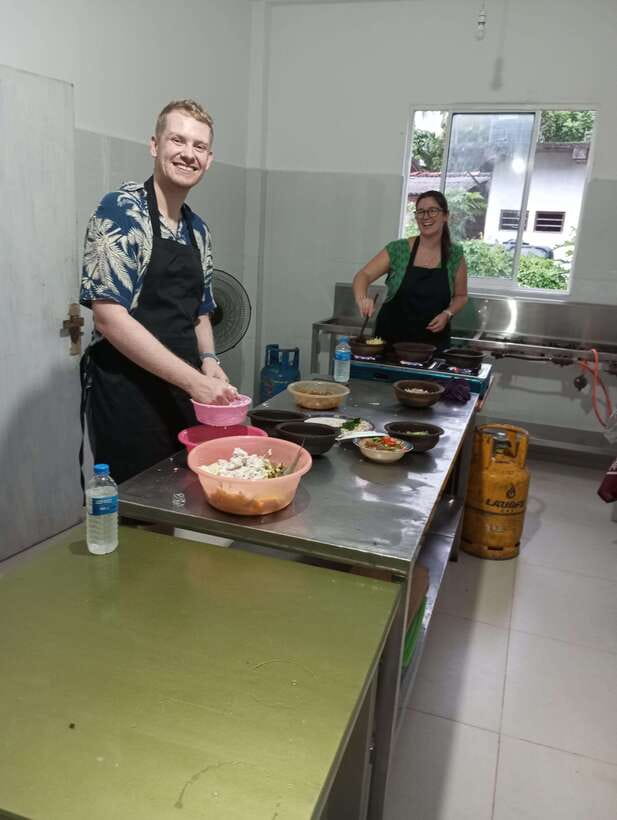
The class is designed for participation. You should expect to work with the ingredients and help prepare the dishes rather than sit back while someone else does everything. Wear simple, comfortable clothing that you do not mind working in. The practical advice from the host is sensible, since cooking several vegetable and meat dishes can be messy.
The teacher also asks about dietary needs and preferences before the activity. That is useful, especially if you do not eat meat or have a particular food requirement. Still, you should confirm exactly what can be changed before the cooking starts. The provided information says the class cooks different kinds of vegetables and meat, but it does not promise a fully vegetarian, vegan, gluten-free, or allergy-safe menu.
The most important question is spice. One participant requested less spicy food but still found the meal too hot to eat comfortably. Another person in the same group, who could handle more heat, also struggled with it. Sri Lankan cooking can be fiery, and the phrase less spicy may not mean the same thing to everyone.
I would say clearly that you need mild food, not just less heat. Ask which dishes will contain the most chili, and request that some portions be kept mild before they are seasoned. This is not a complaint about the cuisine. It is a practical step that can make the difference between enjoying the meal and spending dinner with a glass of water.
Meeting the hosts over the finished meal
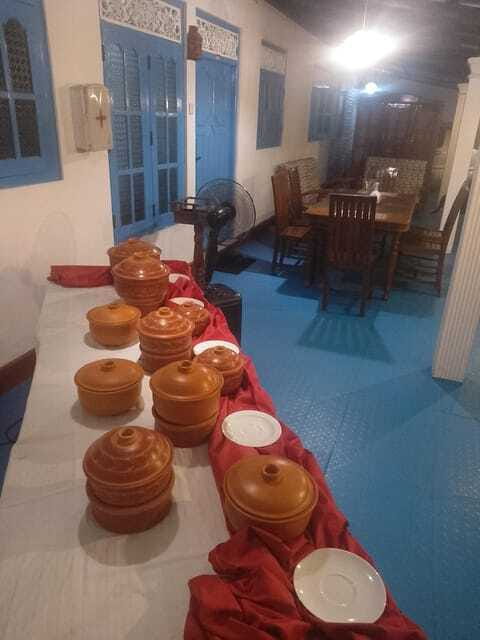
After the cooking, you get to taste what you have made with your hosts. This shared meal is a major part of the experience because it turns a lesson into a social visit. You have time to talk about the food, the recipes, and everyday life in Sri Lanka.
The class also gives you a chance to learn about the hosts’ daily routines. That personal contact is more valuable than a generic restaurant meal because you can ask how dishes fit into home cooking and local habits. The setting is intended to be friendly and direct, with the English-speaking guide explaining the food and helping the group work safely.
Rnishani is specifically named as an excellent cooking teacher in the supplied information. She is described as clear with instructions, careful about kitchen safety, and willing to adjust preparations to dietary preferences. If she is leading your class, you can expect a patient, organized lesson. The host may vary, so I would not assume she will teach every session.
The meal itself needs one small clarification. The activity promises that you will savor your creations with the hosts, while the booking details list meals and beverages as not included. In practical terms, this appears to mean the food you prepare is the central meal, but you should confirm what is provided, especially drinks and any additional food, before booking.
A few more cooking classes around Sri Lanka worth a look
- Kandy Village Cooking Class
★ 5.0 · 536 reviews - Sea waves sri lankan cooking class
★ 5.0 · 467 reviews - Ella: Sri Lankan Cooking Class with Neranji at Homestay
★ 5.0 · 276 reviews - Ella : Cooking class with amazing Spice Garden Tour
★ 5.0 · 239 reviews
What $50 buys you
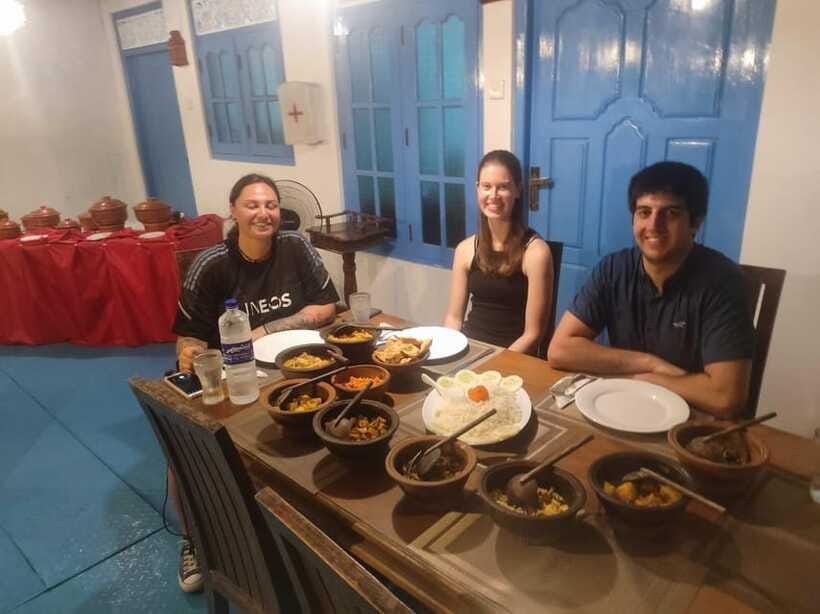
At $50 per person, this is not the cheapest way to eat in Sri Lanka. A local restaurant meal may cost much less. The price makes more sense when you count the instruction, ingredients, three-hour visit, hotel or villa pickup and drop-off, bottled water, and the chance to cook several traditional dishes.
The class is also a better value for people who want a skill to take home. You may leave with enough ideas to recreate a Sri Lankan-style meal, even if you do not remember every measurement. A restaurant can show you what the final food tastes like. This activity shows you how the flavors are built.
The value is weaker if you want a long, slow culinary workshop focused on one or two recipes. Seven or eight dishes creates range, but it can limit the amount of time spent on each one. It is also less appealing if you dislike spicy food, do not want to cook meat or vegetables, or prefer a quiet meal with no hands-on work.
The included transport helps if you are staying nearby and do not want to arrange a tuk tuk yourself. Pickup is offered from hotels and villas around the Kotapola area, not as a general transfer from every part of Sri Lanka. Confirm your location when booking so you know if your accommodation falls within the pickup area.
Timing, clothing, and practical comfort
The activity lasts three hours, with starting times based on availability. That is enough time for instruction, cooking, eating, and conversation, but you should not treat it as a full-day food tour. One session completed the cooking in about one and a half hours, leaving time for the rest of the experience.
Wear simple clothing that lets you move easily. Cooking several dishes may involve standing, reaching, handling ingredients, and working near heat. The instructions specifically advise against arriving drunk, for good reason. Kitchen work requires attention, and safety matters when several people are preparing food at once.
Bring your appetite, but do not assume every beverage is covered. Bottled water is included, while meals and beverages are listed as excluded. Since you eat the dishes you prepare, ask the host what drinks or extra food you need to pay for.
There is conflicting information about mobility access. The activity details say wheelchair accessible, but the same information lists people with mobility impairments and wheelchair users as not suitable. I would not rely on the accessibility label alone. Contact the provider before booking and explain your needs in detail, especially if you require step-free access, seating, or help moving around the cooking area.
Free cancellation is available up to 24 hours before the activity for a full refund. You can also reserve now and pay later, which helps if your Sri Lankan route is still changing. Those policies are useful, but the more important booking questions are the menu, spice level, pickup location, and physical setup.
Who will enjoy this class most
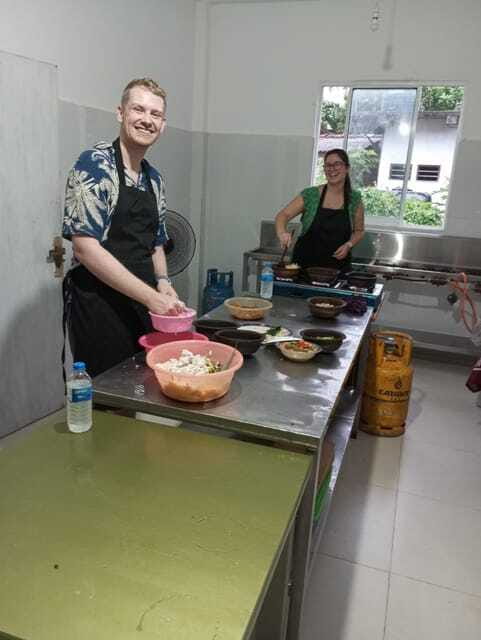
I would recommend this class to you if food is one of the main reasons you travel. It suits curious eaters who want more than a restaurant table and who enjoy meeting local people. The class also works well for couples, friends, and small groups who are happy to cook together and share the results.
It is a good choice for visitors staying around Kotapola who want a three-hour activity with transport included. You do not need to plan a full day around it, and the tuk tuk pickup makes the start simple if your accommodation is nearby.
Families may enjoy the hands-on format, but the cooking environment still requires attention and safe behavior. The provider’s warning about alcohol should be taken seriously. The activity is not suitable for someone who cannot comfortably take part in a kitchen setting without confirmed assistance.
I would be cautious if you have a low tolerance for chili. You can request milder food, and the host asks about preferences, but one session shows that the result may still be hotter than expected. If spice is a serious concern, confirm the plan before paying.
My verdict on the Kotapola cooking class
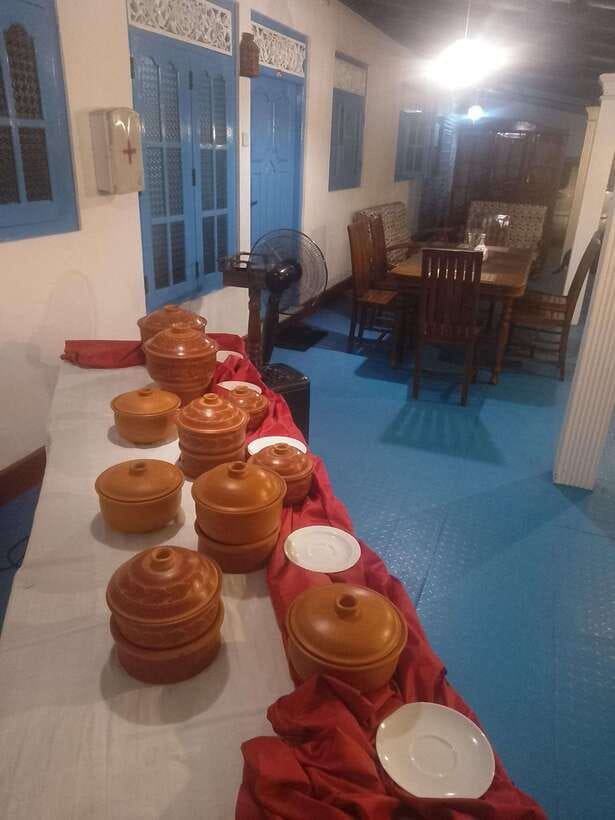
I would book this class if you want a personal introduction to Sri Lankan home-style food and are willing to take part. The strongest features are the number of dishes, the focus on rice, coconut, spices, vegetables, and meat, and the chance to eat with the hosts after cooking.
The main weakness is uneven control of the spice level. The accessibility information also needs clarification, and you should confirm what meals and drinks are covered. At $50, the class offers fair value when you count the instruction and pickup, but it is not simply a cheap lunch.
Book it for the cultural contact and the practical food lesson, not just for a meal. Tell the host your diet and spice needs in plain terms, ask about the kitchen access, and arrive ready to work. If that sounds like your kind of afternoon, this is a useful and flavorful way to spend three hours in Kotapola.
FAQ
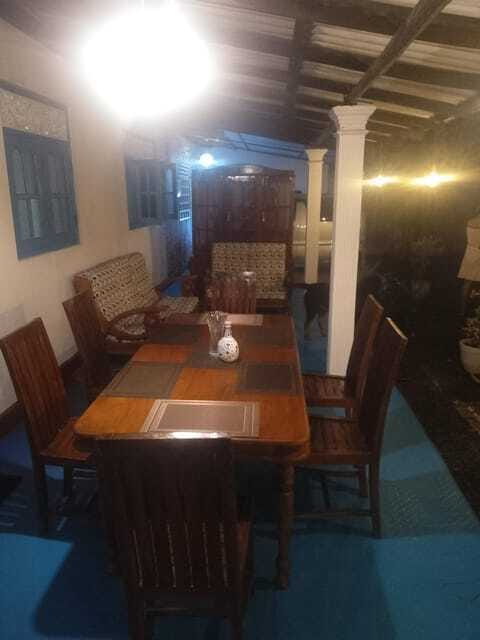
Where does the cooking class take place?
The class takes place in Kotapola, Sri Lanka.
How long does the activity last?
The stated duration is three hours. One session reported that the cooking itself took about one and a half hours, with time remaining for eating and conversation.
How much does the class cost?
The price is $50 per person.
Is hotel pickup included?
Yes. Pickup and drop-off are included from hotels or villas in the surrounding area. A tuk tuk collects you about 30 minutes before the activity.
What language is the class conducted in?
The class has an English-speaking live guide.
What kinds of food will I cook?
The class focuses on traditional Sri Lankan dishes using ingredients such as rice, coconut, herbs, spices, vegetables, meat, fish, and fruit. The exact menu may vary.
Can I request dietary changes or less spicy food?
The host asks about dietary preferences before the activity, and the class prepares vegetables and meat. You should confirm your specific needs and clearly request mild food, since one participant still found the dishes too spicy after asking for less heat.
Is the activity suitable for wheelchair users?
The information is conflicting. One section says the activity is wheelchair accessible, while another says it is not suitable for wheelchair users or people with mobility impairments. Contact the provider before booking to confirm the actual conditions.
Can I cancel the booking?
Yes. You can cancel up to 24 hours in advance for a full refund. Reserve now and pay later is also available.
Just added around Sri Lanka
- Sri Lankan Cookery with Nilu★ 5.0 · 34 reviews
- Private Traditional Sri Lankan Cooking Class in Kandy★ 5.0 · 7 reviews
- Private cooking class – Personalized classic menu★ 5.0 · 5 reviews
- Nilaveli: Sri Lankan Cooking Class with a Local Family★ 5.0 · 16 reviews
- Mirissa: Cooking Class with Beer and Meal★ 3.3 · 4 reviews
- Kandy: Village Cooking Class 12 Dishes with Market Tour★ 5.0 · 6 reviews
- Kandy Cooking Class with Granny★ 4.9 · 95 reviews
- Hands-On Cooking Class in Anuradhapura: Cook Like a Local★ 5.0 · 5 reviews
Cooking Classes, compared.
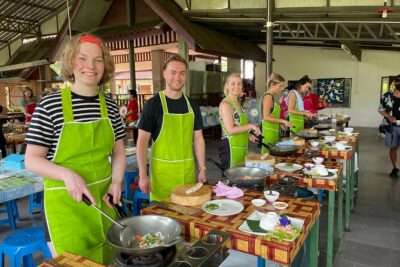
Half-Day Thai Cooking Class at Organic Farm in Chiang Mai
Read our review →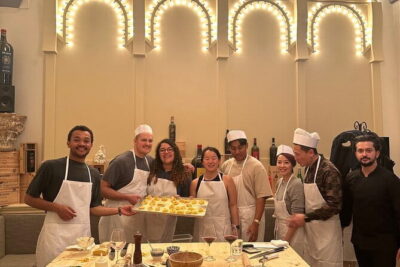
Florence: Pasta Cooking Class with Unlimited Wine
Read our review →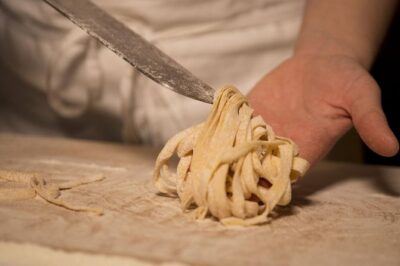
3 in 1 Cooking Class near Navona: Fettuccine, Ravioli & Tiramisu
Read our review →
Hanoi Cooking Class: Culture, Local Market & Meaning CSR Impact
Read our review →
5 Traditional Dishes Hanoi Cooking Class with Market Trip
Read our review →
Cooking Class and Lunch at a Tuscan Farmhouse with Local Market Tour from Florence
Read our review →
Chiang Mai: Cooking Class, Market & Thai Herbs Garden Tour
Read our review →Browse the lists this tour appears in