
Review · COOKING CLASSES
Khinkali & Khachapuri Cooking Classes with Wine Tasting
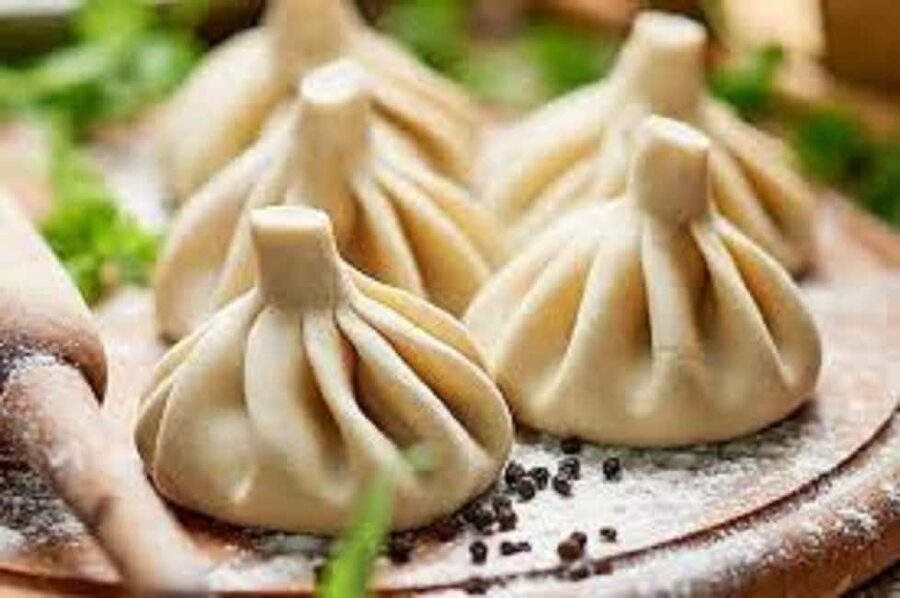
The best part of this Kutaisi experience is that you do not simply sit down to a plate of Georgian food. You make the khinkali yourself, learning the folds and filling from Nana, then cook and eat the result with wine from the family winery. It gives you a useful look at daily Georgian cooking, not just a quick tasting.
I like the small group of eight and the relaxed setting at a wine shop near the Chain Bridge. I also like the wine lesson from Giorgi, who explains qvevri production and local drinking traditions while your dumplings cook. The main thing to consider is that this is a short 1.5-hour class, so the khinkali-making portion may feel somewhat guided rather than a long, detailed cooking course.
Key Points
- Make two Georgian classics: Prepare khinkali and khachapuri using traditional recipes and supplied ingredients.
- Learn from Giorgi and Nana: Giorgi explains Georgian wine and culture, while Nana leads the cooking demonstration and hands-on work.
- Taste natural qvevri wine: Sip locally made wine from the host’s own winery while the food cooks.
- Try traditional chacha: The final tasting includes Georgia’s grape spirit as part of the wider food-and-wine experience.
- Meet near Bagrati Cathedral: The wine shop is across the street from the Chain Bridge, beside the trail leading toward the cathedral.
- Good value at $22: Ingredients, the class, food, and wine are included, with a maximum of eight people.
Cooking Khinkali Beside Kutaisi’s Chain Bridge
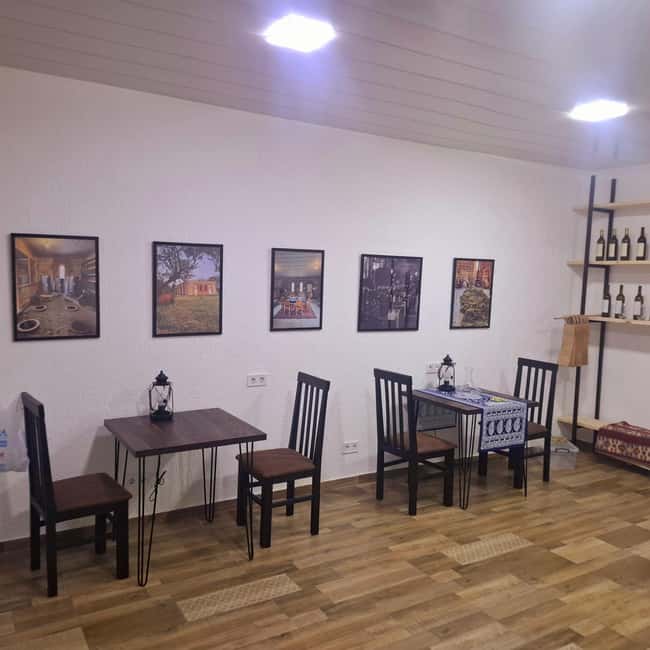
This class begins at a wine shop in Kutaisi, just after you cross the Chain Bridge. Look across the street for the shop, which also marks the starting point of the trail leading to Bagrati Cathedral. That location makes the class easy to pair with a walk through central Kutaisi.
The meeting point is practical rather than grand. You are not heading to a formal culinary school with rows of polished workstations. Instead, you enter a cozy local setting connected to a winery, where the food and wine fit together naturally.
That matters because Georgian cooking is closely tied to family meals and hospitality. The setting helps the class feel like a shared table with instruction, rather than a staged show. The group limit of eight should also give you a better chance to see the technique and ask questions.
The activity lasts about 90 minutes. That is enough time to prepare both dishes, cook them, eat, and taste wine, but it is not long enough for a broad course on Georgian cuisine. You will learn the key steps and traditional approach, not every regional variation.
More Cooking Classes with Wine Tasting in the world:
- Florence: Pasta Cooking Class with Unlimited Wine
★ 4.9 · 10,285 reviews - Florence: Pasta & Tiramisu Cooking Class with Unlimited Wine
★ 4.9 · 6,708 reviews - Florence: Pasta Cooking Class with Unlimited Wine
★ 5.0 · 6,413 reviews
Learning the Fold That Holds Khinkali Together
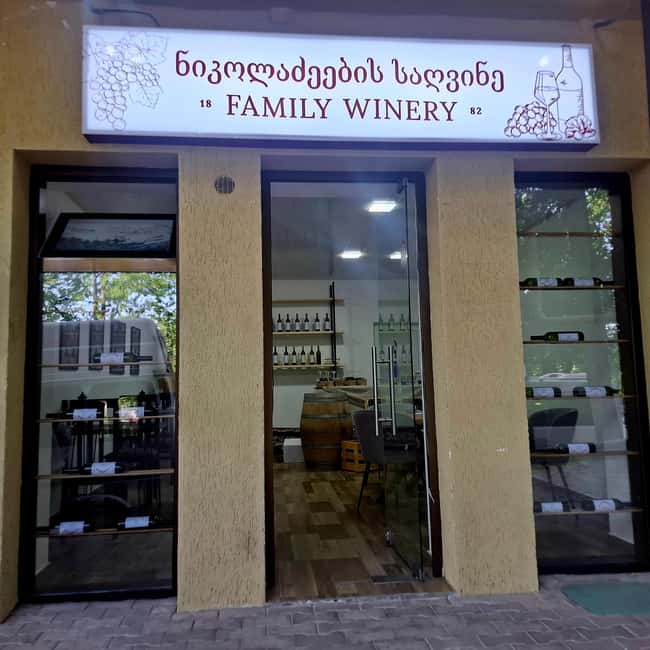
Khinkali are Georgian soup dumplings. Their appeal comes from the combination of dough, seasoned filling, and broth held inside the dumpling. The folding matters because a loose seal can let the juices escape during cooking.
Nana demonstrates the traditional method, including the filling and the distinctive pleats at the top. You then get the chance to repeat the process yourself. This is the part where comfortable clothes help. Flour, dough, and filling can make the work pleasantly messy, so do not wear anything you want to keep spotless.
The hands-on element is important. You are not only watching a cook shape perfect dumplings while you take photographs. You handle the dough and try the folds, which gives you a better chance of recreating the dish at home.
Still, keep your expectations sensible. Making neat khinkali takes practice, and the short format means the host must keep things moving. If you want a long session devoted entirely to dumpling technique, this class may feel brief. If you want to learn the basic method and enjoy the result the same afternoon, the timing works well.
Once the khinkali are prepared, they cook while you turn your attention to the wine. That pause is well used. It gives you time to hear about Georgian winemaking instead of standing around waiting for the food.
Preparing Khachapuri, Georgia’s Cheese-Filled Comfort Food
The second dish is khachapuri, one of Georgia’s best-known foods. It is a baked bread dish with cheese, and its many regional forms are part of what makes Georgian cuisine so interesting.
Here, you prepare khachapuri using a traditional recipe. The class description does not specify a particular regional shape, so you should not expect a detailed lesson on every version found across Georgia. The focus is on making and eating an authentic local-style dish alongside the khinkali.
Khachapuri gives the class a useful contrast. Khinkali teaches you about dough, filling, sealing, and broth. Khachapuri brings together bread, cheese, and baking. You get two very different examples of how Georgian cooks turn simple ingredients into food meant for sharing.
All ingredients are included, so you do not need to shop before arriving. You also do not need to bring special equipment. Just wear clothes that allow you to work comfortably and can handle a little flour or food splatter.
The finished meal is one of the strongest reasons to choose this activity. You do not leave with only notes or a demonstration. You sit down and eat what you helped prepare, which makes the meal feel earned without turning the class into hard work.
Giorgi’s Lesson on Qvevri Wine and Georgian Hospitality
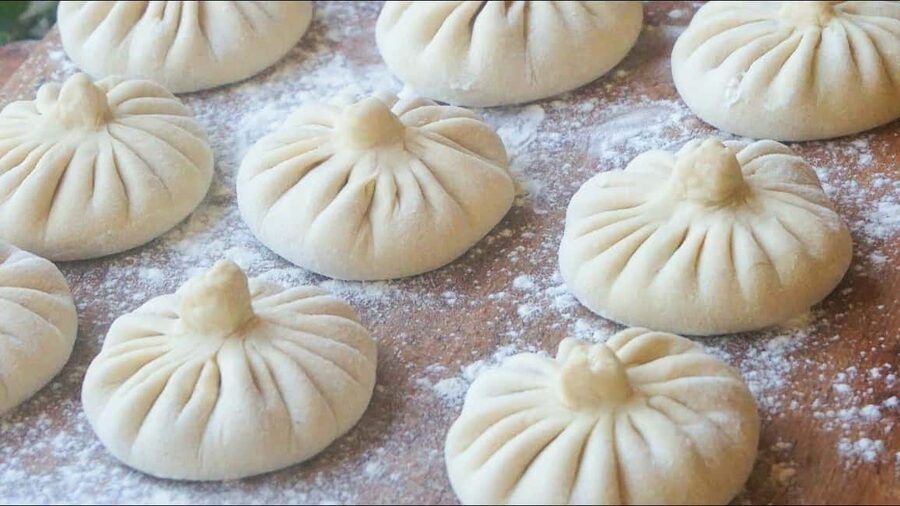
While the food cooks, Giorgi explains Georgian wine traditions and the culture around them. The experience includes natural wine from the host’s own winery, made with traditional methods in qvevri.
A qvevri is a large clay vessel used in Georgia’s ancient winemaking tradition. The vessel is buried in the ground, and the wine is made using methods that differ from the stainless-steel and oak processes common in many modern wineries. You do not need to know technical wine terms to enjoy this part. Giorgi’s role is to connect the drink with Georgian culture and local practice.
This is more than a glass added to a cooking class. The wine gives the activity a second subject. You learn how the food fits into Georgian hospitality, where eating, drinking, storytelling, and welcoming people often happen together.
The class includes wine, and the tasting is described as natural and locally produced. If you prefer polished commercial wines, these bottles may taste less familiar. That is part of the point, but it also means the experience suits people who want to try traditional local production rather than a standard restaurant pour.
The wine discussion has received especially strong praise. You can expect Giorgi to answer questions about Georgian culture, the city, food, and winemaking. His explanations add useful context to the cooking, particularly if you are new to Georgian wine.
More Food and Drink Tours in the world:
- Small Group Cooking Class & Market Food Tour in Florence
★ 5.0 · 1,574 reviews - Paella Cooking Class, Wine Tasting & Central Market in Valencia
★ 5.0 · 1,150 reviews - Athens: Food Market Visit and Cooking Class with Wine
★ 4.9 · 1,087 reviews - Undiscovered Charleston: Half Day Food, Wine & History Tour with Cooking Class
★ 5.0 · 948 reviews
A Small Table, a Shared Meal, and Chacha
After the cooking, you sit down to eat the khinkali and khachapuri. The class is designed as a complete food experience, not just a lesson followed by a rushed sample. You taste the dishes while they are fresh and pair them with the included wine.
The final tasting also includes traditional chacha, a Georgian grape spirit. Chacha is stronger than wine, so it is best approached as a small tasting rather than a casual refill. The activity is intended for people of legal drinking age because both wine and chacha are part of the experience.
This shared finish is where the class becomes especially social. You can talk with the host and the other participants, ask follow-up questions, and compare your cooking attempts. The group size helps here. Eight people is enough for conversation but small enough to avoid the feel of a large tour.
The warmth of the hosts is a major part of the appeal. Giorgi is described as polite and welcoming, while Nana brings a calm, personal touch to the cooking. Her teaching style has a family kitchen quality, which may appeal to you if you prefer local instruction over a polished professional demonstration.
One useful point comes from the hands-on balance: some participants may want more direct time shaping the khinkali. If you are eager to practice every fold, say so early and ask to repeat the technique. The class is participatory, but the host still needs to demonstrate and keep the schedule on track.
What $22 Buys You in Kutaisi
At $22 per person, this is a strong-value activity. The price covers the cooking class, all ingredients, the food you prepare, and wine. You also receive a cultural introduction to Georgian winemaking and a tasting of chacha.
Compare it with the cost of ordering both dishes, several glasses of wine, and a spirit tasting separately in a restaurant. The class adds instruction and conversation without requiring a full afternoon. For a modest price, you get a meal plus an activity that can stay with you after you leave Georgia.
The value depends on what you want. If your priority is a long professional cooking course with detailed recipe cards, multiple dishes, or advanced techniques, this is not that. If you want a compact class that combines food, wine, and local hospitality, the price is easy to justify.
It is also a good choice for a first introduction to Georgian food. Khinkali and khachapuri are famous for good reason, and learning to make both gives you a foundation for exploring more regional dishes later.
Planning the 90-Minute Visit
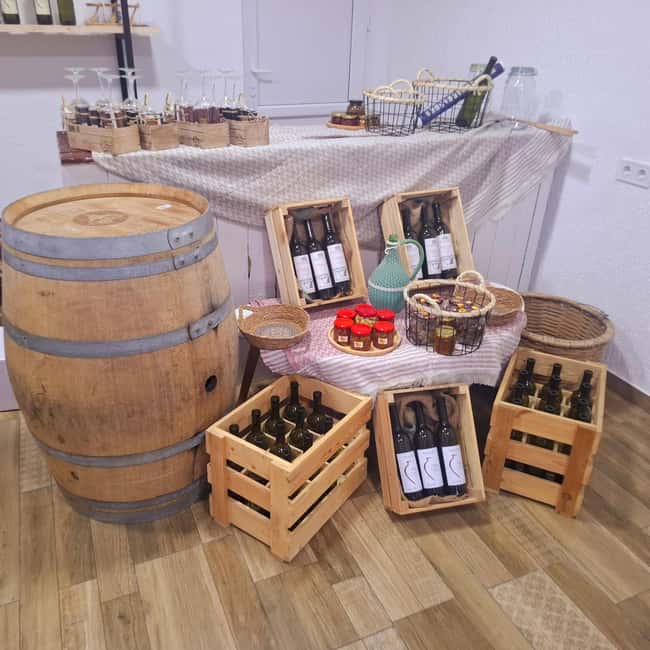
Plan for 1.5 hours from start to finish. Starting times vary, so check availability when you book. The class is in Kutaisi, and the meeting point is easy to identify: cross the Chain Bridge and look for the wine shop directly across the street.
The nearby Bagrati Cathedral trail makes this activity convenient to combine with sightseeing. You could schedule the class before or after visiting the cathedral, but leave enough time to arrive without rushing. The available information does not promise a separate guided visit to Bagrati Cathedral, so treat the trail and location as useful orientation points, not part of the cooking program.
English is the listed language, and the class is wheelchair accessible. The small-group format is limited to eight participants. That is useful if you prefer a quieter experience or want a better chance to speak with the hosts.
Wear comfortable clothes that can get dirty. You do not need to bring ingredients or cooking tools. Since wine and chacha are served, all participants need to be of legal drinking age.
Flexible booking is another practical advantage. You can cancel up to 24 hours in advance for a full refund, and the reserve-now, pay-later option lets you hold a place without paying at once.
Who Will Enjoy This Georgian Cooking Class
I would choose this class if you want your Kutaisi sightseeing to include a personal meeting with local people. It suits food lovers, first-time visitors to Georgia, and anyone curious about the link between traditional wine and home cooking.
It is also a good fit for couples, friends, and small groups who want an activity with conversation built in. The meal gives you something to share, and the wine tasting keeps the experience from feeling like a technical kitchen lesson.
Families should check the drinking-age requirement carefully. The class centers on wine and includes chacha, so it is not designed as a children’s cooking activity.
You may want to choose another experience if you do not drink, dislike hands-on cooking, or want a longer and more advanced course. The class asks you to participate. You will be folding, filling, shaping, and tasting, not simply watching from a seat.
The class also works well for people who want to recreate Georgian food at home. You may not leave with every measurement or regional variation, but you will understand the basic process and the feel of the dishes. The cooking becomes easier to remember because you eat the result immediately.
Should You Book It?
Book this experience if you want a short, affordable introduction to Georgian food with a personal wine lesson included. The combination of khinkali, khachapuri, qvevri wine, chacha, and a group of no more than eight makes good use of 90 minutes.
I would especially recommend it early in a Kutaisi visit. The meeting point near the Chain Bridge is convenient, and the class can give you context for the meals and wine you encounter afterward.
Skip it if you want a serious culinary workshop, a dry tasting, or a full-day regional food tour. For most people who want to cook, eat, and learn a little about Georgian hospitality without spending much, this is an easy activity to add.
FAQ
Where does the cooking class take place?
The class takes place at a wine shop in Kutaisi. After crossing the Chain Bridge, you will find the shop across the street, beside the starting point of the trail leading to Bagrati Cathedral.
How long does the experience last?
The cooking class and tasting last 1.5 hours.
What dishes will I prepare?
You will prepare Georgian khinkali and khachapuri using traditional recipes and methods.
Is the class hands-on?
Yes. You will participate in preparing the food, including learning the filling and folding technique for khinkali.
Is wine included?
Yes. Wine is included, and the experience includes a tasting of natural, locally produced wine made using traditional methods.
Is chacha included in the tasting?
The experience includes a tasting of traditional Georgian chacha, a grape spirit, as part of the final food and wine session.
What language is the class in?
The listed language is English.
How many people can join the class?
The class is a small-group experience limited to eight participants.
Can I cancel my booking?
Yes. You can cancel up to 24 hours in advance for a full refund. You can also reserve now and pay later.
More Hands-On Workshops in the world
- Half-Day Thai Cooking Class at Organic Farm in Chiang Mai
★ 5.0 · 19,087 reviews - 3 in 1 Cooking Class near Navona: Fettuccine, Ravioli & Tiramisu
★ 5.0 · 7,376 reviews - Hanoi Cooking Class: Culture, Local Market & Meaning CSR Impact
★ 5.0 · 5,147 reviews - 5 Traditional Dishes Hanoi Cooking Class with Market Trip
★ 5.0 · 4,890 reviews
Just added around the world
- Montreal: Cooking Class & Lunch with Michelin-Trained Chef★ 4.4 · 32 reviews
- Mojo Workshop Cooking Class in Ancient Canarian Village★ 4.9 · 127 reviews
- MoMo or Dal Bhat Cooking Class at Aama Kitchen in Pokhara★ 4.9 · 28 reviews
- Mirissa: Cooking Class with Beer and Meal★ 3.3 · 4 reviews
- Modena: Home Cooking Class Tagliatelle and Ragu and Tiramisu★ 5.0 · 23 reviews
- Moires: Cooking Class and Olive Oil Tasting at a Family Farm★ 5.0 · 93 reviews
- Rome Pizza & Gelato Cooking Class★ 4.6 · 49 reviews
- Mindelo: creol cooking with Catia★ 4.8 · 70 reviews
Cooking Classes with Wine Tasting, compared.
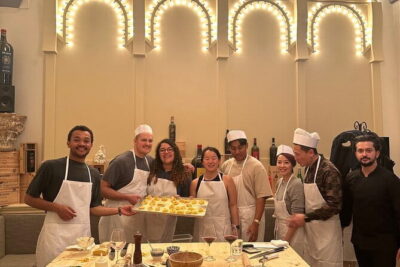
Florence: Pasta Cooking Class with Unlimited Wine
Read our review →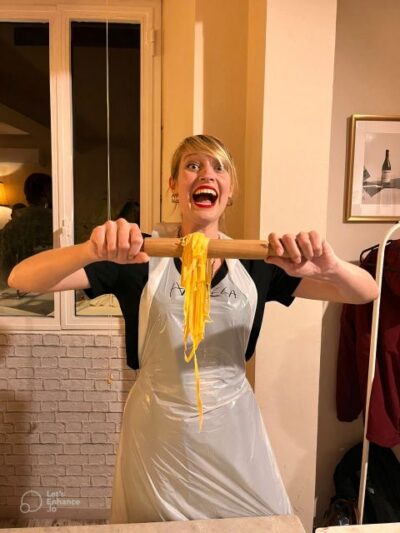
Rome: Pasta Making Class with Wine, Limoncello, and Dessert
Read our review →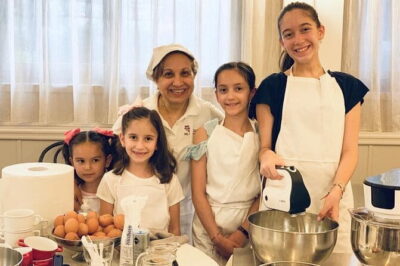
Florence: Cooking Class Pasta & Tiramisu Making Unlimited Wine
Read our review →
Fettuccine & Tiramisù: Cooking Class with Wine & Limoncello
Read our review →
Pasta Making & Wine Tasting with Dinner in Frascati from Rome
Read our review →
Rome Cooking Class: Make Pasta, Dine & Drink Wine With Local Chef
Read our review →
Rome: Combo Pizza and Pasta Cooking Class with Wine
Read our review →Browse the lists this tour appears in