Review · HANOI
Hanoi: Cooking Class in a Local Villa with Market Tour
Hanoi’s food culture makes the most sense when you see the ingredients before they reach your plate. This market-to-table cooking class takes you through a local market in Dong Bac, then to Rose Kitchen, a home-style villa kitchen where you prepare and eat Vietnamese dishes.
I like two things here: you shop for fresh ingredients with a guide rather than simply watching a chef, and the lesson includes the stories behind the food. Guides including Tung, Hazel, Linh, Aroma, and Chloe are praised for clear English, humor, and patient instruction. The main drawback is that the market visit can feel short, and the $37 price is not the cheapest food activity in Vietnam.
Key points at a glance
- A real market first: See fresh produce, herbs, and everyday shopping before you cook.
- Home-style setting: The lesson takes place in a cozy villa kitchen, not a formal culinary school.
- Small groups: A maximum of 10 people keeps the class more personal.
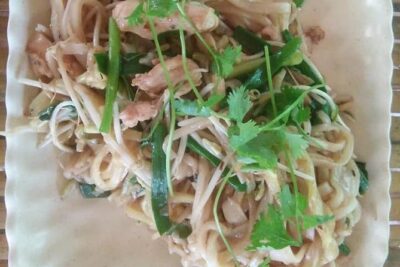
- Hands-on recipes: Make dishes such as fried spring rolls, bun cha, and banana flower salad, with menus subject to change.
- Local extras: Wine tasting, herbal tea, seasonal fruit, and, in some sessions, egg coffee add to the meal.
- Easy transport: Hotel pickup and drop-off are included for hotels in Hanoi’s Old Quarter.
From Hanoi market to the Rose Kitchen
The experience begins with pickup from your Old Quarter hotel. The exact starting time depends on availability, but you should set aside four and a half hours from pickup through drop-off. That is long enough for a market visit, cooking lesson, and leisurely meal without swallowing your whole day.
The first stop is a typical local market. This is not just a quick photo stop. Your guide introduces ingredients and explains how they fit into Vietnamese cooking and daily life. You may see the vegetables, herbs, fruit, and other foods that later appear in your dishes.
I like this order. It gives you a better sense of what Vietnamese cooks actually buy, rather than presenting ingredients in neat bowls at a school counter. You also get useful context about food culture, including the meaning behind certain dishes and the way recipes are passed through families.
The market portion is not designed for extended wandering. One participant wanted another five or ten minutes to browse, and that is a fair point. You will be guided through the market with a purpose, so expect an introduction to local shopping rather than free time to explore every stall.
The market may also feel busy and unfamiliar, especially if you are not used to Southeast Asian food markets. That is part of its value, but the focus is learning about ingredients rather than sightseeing. Keep your attention on the guide, ask questions, and be ready to move along with the group.
More Market Tour Cooking Classes in Hanoi
- Hanoi Cooking Class: Culture, Local Market & Meaning CSR Impact
★ 5.0 · 5,147 reviews - 5 Traditional Dishes Hanoi Cooking Class with Market Trip
★ 5.0 · 4,890 reviews - Vietnamese Food Cooking Class in Hanoi with Market Experience
★ 5.0 · 778 reviews
A cooking class in a cozy villa
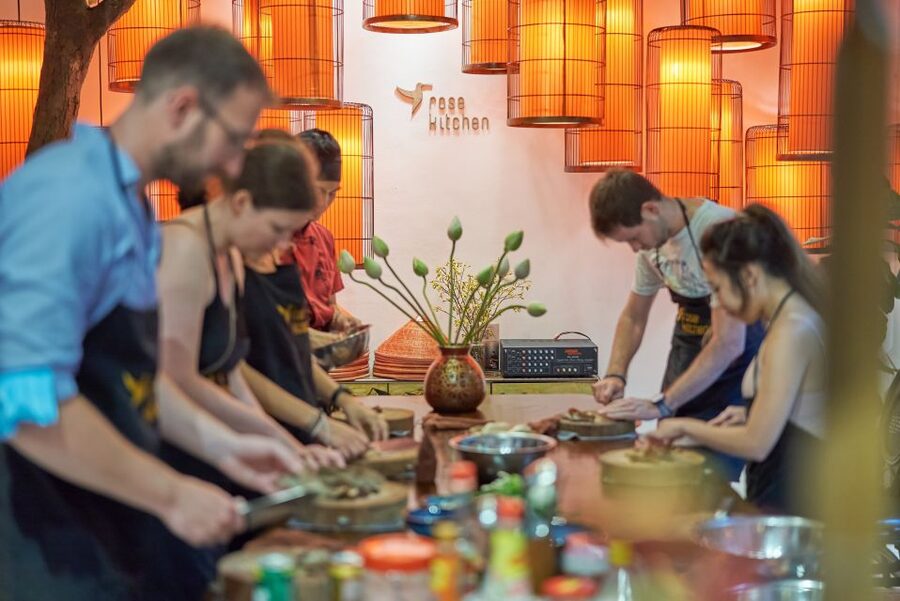
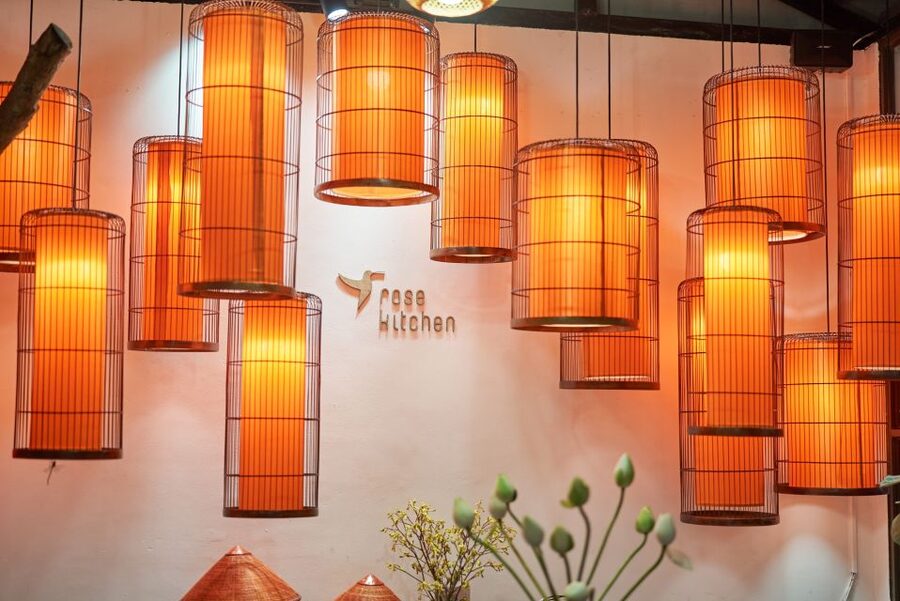
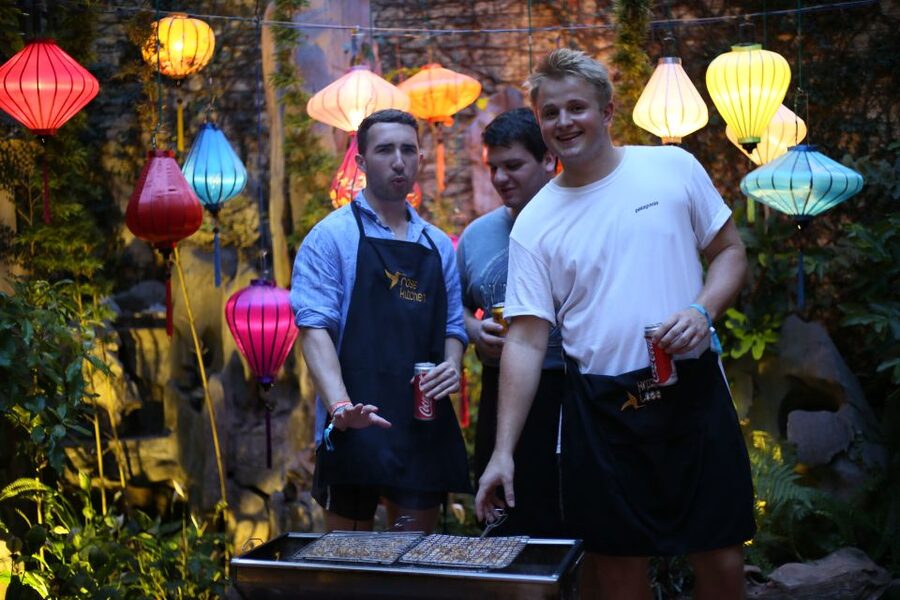
After shopping, you continue to the Rose Kitchen villa. The setting matters. This is not a polished professional cooking school where you watch a demonstration from a distance. It is a home-style kitchen designed for participation, conversation, and sharing food around a table.
That makes the class a good fit for beginners. You do not need advanced knife skills or a background in Vietnamese cooking. The guide explains what to do, helps divide the preparation among the group, and makes sure everyone has a role.
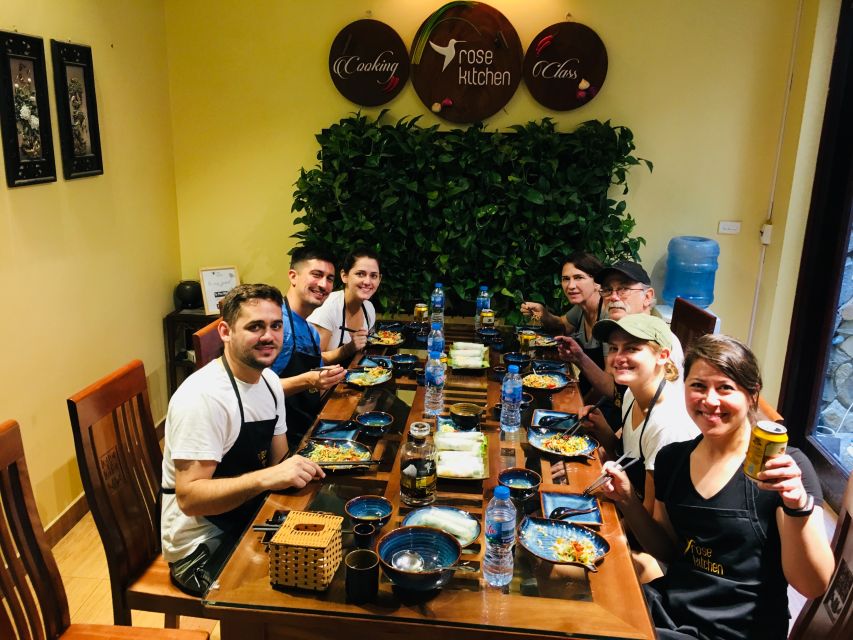
The small-group limit is 10 participants, though one session had six people, which sounds especially comfortable for sharing tasks. A smaller group means you can ask questions without competing for the instructor’s attention. It also makes the final meal more social.
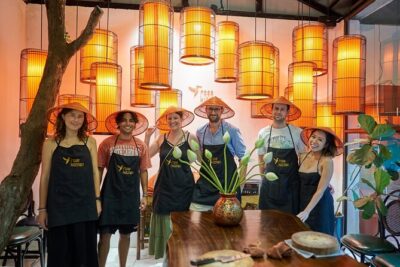
The atmosphere depends partly on your guide. Names that appear in the experience include Tung, Hazel, Linh, Aroma, Chloe, Vanessa, Gracie, Wendy, Apple, and Rose Kitchen’s cooking team. The strongest pattern is clear instruction paired with a relaxed personality. Hazel is described as funny and well prepared, Linh as entertaining and helpful, and Aroma as warm and good at explaining daily life in Vietnam.
Guides are English-speaking, and the class is built around cultural storytelling as well as cooking. You might hear about family recipes, countryside traditions, or why a dish matters in Vietnamese life. The storytelling is one reason this class offers more than a standard recipe lesson.
What you may cook during the lesson
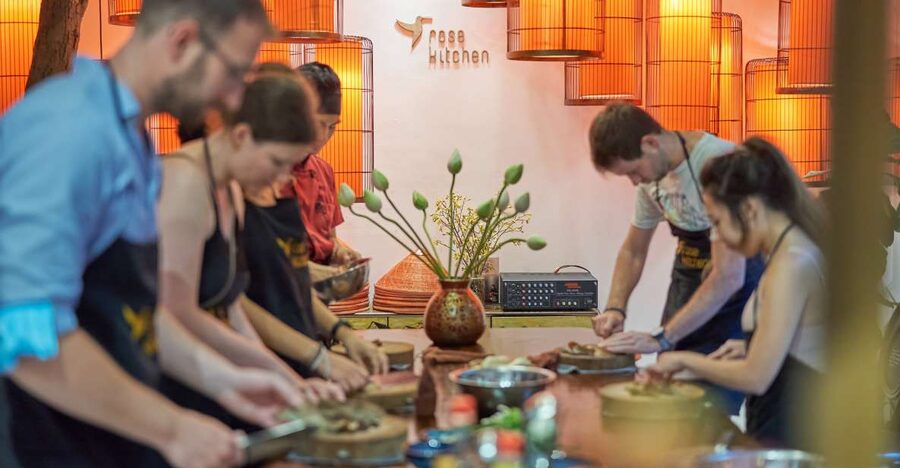
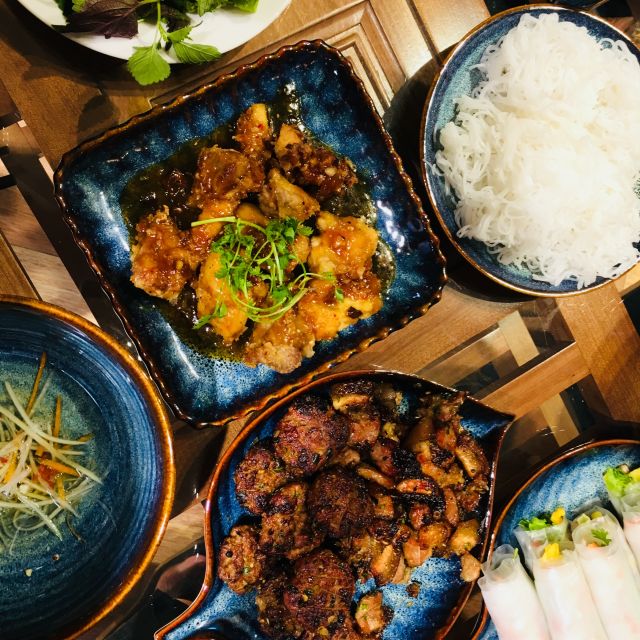
The menu can vary, but dishes named in the experience include fried spring rolls, bun cha, and banana flower salad. That is a useful mix because it covers several kinds of Vietnamese cooking: crisp fried food, grilled or seasoned meat served with noodles, and a fresh salad with a less familiar ingredient.
Spring rolls are a natural choice for a first class. You learn how to prepare the filling, work with wrappers, and shape the rolls before cooking them. The process is hands-on and easy to share, with different people preparing ingredients, folding rolls, or helping with the cooking.
Bun cha gives you a taste of northern Vietnamese food culture. It is especially fitting in Hanoi, where the dish is closely associated with the city. The class gives you a chance to understand the parts of the meal rather than simply ordering a finished bowl at a restaurant.
Banana flower salad is the sort of recipe you might not choose on your own. It introduces a local ingredient and shows how Vietnamese food balances fresh produce, herbs, texture, and seasoning. If you enjoy trying foods that are less familiar, this can be one of the more interesting parts of the meal.
The menu is not presented as a fixed guarantee in the activity details, so do not book expecting one exact set of dishes. The recipes may depend on the day, season, and kitchen plan. That flexibility is useful for a local class, though it means you should ask ahead if one specific dish is your main reason for booking.
Eating what you prepared
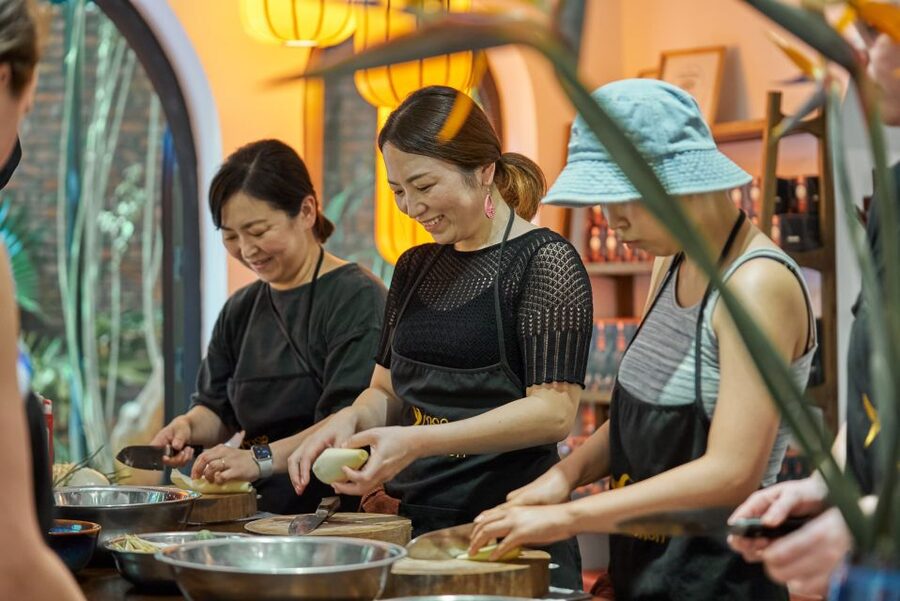
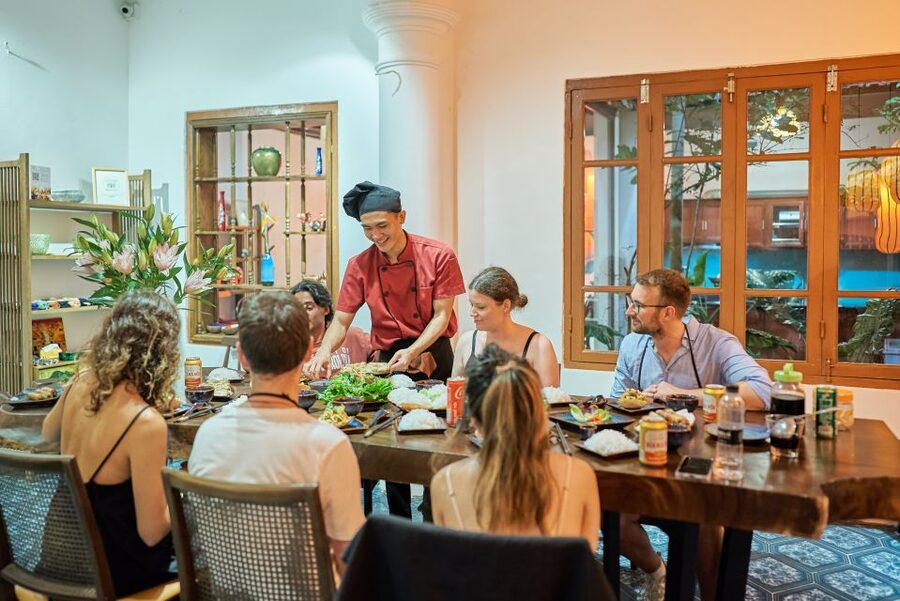
Once the food is ready, you sit down and eat the meal together. This is the reward for the preparation, but it is also when the class becomes most social. You can compare results, continue talking with your guide, and ask about ingredients you noticed at the market.
The meal includes local wine tasting, herbal tea, mineral water, a welcome drink, and seasonal fruit. Some sessions have included mulberry wine and egg coffee. Egg coffee is a Hanoi specialty made with a sweet, creamy egg mixture over coffee, so it is a fitting way to finish the class if it is part of your session.
Alcoholic drinks beyond the included tasting are available to purchase, but they are not part of the basic price. The included drinks are enough to make the meal feel complete without turning the activity into a bar visit.
You should expect plenty of food. The experience is designed around eating your own creations, not taking a few bites before moving on. That makes it especially useful for people who want a substantial half-day activity rather than a short demonstration.
The food may taste better to you because you understand what went into it. You have seen the produce, handled the ingredients, followed the steps, and learned something about the dish’s place in Vietnamese life. That connection is hard to get from a restaurant menu alone.
More Market Tour Cooking Classes in Vietnam
- Hanoi: 5 Local Dishes Cooking Class with Meal & Market Visit
★ 5.0 · 420 reviews - Hanoi Cooking Class and Market Tour in Ancient House
★ 5.0 · 379 reviews - Rose Kitchen Hanoi: Market, Cooking & Culture Tour + Free PickUp
★ 5.0 · 342 reviews - Hanoi Maya Kitchen: Traditional Cooking Class & Market Tour
★ 5.0 · 287 reviews
What makes the cultural side worthwhile
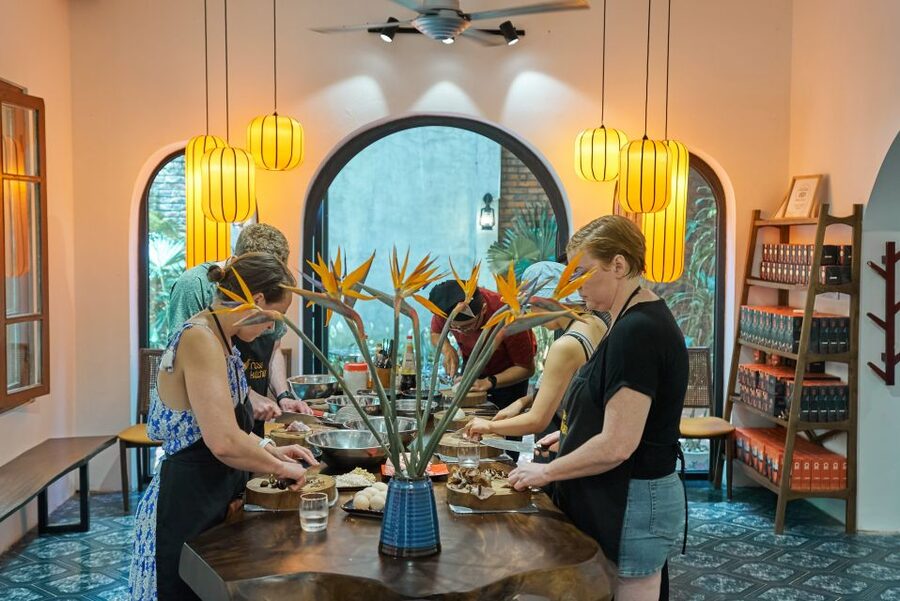
The cooking is the main activity, but the cultural information gives it shape. A dish such as bun cha is not just a combination of noodles, herbs, and meat. The guide can explain how local food is prepared, how family recipes are taught, and how ingredients are used in ordinary Vietnamese households.
That is where the guides matter most. The best ones do not simply translate instructions. They connect the market to the meal and answer questions about daily life. Aroma, for example, has been praised for explaining local life while leading the market visit and cooking session. Wendy is described as staying in touch before the tour and explaining the day clearly.
You also get a look at how a recipe changes when it comes from a home kitchen. The lesson is not built around restaurant speed or perfect presentation. It is about making food together and understanding the method well enough to try it again.
Some participants have received recipes afterward, including an e-book with more than 60 pages of Vietnamese recipes. Treat this as a possible bonus rather than a guaranteed inclusion, since the formal inclusions list does not promise it. Still, it is worth asking your guide if recipes are available after the class.
Is $37 a fair price?
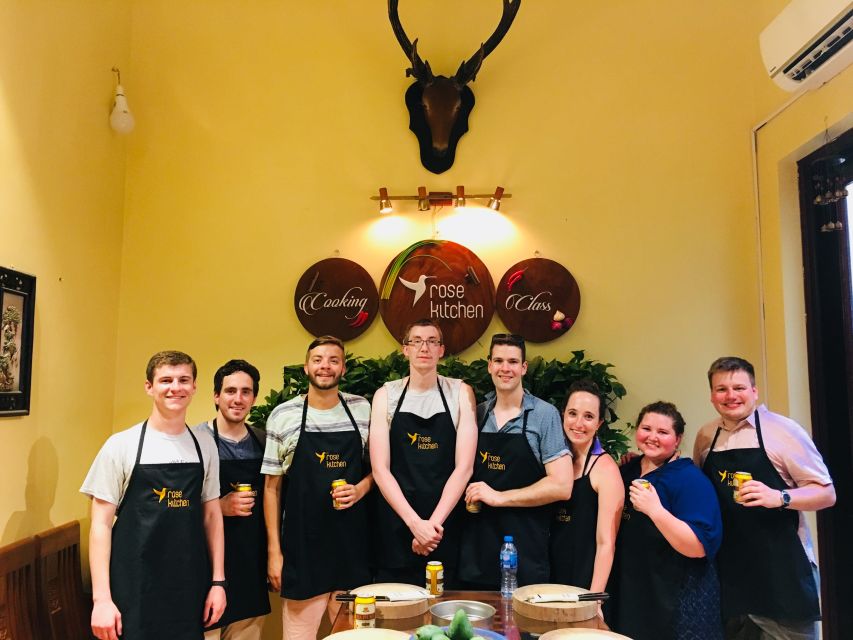
At $37 per person, this costs more than buying a street-food meal or shopping at a market on your own. Vietnam offers plenty of inexpensive food, so you should compare this with what you are paying for: transportation, an English-speaking guide, market orientation, instruction, ingredients, drinks, and a full meal.
For me, the price is reasonable if you want a structured cultural experience. Pickup and drop-off from the Old Quarter remove the hassle of arranging transport. The class also gives you a chance to ask questions and cook dishes you might not confidently attempt alone.
The value is lower if you mainly want to eat. A Hanoi food tour or a few restaurant meals will probably offer more dishes for less money. This activity earns its price through participation, not quantity.
The small group helps justify the cost. With no more than 10 people, you are not lost in a large demonstration. You can handle ingredients, ask for help, and speak with the guide during the meal. A group of six would be especially comfortable, while a full group of 10 may feel more active and shared.
Free cancellation up to 24 hours before the activity and reserve-now, pay-later booking also make it easier to fit into a changing Hanoi schedule. Those policies are useful if your arrival plans are not settled.
Who should book this Hanoi class?
I would recommend it to first-time visitors who want food and culture in the same half-day. It is also a strong choice for families, couples, friends, and solo participants who enjoy meeting people around a shared meal.
Beginners should feel comfortable here. The setting is informal, the instructors guide you through each stage, and you do not need to arrive with cooking experience. People who do not usually cook can still enjoy the market, stories, and meal.
It is also suitable for anyone with a serious interest in Vietnamese ingredients. The market visit gives you a chance to ask about unfamiliar produce before you encounter it in a recipe. If you have allergies or special food requests, raise them before or at the start of the class. The kitchen has accommodated special wishes in some sessions, but the supplied details do not promise every dietary need can be met.
This is less suitable if you want a long, unstructured market visit. The market section is guided and fairly focused. It is also not the right pick if you want a formal chef-school setting, advanced culinary training, or a guaranteed menu.
Practical details before you go
Pickup is included only for hotels in Hanoi’s Old Quarter. If your hotel is elsewhere, check the arrangement before booking rather than assuming the transfer applies.
The class is conducted in English. The named instructors are praised for clear communication, but the experience remains conversational and hands-on, so you should be ready to ask questions if a step is unclear.
Allow the full four and a half hours. The exact start time varies, and the experience includes transport, the market, cooking, eating, and drinks. Do not place a tight appointment immediately afterward.
The activity takes place in Dong Bac, Vietnam, at a local villa kitchen associated with Rose Kitchen Hanoi. It is not described as a professional cooking school, which is good news if you want a relaxed home setting, but important to know if you expect commercial teaching facilities.
At $37, this is a mid-range Hanoi activity rather than a bargain meal. The rating of 4.9 from 320 reviews reflects very strong satisfaction, especially with the guides, food, smooth organization, and cultural explanations. The recurring weakness is the short market time, not the cooking or meal itself.
Should you book the Rose Kitchen experience?
Book it if you want to do more than sample Vietnamese food. You will see ingredients at a local market, prepare several dishes with an English-speaking guide, and sit down to eat what you made. The class works particularly well early in a Vietnam trip, when the market and food lessons can help you understand later meals.
I would skip it only if your priority is the lowest possible food cost, a long market wander, or advanced chef training. For most visitors who enjoy cooking, conversation, and a generous shared meal, Rose Kitchen offers a practical and personal way to spend half a day in Hanoi.
FAQ
How long does the cooking class last?
The full experience lasts 4.5 hours, including the market visit, cooking lesson, meal, and included activities.
What is included in the price?
The $37 price includes Old Quarter hotel pickup and drop-off, an English-speaking guide and instructor, the market visit, cooking lesson, wine tasting, herbal tea, mineral water, a welcome drink, and seasonal fruit.
Where does the activity take place?
The experience takes place in Dong Bac, Vietnam, with the cooking lesson held in a local villa kitchen associated with Rose Kitchen Hanoi.
Is hotel pickup included?
Yes. Free pickup and drop-off are included for hotels in Hanoi’s Old Quarter.
How many people are in the group?
The activity is limited to 10 participants.
Is the class suitable for beginners?
Yes. The class takes place in a home-style kitchen rather than a professional cooking school and is designed for home cooks, including beginners.
What language is the class conducted in?
The instructor speaks English, and English is the listed language for the experience.
Can I cancel the booking?
You can cancel up to 24 hours in advance for a full refund. Reserve-now, pay-later booking is also available.
More Hands-On Workshops in Hanoi
- Hanoi: Handcrafted Wood Carving Workshop with Local Artisan
★ 5.0 · 733 reviews - Hanoi Cooking Class: Pho/Bun Cha/Banh Xeo…+Free Egg/Salt Coffee
★ 5.0 · 267 reviews - Private Cooking Class with 5 dishes of your choice
★ 5.0 · 227 reviews - Experience Hanoi Cooking Class with Free Wine Tasting
★ 5.0 · 210 reviews
More Shopping Trips in Hanoi
- Hanoi: Maya Traditional Cooking Class & Market Tour
★ 4.9 · 243 reviews - Hanoi: Old Quarter Market Tour and Cooking Class with Meal
★ 4.8 · 192 reviews - Cooking Class and Lunch at a Tuscan Farmhouse with Local Market Tour from Florence
★ 5.0 · 4,831 reviews - Chiang Mai: Cooking Class, Market & Thai Herbs Garden Tour
★ 4.9 · 4,824 reviews
Just added around Hanoi
- Hanoi: Old Quarter Market Tour and Cooking Class with Meal★ 4.8 · 192 reviews
- Experience Hanoi Cooking Class with Free Wine Tasting★ 5.0 · 210 reviews
- Private Cooking Class with 5 dishes of your choice★ 5.0 · 227 reviews
- Hanoi: Maya Traditional Cooking Class & Market Tour★ 4.9 · 243 reviews
- Hanoi Cooking Class: Pho/Bun Cha/Banh Xeo…+Free Egg/Salt Coffee★ 5.0 · 267 reviews
- Hanoi Maya Kitchen: Traditional Cooking Class & Market Tour★ 5.0 · 287 reviews
- Rose Kitchen Hanoi: Market, Cooking & Culture Tour + Free PickUp★ 5.0 · 342 reviews
- Hanoi Cooking Class and Market Tour in Ancient House★ 5.0 · 379 reviews
Cooking Classes with a Market Tour, compared.
Hanoi Cooking Class: Culture, Local Market & Meaning CSR Impact
Read our review →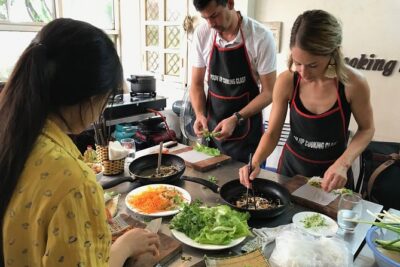
5 Traditional Dishes Hanoi Cooking Class with Market Trip
Read our review →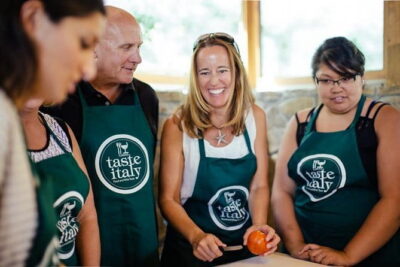
Cooking Class and Lunch at a Tuscan Farmhouse with Local Market Tour from Florence
Read our review →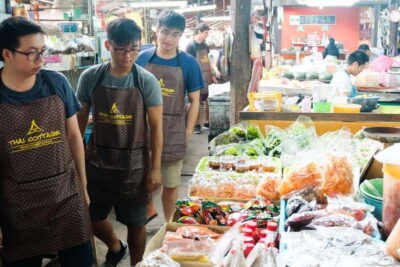
Chiang Mai: Cooking Class, Market & Thai Herbs Garden Tour
Read our review →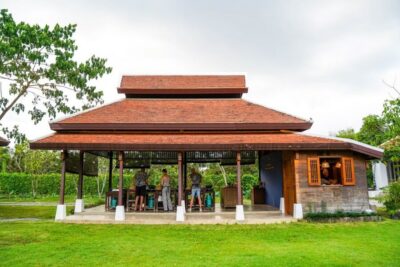
Chiang Mai: Authentic Cooking Class with Market & Farm Visit
Read our review →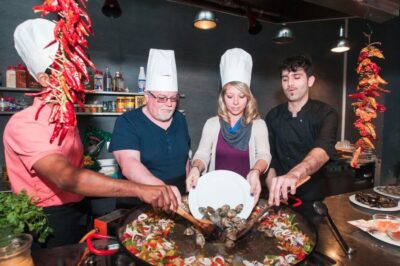
Barcelona: Paella Cooking Experience & Boqueria Market Tour
Read our review →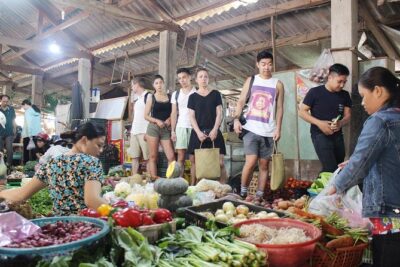
Cooking Class Hoi An:Local Market, Basket Boat, Fishing & Cooking
Read our review →