Review · LUANG PRABANG
Luang Prabang: Cooking Class at the Former Royal Palace
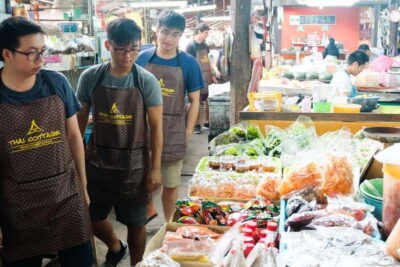
The best part of this Luang Prabang experience happens before the first pan heats up. You visit the morning market with a local chef, who explains unfamiliar herbs, vegetables, fruit, and spices while helping you see how Lao food begins at the stall, not the restaurant.
I like the small group of no more than 10 people and the calm riverside setting at Alame Restaurant. I also like that you cook and eat the food yourself, rather than sitting through a demonstration. The main drawback is the break between the market visit and the cooking class. During roughly two hours of preparation, you may need to find your own way to fill the time.
Key points at a glance
- Market with a chef: Visit Luang Prabang’s morning market by bicycle or tuk tuk and learn what local ingredients are used for.
- Several Lao dishes: Prepare dishes such as laab, sour soup, fresh appetizers, sticky rice, and coconut desserts, depending on the day’s menu.
- Riverside cooking: Cook at Alame Restaurant, with the Mekong visible from the terrace.
- Good local guides: Noi, Nov, and Vannasone are among the chefs and guides named in the experience, each offering clear instruction and a relaxed pace.
- Recipes included: Take home recipes so the class can continue in your own kitchen.
- Four-hour plan: Allow a full morning and lunchtime, with market sightseeing, cooking, and a meal.
A market morning beside Wat Xiengthong
The meeting point is Victoria Xiengthong Palace on Kounxoau Road in Ban Phonehueng, near Wat Xiengthong Temple. From there, the experience begins with the local morning market. Transport is by bicycle or tuk tuk, depending on the arrangement and group.
This is not simply a quick stop to look at food stalls. Your chef leads you through the market and explains the ingredients that shape Lao cooking. You might see herbs, vegetables, fruit, spices, and other foods that are hard to identify without help. A chef can point out what belongs in a sour soup, what gives laab its fresh flavor, and which ingredients are eaten as snacks or used in everyday meals.
That explanation is the real value of this first hour. You begin to understand why Lao food tastes so fresh and herbal, and you get a closer look at the connection between market shopping and home cooking. Some guides also buy small items for the group to taste. One morning market visit included samples of fruit and other local foods, which gave the lesson a useful, hands-on start.
The market can feel intense. It is an early, working market rather than a polished food hall, so you should expect narrow paths, unfamiliar sights, and plenty of activity. One participant described the visit as interesting and hair raising, which is a fair warning if you prefer quiet sightseeing. Wear a hat, stay near your guide, and be comfortable standing and walking for an extended period.
The market visit lasts about an hour. It is one of the strongest parts of the experience for anyone who wants more than a recipe card. You learn what to look for and gain context that you would miss by arriving straight at the cooking table.
More Hands-On Workshops in the world:
- Half-Day Thai Cooking Class at Organic Farm in Chiang Mai
★ 5.0 · 19,087 reviews - Florence: Pasta Cooking Class with Unlimited Wine
★ 4.9 · 10,285 reviews - 3 in 1 Cooking Class near Navona: Fettuccine, Ravioli & Tiramisu
★ 5.0 · 7,376 reviews
The two-hour pause before cooking
The schedule includes a gap after the market while the chefs prepare ingredients. This is the one part you should understand before booking. The activity is described as four hours overall, with about one hour for sightseeing, two hours for cooking, and one hour for lunch. In practice, the market visit and cooking class are separated by a roughly two-hour interval.
Some people use this time for coffee, nearby temples, shops, or a walk along the river. The location near Wat Xiengthong gives you plenty to see in the surrounding area, but the break is not presented as a guided activity. You are essentially on your own until the kitchen is ready.
This pause has a benefit. When you return, much of the preparation is complete, so the class can focus on mixing, seasoning, cutting selected ingredients, and cooking. You will not spend the whole session peeling and chopping. Still, if you want to prepare every dish from start to finish, the schedule may feel less satisfying.
One useful question to ask before booking is how much of the preparation you will personally do. The class is hands-on, but the whole group contributes to shared dishes. Some people prefer this social format. Others want to make one recipe independently from raw ingredients to final plate. This experience leans toward the first style.
Cooking Lao food at Alame Restaurant
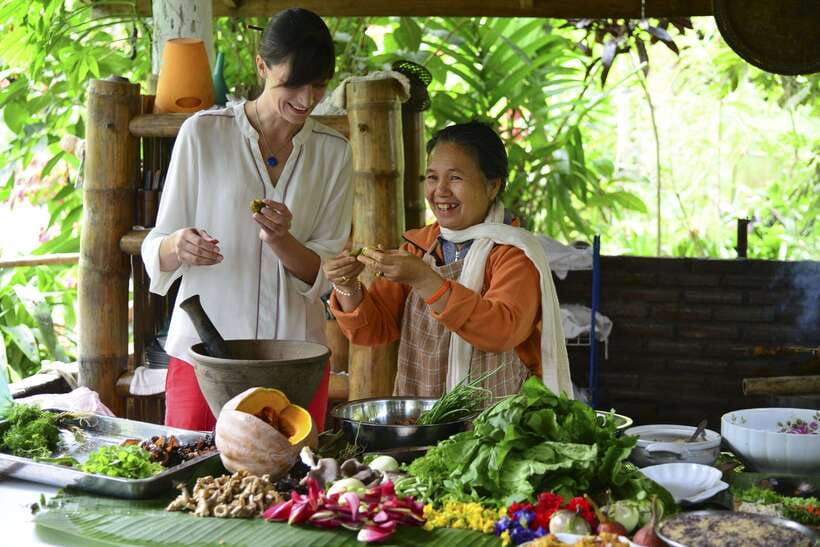
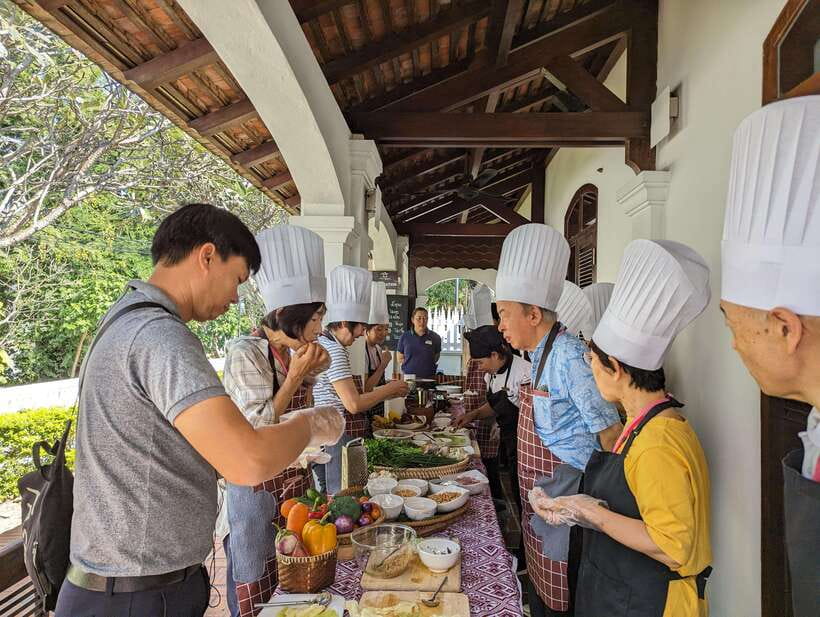
The cooking takes place at Alame Restaurant, a peaceful riverside restaurant connected with Victoria Xiengthong Palace. The setting is a major part of the appeal. Several sessions have taken place on a terrace overlooking the Mekong, with the old palace atmosphere, temple bells, and river activity nearby.
You are not cooking in a plain classroom. The heritage setting gives the meal a sense of place, while the open riverside terrace keeps the mood relaxed. It is a pleasant contrast to the busy market and makes the class feel tied to Luang Prabang rather than copied from a generic cooking studio.
The instructor speaks English. Named chefs include Noi, Nov, and Vannasone, and the teaching style appears to be friendly and patient. Noi is described as funny and clear in her explanations. Nov guided the market visit and helped participants understand the food. Vannasone led a traditional menu on the terrace and carefully guided the group through the dishes.
Menus can vary, but the classes have included four dishes or a three-course meal with additional items. Past menus have featured:
- Sticky rice
- Fresh appetizers
- Sour soup with pork, mushrooms, and herbs
- Chicken laab
- Fresh Lao salads
- Fragrant curries
- Coconut rice balls or another coconut dessert
You should not assume that every class prepares exactly these dishes. The menu depends on the session, ingredients, and chef. The important point is that the food is traditional Lao cooking, not a tourist version of familiar Southeast Asian dishes.
Laab is a good example of what makes the class useful. It is more than a meat salad. The balance of herbs, vegetables, sour notes, and seasoning matters, and a local chef can show you how the parts work together. Sticky rice also deserves attention. It is central to many Lao meals, and learning how it is prepared gives you a better sense of how food is eaten locally.
The group works together, so your exact role can vary by dish. You may chop, season, stir, shape, or finish a recipe under guidance. The class is suitable for beginners, and the instructors explain the steps clearly. At the same time, experienced cooks should know that this is not a private chef lesson with full control of every course.
Lunch with the Mekong in view
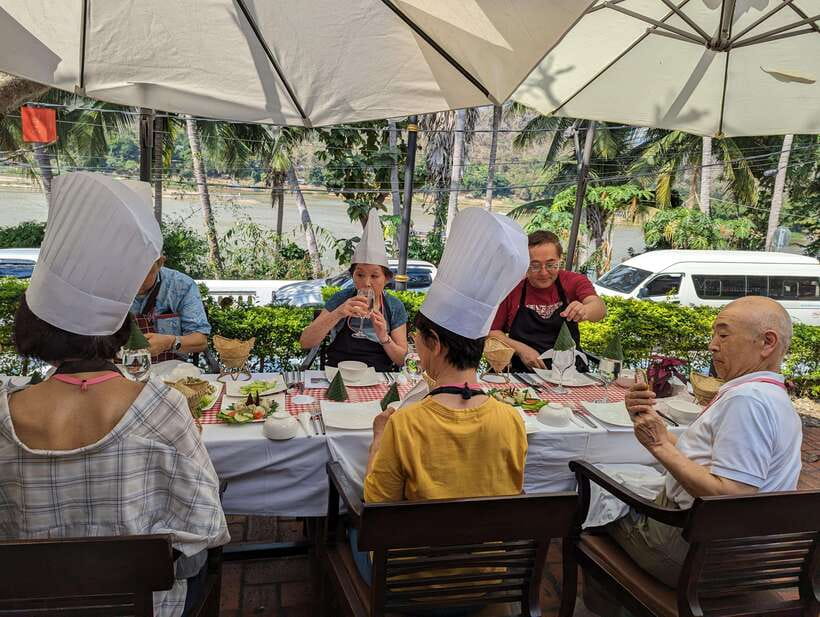
After cooking, you sit down to eat the dishes prepared by the group. Lunch is served at the restaurant, often on the terrace overlooking the Mekong. This final hour turns the lesson into a complete food experience.
I like this part because you can taste the result while the instructions are still fresh. You notice which herbs came through, how the soup was balanced, and how the texture of the sticky rice works with the other dishes. The setting also slows the day down. After the market and the cooking, a quiet meal by the river feels well timed.
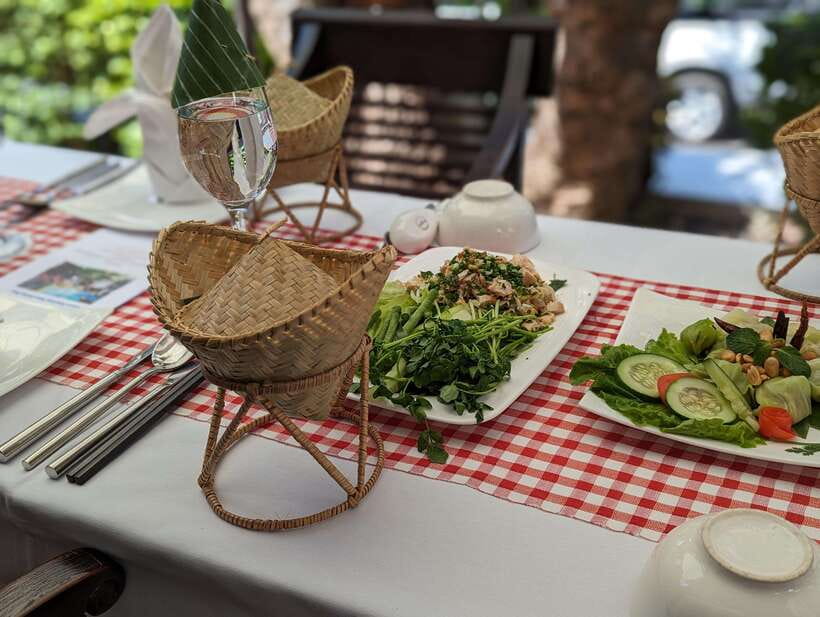
Portions and menus vary, but the meal can be substantial. Several participants describe eating four dishes, including soup, laab, appetizers, and dessert. The food is served as lunch, not as a small tasting plate, so arrive ready to eat.
Drinks are not included. Bring money if you want something beyond the food, and remember that drinks are not allowed in the vehicle used for the market transfer. Alcohol and drugs are prohibited during the activity.
Vegetarian options are available if you request one in advance. This is important because the shared menu may otherwise include pork or chicken. If you eat vegetarian food, do not wait until the morning of the class to mention it.
A few more cooking classes around the world worth a look
- Florence: Pasta & Tiramisu Cooking Class with Unlimited Wine
★ 4.9 · 6,708 reviews - Florence: Pasta Cooking Class with Unlimited Wine
★ 5.0 · 6,413 reviews - Hanoi Cooking Class: Culture, Local Market & Meaning CSR Impact
★ 5.0 · 5,147 reviews - 5 Traditional Dishes Hanoi Cooking Class with Market Trip
★ 5.0 · 4,890 reviews
What the $45 price includes
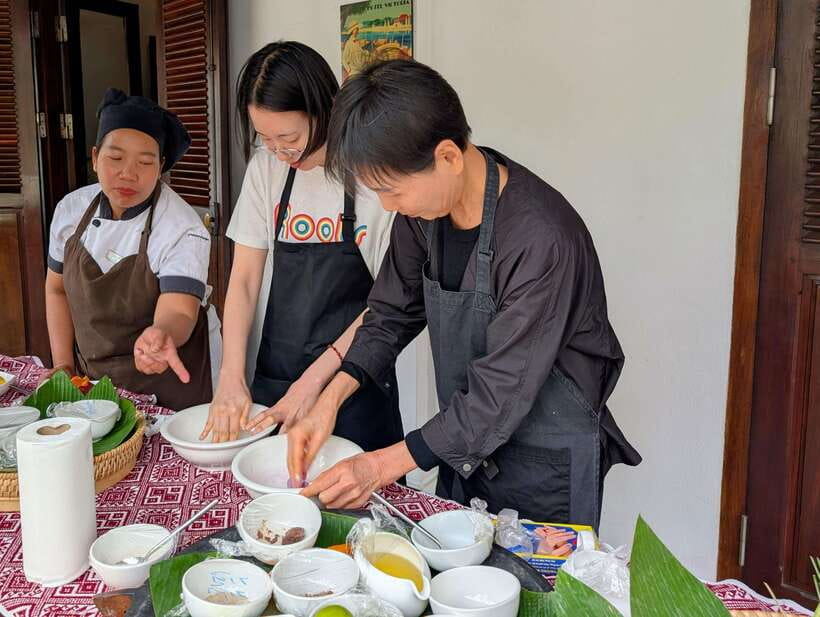
At $45 per person, this is not the cheapest way to eat in Luang Prabang. You can find inexpensive meals in Laos, and a market visit costs little on its own. The price makes more sense when you count the included transport, chef instruction, market orientation, hands-on cooking, and full lunch.
You are paying for a compact cultural experience rather than only for food. The chef helps you identify local ingredients, the restaurant supplies the kitchen and staff, and the group prepares several dishes before sitting down to eat. You also receive recipes, which adds value if you actually cook Lao food at home.
The small group matters here. A maximum of 10 people is large enough for a social meal but small enough for the instructor to move around and offer help. A private session is possible when only one person books, though you should not count on that. One solo participant had a private class, while a group of seven also found the pace comfortable.
The value is strongest for you if you want to learn how Lao food is built. It is weaker if you mainly want a market tour or a restaurant lunch. You are paying for the combination of all three parts.
Who should book this class
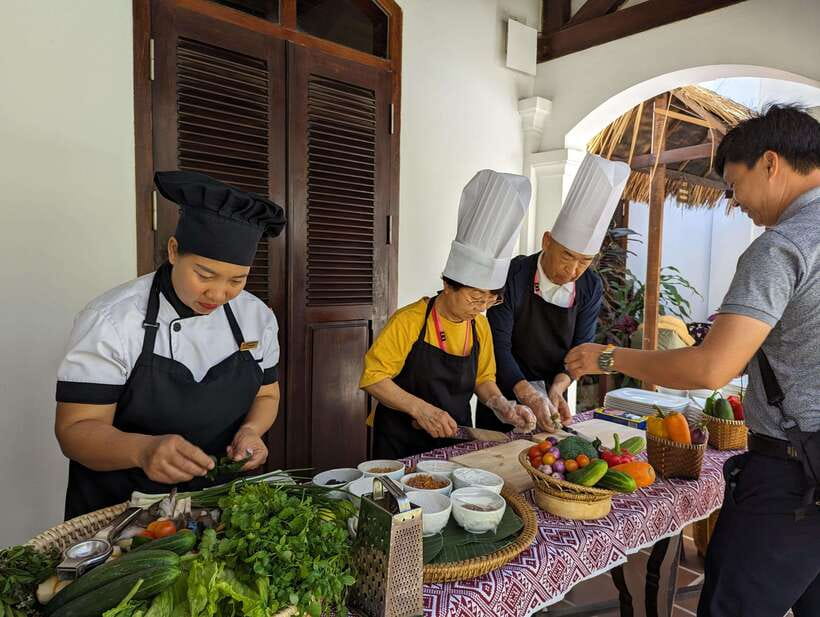
I would recommend this activity to food lovers, curious first-time visitors to Laos, couples, families with older children, and anyone who enjoys practical cultural activities. You do not need cooking experience. The instruction is in English, and the chefs guide you through each step.
It also suits people who like a gentle pace. The cooking itself is interactive, but the day is not rushed. The group has time for the market, the preparation break, the meal, and conversation.
You should think twice if you want continuous activity from the moment you meet until lunch. The two-hour preparation pause is a real gap. You should also reconsider if you dislike market conditions, standing for a long time, or shared cooking duties.
The activity is not suitable for wheelchair users, babies under one year, or people over 95 years old. A hat is recommended. Baby carriages, weapons or sharp objects, alcohol, and drugs are not allowed.
How this compares with a regular food tour
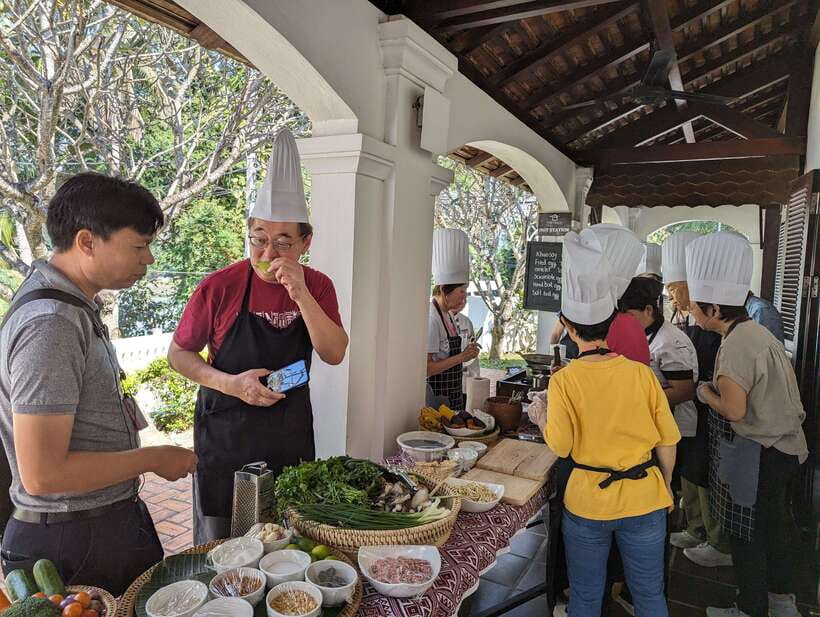
A standard food tour usually takes you from stall to stall or restaurant to restaurant. You taste dishes, hear some explanation, and move on. This class gives you more control over the food, but less constant sightseeing.
The market portion is the strongest choice if you want help understanding ingredients. The cooking portion is best if you want to remember the meal through your own work. The lunch is the payoff, especially with the Mekong view.
The tradeoff is that you may not sample as many separate foods as you would on a dedicated street food tour. You also will not spend the entire morning actively cooking. This is a market visit, class, and lunch in one package, not a specialist experience in only one of those areas.
Practical advice before you go
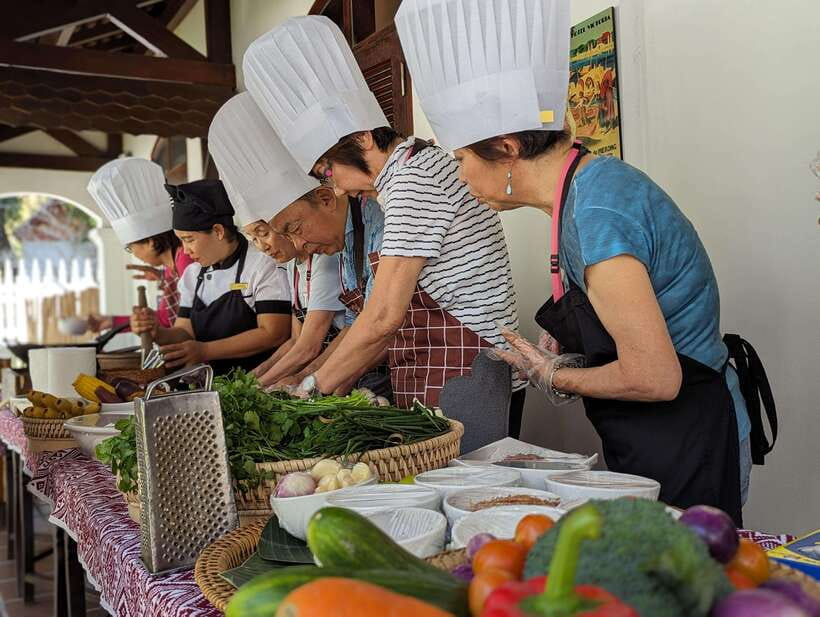
Wear comfortable clothes and shoes. You will stand at the market and during cooking, and a hat will help in the morning sun. Keep your belongings manageable because the market may have tight paths.
Tell the operator about vegetarian needs in advance. The class includes shared dishes, so dietary planning matters more than it would at a normal restaurant.
Expect the menu to change. The chefs use local ingredients, and the dishes named above are examples from past sessions rather than a guaranteed list. Bring an appetite, since the lunch can include several courses.
Plan something flexible for the two-hour pause. A coffee, temple visit, shop browse, or river walk can fit well, but do not schedule a separate timed attraction immediately afterward. The class may take the full four hours.
The activity offers free cancellation up to 24 hours before the start time, and you can reserve while paying later. That is useful if your Luang Prabang plans may shift.
Should you book it?
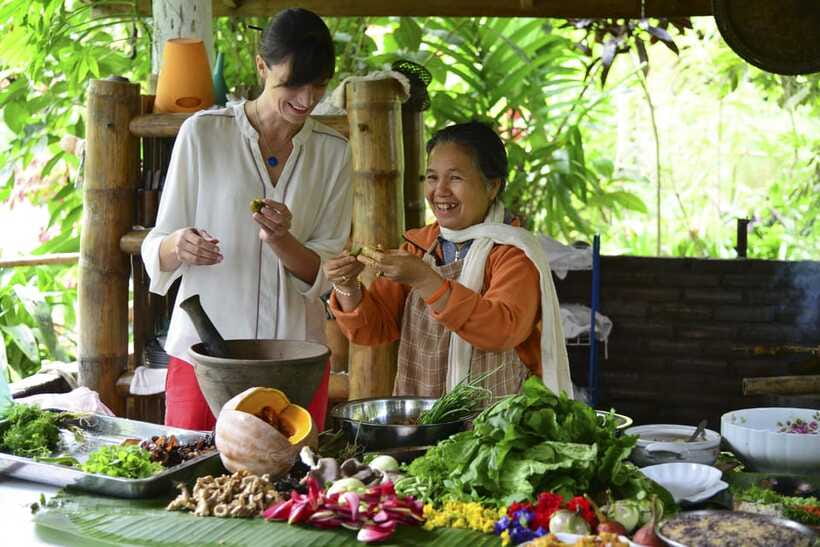
Book this class if you want to understand Lao food through the market, prepare several dishes with a local chef, and eat lunch in a heritage riverside setting. The strongest features are the market explanations, the relaxed English-speaking instructors, the small group, and the recipes you take home.
Skip it if you want a nonstop cooking workshop or a private lesson where you prepare every dish alone. The two-hour preparation break and shared cooking format are the main limitations.
For most food-focused visits to Luang Prabang, I think the combination earns the $45 price. You leave with a full meal, a better sense of local ingredients, and enough guidance to bring Lao flavors back to your own kitchen.
FAQ
Where does the cooking class meet?
The meeting point is Victoria Xiengthong Palace on Kounxoau Road in Ban Phonehueng, near Wat Xiengthong Temple.
How long does the activity last?
The activity lasts about four hours. The schedule includes roughly one hour of sightseeing, two hours of cooking, and one hour of lunch.
How do I reach the morning market?
The morning market visit includes transport by bicycle or tuk tuk.
Is the class taught in English?
Yes. The instructor language is English.
How many people are in the group?
The group is limited to 10 participants.
What food do you cook?
Menus vary, but dishes prepared in past classes include sticky rice, fresh appetizers, sour soup, chicken laab, salads, curries, and coconut desserts.
Is lunch included?
Yes. Lunch featuring the dishes prepared during the class is included.
Are vegetarian dishes available?
Yes. Vegetarian options are available, but you need to notify the operator in advance.
What should I bring?
Bring a hat and wear clothing suitable for extended standing. Drinks, alcohol, drugs, weapons, sharp objects, and baby carriages are not allowed.
Just added around the world
- A Coruña: Local Market Shopping and Cooking Workshop★ 5.0 · 16 reviews
- Vegan/Vegetarian Ramen and Gyoza by Bentoya cooking★ 5.0 · 59 reviews
- Traditional Zanzibar Cooking Class including Spice Tour★ 4.5 · 14 reviews
- Verona: Pasta and Tiramisu Cooking Class with Fine Wine★ 4.8 · 633 reviews
- Hoi An/Da Nang: Vegetarian Cooking Class & Basket Boat Ride★ 4.8 · 90 reviews
- Hoi An : Vegetarian Cooking Class W Optional Coconut Village★ 4.9 · 28 reviews
- Hoi An Vegan Cooking School with Local Chef and Basket Boat★ 4.8 · 31 reviews
- Tbilisi: Cooking Class with a Local Family★ 5.0 · 104 reviews
Cooking Classes, compared.
Half-Day Thai Cooking Class at Organic Farm in Chiang Mai
Read our review →
Florence: Pasta Cooking Class with Unlimited Wine
Read our review →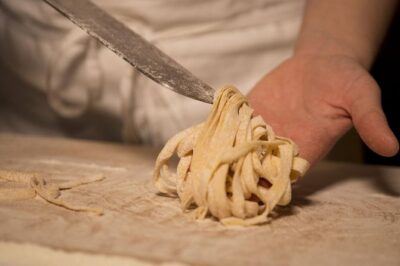
3 in 1 Cooking Class near Navona: Fettuccine, Ravioli & Tiramisu
Read our review →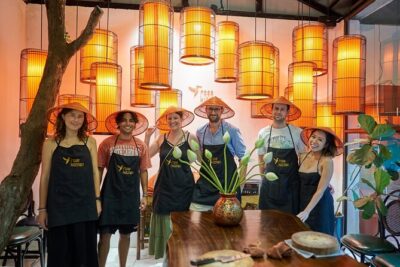
Hanoi Cooking Class: Culture, Local Market & Meaning CSR Impact
Read our review →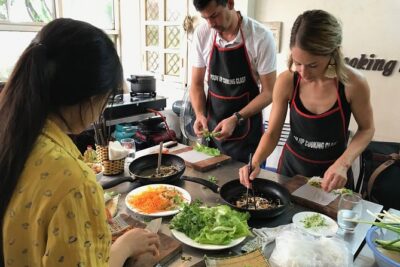
5 Traditional Dishes Hanoi Cooking Class with Market Trip
Read our review →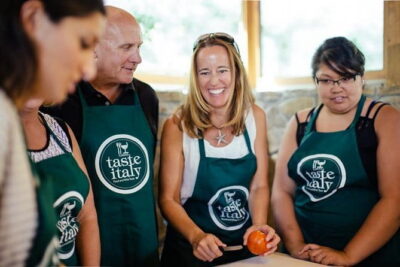
Cooking Class and Lunch at a Tuscan Farmhouse with Local Market Tour from Florence
Read our review →