
Review · MUMBAI
Mumbai Coastal Cooking: From Fishing Net to Flavourful Plate
Mumbai’s fishing communities were here before the modern city took shape, and this three-hour experience gives you a close look at that older Mumbai. You may visit a fishing village, boats, docks, and a fish market before cooking in the home of Kavita and her husband, Ravi.
I like the home cooking lesson, where you can help prepare fish curry, fried mandeli, rice, roti, and chapati. I also like the chance to see practical work such as net weaving and fish selling, rather than only visiting famous sights.
The main consideration is that the village visit is not guaranteed. Access restrictions changed one booking into a home-based cooking session, which lasted about three to four hours and still delivered a meaningful local encounter.
Key points to know before booking
- Kavita and Ravi host the cooking portion: Both speak very good English, making it easy to ask questions about food, family life, and daily routines.
- The route can change: A planned fishing-village visit may be replaced by more time cooking and talking at the host’s home.
- Expect a private group: This is not a large class or a standard bus tour.
- Seafood is the star: Fish curry and fried mandeli are among the dishes prepared, along with rice and Indian flatbreads.
- The price is modest for a private cultural visit: At $21 per person, the value comes from direct contact, food, and instruction rather than a long list of formal sights.
- The meeting point depends on your booking option: Check the exact starting point before you leave for the activity.
Mumbai’s fishing roots before the city grew
Mumbai began as a group of seven islands, and fishing was a central occupation long before the city filled with rail lines, apartment blocks, and office towers. This experience gives that older story a human scale.
You are not simply looking at a monument and moving on. You may see the working waterfront, fishing boats, woven nets, and the docks where local trade takes place. That helps you understand Mumbai as a coastal city, not just as India’s film and finance center.
The experience begins at a designated meeting point, then typically continues by tuk-tuk to the fishing community. That ride is part of the appeal. It connects the polished visitor areas with ordinary residential streets and the places where local work still happens.
The route includes a historic festive ground linked to the British period. The supplied information does not give the site’s name or explain how much time you spend there, so treat it as a short cultural stop rather than the main attraction.
A few more cooking classes around India worth a look
- Cooking Class Hoi An:Local Market, Basket Boat, Fishing & Cooking
★ 5.0 · 3,660 reviews - Hoi An Cooking Class(Local market,Basket Boat,Fishing & Cooking)
★ 5.0 · 1,323 reviews - Hoi An: Market Experience with Optional Fishing and Cooking
★ 4.7 · 928 reviews
At the beach, boats, and net-weaving area
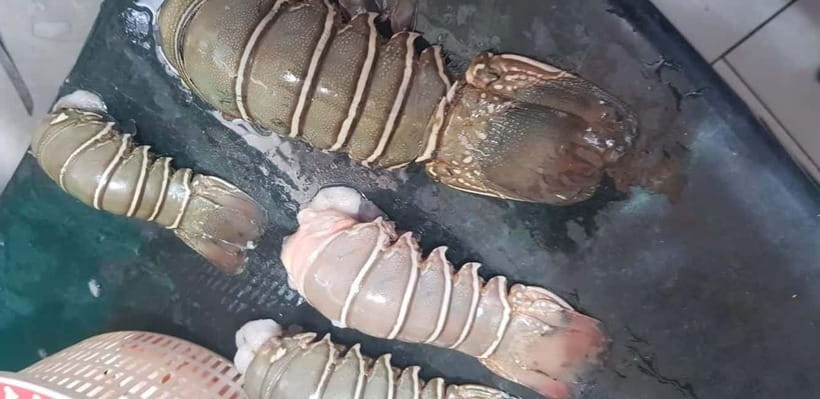
The beach visit focuses on the working side of the community. You can expect to see fishing boats and observe how nets are woven and repaired.
Net work may sound simple, but it gives you a useful look at the skills behind the catch sold in the market. The activity is not only about eating seafood. It connects the finished dish with the labor, tools, and coastal setting that make it possible.
You should keep your expectations practical. This is not described as a long beach outing, a boat ride, or a wildlife trip. You will not be signing up for swimming or sailing. The value is in seeing fishing work up close and having a host explain the local setting.
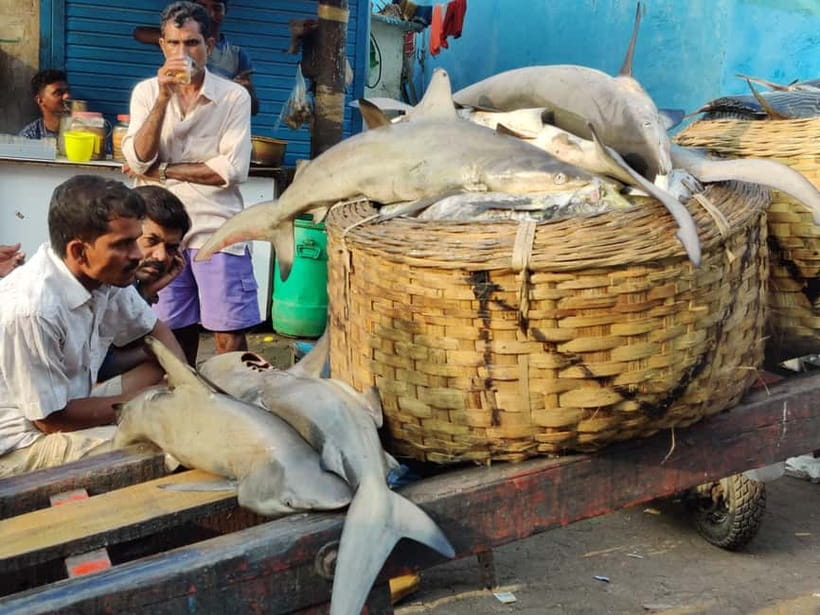
The docks offer another useful stop. Fish markets and working docks can be crowded and active, so you should be ready for noise, movement, and strong seafood smells. That is part of the setting, not a polished attraction designed for sightseeing.
Meeting the women at the fish market
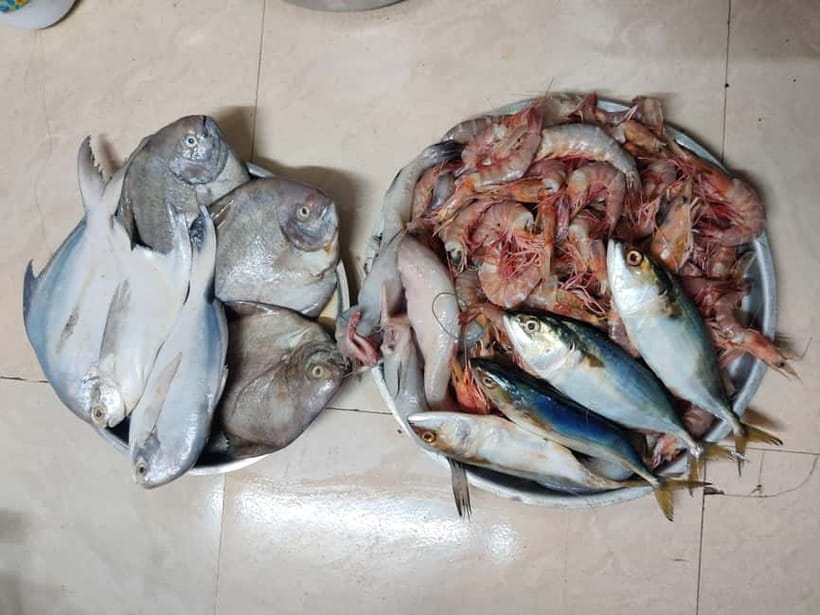
The market is one of the more memorable parts of the plan. You walk through stalls where fisherwomen sell fresh catches, often wearing colorful sarees. This is a chance to see how seafood enters local kitchens before it becomes curry or fried fish.
A guide matters here. Without help, you might recognize the market as lively but miss the small details: what is being sold, how the vendors work, and how the shopping connects with the cooking session later.
The market visit also gives the tour a clear shape. You first see the fishing community and its trade, then you take those ingredients into a kitchen. That market-to-plate connection is more useful than visiting a market as a quick photo stop.
The exact route can change. One booking included shopping in a residential area reached by metro instead of following the stated tuk-tuk and village plan. That means you should view the market visit as a flexible part of the experience, not a fixed sequence of stops.
The home kitchen with Kavita and Ravi
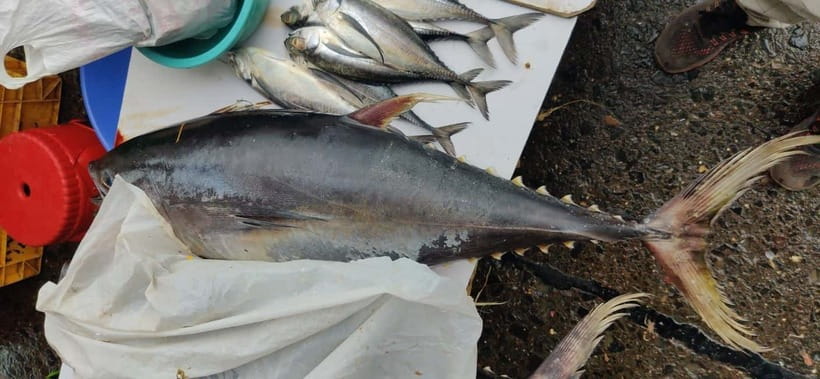
The strongest part of the experience is the time spent with Kavita in her home. She teaches the cooking step by step, and her husband Ravi joins the meal and conversation.
The class is personal rather than formal. You are not sitting in a large demonstration room watching a chef work from a distance. You can help with parts of the preparation, including frying a batch of mandeli, and ask questions as the meal takes shape.
The dishes described include fish curry, fried mandeli, rice, roti, and chapati. The wider activity description also includes chicken dishes, local fisherman’s bread, and a sour-spicy drink, though the dishes prepared can vary. Ask at the start what is on that day’s menu if a particular item matters to you.
Kavita also uses the food to explain Indian cooking beyond a single recipe. You can learn how the fish is handled, how the curry comes together, and how flatbread is shaped and cooked. The lesson is useful even if you do not usually cook, because the focus is on understanding the food as part of home life.
The meal is shared after cooking. That simple change from student to dinner companion is important. It gives you time to talk without rushing to the next scheduled sight.
Same place, a different menu:
- Pink City Cooking Class
★ 5.0 · 452 reviews - Five Course Cooking Class & Meal
★ 5.0 · 250 reviews - AI Tour – Cook, Talk, Dine & more with locals at their Delhi Home
★ 5.0 · 238 reviews - Veg and Non veg : Private Cooking Class in Delhi home (7 meal)
★ 5.0 · 226 reviews
What the personal conversation adds
The conversation is a major part of the value here. Kavita speaks excellent English, and she is comfortable answering questions about her life and dreams. Her husband also speaks very good English, so you can have an easy exchange rather than relying on gestures or short translations.
This makes the activity different from a cooking class that could take place anywhere. You are learning recipes in a real home, with the people who live there. The setting gives the food context.
A visit to a Mumbai residential area can also challenge your assumptions. One booking led to a home in Dharavi, and the visitor described the experience as a more direct look at everyday life than expected. You should approach this respectfully. You are entering someone’s home, not inspecting a neighborhood as a spectacle.
The right attitude is simple: ask thoughtful questions, listen, and let your hosts decide what they want to share. The best part of the visit may be the ordinary conversation around the meal.
How much time do you really get?
The advertised duration is three hours. In practice, the cooking-focused visits lasted about three to four hours, depending on the day and the version of the route.
That extra time is useful because cooking cannot always be rushed. Shopping, preparation, frying, curry-making, flatbread, eating, and conversation all take time. If you have a tight connection or a fixed afternoon appointment, leave plenty of room around the three-hour estimate.
The private-group format should help keep the pace more personal. You are not waiting for a large crowd to move between stops, and the host can spend more time answering your questions.
Still, do not expect every departure to follow the same timetable. Access restrictions affected at least one village visit, and the route shifted toward cooking and conversation. Flexibility is part of booking this activity.
Price and value at $21 per person
At $21 per person, this is priced more like a local activity than a full sightseeing tour. The included elements are the fishing-village visit, tuk-tuk ride, fish market visit, and coastal cooking class.
The value depends on what you want. If you are looking for a long list of major Mumbai landmarks, this will not replace a city tour. If you want direct contact with a local family, practical cooking instruction, and a look at fishing culture, the price is strong.
The meal also matters. You are not only paying to watch a class. You help prepare food and then eat it with the hosts. A private session with an English-speaking teacher, transportation during the planned route, and market or neighborhood time would usually cost more if arranged separately.
The possible drawback is that the stated village and market sequence may not happen exactly as planned. Because the activity can become mainly a home cooking visit, book it for the people and food first, and treat the sightseeing portion as a useful extra.
Who will enjoy this most?
I would choose this for you if you care more about local life than major attractions. It suits people who want to ask questions, try unfamiliar seafood, and spend time in a family home.
It is also a good fit for food lovers who want more than a recipe card. You can learn fish curry, fried fish, roti, and chapati while hearing how food fits into Indian home life.
Couples and small private groups should appreciate the relaxed format. The private setting allows more direct conversation and makes it easier to adjust the pace.
You may want to think twice if you dislike seafood, prefer a strict timetable, or want a fully guaranteed sightseeing route. The plan can change, and the cooking portion is the most dependable part.
Practical advice for a smoother visit
Check your exact meeting point because it can vary by booking option. Do not assume that every version starts in the same place.
Wear clothes suitable for a home cooking session and a walk through a working market. The experience includes docks, a beach area, and food preparation, so practical clothing makes more sense than dress clothes.
Keep your schedule open beyond the advertised three hours. The cooking and conversation may continue longer, especially if you enjoy the meal and want to talk with Kavita and Ravi.
If you have food restrictions, ask about the menu before cooking begins. The dishes can include fish, chicken, rice, and flatbreads, while the exact selection may vary.
The activity is offered in English, and the host or greeter speaks English. That is a real advantage here because questions and conversation are central to the visit.
Free cancellation is available up to 24 hours before the activity for a full refund, and you can reserve now and pay later. These policies are helpful if your Mumbai plans are still moving around.
Should you book Mumbai Coastal Cooking?
Book it if you want a personal food experience with a clear connection to Mumbai’s coastal communities. The best case is a visit to the fishing area, followed by shopping and cooking. The fallback, a longer home visit with Kavita and Ravi, can be just as worthwhile if you value conversation and a shared meal.
Do not book it mainly for guaranteed access to the fishing village. Access restrictions can change the route. Book it for the cooking lesson, the seafood, the English-language conversation, and the chance to see a side of Mumbai that a standard sightseeing trip rarely reaches.
At $21 per person, I consider it a good-value choice for an intimate cultural activity. The people and food are the heart of it, and that heart remains strong even when the route changes.
FAQ
Where does the activity take place?
It takes place in Maharashtra, India, in and around a Mumbai fishing community and the home of the cooking host.
How long does the activity last?
The stated duration is three hours. Some home-based sessions lasted about four hours.
What language is available?
The activity is offered in English, and the host or greeter speaks English.
Is this a private activity?
Yes. It is offered for a private group.
What transportation is included?
A tuk-tuk ride to the fishermen’s village is included in the planned experience. One version of the shopping route used the metro instead.
Will I visit the fishing village?
The plan includes a visit to the fishermen’s village, but access restrictions can prevent that part from taking place. In that case, more time may be spent cooking and talking at the host’s home.
What food will I prepare?
The activity can include fish curry, chicken dishes, fisherman’s bread, and a sour-spicy drink. The cooking sessions also prepared fried mandeli, rice, roti, and chapati.
Can I cancel the booking?
You can cancel up to 24 hours in advance for a full refund. You can also reserve now and pay later.
Just added around India
- Kerala Traditional village cooking class (Munnar)★ 4.8 · 15 reviews
- Jodhpur Desert Camel Safari With Cooking Class With Sumer★ 5.0 · 5 reviews
- Jodhpur 9 Dishes Cooking Class Experience pickup and drop★ 5.0 · 56 reviews
- Jodhpur 11 Dishes Cooking Class With REKHA Pick Up & Drop OF★ 5.0 · 24 reviews
- Jaipur: Traditional cooking class and storytelling session★ 5.0 · 48 reviews
- Jaipur: Interactive Cooking Class with a Local Family★ 4.9 · 58 reviews
- Jaipur: Cooking Class with a Local Family★ 5.0 · 28 reviews
- Jaipur Home Cooking Experience with Authentic Lunch/Dinner★ 4.9 · 10 reviews
Cooking Classes, compared.
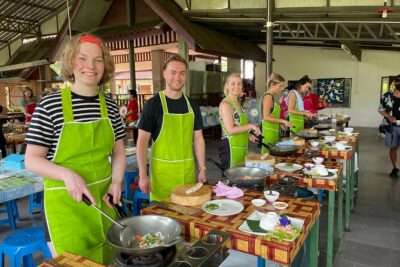
Half-Day Thai Cooking Class at Organic Farm in Chiang Mai
Read our review →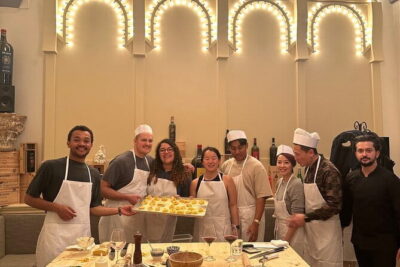
Florence: Pasta Cooking Class with Unlimited Wine
Read our review →
3 in 1 Cooking Class near Navona: Fettuccine, Ravioli & Tiramisu
Read our review →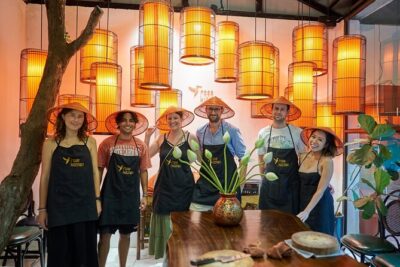
Hanoi Cooking Class: Culture, Local Market & Meaning CSR Impact
Read our review →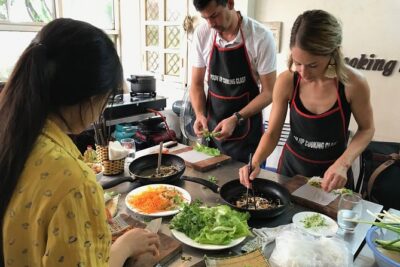
5 Traditional Dishes Hanoi Cooking Class with Market Trip
Read our review →
Cooking Class and Lunch at a Tuscan Farmhouse with Local Market Tour from Florence
Read our review →
Chiang Mai: Cooking Class, Market & Thai Herbs Garden Tour
Read our review →Browse the lists this tour appears in