
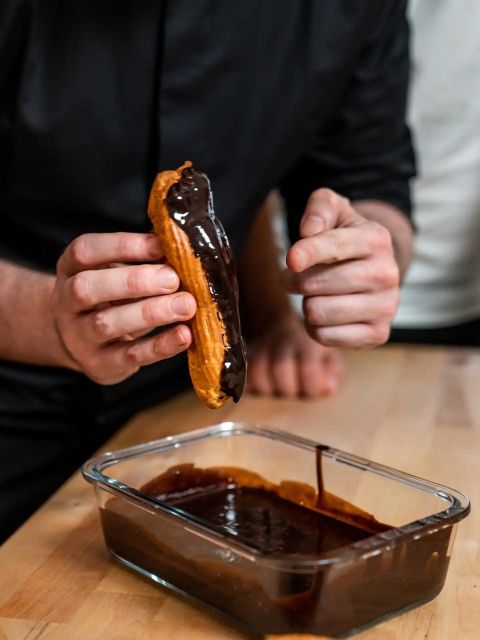
Review · PARIS
Paris: Eclair and Choux Pastry Making Class
The best part of this Paris class is that you do not just watch a chef pipe pastry. You make the dough, shape it into éclairs and choux, fill it, decorate it, and carry the results home. The class also introduces extras such as craquelin and chantilly, giving you more than one way to use the same basic pastry.
I like the hands-on format and the practical tips aimed at home bakers. I also like the intimate feel reported by past participants, including one session taught one-to-one by Morgan. The main drawback is that the recipes provided at the end may be in English only, and the instructor language is French, so ask ahead if you need step-by-step written guidance in another language.
Key points at a glance
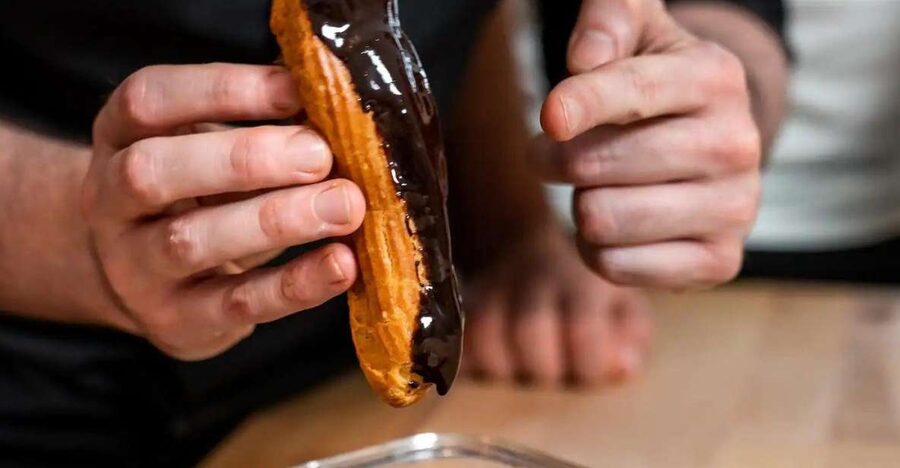
- A 150-minute pastry workshop: You spend a useful block of time mixing, shaping, filling, and decorating rather than rushing through a quick demonstration.
- Professional instruction: Past classes have included Guillaume, Morgan, and Ke, with praise for patient teaching and clear pastry tips.
- More than basic éclairs: You learn choux pastry, craquelin, chantilly, fillings, and toppings.
- Take-home results: You create pastries to enjoy later, along with recipes and techniques for baking at home.
- A central Paris cooking experience: You meet at the grey door at your booked time, with transportation to and from the venue left to you.
- Good for beginners: The class is built around guided practice, though children under five cannot attend.
Why choux pastry makes a good Paris cooking class
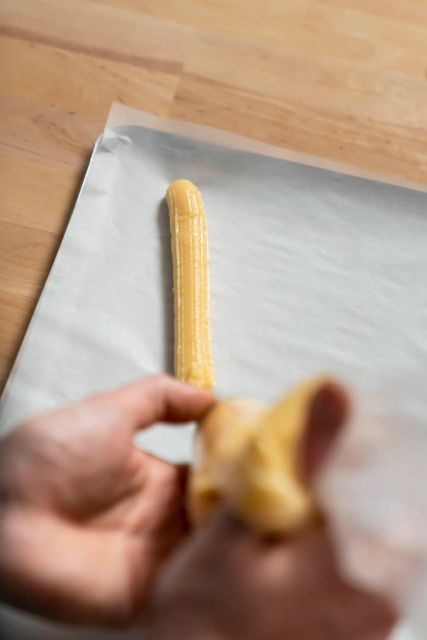
Choux pastry looks simple on a bakery counter, but it depends on small details. The dough must reach the right texture before it goes into the oven. The pastry must then be shaped evenly, baked properly, cooled, filled, and finished without losing its light structure.
That makes this a useful class for you if you want to understand the method, not just bring home a pastry box. A professional chef guides the work and shares the small tricks that can make the difference between a crisp shell and a disappointing batch.
You work with one base pastry that can become several things. Éclairs are the long, filled pastries most people know, while smaller choux pastries offer a different shape and serving style. Craquelin adds a crisp topping, and chantilly gives you another filling or finishing option.
I like this approach because it gives you something to practice after the class. You are not simply copying one finished dessert. You are learning a technique with several uses.
More Dessert Classes in France
- Croissant Baking Class, Mastering the Art with a Pastry Chef
★ 5.0 · 116 reviews - Paris Cooking Class: Chocolate Éclairs and Cream Puffs
★ 5.0 · 87 reviews - Paris: 2.5-Hour French Pastry Cooking Class
★ 4.9 · 71 reviews
What happens during the 150-minute workshop
The class lasts two and a half hours, enough time for a full pastry session without taking up your entire day in Paris. The exact starting time depends on availability, so choose a slot that leaves you comfortable before and after the workshop.
You meet in front of the grey door at your reserved time. Transportation is not included, so you need to make your own way there. The meeting instruction is simple, but I would allow a little extra time to find the entrance, especially if you are crossing Paris from another neighborhood.
Once inside, the professional pastry chef takes you through the work. The class is interactive, so expect to handle ingredients and pastry tools rather than stand at the back of a demonstration. Ingredients are supplied, which means you can focus on technique instead of shopping or measuring a long list before arrival.
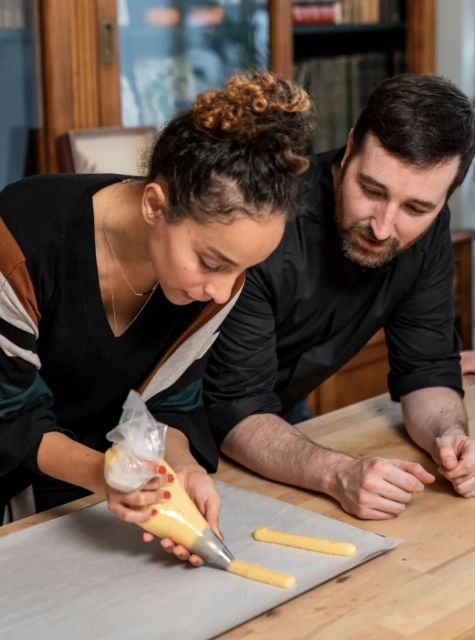
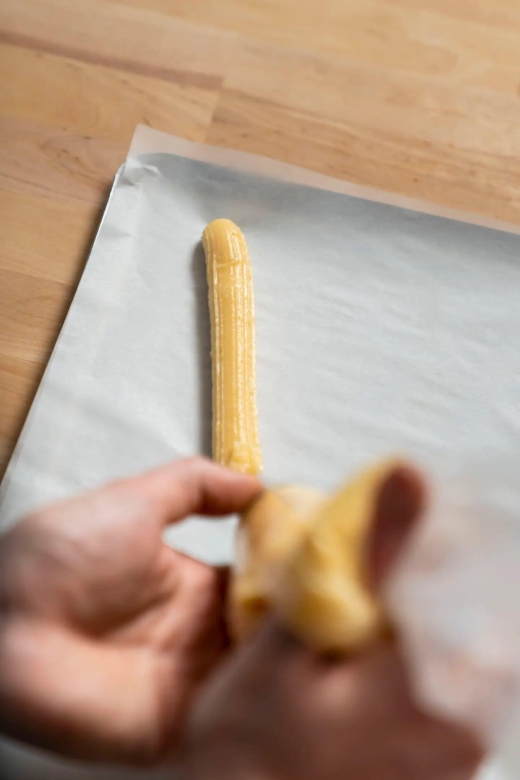
The session centers on choux pastry and éclairs. You learn how the dough comes together, how to shape it, and how to turn it into finished pastries. The chef helps you as you work, which matters because piping and filling can feel awkward the first time.
Past classes have been led by Guillaume, Morgan, and Ke. Morgan has taught a one-person session, while Guillaume was praised for organizing the work clearly and helping participants feel able to repeat it at home. Ke was also noted for patience and useful pastry tips.
The class size can affect the feel of the experience. A small group gives you more room to ask questions and get help with your piping. A one-to-one session can feel almost like private coaching, though you should not assume every booking will have that format.
From plain choux to decorated éclairs
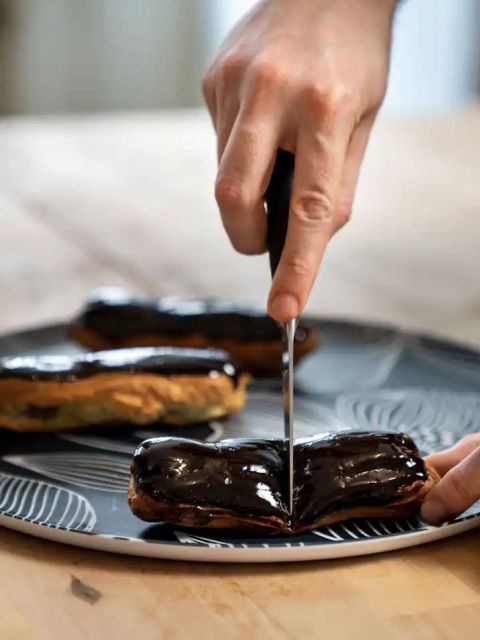
The most satisfying part comes when you personalize the pastries. You can work with different fillings and toppings, then decide how you want your finished éclairs and choux pastries to look.
That creative stage gives the class a nice balance. First, you learn a fairly exact pastry method. Later, you get room to play with presentation and flavor. You are still following the chef’s guidance, but the results do not have to look identical.
Craquelin and chantilly are particularly useful additions. Craquelin provides a crisp layer on top of choux, while chantilly adds a light, creamy element. Learning these alongside the main pastry gives you more options for recreating the work at home.
The class is not described as a full French pastry course, so keep your expectations in check. You will focus on choux and éclairs rather than cover every classic dessert in the French baking book. For many people, that focused approach is a strength. You leave with one technique you have practiced properly instead of a long list of recipes you barely touched.
The value of making pastries yourself
At $159 per person, this is not a cheap snack stop. You are paying for instruction, ingredients, a drink during the workshop, the hands-on activity, and the chance to take home your pastries and recipes.
The value depends on how much you want from a cooking class. If you only want to eat an excellent éclair, a Paris bakery will cost far less. If you want an activity that teaches you a repeatable skill, the price makes more sense. You are paying for time with a professional pastry chef and for the chance to ask questions while your own dough is in progress.
The take-home recipes add value, especially if you bake. Several participants found the techniques useful for making choux at home, and one described the finished result as delicious and easy enough to repeat. That is the right test for this kind of activity: can you imagine making it again in your own kitchen?
The answer may depend on the recipe format. One point worth noting is that the recipes shared after class may be in English only. That will be convenient for many English-speaking visitors, but less helpful if you expect French-language notes or a multilingual handout.
More Dessert Classes in Paris
- Paris Desserts and Pastries Small Group Cooking Class with a Chef
★ 4.5 · 49 reviews - Paris Cooking Class: French Desserts Class
★ 4.9 · 13 reviews - Paris: French Pastry and Baking Workshop
★ 4.1 · 12 reviews - Paris: Lemon Tart Baking Class with a Pastry Chef
★ 5.0 · 4 reviews
What you take home after the class
You take home the éclairs and choux pastries you make during the session. This is a practical bonus, but plan how you will carry them through the rest of your day. Delicate pastries are not ideal companions for a packed sightseeing schedule or a crowded shopping bag.
You also receive a recipe booklet or recipes for recreating the work. Pay close attention during the class and write down extra tips if you can. One useful criticism of the format is that the recipe was not always given alongside each step, making it harder to note exact quantities and small instructions as the work progressed.
That is a fair concern. Pastry depends on details, and it is easy to forget a short instruction once you leave the kitchen. Bring a small notebook or use your phone for notes if permitted. Record the chef’s comments about texture, timing, shaping, and filling while the information is fresh.
The chef’s spoken guidance is an important part of what you are buying. The booklet gives you a framework, but the little corrections made during the session may be the most useful part when you bake again.
Who will enjoy this Paris pastry experience
This class suits adults and older children who like to do things rather than simply look at them. You do not need to be an experienced baker. The work is guided, and the teaching style has suited complete beginners as well as people keen to improve their pastry skills.
It is also a good choice for couples, friends, and solo visitors who want an indoor Paris activity with a clear result. If rain interrupts your sightseeing plans, two and a half hours in a pastry kitchen can be a pleasant change from museums and wet streets.
Families should note that children under five are not allowed. The experience is wheelchair accessible, which makes it a practical option for many visitors, although you should still confirm any personal access needs when booking.
You should choose something else if you dislike structured activities or want a relaxed tasting session with no work involved. This is a cooking class. You will be handling ingredients, following instructions, and taking part throughout the session.
Language, group feel, and teaching style
The stated instructor language is French. That is worth considering before you book, especially if you want detailed explanations of pastry chemistry or precise spoken instructions. The available recipe material may be in English, but that does not change the language used during the workshop.
Past teaching has been described as patient, friendly, and well organized. Guillaume was praised for making the process feel manageable, while Morgan was described as a natural teacher during a private-feeling session. Ke also received praise for patience and clear help.
Those details suggest that the chef’s teaching style can make a major difference. Pastry work is easier when someone spots a problem early, such as dough that is too loose or piping that is uneven. A good instructor saves you from guessing.
Still, do not treat the names as a guarantee that your particular class will have the same chef. Instructor assignment can vary. If working with a particular teacher matters to you, ask the provider before booking.
How to fit the class into your Paris plans
The 150-minute length makes this easy to place between other activities, but remember to include your travel time to the meeting point. You need to arrive at the grey door at the time of your reservation, and no transportation is provided.
I would avoid scheduling a major timed attraction immediately afterward. Baking involves several stages, and you may want a few minutes to collect your pastries and recipes before heading off. You will also be carrying food, so plan a stop where it can be kept safely.
The class works well as a rainy-day plan or as a break from heavy sightseeing. It also gives you a more active connection to French food culture than simply ordering dessert at a café. You learn how a familiar pastry is built, then eat the result you made yourself.
Free cancellation is available up to 24 hours before the activity for a full refund. You can also reserve now and pay later, which helps if your Paris schedule is still shifting.
The main strengths and limitations
The strongest feature is the combination of instruction and personal work. You are not handed a finished éclair and told how it was made. You get to shape, fill, and decorate your own pastries with help close at hand.
The second strength is the practical focus. The chef shares techniques for repeating the process at home, and the recipe material gives you something to refer to later. The class has earned a 4.8 rating from nine reviews, with especially strong praise for the instructors, organization, patience, and final taste.
The limitations are modest but real. The price is high compared with buying pastries at a bakery. French is the instructor language, the exact class size is not guaranteed, transportation is not included, and the recipe handout may not provide the step-by-step support some beginners want.
You should also remember that handmade pastries may vary. Your éclairs may not look like a professional pastry-shop display. That is part of the point, and the chef’s advice should help you understand why.
Should you book the éclair and choux class?
Book it if you want a hands-on Paris food experience and would enjoy learning a skill you can use after your trip. The best reason to choose it is not simply the promise of eating éclairs. It is the chance to learn one of France’s most useful pastry techniques, personalize the results, and take home both pastries and recipes.
I would especially recommend it to beginner bakers, couples, solo food lovers, and anyone seeking a two-and-a-half-hour indoor activity. You will get the most value if you listen closely, take notes, and plan to bake choux again at home.
Skip it if you want the lowest-cost way to taste French pastry, if you need instruction in a language other than French, or if carrying handmade desserts through Paris will be inconvenient. For everyone else, $159 is a fair price for a focused class with ingredients, a drink, professional guidance, and a finished result you helped create.
FAQ
How long does the éclair and choux pastry class last?
The class lasts 150 minutes, or two and a half hours.
How much does the class cost?
The listed price is $159 per person.
What will I learn to make?
You will learn to make choux pastry and éclairs, then personalize them with fillings and toppings. The class may also cover craquelin and chantilly.
Are ingredients included?
Yes. All necessary ingredients are included in the class price.
Do I receive recipes?
Yes. You receive a recipe booklet or recipes to help you recreate the pastries at home.
Is a drink included?
Yes. A drink during the workshop is included.
What language is the class taught in?
The instructor language is French. The recipes provided after the class may be in English.
Where do I meet the group?
You meet in front of the grey door at the time of your reservation.
Can children attend the class?
Children under five are not permitted. The experience is wheelchair accessible.
More Hands-On Workshops in Paris
- Paris Cooking Class and Lunch with Wine plus Market Visit Option
★ 5.0 · 1,024 reviews - Paris Croissant Small-Group Baking Class with a Chef
★ 5.0 · 910 reviews - Paris: French Croissant Baking Class with a Chef
★ 4.9 · 712 reviews - Paris Cooking Class: Learn How to Make Macarons
★ 5.0 · 634 reviews
Just added around Paris
- Paris: Montmartre Macaron Baking Workshop★ 4.9 · 143 reviews
- Paris: Macarons Cooking Class with Pâtisserie Chef Noémie★ 4.8 · 179 reviews
- Paris: Hands-On Small Group Cooking Class★ 4.9 · 19 reviews
- Paris: Millefeuille baking class with a chef★ 5.0 · 5 reviews
- Paris: Macaron Baking Class★ 4.4 · 26 reviews
- Paris: Evening Cooking Class with Optional Market Visit★ 4.8 · 19 reviews
- Paris: Lemon Tart Baking Class with a Pastry Chef★ 5.0 · 4 reviews
- Paris: French Pastry and Baking Workshop★ 4.1 · 12 reviews
Tiramisu & Dessert Classes, compared.
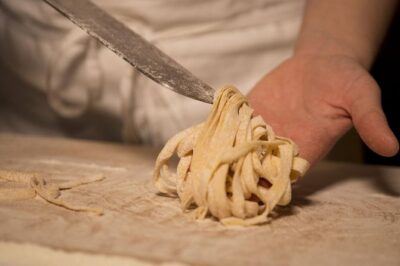
3 in 1 Cooking Class near Navona: Fettuccine, Ravioli & Tiramisu
Read our review →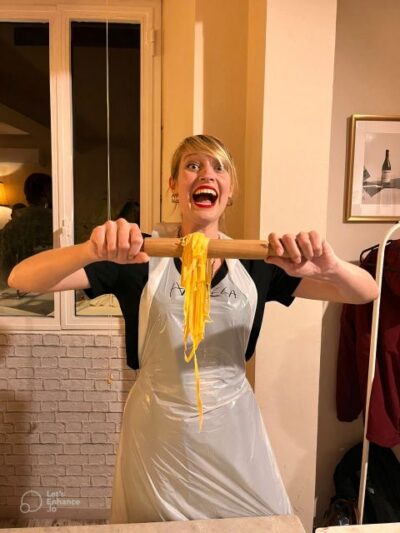
Rome: Pasta Making Class with Wine, Limoncello, and Dessert
Read our review →
Rome: 3-in-1 Fettuccine, Ravioli, and Tiramisu Cooking Class
Read our review →
Florence: Cooking Class Pasta & Tiramisu Making Unlimited Wine
Read our review →
Fettuccine & Tiramisù: Cooking Class with Wine & Limoncello
Read our review →
Florence Cooking Class The Art of Making Gelato & Authentic Pizza
Read our review →
Rome: Pasta & Tiramisu Cooking Class near the Spanish Steps
Read our review →Browse the lists this tour appears in