Review · COOKING CLASSES
Plov and Samsa Cooking Class in Tashkent
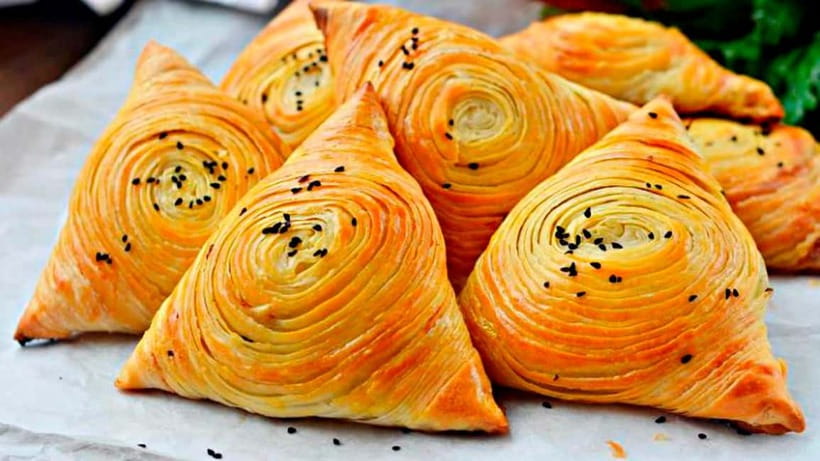
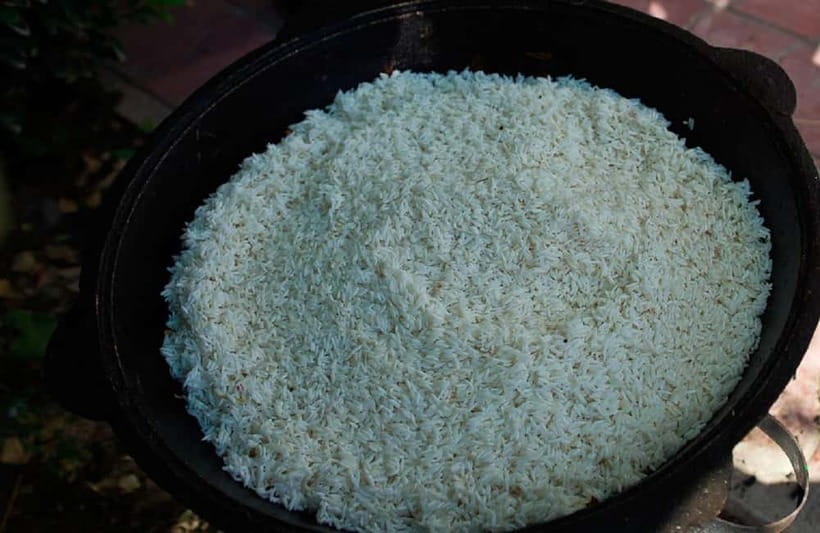
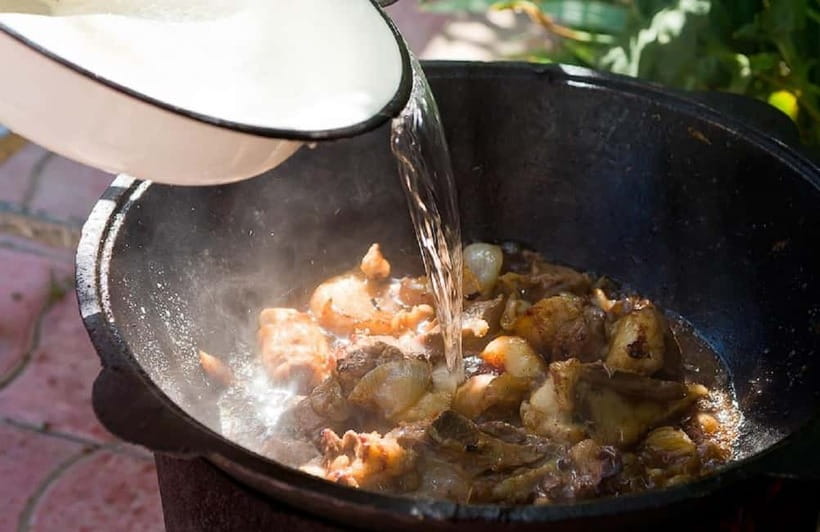
The best part of this Tashkent experience is that you do not simply watch a cook prepare Uzbek food. You cut the onions, carrots, and meat, clean the rice, fry the ingredients, add water, and manage the steaming stage yourself. While the plov cooks, you make samsa, a baked pastry filled with minced meat.
I like the private format for up to two people, which gives you more room to ask questions and work at your own pace. I also like the home setting and the extra tea, snacks, and sweets that may be served before the meal. The main caution is reliability: one booking report describes a cancellation without a refund, so confirm the meeting details and cancellation terms before you set out.
Key points to know before booking
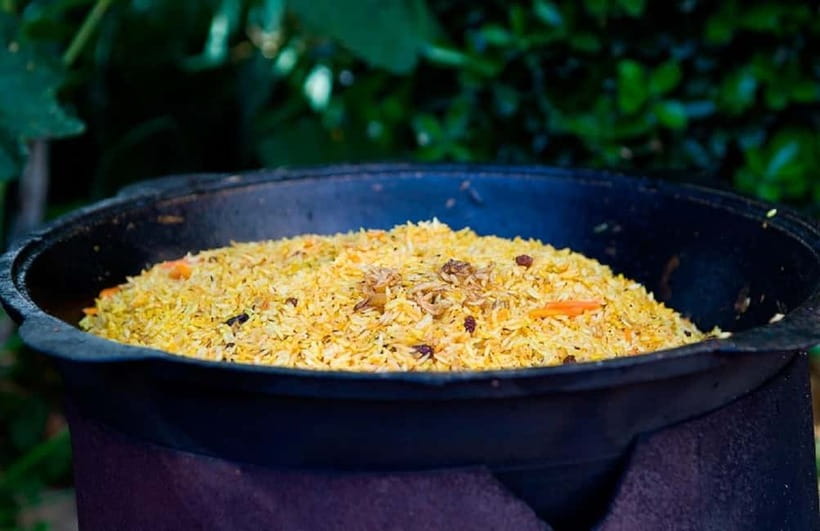
- You cook two Uzbek classics: Plov is prepared in a large cooking pot, while samsa is shaped from rolled dough and baked.
- The class is genuinely hands-on: You cut vegetables and meat, clean rice, fry ingredients, and help with cooking and steaming.
- It takes place in a private home: The setting offers a closer look at everyday Uzbek hospitality than a standard restaurant class.
- The $160 price covers up to two people: That works out to $80 per person if you fill the booking, with food and instruction included.
- You have a short cooking break: While the plov steams, you use the time to prepare the samsa.
- English support may vary: The listed languages are English and Russian, but the hostess is described as having basic English.
Why plov makes a good Tashkent cooking lesson
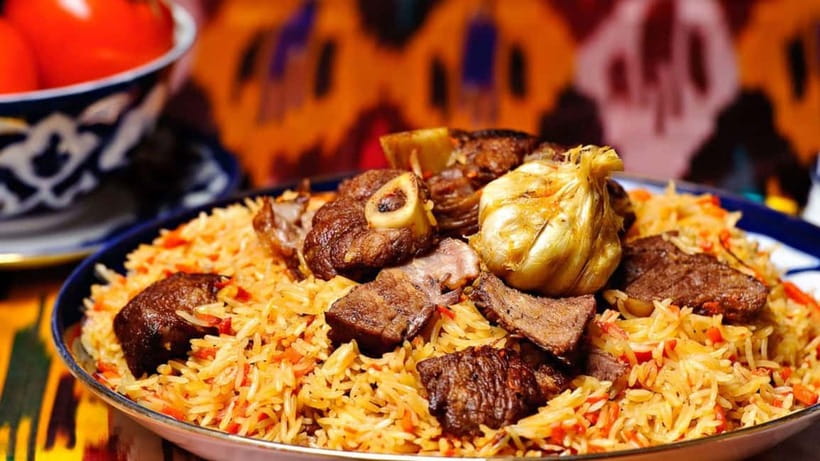
Uzbek plov, also called palov, is not just rice with a few toppings. The cooking method depends on the order of the ingredients and on giving each stage enough time. That makes it a useful dish to learn in person, where you can see the changes rather than read about them.
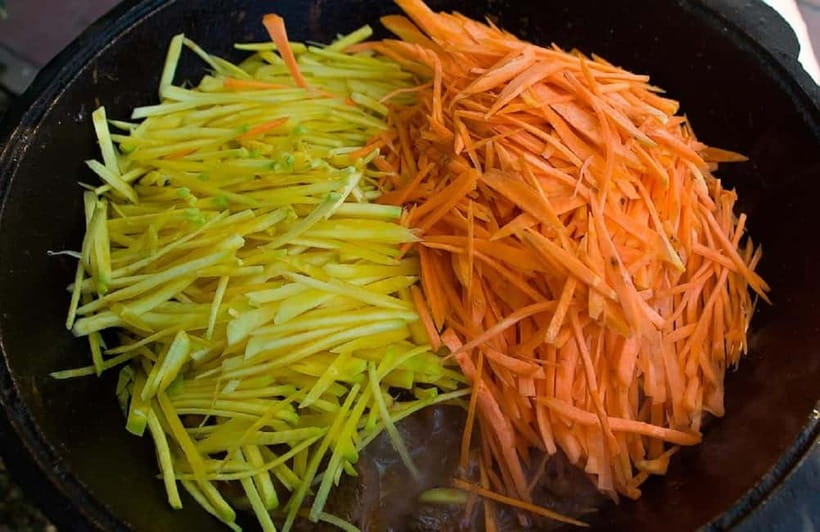
Your work begins with preparation. You cut onions, carrots, and meat, then clean the rice. These jobs sound simple, but the shape and size of the cuts affect how the dish cooks. A hands-on class lets you ask for help as you work instead of trying to copy a recipe later from memory.
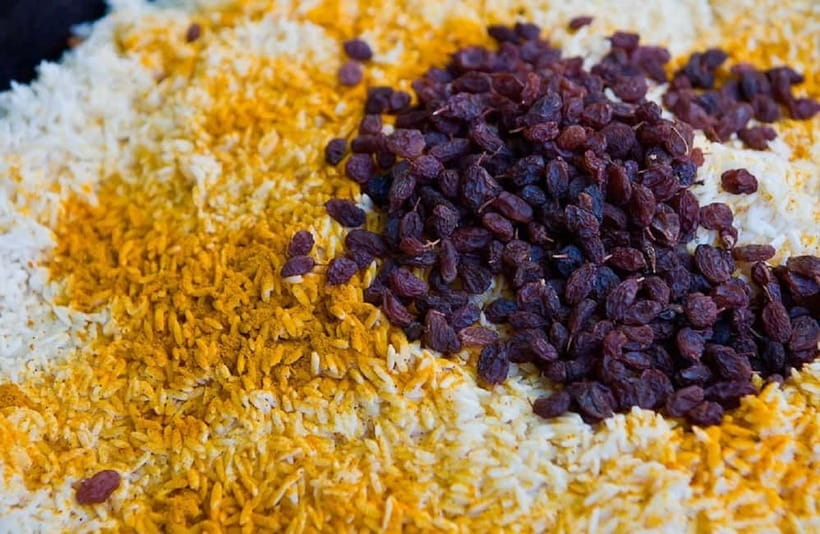
The listed ingredients include rice, meat, carrot, onion, garlic, cumin, raisin, and sunflower oil. This gives the dish a mix of savory, sweet, fragrant, and earthy notes. Garlic and cumin bring the familiar Uzbek character, while raisins add small bursts of sweetness.
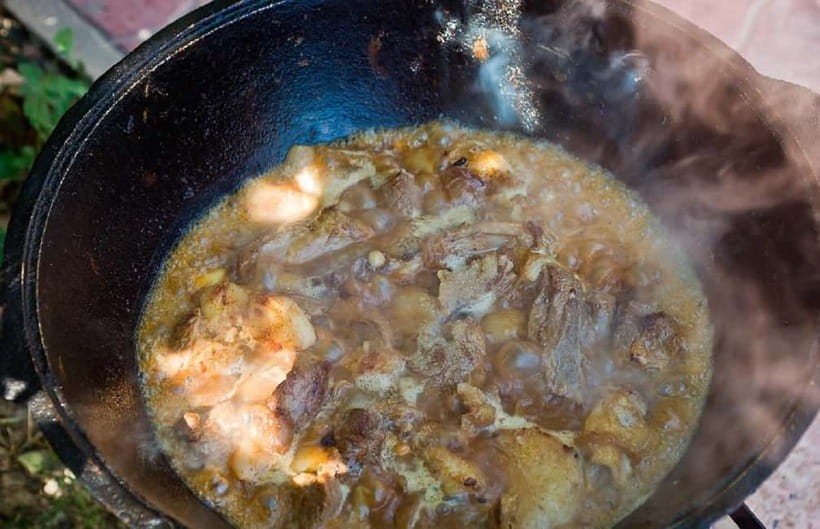
You then fry and cook the ingredients before adding water for the steaming stage. The timing matters, so this is where instruction has real value. You are not only learning what goes into plov, but also when each part enters the pot and how the cooking process changes from frying to simmering and steaming.
The final stage is shared eating. You sit down with the food you helped prepare, which gives the class a clear purpose. It is also a practical way to judge your work: you can taste the rice, meat, carrots, and seasoning while the preparation is still fresh in your mind.
More Hands-On Workshops in the world:
- Half-Day Thai Cooking Class at Organic Farm in Chiang Mai
★ 5.0 · 19,087 reviews - Florence: Pasta Cooking Class with Unlimited Wine
★ 4.9 · 10,285 reviews - 3 in 1 Cooking Class near Navona: Fettuccine, Ravioli & Tiramisu
★ 5.0 · 7,376 reviews
Making samsa during the plov’s steaming time
The class uses the waiting period in the plov preparation well. Once water has been added and the rice is steaming, you turn to samsa, an Uzbek pastry often compared with samosa or samusa.
The dough begins simply. You roll it out, spread it with ghee, roll it tightly, and divide it into equal portions. The portions are chilled as dough patties before you roll them out again. This layered process is one of the more interesting parts of the class because the ghee and rolling help create a pastry with a flaky texture.
You then add minced meat and fold the dough into triangles. A team member helps you shape the pastries, which is useful because neat folding can take practice. The samsa goes into an oven to bake while you return to the plov.
This second dish keeps the three hours active. You are not stuck waiting beside one pot, and you leave with a better sense of how Uzbek food uses different cooking methods. Plov is cooked and steamed in a pot, while samsa depends on dough handling and oven heat.
The description specifically presents samsa with minced meat. A meat-free version of the plov may be possible for vegans, but you should confirm exactly what can be changed if you do not eat meat. The available information does not promise a vegan samsa.
A private home, not a restaurant demonstration
The class takes place in the hostess’s home in Tashkent Province. That changes the mood. Instead of sitting at a work station in a formal cooking school, you take part in a family-style meal and see how the food is prepared in a domestic setting.
That home setting also includes hospitality beyond the two main dishes. Tea, small snacks, and desserts may be offered before or alongside the cooking. One particularly positive booking account describes a broad selection of traditional snacks and sweets, plus food packed to take away afterward. This extra generosity appears to be part of the welcome, but it is not listed as a guaranteed inclusion, so keep expectations sensible.
A home visit can feel more personal than a restaurant class, but it requires a little flexibility. The hostess is listed as having basic English, while the activity is offered in English and Russian. Some communication may be easy through demonstration, gestures, and watching the technique, but detailed food questions may take patience.
If clear spoken instruction is important to you, ask about language support after booking. The activity is private, so you may have more chance to slow down and clarify a step than you would in a large group.
What the three-hour schedule feels like
The full activity lasts three hours. The timing is long enough to cover preparation, cooking, pastry work, and the final meal without reducing the class to a quick demonstration.
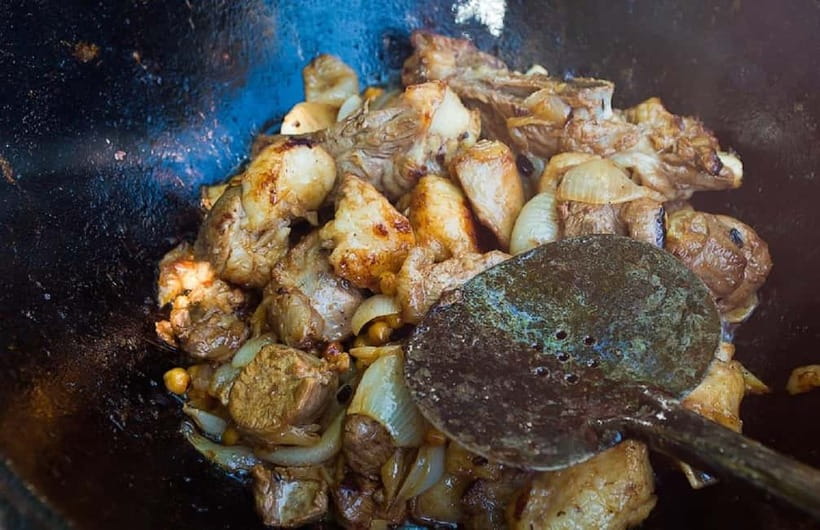
The first part focuses on plov preparation. You cut the onions, carrots, and meat, clean the rice, and begin frying the ingredients. Professional instruction is included, but the point is for you to take part rather than watch from the side.
After water is added for steaming, you move to samsa. You work with the dough, ghee, minced meat, and triangular shape, then bake the pastries. During this part, the plov continues cooking.
The last stage returns to the plov. Once both dishes are ready, you eat what you prepared. The meal is included in the activity, along with the ingredients used for both dishes.
You should wear comfortable clothing. Cooking involves cutting, frying, handling dough, and working near heat, so this is not the time for clothes you need to keep perfectly clean. Alcohol and drugs are not allowed.
A few more cooking classes around the world worth a look
- Florence: Pasta & Tiramisu Cooking Class with Unlimited Wine
★ 4.9 · 6,708 reviews - Florence: Pasta Cooking Class with Unlimited Wine
★ 5.0 · 6,413 reviews - Hanoi Cooking Class: Culture, Local Market & Meaning CSR Impact
★ 5.0 · 5,147 reviews - 5 Traditional Dishes Hanoi Cooking Class with Market Trip
★ 5.0 · 4,890 reviews
The price and what you receive for $160
The cost is $160 per group of up to two people. If two people book together, the effective price is $80 each. If you are alone, you pay the full group rate, so this is better value for a couple or two friends than for a solo cook.
The price includes professional instruction, all ingredients for plov and samsa, your participation in the cooking, and the meal. You are paying for a private lesson and a home-hosted food experience, not just a plate of lunch.
That value depends on how much you care about personal instruction. If you only want to eat plov cheaply, a restaurant will cost less. If you want to understand the preparation and make the dishes yourself, the private format makes the higher price easier to justify.
Pickup and drop-off are not included. This matters in Tashkent because the meeting point is provided after booking rather than published in the activity details. You need to arrange your own way there unless a separate transfer is organized. One booking account praised a driver who handled pickup and drop-off, but that service should not be treated as part of the standard price.
The activity offers free cancellation up to 24 hours in advance and a reserve-now, pay-later option. Still, because one booking was reported as canceled without a refund, I would keep copies of your confirmation and ask who is responsible for any transport you arrange. That is a practical safeguard, not a reason to dismiss the class outright.
Who will enjoy this class most
I would choose this for people who want food preparation to be the main event. You should be happy to work with your hands, follow several cooking stages, and eat a full meal after the lesson.
It suits couples and friends especially well because the booking covers two people. Families may also enjoy it, but the available information does not give a minimum age or say how the class is adapted for children. Ask before booking if that matters to you.
This is also a good match for anyone curious about Uzbek food beyond restaurant menus. You learn how plov is built from raw ingredients and how samsa dough is rolled, layered with ghee, filled, and baked. Those are useful skills to take home, even if you later adapt the recipes to your own kitchen.
It may be less suitable if you need a tightly scripted professional cooking school, guaranteed fluent English, or included transportation. The hostess’s English is described as basic, and the home setting may be informal.
The class is wheelchair accessible according to the activity details. That is useful information, but you should still ask for precise meeting-point and room-access details if you have specific mobility needs, since the location is confirmed after booking.
Food choices and what to clarify
The standard plov ingredients include meat, but a meat-free version may be possible for vegans. Do not assume that every part of the meal can be changed. The samsa description specifically uses minced meat, so ask what substitutions are available before paying.
The ingredient list also includes garlic, cumin, raisins, and sunflower oil. If you have allergies or avoid any of these, raise the issue in advance. The information provided does not list allergy procedures or alternative ingredients.
You should also clarify the language you prefer. Russian and English are offered, but the hostess is described as having basic English. Demonstration-based cooking can work well across language barriers, yet you should not expect a long technical lecture in English.
The hospitality factor
Food classes often succeed or fail on the welcome as much as on the recipe. Here, the strongest praise centers on the host family’s warmth, organization, and willingness to make the visit feel personal.
You may be offered tea, snacks, and desserts before the main meal. The family setting can turn a cooking lesson into a social visit, with time to sit together after the work is done. That is a good fit if you want contact with local home life rather than a quick activity designed only for photos.
The hospitality can also mean a generous amount of food. One booking account described receiving prepared food to take away. Consider that a possible bonus, not a fixed part of the program, since the official inclusions promise the meal you prepare but do not guarantee takeaway portions.
Should you book the Tashkent plov and samsa class?
Book it if you want a private, hands-on food lesson and value the chance to eat in a local home. The combination of plov and samsa gives you two very different tasks: careful pot cooking and pastry shaping. At $160 for up to two people, the price is reasonable when shared and when you count the ingredients, instruction, and meal.
Pause before booking if you need guaranteed transport, highly polished English instruction, or firm certainty about cancellations. Confirm the meeting point, language support, meat-free options, and refund terms in writing.
For a couple or two friends with three free hours in Tashkent, I would put this high on the list. You leave with a full meal, a better feel for Uzbek cooking, and possibly a few snacks or leftovers for later. Just arrive ready to chop, stir, shape, and accept that a home class may be personal and informal rather than perfectly standardized.
FAQ
How long is the Plov and Samsa Cooking Class?
The activity lasts three hours, including preparation, cooking, samsa making, and eating the finished dishes.
How many people can join the class?
It is a private group for up to two people.
What dishes will I prepare?
You will prepare traditional Uzbek plov, also called palov, and samsa, a baked triangular pastry filled with minced meat.
Is the class available in English?
English and Russian are listed as the available languages. The hostess is described as having a basic level of English, so confirm the level of instruction you need.
Is transportation included?
No. Pickup and drop-off are not included. Instructions for finding the meeting point are provided after booking.
Can I cancel the activity?
You can cancel up to 24 hours in advance for a full refund according to the activity terms. A reserve-now, pay-later option is also available.
Just added around the world
- Pontevedra: Galician Cooking Class with Chef Instructor★ 4.9 · 3 reviews
- Porto: Cooking Class with Local Market Visit★ 5.0 · 15 reviews
- Pokhara: Nepali Cooking Class and Momo Making Workshop★ 5.0 · 6 reviews
- Polignano:Pasta Cooking Class with Dinner, Wine & Limoncello★ 4.6 · 5 reviews
- Porto: Local Market Tour & Cooking Class/Showcooking★ 4.9 · 32 reviews
- Playa del Carmen: Isa’s Authentic Mexican Cooking Class★ 4.9 · 18 reviews
- Pokhara: 3 Hour MoMo cooking class★ 4.5 · 10 reviews
- Polignano a Mare: Apulian Cooking Class with Food and Drinks★ 4.8 · 159 reviews
Cooking Classes, compared.
Half-Day Thai Cooking Class at Organic Farm in Chiang Mai
Read our review →
Florence: Pasta Cooking Class with Unlimited Wine
Read our review →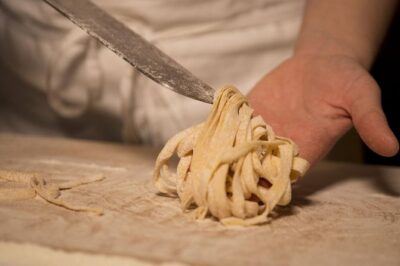
3 in 1 Cooking Class near Navona: Fettuccine, Ravioli & Tiramisu
Read our review →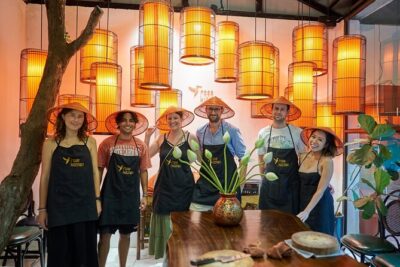
Hanoi Cooking Class: Culture, Local Market & Meaning CSR Impact
Read our review →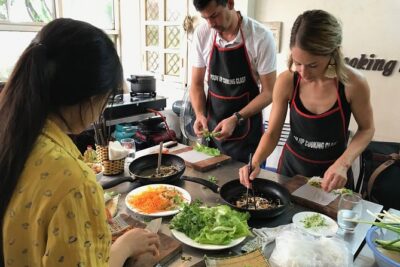
5 Traditional Dishes Hanoi Cooking Class with Market Trip
Read our review →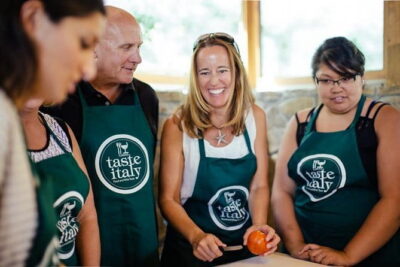
Cooking Class and Lunch at a Tuscan Farmhouse with Local Market Tour from Florence
Read our review →