
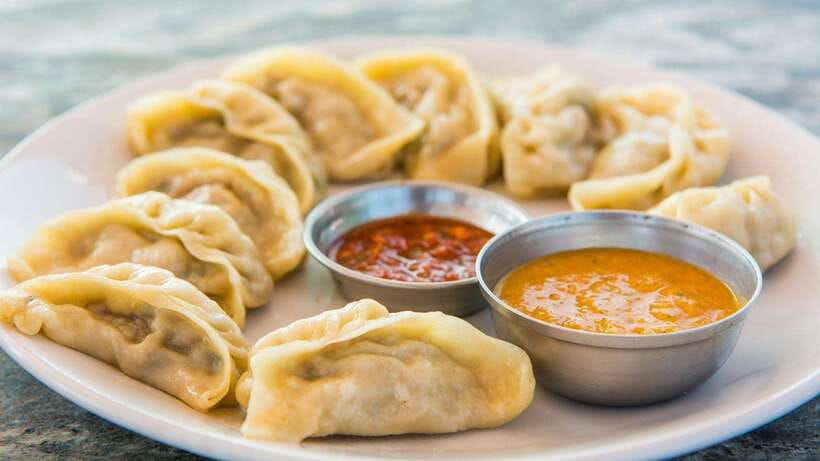
Review · NEPAL
Pokhara: Nepali Cooking Class and Momo Making Workshop
The best part of this Pokhara experience is that you do not simply sit down to eat Nepali food. You help choose the ingredients, learn the cooking methods, then sit down to enjoy the meal you made. Momos and dal bhat become more than menu items here. They become a practical introduction to daily Nepali cooking.
I like the small group of eight or fewer, which gives you room to work rather than watch from the edge of a crowded demonstration. I also like the warm family setting, where the Aama chef teaches in English and explains the food as you cook. The main consideration is the food allergy policy: this class is not suitable for people with food allergies, so ask about your needs before booking.
Key points at a glance
- Choose your Nepali meal: Make momo with chicken or vegetarian filling, or prepare dal bhat with rice, lentils, and curry.
- Cook in a local home kitchen: The Aama chef teaches step by step, with help from the family.
- Shop for ingredients: The experience can include choosing vegetables, spices, and meat before cooking.
- Eat what you prepare: Your class ends with a proper meal, not just a small tasting.
- Enjoy thoughtful family touches: Masala tea is included, and past sessions have included a printed certificate, tika, and scarf.
- Keep the logistics easy: Hotel pickup and drop-off in Pokhara are included, with English instruction and a three-hour schedule.
Why a Pokhara cooking class works so well
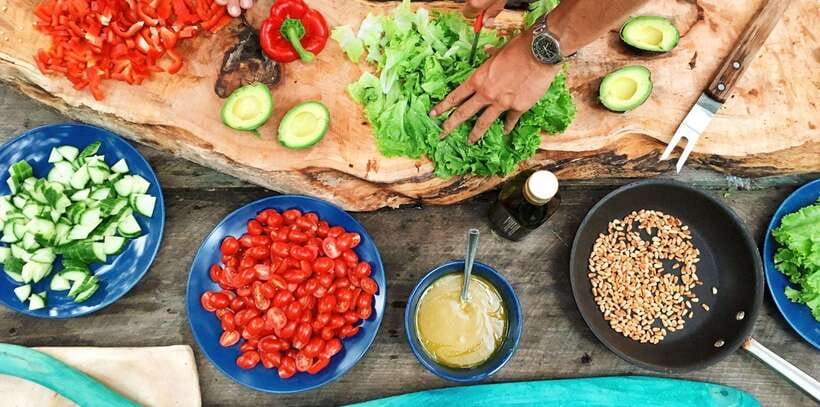
Pokhara offers plenty of scenic and outdoor activities, but food gives you a quieter way to connect with Nepal. A cooking class also suits a wide range of plans. You can fit it between sightseeing days, use it as a rainy-day activity, or book it when you want more than another restaurant meal.
The setting matters. This is not described as a formal culinary school with rows of stainless-steel workstations. You are welcomed into a traditional Nepali kitchen by a local Aama chef, with the Dream family helping to make the session feel personal. The family may include parents and children, and the atmosphere is built around participation rather than a polished stage show.
I especially like that the cooking has a clear result. You are not making one decorative garnish and then moving on. You prepare familiar Nepali dishes, sit down, and eat them. That makes the $42 price easier to judge: it covers transport, instruction, ingredients, equipment, tea, and a full meal for three hours.
More Hands-On Workshops in Nepal:
- Half day cooking class in Thamel kathmandu
★ 5.0 · 607 reviews - Kathmandu: Local Women-Led Nepali Cooking & Momo Class
★ 4.9 · 360 reviews - Kathmandu: Local Lead Nepali Cooking & Momo-Making Class
★ 5.0 · 212 reviews
Hotel pickup begins the three-hour visit
Your pickup starts in Pokhara, and the provider says you will be met at your hotel with a name card. Hotel pickup and drop-off are useful here because they remove the need to find a private kitchen in an unfamiliar part of town.
The group is limited to eight people. That is small enough for hands-on work, though the exact feel will depend on how many people book that day. If you prefer close instruction, a smaller group is worth having. If you book at the last minute, the family has shown flexibility in accepting late bookings, but you should still check availability before relying on that.
The class lasts three hours from start to finish. Comfortable clothes and shoes are sensible because cooking involves standing, handling ingredients, and working around a kitchen. Bring a camera if you want photos of the food and family setting, but remember that smoking is not allowed indoors.
Choosing ingredients before the cooking starts
One useful feature is the chance to learn how ingredients are selected. The experience can include a visit to local markets to choose vegetables, spices, and meat for the meal. This gives you a better sense of what goes into Nepali cooking before the chopping and folding begin.
Market time also helps explain why the food tastes the way it does. Instead of treating spices as mysterious ingredients added by instinct, you can see the raw materials that shape the meal. The exact market route and amount of shopping time are not specified, so do not expect a long guided market tour. Think of it as part of the food preparation rather than a separate sightseeing stop.
If you have dietary restrictions, tell the organizer in advance. The class offers vegetarian momo, but the experience is specifically marked as unsuitable for people with food allergies. That warning deserves attention. A preference can often be discussed, but an allergy requires clear confirmation before you book.
Making momo, Nepal’s favorite hands-on dish
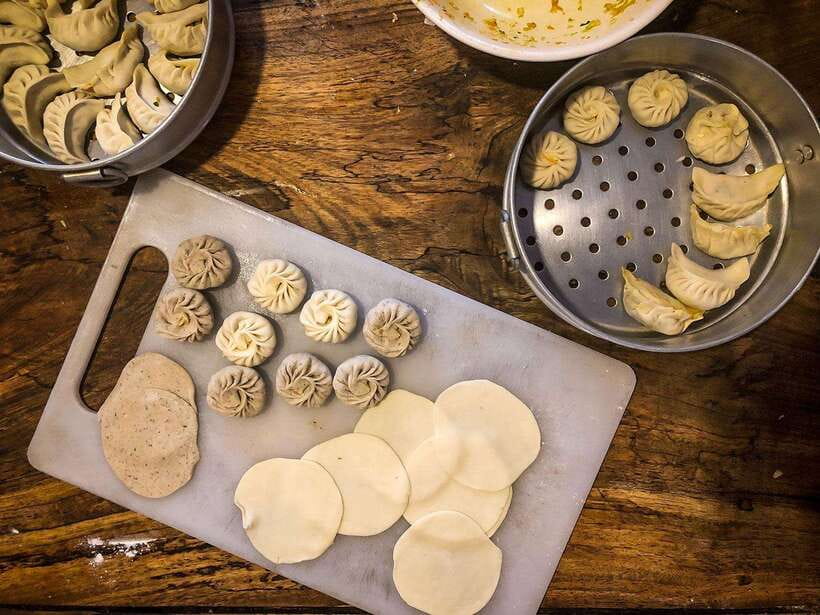
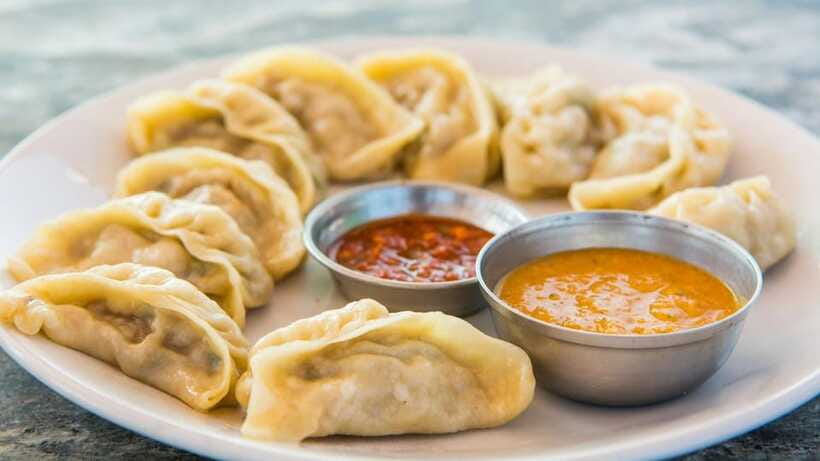
Momo is likely the most playful choice. These Nepali dumplings require several small tasks: preparing the filling, handling the dough, shaping the dumplings, and cooking them. The class teaches the process step by step, so you do not need previous cooking experience.
You can choose a chicken filling or a vegetarian version. That gives couples and small groups an easy way to make different choices without turning the meal into separate courses. The shaping takes a little attention. Your first momo may not look like the neatest one on the plate, but that is part of the fun.
The class also includes pickle, which adds a sharp, spicy partner to the dumplings. One particularly useful detail is that the pickle has been praised as one of the best parts of the meal. It is worth paying attention to how it is prepared rather than treating it as a side dish.
The family teaching style sounds patient and practical. The Aama chef is described as speaking very good English, and the instruction is intended for both beginners and experienced cooks. You should expect guidance rather than a technical lecture. Ask questions as you go, especially about folding, seasoning, and cooking time.
A few more cooking classes around Nepal worth a look
- Local Women Lead Nepali Cooking Class
★ 5.0 · 125 reviews - Nepalese Kitchen in Pokhara: Momos or Dal Bhat Cooking Class
★ 5.0 · 67 reviews - Kathmandu: Local Women-Lead Nepali Cooking & Momo Class
★ 4.9 · 45 reviews - Kathmandu: Local Lead Nepali Cooking & Momo Making Class
★ 4.9 · 40 reviews
Making dal bhat for a fuller taste of daily Nepal
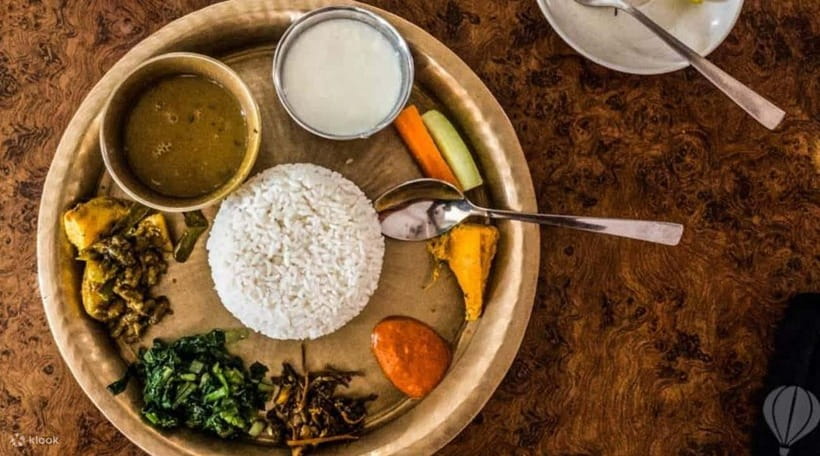
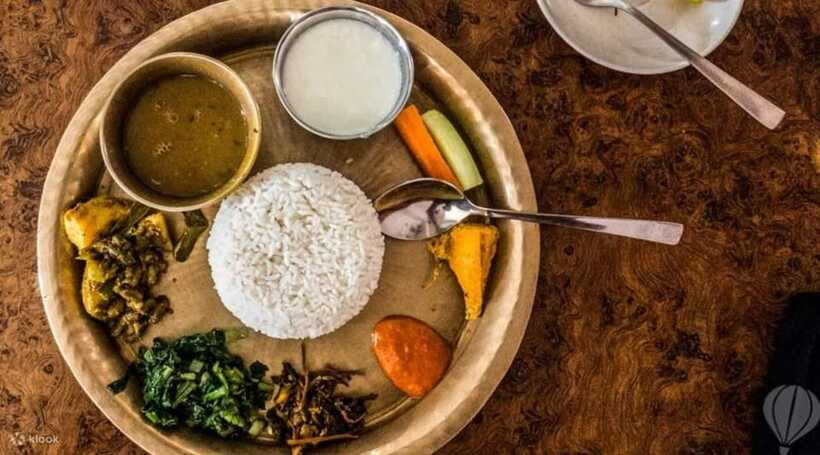
Dal bhat is the more substantial choice. It combines rice, lentil soup, and curry, and it represents the everyday structure of Nepali dining better than a snack alone. If you want to understand how a typical Nepali meal comes together, I would choose this option.
The dish is not just rice with a sauce. Several parts work together, with lentils providing a soft, savory base and curry adding seasoning and texture. The class teaches different cooking methods and the role of each dish, so you get a better idea of how a meal is built rather than learning one isolated recipe.
One participant changed plans and switched to the dal bhat class, with the change handled smoothly. That suggests some flexibility, though I would not assume every change is guaranteed. Ask at booking if you are unsure which option you want.
Dal bhat may be the better pick if you want a filling lunch or dinner and plan to use what you learn at home. Momo is more social and tactile. Dal bhat gives you a broader look at a complete Nepali meal.
Aama instruction and the Dream family welcome
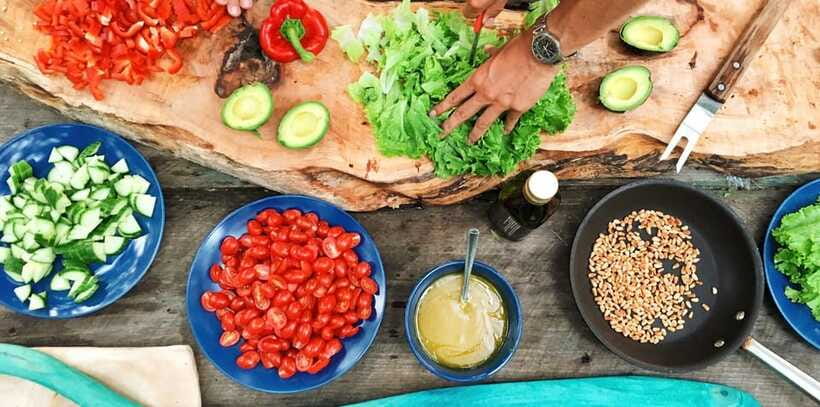
The human side of this experience is one of its strongest features. The family behind My Dream Adventure has been described as welcoming, patient, and helpful. The Aama chef leads the cooking, while other family members may take part in the lesson and hospitality.
The chef’s English is good enough for step-by-step instruction. That matters in a cooking class, where a quick explanation about texture or timing can make the difference between understanding the dish and merely copying a movement. You can ask about ingredients and methods as you work.
The family has also added personal touches at the end of some sessions. These have included a printed certificate of completion, tika placed on the forehead, and a scarf. These extras are not listed as guaranteed inclusions, so treat them as possible family hospitality rather than something to book the class for. Still, they can make the visit feel more personal than a standard paid lesson.
The food is the main event, but the welcome is part of the value. If you are looking for a formal school with strict timing and polished presentation, this may feel informal. If you want to meet a family and learn in a home kitchen, that informality is a plus.
Masala tea and the meal you actually made
Nepali masala tea is included during the lesson. It gives you a break from the cooking and adds another small taste of local food culture. Tea is also a useful bridge between instruction and conversation, especially in a family kitchen.
At the end, you eat the prepared dishes. This is important when comparing the $42 price with a normal restaurant meal. You are paying for the meal, but also for transport, ingredients, kitchen access, instruction, and the chance to prepare the food yourself.
The food may not arrive with the exact consistency of a restaurant dish. You are learning, and your dumplings may vary in shape. That is not a flaw. The point is to leave with a better sense of how the dishes are made and with a meal you helped create.
Alcohol is not included. That should not be a problem for most people, since the class focuses on food, tea, and family hospitality rather than drinks.
Location, accessibility, and timing
The class takes place in the Pokhara area, in Nepal’s Western Region, with pickup and return in Pokhara. A session has also been located conveniently for walking around Lakeside afterward, with the lake available as a possible extra stop. The exact kitchen location can vary or should be confirmed when booking.
Wheelchair access is listed as available. Because this is a kitchen-based activity, it is sensible to confirm any specific access needs ahead of time, especially if you require particular equipment or room for a mobility device.
Starting times depend on availability. The three-hour length makes it easier to fit into a day, but you should avoid scheduling another fixed activity too tightly afterward. Pickup, shopping, instruction, cooking, and the meal all need room to breathe.
Cancellation is flexible: you can cancel up to 24 hours ahead for a full refund. You can also reserve and pay later, which helps if your Pokhara plans may shift because of weather or trekking schedules.
Who will get the most from this class
I would recommend this experience most strongly to:
- First-time visitors who want an introduction to Nepali food beyond restaurant menus.
- Couples, families, and small groups who enjoy working together.
- Beginners who want patient instruction without needing cooking skills.
- Experienced home cooks looking for momo-folding practice or a new dal bhat method.
- People staying in Pokhara who want a three-hour cultural activity with transport included.
It may be less suitable if you have food allergies, dislike hands-on cooking, or want a large professional kitchen with formal culinary training. The class is also not the right choice if you only want a quick tasting. Much of the value comes from taking part.
Is $42 a fair price?
At $42 per person, the class is not the cheapest way to eat in Pokhara. A restaurant meal will cost less. But a direct price comparison misses what is included.
You receive hotel pickup and drop-off, an English-speaking Aama chef, ingredients, equipment, guided cooking, tea, and the meal you prepare. You also get a small group and a family setting. For a three-hour activity, that is a reasonable package, especially if you value cultural contact as much as the food.
The value improves if you choose to make use of the instruction. Pay attention to seasoning, dough texture, cooking methods, and how the different dishes fit together. If you simply follow directions without asking questions, you will get a meal but less lasting benefit.
Should you book the Pokhara cooking class?
Book it if you want a warm, practical food experience rather than a restaurant demonstration. The best reasons are the home-kitchen setting, the small group, the choice between momo and dal bhat, and the chance to eat a complete meal that you helped prepare.
Choose momo if you want a social, hands-on session with folding and filling. Choose dal bhat if you want a fuller picture of everyday Nepali food. Tell the organizer about dietary needs before booking, and do not book if you have food allergies unless the provider confirms that the class can safely accommodate you.
For $42, this is a good fit for a relaxed Pokhara day, particularly if the family welcome and the cooking matter as much to you as the final plate.
FAQ
How long does the cooking class last?
The cooking class lasts three hours, including the cooking activity and meal.
Where does the activity take place?
The experience takes place in Pokhara, in Nepal’s Western Region, with hotel pickup and drop-off included.
Is hotel pickup included?
Yes. Pickup and drop-off from your hotel in Pokhara are included. You will be met with a name card.
How many people can join the class?
The class is a small-group activity limited to eight participants.
What language is the class taught in?
The instructor teaches in English.
Which dishes can I learn to cook?
You can choose dal bhat, which includes rice, lentils, and curry, or momo with a chicken or vegetarian filling. Pickle and Nepali masala tea are also part of the food experience.
Are ingredients and cooking equipment included?
Yes. All cooking ingredients and equipment are included.
Do I eat the food I prepare?
Yes. The activity includes a tasting session and a meal made from the dishes you prepare.
Is the class suitable for beginners?
Yes. The class is suitable for beginners as well as experienced cooks, with step-by-step instructions.
Can I cancel my booking?
Yes. You can cancel up to 24 hours in advance for a full refund. The activity also offers a reserve-now, pay-later option.
Just added around Nepal
- Pokhara: 3 Hour MoMo cooking class★ 4.5 · 10 reviews
- Nepalese Kitchen in Pokhara: Momos or Dal Bhat Cooking Class★ 5.0 · 67 reviews
- MoMo or Dal Bhat Cooking Class at Aama Kitchen in Pokhara★ 4.9 · 28 reviews
- Local Women Led Nepali Cooking Class★ 5.0 · 6 reviews
- Kathmandu: Local Lead Nepali Cooking & Momo Making Class★ 4.9 · 40 reviews
- Kathmandu: Nepali Cooking Class with Hotel Pickup★ 4.1 · 5 reviews
- Kathmandu: Women-Led Cooking Class & Momo Making-Local Taste★ 4.8 · 15 reviews
- Kathmandu: About 3-hour Cooking Class Experience near Thamel★ 5.0 · 3 reviews
Cooking Classes, compared.
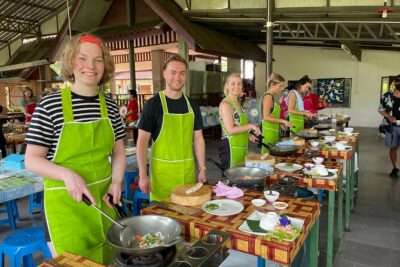
Half-Day Thai Cooking Class at Organic Farm in Chiang Mai
Read our review →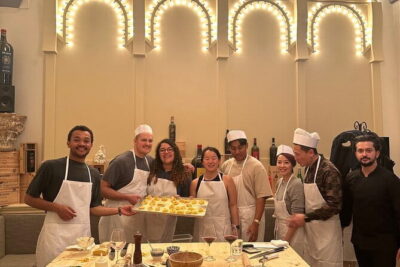
Florence: Pasta Cooking Class with Unlimited Wine
Read our review →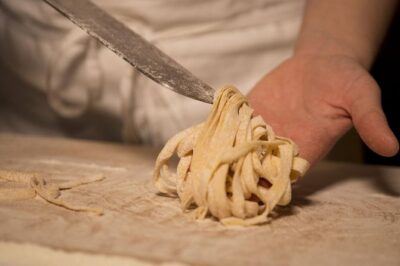
3 in 1 Cooking Class near Navona: Fettuccine, Ravioli & Tiramisu
Read our review →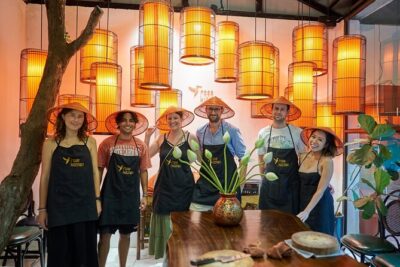
Hanoi Cooking Class: Culture, Local Market & Meaning CSR Impact
Read our review →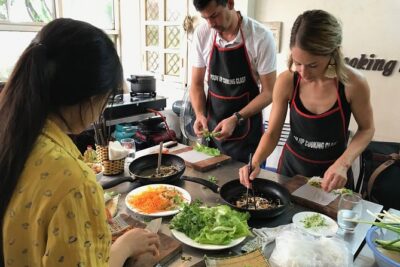
5 Traditional Dishes Hanoi Cooking Class with Market Trip
Read our review →
Cooking Class and Lunch at a Tuscan Farmhouse with Local Market Tour from Florence
Read our review →
Chiang Mai: Cooking Class, Market & Thai Herbs Garden Tour
Read our review →Browse the lists this tour appears in