
Review · NEPAL
Nepalese Kitchen in Pokhara: Momos or Dal Bhat Cooking Class
The best part of this Pokhara experience is that you cook inside a real Nepalese home kitchen, not in a polished cooking studio. Sarita guides you through momos or Dal Bhat, explains the spices and methods, and sits down with you to eat the food you prepared.
I like the small private-group setting, which gives you time to ask questions and practice tricky skills such as momo shaping. I also like that the class includes fresh ingredients, transport from Lakeside, drinking water, and a recipe for later. The main thing to consider is that momo making can take longer than three hours, especially if you are learning the folds from scratch.
Key points
- Choose your Nepali classic: Learn steamed momos or the multi-part Dal Bhat meal.
- Cook in Sarita’s family kitchen: This is a home visit with a personal, informal feel.
- Expect plenty of hands-on work: You chop, season, mix, shape, and cook rather than simply watch.
- Come hungry: Momo classes can produce 70 or more dumplings, and Dal Bhat includes several dishes.
- Pickup is included from Lakeside: Round-trip transport is arranged, though one participant had a taxi-related concern.
- Take the skill home: A printed or digital recipe helps you repeat the dish after Nepal.
Sarita’s home kitchen in Pokhara
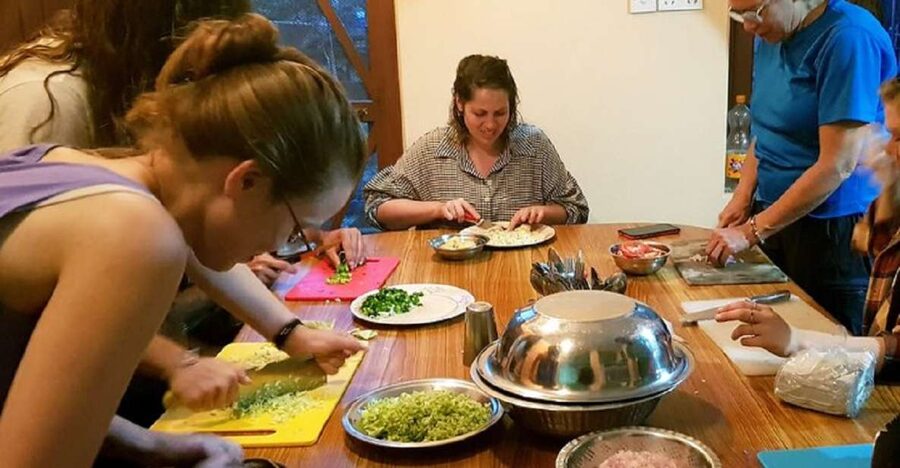
This is a cooking lesson with a strong local connection. You meet Sarita at her home in Pokhara, where the kitchen becomes the classroom and the meal becomes the reward.
The setting matters. In a restaurant class, you might learn a recipe but miss the small details of everyday cooking. Here, you can ask about the spices, vegetables, family methods, and the way Nepali food is prepared at home. Sarita’s family may also be around, adding to the feeling that you have been welcomed into a household rather than placed in a staged activity.
The kitchen has been described as clean, and the ingredients are prepared fresh. Some visitors have cooked with produce from the family garden or used homemade ingredients. You should not expect a formal chef’s demonstration with a separate workstation for everyone. You are there to work alongside Sarita, often in a close and personal setting.
The class is offered as a private group, which is especially useful for couples, families, or solo visitors. One couple had the lesson with only Sarita, making it easy to keep the pace comfortable. Solo participants can also join without feeling lost, since Sarita is known for patient, clear instruction and can adjust her explanations for different English levels.
More Hands-On Workshops in Nepal:
- Half day cooking class in Thamel kathmandu
★ 5.0 · 607 reviews - Kathmandu: Local Women-Led Nepali Cooking & Momo Class
★ 4.9 · 360 reviews - Kathmandu: Local Lead Nepali Cooking & Momo-Making Class
★ 5.0 · 212 reviews
Choose between momos and Dal Bhat
At booking, you choose between two very different introductions to Nepali food.
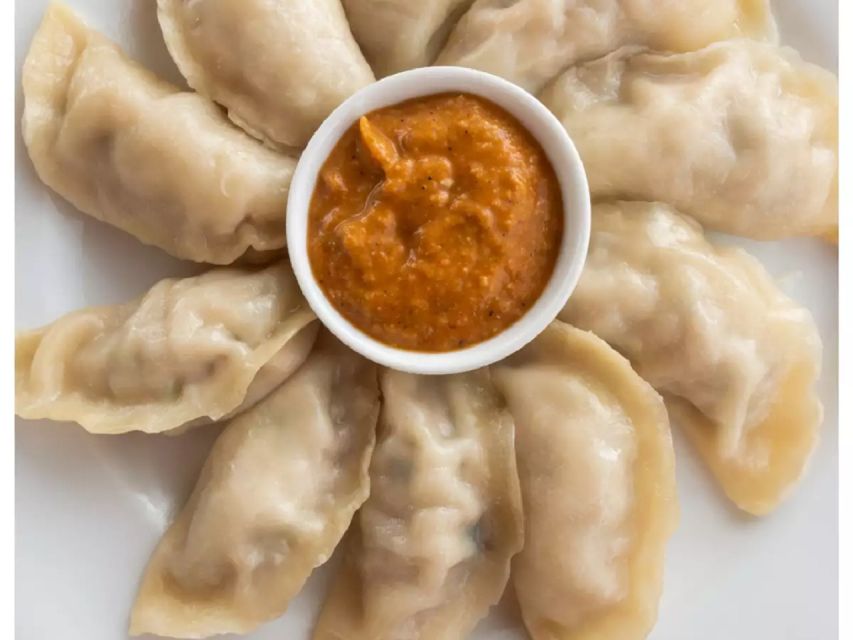
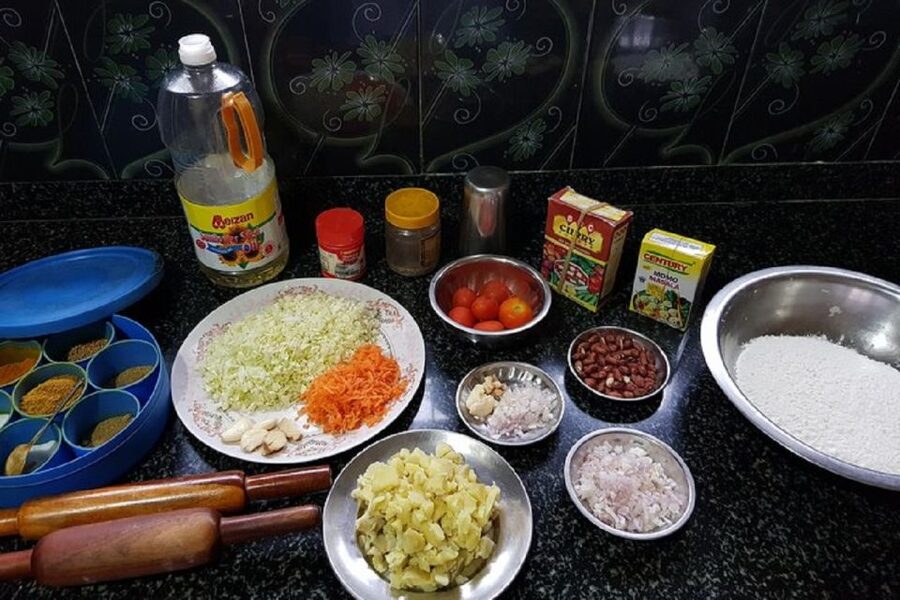
Momos are Nepal’s famous filled dumplings. You learn to prepare the filling, make or handle the dough, shape the dumplings, and steam them with a dipping sauce. The shaping looks simple until you try it. Beginners often produce uneven or unusual folds at first, but Sarita demonstrates the technique and gives you time to improve.
The practical benefit of a momo class is that the skill travels well. Once you understand the dough, filling, sealing, and steaming, you can adapt the method to many kinds of dumplings at home. One participant had already made two more batches after returning home, which says a lot about how useful the lesson can be.
You may also make a very large batch. Momo sessions have produced more than 70 dumplings, so bring an appetite. If you have a container, taking some food away may be useful, although takeaway arrangements are not listed as part of the included service.
Dal Bhat is Nepal’s everyday staple: lentils, rice, vegetables, seasoning, and accompanying dishes served as a complete meal. It has more steps than many visitors expect. You chop, prepare several components, balance the spices, and cook each part with Sarita’s help.
I would choose Dal Bhat if you want a wider lesson in Nepali home cooking. It gives you a better sense of how spices and vegetables work together across a meal. Choose momos if you want a focused, practical skill that is easy to repeat for friends and family.
From chopping board to shared meal
The three-hour format begins with an introduction to the ingredients, spices, and cooking methods. Sarita then takes you through the preparation step by step.
You should expect to chop vegetables, mix fillings or lentils, season the food, and take part in the cooking. This is not a demonstration where you sit back with a notebook. You handle the ingredients, make mistakes, and improve as you go.
For momos, the most time-consuming stage is usually shaping. Sarita explains how to seal the dough and helps you find a workable rhythm. The first few dumplings may look more like small kitchen sculptures than restaurant momos. That is part of the fun, and the skill becomes easier with repetition.
For Dal Bhat, the challenge is keeping track of several preparations. A recipe printout or digital copy helps once you are home, but one participant felt that having the recipe from the start would have made the class easier to follow. If you like to keep notes, bring your phone or a small notebook.
After cooking, you eat the meal you made. This is more than a final tasting. You can compare the finished food with the flavors you sampled during preparation, ask last questions, and talk with Sarita about Nepali food and daily life.
Several people found the conversation as valuable as the cooking. Sarita speaks English, Hindi, and Nepali, and her patient explanations make the class suitable for people who know little Nepali. She also teaches slowly and simply when needed.
Why the home setting adds value
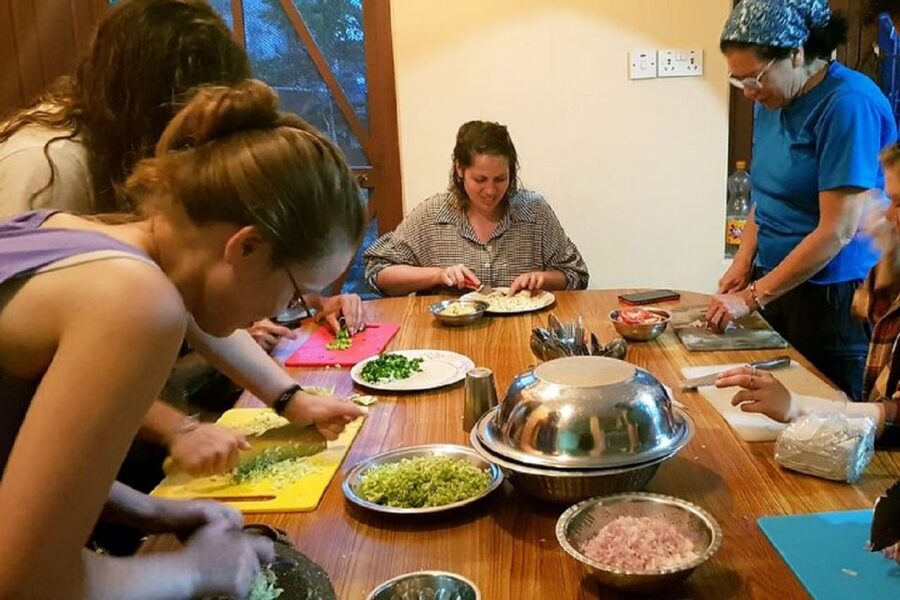
Pokhara is full of outdoor activities, but a cooking class gives you a quieter way to connect with the place. You are not simply consuming Nepali food in a restaurant. You are learning how a familiar household meal comes together.
The home setting also lets you see a more ordinary side of life. You may meet family members, hear about local customs, and notice the small habits that never appear on a standard sightseeing tour. One participant described the experience as feeling like being at an auntie’s house, which captures the informal tone well.
This personal contact is a major reason to book the class. Sarita is frequently described as warm, funny, organized, and patient. She welcomes beginners and does not assume you already know how to work with Nepali spices or dough.
The setting is not right for someone seeking a polished culinary school. The kitchen is a private home, the pace may be relaxed, and the focus is on practical food rather than restaurant presentation. For me, that is a strength, but it is worth knowing before you reserve.
A few more cooking classes around Nepal worth a look
- Local Women Lead Nepali Cooking Class
★ 5.0 · 125 reviews - Kathmandu: Local Women-Lead Nepali Cooking & Momo Class
★ 4.9 · 45 reviews - Kathmandu: Local Lead Nepali Cooking & Momo Making Class
★ 4.9 · 40 reviews - MoMo or Dal Bhat Cooking Class at Aama Kitchen in Pokhara
★ 4.9 · 28 reviews
Pickup from Lakeside and the three-hour schedule
Pickup and drop-off are included from the Lakeside Road area in Lakeside-6, Pokhara. That removes the need to find the home on your own and is useful if you are unfamiliar with local streets.
The advertised duration is three hours, though momo preparation can run longer. One participant spent about four hours learning momos, while the listed activity length remains three hours. If you have a tight appointment afterward, leave a buffer rather than planning an immediate departure.
Transport has generally been convenient, including direct hotel pickup by taxi and, in one case, a pickup by scooter. Still, one person reported that a taxi driver tried to press for extra services. I would confirm the pickup details and included transfer before setting off, and keep the provider’s contact information handy.
The itinerary also lists a photo stop, a visit, guided time, and free time in Pokhara, but the central feature is clearly the cooking class. The exact order may depend on your pickup and return arrangements. Do not book this expecting a full sightseeing tour of Pokhara alongside the lesson.
What the $28 price includes
At $28 per person, the value is strongest if you use the class as both a meal and a cultural activity. You receive round-trip transfer from the Lakeside area, instruction, ingredients, spices, drinking water, the food you prepare, and a recipe to use later.
That is a fair package for a private, home-based lesson. You are paying for personal instruction as much as for the meal. A restaurant meal would cost less, but it would not teach you how to make the food or give you the same household setting.
The recipe adds lasting value. You can return home with a method for momo dough, fillings, steaming, or Dal Bhat, rather than only a photograph and a pleasant memory. The ingredients may differ in your own kitchen, but Sarita’s guidance on seasoning and technique gives you a starting point.
Extra food and drinks are not included, so do not assume that additional menu items are available. The meal you prepare is included, as is drinking water. Personal expenses remain your responsibility.
The most useful practical tips
Come hungry. Momo classes can result in a mountain of dumplings, and Dal Bhat includes enough food to make the meal filling.
Wear something comfortable for cooking. You will be chopping, mixing, shaping, and standing or working in a home kitchen for much of the session.
Ask for the recipe early. The recipe is supplied in printed or digital form, but having it during the class may help you track the order of steps.
Bring identification. A passport or ID card is required, and a copy is accepted.
Confirm the transport plan. Pickup is included from the Pokhara Lakeside area, but it is sensible to verify the meeting point, timing, and return details.
Tell Sarita your experience level. Beginners are welcome, and the class can be paced with clear, simple explanations. If you want to learn several momo fillings or frying methods, ask before the lesson begins, since the standard class focuses on the selected dish.
Who will enjoy this class most
This is a good choice for couples and small groups who want a personal activity away from the usual sightseeing route. The private format gives you room to chat, ask questions, and work at a comfortable pace.
Solo visitors can also benefit. The instructor’s patience and the home setting make the class less awkward than joining a large group of strangers. It is also a useful rainy-day activity in Pokhara, when outdoor plans may be less appealing.
Families and first-time cooks should find the format approachable. The work is broken into clear tasks, and the final meal gives everyone a shared goal. Children’s participation is not specifically described, so families should confirm suitability before booking.
Food lovers should decide between the two options based on what they want to learn. Momos offer a repeatable dumpling technique and plenty of hands-on shaping. Dal Bhat offers a broader look at everyday Nepali meals, but it involves more stages and may require closer attention.
This may not suit you if you want a quick, highly structured lesson or a choice of many dishes. You choose either momos or Dal Bhat, and the home kitchen is intimate rather than spacious or commercial.
Booking terms and languages
The guide language options are English, Hindi, and Nepali. Sarita’s English has been praised as clear, and she is also comfortable adapting her explanations for people with limited English.
You can cancel up to 24 hours before the activity for a full refund. A reserve-now, pay-later option is available, which helps if your Pokhara plans depend on weather or trekking schedules.
The overall rating is 5 from 67 reviews, and transport received a 98 percent perfect score. Those figures suggest a dependable experience, but you should still allow extra time for cooking and confirm the pickup details directly.
Should you book the Pokhara cooking class?
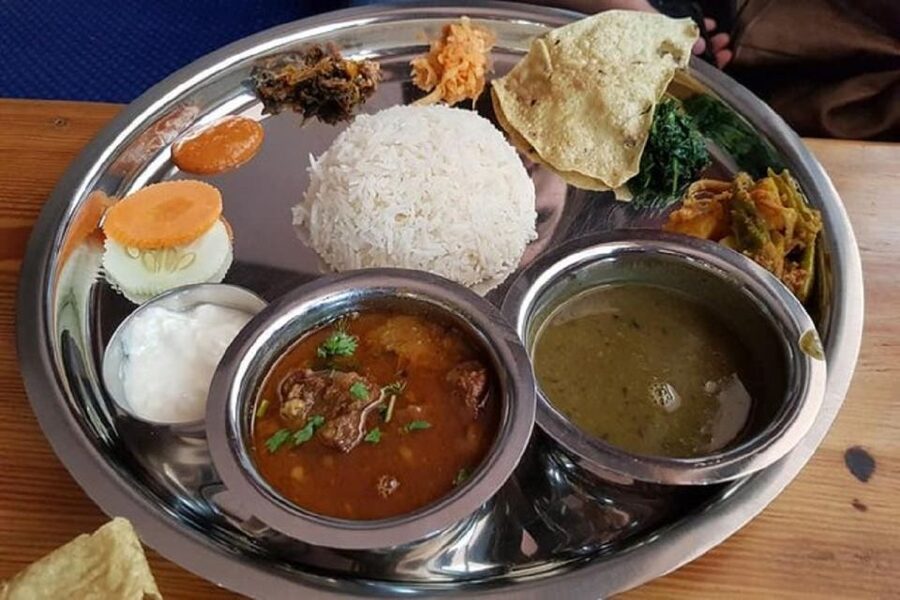
Book it if you want more than a restaurant meal and like the idea of learning in a local home. Sarita’s warmth, careful instruction, fresh ingredients, and small-group format are the main reasons this class works so well.
Choose momos for a lively, hands-on session with a skill you can repeat almost anywhere. Choose Dal Bhat for a fuller lesson in Nepali home cooking and a better look at how several dishes fit into one meal.
I would be cautious only if your schedule is tightly packed or you expect a formal cooking school with multiple menu choices. For most visitors with three or four free hours in Pokhara, the $28 price buys a satisfying meal, a personal cultural exchange, and a recipe you can actually use after Nepal.
FAQ
Where does the cooking class take place?
The class takes place in a Nepalese home kitchen in Pokhara. Pickup and drop-off are available from Lakeside Road, Lakeside-6.
How long does the experience last?
The listed duration is three hours. Momo preparation may take longer depending on the pace of the class.
Can I choose between momos and Dal Bhat?
Yes. The experience offers a choice between making momos and preparing Dal Bhat.
Is transportation included?
Yes. Round-trip transfer from the Pokhara Lakeside area is included.
What languages does the guide speak?
The available guide languages are English, Hindi, and Nepali.
What is included in the price?
The price includes the cooking lesson, fresh ingredients and spices, the meal you prepare, drinking water, local instruction, transport from Lakeside, and a printed or digital recipe.
What should I bring?
Bring a passport or ID card. A copy of the document is accepted.
Just added around Nepal
- Pokhara: Nepali Cooking Class and Momo Making Workshop★ 5.0 · 6 reviews
- Pokhara: 3 Hour MoMo cooking class★ 4.5 · 10 reviews
- MoMo or Dal Bhat Cooking Class at Aama Kitchen in Pokhara★ 4.9 · 28 reviews
- Local Women Led Nepali Cooking Class★ 5.0 · 6 reviews
- Kathmandu: Local Lead Nepali Cooking & Momo Making Class★ 4.9 · 40 reviews
- Kathmandu: Nepali Cooking Class with Hotel Pickup★ 4.1 · 5 reviews
- Kathmandu: Women-Led Cooking Class & Momo Making-Local Taste★ 4.8 · 15 reviews
- Kathmandu: Local Women-Lead Nepali Cooking & Momo Class★ 4.9 · 45 reviews
Cooking Classes, compared.
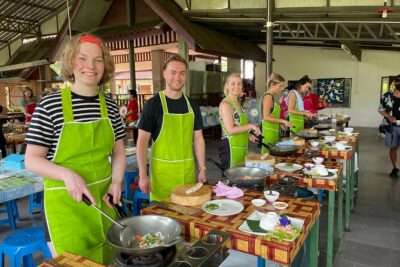
Half-Day Thai Cooking Class at Organic Farm in Chiang Mai
Read our review →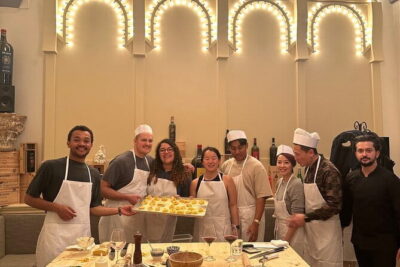
Florence: Pasta Cooking Class with Unlimited Wine
Read our review →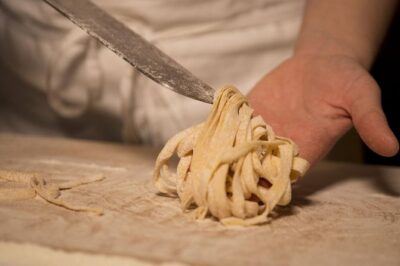
3 in 1 Cooking Class near Navona: Fettuccine, Ravioli & Tiramisu
Read our review →
Hanoi Cooking Class: Culture, Local Market & Meaning CSR Impact
Read our review →
5 Traditional Dishes Hanoi Cooking Class with Market Trip
Read our review →
Cooking Class and Lunch at a Tuscan Farmhouse with Local Market Tour from Florence
Read our review →
Chiang Mai: Cooking Class, Market & Thai Herbs Garden Tour
Read our review →Browse the lists this tour appears in