
Review · BEIJING
Beijing: Dumpling Making Workshop with Meal and Tea
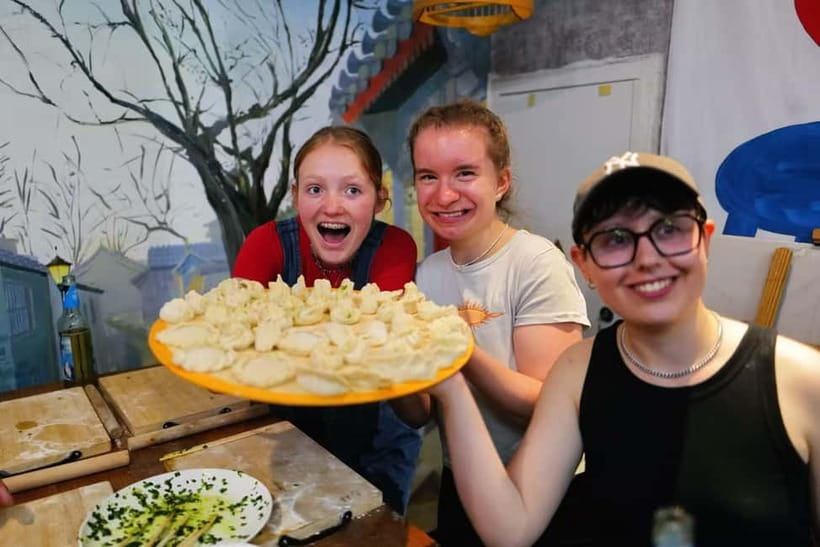
Beijing’s dumplings are more than a meal here. You learn the folding tricks, hear why dumplings matter during Lunar New Year, and sit down to eat what you made. I like the hands-on shaping lesson and the generous spread of extra dishes, beer, tea, and soft drinks. I also like that hosts such as Jenny, Eric, Janine, and Heyang are praised for clear English and patient instruction.
The main thing to check is how much of the dough and filling preparation takes place during your session. The activity describes kneading dough and crafting fillings, but one participant wished they had made the dough themselves, and another noted that the fillings were premade. If making everything from scratch is essential, ask before booking. Food allergies are a firm concern, since this class is not suitable for people with allergies.
Key points at a glance
- A 16:30 start leads into dinner: The three-hour timing makes this a useful afternoon-to-evening plan.
- Several folding styles are taught: You learn how to roll dough, hold it in your palm, fill it, and pinch it in different ways.
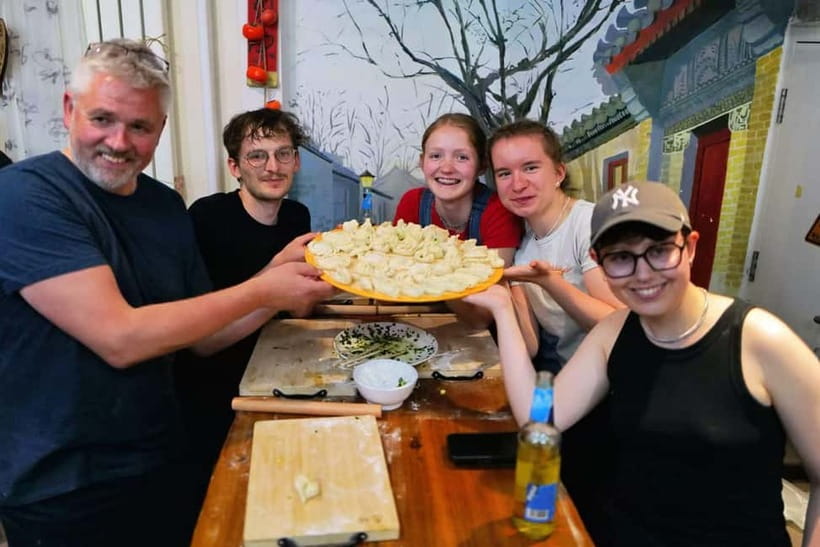
- The meal goes well beyond dumplings: Expect your own dumplings plus traditional dishes, tea, and drinks that can include beer.
- English instruction is central: Hosts including Jenny, Janine, Eric, and Heyang have been praised for clear, friendly teaching.
- A traditional Beijing setting adds character: One session took place in a traditional hutong, while another met at the lobby of the Scared Hotel.
- The $35 price is strong value: You get a three-hour class, all ingredients, a full meal, tea, and additional beverages.
What the three-hour Beijing dumpling class is really like
This is a food class, a shared dinner, and a small lesson in Chinese customs rolled into one. You meet at 16:30, usually in the lobby of the Scared Hotel, then settle in for an activity that takes you from flour and filling to a table full of cooked food.
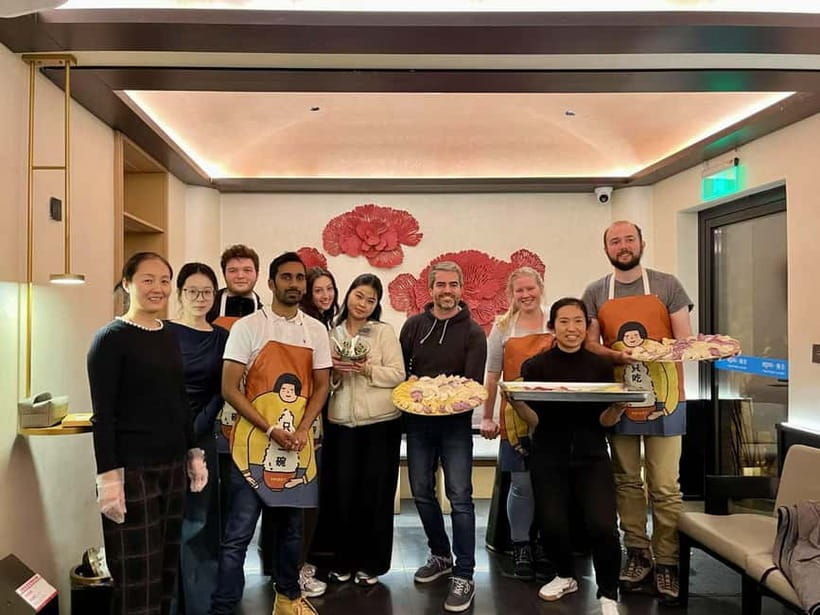
The experience is best understood as a social evening rather than a formal cooking school. You are not simply watching a chef work. You handle the dough, shape dumplings beside other people, and eat the finished result together.
The mood seems to be one of the class’s strongest points. Hosts are repeatedly described as warm, funny, patient, and attentive. That matters when you are trying to copy a folding technique with unfamiliar fingers. A good teacher can turn a misshapen dumpling into part of the fun instead of making you feel as if you have failed.
The English instruction also earns its place in the description. Janine, Jenny, Eric, Lan, Heyang, and others are named for their clear explanations and easy manner. The exact host can vary, but you can expect instruction in English.
More Chinese Cooking Classes in China:
- Flavors of Beijing: Eat Like A Real Chinese
★ 5.0 · 78 reviews - Online Cooking Class Beijing Dumplings and Cuisine by Sunflowerli Renowned Chef
★ 5.0 · 65 reviews - Shanghai-Cooking Dumpling & Meal in Local Family-w/Vegan
★ 4.9 · 36 reviews
Starting with dough, fillings, and the folding lesson
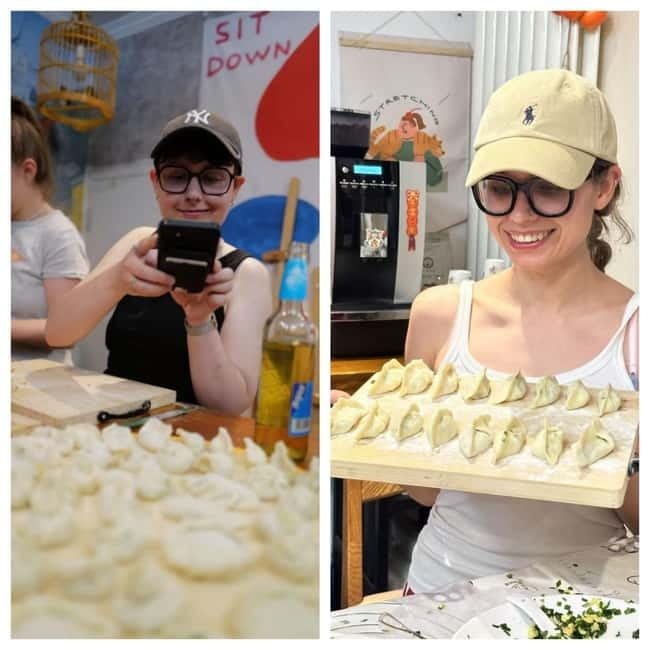
The central skill is shaping dumplings. You learn how to roll the wrappers properly, place the filling in your hand, and pinch the edges into different designs. Even if your first few look uneven, you should be producing edible food by the end.
The activity description includes kneading dough and preparing fillings. That sounds ideal if you want a full from-scratch lesson. Still, you should be aware of a small variation in what may happen on the day. One account says the fillings were premade, while another participant wished they had made the dough rather than only learning to roll it.
That does not cancel the value of the class, but it changes what you should expect. The most dependable part appears to be the shaping practice. You will learn several ways to fold and pinch dumplings, and you will have plenty of chances to repeat the motions.
I like this format for beginners. A recipe alone cannot show you how soft the dough should feel or how much filling is too much. Here, you can watch a demonstration, copy it, and ask for help when the wrapper tears or refuses to close.
The session also gives you a practical souvenir: a folding skill you can try at home. You may not produce perfect crescents on your first attempt, but you will leave knowing the basic process rather than simply remembering a meal.
Why dumplings matter in Chinese culture
The guide does more than explain cooking technique. You also hear about the place dumplings hold in Chinese food and family traditions, including Lunar New Year customs and regional differences.
That cultural context gives the class more weight. Dumplings are associated with togetherness, celebration, and shared work. Preparing them as a group helps explain why they appear so often at family gatherings and festive meals.
You will also hear about different ways to cook them. The finished dumplings may be boiled until soft or pan-fried until the bottoms turn crisp. Those two methods give you a useful comparison: one emphasizes a tender wrapper, while the other adds a browned, crunchy base.
The exact balance of cooking methods can depend on the session, so I would not book this expecting a fixed tasting menu. The reliable promise is that you eat the dumplings you help prepare, along with other food and drinks.
The meal includes much more than your own dumplings
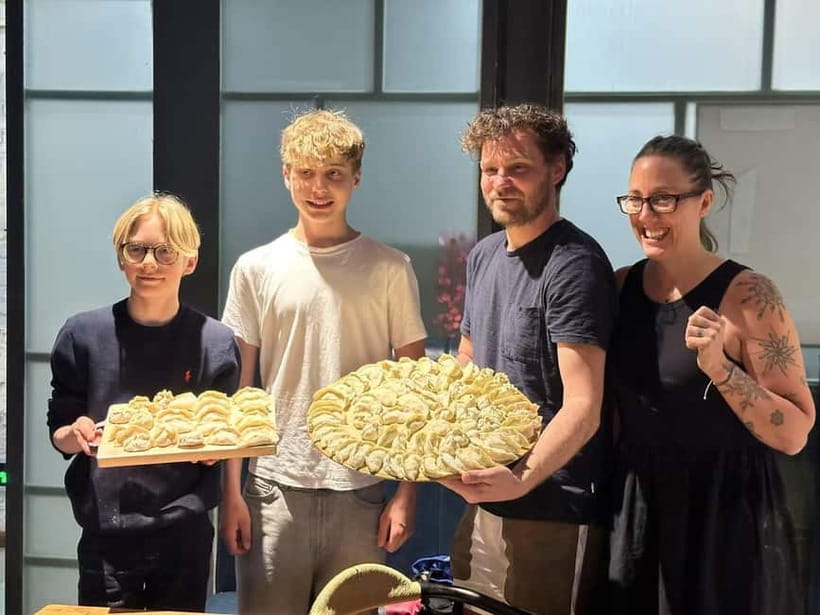
The class ends with a proper communal meal, not just a small plate of your handiwork. Several dishes may appear alongside the dumplings, with examples including kung pao chicken, egg with tomato, cabbage, breaded chicken, desserts, and other local plates.
This is one reason the price works well. You are not paying $35 for a demonstration followed by a token snack. The experience includes all cooking ingredients, tea, other foods, and beverages, with beer listed among the options.
You may also have water, juice, or other drinks. Tea is part of the pairing and helps shape the meal as a Chinese dining experience rather than an ordinary cooking workshop.
The quantity is another strong point. One participant described a table with a large number of dumplings, main dishes, desserts, and drinks. That makes this a sensible choice if you want an activity that can replace dinner.
There is one practical caveat: you need to be comfortable eating food prepared in a shared setting. The activity is specifically not suitable for people with food allergies. If you have a serious allergy, this is not the place to rely on guesswork or informal assurances.
Vegetarian diners appear to have had a good experience, with one account calling the meal vegetable-friendly. Still, the supplied details do not promise a dedicated vegetarian menu, so you should confirm your needs before paying.
More Cooking Classes with Lunch in China:
- New Orleans Demonstration Cooking Class with Meal
★ 5.0 · 3,000 reviews - Pasta Making & Wine Tasting with Dinner in Frascati from Rome
★ 5.0 · 1,326 reviews - New Orleans Hands-On Cooking Class with Meal
★ 5.0 · 1,183 reviews - Palermo: Pizza and Gelato Cooking Class with Dinner and Wine
★ 4.9 · 951 reviews
A traditional Beijing setting and a social evening
Part of the appeal is the setting. One participant described the experience as taking place in a traditional hutong, which gives the meal a more local feel than a standard restaurant room. Another said the meeting point was the lobby of the Scared Hotel, close to the map pin.
Because the exact venue details are not fully consistent, pay attention to the meeting instructions you receive. Hotel pickup and drop-off are not included. You need to make your own way to the meeting point and should allow time to find the correct lobby.
Once inside, the shared table becomes the main attraction. You work with the group, wait for the dumplings to cook, and talk while the meal comes together. This is a good choice if you enjoy meeting people through food instead of sitting quietly at a restaurant.
It also suits families and couples. The work is simple enough for beginners, and the social tone keeps the three hours from feeling like a classroom lecture. If you prefer a private lesson with a tightly controlled menu, this may feel more relaxed and less tailored than you want.
The guides make a real difference
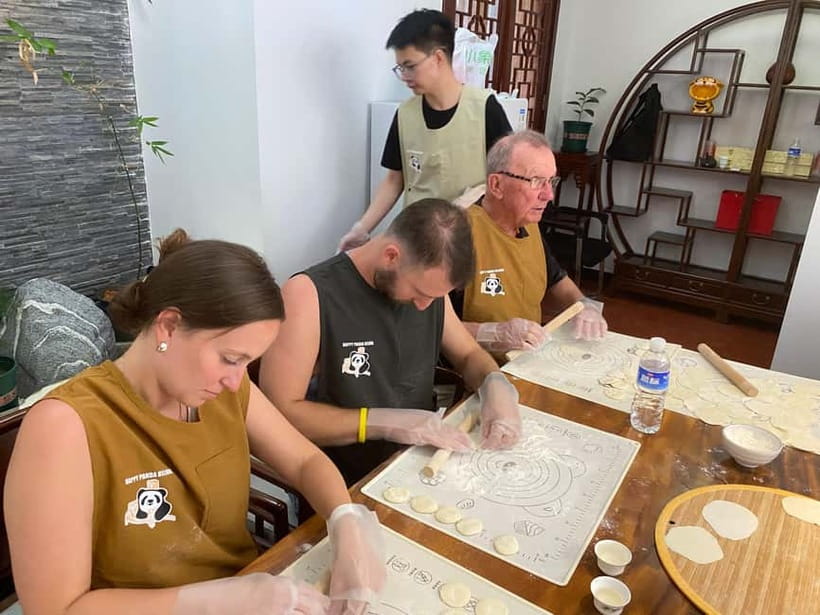
The hosts are an important part of the value. Jenny is praised for making the lesson fun. Janine is described as pleasant, smiley, and easy to understand in English. Eric and Lan are noted for being helpful and welcoming, while Heyang and his sister are credited with guiding beginners through the complete process.
You may not meet any particular person named here, since staff can vary. What you can reasonably expect is an English-speaking instructor who demonstrates the steps and helps you copy them.
Patience matters in this class. Dumpling folding looks simple when someone else does it quickly. When you try it, the wrapper may split, the filling may spill, or the edge may not seal. A patient instructor lets you keep going until the movement makes sense.
There is also an appealing sense of generosity in the hosting. In one unusual case, a couple who got lost and missed the class received help locating the group, followed by dumplings delivered to their hotel when the pickup could not be arranged. Do not count on that as part of the official service, but it gives you an idea of the personal style some hosts bring to the evening.
Is $35 good value for three hours?
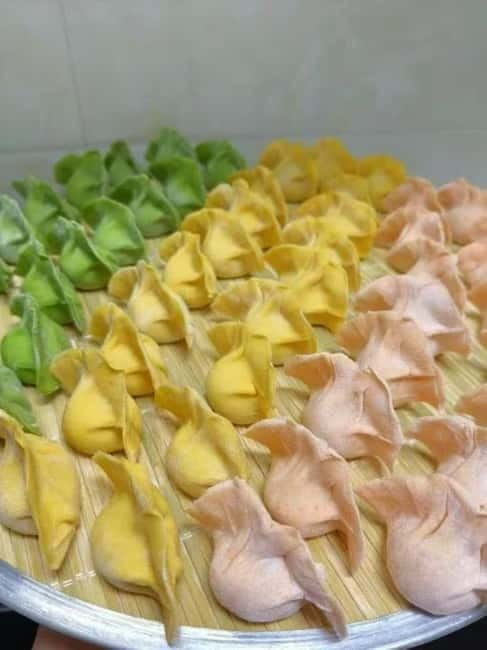
At $35 per person, this is a solid deal if you treat it as both a class and dinner. The price includes a three-hour lesson, ingredients, your dumplings, tea, additional dishes, and beverages that can include beer.
A similar dinner in Beijing might cost less if you choose a basic local restaurant. But that would not give you the instruction, cultural explanation, folding practice, or social experience. A cooking class can be worth paying extra for when you want to understand what is on your plate.
The amount of food strengthens the value. You should not assume you will eat only the dumplings you make. Additional dishes are part of the meal, so the class can serve as a substantial evening meal.
The value is weaker if you mainly want a technical, from-scratch cooking course. The comments about premade fillings and ready-made dough suggest that some sessions focus more on rolling and shaping than on every stage of preparation. Ask in advance if kneading dough and mixing fillings are non-negotiable for you.
The reserve-now-and-pay-later option also gives you some planning flexibility. Free cancellation is available up to 24 hours before the activity for a full refund. Booking at least 12 hours ahead is required.
Who should book this activity?

I would recommend it to you if you want a friendly introduction to Chinese food and customs, especially if you have already seen the major sights and want an evening built around everyday cooking.
It is particularly well suited to:
- First-time visitors who want a clear, hands-on cultural activity
- Couples and families looking for a shared dinner experience
- Solo visitors who enjoy meeting people at a communal table
- Beginners who have never made dumplings
- Anyone who wants a filling meal included in the activity price
- People who appreciate patient English-language teaching
You should think twice if you have food allergies, need strict control over ingredients, or want a polished restaurant dinner. You should also check the dough and filling arrangements if your priority is a complete from-scratch course.
Comfortable clothes are the only listed item to bring. That is sensible advice, since flour, filling, and cooking can make a neat outfit less useful. Smoking is not allowed.
The activity is wheelchair accessible, though you should still confirm the exact meeting point and room setup if you need specific access arrangements. Hotel pickup and drop-off are not included, so transport to the starting point is your responsibility.
Making the most of the 16:30 start
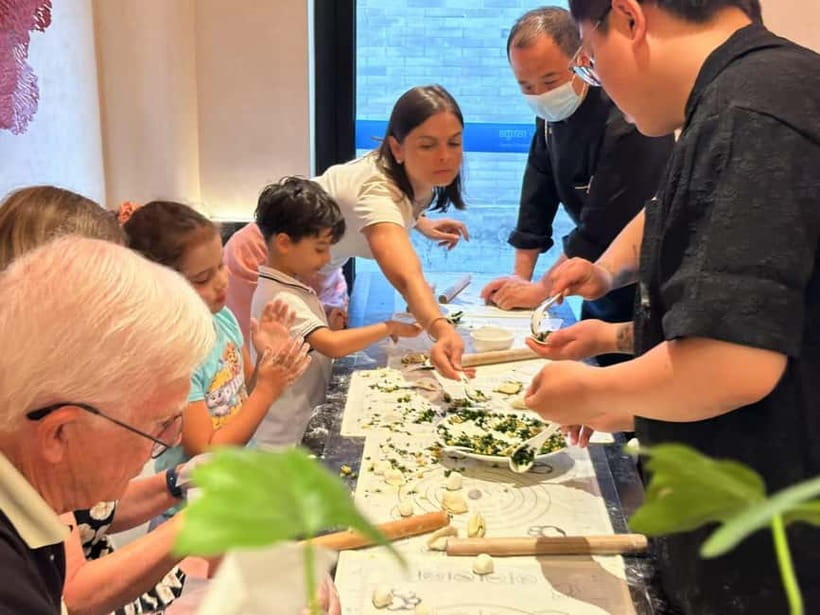
The 16:30 start works well with Beijing sightseeing. You can spend the earlier part of the day at another attraction, then head to the meeting point for a meal that carries you into the evening.
Do not arrive at the last minute. The meeting point information refers to the Scared Hotel lobby, with the location close to the provided map pin. Beijing’s streets can be confusing, and one couple missed the class after getting lost.
Wear something comfortable and keep your schedule open for the full three hours. The class is not only a quick demonstration. You need time to learn the technique, make a large batch, wait for cooking, and sit down for the meal.
If you want to take photos, the shaping stage offers the best chance. Once the dumplings are cooking and the table fills with dishes, your hands will be busy eating.
Final decision: book it for the food, people, and practice
You should book this class if you want more than a standard sightseeing stop. For $35, you get an active lesson, a generous dinner, tea, drinks, and a chance to talk with local hosts in English.
I especially like the combination of practical folding skills and cultural explanation. The class gives you something to do with your hands, something to learn about Chinese customs, and a meal that feels connected to the work you have just completed.
Just keep your expectations precise. This may not be a fully from-scratch culinary course every time, and the exact dishes or host can vary. If you are comfortable with that, the warm teaching, abundant food, and relaxed communal setting make this one of Beijing’s better-value food activities.
FAQ
How long does the dumpling-making activity last?
The activity lasts three hours.
What time does the activity start?
The activity starts at 16:30.
What is included in the price?
The price includes the three-hour dumpling-making class, all dumpling ingredients, tea with the meal, other foods and beverages, and beer.
Is hotel pickup and drop-off included?
No. You need to arrange your own transport to and from the meeting point.
Where do I meet the guide?
The meeting information states that you meet the guide in the hotel lobby. The Scared Hotel is identified as the meeting point, close to the map location provided.
Is the class taught in English?
Yes. The instructor language is English.
Is the activity suitable for people with food allergies?
No. The activity is listed as unsuitable for people with food allergies.
Can I cancel the booking for a refund?
Yes. You can cancel up to 24 hours in advance for a full refund. Booking at least 12 hours ahead is required.
More Hands-On Workshops in China
- Half-Day Chengdu Cooking Class with a Local Market Visit
★ 5.0 · 465 reviews - Chengdu: Cooking Class with Fresh Market Half Day Experience
★ 5.0 · 42 reviews - Private Cooking Class: Make Your Own Dim Sum In Shanghai
★ 5.0 · 27 reviews - Half-Day steamed Buns Cooking Class with a Local Market Visit
★ 5.0 · 26 reviews
Just added around China
- Private Cooking Class: Make Your Own Dim Sum In Shanghai★ 5.0 · 27 reviews
- Vegan Soup Dumpling Making in Shanghai★ 5.0 · 17 reviews
- Beijing: Vegan Home Cooking & Local Market Tour with Sanxia★ 4.8 · 4 reviews
- Shanghai-Cooking Dumpling & Meal in Local Family-w/Vegan★ 4.9 · 36 reviews
- Private Home Cooking Class with Shanghai Mama★ 5.0 · 14 reviews
- Private Home Cooking Class:Dumpling Cooking Class Tour in Xi’an★ 5.0 · 7 reviews
- Chengdu: Cooking Class with Fresh Market Half Day Experience★ 5.0 · 42 reviews
- Half-Day Professional Mapo Tofu Cooking with a Local Market Visit★ 5.0 · 19 reviews
Chinese Cooking Classes, compared.

Warsaw’s No 1 cooking class-Polish dumplings with liqueur tasting
Read our review →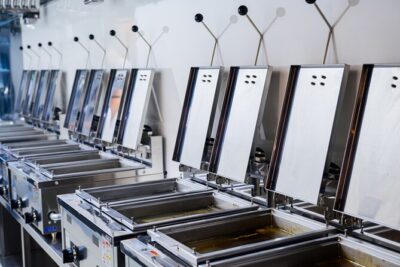
Gyoza Cooking Class in Kyoto: Traditional Japanese Dumplings
Read our review →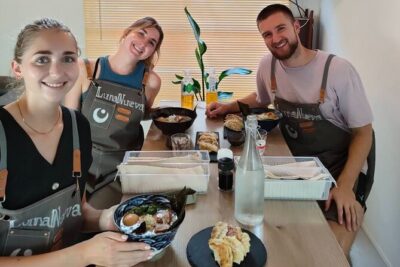
Ramen & Dumpling Cooking in Tokyo with Chef/Vegan possible
Read our review →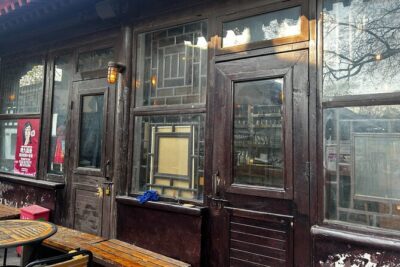
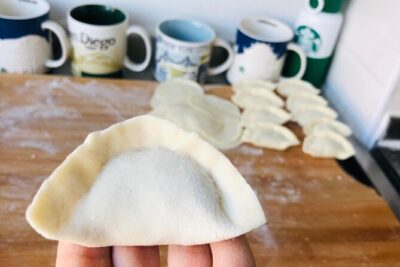
Online Cooking Class Beijing Dumplings and Cuisine by Sunflowerli Renowned Chef
Read our review →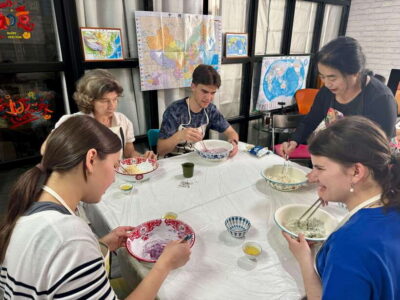
Shanghai-Cooking Dumpling & Meal in Local Family-w/Vegan
Read our review →Private Cooking Class: Make Your Own Dim Sum In Shanghai
Read our review →Browse the lists this tour appears in