
Review · TANZANIA
NGO Lifted Strong – Traditional Tanzanian Cooking Class
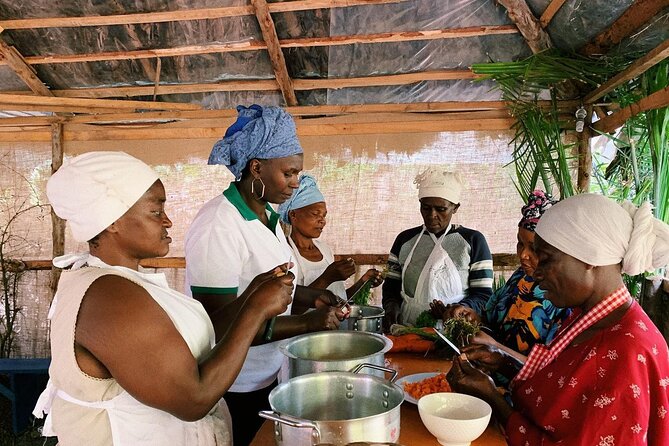
The best part of this Arusha cooking class is that the food comes with a purpose. You cook alongside the Mama’s of Lifted Strong Community Organization, learn the Swahili names for ingredients, and help support women facing poverty, domestic violence, HIV, and poor health.
I like two things here: the class feels like cooking together, not a stiff demonstration, and the menu can be shaped around your interests and diet. Joyce and her team have arranged samosa lessons, soup, ugali with vegetables, rice, and cooked banana. The main drawback is that this is a simple community class, not a polished culinary school, and pickup details should be settled ahead of time.
Key points at a glance
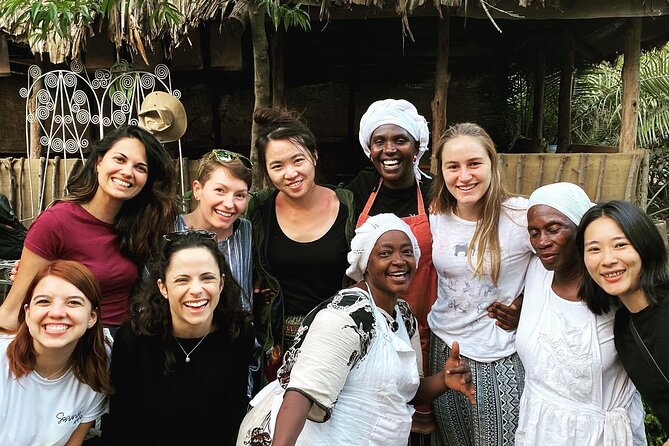
- Cook with local Mama’s: Expect friendly, hands-on instruction from women connected with LISCO.
- Choose from familiar Tanzanian dishes: Past classes have included samosas, soup, ugali, rice, vegetables, and cooked banana.
- Learn useful Swahili: You discover the local names for ingredients as you prepare the meal.
- Support women directly: Your $50 booking helps Lifted Strong’s work with women and girls facing serious hardships.
- Small and manageable: The class lasts about three hours and is limited to 10 people.
- Plan for the afternoon: The scheduled start is 2:00 pm, with the activity ending back at the meeting point.
Cooking with the Mama’s in Arusha
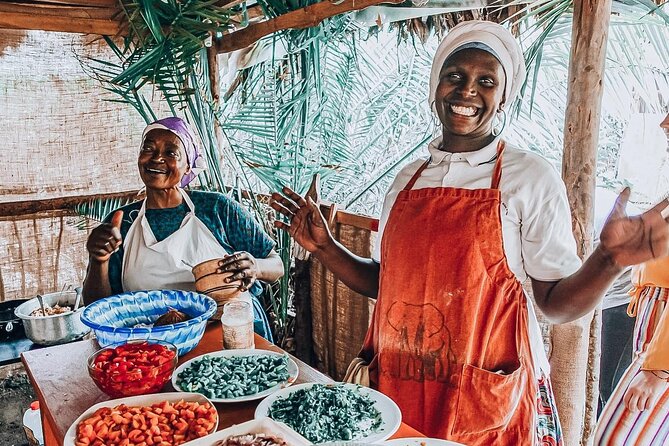
This experience gives you a different way to meet Arusha. Instead of simply eating Tanzanian food at a restaurant, you spend time preparing it with the women who know these dishes from daily life.
Joyce helps coordinate the class, and the cooking is led by the Mama’s, local women who work with Lifted Strong. The tone is friendly and social. You should expect to chop, mix, shape, stir, and taste, rather than sit quietly while somebody else does all the work.
That distinction matters. The class is not presented as a formal chef’s course with a detailed lecture and perfectly measured recipes. It is closer to a shared kitchen session. You work with the group, ask questions, and pick up techniques as the food comes together.
The experience also introduces LISCO’s wider work. Lifted Strong Community Organization supports women dealing with poverty, domestic violence, HIV, and poor health. Your time in the kitchen helps fund that effort, giving the class more weight than a standard sightseeing stop.
More Hands-On Workshops in the world:
- Half-Day Thai Cooking Class at Organic Farm in Chiang Mai
★ 5.0 · 19,087 reviews - Florence: Pasta Cooking Class with Unlimited Wine
★ 4.9 · 10,285 reviews - 3 in 1 Cooking Class near Navona: Fettuccine, Ravioli & Tiramisu
★ 5.0 · 7,376 reviews
What you may cook during the three hours
The exact menu can be discussed before the class. Joyce has contacted participants ahead of time to ask what they would like to prepare, and this is useful if you have a particular dish in mind.
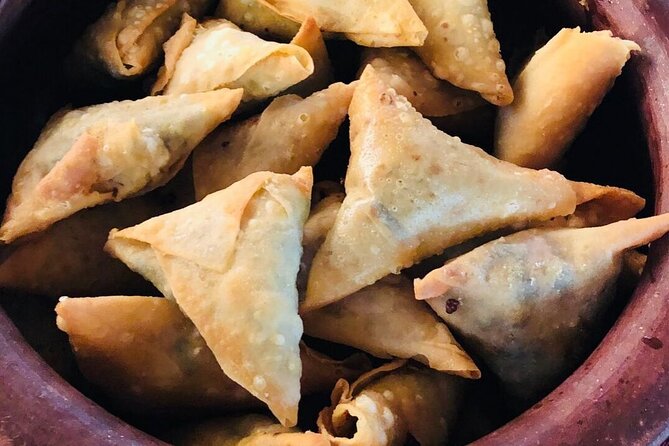
Samosas have been a popular choice. You can learn how the filling is prepared, how the pastry is shaped, and how the finished parcels are cooked. A school group used the class to learn samosa-making, and the format worked well for young participants because the activity is practical and social.
Soup is another possible lesson. It offers a gentler introduction to local ingredients and gives you time to learn the Swahili names for what you are handling. You are not just memorizing vocabulary from a page. You hear the words while using the ingredients.
Ugali with vegetables, rice, and cooked banana have also featured in the cooking. Ugali is an important staple in Tanzania, and preparing it gives you a better sense of how a basic everyday food fits into a meal. Cooked banana provides another look at the range of dishes served in Tanzanian homes.
You may make more food than the group can eat in one sitting. Some participants have been able to take extra portions home. That depends on the amount prepared, so I would treat it as a pleasant bonus rather than a promise.
A class built around cooking together
The strongest reason to book is the personal contact. This is not a performance put on at a distance. You spend the afternoon with the women, share the work, and get to know them while the meal is prepared.
The class may feel informal. One participant described it as more like cooking together than a traditional cooking class. I see that as both a strength and a limitation.
If you want a highly structured lesson, exact quantities, printed recipes, and a professional kitchen, this may not be the right choice. If you want a relaxed introduction to Tanzanian food and a chance to talk with local women, the informal style should suit you well.
The setting also makes the activity accessible to mixed groups. Couples, friends, families, and school groups can take part. The maximum group size is 10, so the class should feel more personal than a large food tour.
Learning Swahili through food
The language element is modest but useful. As you prepare the meal, you learn the Swahili names for ingredients and dishes. This gives you a few words you can use later in markets, restaurants, or conversations around Arusha.
You should not expect a full Swahili lesson. The language is tied to the cooking, which is exactly why it works. You hear a word, handle the ingredient, and connect the sound with something real.
For many people, this will be one of the more memorable parts of the afternoon. Food vocabulary is practical, easy to recall, and a natural way to open conversation. It also shows that the class is about more than producing lunch.
A few more cooking classes around the world worth a look
- Florence: Pasta & Tiramisu Cooking Class with Unlimited Wine
★ 4.9 · 6,708 reviews - Florence: Pasta Cooking Class with Unlimited Wine
★ 5.0 · 6,413 reviews - Hanoi Cooking Class: Culture, Local Market & Meaning CSR Impact
★ 5.0 · 5,147 reviews - 5 Traditional Dishes Hanoi Cooking Class with Market Trip
★ 5.0 · 4,890 reviews
Why the $50 price can make sense
The cost is $50 per person. That is more than you might pay for a basic local meal, but the price covers an activity lasting about three hours, food preparation, instruction, and a contribution to LISCO’s work.
The value depends on what you want from the afternoon. If your only goal is to eat Tanzanian food cheaply, this is not the best use of $50. You can find less expensive meals elsewhere.
If you want a hands-on activity, personal contact with a local community organization, and a direct way to support women facing hardship, the price is easier to justify. You are paying for time, participation, food, and a social purpose.
The class also fills only part of the day. Starting at 2:00 pm and ending around 5:00 pm leaves your evening open. You can pair it with another Arusha activity earlier in the day, but allow enough time to reach the meeting point without rushing.
Meeting point, pickup, and timing
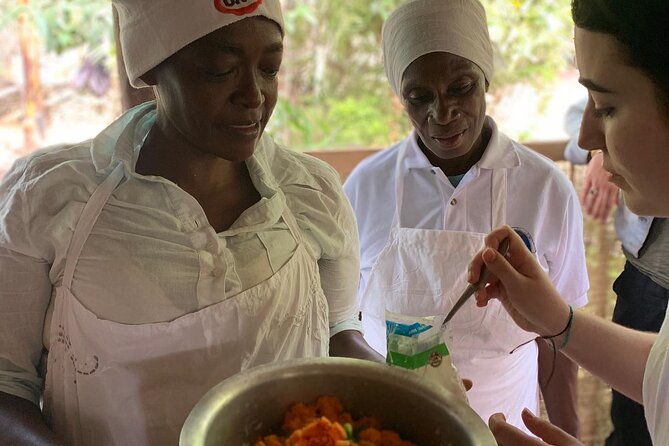
The listed starting point is MJHR+GF in Arusha, Tanzania. The activity ends back at that same meeting point.
You can either meet at the center or arrange pickup. Confirm the plan before the day of the class, especially if you are staying outside central Arusha. Pickup is convenient, but the supplied details do not state a standard pickup zone or fee, so you should ask for the exact arrangement when booking.
The scheduled start is 2:00 pm. The activity lasts approximately three hours. Since cooking times can vary and the class is designed around shared work, keep a little flexibility in your schedule rather than booking a tight evening transfer immediately afterward.
The center is near public transportation. Service animals are allowed. A mobile ticket is provided, and confirmation arrives at booking.
The class is often booked about 17 days ahead. That does not mean you must reserve exactly that early, but it is a useful signal for planning. If the cooking class matters to your Arusha schedule, booking ahead is sensible, especially if you want a certain menu or need pickup.
Food choices and dietary needs
Vegetarians and vegans can take part. You need to give advance notice so the menu can be planned properly.
This is also the right time to mention allergies. The menu has been adjusted for dietary needs in the past, but you should not wait until you arrive. Tell Joyce or the organizing team before the class and ask them to confirm what can be prepared safely.
Because the menu can be discussed ahead of time, you have more control than you would at a fixed food tour. You may be able to request a dish such as samosas or choose a meal centered on vegetables and rice. The available choices will depend on the class arrangement and ingredients.
The community purpose behind the meal
LISCO’s mission is central to the experience. The organization works to advocate for and support women facing difficult conditions, including HIV, domestic violence, poverty, and poor health.
That context changes how the class feels. You are not simply buying an activity from a commercial kitchen. You are spending money with a group that aims to help women build a better life and strengthen their place in the community.
You should still approach the class with respect. The women are not there as a tourism display. They are hosts, cooks, teachers, and community members. The best approach is to come ready to listen, participate, and treat the afternoon as a shared exchange.
The organization’s work is explained as part of the experience, giving you a clearer picture of where your booking helps. Ask questions if you want to understand more, but allow the discussion to unfold naturally alongside the cooking.
Who will enjoy this class most
I would recommend it to you if you want a low-key cultural activity in Arusha and prefer meeting people through a shared task. It is especially suitable for couples, small groups of friends, families, and school groups.
It also works well for people who have already seen the main sights and want an afternoon activity with more personal contact. The three-hour length is manageable, and the 2:00 pm start leaves room for other plans.
Vegetarians and vegans have a clear reason to consider it, since the organizers can accommodate those diets with advance notice. People interested in women’s empowerment may find the social purpose just as important as the food.
You may want to skip it if you expect a restaurant-style experience, strict culinary instruction, or a professional chef. The appeal is the people and the shared kitchen work, not luxury facilities or technical cooking theory.
A few practical cautions before booking
Confirm your meeting point and pickup plan. The activity can begin at the center, but pickup must be arranged, and the available details do not spell out every transport option.
Tell the organizers about dietary restrictions before arrival. This is especially important for allergies, vegan meals, or a specific food request.
Wear clothes that are comfortable for cooking. No special equipment is listed, but food preparation can be messy, and you will likely be standing and working with ingredients for much of the session.
Keep your schedule open after the class. The stated duration is about three hours, but a shared cooking session is less rigid than a timed museum visit.
The cancellation policy is flexible if your plans change. You can cancel for a full refund up to 24 hours before the local start time. Cancellations or changes made less than 24 hours before the class are not refunded or accepted. If LISCO cancels because the minimum group size is not met, you can receive another option or a full refund.
Should you book the Lifted Strong cooking class?
Book this class if you want good food, local contact, and a clear community purpose in one afternoon. The 4.9 rating from 39 ratings and 100 percent recommendation fit the experience described: warm hosts, tasty food, and a welcoming setting.
The best moments are likely to come from the simple parts, shaping samosas, learning a food word in Swahili, talking with the Mama’s, and sitting down to eat what you helped prepare. Do not book it expecting a polished cooking school. Book it for a shared meal and a chance to support LISCO’s work with women in Arusha.
FAQ
Where does the cooking class start?
The meeting point is MJHR+GF in Arusha, Tanzania. You can also arrange pickup with the organizers.
What time does the class begin?
The scheduled start time is 2:00 pm.
How long does the experience last?
The cooking class lasts approximately three hours.
Where does the activity finish?
The class ends back at the meeting point.
How many people can join?
The maximum group size is 10 people.
What food might I prepare?
Possible dishes include samosas, soup, ugali with vegetables, rice, and cooked banana. The menu can be discussed in advance.
Can vegetarians and vegans join?
Yes. Vegetarian and vegan requirements can be accommodated when you provide advance notice.
Will I learn Swahili?
Yes. The class teaches the Swahili names for ingredients and dishes as you prepare the food.
Is pickup available?
Yes. You can meet at the center or arrange pickup. Confirm the pickup details before the activity.
Can I cancel for a full refund?
Yes. You can cancel up to 24 hours before the local start time for a full refund. Cancellations made less than 24 hours before the start are not refunded.
Just added around the world
- A Coruña: Local Market Shopping and Cooking Workshop★ 5.0 · 16 reviews
- Vegan/Vegetarian Ramen and Gyoza by Bentoya cooking★ 5.0 · 59 reviews
- Traditional Zanzibar Cooking Class including Spice Tour★ 4.5 · 14 reviews
- Verona: Pasta and Tiramisu Cooking Class with Fine Wine★ 4.8 · 633 reviews
- Hoi An/Da Nang: Vegetarian Cooking Class & Basket Boat Ride★ 4.8 · 90 reviews
- Hoi An : Vegetarian Cooking Class W Optional Coconut Village★ 4.9 · 28 reviews
- Hoi An Vegan Cooking School with Local Chef and Basket Boat★ 4.8 · 31 reviews
- Tbilisi: Cooking Class with a Local Family★ 5.0 · 104 reviews
Cooking Classes, compared.
Half-Day Thai Cooking Class at Organic Farm in Chiang Mai
Read our review →
Florence: Pasta Cooking Class with Unlimited Wine
Read our review →
3 in 1 Cooking Class near Navona: Fettuccine, Ravioli & Tiramisu
Read our review →
Hanoi Cooking Class: Culture, Local Market & Meaning CSR Impact
Read our review →
5 Traditional Dishes Hanoi Cooking Class with Market Trip
Read our review →
Cooking Class and Lunch at a Tuscan Farmhouse with Local Market Tour from Florence
Read our review →
Chiang Mai: Cooking Class, Market & Thai Herbs Garden Tour
Read our review →Browse the lists this tour appears in